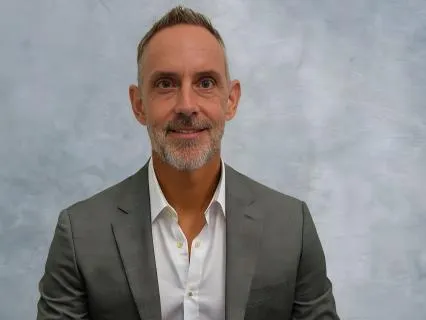
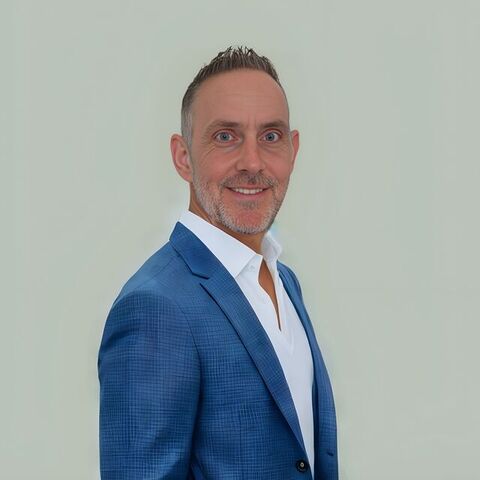
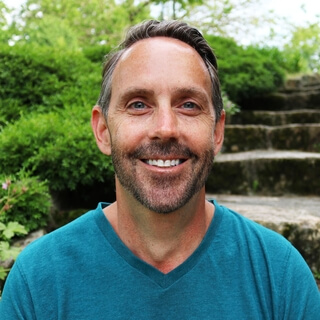
Welcome to Life,
Lessons & Laughter with your host,
Glenn Ambrose.
Hey there,
Welcome to the show.
To the show.
Um.
.
.
Hello.
Hello,
Everybody.
How art thou?
So I am.
I'm talking about personal responsibility today.
This is something that comes up consistently.
And.
.
.
I believe it falls in line with the theme of discipline.
You know,
I've been talking about discipline lately and how it's becoming more and more important.
And,
And it is,
And this is a major aspect of that.
So.
.
.
We have to become aware of our personal responsibility.
Where,
You know,
To oversimplify those aspects of victim mentality,
That Basically,
Everybody is in to varying degrees.
You know,
I still fall into victim mentality sometimes.
So it's,
You know,
We all do it.
It's just to varying degrees.
And.
One,
Ironically,
I think one of the problems with the term victim mentality specifically is that a bunch of like people have heard about it now and Like we have two choices in life.
You know,
Once we come across the problem,
We either fix it or hide from it.
So.
Most people are just not in the habit of fixing their own lives.
This is why we're in the state that we're in and taking self-responsibility.
It's much easier just to say,
It's not my fault.
It's much easier to look at the external and say the external is the problem instead of going within and fixing the real problem.
We're all in the habit of rationalizing our own behavior,
Rationalizing our circumstances,
And maybe even throwing in,
You don't understand.
Home.
Like we're so unique.
You know,
So that leads to.
.
.
Victim mentality.
Right.
Because like,
Like victim mentality is a lot deeper than most people think.
Like,
You know,
Like most people think victim mentality is.
Yeah.
Is this these big extreme cases that you can see from a mile away.
And that's I mean,
That that can be true,
Of course.
But.
Most of us live in the victim mentality on a daily basis in little ways,
And we just don't see it as that,
Right?
Feeds this.
One of the things that feeds this immensely psychologically is the medical industry,
The pharmaceutical industry.
On TV,
We're just inundated with commercials about medications.
And these medications are often because of lifestyle changes.
So like I saw this meme that that has a person at a doctor and the doctor says you have a you have a health issue that's caused by your lifestyle.
And the person says,
Oh,
Okay,
So should I change my lifestyle?
And the doctor says,
No,
Here's a pill.
Right?
This feeds the victim mentality.
How does it do that?
Well,
Because whenever there's a problem,
Whenever we're not feeling the way we think we should be feeling.
Than in,
You know,
Mentally,
Emotionally,
Physically,
In any way,
Shape or form.
There's a pill for that.
Well,
What does that mean?
You know,
You got to follow the intellectual or the.
The logical conclusion,
Like what message is that sending to your body?
If you are inundated with it all the time,
If every time you don't feel good mentally,
Emotionally,
Or physically,
There's somebody telling you that you should take a pill.
This will solve it.
This will solve it.
This will solve it.
After a while,
We start thinking that these things are happening to us.
And,
You know,
Unconsciously we start thinking that there's something wrong with us.
So,
You know,
So we have to take this pill and that lowers our self-esteem because we think that there's something wrong with us.
You know,
This is,
This is one of the things that I was very concerned about with,
With my son.
When like in first and second grade,
It started becoming obvious,
Like he wasn't going to be able to make it.
In a public school,
Like it was just his ADHD was just too much.
He couldn't sit in a school environment,
You know,
And I want to try a lot of different things like diet and all this stuff.
And and,
You know,
We tried working with the school.
The school was like,
Oh,
We're going to implement,
You know,
This strategy,
Like let's put together a strategy.
So we're going to do this,
This and this.
And we'll try that for two months and we'll see how it works.
And if it doesn't work,
We'll go to step two.
You know and So so we're like,
Oh,
OK,
You know,
We do that.
And then the teachers don't implement.
The,
What they're supposed to be implementing.
And we go for our checkup meeting and they're like,
Yeah,
So step one didn't work.
So we're going to go to step two.
And I'm like,
Wait a minute.
We didn't do step one.
And they're like,
Well,
You know,
We tried and it didn't work.
No,
You didn't try.
You didn't do it.
You said you were going to do this,
This and this every day.
And you didn't the teachers didn't do what they said they were going to do.
So you never implemented the strategy.
So how can you say that it failed?
Well,
Well,
You don't understand.
There's lots of kids and,
And,
And,
And,
You know,
And I'm like,
Well,
If the teacher is incapable of doing steps one,
Two,
And three,
Because there's too many kids,
Then why did the teacher say they were going to implement steps one,
Two,
And three?
They should have said,
Well,
I can't do that because there's too many kids and it would take too much time.
So I'm not going to be able to implement that or halfway through say,
I'm sorry.
I thought I could implement it,
But I can't.
So we're going to have to come up with another plan.
Another meeting.
Do you see how easy it is to shun responsibility?
Just to say you're going to do something,
Don't do it,
And then pretend it's not your fault.
Like this is commonplace.
And you know,
The other part of that particular example,
Is that.
How do you think?
It's going to affect a young child's self-esteem if they have to take drugs to get to school.
Just do what all the other kids are doing on a daily basis.
You think that children aren't going to think of that?
Now,
I'm not saying that we shouldn't give our children ADHD pills in this particular society at this time in human history because of external circumstances and all that stuff.
My son ended up getting on ADHD medication.
Personally,
Like I said,
I was against it at first.
I wanted to try everything else.
I want to exhaust every other option before I went to that.
Right.
But I had no custodial rights to my son.
So as soon as I spoke up against a teacher or a principal or a doctor or anybody in charge,
My ex-wife was sitting right there going,
Don't talk back to them or else I'll throw you out of these meetings.
So I had to keep my mouth shut.
There wasn't a heck of a lot I could do.
So I would push as hard as I could,
Or as far as I could,
And then I'd have to pull back.
But when it came time to put my son on the ADHD medication,
His therapist was like,
Well,
Glenn,
Do you have any idea how many times your son hears his name in a negative context per day?
And do you have any idea what that does to his self-esteem?
And I flashed through my childhood because I was ADHD and I didn't diagnose it back then.
And I heard my name in a negative context.
Dozens,
At least dozens of times every single day for the first seven years of school.
And I know exactly what it does to self-esteem because it destroyed mine.
And by the time I was in seventh grade,
I said,
Screw it.
I'm a horrible person.
I'm incapable of fitting into society,
Being who they want me to be.
I've tried as hard as I can.
I can't do it.
There's something wrong with me.
I'm a mess and I'll never fit into society.
And so the hell with that,
I'm going to stop trying.
The problems that and the suffering that induced into my life for the next 25 years is insanely horrible.
You know,
20 years of alcoholism and it was it was hard.
So when they said that,
I was like,
Oh,
Yeah,
I know exactly what he's dealing with.
And I don't want him to go through what I went through.
So.
Not that I had a choice.
He was going to be put on the medication anyway.
But intellectually,
I was like,
OK,
I get it,
You know,
And the medication helped him dramatically.
And,
You know,
He was the number one problem in the school and first and second grade,
The number one,
According to his principal.
And starting third grade,
He barely got into any trouble.
You know,
It took him a little time to adapt to to not being the trouble child.
And,
You know,
And all this stuff.
So fourth grade,
Almost no problems,
Just a couple little things.
And then the rest of his school,
He wasn't getting into trouble for anything.
I mean,
You know,
He might've gotten sent to the office once a year or once every couple of years or something for something,
But it was,
You know,
There was basically no problems with him.
So in his particular situation,
Needing to stay in public school,
Because I didn't have the ability to take him out and all that stuff,
Medication served him well.
And now he's 25.
He hasn't been taking his medication.
I don't even think he took his medication,
His senior year of high school.
He took it like he would like junior year of high school or something,
And then.
And,
You know,
He hasn't taken it for many years now.
I gotta get my brain back.
I went off on a tangent there.
My apologies.
Yeah i think i'm just gonna have to i think i'm gonna have to uh change topics because I'm having trouble circling back.
From where I landed,
Having trouble circling back.
So,
So this is,
Oh,
It was about him feeling bad about himself,
You know,
So I didn't want him feeling bad about himself because they,
He,
He needed to.
Society told him he needed to take a pill.
Because there was something wrong with him.
So I was like,
So what I told him is I said,
Listen,
I says,
You know,
What would have,
There's nothing wrong with you.
There's nothing wrong with you.
Like there's something wrong with the box that society is trying to put you in.
It's trying to make you at your highest energy levels.
It's trying to make you sit at a desk and not move and pay attention to stuff that you're not interested in for six hours a day.
That's unrealistic for somebody like you and you shouldn't have to do that,
But there's nothing we can do about it.
So.
You know,
But I want to be clear,
There's nothing wrong with you.
And I was like that.
I started explaining some of the benefits of ADHD,
Like like hyper focus.
I'm like,
Remember when you caught that baseball and it popped out of your glove and then you caught it again before it hit the ground?
Like you were so focused and your reaction time was so good that like you were able to do that.
A lot of people can't do that.
Like you have abilities because of the way you you function,
The way your brain works,
The way you work,
You have abilities that other people don't have.
So there's nothing wrong with you,
Right?
This is the concept that we lose because of constantly being conditioned and inundated by the media and the pharmaceutical industries.
Because if you just hear it,
Even subliminally,
You know,
20 times a day,
Which you do,
You start unconsciously thinking that that's how things are.
And you just don't even and people don't think about things real deeply.
You know,
If like,
We've been doing this for a long time,
It's just way out of control now.
And it's way worse now.
Like even when I was a kid,
Like if you had a headache,
People were like,
Oh,
Give him an aspirin.
So we're so used to treating the symptom and not the cause,
We don't even think about the cause anymore.
If there's something off,
Oh,
I have heartburn.
Oh,
Well,
Take a pill.
I have a headache.
Take a pill.
Instead of going,
Well,
Why do you have a headache?
What's causing the headache?
Why,
You know,
Why is your stomach upset?
Instead of drinking some Pepto,
Why is your stomach upset?
Instead of taking a pill.
What is causing this physical symptom you're experiencing?
And we've gotten to the point where we're doing the same thing with our emotions and our thinking.
You know,
Thinking,
Oh,
Well,
I can't,
I'm having a hard time focus.
Oh,
Well,
You must have ADHD.
Here's a pill for that.
I don't feel good emotionally.
Well,
Here's an antidepressant.
Like we're just constantly treating symptoms.
And the problem is,
Is that we're living dysfunctionally and we're not even in control of our own lives.
And we're so used to handing our power away to these pills and to these ideologies to control how we think,
Feel and physically feel.
It doesn't even cross our mind anymore.
You know,
Like,
Like to me,
You know,
This this is I live in a personal responsibility world,
Like inside of my own personal world,
Because I learned it when I got sober.
And it's how I live my life.
And it's what I teach other people to take control of their lives and find peace and find happiness within their own life.
And only you can do that.
So I teach people how to do it.
Right.
So this is my whole life.
But when you when you look at society,
It's like often people come to me and,
You know,
And they'll they'll be like,
Yeah,
I'm having trouble with this.
And I go,
Oh,
OK,
Well,
You know,
Maybe you could do this.
And they go,
Well,
You know,
You don't understand.
I have an anxiety disorder.
It's like you have an anxiety disorder.
You know,
And that's the other thing.
We label it as disorders,
Attention deficit disorder,
Anxiety disorder.
What does that imply?
It implies that you have a disorder,
Right?
That there's something wrong with you,
The way you're made.
When we say disorder,
We don't think that it's a temporary situation.
We think it's an ongoing disorder.
And we don't even think like,
Do you know how many people have anxiety disorders?
A lot.
Right?
Do you know how many people think of their anxiety disorder as something that they can fix through behavior modification?
Very few.
It doesn't even cross their mind to try to control the symptoms.
Or the cause,
Either one,
It doesn't even dawn on people to attempt to get rid of the anxiety disorder.
Once they have it,
They have it.
Now they have to take a pill,
Probably for the rest of their life.
Why?
Because they have this anxiety disorder.
So like people will like,
I have an anxiety disorder and.
When people first started saying it to me,
It literally stunned me because I was like,
What do they mean?
I have an anxiety disorder.
Like I just don't look at it that way.
So I'm like.
The way they said that,
I think they.
.
.
I think they think that they caught it somewhere,
Like they were at a party and,
You know,
Somebody spiked the punch with anxiety disorder and everybody that was there caught it.
And now they have it.
And,
You know,
Like,
So you got to take a pill.
For the rest of your life.
Like,
What do you think?
You know,
I could kind of tell just by the way they said it.
They said it in a way that they have no control over it.
That I could feel that energy.
Oh,
Well,
I have an anxiety disorder.
Like,
Listen to the tone of my voice when I say that.
Oh,
Well,
Yeah.
Well,
See,
I have an anxiety disorder.
Doesn't that sound final?
Like the last word on a subject,
Like I have an anxiety disorder,
So,
You know.
That explains it.
So,
You know,
This is how I am.
This is how things are.
So yeah,
It's not easy,
You know,
It's not easy.
Got this anxiety disorder.
So yeah.
Yeah.
It's just my cross to bear.
It's that's,
That's what it is.
You know,
We all have our crosses to bear.
This is one of mine and.
It ain't easy being me.
I'll tell ya.
You know,
And I'm sitting here going.
Huh?
You didn't catch anxiety.
Anxiety is the inability to process life scenarios in a healthy way.
Anxiety is a result of carrying around fear and resentments for years.
Anxiety is fear of the future.
Fear is an illusion.
We do not have to walk around for the rest of our lives with anxiety.
Now I have had anxiety.
I have had,
I've had panic attacks.
At three major stages of my life.
I remember when my friend John died,
I started having panic attacks when I was in my mid-20s.
Somewhere around that time,
Give or take a few years,
I had him again.
Or actually,
No,
You know what?
That was around the same time.
That was around the same time.
I just remembered a different scenario I was in,
But it was it was in that same block of time.
So I was having anxiety disorder disorders in my my early to mid 20s.
I was having panic attacks.
I'm sorry.
I had an anxiety disorder that was causing panic attacks.
It was that extreme,
You know,
Where I would completely shut down.
And then I did have them.
A few years later,
When I moved to Florida,
Because I remember I started having him at work and I ended up,
I didn't know what was happening.
I ended up calling.
9-1-1 and going to the hospital.
Um.
.
.
At work.
Um,
Those were,
You know,
A close period of time,
A few years apart.
And then I even had them after I woke up and got sober,
I was working this job that was.
I was having a very,
I was having a hard time with the pressure.
The boss was putting on a lot of pressure on me to do things that were impossible to do.
And I kept trying to do that.
And I had,
I grew up in Massachusetts and Northeast has a pretty good work ethic compared to some other places.
I'm sure other places have good work ethics too,
But,
But like I was raised with a good work ethic.
So like when I wasn't capable,
Like even as an alcoholic,
When I was drinking,
I was able to usually outwork people or do good enough at my job where they wanted to keep me.
That was usually pretty easy for me.
I could not please this boss and I was sober and it was messing with my head and I wasn't dealing with it well.
But you know what I did to help myself deal with it is I put this little thing on my desk.
It said,
My happiness is my responsibility.
And every time he would come over and be like,
Glenn,
You got to get more of this stuff done.
I'd be like,
I'd look at that.
Thing because I had already talked to him and I had already explained my perspective and he wasn't interested in hearing it.
I even wrote down one day I wrote down all the things that I did that he was unaware.
That I did.
And it was a full page.
It was over like 20 things.
And I'm like,
This is why these things are taking me longer,
Because I also have to do these other 20 things that you're not taking into consideration.
And he crumpled it up and threw it in the trash.
He was just not interested in hearing my point.
I ended up having panic attacks.
Well,
I didn't blame it on him.
I tried to handle it myself and eventually I needed to take a stress leave from work,
Which End it up.
Me,
Fortunately,
Leaving that job,
Getting back into personal training.
Getting my life coaching certification,
Starting my business.
That's where those panic attacks were pushing me.
I had spent.
Six years,
Three selling cell phones.
Sales,
Which can be high pressure.
Three,
Doing another job that I extremely disliked.
So six years working in corporate America when I was supposed to be out there life coaching.
I just didn't have the awareness yet.
So that anxiety was pushing me to get out of these situations.
While I was in them,
I was trying to figure out how to deal with them.
Now,
Did I,
Did I accomplish my task?
Not fully because I was having panic attacks and I needed to leave that job.
Okay.
But my point is,
Is I wasn't blaming my boss.
At first I started to.
But I knew that if I was going to be happy,
I needed to rewire my brain.
I needed to rewire my nervous system.
I needed to rewire.
I needed to change things in my life.
When you like,
You know,
And I go to a doctor and what does the doctor say when I went to the doctor for having panic attacks at that job?
First thing he says is,
I'll write you a prescription.
And I was like,
I don't,
I don't want a prescription.
And he's like,
You don't,
What do you mean?
You don't want a prescription.
I'm like,
I don't,
I don't want a prescription of like,
Why would I want a prescription?
And he's like,
Well,
Because you're having panic attacks.
And you need something to help lower your anxiety.
And I'm like,
Yeah,
But like I was an alcoholic for 20 years.
So I medicated myself.
So I didn't need to feel what I was feeling.
So I,
And I never dealt with it.
And I stayed an alcoholic for 20 years.
Now I'm sober.
The last thing I want to do is.
Hide my symptoms.
Well,
How is that going to help?
I like,
I want to deal with this.
I want to work through it.
And he,
He literally didn't even understand what I was talking about.
This is a very intelligent doctor and I needed to explain to him.
What I was talking about and what I meant by work through it myself.
It's like,
Well,
How would you work through it yourself?
What do you mean?
What do you want?
What are you thinking about doing?
And I was like,
Well,
I think I need some time out of work like this.
I'm having trouble handling this work environment.
And it's gotten to me where I'm having panic attacks.
I think I just need a little time out of that situation where I can just get my feet back on the ground,
Get back in control of my emotions,
Work through some of the stuff I'm feeling without getting hit with a new batch every day.
And then maybe I can work through this and get my feet back on the ground and then I'll be OK.
And he was like,
Oh,
And he was all shocked.
Oh,
Okay,
Well,
Yeah,
Yeah,
If you want,
Sure,
Give that a shot.
I can put you out on stress leave.
I was like,
Oh,
What's stress leave?
Like?
He was like,
Yeah,
It's kind of,
You know,
For what you're talking about.
And I was like,
OK.
This is my point.
It's like we go to doctors for advice when we're feeling physical symptoms that are overwhelming us,
And they say,
Here's your pill.
And we don't deal with anything.
We don't deal with our life.
Why are we on,
I've said this many times,
Why are so many people on antidepressants?
It's because they don't like their life.
Like serotonin and dopamine is released when we do things,
When we're doing things that make us happy.
People live decades without doing anything that makes them happy.
They don't like their relationships.
They don't like their job.
They don't like their lifestyle.
They don't do anything that's fun.
They don't do anything that brings them joy.
And then,
You know,
I mean,
Every once in a while,
Accidentally,
You know,
Somebody might be like,
Hey,
Do you want to stop for ice cream?
And they will.
And they'll try a new flavor.
And they're like,
Oh my God,
This is delicious.
This is so wonderful.
I'm having this.
Oh,
And we stopped at a park to eat our ice cream.
Oh,
Oh,
Oh,
This is well.
I haven't experienced anything like this in about 14 years.
Well,
This is good.
And then,
And then they think they did something good for themselves.
So they're like,
You know,
Hey,
What have you done to enjoy your life?
Oh,
You know,
Three years ago,
We stopped and had ice cream at a park.
It's like,
Oh my God,
That's your life?
Well,
I really enjoy watching CSI.
In the evenings,
Oh my God,
Like.
What's happening is life is so out of control.
And so fast paced and so warped and there's so much pressure on us to be non-human beings.
Life right now.
Treats us like we're robots.
We don't have feelings.
We don't have thoughts.
We don't have health.
We just do,
Do,
Do.
Accomplish,
Accomplish,
Accomplish.
Go,
Go,
Go.
Busy,
Busy,
Busy.
We've never lived like this on planet Earth.
For 100,
000 years,
We didn't live like this.
Now,
The last 100,
We're living like this.
It's causing all kinds of problems.
Mentally,
Emotionally and physically people are,
You know,
The rise of diseases is off the charts because it's manifesting physically.
The mental issues are off the charts.
Kids are shooting up schools every other week.
Emotionally,
We're a complete mess.
Half the country is on antidepressants.
And instead of looking at this as a whole and saying,
The way we live our lives is dysfunctional,
Unrealistic,
And unhealthy,
We go,
There must be something wrong with me.
I have to take a pill to mask the symptom so I can continue living in this dysfunctional way.
Bye.
And I'm over here going.
Oh my God.
Oh my god.
Don't you see?
There's nothing wrong with you.
There's something wrong with your lifestyle.
You know,
And I'm a spiritual realist.
I do not tell people to,
Oh,
You're stressed out,
Quit your job tomorrow.
No.
That's what your ego says to scare you into staying in place.
There are things that you can do to work your way through towards a healthier thing.
Like quitting your job tomorrow is,
You know,
Way over here on the right.
Living everyday suffering and not doing anything about it is way on the left.
There's this big space in between that's filled with the gray area.
That's where your solution lies.
You can start meditating to gain back into control of your mind.
You can start doing breath work for five minutes to start lowering your heart rate and being more in control of your emotions.
Meditation helps that as well,
You know,
And that helps with physical aspects.
You know,
You can work on dealing with the anxiety and the root cause of it and the stress and the root cause of it.
You can work on these things.
You can start doing happier things.
Thanks.
You can go to the park once a week.
For an hour and just sit there and look at nature.
Like,
Do something.
Like,
We can do these things.
And get back into control of ourselves,
Right?
Okay,
So that's like a big picture scenario that honestly,
I didn't know that I was going to go.
INTO So.
But I think it's helpful.
Like I said,
It's the big picture.
And that's hugely helpful to the way my brain works.
Some people,
Their brain works differently,
So it's not quite as helpful.
But for my brain,
I need to look at the big picture so I can understand everything.
Then I go,
Oh,
OK.
So it's happening in all these ways.
Okay,
Got it.
And then now I can understand the importance of the smaller pieces,
Like why I'm doing what this,
Because the big picture is out of whack.
So that's why I'm doing this.
See,
Some people don't need to know that.
They don't have to have the big picture.
People like,
Just do this.
And you go,
OK,
Why?
Well,
Just trust me.
And they're like,
Oh,
Okay.
And then they do it.
And to me,
I'm like,
Yeah,
But why am I,
If I understand why I'm doing it,
Like,
I kind of need to know part two.
So I can know the energy in which I'm doing step one.
Like it,
I'll do step one,
Leaning into step two,
Where I'll understand my why.
So my brain isn't questioning it the whole time I'm doing it.
Like I don't do anything because somebody says,
Oh,
Just do this.
That's why I had so much trouble at that job.
That was so stressful.
They were trying to teach me how to,
Um,
Do international moving orders and and like They were like,
Do this.
They're like,
Call this company.
And I'm like,
Why?
And they're like,
Don't worry about it.
Just call that company.
Like,
Well,
What am I going to say to them?
Like,
Don't worry about it,
Just call that company.
I don't understand.
I don't understand.
I'm not going to retain that.
I'm not going to retain that information.
Like,
Can somebody sit down and tell me what I'm trying to accomplish?
And then finally,
What after weeks of not getting it and me trying to explain to them what I need.
Finally,
They're like,
Okay,
Fine.
Have somebody else sit down with you.
So I had somebody else sit down with me and they went,
Well,
You call this company because they're going to bring,
You need them to pick things up to bring it to this company.
And then that company brings it there.
And then it,
You know,
It gets on a ship and it goes over here.
And then you need a company to pick it up from the ship.
And then you need a company to bring it to their new residence.
And then you need a company to unpack it.
And then that completes the circle.
And I'm like,
Oh,
Well,
That makes perfect sense.
Fine.
Okay.
So that's why I call that company because they need to pick stuff up and bring it to that company.
Oh,
Okay.
I just needed to understand that.
So hopefully that big picture helps.
That's why I explained that.
So let's bring it back into the microcosm.
That's the macrocosm.
Let's bring it back into the microcosm.
So the personal responsibility,
You know,
I kind of touched on the anxiety disorder already.
If you're having anxiety,
That means that there's a fear of the future.
You're scared about what might happen or what might not happen in the future.
There's ways of dealing with that.
There's ways of retraining your brain and your nervous system to deal with that.
This is one of the reasons why I'm offering these reset experiences over here where I am.
Is because we need nervous system resets.
We're all in fight or flight mode all the time.
This is what stress causes.
This is where a lot of the disease is coming from because I've said many times,
They inject you with stress hormones to lower your immune system so they can transplant organs.
That's how good it is at lowering your immune system.
So most people in the United States and other developed countries are under constant stress.
So what is that doing?
That means their immune systems are constantly lowered.
Every day,
All day,
Even while you sleep,
Your immune system is lowered.
And then you wonder why,
Like if you get sick,
You get more sick,
It lasts longer.
You get sick more often.
Diseases like cancer and all this stuff,
There's nothing to keep it at bay because we have no immune systems left.
They're extremely minimal.
And then the other thing that we do is that we walk around with hand sanitizer.
24 seven.
And our houses,
Like if there's a speck of dirt,
You know what dirt is?
That's earth.
We're not allergic to the earth.
But if we see a speck of dirt inside of a house,
We got to sanitize it.
So we're not exposed to any germs.
And then all of a sudden when we are,
We have no immune systems built up because it's never been used because there's no germs anywhere.
And then we're under constant stress.
So we don't have an immune system because of that to fight anything off either.
And we wonder why there's a rise in these diseases.
Like it's like,
And people look at me like when I explain this,
They're like,
How do you know all this stuff,
Glenn?
It's because I thought about it.
Like it's not rocket science.
I'm not a genius.
It's just,
If you take your brain off of what you're being fed and use it logically,
You can see this stuff.
It's just nobody stops to think about it.
They just take their pill.
Why?
Because they're conditioned to.
We have to start taking personal responsibility.
I learned personal responsibility when I.
.
.
When I get sober,
Right?
Like after I went through my process of getting sober and woke up spiritually,
I was looking at life and in a different way.
So I needed to learn different ways of interacting with life that were actually healthy.
So One of the main things that drove me was once the obsession to drink alcohol was removed,
I realized that I didn't have a choice in whether I drank or not.
I had lost the choice a long time ago.
Mentally,
Emotionally,
I could not combat the obsession to drink.
For one.
Secondarily,
My body was addicted to it.
So I needed alcohol.
If I did not have a certain amount of alcohol into my system on a regular basis,
I mean daily,
It wasn't that I.
Felt hung over or didn't really feel good.
I started shaking violently.
Feeling my heart would start racing.
Like I felt like I was going to die and start having,
I would have panic attacks and,
And you know,
Like,
I don't know,
Like nobody knows if they're going to die from detox from alcoholism.
You don't know.
But you can.
You know,
As a general rule,
Detox is extremely horrible when you're going through the physical symptoms,
Getting off drugs.
But with most drugs,
You don't die.
Your body isn't so addicted to it that you're going to die.
You're going to feel like you're dying,
But you're not going to.
You're going to be OK.
Alcoholism,
You will die.
Not everybody.
You never know who will and who won't.
But occasionally people die from going through detox because of the addiction that their body needs it.
Or else it shuts down.
Right,
So.
Once I was on the other side of that,
I was like,
I had no control over what was transpiring in my own life.
And I'm a guy that that's unacceptable.
Like I never I never liked the feeling of anybody telling me what to do and controlling me in any way,
Especially because of fear.
I don't like being controlled.
I am a sovereign being.
I am my own man.
I don't like being controlled.
I didn't like being controlled when I was a child.
I've never enjoyed being controlled.
Most people don't like being controlled.
It's not a good feeling.
We're all sovereign beings,
Right?
So once I saw what alcohol did to me and how I had no choice whether I was going to drink or whether I wasn't going to drink,
I had no choice in whether I was going to go to work smelling like alcohol.
Or not.
Like what?
When you go to work,
I was going to work.
Drinking a six pack.
At six o'clock in the morning.
In my house and on the way to work.
So I could stop the shakes long enough,
So I could go into the gym and train somebody in fitness.
And then if I had a couple of clients in a row,
I had to have nips in my pocket.
You know,
Preferably peppermint schnapps.
So it smelled like a peppermint candy.
And I would go into the bathroom and drink nips in the middle of a personal training session because the DTs would start so much that I like,
You know,
I was going to throw up on the gym floor.
So I had to go in there and drink a couple nips real quick,
Throw some gum in my mouth and some mints.
And hope nobody could smell it so I could just get through that personal training session.
I had no choice whether I did that or whether I didn't do that.
It wasn't up to me.
I had to.
I couldn't not show up for work and I couldn't not drink and work.
So I had to drink at work.
Like these are the types of things that people don't understand about alcoholism.
And when you're on the other side of it and you look back and you see all the different little ways that it controlled your life and how you had no choice,
That offended me.
It offended me that something outside of myself or something inside of myself,
Something other than my true self had control over my life.
That's unacceptable.
And I think that's the beginning point.
I think all you guys listening,
Please contemplate this.
Please just sit down and contemplate this.
Hopefully you'll get as angry as I got.
Not angry.
You'll see it as clearly as I saw it.
If I sit there and I think about anything controlling me other than me,
It's absolutely unacceptable.
I will not live like that.
I won't.
I refuse.
Why?
Because I don't need to.
I don't need to live like that.
I don't need to hand my power away.
I don't need to give control over to other things.
So why would I?
I don't like the idea of thinking like this is what I,
You know,
I contemplate it and I go,
Okay,
So I get up.
I do things that I'm not even aware that I'm doing that are detrimental for my life.
My life gets worse.
And.
.
.
Then I go to bed at night,
And then I do the same thing over and over again.
So I'm doing things that are detrimental towards my life that are pulling me away from my own happiness.
And I'm not even choosing them.
There's some imaginary force that has control over me.
And it ain't me.
I don't like the idea of that.
I don't like the idea of somebody's hand being up my ass.
Playing me like a puppet.
I don't like that idea.
I am not a marionette.
I am not to be played.
I am not a toy for some external thing to control.
I am in control of my life.
I was given this life.
I refuse to have anyone or anybody else or anything inside me,
Outside me,
Anywhere controlling what transpires in my world.
It's me and God.
That's it.
Nobody else has control over what I do and how I live my life.
Period.
No exceptions.
And that is a foundational belief system in my world,
And it serves me really well.
It doesn't mean I can't be flexible and take input from other people.
It means that at the end of the day,
The choices I make are mine.
And if I make a bad choice,
I will live with the consequences because I know that I made the best choice at the time and maybe I didn't have the information I needed.
Whoops.
That's okay.
I'm in control.
I'll make another choice.
That's better.
I like living like that.
Right?
So I think this is what we need to do.
We need to take it personally.
We have to take our personal responsibility seriously.
You know,
This is also how I quit smoking.
You know,
I,
Uh.
.
.
I actually quit smoking when I woke up spiritually just because I could.
I was just like,
Poof,
You know,
I could do anything.
I was so open.
But.
.
.
But then I moved up to Rhode Island and it was hard,
Man.
It was hard.
I only had like eight,
Nine months sober.
Um,
I had left my support group down in Florida.
Of course I was trying to create a new one in Rhode Island,
But it wasn't the same.
Um,
I was going to meetings regularly.
Um,
I was trying to deal with my ex wife and all this and develop,
Uh,
Learn how to be a father to my two and a half year old son.
And it was just,
And learn a new job,
Two computer systems,
Find a,
Uh,
Find an apartment,
Get furniture.
Like there was a lot going on and I was stressed at times and there was no way in hell I was going to drink.
So I ended up smoking a cigarette and I knew I'd start smoking again.
So I was smoking and I needed to stand out in the cold to have cigarettes,
You know,
It's banned in a lot of places.
So,
And I wouldn't smoke around my son.
So I wouldn't smoke in the car.
I wouldn't smoke in my apartment.
So like I had to go outside.
And smoke a cigarette freezing and I hate the cold.
And it dawned on me like I don't have any control over whether I smoke this cigarette or not.
I don't have any control over whether I go stand in the cold for 10 minutes or if I don't go stand in the cold for 10 minutes.
I have to go experience something that I don't like and I have no choice whether I do it or whether I don't.
And that was unacceptable to me.
So it helped me quit smoking.
You know,
I weaned off with the gum.
I created a plan this many pieces this day,
This many pieces that day,
You know,
And,
And I weaned off and,
And,
You know,
I haven't smoked in,
I don't know,
20 years now.
So.
But this is how I do things.
I do the same thing with everything.
You know,
So people often will come to me and they'll be like,
You know,
Some of the more common ways.
And,
You know,
If you're my client,
Don't take this personally.
You know,
Everybody does it.
And I'm trying to share some of the things that I deal with.
With everybody.
So sometimes some of my clients and lots of most other people,
You know,
They'll they'll be like,
OK,
Well,
I'm having trouble meditating consistently or I'm having trouble going to the gym consistently.
I'm having trouble.
Doing anything,
You know,
Whatever in their life they're looking to try to implement to try to help change their life.
Oh,
I'm having trouble doing that.
I'm having trouble making that part of my life.
And it's like,
Okay,
Well,
You gotta take personal responsibility.
You have to prioritize it.
You know,
There's aspects of this.
One of the main reasons we don't do things is we don't prioritize it.
Because like,
Do you know how many people struggle with,
With meditating or going to the gym and they go,
Yeah,
I just,
I just I just can't seem to make it to the gym.
You know,
I try,
I try to go,
But I just can't.
Or,
You know,
I've been,
You know,
I say,
Have you been meditating regularly?
And they go,
Well,
I try.
It's like,
What do you,
It's,
It's sitting still for 10 minutes.
What do you,
You,
You try,
But.
You know,
Like they just say it without thinking,
Right?
And I'm trying to slow us down and think about what you're actually saying.
I don't meditate regularly.
I try,
But I'm just not consistent with it.
It's like,
Okay,
Well,
What's stopping you?
Oh,
I don't know.
I just can't seem to do it.
Not consistently.
I keep trying,
But I just can't seem to do it.
And people stop there,
Like that's an acceptable answer.
It's like,
Well,
Think about it.
Like,
What is it?
It's sitting down for 10 minutes.
You,
You're incapable,
You've been trying,
Like,
Like if somebody says,
Like I'm trying to climb Mount Everest.
And they say,
I keep making it halfway up,
But then my body gives out.
I go,
Oh,
Okay.
I can understand.
You know,
Your body is just incapable of climbing Mount Everest.
It happens.
Right?
Not everybody's body is capable of climbing Mount Everest.
So I,
You know,
I understand.
But when you say I keep trying to meditate consistently,
But I can't.
Like.
What,
Like,
What do you mean?
You can't sit!
You can't just sit down for 10 minutes.
And just try not to think.
Like,
You can't meditate,
Ron.
So,
You know,
That's part of the problem is people think that they're supposed to stop their mind when they meditate,
And it's supposed to be perfectly still,
And they're going to drop into this euphoria or something,
Like,
Immediately,
Because the most common excuses,
Oh,
I can't meditate,
Because I can't stop my mind.
It's like,
Well,
That's not why you don't meditate,
That's why you do meditate.
To learn how to stop your mind.
You have to practice.
Of course,
Nobody just sits down the first time they meditate and go,
Oh,
And drop into euphoria and then,
Oh,
Oh,
It's over.
Wow.
That was wonderful.
I feel great.
That's not what meditation is.
So we have these unrealistic expectations of what we're trying to do,
But you can't sit still for 10 minutes.
It's just beyond your capabilities.
That's usually what I say to people.
And they're like,
Well,
If you put it like that,
It's like,
Right.
Of course you can sit still for 10 minutes.
It's not beyond your capabilities.
But this is what we don't look deeper.
We just accept that we can't do things.
Like there's these imaginary,
Like,
What is stopping you from sitting still for 10 minutes?
I don't know,
Nothing.
Yeah,
Right,
Nothing.
Because there is nothing.
There's nothing stopping you.
There's no outside force that is stopping you from sitting down for 10 minutes.
You're just not in control of your own actions.
And you're very easy to blame it on life.
Well,
I can't go to the gym every week,
Three times a week.
I just can't.
It's like,
Oh,
So you're driving to the gym,
You pull into the parking lot and you go get out of your car and your legs don't work?
Is that what happens?
Like you can't get out of,
You're in the gym parking lot and you're just,
You're temporarily paralyzed and you just can't get out of the car by yourself and there's nobody there to help you?
Is that what's happening?
Well,
No.
It's like,
Oh,
Then it is within your capability.
Like,
See,
That's the first step.
We have to understand these reasons that we give ourselves aren't even reasons.
They're Fucking bullshit.
I'm in my French.
They're just,
I,
I,
I.
Like you're not in control of your own life.
Of course you're in control of your own life.
Wow,
This opened up,
And I just had a coffee,
So bear with me.
Yeah,
This just opened up a whole thing and I'm coming to the end of this podcast.
So I think what I'm going to do is I'm going to end here and I'm going to do a part two to this one so I can really dive into this because this is really impacting people on a daily basis.
In all kinds of areas of their lives.
So I think that's what I'm gonna do.
I'm just going to end it now and we're gonna do a part two on this one.
All right.
Most likely.
If there ain't no part two,
I guess I changed my mind,
But I think there will be.
All right,
Peeps.
Thanks for listening.
Talk with you soon.
Peace.