Hey Allness,
Welcome.
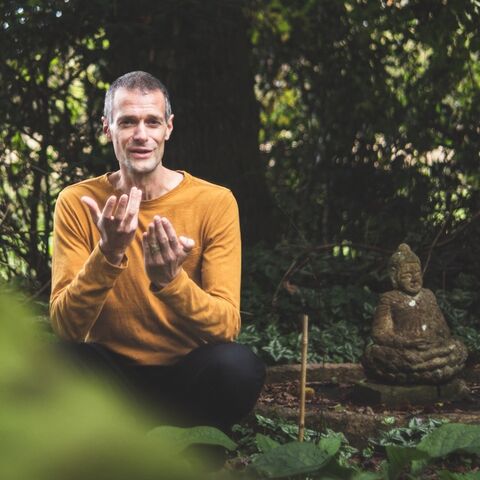
This is Josh of InnerSkilled,
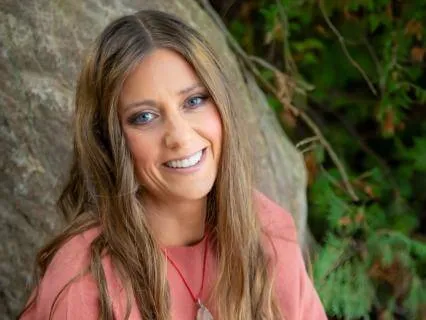
And today I'm joined by Dana Wilder.
Dana,
How are you doing today?
I'm doing fantastic today.
Oh,
Cool.
Yeah,
So who's this gal named Dana,
And what kind of work does she do?
You know,
That's a very open-ended question,
And I think I can answer in a spiritual way and in my 3D reality way.
So I would say,
You know,
From the bigger picture,
I am a fractal piece of light that is observing life from my own perspective.
But the avatar that I play,
Dana Wilder,
She has created a passion and a purpose that was born out of necessity from having lived very disconnected my whole life,
And in escapism,
And then later into perfection,
And doing,
And never really being,
And never really listening.
And eventually,
That led to my body screaming at me and developing multiple sclerosis,
Which became a gift and a mirror because it really reflected the lessons that I needed to learn,
But through my body instead of just my spirit now.
Yeah,
So the MS was,
You know,
I think it really manifested because of suppressed emotions over time.
And I think back in the day,
I had a very strong mind all the time.
And so I always believed that I could overcome and I could push against.
And I found that that made me live from the neck up only,
And I was never embodied.
And I think that that was years of trauma,
Starting in my youth and following me all the way through,
And trying to escape that trauma by masking again,
And using drugs,
And disconnecting purposely from myself because it was very uncomfortable to be in my body.
And the MS eventually manifested.
And I think the first symptom I even had was I went blind in one eye.
And although at the time,
The person in my family suggested to me that maybe I lost my eyesight because I couldn't face looking at my reality.
And I found that so offensive at the time that it was said to me,
Because I was still very much living in a physical body.
And I knew something was wrong with me.
And I was trying to prove that something was wrong with me because no one was taking me serious.
But what a strange position to be in where you're hoping something is wrong with you,
Just so somebody will listen to you,
Because who actually wants to find out something is wrong.
But you know,
Coming full circle on that,
I mean,
There,
It's very real that that energetic need to hide from my life was present.
My first born son had just passed away,
And I was living in domestic violence.
And it was very hard to be in my life every day.
And so,
You know,
I understand how emotions and how energy and thoughts really manifest into the physical body.
And so I can see now looking back that there was a real meaning to the symptoms and a way for my body to communicate back into my mind because our mind does language,
And it you know,
Compartmentalize and it objectifies and it categorizes.
But our body speaks in sensations and feelings.
And I really pushed those all the way for so long until my body very much forced me to stop and pay attention because there was no other option now.
And again,
How these things all become sort of teaching moments in full circle.
Once I was stuck now where I'm not,
I can't connect to my body.
The MS is actually,
It's a neurological condition in which your brain and your body stop communicating.
So you can't speak sometimes correctly,
You can't tell where your body is in space,
Regulate your temperature,
You can't feel,
You can't sense reality.
And so now all of a sudden,
Very much because I've changed,
I've grown in life,
I want to be present in my life,
But my body has forced me now into disconnection.
And then this is the gift now that I'm living in my mind,
I've actually for the first time really meditated.
So I had meditated for years leading up to this major relapse,
But I meditated more as something I was trying to check off my list.
If that makes sense.
It was another thing I was doing because I thought it was the right thing to do because it was something that people that were healing or enlightened or people that were spiritual did it and so I was going to do it too.
But it was something that I had to bring and force myself to do and to attend to.
But when that major relapse happened,
It was systems down.
I couldn't walk,
I couldn't see,
I can't hold anything,
I can't feed myself,
Bathe myself.
And so everybody else's life went on.
So they're at work,
School,
Hobbies,
And I'm just alone all day with myself.
And so I was like,
Okay,
Well,
I guess this is where I'm at.
This is what some people pay and monks go to practice to meditate in the mountains alone for,
You know,
Years or months.
And I'm just going to do it on my living room couch.
And all of a sudden,
I really understood what meditation was.
And I really understood how to turn inwards.
And all that optimism,
I thought I was my whole life,
A ray of sunshine to people and so kind,
I realized actually,
My mind was the problem.
And a lot of things were emanating from there,
Both like self judgment and hatred,
But also being pretty judgmental to other people,
And to life.
And I think looking back that that was actually a real gift to get that because a lot of other people that I see in life,
They never get pushed so difficult and hard against the wall that they can kind of live in like just general discontent and just low level anxiety.
And,
You know,
They're not really sick enough or motivated enough to actually do anything about it.
So the carrot isn't,
You know,
Pulling them forward,
And the whip isn't hard enough,
That's going to push them.
And I might have been there too,
And lived a life that was just,
You know,
Mediocre and unexamined.
But my MS really gave me this time to really turn inwards and to really decide like,
After a whole life of never having needs,
Because when you grow up with addiction in your family,
And then abuse,
You learn to walk on eggshells.
And you don't ask for needs,
Like your needs are pretty unimportant compared to,
You know,
Maintaining the chaos around you of everybody.
And all of a sudden,
I had this five years of,
It's just me and what do I really want?
What is my soul actually saying to me?
And do I have a soul?
I'd never really contemplated before,
I never really cared.
I never contemplated whether it was okay to be treated poorly,
Or to put toxins in my body.
I didn't care,
Because I didn't think I was worth it.
I didn't think I was connected.
I didn't believe that there was anything beyond just this random universe of meaningless interaction.
And so that was such an eye opener,
And so transformative.
And I wouldn't trade it for anything else.
And I'm glad like,
I mean,
It's hard at the time to say that you're glad for so much suffering,
But the suffering became the cure.
And it gave me a whole new awakened perspective.
And I wake up now so happy every day and joyous.
And that's regardless of whether my body's in pain,
Or whether my MS is bad,
Or good,
Like it doesn't anymore.
Everything is just okay.
I'm just good all the time.
And that's a beautiful place to be in.
It's kind of bittersweet,
Isn't it?
It is.
And even those of us that are on kind of spiritual journeys,
Once we go through that and have some degree of healing,
Then we kind of plateau.
I mean,
It's not like the standard worldlings,
As you know,
But like now,
My practice is kind of plateaued again.
You know what I mean?
So I can relate in some sense to the people that don't have enough carrot or enough stick,
Right,
That it takes more effort than is.
But you know,
This is a thing in Buddhism is,
You know,
Coming through the Dukkha door,
A lot of people come to spiritual practice,
Me included,
When things have gotten really basically rock bottom,
You know,
And it's nothing I would wish on anyone.
But like you said,
It was the greatest gift I've ever been given.
And yeah,
It is a kind of a call to awakening,
I guess that's one way to put it,
Right?
So yeah,
In going inward,
And what's the old saying,
Self-knowledge is rarely ever good news.
So yeah,
It just astounded me the same way of how much I was missing.
I had no idea,
Really,
How I was really treating myself and others and how others were treating me.
And it was kind of a huge wake-up call to have things that I had forgotten about come up,
You know,
And,
But yeah,
So it's,
So like you mentioned,
If you don't mind me asking,
That you're still diagnosed with MS,
Right?
Is there a cures for this?
I'm sure your view has changed on it because,
You know,
At least in my experience,
It seems we can't always control what happens to us,
Actually kind of very rarely.
But the one thing we do seemingly have some kind of agency is how we view something and how we respond to it.
And I just wanted to make another comment that,
You know,
It seems bizarre that you were hunting for a diagnosis,
But,
You know,
Validation is a huge thing,
You know,
I think,
Especially for the feminine value and validation is huge and for kind of more the masculine archetype,
I guess,
Honor and respect.
The MS,
I guess,
Just from the allopathic Western medical view is incurable,
Progressive,
And you'll just get worse.
And you can have different types.
There's a couple different categories of MS,
Like one that you relapse and remit,
You get a little bit better for each one,
But progressively,
Over time,
You'll get worse.
There's ones that you know,
That mostly that turns into usually around age 52,
They call it a primary progressive,
Where it just goes downhill,
You don't really have flares anymore,
Because your immune system is not active enough to cause a flare,
But you just,
You know,
Slowly,
You'll just decline.
Now,
For me,
I think that some of saving grace for that is,
I never really believed my diagnosis from the beginning.
So even though they said,
Yes,
You have MS,
And I went,
Okay,
I understood,
I took a lot of courses in brain and behavior in university,
I knew what MS was,
I knew how it presented.
But in Canada,
The one benefit of having free medical system that makes you take forever to actually get any testing or see a doctor was that I had like 18 months between when I first knew I had MS.
And when I actually seen my first MS specialist.
And in that time,
I did a lot of research.
And I've always been curious and open minded and always kind of rebellious and skeptical.
So I did my own research.
And the first time I met the neurologist,
And they said,
Well,
You know,
You just keep benefits,
And you'll be in a wheelchair in 10 years.
And I was like,
Well,
You know,
I read that you can shrink lesions.
And they're like,
Yeah,
Sometimes that happens.
And also that you can never get new ones.
Well,
Sometimes people will never have another relapse.
And I'm like,
That's a cure.
And they laughed me off.
I'm like,
No,
It's not.
You can't cure it.
It's progressive.
And in my mind,
I was like,
No,
I'm pretty sure I'm going to cure mine.
And I started right away,
The first modality I did,
Because most of the time I denied taking any disease modifying medication.
And this is,
First of all,
Not medical advice to anybody.
And I'm not telling other people are judging their choice.
But I just decided that poisoning myself didn't feel like healing.
So I decided not to do that.
And that I was going to do another route.
And I knew that there was some definitely based on the trauma in my life,
There was an emotional component to the MS.
And I knew that right away.
So I went to start studying with Zen boost Buddhist monks at a temple near me.
And I remember my first meditation course,
And I think we were maybe like three evenings into the course,
And I interrupted the facilitator.
And I was like,
When are we going to learn something like we I have so many questions,
Like we're not doing anything other than sitting here.
Because I have this a type personality of that,
You know,
I'm going to control everything,
I'm going to manage everything,
And I'm going to force outcomes I want.
And he said,
Well,
Why,
What is it that you want to ask me?
I'm like,
Well,
I want to know,
You know,
How am I going to cure myself?
How am I going to get rid of the MS?
And when are we going to learn something?
He's like,
You're not going to learn anything,
We're not going to cure your MS,
You're just going to sit here with me.
And I was like,
I was so mad,
I was going to get up and leave because I was like,
This is a waste of money.
Why did I pay this person?
And you know,
I think that it took me probably,
I know,
It's kind of embarrassing to say,
But probably 20 years to actually learn that lesson.
Because even though I did the meditation,
And then I trained to be a yoga teacher,
And then I did bio energetic training,
And I became a hypnotherapist,
And I,
I did all these modalities,
I still always had this belief that I was going to overcome the MS.
And so I was in a struggle and in resistance and in fight with my body.
So even all those years,
I was getting a little bit better.
And I was learning things that are really wonderful healing modalities.
I never was fully getting the benefit of all of it,
Because I never really surrendered.
And I never really just got okay with just being,
And honestly,
Just dissolving that label,
Even of the MS,
Like there was still this thing that I would say,
Well,
I have this MS,
And this is just another problem.
And I mean,
Even in all those other modalities,
I did learning about,
You know,
Parts integration,
And about all of these other things that go on thinking,
Well,
You know,
Even after I got over managing the addiction in my family,
And then I got over managing my abusive partner,
And then everything was stable in my life.
Well,
All of a sudden,
The MS still flared.
And I'm thinking,
Well,
Why I have no emotional trauma,
What is the MS still speaking out against?
And I looking back think,
Well,
It's because once I had the MS,
It was this thing that I still had to overcome.
And so my that part of me that needed to have a project that needed to have a task was still engaged,
Because it was still saying,
Well,
There's still this thing that is out of control that you need to manage.
And it wasn't really until I started kind of seeing how all of those things were interplaying with each other.
And maybe it wasn't as negative as before,
Where it was escapism,
Drugs,
Abuse.
But this over perfectionism,
And this overdoing and controlling is still a way to distract yourself.
It's still a way to give your happiness externally.
It's still just this idea that while I'm going to be happier,
I'm going to be okay,
Once I get here around the next corner or somewhere else that isn't just right now.
And so once I really and it did probably take 20 years to understand that first lesson.
And if I just had understood when he told me that that first day,
Maybe I wouldn't have taken so long.
But you know,
We all walk the path that we need to to get to where we're going.
Absolutely.
And I reminded time and time again,
How I'm so grateful when people are patient with me when I'm struggling with something that they just take for granted.
They're just so good at it,
And they get it right away.
Right.
But I'm still struggling with it.
And vice versa.
I like to be patient with folks where I seem to get something that they're still struggling with.
Right.
So I like when we have this mutual support.
And what you said about labels is so true.
You know,
It's like,
Okay,
Well,
Labels can be helpful to pick up when we need to.
But actually,
What if that label was part of the problem to begin with,
You know,
That like having like a huge,
Hard,
Fast label,
Like you're saying,
Kind of you had,
It seems like you had like a paradox of,
Okay,
This doesn't exist,
Yet,
I have to overcome it.
But like,
In order to overcome it,
You almost have to admit that it's a thing to overcome,
Right?
So it's this kind of a mind F,
Right?
But like,
Yeah,
These labels,
I find they can be helpful at times to pick up,
Okay,
This is gonna be helpful to pick up and address this label.
Other times,
It's just a word,
Right?
It means nothing other than a word.
So and then our identity too,
Because I've noticed some people,
They pick up labels,
And that's who they are now,
Like that's,
That's their thing,
You know,
And sometimes that could be helpful.
But other times it gets in the way too.
But what I wanted to get out here is,
And then it reminds me also of a famous Zen story,
That,
You know,
Somebody comes to the master and says,
Okay,
I want to get enlightened.
What do I do?
You know,
How long?
How long is it gonna take me?
And they said,
You know,
Like,
10 years,
And then the master,
Then the guy goes,
Oh,
Well,
What if I try really hard,
You know,
Double down,
Put in tons and tons of effort,
Then how long?
He said,
Oh,
20 years.
And he said,
What?
You're saying it's longer?
He said,
Oh,
For you,
30 years.
So,
You know,
It's this weird thing about,
You know,
Letting go.
And that's the thing in a lot of different Buddhas is like,
What are we still clinging to that we can let go?
And sometimes I try to let go of something and I can't,
You know,
So I'm just trying,
It's like,
When can I let,
When is that gonna let go of me?
You know,
Because yeah,
And sometimes it's not appropriate to say,
Okay,
Josh,
Just let this go.
And then we need like a lifeline to sometimes to actually hold on to something because we're I'm drowning,
Right?
And I need something to hold on to temporarily until the flood stops as well.
But I also want to get into trauma,
Because I just talked to another guest,
And he's he deals with all these different diagnoses.
And what he's found at is just it's trauma that's involved with almost every single thing,
You know,
And this is a huge thing in society.
I think it's one of the most important things that we can do.
I mean,
From really severe stuff to trauma based mind control stuff,
And deliberately creating alternate personalities in order to program.
So it gets really,
Some of the claims are really heinous.
I mean,
Absolutely horrible.
Yeah,
And then but we have just being a human too is traumatic at times,
And we've got everywhere in between.
So if you if you would like to jump into it,
Let's talk about addressing trauma.
You know,
Some people even say it can't be healed,
It just has to be managed.
And other people say,
No,
It can be healed.
But I find this is so vital to everybody,
Whether they're on a healing journey or not,
You know,
And of course,
Love,
Love is a huge and I don't know if I really like this word,
Love so much.
I mean,
Sometimes it's but kindness,
Compassion,
Rejoicing,
Equanimity are these flavors I like to about it.
So I threw a lot out there.
I'll let you pick up whatever you'd like.
Yeah,
Like trauma definitely is foundational,
I think,
At least in my own story.
And as far back as I can remember,
It was laced with trauma.
And when they give you like,
And again,
That we're going to get into labels here,
And I hate these things,
But they are helpful sometimes when you're having conversations.
But the adverse childhood events in index,
And this is like a list of things that were created to say,
You know,
If you had these events happen to you to say sexual abuse,
Violence in the family,
A parent that was incarcerated mental illness,
That the more that you scored on it,
The more likely that you would be to die younger,
Like your telomeres are shorter,
That you would also be more likely to have autoimmune or cancer things come up.
And in dealing with clients,
I found that this is very true that almost everybody that comes through my door is somebody that's had just one thing after another.
Now,
Coming from an energy perspective,
Though,
I very much so believe that our life will give you again,
Whatever trauma that you have not result.
So if you get a patterns,
Then you and this is part of the work I do with people,
If I'm doing like hypnotherapy,
Subconscious work,
Or,
You know,
Neuro linguistic programming,
Or even when we're doing,
Say,
Biofield tuning and feeling where the oscillations and the energy field are,
That we're trying to figure out what over time repeats what story comes back again and again.
And if it comes back again,
It's because you didn't process it,
It hasn't moved through you.
And so life,
You know,
A saying that's becoming quite popular now,
Right,
Is that the life isn't doing it to you,
It's doing it for you.
And so that makes it a very easy way to understand it that it's not trying to retraumatize you again,
It's trying to give you an opportunity to what in an older state where you're more have more wisdom,
More resources to look at the situation again,
And be able to reframe it in a way where you found meaning and purpose as opposed to only pain and suffering.
Now,
When we're little,
Like under seven years old,
And this is getting into this brainwashing and programming,
We are all brainwashed right from our family.
And I'm sure I'm doing it to my children,
Even though I think I should know better.
But you know,
We can't help it because we are,
I'm saying things on autopilot that my parents said to me that society told me.
So and I'm giving that to my kids,
And they'll have their own trauma work,
I'm sure to do when they grow up.
But this idea that when we're younger,
We live in theta wave,
And the theta wave is a brain state of like creativity and receptivity.
And so we're just little sponges,
And we're just taking in everything.
And this is why when doing hypnosis with people that you're trying to or even meditation,
Right,
You're trying to get into these states where you can do contemplation,
Where you can do integration,
Where you can,
You know,
Elevate the emotion,
Or you can work through things.
And it is possible,
I don't think that trauma necessarily is something that has to stay with you forever.
But I do think that you become hypersensitive.
So you,
You,
Whatever you look for,
You will find.
So it's like that idea that you're going to buy,
You know,
A new white Jeep,
So you start driving,
And all you see is the white Jeep.
When we self fulfilling prophecy.
Yeah,
Right.
Yeah.
And that's the labels do that to you as well,
Right?
It's what we're talking about.
So,
You know,
If you have been traumatized,
And your expectation is,
You know,
Oh,
People are using me,
Or they're going to let me down,
Or they're going to step on my boundaries,
Then victim mode,
You will always see that in every interaction.
And even though the opposite might be true,
Because sometimes two things can be true at once,
You can have a relationship with somebody,
And sometimes they hurt you.
But other times,
They're very supportive.
But if you have the filter that I'm a victim,
Then you're going to only remember and recall the times that person victimized you.
And you won't necessarily hold on to all the times they lifted you up and helped you.
So you mean,
This is when when Buddha says you make the world with your mind,
This really is our responsibility,
Whatever internal experience that we're having is what we're projecting and what we're also taking in from outside.
So trauma doesn't necessarily have to stay with you forever.
But I think you have to be aware of what your trauma patterns are,
So that when they start to repattern and come back around in your life,
Like,
I haven't protected,
Perfected mine yet either.
But I'm so aware of them now that when I start to play them out,
It takes me much less time to go,
Oh,
Wait a minute,
Okay,
I'm doing that thing again,
I'm seeing it wrong,
I need to reframe this.
And I can more quickly find resolution,
Equanimity,
I can find new meaning in it,
Where before I might have gotten thrown off and ruminated for years about something.
You know,
I've just gotten better at handling the trauma as opposed to trying to,
Again,
Not really overcome it,
Just understand it.
Yeah,
It's understanding and well,
First awareness,
Then understanding.
I have to tread carefully here because I say that my regular spiritual karate moves,
They don't really work on trauma.
What will work in certain situations when there's significant trauma sometimes is not helpful.
And then I'm not even really realizing that.
My girlfriend reminds me of this again.
And these triggers to trauma too,
You know,
I think on a more standard level,
I like to be triggered because then it shows me what I need to work on.
But if that's not really necessarily maybe the case for someone that is especially starting trauma work,
You just want to pull all their triggers at once and say,
Hey,
Okay,
Let's bring this up and work on this because it can be re-traumatizing,
Right?
And so I'm very much in a learning phase with what to do and what not to do,
How to do things differently when talking to folks about this and stuff like that.
So yeah,
I guess this notion of trauma-informed as well,
I guess,
Yeah,
What kind of advice would you give for people about in my situation where I come in maybe like a bull in a china shop sometimes and I have all the good intentions,
But I'm a little bit clunky and could be doing things a little bit more conducively,
I guess,
You know what I mean?
I mean,
Kindness is always key,
But.
Yeah.
But sometimes even in our mind,
Trying to help them is an act of kindness.
It's just not really like that person that told me I'm not seeing because I don't want to face my trauma.
If they had said that to me now,
We would have had a really meaningful conversation.
At the time,
I kind of wanted to slap her and be like,
What are you talking about?
Like I wasn't ready to hear the message.
But I think with my clients and with yourself and dealing with people,
I'm not sure all the tools that you have and so which ones would work for you.
But I like to start sometimes with people with more embodied practices and more things that kind of bypass even the conversation.
So I do a lot of sound healing and sound healing.
For me,
We can feel where the stuck emotions are and the oscillations in the body field are.
And the vibrational healing speaks directly into the without having to talk about what happened,
Like just releasing and like,
So even when I not working one on one with clients,
But doing sound baths,
And people are blindfolded.
After we meditate,
I lay them down blankets,
They're cozy,
Blindfolded,
And I play instruments on top and over them,
And even oscillating them on top of so they're like interacting with the field.
And depending on what frequency I'm playing,
I can notice when people sigh,
When their shoulders start to drop when they breathe deeper,
And when tears start to come.
And so it's like I were releasing something there,
But we never had to talk in a way that they have to be re traumatized by it.
And I think doing any kind of somatic work breath work,
I love doing like any kind of chanting or mantra,
Anything that's vibrating your own body.
And I mean,
You can add in there because you know,
We're talking about how powerful thoughts and intention and mind is,
If you use actual Sanskrit words and things that they shape reality and meaning,
You're kind of double doing something,
But you're again,
You're bypassing their critical faculty,
Because they don't know what the Sanskrit means,
Right?
They don't know what that frequency is,
The body just resonates with it and heals with it.
And as you kind of peel back some of those,
You know,
And I don't know if you've ever heard of tremor release therapy,
This was it's kind of like animals do,
Right?
They shake after a traumatic event,
But we kind of keep it locked in the body.
We don't do something like we don't usually do that in modern society.
Yeah,
Tremor release a couple years ago.
And honestly,
I thought that I was crazy.
The first time I did it,
I'm like,
I'm making this up.
My but there's no way this is really happening.
This must be some kind of a placebo thing I'm doing.
So as soon as my partner came home,
I was like,
Here's a video,
Watch this,
Do this thing,
I'm going to go down in the basement,
I'm doing an energy treatment downstairs.
And all of a sudden,
I can hear bang,
Bang,
Bang on the floor.
And I'm like,
Oh,
That's him.
He's shaking upstairs.
It's real,
Because he's a skeptic,
There's no way that he's going to just pretend that happened.
And so I've been doing that for a long time.
And actually pairing that with doing micro dosing and other kinds of things that,
Again,
Can go into the body and help to release some things.
But a new one that's kind of just recently,
And honestly,
A revelation that's come to me just in the last couple months,
Ms has this thing,
And I don't even know if I'm going to say the word,
Right,
Because I don't really research Ms very much,
Because I don't really want to think about it.
But it's called colonus,
I think,
But it's like the body bounces.
And it's like it shakes up and down.
So it happens often with me when I'm getting out of the shower,
If I stood for some time,
My leg will start to bounce.
And before it used to make me scared,
And I would like hold it and stop it.
I'm like,
Oh,
That's kind of freaky.
But now I just think to myself,
It's just like energy releasing.
Like there's something,
You know,
In a thought I just had,
Or in some emotion,
Some interaction with somebody else's nervous system that I've been in contact with,
That something's releasing.
And so now I like just embrace it.
And instead of being again,
Upset about it,
Or trying to stop it,
I just sit there and I go,
I'm going to just let it bounce for five minutes,
10 minutes,
However,
Five seconds,
If that's all it wants to do,
But I'd let it just go out of me.
And I think that if people started there with their trauma is where is it stored in the body and letting it go and breath work definitely helps to help with that.
And then once people are a little softer and subtler,
And they're open for a little bit more,
Then you can kind of come in and start addressing like head on,
Like,
Well,
What is the pattern?
Well,
What do you need to do,
You know,
Because the thing about emotions are no people say,
You know,
Good and bad ones,
Elevated ones,
But like,
They're all just emotions,
We are supposed to feel them all,
They're all okay to have,
We just don't get stuck in them.
But emotions are messengers,
They tell you to move away from something towards something,
Right.
And so sometimes the trauma needs to be addressed,
Because you need to make a change.
Right?
Like,
Especially if it's ongoing,
Or there's still a situation that's going.
And I would say like,
In that case,
And pushing,
You know,
The nail with the hammer a little bit,
Maybe is necessary for safety.
But other times,
Maybe you got to be gentle,
Because especially if they're out of the trauma,
And it was specifically very bad,
You don't really want to,
You know,
Re trigger it again.
But breath work,
Body work is I think,
The gentle entry.
Now,
Have you used the what is it EMDR?
And I haven't done this,
But I've a friend of mine,
Who he found success in it,
Or he's he finds it helpful.
And then isn't there a somatic release to this?
Do you familiar with that?
Um,
So I've done a lot of holotropic holotropic breathing,
Breath work,
You know,
That can get rid of stuff.
And then I use emotional freedom technique as well.
Yes,
I've talked to someone about the meridian points.
And then because I do bioenergetics and energy medicine as well,
I work a lot with the meridian system,
The chakras.
And so you know,
They're just like even tracing the meridians,
Either bringing energy in or out of the body.
I use dowsing as well,
Sometimes too,
Which is using like a pendulum or,
Or muscle testing,
Like energy testing,
Which can then kind of figure out where in the body we need to deal with what's sort of going on.
And then that way,
We kind of can bypass some of the dialogue,
Right,
And just go straight into like,
Where the body needs support,
What emotion and like the bio resonance scans that I use,
They're so eerily accurate.
And they go beyond just like organ systems and functions in the body,
But it goes into emotions as well,
Too.
So when I do the scan,
I'll be able to see with people if there's a particular emotion that maybe is out of balance.
And then I can use that to integrate affirmations and different frequencies in their meditations that I custom make for them.
So you're kind of hitting them at all kinds of angles,
Because we can hear things with like autoacoustic where we're talking right now and hearing,
Right,
But we can also hear vibrations,
It's beyond kind of sometimes even like,
If you,
You're not even beyond just hearing it,
It's just the feeling of it vibrating in your body.
And that is so therapeutic as well,
Too.
And it kind of bypasses a lot of the scariness for people.
Yeah,
You know,
I haven't got into the frequency so much.
I know there's,
There's a lot of actually I did years ago,
I did some of the binaural beat stuff.
I found it really helpful.
I think now I could be totally wrong about this.
I just think the the unfortunate polarity with that is that's maybe some nefarious characters due to polarity can be using these things against us,
So to speak,
Right?
Certain frequencies and certain technologies that can be the other side of these as well,
Unfortunately.
Did you did you say that right now you're actually disconnected,
That the mind and body is not as connected as it once was right now?
Or was that in the past?
I misunderstood that.
Yeah.
And how did you if that's the case,
Or when that was the case,
If that is the case,
How is your own personal approach different?
And then I want to get into some meditation stuff with you.
So again,
A lot in a really brief amount of time here.
Sorry.
Okay,
So the mind body thing to start there.
So yeah,
I definitely there was a point where my body was so shut down,
I couldn't feel anything.
So it's numb everywhere,
Can't regulate its own temperature.
I can't walk or pick up a cup like I can't do anything.
And with that,
I honestly started meditation again,
Because that's all I could do.
So I would just lay on the ground.
And I started with Joe Dispenza meditation just on YouTube,
And just doing imagery.
And then I was making mind movies.
And you know,
And I wasn't really doing the kind of meditation I used to do,
Where I was more like focused,
Concentrated meditation,
Because I couldn't sit upright.
And it was really just more like just to like relax and just to steady my mind.
I doing yin yoga,
Because I was a yoga teacher to really moving myself if I had to into positions,
And then really trying to like,
It always made me think of a kill bill with Uma Thurman,
When her legs don't work.
And she's like,
Looking at her foot and just going like,
Just move,
Move,
Right.
I was like,
It was kind of what I was doing too.
And I would do things like put my feet in rice.
And just to kind of see if I could pick up some sensory feeling,
Or putting something cold on my hand and then switching it to hot.
Because I mean,
One of the things I don't think most people know about their nervous system,
We talk about parasympathetic sympathetic a lot,
But we have afferent and efferent nerves.
And only 10% of the nerves in our body come from our brain into the body.
And 90% come from the body into the brain.
Now it was easy then to do like mind over where I'm like,
Okay,
I'm going to will myself to do this thing.
But that's only 10%.
So that's maybe the motion,
The movement,
But the sensation that you're picking up from your skin and the pressure sensors in your body.
How do you make the thing that's numb that your mind can't influence?
How do you make it start to connect again?
And that was the thing that was tricky for me.
So I started just thinking,
Okay,
Well,
I'm gonna just use every tool I can think of around me.
So just holding a cold metal against me,
And then,
You know,
Putting elastics on my finger and trying to like,
Figure out how it feels to open them again.
And dry brushing,
Just anything to just try to stimulate the nerves,
And then doing it in a meditative state.
So you're not doing it just passively,
Like,
I'm really sitting there and thinking,
How can I integrate this feeling?
Where am I going to feel it?
What am I going to do with that sensation,
And really being patient because,
You know,
It's a lot of time to reintegrate when everything is damaged.
And then your other question about the bio scans.
So the bio scans is technology that's been at least a company I work with for about 40 years.
And they,
It's based on a lot on traditional Chinese medicine and meridian system.
But they have used technology through the same idea of like two tuning forks resonating.
And they figured out like,
What does a liver cell resonate at?
And then when I'm scanning a person,
I can either use a voice or a hand scanner to read the bio field.
And it's like pinging the information back and forth hundreds of times in a few seconds.
And it gives you a report based on like all of the frequencies that your body's admitting.
So it's kind of like the holographic blueprint of your body.
What does it look like?
And what kind of signal is it sending out?
And I'm going to say,
Because I understand what you're saying about some nefarious people and the frequency based tools.
I was a little skeptical as well,
Too,
In the beginning.
So I'm like,
Well,
How do they know that that frequency is right?
And,
You know,
Are you really messing with this blueprint of your body?
I mean,
I've come to really trust the company that I work for.
But there's so many new players on the market that I'm not just blanket cars saying to people,
You should just trust these just because it's not Western medicine doesn't just make the automatic opposite true that it's all not nefarious.
There's tons of directed energy weapons and things that are used frequency based that are dangerous.
And I personally think for somebody that's already quite healthy,
And you're just maybe a little bit,
You know,
Anxious,
Or there's just a little bit of discontent,
I don't know that you even need to go as far as to do any of these other things I'm talking about.
Probably meditation,
Yoga,
Mindful living,
You know,
Just healthy eating is probably enough to maintain homeostasis.
Some of these other things,
I feel like if your body has been so disconnected,
And your blueprint is so damaged and offline,
Sometimes you need intervention in order to make a signal that's strong enough now to make its way through.
So in that case,
The the scans are so informative.
And then you pair them afterwards with like I have handheld devices that I can program that specific frequency and then I play it back into the body.
Or I can use that information to use other sound tuning forks or other instruments,
Or even I have liquid remedies that are structured water.
And that's a whole nother we could do a podcast just on structured water,
Even in frequency,
But then playing those frequencies into the water.
So it's holding a memory.
And then when you're consuming the water,
It's like,
It's it's called information medicine.
So instead of like biochemistry,
You're giving corrective information into the body.
Emoto's work.
Yeah.
Yeah.
Dr.
Emoto and Dr.
Raymond Royal Reif.
I think he had the Reif machines and he kind of had a lot of things mapped out frequency wise too.
And now I'm just speculating or brainstorming here about maybe a pro and a con here that I wonder about data,
You know,
If,
Well,
We don't have the luxury of scanning,
You know,
Having your scans before or when it was really bad,
I'd imagine I'm guessing,
But then if there's a daily information feed of everything,
You know,
And then feeding it into computers,
I guess,
To find patterns.
And I wonder if there's like in combining all these different frequencies too,
Or,
You know,
Sorry,
I'm getting,
I'm getting kind of autistic here or something,
But it's like,
You know,
Like from moment to moment based on different inputs and causes and conditions,
What is the frequency change like over time?
And is there some kind of singular frequency or something that says,
Okay,
This is,
This is where it's going off and this is where it needs to be,
To be corrected overall.
But then overall it needs to be broken down,
You know,
Into so many different sub frequencies and areas.
I just,
It just boggles my mind how complex it can be,
But it can also be very simple,
Right?
You can see what's kind of out of alignment and just deal with that one thing now.
But I'm thinking,
You know,
The data over time,
Patterns over time and stuff like that.
But then again,
You know,
This huge thing about big data and data harvesting,
Who's going to have access to that?
You mentioned directed energy weapons.
I mean,
On and on and on it goes,
You know,
I got a little bit off the rails here with my,
My wondering and speculations,
But yeah,
I'm just,
I'm curious about this stuff.
I don't have really any suggestions or any clear thing to me,
But I'm sure you know a lot about this and have some ideas and some things further to say on this,
Right?
Well,
I think there's some basic frequencies that are beneficial for everybody.
So I think,
You know,
When you're looking definitely at the brain wave states,
So all of the,
The,
The lower hertz frequencies that entrain your brain,
And I have other devices for that too.
I use pulse magnetic field therapy,
Which is more magnetic fields,
But you're also pulsing that at a specific frequency into the body for therapeutic purposes.
But again,
The difference between like,
So the frequencies that we're getting that are dangerous from say like G or from the wifi or from these other things,
They're like open continuous broadcast.
So,
And they're also like really high frequency.
And what,
What I'm working with is low frequency.
So everything is usually under a hundred hertz and closer to the Schumann resonance.
So it's all like brain wave states,
So all very low frequencies,
But high intensity.
So the intensity is high because you're trying to get,
And I won't get into the physics of it,
But you're trying to get a gauss rating,
Which is like a measurement of intensity of the magnetic field.
You want to have it at 15 throughout the therapeutic range of your body.
So you need to have this kind of intensity,
But the thing is you're not just continuously putting it out there.
Like right now we're getting all these signals from everybody around us,
All their connections to the pulsing of it pulses the field,
But it pulses and collapses pulses.
So it's almost like blowing the wind through the leaves on a tree.
It's like rattling your cells and singing to them so that it's telling them this is kind of,
And again,
Like when I'm saying that if you're relatively healthy,
Then your body can probably withstand all the dissonant frequencies around you.
Unfortunately for me,
My body was so out of balance that I needed a signal that was stronger than the competing signals.
So for me,
Those therapeutic devices become that loud signal that my body can say,
Hear this instead of all of that.
But you know,
Like once you are well enough,
Then just using your own thoughts,
Your own intention and your own mind,
And then just healthy lifestyle choices,
I think should be enough.
Because I have the same fear that you do of this data collection,
Data mining,
And it's the new thing,
Like instead of gold and money,
Your data is going to be the new commodity.
And that's terrifying to me.
I don't really like,
You know,
But then,
You know,
Sometimes it's like,
Again,
This idea of like resisting is that sometimes when you resist,
Recreate,
Like you block flow.
And so sometimes even though I'm trying to like,
I don't want to mention all the names of companies,
But I'm trying to get rid of all of these things.
And I don't want this stuff in my life.
But as I'm doing that,
I'm resisting life and the flow is like stagnant in my body.
And so at some point,
I felt like I kind of had to like open the valve again,
And just say,
Well,
Even if this is not the vision of the world,
I would have like a simpler time,
I'd like to go back where we don't have all of these things.
But that's not the way that the world is going to work.
I'll never talk my family members out of getting rid of our Wi Fi,
Right,
Like where they all want to game and do all their stuff.
So I'm just going to have to accept that this is where we are in the world that AI will now be part of us.
And we hope that all this consciousness and awakening that's happening in the world will somehow inform AI to be something gentler than the dystopian vision that I worry it could become.
And the same thing with all of these frequency things,
Like I feel like at some point,
You know,
All of the negative ones,
These directed energy weapons,
And all of this,
You know,
Modification of things are doing in our environment,
That's already going to happen anyway.
So we might as well,
At least on the flip side,
Use the beneficial things that technology has to offer.
And with somebody that actually struggles with moving my body,
And the fear of when they told me,
Okay,
You're going to be in a wheelchair,
And this is your life.
You know,
I can't lie that there's a little piece of me that would be excited about the fact that tech might be able to help me walk one day.
So,
You know,
Like,
You know,
It's a tough one.
Oh,
You know,
You have another battle,
So to speak,
Right?
Because you see that and that's how they roll it out.
They roll out the technology as beneficial first,
Right?
Look,
How many people were helping and saving,
You know,
And I can't be against that.
But that's the when they they do step by step.
But like you're saying,
You know,
How much resistance What is this doing to my heart?
When I'm in battle mode all the time,
Or,
You know,
Condemning and judging all the time?
How does that do my heart?
You know,
What is that doing to my mind and heart?
So yeah,
It's a really important question.
And I think we can have these choices.
There can be middle ground,
You know,
There's I don't like the saying,
But I don't know a good parallel,
Like picker fights,
Picker battles,
Right?
What are we willing to stand up for and have a say in action and say,
No,
I just won't do that.
Or,
Okay,
I'll just go along with it or,
Or somewhere in between.
Okay,
Here's the here's a compromise.
I don't want to be a complete Luddite,
You know,
But here's here's my line.
And for right now,
I'm going to this is my choice.
If I have a choice to engage in privacy tools,
Then I'm going to use privacy tools,
Right?
Or if I want,
I want to do this,
This is just going to be more convenient in my life.
So I'm just going to choose that instead.
So yeah,
It's not like a black and white,
All or nothing,
You know,
Jumping to conclusions extremes.
There's it's,
It's dependent on a lot of things and a lot of choices.
That's right.
And the intentionality behind it is so important,
Because the intentionality behind our thoughts,
Speech,
Speech and actions,
That will,
That's,
That's karma,
That's karma,
Right?
Because if we speak with a skillful intention,
And then it's likely going to have skillful results,
Same way with actions,
And same way with our thoughts,
Even as subtle as they are,
Right.
And so that's where the intentionality behind this is so very important as well.
And then whatever the outcome is,
I then will use that to inform then how I continue thinking,
Speaking and action,
Ideally,
And it's a practice.
So what came to me about and I don't know enough about the science,
But I'm interested in it is this is it extremely low frequency you're talking about in a certain range,
But isn't there like ultra or extreme low frequency and I don't know exactly what tech puts that out or what kind of effect that has to and there's different classified frequency bands and things going on.
Yeah,
And yeah,
I'm fascinated by this.
But I think you've covered quite a bit of that.
Is there anything else you want to you want to say about this before I want to ask you a little bit more about meditation?
You know,
I just there's there is so many cool new things,
Even beyond the scale of what I do in my own clinic,
Like that they have these rooms that are opening now that are like scalar wave technology,
Where they're using the frequencies and again,
Like the resonance of the same,
But as we come together,
And they're all pointed,
They make like a standing wave in the middle of a room.
And it becomes almost like a force field as to my understanding,
Because honestly,
This is not tech that I actually currently own,
But that it almost makes like a force field that stops other it shields you from the other frequencies coming in.
And there's a few places near me now that have opened where you can even just go there and you can sleep over.
So if you're very sick,
They will do treatments for you in the building.
But you can also live there temporarily while you heal yourself.
And it's unfortunate that we live in a world where that is a necessity now.
But,
You know,
I feel like sometimes myself,
It's like being a canary in the coal mine.
I've always been highly sensitive my whole life sensitive to smell sensitive to fluorescent lighting,
Like everything has always triggered me.
And I feel like for me,
All of these frequencies affects me so much.
And I think it is harmful to everybody else,
They're just maybe not feeling the effects yet,
Or and hopefully they won't.
And I'm not wishing that on people.
But I worry sometimes that it's just we're just as the iceberg,
The tip is showing right now,
But there's so much happening underneath.
So I think that even though you know,
We talked about returning to,
You know,
A gentler time,
I think that it's worthwhile to learn about these things,
In both the good and the bad ways,
Both what we can do to help ourselves,
But also what is it that the nefarious people have?
And how are ways that we're going to protect ourselves in the future from it?
Because awareness is,
Like we said,
Early on in the interview,
It's the first step,
Right?
Being aware of what's happening,
And how to protect yourself.
Yeah,
It's it's a really good point.
And there's the other extreme where some people can be just caught in fear about this too.
Like,
It's good to know and remind myself daily that I'm going to die,
Right?
No matter how healed,
How healthy I am,
I'm still going to die,
You know,
And,
And in fact,
That meditation on death is actually a protective meditation.
Because that maybe I get a little bit woo woo here.
And I wanted to ask about how will you get to and not that we need to go into it so much.
But like,
If someone's attacking someone psychically,
Or things like that,
Their intent is to induce fear of death.
But if I'm okay with dying at any minute,
Then that's not going to give there's no incentive for them to keep doing that,
Right?
I mean,
I'm not endorsing people to be completely crazy and go out like a warrior every day,
You know,
Saying,
I'm ready to die,
I'm ready to die in any moment.
But there is something really protective about really contemplating our mortality,
And how,
You know,
None of us are going to get out of this alive,
As far as I know,
Until we're like,
Fully realized awakened beings,
And then it doesn't really even apply,
Or I don't know how to verbalize this,
But it is really sobering.
And it brings me in my body.
And it really brings me in the present moment,
Too.
And it's it's kind of maybe counterintuitively and quite protective.
It can be,
You know,
I,
You know,
What,
I understand this fully.
And I'm understanding it,
Not just even from my own mortality.
But when my son passed away,
It was freeing in the sense that once I survived that,
I can't see afterwards,
What is going to happen to me that will ever be harder to survive than that.
And so now I know what I'm really made of,
I know where my resiliency is,
I know how to make the sun shine again,
Even in the darkest moment.
And so then it's like,
With my MS now,
I,
And it's not death,
But it is a death of like the dream of,
You know,
My expectations of my hopes.
But I understand this idea that when you're accepting death,
It's the same way for me,
I've,
I've accepted that the MS might be might not be,
I don't know what it's going to look like.
And regardless,
It's just okay.
I'm just okay with it,
Because I'm happy right now,
I'll be happy tomorrow.
And if I can't walk tomorrow,
I'll be happy then too.
And it'll,
It'll be okay.
And this is not just having having to even contemplate death,
But just that,
What is my sort of like limit and my value on things.
And it was the same thing,
Even fighting with,
You know,
What happened in the world in the last five years,
Getting my head around where I stood on things and certain things and being willing to fight or,
Or say,
Like,
Here's,
Here's what I can accept and flow with.
And here's my ultimate line in the sand,
Where's my boundary,
Where's my limitation,
And then just being okay with standing there and asserting it.
And the same way that you can say that I'm okay with death coming because I've lived a life fully examined and lived.
And I'm not saying I wish death,
But that I'm excited actually about what happens next year.
I'm such a curious person that I'm pretty sure whatever happens next,
I'm gonna,
I'm gonna rock it out there too.
It's a decent attitude to have.
Yes.
And this,
This okay,
It's this radical acceptance.
The only thing that's not okay is abuse.
Abuse is never okay.
But I learned this from a teacher just,
And it's okay not to be okay too,
You know?
Yeah,
It's okay to have strong boundaries.
And it's okay for me to change my boundaries and,
You know,
And dissolve them or make them stronger.
So this radical mantra of it's okay,
It's,
It helped me a lot.
So it's,
It's a great practice.
And I love your attitude.
And yeah,
Talk about,
I mean,
How courageous you are now after going through that,
You know,
It's,
It's,
It's quite amazing.
Yeah.
Cause like what could get to you now after,
You know,
Going through such,
Such horrible loss,
You know,
Like that too.
And that's another huge thing to contemplate daily I find too is loss.
That's the one that really gets to me,
But that's part of life.
We're all going to be separated from the things we hold dear,
You know,
All this it's,
It's,
It's an unfortunate truth of life,
You know,
But the more I contemplate it,
The more then,
Then it,
It doesn't slam me as hard when I get it.
But then again,
I can never imagine,
You know,
Going through such a loss that you,
That you've gone through too.
Sometimes when you're breaking ground and you're going through it,
It's difficult.
But I think that the more I've experienced in my life and I've had quite a lot of major traumas,
I think all the worst ones you could have in life,
I probably had,
You know,
Most of them,
But even now they get softer in the sense,
Like when we were saying the trauma,
Recognizing the patterns,
But even recognizing that so many things have happened.
And then,
And then you could overcome them is this idea to me that,
And even while I'm going through them now,
They're easier to handle because I think about it.
Like if you want your branches to get so high and you want to have enlightenment and you want to be up there in the clouds and in the beauty,
And you have to have roots that are just as equal to the branches you're growing.
And so that means you have to dig in the dirt and break rock and drought and be alone and in,
In dark.
Like it is,
It's,
It's the duality of life that they're with one comes the other.
And the human experience is tragic and beautiful.
And the emotions are,
You know,
They're high and they're low.
They're all of it.
And really like,
I think that the equilibrium comes from finding meaning and gratitude in all of it.
So even the suffering,
And when you're going through it,
Understanding that this too shall pass,
This is just as temporary as the happy times were.
And that just like the happy times taught me,
You know,
About love and compassion and kindness.
These are teaching me about resiliency and strength and about determination and about values and morality.
And they're,
Those are all valuable life lessons and human experience to have.
And we can use it as fuel to go beyond it.
The run in again with this time and time again,
Though,
That maybe someday we won't have to go through all that in order to progressively awaken,
You know,
And come to higher levels of consciousness,
Because it seems like there are some bad actors out there who would just then say,
See,
I'm actually helping you,
You know,
As they're being abusive,
Saying,
Okay,
Well,
Yeah,
We got to wake you up.
You're just too much in your slumber.
So that gives me the allowance to be kind of abusive because we're just playing a role here.
And I call BS on that.
And at the same time,
Okay,
Something's already happened.
What do we do with this?
We don't,
We don't stay in victimhood forever.
You know,
We don't victim shame either.
It's just,
Okay,
Now it's here.
And this golden question of what if the worst things that ever happened to me were the greatest gift I've been given without allowing that,
Giving that allowance to people to continue being this drama triangle of abuser,
Victim,
And then hero,
Right?
So this drama triangle instead of repeating that.
So yeah,
Chime in here and correct my perspective of how you feel about this.
Yeah,
That's hard for me.
This one,
Exactly,
You're hitting it,
Which was I was in domestic violence for a 15 year marriage.
And this one is been the hardest one to forgive.
And I don't even know just to forgive him,
But forgiving myself that,
Like,
I allowed it.
And like,
How did I stay?
And why did I put up with it?
And why did I take that on?
And like,
Because thinking otherwise,
Like,
You know,
I educated myself.
And I was,
You know,
I'd opened businesses,
And I'd done all of these things and done triathlons.
And I thought I was like,
Confident.
And I thought I believed in myself.
But then I was like,
I tolerated this.
And I heard this idea one time about the bus stop conversation,
Where souls are standing around,
And they're saying like,
Oh,
What do we want to do in our next time around?
And that one soul is saying,
Well,
I want to learn about forgiveness.
So I'm gonna have my whole family be killed by drunk drivers,
So I can learn how to forgive the driver.
And then everybody's standing there going,
Wow,
That's really a tough one.
Like,
Are you sure you want to do that?
And they're like,
Yeah,
I do.
And then they ask the question,
Who wants to be the driver?
And then another soul finally says,
Okay,
I guess I'm going to learn about self forgiveness.
I'll be the driver.
And when I read that in the book,
I thought,
Okay,
So is my ex in service somehow,
Because we're entangled energetically.
And you know,
Some other place,
Maybe in another time,
He actually loved me,
And he's decided that he's doing this in service.
And then there's a party gets so much you're like,
How can you think that this guy was doing you a favor?
Clearly,
He's not.
And he's not in this lifetime.
And this avatar we're playing,
He was not doing me a favor.
He is not on my side,
He was hurtful,
And I needed to get away from that.
But two things can sometimes be true at the same time.
And it can be that I had a valuable lesson to learn in that experience.
And it can also be true that he hasn't learned his right now,
Or that maybe he will,
I don't know,
You know,
We don't talk anymore.
Maybe he's learned something.
I don't know to speak to that.
But we were both doing something greater for our souls journey in this experience.
And that doesn't mean forgiving him now or saying it's okay,
Or staying like,
Clearly,
It's not good to stay in abuse.
But it is framing it in a way that,
Yeah,
You're not a victim anymore,
You,
You know,
Radically self responsible for what you do with what happened to you.
And it's never to say that was okay.
It's not okay,
What he did to me.
And I would never allow it.
And I would never want it for anybody else.
But I did get a lot of lessons out of it.
And he certainly did teach me a lot about myself.
And he also taught me a lot about what actual love looks like.
Because I had an example of what it's not right to be like,
Well,
What is it that,
You know,
I'm actually moving towards and what is it that I do want?
And also maybe not even what I want,
What is it that I already had in myself that I never knew,
In which I allowed him to control the narrative for me,
Because I wasn't loving myself.
Yeah,
You know,
So many good things here.
You said earlier about expectations,
Where the Tibetans say,
Many expectations,
Many disappointments,
Right.
And forgiveness is something we just can't force,
Then it's not so it will come when the time's right as well.
And I think these perceptions you're talking about,
I love working with perception,
It's so amazing.
And I found that there are certain perceptions that will be helpful at certain stages of our journey.
And then certain perceptions we let go of,
And then we can just have a deeper and deeper understandings,
Wisdom,
More and more wisdom grows.
And then it's like,
These stepping stones that help us get to where we go in the perception,
Such an amazing tool.
And when it's trained well,
It can be of great benefit.
And we can see the opposite too,
Where we're just looking at our past,
Right.
And we have these really unhelpful perceptions that didn't help us.
Yeah,
Such such an amazing tool.
And I applaud how you're viewing that and how you're you're holding that and how it's helping.
And then the nice thing about perceptions too,
Is they can keep evolving and changing and adapting to what is skillful and especially in our long term as we go and in our awareness and wisdom and heart grows and increases too.
So I think with that,
We ought to start wrapping up and we'll let you address anything else with that statement.
And then I want to get into how people can get in touch with you and work with you if you have any client space available,
Any other kind of offerings you have,
What you want to draw people's attention to and what you'd like to leave folks with.
You know,
Before we even just get into where you can contact me just to leave people with this final thought,
Like,
I don't know where your viewers come from,
And who will listen to this,
You always kind of hope the right people will find it.
But really just trying to leave people with,
Like hope,
Because I know that getting diagnosis and I know that getting these things that that really are like life altering,
It's like the big ripple,
You know,
It's not a little stone breaking the surface.
It's like sometimes they're life changing ones.
And that we feel kind of lost in that and we feel at the mercy of it.
But there's so much that we can do to alter our health,
Our reality,
Our happiness,
Our life,
The journey that we're going to.
And,
You know,
So much of it comes down to just being quieter.
So Pratyahara is my favorite term in yoga,
Which is sense withdrawal.
And I mean,
It doesn't just have to be meditation,
It can be everything in your life that just disconnect a little bit more,
Spend more time in nature,
Spend more time by yourself,
Spend more time contemplating and listening.
Because if you listen to the subtle signals,
Then we don't have to have these big trauma moments in our life as teaching moments,
We can just have little subtle things that tell us very quickly when we're off path.
But we need to we need to make the space to listen.
So have hope,
Make space and,
You know,
Have gratitude.
Let me jump in there real quick.
And that's basically meditation.
And that's a great container for that to happen.
I found how much was going on before I started meditating,
I had no idea.
And as practice continues,
Things get more subtle and subtle,
And we notice more subtleties,
Right?
And I was just thinking,
I would love to be able to meditate in a,
What is it called,
Where you can't get any frequencies in or out?
Fairday cage,
Right?
I would just wonder how much significant,
I mean,
How much we're bombarded with.
And I was just going to say in the States,
What is it?
50 hertz or 60 hertz?
In Europe,
It's a little bit different.
I think the electrical grid is a little bit more forgiving on me here in Europe than it is in the States.
I don't know what Canada runs on.
Yeah,
That is 60.
Okay,
So it must be 50 over here.
And in Europe,
I don't know.
Either way,
Sorry.
Yeah,
That's such a beautiful message you left with.
So yeah,
I can only echo that and amplify that.
It's a great call to action and talking about not needing huge life moments to have it be an intervention and a healing crisis,
Right?
That we can tap into this on so many different levels with all these practices and great modalities that we've been talking about today.
So I want to thank you so much for coming on.
Thanks so much for joining me today.
And may all beings everywhere come to know their optimal healing for their own wellbeing and for the wellbeing of all everywhere,
Especially in the long term.
Bye,
Everybody.
Bye.