How can you use Y's effort to know when to quit,
To pursue big goals,
And to make new friends?
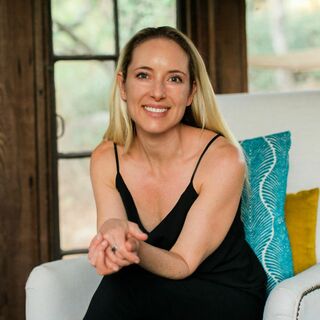
That's what we're going to explore today with Sonia Looney on Your Life in Process.
We've been talking a lot about relationships on this podcast.
We opened the season with Stephen Porges talking about polyvagal theory and how we co-regulate each other in relationships.
We talked to Dr.
Robert Waldinger from the Harvard Health Study about how important relationships are to your health,
The state of your relationships at age 50 predict your health and happiness at age 80.
And today we get to talk to a relationship that I'm building.
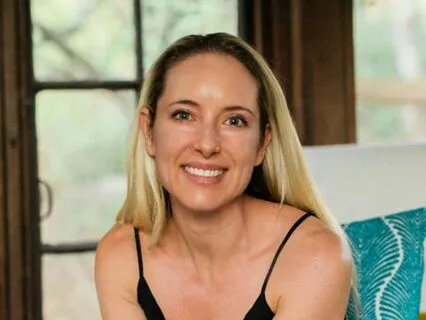
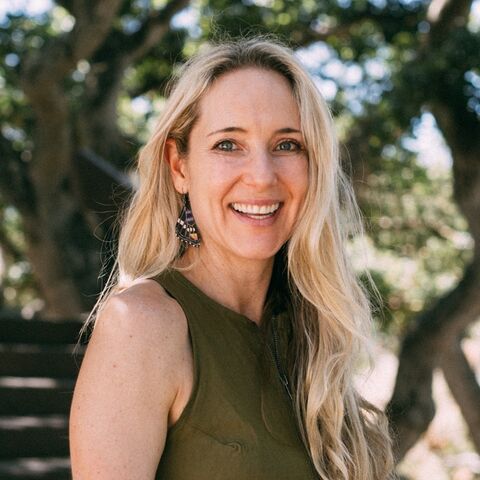
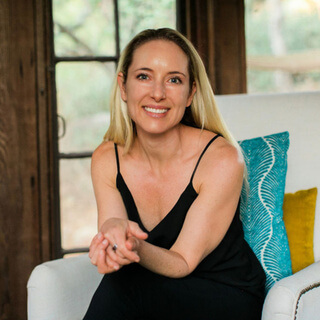
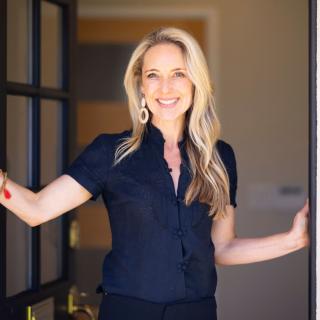
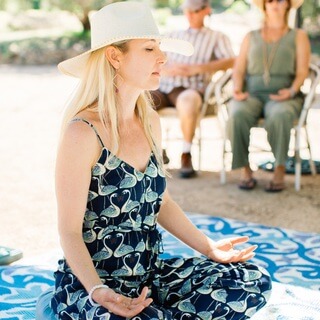
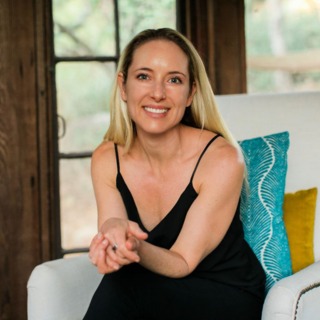
Sonia Looney is a new friend of mine.
I first met her when she had me on her podcast,
The Sonia Looney Show.
And we're going to explore everything from confidence to competition.
You're going to love Sonia Looney.
She wears many hats as a professional athlete,
Podcast host,
Health and mental performance coach,
Writer,
Speaker,
And mom.
She's a professional mountain biker and she's raced in over 25 countries.
She's been world champion,
Four times USA national champion,
And amassed 20 plus career wins in endurance mountain biking.
Her podcast is The Sonia Looney Show and has been running for nearly six years.
And her work encompasses the intersection of performance,
Health,
And wellbeing,
Along with her career as a professional mountain biker.
At the end of the show,
I will share some tips on how to build new friendships.
And I also want to say I have a little bit of a Janice Joplin voice here going because I'm on the tail end of a cold.
So I'm a little bit scratchy today,
A little bit scratchy throughout the podcast,
But hey,
That's all part of being human.
I know that just like me,
You've had a scratchy voice at some time too.
Well,
Thank you to those of you that are part of the podcast membership,
More Life in Process.
I hope that you're enjoying the weekly meditations that I've been uploading.
I will say I did an upgrade on the sound quality and I now have a lapel mic,
Which makes the talk and meditation sound a lot better.
If you were a little bit derailed by bad audio,
I know that that's an issue for some folks.
You will enjoy the meditations a lot more.
And for those of you that have not joined More Life in Process,
I have a little gift for you.
I want you to try out one of these meditations.
I'm going to put a link in the show notes for free of this last week's meditation,
Which was on the flow of compassion.
I give a little talk on compassion and its intersection with psychological flexibility.
And then we do a compassion practice together called Just Like Me,
Which is really a sweet,
Sweet practice to do.
So I hope you enjoy that.
It gives you a little sample of what you can get as a member of More Life in Process.
And also if you do join,
It's just a way to say thank you,
Give back to the show.
I don't have any sponsors.
You're the sponsor.
So if you want the show to keep on going,
Please contribute.
Okay,
Sonia,
This is take two of an interview that we did last week.
And afterwards,
I texted you saying,
I want to do it over.
Can we do it over?
Because I didn't feel like I showed up maybe in the way that I wanted to fully show up.
And you were so gracious to say,
Yeah,
Let's do it again.
Let's make it be how you want it to be.
This is aired on both of our podcasts.
So it's a collaboration.
And thanks for doing this again.
Yeah.
And first of all,
It takes courage to put your hand up and say,
Hey,
Can we redo that?
And I think a lot of people wouldn't actually say that even though they felt it.
So props to you for being brave.
Yeah,
Well,
I think it also takes who you're asking to do that with because I have felt that with other people and haven't said it.
And there's always that question of am I just being super hypercritical and perfectionistic?
And that is a good question to ask because sometimes it isn't wise to redo something.
It's just another hour of our time.
It's more prep.
And sometimes it is really wise to redo it.
So hopefully we can talk a little bit about that today.
Like when do you choose to redo?
And when do you choose just to let it be not your best?
You know,
Like it's okay to get a C on some things and some things you want an A plus on and that is something that I'm interested in as well.
We're emerging friends.
We're sort of budding friendships,
A budding friendship.
I came to you knowing you more from the podcast realm than from your biking background.
And you sent me this video about you as a mom and identity and biking.
Sounds like it won some awards.
Yeah,
It's been touring at film festivals around the world,
Actually,
And it's won some awards and it's pretty cool to be able to make an impact on people.
But it's also weird because you don't know what impact it's having.
And that's something that I think about a lot because a lot of us are working in our office like you're alone in your room,
I'm alone in my room here,
And we're doing our best and we're doing things that we're passionate about,
But we don't often see how it lands.
So that's still something that I think is a challenge in our culture.
Well,
There was this line that you said in it,
Which is someone had sent you a text or message on Instagram saying,
It's selfish for you to ride your bike for hours while having a baby.
And I don't relate to that.
I'm not an athlete like you are,
But I definitely relate to that feeling of if I'm pursuing a career or if I'm striving for something more,
Is it selfish because I'm also a mother?
And then the flip side of that,
If I'm really dedicating my time in this moment to being a mother,
Am I not going to achieve what I want to achieve in my career?
And that's a really difficult place to be in that I know,
I imagine.
Yeah.
I mean,
I think that it's just asking how do I want to show up?
And there's been days where I've spent a lot more time with my kids and maybe not worked the time that I wanted to work or maybe cut my ride short because I felt that pressure to come back.
And I asked myself at the end of the day,
I evaluate,
Well,
How did that actually make me feel?
Did I show up as my best or was I showing up wishing that I was somewhere else?
And I think for everybody that's different and it can also be different on a day-to-day basis,
But it's continually checking in with yourself and asking,
How do I want to show up?
What do I want in my life?
And of course,
It's a privilege to even be able to ask yourself that question and say,
Oh,
If I want to work part-time and spend time with my kids,
Not everybody gets to do that.
So just being aware of that too.
And that's where values come in too,
Because you can live out your values in the different domains of your life.
And that the value is less attached to the identity because it gets a little dangerous if we start over-identifying with I am this,
I am that,
I'm a psychologist,
I'm a runner.
And when we over-identify with those,
When those things go away,
Like there's periods of time when you can't exercise or you're injured,
What happens to that identity?
Can you tell us just a little bit about some of the things you've done as an athlete?
Yeah.
So I didn't grow up riding bikes,
But I did grow up wanting to be a professional athlete.
I wanted to be a professional soccer player.
I wanted to be a professional tennis player.
But it wasn't until I found endurance sports that I found true confidence in myself because I was pursuing something because I liked it,
Not to impress somebody else,
Not for external validation.
And I did a mountain bike race because some guys suggested that I try mountain biking.
And I had the confidence to try because I had run a marathon when I was 18.
I think that's so important to explore things that you're curious in and to show up and try things because you don't realize what you might be saying no to if you don't say yes to the thing that you want to try.
So trying mountain biking changed my entire life.
It enabled me to travel the world for 10 plus years.
I've raced my bike in 25 plus countries.
I was world champion in 2015 in 24-hour mountain biking,
Which means that you race your bike for 24 hours straight without stopping or without sleeping.
You might stop to go to the bathroom or to change your lights.
And being able to travel and to push myself in ways that I wouldn't have been able to push myself otherwise taught me who I was.
I was able to experience extreme highs,
But also extreme lows and deciding what I'm going to do in those moments when I'm in the middle of Mongolia or in the middle of Nepal on the top of some mountain and my brakes aren't working.
How do I want to show up and how will I continue on in my life?
And that experience has informed a lot of education for myself because I want to help other people do the same things.
And I don't believe that people need to do the same types of challenges that I've taken on,
But being brave enough to go out there and put yourself out there and try something that you're interested in and then learning about yourself on the way and having the grace to say,
I'm not going to understand how this all works.
I may not even understand myself through this process,
But I'm willing to learn as I go.
And that learning piece is going to be enriching for my life.
Well,
I see it as,
And this is something I'm interested in these days,
Is the intersection of strengths and values.
Because strengths,
And I've talked about strengths with different people on my podcast,
But strengths are sort of what comes easily to you,
These gifts.
So maybe you weren't called an athlete,
But I imagine as a kid you were interested in the physical world or using your body or things that when you do them,
There's a sense of ease,
Effortlessness in our strengths.
And then our values are not always easy for us,
But they give us energy.
They give us vitality.
They give us motivation to do something that's actually hard.
And that balance of strengths plus values creates opportunities to do amazing things.
I do that in my own life in terms of,
I feel like some of my strengths are working with people and being really intimate with people in conversation.
And I have strengths in sort of the creative aspects of experiential practices in therapy or in workshops.
And I can use those to apply my values of wanting to help people become free from suffering.
So if you can find that intersection of the two,
Then you get someone like Sonia Looney,
Who's climbing up mountains in Nepal and then on her exercise bike with her little baby there watching.
It's a cool place to be.
I wanted to actually ask you,
When did you first start thinking about what your values and strengths were?
Well,
There's sort of two ways to look at that.
There's a knowing,
And then there's a thinking about.
I actually see them as two different places within my body.
The knowing comes more from my belly of when I'm doing this,
It feels right and I feel energized and I don't feel depleted afterwards.
That's often things that are related to our values.
Or values can also be related to what's most painful to us.
So,
Ooh,
I feel a twinge of discrepancy between how I'm acting and how I want to be in the world.
And I'd known that for a really long time.
Ever since I was a really like little girl,
I've been pretty tuned in to that system within my body.
I started thinking about it when I became an ACT psychologist and I started reading some of this work on values.
And it was something different than what people were talking about in terms of like,
What does it mean to live a well-lived life?
It had more of a,
Huh,
Our values are so individual and they're unique to us and they also can help us be of service in the world.
And so,
I've learned a lot of ways to do like exercises around how to help people identify their values and how to live those values out in their life.
But I would say most people already kind of know inside their bodies.
Yeah.
Something that I thought was really interesting that you said was I felt it in my body.
And a lot of us are disconnected from our body.
We're up in our head.
We don't realize how our body might be reacting to something that we feel or even think.
And it can be really challenging for people to feel their body and it might be scary to feel their body.
Well,
So I'm curious about that because as an athlete,
Sometimes you're pushing your body into like,
You're almost pushing your body into places that your head says you can't go.
And then you can be surprised like,
Wow,
My body went there even though my head said I couldn't go there.
And there can be that fine line between over-training or under-training.
And how do you do that as an athlete?
How do you work with the body?
Yeah.
I mean,
I think it can also be the other way of my mind telling me I'm doing this and my body is saying no,
And my mind is going to continue to say,
No,
You're going to keep going.
And I think that for me,
That's more what I identify with,
But it's really different for everybody.
I relate to that.
Yeah.
I mean,
I think with the over-training piece,
A lot of it comes from a lack of either knowledge or a lack of confidence because we will overwork.
This applies to anything,
Not just physical training,
But we'll overwork because we are not confident or we don't trust the work that we're doing.
So we think that if I do more,
Then I'm going to be better.
And in sport,
It's really obvious because whenever you push yourself physically,
You start getting worse and worse and you get sick and you don't see any improvements.
But when it comes to knowledge work,
It can be harder and more insidious to know that you're overworking.
And I think that that is where burnout comes into play a little bit is I'm overworking.
I'm not enjoying things that I once was enjoying before.
I've experienced that on both ends of the spectrum.
Mm-hmm.
Well,
There's that sort of the load,
The allostatic load of it's just too heavy for your body and your core,
Your brain to carry at some point.
And you push past it.
That's when you get the wear and tear,
Whether it's physical wear and tear or mental wear and tear.
And it'll catch up with you.
It'll catch up with you as a parent too,
Pushing yourself too far as a parent.
How do you navigate that in terms of being an athlete and a parent and the many loads that you have to carry doing both?
Well,
The answer is that I'm still learning.
I have a one and a three-year-old now,
And I don't really know the answer to that.
I try and assess how I'm feeling,
As I mentioned.
I also try and look at a lot of these elements of wellbeing and say,
Am I pushing too hard and am I not addressing spending time with friends and experiencing awe,
Looking at positive emotions that I might be having,
Or am I just overworking trying to feel a certain way because I think that working is going to make me feel a certain way.
And something that you said earlier,
It was in regards to,
I can't remember exactly what it was.
It was about wise effort.
And I wanted to tell a little story about this because I'm currently experiencing a really challenging time right now.
I am going to a race in North Carolina in April,
And it's a five-day mountain bike race.
Around the race,
I'm doing some other things,
But I was really excited to go to this race because I'm taking the whole family.
I'm excited to be back on the race course after not being able to do as many races because of pregnancies and pandemics.
And I was so excited to have this great training going into it,
But I got sick because that happens when you have kids and I'm working on readjusting my expectations around this.
And I'm not able to train.
I haven't trained in 10 days and it's going to be multiple days before I can even get back.
And that's frustrating for me because I know that I'm showing up to this event without preparation,
Without doing the work that I wanted to do.
And it's easy to say,
Well,
I'm not going to be perfect.
I shouldn't show up.
I shouldn't even try.
Or can I find other goals and other ways that this is going to be meaningful for me?
So I think that this effort can be something that isn't just one dimensional.
It can be multi-dimensional,
But it can be really challenging whenever you are really attached to it going a certain way and then it's not going to go that way.
Well,
Wise effort has two components to it,
Right?
The wisdom part is the first part.
And wise effort,
It comes from the actual term,
Comes from the eightfold path.
So we're sort of using it in a more sort of general way.
And the wisdom is both the experience that we have from past experience.
So you have wisdom around if I don't train,
I'm pretty sure what my outcome would be.
And for someone to come in and say,
But Sonia,
You're such a good athlete.
I'm sure you'll do a good job,
Could feel really invalidating because you actually,
You may not perform as well as you could perform if you had a really healthy period of time where you could train.
So there's wisdom of knowing from our past experience,
But then there's also another form of wisdom,
Which is like that body-based wisdom.
Another form of wisdom,
Which is,
Huh,
Is there actually something else for me to learn from this experience or something else?
Another way in which I'm going to grow that's mysterious.
I don't even know yet.
I could be curious and open to what shows up for me on this race.
It may be really interesting.
Maybe something,
Somebody that you meet or something that happens between you and your partner or you and your kids that's really magical.
And then the effort part is the sort of the dialing up and down of our energy and using our strengths to help us have ease in the areas where we can have ease and using our values to help us be strong and motivated and have some sense of like gusto in the areas where we need that.
So it is,
It does feel like an opportunity for wise effort for you.
We were talking about strengths earlier.
I've taken the,
The Via Character Survey multiple times since 2015 when I first discovered it.
And I really enjoy that.
And so for people listening,
If you don't know your strengths or you don't know,
Even know where to start,
That's a great place.
But thinking about those is actually really helpful for me.
Like my number one strength is gratitude.
My number two strength is perspective.
And I can't remember the order of,
You know,
The top five,
But like zest is in there.
And how can I apply those to this situation?
And it's easy for me to apply those to the situation because the only reason I'm not only going to that race for one reason,
I'm going because I want to connect with community.
I'm going to be doing some talks around mental performance and well-being.
I want to create memories with my family and I want my family to see Sonia,
Their mom,
As a racer so that I can set an example for them.
And like you said,
You never know what opportunities are just around the corner if you're open enough to show up and to look for them.
So this is a great example to think about those things because I know everybody listening has had an experience where maybe you had suboptimal preparation for something or even something didn't go the way that you wanted it to.
But that doesn't mean that all is lost.
And that doesn't change the fact that you might have been disappointed in some way,
But both can be true at the same time.
And then the flip side of that is the times in which we've all practiced unwise effort.
We've kept at it and pushed so hard and clinged to it,
Whether it's a relationship that we just wouldn't,
We weren't willing to let go of,
A friendship we weren't willing to let go of,
A job.
These things that we hold on really tightly to put a lot of effort into and part of wise effort is also knowing when to surrender,
When to let go of our grip so that our hand is freed up.
Like if you imagine gripping your hand really tight on something,
You can't use it to do the other important things in your life.
I remember Angela Duckworth saying like,
Know when to grit and know when to quit.
So that's another thing about that.
With the carrot,
With the via,
I use that with clients.
And sometimes clients get a little frustrated because they take the whole test and some of the questions don't feel like quite the right fit for them.
So this is also the idea of wisdom,
Which is maybe go through the list first and do a subjective analysis of which do I think are my strengths and then take the evidence-based test and compare the two because there's many forms of science,
Right?
There's subjective sort of inner knowing,
There's objective science based on tests that have been replicated over time and validated over time.
And then there's also another one where you can ask somebody who loves you,
What do you think are my strengths?
And then ask a stranger,
What do you think are my strengths?
And when you get all that information together,
Then you might have a really nice,
Diverse pile of strengths to draw from.
My question I wanted to ask you is,
When do you know when to quit?
Because this is something that I actually really struggle with is I tend to hold on to too many things and I'm afraid to let go of something because I don't want to be somebody that quits at something.
And I have let go.
So how did you know with that podcast,
For example,
That it was time to go?
Well,
A couple of things.
I used wise counsel.
So I am a believer in having a counsel of people and a counsel of people that is different from me.
So a counsel that is someone included in my counsel is someone older than me,
Someone younger than me,
A peer,
And then also wise counsel in terms of like sort of an expert kind of person.
So the older than me person in my wise counsel is often my dad.
He's just got wisdom because he's got life experience.
He's a Buddhist.
And so I'll ask him,
Someone younger than me sometimes is my kids.
And my kids think things like,
Mom,
You seem really stressed out or you don't seem as happy as you usually are.
Right.
And so one way to know when to quit or when to not is to gather your wise counsel and present the issue to the wise counsel.
And then we also have wise counsel within our own bodies of I could just tell my body was saying no repeatedly.
No.
And it would show up in my sleep.
I went to interview this sleep researcher,
Rafael Pelleo.
He wrote the book How to Sleep from Stanford.
And he said,
Your sleep is a reflection of your day.
And if things are waking you up in the night,
It's often because they're sort of like it's like unprocessed material that you haven't resolved.
And you're kind of trying to process it in your dreams or whatever.
And then it wakes you up.
So that would be one way.
It's sort of the similar idea of having many different views or information that you gather.
And then sometimes it's experimentation and trusting that this isn't the only option for you.
If you quit,
There's going to be something else like that hand that's clenched.
If you open your hand and let go of this,
There's going to be something else that you can pick up.
And trust that because that's always been the case.
And sometimes you will quit things that you will have that feeling of like,
Oh,
I wonder where that would have gone.
And that regret may show up or you may have that,
You know,
The loss,
The grief that can show up with quitting,
Which I still have around different things I've quit in my life.
But there's always been something else to pick up.
So I don't know,
Do you have something in your life that you're considering quitting right now?
No,
I mean,
Nothing big.
Like I started this apparel brand like five or six years ago and it was really fun.
And I built it up into,
You know,
Not like a massive business,
But it was a profitable business.
And it's still kind of going in the background,
But I don't really do anything with it.
And that's something that I'm going to be shifting.
But I always commit to a certain period of time whenever I start a project.
That way,
Whenever I'm feeling like things are hard and I want to quit,
I know that it's not just an emotion where I want to quit just because it's hard.
And after a certain period of time,
I allow myself to evaluate and decide.
But one thing that I did quit is I got my master's degree in electrical engineering.
And a lot of people are surprised when they hear that because they say,
Well,
Why aren't you doing that?
Or you're a pro mountain biker and you have this master's degree.
And my entire family couldn't understand why I didn't want to do it.
But I knew in my bones that it was not the right thing for me.
And I just kept pushing myself a square peg in a round hole.
And I did internships and I kept saying,
Like,
This is not the life that I'm capable.
Like,
This is not the right life for me.
This is a good life for somebody else.
But this is not for me.
And it was hard to make that decision to finish.
I finished the master's degree,
But I walked away from the career completely and I have no intention of ever going back to it.
And people will say there's like the sunk cost fallacy.
Like you spent all this time doing that.
You spent all this money doing that.
You know,
How can you walk away?
And I think that a lot of us have that and different things that we've done.
Well,
I've already spent all the money.
I've already spent the time.
So now I can't change.
But you can.
It just takes courage to do that.
There's also something to be said,
And I think about this with you as an athlete.
That belief system of I am not a quitter,
I don't quit.
You've probably really needed to have to do things like this race in Nepal.
How many days was it in Nepal?
It was a 10-day race on the Annapurna Circuit in Nepal.
It's like 17,
000 feet or something like that.
Yeah.
So I was the first woman to ever finish it.
And it was in 2012.
And it's pretty unsupported.
Like there is a start and a finish,
But you can't just get in a car and go home if things aren't going well.
And it culminates with on day nine,
You have to go over Thirong La Pass,
Which is at 17,
769 feet.
And you have to get up at whatever time,
3 or 4 o'clock in the morning,
And hike your bike through the snow,
Carrying it on your back with a headlamp.
Like,
Sounds crazy,
But it's actually really fun.
Yeah.
And then you did it twice.
Let's just add that in.
Then you went back and said,
I want more.
So there's an element of this,
I don't quit at things that has served you.
And it's the same,
That mentality is also helpful as a parent.
Like,
I'm not going to quit.
No matter how long my kid is tantruming or how much,
The fifth time they've woken me up to go in their room,
I'm not just going to leave them in there and be like,
I quit.
I'm done.
I'm not a mom anymore.
Like,
You can't,
There's some things that you don't quit because you're committed.
You have a deep commitment to.
I feel that way about my spiritual practice.
I will not quit it.
Some days I come down and I meditate for like two minutes.
Same thing with my physical practice of yoga or exercise,
Right?
If we hold on to the identity around that,
It can become a self-story that then becomes inflexible.
So there's a difference there between a value and a self-story.
And sometimes they get kind of entangled in each other,
Right?
So there's actually a value that was driving the not quitting.
And if you look at that value,
Then it can help you determine if you can use that value in other ways,
Right?
And sometimes it's good to practice the thing that if you have a tendency to do one thing always the same way,
Like I always finish things.
I always am on time.
I always complete my assignments.
I always respond to emails.
Sometimes just for the sake of flexibility training,
It's helpful to not do that.
Like I'll give clients the assignment.
I want you to be five minutes late to our session because they're always five minutes early and they need to practice the discomfort of being late and being okay.
Now I'll give a funny example that some people that like to record their workouts can relate with.
So a lot of times,
You know,
There's this website called Strava where you can upload your rides.
It's public,
Like your speed is public,
All these different things.
But people will ride around in circles so that they get,
Say they're doing like a 20 mile ride and they get to their house and they're at 19.
7.
I'm going to go around in circles so that I can get to 20 or I want to do 10,
000 feet of elevation gain today.
They're at 9,
800 and they have to go.
And I mean,
I've done this.
So this is why I'm like calling this out.
You're like right up and down the hill so you can get to 10,
000.
But coming back to the theme of wise effort,
That's not quality training to do that.
You're just it's almost a compulsion.
I have to do this.
That way it's perfect.
It looks a certain way.
And that's not going to be the best type of work that you can do to be better.
So asking yourself,
Why am I doing this?
Is this work really helping me get to my goal or is this a compulsion that I'm just trying to fill so that I can feel a certain way?
Yeah.
Well,
Even if you go to the Buddhist definition of wise effort,
It's very interesting sometimes how this is written,
But it's described as having these qualities to it.
So the first quality is creating conditions that support what is wholesome.
And you could,
I don't mean wholesome is such an unusual word,
But you could say what's helpful to me.
Am I creating conditions that are helpful to my goals?
Am I setting up my environment?
Am I creating conditions in my own mind?
And then abandoning conditions that are not helpful to you.
So choosing not to put yourself in certain situations and then choosing activities that are helpful and abandoning activities that are unhelpful.
And if you're walking around in circles or for people that get really rigid about eating,
I mean,
You and I have had conversations about plant based eating.
And I have a history of anorexia.
So it's always like,
Oh,
It's a really close step into rigidity and rules for me.
And at the same time,
What if I want to have less impact on the planet or I feel that a certain way of eating is really good for my body and gives me energy and healthy for me?
That's what you have to have wise effort to have that discernment of what are the conditions that are helpful to me?
How can I support those conditions without getting into the unhelpful?
Let's talk a little about eating,
Because this is of interest to me and a specialty of yours.
You're a vegan athlete.
Yeah,
I'm plant based.
Like I have,
You know,
My cycling shoes are made of leather,
For example.
And I try not to buy those things,
But I don't want to like people that really are ethical vegans.
I don't want to identify with something that I'm not doing in the way that somebody else is doing.
Well,
I'm a beekeeper,
So I will never be able to and have chicken so I can never really ever be vegan.
But plant based,
I imagine there's a lot of stories that people have said about that,
That that's impossible.
You're not getting enough protein.
Why did you become a plant based athlete and what's it been like for you?
Yeah.
So first of all,
Before I tell the origin story,
I ate plant based for four years without telling anybody because I didn't want people to feel like I was judging them.
If I saw somebody eating something,
I didn't want them to feel like I'm that person sitting there thinking things about them because I wasn't.
I just did it for me.
So I watched a documentary in I don't even remember what year,
Probably 2012,
2011,
Called Forks Over Knives.
And it was about health and about chronic diseases and illnesses that people get sick and die from.
And in the back of my mind,
I always felt like,
Oh,
My gosh,
I'm so scared.
I don't want to get cancer,
But I feel helpless.
I feel like I'm going to get it and there's nothing I can do about it.
And also there's a lot of people in my family have hypertension.
And I thought,
Well,
I don't want to I don't want to get hypertension.
What am I going to do?
Like I'm already doing everything right.
So whenever I saw this,
The show,
I saw that there are dietary things that you can do that will help prevent those things from happening.
And you can even reverse some of those conditions.
And I thought,
Well,
If this is true,
Then this is a really big deal.
And why didn't I know about this sooner?
But I was afraid to try because at that time there weren't very many endurance athletes who were doing that.
And I think Rich Roll was probably the only athlete I had heard of.
And maybe Scott Jurek,
Who is actually doing those things.
So I decided to try gradually.
And so I over three months just started phasing out animal products to see what would happen.
And I wasn't changing my diet for performance.
I was changing my diet for health.
And something weird happened that I didn't expect.
I got faster and I started doing better in my sport.
And I kept asking,
Well,
Is this because of the diet?
Is this because of something else?
But I did that 10 years ago and I feel great.
And I've never had a problem with protein.
And certainly there is more preparation involved sometimes.
Like if I'm going to a race in a foreign country,
Maybe the race is catered is a strong word.
But for example,
In Mongolia,
They have a goat that they brought along and they killed the goat and fed you the goat.
So what type of advanced planning do you need to have going into this?
But it's been fun.
And I've found joy in food that I hadn't found before.
And I don't know if I've actually talked about this before,
But I had disordered patterns of eating starting when I was maybe at the end of high school.
But I just had this really unhealthy relationship with food and body image.
And I didn't expect this to happen either.
But after I changed my diet,
That stuff mostly went away.
I didn't think about it as much.
And it's really interesting because I spent a lot of time fixated on that.
And athletes in general,
Endurance athletes in general,
I would say,
Are very concerned about their body weight.
And it's gotten better,
But there's a lot of disordered eating and relative energy deficiency syndrome and lots of things that are happening.
So,
Yeah,
Long story long.
Yeah.
So it is about the values that were driving it for you,
You know,
In terms of health values and and then now probably performance values now that you've seen that it's helpful for your performance.
And that's very different than what would drive disordered eating.
Right.
So and that's why for me,
I don't go into I don't think I would ever put myself in a like identify with a category of I'm a vegan or I'm a because for me,
That would create too much of a box that I'd feel like I'd have to stay in.
And it's been more of a natural progression of.
Well,
It started with raising chickens,
Little tiny babies.
We keep them in our kids playroom and we just fall in love with these little chicks.
There's nothing better than baby chicks.
They're so cute.
And we just really get attached to them and we name them and we take care of them and we can pick them up because they've been handled so much.
And and every once in a while,
A chicken will die for different reasons.
We let them free range at our house,
I believe,
In having our chickens just really have a super awesome good life.
And and coyotes can come and get them every once in a while.
Like if the kid forgets to leave the gate open.
And there was one day when I picked up a chicken,
A dead chicken.
To bury it.
And I had this like this visceral experience of holding this chicken and then.
The chicken holding the chicken in like the grocery store,
And I was like,
Oh,
My gosh,
What am I doing?
I it was like this.
I couldn't I just couldn't do it anymore.
I couldn't do it.
And it's interesting,
Like what what way may get you there around food for someone else?
I have done mindfulness exercises where people eat their protein bar like mindfully with me in session because that's the thing they've eaten every single day for like 20 years,
Like rigid eaters.
And they'll be like,
This tastes like chalk.
Like there's no taste here.
It's like chemicals.
It tastes like whatever.
And maybe that's what makes them change something about their eating.
But it does have to come from a value system.
My son,
We were in Plum Village last summer.
So Plum Village is Thich Nhat Hanh's monastery in France.
And at the end of the retreat,
They give kids a spiritual name,
A Dharma name,
And they make the kids write up what animal they want to protect,
What plant they want to protect,
What group of people they want to protect and what they're going to commit to protecting upon leaving this retreat.
And so my kids wrote up this long,
Long list.
And then based on what they write,
They give them a name.
And so my son came back and he was like,
Mom,
They gave me my spiritual name,
My Dharma name,
And it's Pathetic Sage.
I was like,
Pathetic Sage?
I looked at the little thing and it says Empathetic Sage.
He was so proud of his Pathetic Sage.
And I was like,
I think it's because you're really empathic.
And he's like,
Yeah,
I am no longer going to eat pigs.
So any time we go out to lunch or whatever and someone offers him bacon,
He says,
No,
Thank you.
I don't eat pig.
It's the cutest thing.
But I don't hold a,
You know,
We have meat in our home.
So I don't know.
It's a journey for everyone in terms of what their choices are.
Yeah,
I mean,
I think that labels can be really limiting and also really restrictive,
Like you said.
And that might be another reason why I didn't want to tell anybody about the way that I was eating,
Because I didn't want to be somebody that worked under a label.
But I think it's about just doing what's right for you,
Doing what feels right in your body for you.
It sounds like there's a lot of cognitive dissonance around what we're eating versus,
You know,
An animal.
And I think just if you're making those choices,
Just knowing the choice that you're making and being OK with that choice.
Yeah.
And it can be cognitive dissonance around other things with food and with exercise.
So once you start tuning in,
And I think mindfulness practice,
Meditation practice really helps with that.
In a lot of Buddhist practices,
There's a commitment to not harming.
Right.
And for some people,
That translates into being plant based.
But really,
The commitment is to be aware.
And once you become aware,
Then you start realizing like where is harm being done?
And that's different for everyone,
You know,
But it can also be around like technology use or how you use transportation,
All sorts of things that are contributing to harm.
So one of the reasons why we want to do this podcast,
We haven't even gone there yet,
Is to talk about friendship.
And we're sort of newer budding friends.
And it can be hard to make friends as adults.
With people.
That's something that I've really been working on because the relationship piece keeps coming out in the data.
This is so important for well-being.
And I think back to when I feel the best,
And it is when I'm spending time with friends.
And I had great friends when I lived in Boulder,
Colorado.
I lived there for about 10 years.
And I just remember thinking about like a dinner that I had before I was getting married.
And a ton of my friends came and they're all great friendships.
And I started asking myself,
How do I define a great friendship?
And I had moved to Canada and I lived in this town for I don't remember exactly how long.
It was probably eight years.
And I didn't have any good friends there.
And it was so weird to me because I had close friendships my entire life.
But after I moved,
I couldn't make close friends anymore.
And I was trying.
And I thought,
Well,
Is there something different about me now?
You know,
Is it my environment?
What's happening here?
And I felt really sad that I didn't have those.
And I was married to and I still am.
But I got married when I moved to that town.
So I thought,
Well,
Is it because I'm married now that I'm not making the same types of friends?
And we ended up moving in 2021 to another town because my husband felt the same way.
He didn't have any close friends there either.
And it was weird when we left.
We actually didn't even have anybody to say goodbye to,
Which sounds really lonely.
So moving somewhere where people live similar lifestyles to the lifestyle that we lived and places where people are friendly,
That was really helpful.
But it takes vulnerability to make friends and to ask yourself,
What type of connections do I need in my life?
Because I think everybody's connection needs are different and what they need out of a friendship are different.
But asking yourself what you need,
I think,
Is pretty important.
Well,
First,
I just would say I think you're a rare individual to move because you wanted to build friendships.
It says a lot about that being something that's important to you.
And that's interesting because you're a solo athlete.
You know,
It's like the kind of individual sport,
But relationships are important to you.
And it wasn't lack of effort.
A lot of people have the fallacy,
The belief that friends should just and they have the same belief,
I think,
With romantic relationships,
That they should just happen.
I think it's a sort of luck thing.
And what the research shows around that is that people who believe that friendships or relationships come to you by luck end up being lonelier,
That there is effort.
This is the wise effort aspect of things,
Creating conditions that will support friends.
If you're out in the middle of nowhere and you have no one around you,
You need to like move to get to a space where there's more people around you.
This is an important thing to you.
But then the second part is,
OK,
Now I have the people around around me.
And how do I actually connect with them?
And vulnerability is that sweet,
Special thing that helps us connect.
But we also don't want to like come in as a hot mess,
You know,
Because there is an element of like you can over disclose.
You can you can you can be too vulnerable and it can be a little off putting.
So there's a little bit of balance there,
Too.
One of the things that I think about with you is I want people in my life that are badasses.
I want friends that are strong at things that I'm not strong at,
Knowing that our friendships rub off on us.
So if our friends are doing well,
We tend to do well.
If our friends are smokers,
We're going to be smokers.
We're friends are non-smokers.
We're going to be non-smokers.
So I felt that way about you.
Like she's a badass,
But she has humility to her.
So it's the balance of being someone that's interesting for people to be friends with,
But also being vulnerable enough that,
You know,
You don't have it all together.
So I can be friends with you because I don't have it all together either.
What do you mean I don't have it all together?
Yeah.
Yeah.
And I felt the same way about you.
Like I thought you have so much that I can learn from you,
But also you share a lot of things about your life.
And to me,
That says you're a confident person that you can say,
You know,
I've had these things happen in my life.
And sometimes I'm surprised whenever I hear them,
Mostly on your podcast.
And as I get to know you more,
I'm excited to get to know you more,
You know,
Offline and hopefully in person.
But I think something that we did was said was we said like,
Hey,
Or I think I might have said like,
Hey,
I want to be your friend.
And I immediately thought,
Oh,
Is that too much?
Is that is that being coming on too strong?
But we hardly ever tell people how we feel about them saying,
I like you.
And because it's scary to say to somebody,
I like you and I want to be your friend.
Yeah.
Well,
You know what?
We used to do that in third grade and we had lots of friends like that.
That's what third graders do.
If you look at third and fourth graders or even smaller than that,
You know,
Little six year olds,
You can throw them in a playground and they can make a friend because they say,
Hey,
Do you want to play with me?
Do you want to use my shovel?
And we stop doing that because our egos get in the way.
Because if I say that I like you,
Then in some way it kind of means like maybe I need you in my life.
Maybe I need friends.
And most of us.
Probably I would say most of us feel that way,
Like,
Yeah,
We need our friends like a lot.
I didn't I didn't know that until later on in life,
How much I needed friends.
And and now I see them as like my greatest wealth is my relationships.
I have good friends in my life.
Then when the disasters that are going to strike strike,
I know that I have support.
And then I also know that being of support to others,
You know,
Probably on a weekly basis,
One friend or another has got something going on and being of support to them gets me out of my own like self-importance or that my life is so bad,
You know,
Because I start to look like,
Oh,
I can be of service to this person that I care about.
So we'll get there.
We're not quite at the point in our friendship where we're calling each other when we're crying.
We're not there yet,
But it takes a little bit to build that.
Yeah,
It does.
And I mean,
Also understanding that along the way you might feel insecure in your friendship,
Just like you would in a relationship.
And an example,
Not I don't feel that way in our friendship,
But I made a friend with one of my neighbors and I really put a lot into the relationship and I really like her a lot.
But sometimes I worry that she doesn't like me the way that I hope she likes me.
And it sounds really ridiculous to be,
You know,
40 years old saying,
Oh,
I hope my hope my neighbor likes me.
But I think that it's important to say those things because we all have felt that way.
Oh,
My gosh.
We've all felt that way.
And it's like it feels like dating in some in some ways.
You know,
I have I do this lunch duty with all these moms from my kids school.
And I see myself positioning next to like like I'm like,
Oh,
I like her and I like her.
I'm like I'm like dating them.
I go and I position myself next to them in the lunch line and I start a little conversation with them and I feel anxious.
And then and then on days when I'm not having the greatest day,
I'm like,
Oh,
It's going to be hard to go do that lunch duty.
Hard to do a lunch duty at a school.
Why?
Because I care about relationships.
Right.
And so this is it's many of us feel that way inside.
And then we have this apparent confidence that we put on the outside,
Which actually I think keeps people away because it's like,
Oh,
She's too cool for me.
So maybe she doesn't like me back.
You know,
That can happen to like you're way too cool for me,
Sonia.
Way too cool.
I'm definitely out of my league.
Definitely not cool.
I'm a dork and I'm happy to be one.
Yeah.
Well,
So,
Yeah,
Other things like that would help.
What have we done?
Like how how we made this happen?
Let's operationalize it a bit,
Because I think other people want some of this.
Well,
We've we've tried to talk on the phone.
Our schedules are a little bit different with our kids and that type of thing.
But we've made an effort to have phone conversations and that's been really fun.
And I feel like those phone conversations were ways that I really got to know you better.
And we've also shared some of the things that haven't gone so well for us.
We had a conversation.
I think I was running on that one where we talked about the people that rejected us on the podcast.
Yeah,
We both shared,
You know,
Who rejected me.
And then you're like,
Wait a minute.
He rejected me,
Too.
And then I felt so much better because we've both been rejected by him.
Yeah,
It's like common humanity.
Common humanity of like we both we both lost that one.
So that's the other part of not.
It's not only putting your your best foot forward,
But also showing the parts that are like this is kind of embarrassing for me to to say or I feel a little shame around or things like that can be helpful in bonding.
I think it takes confidence,
Though,
To do that.
Yeah.
Define confidence.
Oh,
Well,
I mean,
I guess that could be situational,
But it's feeling like you can be yourself to me.
I mean,
I know that confidence is looking back at past things that you've done and building self-efficacy,
But feeling like I guess authenticity is confidence in some ways,
Because I feel like I can be myself in front of you and I'm not worried about.
I guess I'm not embarrassed to be myself in front of you.
And you may or may not like the the what I'm sharing,
The rejection thing or,
You know,
Things that I've shared.
But I don't know.
I think authenticity is important and vulnerability.
You have to be confident in yourself.
You have to have a strong self-concept maybe and maybe some positive regard towards yourself.
And I would add to that that it also is safety.
That the safety that the other person creates,
Right,
So this goes to Steph and Porsche's work around how we co-regulate each other and we,
You know,
This with your kids,
If your kid is really,
Really anxious and then you as a mom get really,
Really anxious and now you're both just translating or you have a transaction of anxiety with each other versus if your kid is really anxious and you stay really centered and calm,
You can watch your kid's nervous system start to settle down.
Right.
And so within friendships,
We're constantly co-regulating safeness just with the tone of our voice,
With the speed in which we speak to each other,
With our eye contact,
All of those things,
How we,
Those little tiny little micro responses from another person.
So,
For example,
A safeness for you when I,
And this was even like over text,
I think we were doing,
Sometimes I can't tell if I was texting or talking,
But I think it was over text.
When I was texting you after the last time we did this interview and I was saying my insecurities about it,
The way in which you responded to me made me feel really safe.
And then I was like,
Oh,
I'm going to do like,
I'm going to do a better job the next time because if we do this again,
I feel even safer with you.
So there is,
You know,
There's the self-confidence which comes from your own sense of self-worth,
But then there's also the leaning into the other person's the conditions they're creating for you.
And if you don't feel safe around someone,
Then that's maybe a sign to back off a little bit.
That's like,
You know,
Know when to grit and know when to quit.
Sometimes it's also I need to back away from this relationship because I'm consistently getting cues from them that they're an unsafe person to me,
Whether they're critical or they're,
You know,
Judgmental or whatever.
Yeah,
The judgmental piece sounds like something that is important when it comes to safety,
Because if you feel like you're saying something and you're always being judged for it,
Then you're probably never going to feel safe in that relationship.
Can we talk about something that you've did a podcast on and I'm super interested in and it relates to friendship because this is often my Achilles heel in friendship.
Yeah,
Let's hear it.
I'm intrigued.
Which I hope doesn't ever come up between us,
Which is competition.
Competition,
You're super competitive,
Obviously,
And competitive isn't necessarily a good thing or a bad thing,
But yeah,
What are your thoughts on competition?
And then I can tell a little bit about my pitfalls of relationships for the first 30 years of my life that had to do with competition.
But yeah,
I mean,
I think that our relationship with competition can be different in different areas and it can change over time.
So initially competition was an evaluation of how good of a person I was.
So whenever I was at my first races as a pro mountain biker and I became a pro very quickly upon starting the sport,
So maybe I hadn't had time to emotionally mature enough to be on those start lines,
But I would be crying in my bike races.
I wouldn't be.
I wouldn't be at the front.
I would be in the back of the race crying because I was so embarrassed and because I thought I sucked.
And so competition wasn't a good place for me.
And then I was at a place where I had to go get all my own sponsors and there's very limited resources,
Especially for women in my sport.
So women were catty and not nice to me and made comments about my body and things like that that just was really upsetting to me.
And that made me want to feel,
You know,
Pull back and not feel very good.
So competition was zero sum.
It was,
You know,
I don't want somebody to get my piece of the pie.
And my husband was actually really helpful in this.
He said,
Hey,
Like it's not about making the pie smaller because you're taking.
It's about making the pie bigger.
So how can you help other people?
And that's something that I always think about.
And that doesn't mean that I don't feel a restricted feeling whenever I am helping somebody when I when they're more,
You know,
Maybe they're more successful at the same thing that I'm working at.
And that happens.
But I have to ask myself,
What type of person do I want to be?
And so when I think about competition,
I ask myself,
What kind of person do I want to be?
Do I want to be somebody that brings everybody else up around me,
Even if that means I don't gain like somebody else?
And that again,
That is a really challenging place to be.
But that has helped me so much.
And that is how I now approach competition,
Because I compete in everything that I do.
But competition is an opportunity for me to put myself among the best and maybe I'll get the best out of myself from it.
So that's how I now view competition.
But it hasn't always been that way.
It's been a genesis.
Oh,
My gosh.
I want to just cut that out and listen to it every day.
It was so good.
I love the concept of making the pie bigger,
Making the pie bigger.
And that comes from just a different mindset,
Right?
Not having the scarcity mindset,
But more having a mindset of mudita,
Of sympathetic joy,
Happiness when other people succeed and happiness when you succeed as well.
That there's that we can be happy for both.
And,
You know,
Where competition has led me astray in my own friendships was just for a lot of years,
I didn't really think I needed to be friends.
And I was so focused on being at the top,
Whether that was like my disordered eating rigidity or that was academically.
I like always wanted to be the very,
Very top of the class and have won the organic chemistry,
The organic chemistry award in college for the top organic chemistry student and the top biology student and the top psychology student.
And how did I get that?
I had to have no friends and a really gnarly eating disorder.
So,
Yeah,
I had all these rewards.
I remember going up and getting that,
Getting the award for the organic chemistry.
And I wasn't even going to med school anymore.
Like all those med students,
I just stomped on to get it.
And I remember getting it and it felt like it had no weight to it because inside I knew that I was like,
You know,
Binging and purging in that chemistry building to get that.
So,
And I didn't have any friends.
So fast forward to now where maybe I don't have all those awards,
But I have friends.
I would trade that any day for good friends.
And also the recognition that I can do well and you can do it.
We both had podcasts.
May this podcast reach many people on your end and on my end.
And the more people it reaches,
The better that we can both be really successful.
And then it's not that we're sharing one piece of that pie.
And that is such a liberating way to view relationships and friendships that we can both succeed.
Whatever success is as defined by us,
You know,
And I think our success may be even defined differently.
I don't know what that looks like.
Yeah,
That was going to be the next thing I was going to ask was about success because maybe you were defining success is I have to win this award.
And if I don't win this award,
Then I'm not successful.
But,
But success didn't feel good.
So what should success feel like?
And you know,
What am I doing to get there?
And that's a question that I ask a lot because the question of what do I want to achieve versus what do I want to feel?
Sometimes those aren't the same thing.
More is not always more.
You know,
Sometimes I just look at my life and I'm like,
Do I want to have more than this?
Like,
Why would I want to have more than this?
I'm really happy with my little garden and my kids and so much suffering comes from wanting what you don't have and not wanting what you have.
Or not seeing what you have.
And so for me,
Success is first and foremost,
Seeing what I have,
Like being clear in my awareness of the abundance that's available to us right here and right now.
Like right now I have Sonia as my friend.
This is awesome.
And we don't have to,
I mean,
You and I have talked about like,
We should do a workshop together.
This is me.
I'm such a generator.
I'm like,
Let's do a workshop together.
Let's do this.
Let's do a podcast.
And sometimes we have to slow down enough just to be like,
Well,
Wait a minute.
Isn't this good enough?
Like,
This is kind of cool.
This is enough.
This is good.
Right here and right now.
And not always having to keep on adding on.
Yeah,
Something that's been liberating for me is telling myself that it's never going to be enough.
Like,
It just won't.
And maybe that's something that I need to work on.
But the acceptance that I'm always going to be reaching for more,
Thinking that it's going to,
That that's now going to make me feel like it's enough.
It helps me not reach for more.
If I tell myself,
You know,
More like what you said,
More is not more.
It's never going to be enough.
And that's OK.
Well,
Thank you,
Sonia.
This has been really fun.
We've gone in and out of so many different topics,
And I hope that this is helpful to others.
There's there's something called the dedication of merit,
Which sometimes you're in a if you're in a sangha,
You often read the dedication of merit at the end of the group.
And it's intended to sort of dedicate your efforts of what we've done here to be about something more than just you or just about us.
And in the dedication of merit,
They say things like,
May all places be held sacred.
May all beings be cherished.
May all injustices of oppression and devaluation be fully righted,
Remedied and healed.
May all beings everywhere delight in whale song,
Bird song and blue sky.
Beautiful lines like that.
And I hope that that's what this podcast is for many others who listen,
Not just about for us,
Because it was kind of fun to talk to a friend for two hours,
Not just one.
Yeah,
We're already out of time.
No,
Take care.
I look forward to continuing to following you and talking to you and building our relationship.
Yes.
Building our relationship.
This week for your daily practice,
I want you to put some wise effort into one of your budding new relationships.
Here are three tips to try out and strengthen your relationship.
Number one,
Put some effort and work into it.
Put yourself in the places where they are.
Saddle up next to them.
Start a conversation.
Relationships are not just going to fall on your lap.
You're going to need to dial up that effort dial.
Number two,
Express vulnerability to them and show them that you like them.
This type of vulnerability isn't sharing all your deep,
Darkest secrets on the first day.
It's more a vulnerability of putting yourself out there and saying,
Hey,
Do you want to be my friend?
Just like Sonia did when she asked me that.
And then number three,
Choose people that have strengths that you want to grow in your life.
Well,
That will elevate you as a person.
The second thing that I want you to do this week is to establish your wise counsel.
Get out a note card,
Put it in your journal,
Write down these five things that you want to do.
Put it in your journal,
Write down these five names of people that are on your counsel.
Somebody who's older than you,
Somebody who's younger than you,
A peer that you trust,
An expert.
And then put down your name,
Too,
Because your body,
Your wise mind is probably the best counsel that you can ever consult.
Alrighty,
Enjoy building your new friendships and establishing your wise counsel.
And go ahead and send this podcast to a friend,
Either to a budding new friendship or to someone in your wise counsel.
Take care and I'll see you next week.
Email by email at podcast at your life in process dot com.
I want to thank my team,
Craig,
Ashley Hyatt.
Thank you to Ben Gold at Bell and Branch for his original music.
This podcast is for informational and entertainment purposes only,
And it's not meant to be a substitute for mental health treatment.