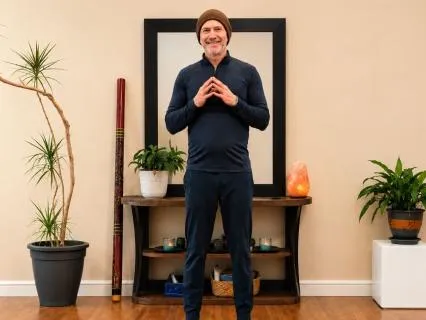
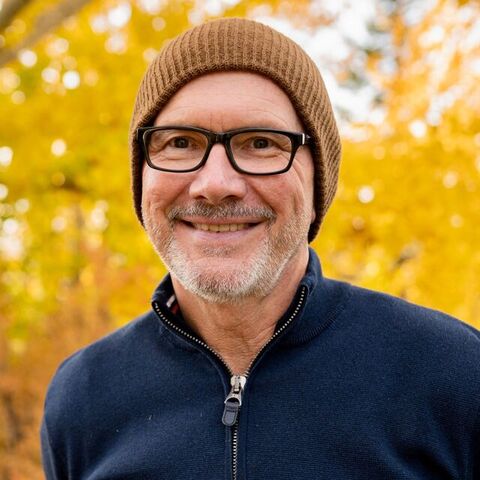
What we're going to be covering is the ancient Tibetan five rites.
So,
To begin with,
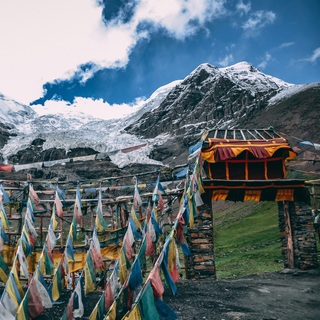
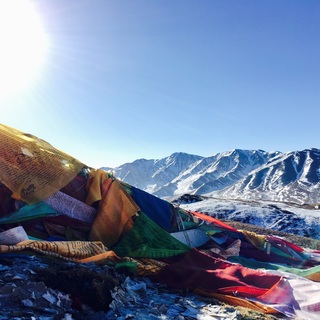
The Tibetan five rites is an ancient secret practice that was practiced by Tibetan monks up in the high Himalayan monasteries and they did this practice daily to help rejuvenate and rebalance their bodies.
So the rites are typically,
If you do the research and read the Peter Kelder's book,
The Eye of Revelation,
Which was the first book that I read about this that was given to me by a special person in my life that I'll introduce a little bit later.
And the book,
It talks about how our bodies have an energy being to them.
And some of us know the seven chakras in the book.
It mentions seven vortexes,
Interchanged,
But in Western culture we call them chakras.
So a whole purpose of our chakras is to beat and maintain balance because so many things in our life can put that out of balance.
Things that happen to us,
Stress,
Pressure,
Accidents,
Anything can do that.
So the rites are a practice that you can do daily to bring that balance back into your chakras and put yourself in a state of well-being and rejuvenation.
In some parts of the book and some people's belief,
And I'm hoping it's true,
Is it's the fountain of youth,
Right?
So I'm feeling a lot better as I have been doing this for over the last two years and almost practice every day.
And I feel that it has changed my life and makes me feel better every day.
So there's a series of 21,
Well there's a series of five exercises done sequentially 21 times,
But for today we're just going to show you seven of each of the five practices.
Jeno and I will demonstrate that first and then after that we will offer the opportunity for you in the classroom to follow this with us in one of two ways.
We're going to do three,
Only three,
To start with because this is challenging.
In fact,
One of the rites I couldn't even start or initiate myself without some coaching,
So we'll get to that.
But the first method is that we can just envision ourselves doing it.
We can sit on our yoga mat and watch Jen go through it or just close your eyes and recall that movement and then print that in your mind so you can see yourself successfully doing that.
So next day and next day,
Next day.
Or number two,
You can actually practice it with us,
But also keep and keep heed that if there's any physical or health issues that you have,
Just make sure that you accommodate that if you're trying to do it physically.
Okay,
So Jen,
We're going to start off with the seven and we're going to start off with the first of the seven,
Which is twirling.
And twirling,
We can get into a lot and if you want to find out more about the practice,
You can follow me on Inside Timer under Richard Walter,
My teacher profile,
And I talk a little bit more about each of the rites.
But for today,
We're going to demonstrate the first one is twirling.
So if you stand,
You can just watch now,
Okay,
Just to make sure that you can see how we do it.
We stand and extend our arms and then we're going to twirl seven times.
All right,
Let's go.
Yes.
And stop,
Hands down,
And we'll take two deep breaths.
Okay,
Our next exercise,
We'll begin on our mats.
And we'll be doing basically a leg raise and a head raise,
Which means lifting our head off the floor towards our chest.
And we'll be doing that seven times.
And the key thing to remember here is when you lower your legs and you're lying flat,
Release your breath totally so that when you engage with this next set,
Next repetition,
That you have already released all the air in your lungs so that you can take an inhale on your way out.
So starting on this one now.
All right.
Rite number three.
In yoga,
Some people call it the camel pose,
And it's not a static pose.
Actually,
It's a dynamic pose in this situation.
And basically,
You're on your knees,
Your toes are curled,
And then we are bending back.
And I'll just demonstrate bending back,
And then coming forward,
And then chin down,
Release.
So chin up,
Thank you.
So we'll do our seven now.
Go.
All right,
Thank you.
Deep breaths.
I guess we can just do this kneeling.
Okay,
Down to the mat again.
Now this is,
And some,
This could be called,
I think it's called a reverse tabletop in yoga or just tabletop.
All right,
So what we're going to do for the tabletop,
We basically are going to shift and roll our knees forward as we lift our hips off the ground and come to a tabletop pose and then come back down.
We're going to do that seven times.
Awesome.
Okay,
That should get your heart rate up a bit.
It's got mine up a little bit warmer now.
So we're going to next move to the last of the five rites,
Which is,
I call it an upward and downward dog.
And we'll be doing that seven times.
But I like the first,
As some people say,
Walk the dog,
Loosen up the calves,
Heels down and ankles loose.
Are you ready,
Jen?
All right,
Let's go.
All right,
Take your time and come to standing again.
Okay,
Just to settle our heart rate down,
We'll just stand,
Take two breaths,
Deep breaths.
And just shake that out a bit.
So I'll coach.
Jen,
Once you're ready,
We will have you actually following along with the three,
Only three repetitions of each exercise.
Let's check for our space.
So I'm going to coach,
Jen will be your cue,
And we will do three turns clockwise.
Okay,
Are you ready?
Arms up.
All right,
Let's go.
Three turns.
And then stop,
Hands down,
Just settle yourself,
Get your balance.
One cue that I've used too as well,
When I'm doing the turns,
Especially when you get up past 10,
You start to notice you're getting dizzy because the room is moving around.
I like to focus on my right thumb and look at it only,
Not the room.
And that helps you stay focused because that's a point,
You know,
It's always your thumb at the end of your hand.
So that way the room doesn't get you spinning so much.
So thank you for that.
So down to the next step position,
We're lying down and we're going to be doing the leg raise.
Okay,
Again,
Hands,
I find too,
If you tuck your hands in just a little on your buttocks,
That it helps with comfort and to try to help you keep your back pressed down to the floor.
So that's great.
A little prop is helpful,
Legs straight out.
And then what we're going to do on the,
When we lift your legs,
You're lifting your head up towards your chin at the same time,
Letting yourself back down,
Full exhale before you do the next one.
So we'll start now,
Legs up and down,
Full exhale,
Legs up,
Full exhale,
And one more.
Great.
Now,
Full exhale.
Okay,
So bring yourself up onto your knees.
So again,
You're going to support yourself as you bend back with your hands on your buttocks.
If you need to for that support,
I know some actually don't need to because they want a more dynamic stretch,
They have their arms up.
I find for when you're starting,
It's better to protect yourself a bit more by having your hands below your waist.
All right,
So we'll start with number one,
Bending back,
Head back,
Coming forward,
And then hands down on your front and that chin down.
Back again,
And then down.
And one more.
Okay,
Great.
And then up again,
Just so yourself.
All right,
Now we're going to that tabletop pose where we're seated again on our legs forward.
As Jen suggested,
Do you want to show how you would suggest again?
Just a little above your hips?
Between the knees and the hips.
Because what you're going to do now,
Don't feel that if you can't do it,
That's fine,
Because I struggled with this one to start with.
You're going to roll your knees forward towards your toes as you lift yourself up and throw your chest up and hips up into the air.
Okay,
So we'll go on one,
Go.
Right,
That's great.
Chin down to your chest.
Again,
Initiate.
Excellent.
One more.
This is not about competition or trying to outdo anything that you've done the last day,
It's about getting into that flow and rhythm.
Because I find even at this point now,
I like to actually do many of them,
Except the spinning with my eyes closed,
Because I find it very meditative,
Right?
And I do it in a low light too as well,
Which is very helpful for staying in the morning.
Okay,
For our last one,
Which I find my favorite,
Is the downward-upward dog.
So we start off by walking the dogs,
Getting your heels and calves and hamstrings a little bit stretched up.
All right,
Calves.
Okay,
So let's get ready.
Upward dog.
Yep,
Then back up.
Down.
Yes.
Again.
And then one more.
Good.
All right.
Get yourself back up slowly to a standing position.
And just we'll stand here with our hands down by ourselves,
Feeling grounded.
This is an exercise to help you feel grounded.
Take two deep breaths.
Thank you.
If any of you want to find out more and or listen to my recording on Insight Timer under Richard Walter,
It's called Unlocking the Mysteries of the Tibetan Five Rites.
You'll find out more about the practice,
And then there'll be a series of different talks on the exercises themselves.
So thanks for joining us here today.
Again,
I'm Richard Walter,
And thank you and have a wonderful day.
Namaste.