Our fear about what's weird about us or what's incongruent in us.
We all have those aspects.
And the more we can bring them to light and get to the end of the book and be like,
Yeah,
I have a monstrous part.
I have feelings that are monstrous.
Everyone does,
Because they're just human.
Welcome to the one you feed.
Throughout time,
Great thinkers have recognized the importance of the thoughts we have.
Quotes like garbage in,
Garbage out,
Or you are what you think ring true.
And yet,
For many of us,
Our thoughts don't strengthen or empower us.
We tend toward negativity,
Self-pity,
Jealousy,
Or fear.
We see what we don't have instead of what we do.
We think things that hold us back and dampen our spirit.
But it's not just about thinking.
Our actions matter.
It takes conscious,
Consistent,
And creative effort to make a life worth living.
This podcast is about how other people keep themselves moving in the right direction,
How they feed their good wolf.
Thanks for joining us.
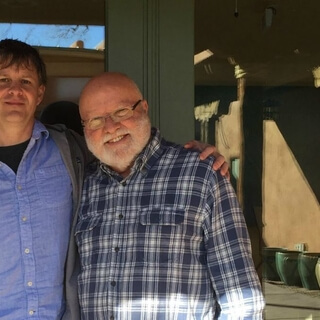
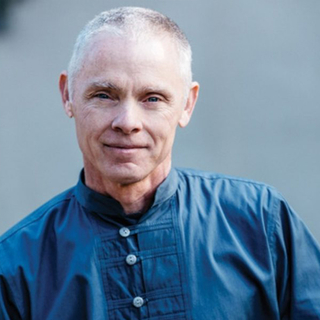
Our guest on this episode is Sensi Koshin Paley Allison,
A Zen teacher and co-founder with his partner Robert Chodo Campbell of the New York Zen Center for Contemplative Care.
Today,
Koshin Paley and Eric discuss his new book,
Wholehearted,
Slow Down,
Help Out,
Wake Up.
Hi,
Koshin.
Welcome to the show.
Delightful to see you,
Eric.
Yes.
We are recording this again after you and I had a wonderful conversation,
I don't know,
A couple months ago,
That due to sound quality issues,
We're having to redo.
So I am happy to get to spend another hour with you,
But I am sorry that we lost that conversation.
But let's start like we always do with the parable.
There's a grandfather talking with his grandson.
He says,
In life,
There are two wolves inside of us that are always at battle.
One is a good wolf,
Which represents things like kindness and bravery and love.
And the other is a bad wolf,
Which represents things like greed and hatred and fear.
And the grandson stops and he thinks about it for a second and he looks up at his grandfather.
He says,
Well,
Grandfather,
Which one wins?
And the grandfather says the one you feed.
So I'd like to start off by asking you what that parable means to you in your life and in the work that you do.
I feel that it's about learning how to drop down into the softness of my experience so that I can actually wonder about what am I doing.
And in order to do that,
To drop down into what I call it my hara,
Which is from our traditions.
And it's really about really getting curious about the feelings that are rising and the thoughts that are connecting to those particular feelings and then how the words and then the actions and then that turns into habit and character.
And so to me,
It's about really learning how to not feed the wolf of greed and resentment and ignorance is to really just keep coming back to the softness,
Coming back to the tenderness,
Coming back to curiosity and of equanimity.
And so that I can be really curious about like,
Wow,
When I leap out and start feeding what is unskillful,
What is harmful,
What is divisive,
I can come back and say,
Oh,
I did that.
And I can take responsibility for that and begin again.
Yeah,
That's really a beautiful idea.
And I think it's that dropping into the softness that can be challenging,
Right?
It is being able to descend a couple layers deeper into our experience.
So do you think that's just a matter of practice?
Learning to do that more skillfully and more readily and even remembering to do it is often the hardest part.
Well,
Remembering is everything,
You know,
And in many ways,
Yeah,
It's difficult.
But,
You know,
For 40,
000 years,
Homo sapiens have been bonking people over the head because they were different in different ways.
And so the Against the Stream teachings of the Buddha are this amazing capacity that yes,
Going against the stream takes lots of effort.
And to not do the habitual thing and react,
It takes lots of effort and it can be hard.
And I love the image in Zen of the,
You know,
Going against the stream is like that salmon swimming upstream,
Swimming against the current of our minds and our habits and our lineage of 40,
000 years.
And,
You know,
Leaping up as the image comes from China,
The Yellow River and getting to the Dragon Gate and flinging your whole body up through the Dragon Gate and transforming into a dragon.
I love the dragon image.
Let's bring back the wolf image for a second because there's a wonderful story in your latest book,
Which is called Whole Hearted,
Slow Down,
Help Out,
Wake Up,
Which is a great book,
And it's going to inform a lot of what we talk about here.
But you tell a great story about you being on a bus at the age of 18.
And it involves wolves.
So I thought,
A,
It's a great story and B,
It's got wolves in it.
Can't leave it alone.
Yeah,
So I was a seeker and really loved Buddhism.
And I was really excited about the path and was traveling around and as a young person excited about being on different retreats and learning and engaged.
And I was on a bus and this woman,
This cool woman sits next to me.
And she's asking me,
Like,
Oh,
Are you a Buddhist?
And I was so excited that she was like,
And I said,
Yes,
I'm a Buddhist.
I'm a Buddhist because I felt excited.
I was recognized as a Buddhist.
I thought that would be cool.
And like,
I think I had some mala beads on and,
You know,
So like,
And she said,
Oh,
So who's your teacher?
And I was like,
Oh,
I don't have a teacher.
I studied with Jack Kornfield and Joseph Goldstein and Gail Grimbich and John Diodelori and all these different people.
And she said,
Well,
Where's your Sangha?
Where's your community?
And I said,
No,
I don't have one.
She's like,
Oh,
So you're a lone wolf.
And I said,
Yeah.
I thought that was so cool because she saw that I'm like this lone wolf.
And that's such a great image for many people in our culture,
Being the lone wolf.
And she said,
Well,
The interesting thing about wolves,
Lone wolves are is that they're sick.
And I remember thinking,
Oh,
My God.
I had no idea.
It's kind of like being like a lash in the face of cold water.
Just like,
My goodness,
What am I doing?
What am I doing?
Yeah,
As she so rightly pointed out,
If you see a wolf by itself,
There's something wrong with it.
Something has gone wrong.
It's not supposed to be alone.
I love that story.
Because like you,
At that younger age,
I would have been proud to be identified as a first by all they notice I'm a Buddhist or they notice I'm this or they notice I'm a punk rocker or whatever.
It was so much identity at that age.
I think I would have taken the lone wolf moniker is a good thing for a long time.
Lot of years I would have been like,
Yeah,
That's me lone wolf baby.
And now seeing like,
Oh,
Yeah,
That's not really such a great idea.
How long did it take you to find your way into community and Sangha?
Not long after that,
I felt pierced by that comment.
And in a way that it's kind of feels liberating in a way like really hurt.
And it was really true.
And,
And I realized that I had been running in many ways and was sick.
Like that I really did want to connect.
I really did want community.
I really did want to immerse myself in the teachings and go deep,
You know,
Not just kind of stay on the horizontal,
But really learn how to dive deeper and to really get curious.
And so it was shortly after that,
That I just went back to John Dye to Lori and started really practicing with him.
And it was really nice.
I was around 18 when I started sitting in the monastery,
Which is so amazing.
Around that time,
They had their first city place,
Which was in the building now where our center is.
It was like a bit on different floor.
And so I just started practicing here and really starting to steep into the practice.
And I would say it took still a long time for me to move away from my real habits of preferences.
Like I didn't like certain things.
I was always going in and saying like,
Well,
The community could be better if,
Fill in the blank.
Or if we tried this,
Or why don't we,
Zen might be more palatable if I had like a lot of those kinds of things.
Right.
Which is perfectly normal.
We all have them,
Right?
And yet,
You know,
As the wonderful Zen poem begins,
You know,
The great way is not difficult for those who don't claim to preferences.
It's one of my favorite lines.
I love that one also.
And that at the same time,
We certainly don't want to cling to our preferences,
But we have them.
And we also have opinions,
Which we don't want to cling to.
And yet we have them.
And there is a certain field or way of working in the world in which those opinions are important.
And so talk me through your process of working with that,
Because I think it's very easy to go,
Preferences,
I just shouldn't have any.
I start trying that and I'm immediately like,
I have one every second.
And some of them seem like,
Yeah,
That would be a really good improvement for the Zen center.
Like maybe if they did do that,
That's not necessarily a bad idea.
It might actually make things better.
And yet,
Those preferences also really block us.
They keep us from connection with ourselves,
With others,
With deeper reality.
So talk to me about working with those skillfully.
Yeah.
You know,
The key part is not clinging to the preference.
So it's like when I think I'm right,
You know,
We see this in the political climate that we're in,
You know,
That all over the world,
Not just in this country,
You know,
All over the world,
This kind of rising of sureness.
And when we,
At least in myself,
Really noticing my attitude towards the unknown.
And,
You know,
For myself,
I've been thinking about my own development with this experience of working with preferences.
You know,
When I was a kid,
I felt unsafe a lot of the time and really didn't know how to not just run until I was about 11,
You know,
And I felt very afraid for actually very real reasons.
There was all kinds of abusive things happening in my home and in some of the communities I lived in,
A lot of violence.
And so the feeling of unsafety was real,
But I carried it around with me everywhere.
It started to become an identity that,
You know,
I was in the supermarket and would feel unsafe when actually the unsafe experiences were in very specific.
So they started to become very general experiences,
Which is,
You know,
Very common with trauma,
You know,
With any different kinds of trauma,
We start to radiate out that experience.
It's almost like an aura of experience,
Like,
Oh my God,
I'm a victim.
Around that time,
These two movies came out and this like,
You know,
Shows that I'm an older person because the first Star Wars movie came out.
The first Karate Kid movie came out.
And those two movies had such a deep impression on me because I really saw that,
Wow,
You could have a teacher.
And I was so captivated by how whiny Luke Skywalker was.
He was always like,
You know,
Like,
I don't want to do that.
It's hard.
You know,
He was always complaining.
And actually,
I related to him,
You know,
And just felt like that myself too.
Like,
He felt kind of put upon.
And the same with the Karate Kid,
You know,
Like he was just,
You know,
Whacked around.
And yet these people both found these teachers who was not someone from a school,
But someone who was like,
In their life and that they encountered.
And so I decided to find myself a teacher.
And,
You know,
As a young gay kid,
And I got bullied.
And in the,
Of course,
The way it worked out was the school bully was actually at my bus stop.
So every morning,
It was like running the gauntlet.
Like,
Oh,
God,
You know,
Like having to wait for the bus,
You know,
With me and the school bully.
But I started going to the local strip malls,
Grew up in the suburbs.
And so like,
What you have are a lot of strip malls.
And in the back of one of the strip malls was this,
The Washin' Roo Karate School.
And the teacher there was named Sensei White.
And he was like,
Very tough and very serious.
And it was really dingy.
It was like in a basement,
Kind of swampy like,
And down there and smelled really rank.
And he had this kind of like fake wood floor.
And we would sit on the wood floor in Seiza,
Which is when you have your legs underneath you.
And so you're just kind of sitting there,
Which for people who grew up in,
You know,
Places like where I've trained in Japan,
Like that's very comfortable.
But for most of us who grew up here,
It's like not so comfortable.
And it was so painful on this wood floor.
And we would sit like that for 20 minutes.
And what I didn't understand at the time is he was teaching us Zazen,
Which is,
You know,
Seated Zen meditation.
And so he said,
You have to sit and be still with your pain or you'll never be free.
And that teaching was so important to me and remains so important to me because it was the first time when I,
You know,
That took my preferences that I began to see and then just amazed,
Like,
Who knows how you can understand these things.
Like,
Even at 11 years old,
I was starting to untangle the beginning of seeing my preferences,
Particularly around the identity of being a victim.
I felt like that's who I was.
And suddenly,
After going there,
I would go there six,
Seven days a week and just like always showing up.
And it was not really like a kid karate school.
So it was like this little kid.
And with all these adults who are like pretty rough,
You know,
And I just loved it.
It felt scary and stinky and important.
Somehow it felt important.
It felt like I was learning how to be a superhero,
You know,
Or like a Jedi Knight,
You know,
Like that you were going through this training.
And it became this real place of refuge for me.
And where I started to distinguish my preferences about freedom and actually learning how to practice freedom.
And again,
I don't think I could have explained it in that way as a kid,
Of course.
But now looking back on it,
I'm really seeing that how that experience forever changed me and maybe saved me from a very difficult life.
That's a powerful story of a really important teaching at a really early age.
And it's amazing,
Like who can understand like how that happened?
Right.
But it did,
You know,
And that's the amazing thing to me.
The mystery of it all could be open to our unfolding mystery.
I was much more the Han Solo identifier.
About the time that all started coming out,
I was already always in trouble.
You know,
I was a kleptomaniac.
So I was like,
He's a smuggler,
You know,
And just that disdain for anything meaningful.
Like,
Yeah,
Whatever,
Kid.
And I think I carried that for a long time.
Although I think underneath it,
There was always something deeper moving.
In the book,
You talk a lot about being open to things.
You started off kind of saying that by,
You know,
Dropping down and really being open to what's happening.
And a term that you use a lot,
You use this several times,
Which is being receptive,
Is essentially being open to learning from everything.
And you've referenced this a little bit.
We're right in the middle of it.
I don't know when we'll release this.
So I don't know what the world will look like then.
But today,
We are two days after the election.
We are in very uncertain times.
And there's a lot of divisiveness,
As you said.
Now,
Most listeners of this show,
Not all,
But a lot of them are going to share my political leanings towards not Trump.
I'm assuming that's probably your political leanings,
Such as they are.
How do we work with this divisiveness in healthy ways?
Because as much as I see who's in office,
You know,
Okay,
Yeah,
That's a problem.
The policy.
Yeah,
That's a problem.
More deeply,
I see the deep divisiveness and what feels like this big rift.
And even if,
As a lot of people,
I think wisely point out,
We might not even be that far apart on a lot of the issues that we could even get there.
But how do we start to heal this divisiveness?
Because some of the things that we're divided on feel like deeply moral issues.
I don't know how we do it.
But I can tell you,
I remember,
As a teenager,
We had lots of friends of our family,
Like dear people,
Who I thought of as uncles.
One of them was named Jerry,
And that was Michael when I was a teenager.
And before they even had a name for it,
They were dying of AIDS.
And it was the beginning of that pandemic.
And I remember so much anger towards the government and the lack of care and the lack,
I think it was Reagan,
Perhaps,
In an office at that time.
And my parents were socially engaged.
And so we would go to protests and things like that.
But my dad also was a big fan of Ram Dass.
And so we used to go see Ram Dass whenever he would come around.
And I remember him,
I must have been around,
I don't know,
14,
15 or so.
And we went to see Ram Dass.
And Ram Dass,
You know,
Had his little table there.
And there was a picture of Reagan and his guru on the table.
And he said,
Until I see them as equal,
I won't be free.
And it's so interesting.
Someone sent me this like,
It's a Trump Buddha statue is what it really is.
Yeah.
And it says on the bottom,
Imagine.
And so like every day I go,
I kiss him.
And I feel like I've learned that from Ram Dass.
And I think that there's something really important about not splitting off the darkness in ourselves into someone else.
And I feel like that's what's happening in this time.
And actually throughout time,
It's nothing actually special about this time.
We read history,
Like it just,
There's waves of it.
And then it goes away,
Then it comes back.
And when we're in trouble,
And certainly ecologically,
And a lot of other reasons,
We're in trouble.
COVID-19,
We're in a pandemic even before this of social isolation.
When there's that kind of trouble and people look,
And this happens every,
You know,
At least every 70 years,
There's this big cycles of this,
Of kind of totalitarian splitting.
Because people are afraid and they all want to feel good and they want to feel safe and they want to feel secure and they want to feel happy.
And most people are looking for someone to tell them how it's going to be and whose fault it is.
You know,
Blame seems to be a popular thing.
And so to me,
Learning how to rest in ourselves and to realize that,
Yes,
I have that in me too,
To blame,
To point fingers,
You know,
It's your fault,
It's your fault.
And who has not gone through a day feeling that?
And so for me,
My work is to really bring that into myself and to really realize that,
You know,
How I'm racist,
Homophobic,
How those things are real,
How I'm misogynist,
How I'm transphobic,
Like all of these things like that are really coming to light at this time.
And to really reckon with that and say,
Yes,
That's also me,
That's also me.
Trump is also me throughout time.
You know,
In Zen,
We chant this verse of atonement where we say,
All evil karma ever committed by me,
Sins of old,
On account of my beginningless greed,
Resentment and delusion,
Born of my body,
Mouth and thought,
Now I atone for it all.
Like every day we say that.
And really learning how to mean it and just realize,
Yes,
Throughout time,
Since the beginning of time,
Like Tyrannosaurus Rex,
Like eating a little dinosaur,
Like we're responsible for that and we're part of that.
And some people say like,
Oh,
That's too much.
And I said,
I don't think so.
For me,
It really looks to how I can build a bridge of compassion.
I feel like we're in that upswing of this kind of polarization where there's no bridge.
You know,
I keep looking at the map,
You know,
As many people do and as right during elections and it's red and blue and red and like,
What's going to be red and what's going to be blue and a lot of feelings about that and how do we like,
To me,
What I've been imagining is like,
What would purple look like?
How do we come together,
You know,
Across difference?
You know,
As we were talking about earlier,
For 40,
000 years,
We've been bonking people over the head because they were different.
And whether we're like,
We're bonking people over the head for peace or bonking them over the head for capitalism,
It doesn't matter.
We are responsible for our actions.
What we're putting into the world and I really have no interest,
Doesn't mean not good at it,
You know,
Feeding that as you're talking about the wolves in the beginning,
Like feeding the wolf of separation,
Like,
Oh,
Like,
Who needs more of that?
And that's a hard and deep practice.
Oh,
It's everything.
Intellectually and even experientially,
In some cases,
I totally agree with that.
I get the like,
Hate was never dispelled by hate.
Like,
Oh,
I'm hating you because I see you hating other people.
That just doesn't make any sense.
And yet,
In these moments when we see certain things occur,
Boy,
Is it a deep practice for me not to see myself as being fundamentally different,
You know,
You look at it and you go on the surface,
It looks like the values are so different here.
And I think what I hear you saying is we got to keep similar to where you started,
Keep dropping deeper.
Yeah,
I have a preference,
Of course,
You know,
And yet if I cling to that preference,
Because the reality is,
Whatever happens,
Other people are listening to this conversation will know what happened,
Perhaps.
I hope so.
Although I guess we never really know what happened because things just go on and on.
Stories never end.
They don't,
Exactly.
But I think that what's so important is that how do you want to live?
And no matter what happens,
That bridge of compassion still needs to happen.
So there's still,
You know,
One side has like 70 million votes,
Right?
A lot of votes.
And the other side is like 68,
9 million votes.
Those are like big groups of people that need to figure out some way to come together.
I mean,
The divide has always been there.
And how do we each take that responsibility?
To me,
It's like the juiciest,
Most interesting work.
And so to me,
In a way,
I do,
Of course,
Have a preference of what happens and who might be the winner.
But I still feel like the work is the same.
And it's one way.
It appears will be easier,
But the work is still there to do.
And I feel like you see this happening across the globe.
This is not an American issue.
And it's not,
You know,
Some people say it's about the current president.
It's not about that either.
You know,
I didn't talk about this karmic cause and effect pattern that has been around for millennia.
And we have to atone for it and just realize here it is again.
And what are we going to do about it?
Right.
I just got done doing a virtual retreat with Zen peacemakers to Auschwitz,
Which is normally a retreat that is done in person.
And it was done virtually this time.
But it's a really powerful practice.
And you start talking about these totalitarian cycles and you look at it and you're like,
Oh boy,
You know,
And I've been asking myself the question a lot lately.
What was the proper response of the average German person?
Because I consider myself just an average person of the average German person in 19,
Say 38.
What was the proper skillful response?
And on one hand you go,
Well,
It matters and it doesn't matter.
And what I mean by that is,
Of course it matters in that person's life and the people around them.
And on the other hand,
You go,
Well,
Maybe it doesn't matter in the grand outcome of what happened there.
But the,
You know,
These,
I'm just finding these are really deep,
Powerful questions right now,
Because we look at where that hatred and totalitarianism can go and you can't even put it into words how horrific I used to go on those retreats,
Which is,
You know,
With Bernie and very powerful,
You know,
And one of the things that I experienced going on those retreats was that,
You know,
I went there,
You know,
My family,
Extended family were killed by their neighbors before the Nazis came.
Cause they felt like,
Ooh,
Like we could,
You know,
Get rid of them and take all their stuff.
By literally their neighbors,
They were rounded up in one group were rounded up in a barn and set on fire.
And,
You know,
My other extended family and great grandparents,
You know,
Were fleeing,
You know,
Different places and it happens everywhere.
And,
You know,
And these are four different countries.
And so I think that the habit of destruction,
And it starts with what we do with what we're feeling,
Right?
We start to feel afraid and then the fear gets attached to a thought.
I mean,
Dogen laid all of this out,
The founder of the Soto Zen school,
You know,
The feeling turns into a thought and the thought becomes words and the words become actions and actions become habit,
Habit becomes your character.
So we have this incredible opportunity to like really pay attention,
Be intimate and curious and soft and be like,
Oh man,
I can feel that wolf.
You know,
Like that monster,
You know,
There's a book that I loved as a kid and it's called,
I think the monster at the end of the book.
Do you know that book?
It's a great book and it's like a deep Dharmic truth book.
And it starts Grover from Sesame Street and he's like,
In the front page,
He's like,
Don't turn the page,
There's a monster at the end of the book,
Don't turn the page.
And he's like,
The whole book saying,
Don't turn the page.
He's like trying to like,
Bricks up the page.
He tries to tie the page.
He's like,
He keeps telling you not to turn the page because there's a monster.
And of course,
At the end of the book,
It's Grover is the monster.
And he's like,
Oh.
And so many times,
Like our fear,
I mean,
It's quite a sophisticated book in many ways,
You know,
And our fear about what's weird about us or what's incongruent in us,
We all have those aspects.
And the more we can bring them to light and get to the end of the book and be like,
Yeah,
I have a monstrous part.
I have feelings that are monstrous.
Everyone does because they're just human.
You know,
The feelings of disgust and rage are universal feelings,
You know,
And part of like the seven universal feelings that exist in every single culture.
And so how do we reckon with that?
To me,
Actually,
The more I get in touch with those feelings in myself,
And the more I say,
Yes,
That's me too.
I feel the more free I am.
And then kind of brings me right back to sensei white in that dingy karate school and saying that if you can be still in your pain,
You can be free.
But if we're running from that monster at the end of the book,
We'll never be free.
From your perspective,
Is that the primary role of practice?
Or let me say that a different way is one of the best ways to improve that ability to be with what we feel typically cultivated through a seated meditation practice.
Or in addition to that,
What are the other ways that you've cultivated that ability?
Well,
The wonderful question.
Only took me 18 minutes to get it out.
Things take what they take.
In my case,
Yeah,
It's usually more than is needed.
But I guess no is exactly what is needed,
Right?
Yeah.
And I think for me,
The point of practice is actually to begin to cultivate unconditional love.
You know,
I'm really lately more and more clear about that,
At least for myself.
I feel like it actually teaches you really what love is,
Which is to love all the things about someone,
Even the things about someone or something or some country,
Even the things that you don't understand or that scare you,
But that you can be intimate and engage with it.
And again,
It doesn't mean spiritual bypassing and just like,
Oh,
Whatever is fine.
It doesn't mean you don't say no.
And it doesn't mean that you don't work for change,
But it's about how you are with that.
And for me,
A lot of these things are so easy to say,
As my teacher often says.
It's an easy thing to say,
But it takes everything to do.
And for me,
Part of the path is,
You know,
Really,
I have an amazing therapist.
She's gorgeous.
Her mind and her being and practice,
You know,
And having wonderful friends,
You know,
Who call you on your shit.
And I feel like those parts are really important.
So to have kind of a base of support where there's some inquiry and some fun,
Need to have a little fun and not take ourselves so seriously,
And being kind of too saccharine.
And I think that the more I can touch with even,
You know,
I have this experience with my Zen students,
You know,
Like,
I feel like we get to this point where they finally are like,
You disappointed me.
And they're like,
Boom,
Boom,
Boom,
Boom,
Boom,
Boom,
Boom,
Boom,
Boom,
Boom,
Boom,
Boom,
Boom,
Boom,
Boom,
Boom,
Boom,
Boom,
And they get really mad,
You know,
Which I always find as like a thrilling moment,
Because we do disappoint each other.
You know,
Like,
There's not kind of going back to that kind of lone wolf.
And that's where a lot of people flee.
They're like,
Oh,
No,
This is not perfect,
Which of course,
Nothing is truly perfect,
And perfectly perfect,
But not perfect.
And I feel like that was also what was fueling me.
Like,
I would just jump around to these different groups and like,
I don't really like that,
Or it's a little weird or a little culty or whatever that is.
And to find a good enough group where actually I like when people are quite different from each other,
There's not like one vibe of what a student looks like.
And I find that to be exciting and enlivening.
But to learn how to settle down and really learn what love is just takes time.
And for some people,
They're quick learners.
And some people like myself,
I'm a rather dense person.
It takes me a long time.
And so it goes.
It's one of the reasons why,
You know,
There's two main schools and one is Rinzai,
Which is also part of our Mizumi Roshi lineage,
And which is kind of values that kind of sudden awakening and Kensho experience.
And then that experience is approved and then you've arrived somewhere in some way.
And then there's a Soto school that just feels like it's just about endlessly unfolding.
And I feel so resonant with that.
I was having a conversation with somebody,
We were using different words than Soto and Rinzai,
But we were using these terms of like,
Is it these big moments of really deep opening?
Is it sudden awareness?
Is it just this long path?
And I said,
Well,
I think,
Honestly,
The answer is it's both.
At least for me,
They've both been there.
There have been moments of whether that Kensho be I think that term Kensho meaning sort of a sudden awakening,
Right?
I've had Kensho moments psychologically,
For sure,
Where I'm like,
Boom,
Whoa,
Hang on a second.
Like,
Everything is different now.
I just see things like one light went on.
And I've had them spiritually.
And I've had an awful lot of just one foot in front of the other very boring day after day,
Moving along.
And it's really been both.
And I'm struck by our first conversation,
The one that didn't get released,
Maybe we should just release the low audio quality conversation to our Patreon listeners as an extra bonus.
If you love Koshin that much,
That you're willing to listen to him on low quality sound,
Here it is.
It was a great conversation.
But one of the things we talked about a lot that you just touched on,
And we haven't,
Is good enough community and Sangha.
We hit it in the beginning about the lone wolf idea.
Well,
I remained a lone wolf a lot longer than you did.
Because I would do the exact same thing.
I'd be like,
Oh,
Great,
This is the thing.
And I'd start to wade into it,
Whether it be a community,
Whether it be a belief system,
Whether it be a Sangha,
A church,
You name it,
I've wandered into a lot of them.
And I go into a certain point,
And all of a sudden,
I hit these things that I go,
Wait,
I don't think that's true.
I don't believe that.
Or that seems wrong,
Or,
And then,
Boom,
Gone,
Over and over and over and over in the conversation I had with you.
And listeners have heard this,
That,
You know,
Not too long ago,
You know,
Several years ago,
I made the decision that I was going to start working in Zen.
I was going to pick a teacher,
And it had been the tradition that I was first drawn to,
And one that I keep getting pulled back to,
Was going to just pick a teacher,
And I was just going in,
Staying.
And I said,
You know,
I gave myself an original six months,
Which I know is laughably short in the spiritual path,
But I had to give myself a time.
Like,
For the next six months,
You can't evaluate this.
And it's gone on far longer than that,
But it's been really valuable for me to go,
Oh,
Yeah,
There's things I don't agree with here.
Oh,
That doesn't quite make sense.
Maybe it will someday,
Maybe it won't.
I don't have to accept the whole thing.
But I can just remain and learn and grow and that there's some value in being part of something,
Even if that something is not perfect.
I used to do this in AA,
You had to get a sponsor in AA,
Right?
And it was like,
You know,
In my mind,
It was like,
I was looking for the person that I was going to become.
I had to find that person so that I could then just follow them.
And everybody I find,
I'd be like,
Well,
They're not perfect.
They're not like me in this way,
Or they're not like me in that way,
Or they're not.
And I finally went like,
The only person that's going to be the mature version of me is me.
Like what I'm looking for an impossibility.
And in the meantime,
I'm missing the experience,
The relationship,
The learning,
The wisdom that's available there,
Because I'm holding out for some perfect that didn't exist.
Exactly.
You know,
It's just,
It's not even possible.
It reminds me so much of one of my favorite stories that Kornfield tells about when he was studying with Ajahn Chah.
And,
And he said,
You know,
Who's the Ajahn Chah?
Who's that guy over there?
Do you know this story?
No,
I don't.
It's wonderful.
And he and Ajahn Chah said,
Ah,
That him.
You know,
He comes around here for a little while.
And after a while,
This place stinks.
And then he goes back to Tibet.
And,
You know,
And goes there for a while.
So I used to bet in Buddhism,
Then after a while that that place stinks.
And then he goes to Japan and try Zen.
And after a while that stinks.
And then he goes back home to America and tries another tradition there.
And then after a while that stinks.
And then he comes back here again.
And he's been doing this for years.
And Jack said,
You know,
What's his deal?
And he said,
Well,
He doesn't realize that he's just carrying around his own shit bag.
And once he gets somewhere,
He puts it down.
And after a while,
He starts to smell it.
And then he blames everybody else,
Picks up his shit bag and goes to the next place and then puts it down and does the same thing.
And it's so amazing how we do that.
You know,
It's like a,
To me,
It's kind of a grittier version of that,
You know,
What John Cabot says,
You know,
Wherever you go,
There you are.
It's just,
I like this version better.
That is a great version.
I think this is a really interesting question,
Though,
Because on one hand,
It's very difficult to discern when is the smell that's coming from here,
My own shit bag.
And when is this not the right fit,
The right thing for me,
The right like,
These are really challenging questions and important questions.
I've been wrestling with this a little bit as my zazen just become difficult all of a sudden,
Like just plateau flat,
Like,
What am I doing here?
And I find myself just suddenly going,
Maybe what I need is never really fully explored Hinduism.
I should chant more.
I think I need more,
More musical chanting.
Maybe I need more body work.
Maybe I need more.
And it's an interesting thing because you know,
You don't want to blindly just go,
Well,
I'll just keep staying here because everybody says that's what I should do.
And yet,
I don't want to jump around.
I want to trust my intuition.
I just,
You know,
These are things that you know,
These are things that I know I wrestle with and lots of listeners wrestle with.
I think anybody in the spiritual tradition does.
But you've managed to sort of say,
This place feels like home long enough.
How has that played out for you?
Well,
I think originally,
You know,
I needed a strong container.
So my first teachers were very strong about liturgy and form.
And that was really important to me and really stays with me.
And,
You know,
For the last almost 10 years,
You know,
Working with this teacher who really her teaching truly is about unconditional love.
And she's,
You know,
Successor Peter Matheson,
As she comes from that line of folks,
But it's just also this like real focus and clarity.
So for me,
It's been following,
I've been always felt very connected to Dogen and very connected to my Zumi Roshi's lineage.
And in particular,
My Zumi Roshi,
You know,
Who was a deeply imperfect,
Perfect person.
And,
You know,
I had,
You know,
Lots of scandal.
And I met him after all those scandals.
And I was so amazed by him,
Insofar as someone could do something that was harmful,
And he took responsibility for it.
And there's something about the way he was.
And he said,
I would never defend what I did.
There's no excuse.
And it's just,
I was like,
Wow,
I had experienced so much perpetration myself.
And I'd never met someone who had perpetrated other people who was non-defensive and took responsibility.
He's like,
I'm responsible,
You're responsible.
That's the end of it.
You know,
Totally taking the responsibility.
And I feel like I want to be like that when I grow up,
Not that I want to do the things that he did,
But to have that kind of courage to be able to fall down so badly and hurt people and to like fully take responsibility for it.
I said,
If he can do that,
I certainly can do that.
And I felt like,
Wow,
So that his lineage has always been very important to me,
Because of who he was,
In particular,
After his fall.
That's when many people left him.
But I found like,
That's the person that was interesting to me.
It was also what I was so moved by,
You know,
I had this experience of,
You know,
Doing chaplaincy work with guys in Sing Sing.
And I also felt very similar with them.
Like,
They were like,
Totally committed and totally serious and totally open and loving.
And they had done terrible things.
And they were at one with that to kind of go back to that theme that we're talking about tonight,
Too,
About atonement,
Like being at one with like,
Yes,
I did that.
I'm responsible.
I'm not going to divide.
I'm not going to divide.
You know,
Like many people,
When they do things,
They don't take any responsibility for it.
But for me,
As someone who's experienced,
You know,
Physical and emotional and sexual violence,
And anti-Semitic violence,
To have people taking responsibility felt radical.
And to live a life where you could really be responsible,
And also responsible for the division that lack of responsibility creates.
And I think that's another thing about we're talking about this time and all the divisiveness and all the polarity.
It's like,
Both sides are not taking responsibility for the injury of the divide.
They're just blaming.
There's a habit.
I'm not saying everyone,
But like,
There's a habit in the pattern in the society of blaming another instead of like,
Oh,
It's their fault.
It's the red fault.
It's the blue fault.
And there was this great little thing that I saw the other day,
Someone forwarded me,
Like,
It was,
What are your fears about this election?
And they had people on both sides of this,
Like talking about like,
I would leave the country,
I'm going to move to Mexico,
I'm going to move to the country.
And like,
They just clipped it together the way they edited it.
All the people were saying that they're going to leave the country,
And they were from both sides.
It was so brilliant.
And to see that,
Wow,
Like,
That's what we're like,
We don't really know how to be at one with our own pain.
And going back to Sensei White in the back of the drugstore in the strip mall,
To learn how to be with our pain is the place of freedom.
And how do we do that with ourselves,
As a society,
As a culture,
As a value?
To me,
I'm so excited by that as a potentiality.
Well,
That is an absolutely beautiful place to leave it.
I've got 100 more things I'm going to say,
But I'm going to leave it there.
You and I,
Though,
Are briefly going to talk in the post-show conversation where you are going to tell us a hilarious story about some of the things that you're going to say about your first night as a chaplain,
And you and your serious zen robes,
And then things sort of devolve from there.
So you and I are going to do that story and some other stuff in the post-show conversation.
Listeners,
You can get access to that as well as a special episode I do each week called Teaching Song and a Poem and all kinds of other good stuff at OneYouFeed.
Net slash join.
Koshin,
Thank you so much for not only coming on,
Well,
You were a guest a long time ago,
For coming on a couple months ago and doing the interview and then me having to toss it,
Actually doing it yet again.
Very gracious.
Thank you so much.
I enjoyed to be with you,
Eric.
Thank you.