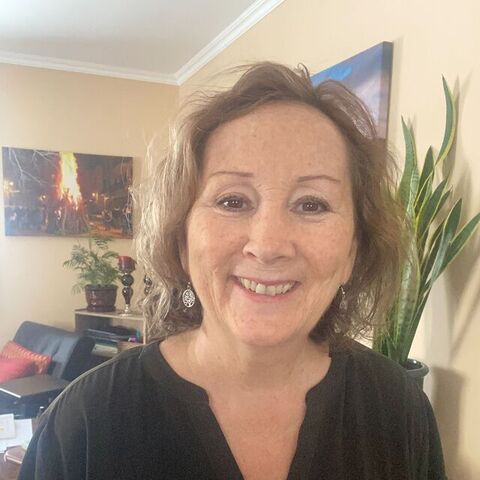
Welcome to The Harmonious Mind,
A time to slow down and calm your nervous system.
I'm Tanya McIntyre,
Your mindfulness mentor.
The Harmonious Mind offers a series of short vignettes to gently guide you to a more balanced life of peace and serenity.
Listen to this the way you would listen to music,
With an open mind and curiosity.
There's nothing to do,
Nowhere to go,
Just relax.
Today we're exploring how to use better words for better mental health.
I think the tongue may have no bones,
But it's certainly strong enough to hurt.
So it's very important to be careful with our words.
I actually now dedicate my life to being a word watcher.
Even the word addiction is attached to the historical definition of an affliction that is hinged on personal failing,
Character flaws,
And moral turpitude.
Addiction will always carry the judgment of the corrupt and the corrupted.
There doesn't seem to be any way to divorce the word addiction from that legacy of the morally depraved models.
Like most shifts away from stigmatizing language,
We have little to lose and much to gain.
It's time we live up to our cries of words matter.
Addiction is a complex condition.
It affects everyone differently.
It's also the most stigmatized condition on the planet that continues to be treated with punitive actions instead of medical actions.
I don't refer to myself as a recovered addict because I refuse to be defined by it.
I insist on using person first language.
Addiction is a chronic medical illness,
And I am a person who has recovered and will always be vulnerable to addiction.
Our continued use of terms like addict,
Drug abuser,
Junkie,
Meth head,
Drunk,
Loser,
Et cetera,
Just further stigmatizes a vulnerable population that continues to be treated with discrimination.
The medical community is finally starting to use less judgmental terminology that helps to at least humanize people with addictions.
Instead of labeling a patient as an addict or a drug abuser,
We're hearing and seeing more appropriate clinical diagnoses,
Things like substance use disorder and alcohol use disorder.
On the LinkedIn platform,
I follow someone called Azeemay.
Azeemay sits on a statewide harm reduction advisory council in Boston,
And she does independent training and consulting for organizations and the public.
They engage in a lot of off hours,
Public facing,
Low threshold education through various social media platforms,
Primarily LinkedIn.
It's these type of platforms that allow for open discussion where we can continue learning about the complexities of addiction.
It's the only way we can ever reach an agreeable solution for an ever growing problem.
Thank you so much for being here with me.
I hope these insights offer you some serenity,
Peace of mind,
Especially if you're dealing with addictions for yourself or your loved ones.
It is a crazy time in the world.
Addiction and suicide rates have more than doubled since COVID,
And we are dealing with broken systems that are not working for many people.
But continuing to criminalize addiction is not the solution.
We need to talk more about harm reduction.
Thanks so much for being here with me.
I hope these insights offer you some peace of mind,
Perhaps.
I don't know about comfort right now,
But we have to have these conversations to make any progress.
So join me,
Please,
For upcoming explorations of the harmonious mind.
Until then,
I'm hoping your coffee,
Your heart,
And your patience remain strong.
My name is Tanya McIntyre,
Your mindfulness mentor.
May the force of mindfulness be with you always.
And remember,
You are the force.