Good morning,
Good evening,
Good afternoon,
Wherever you may be,
Whatever you may be doing,
Hello and welcome to Stories from the Soul.
Today's conversation is one that has been a long time in the making.
When the very first idea for this podcast came to me,
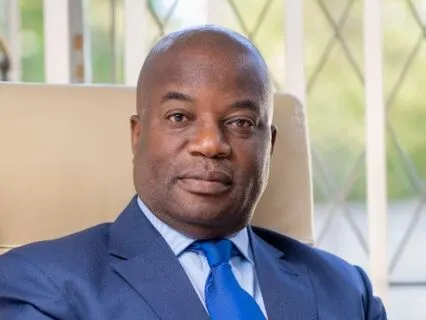
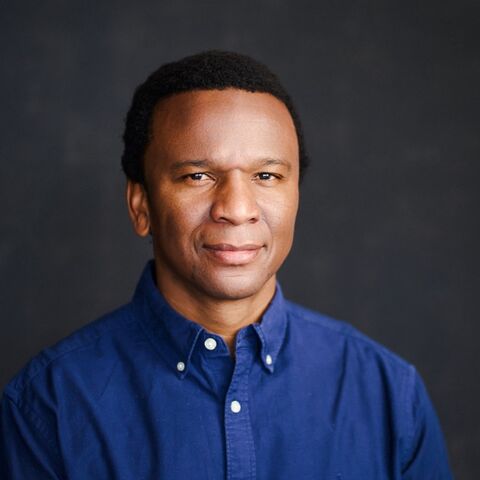
The first name that surfaced as a guest was Wanda Nyabereka.
There was something about his story,
His spirit and his presence that I knew needed to be captured,
Not just for today but for generations to come.
Wanda's journey is one that carries the heartbeat of home in essence and that's probably why it was the first name that came to me.
It's essentially what this podcast is about,
Who it's for.
Born and raised in Ondeh Valley,
Shaped by the values of family and tradition,
He speaks of respect,
Integrity,
Stewardship and hard work,
Not as abstract ideals but as lived realities,
Etched into his upbringing and carried through into his professional life.
From life in the village to decades in leadership at the bank to the deep lessons of fatherhood and community,
Wanda's story is one of service,
Of humility and ultimately of paying it forward.
This episode isn't just about a career or a title,
It is about the roots that ground us,
The choices that shape us and the legacy that outlives all of us.
Legacy is not money in the bank.
Legacy is a set of values that live on and transcend time.
Wanda's reflections remind us that success is never measured by your bank balance or your accolades,
It is measured by how we touch lives,
How our children remember us,
How they view us when we're alive,
How we empower others,
Whether we leave the world just a little bit better than when we found it.
So,
Grab a coffee,
Grab a tea,
Take a breath,
Lean in,
Join me for this heartfelt and soul-stirring conversation with Wanda Nyaberika.
Thank you so much for joining,
Thank you for your time and it's been a while getting to this place,
Both kind of in the short term and in the long term.
I remember I've been wanting to do this podcast for,
I don't know,
Probably about two,
Three years,
Two years,
But when I originally thought about the idea,
And I can't remember if I told you this or not,
The first name that came to mind for the guest was yourself.
I don't know what it was.
Now,
I wanted to have you on because I just wanted to know the story and this morning I was trying to remember,
Did we meet through BBA or was it through Safeguard?
I don't remember.
I think it would have been through BBA.
Was it through BBA?
Yes,
And then I got to know that you had Safeguard and then,
You know,
Then in between,
You then came into a role that was directly working with the role that I had at the bank and then we started,
You know,
All those conversations there.
It's been a while now.
That's many years ago.
It is,
You know,
That's probably 10 years ago now.
Considering that you have been out of Zimbabwe for probably 10 years,
I would say it's more than 10 years.
No,
I left in 2019,
I left Safeguard 2018,
So that is seven years ago.
Yeah,
Maybe 11 or 12.
Jeez.
Yeah,
I know,
I know.
You will also be surprised,
It could easily be 15 years,
You know,
When we first actually started really talking and having those lunches,
If you remember us meeting at the Dan Minko's hotel and we would have those,
You know,
Pub lunches.
Our lunch interactions.
Yeah,
Yeah.
I knew you'd enjoy those.
And I do miss them.
That's the sad bit of kind of everything on this,
You know,
But we'll get to the kind of the Zim story,
But that's the bit of the sad bit.
But I,
And again,
This is,
It circles back to,
You know,
The origination of this podcast,
And it was for,
You know,
We've spoken about it separately,
But for me,
I really want to provide a place and a platform for,
You know,
The diaspora,
Whether they're Zim diaspora or any diaspora who hear stories about home,
Quote unquote,
One might say almost their parents' home now,
But don't really have a connection with it,
Don't really know the stories.
And that's hence the name,
Stories from the soul,
Because.
From the soul,
Okay,
Okay,
I get it.
There's a connection to that soulful home that sometimes people don't have and don't get because they don't visit or they just don't get told those stories by parents or grandparents who probably,
You know,
Are maybe a bit older now and,
You know,
Have come over and are living with them wherever they may be the UK,
The US,
Australia,
South Africa.
But don't remember them when they were younger,
And maybe they don't remember the stories of when they were younger.
So,
So this is why we find ourselves here today.
And,
You know,
I,
I'm really looking forward to this because I'm looking forward to getting a bit of a stronger sense of what Zim was like before.
And,
You know,
Even kind of touching into the Rhodesia era,
But we'll come to all of that.
But the first question for me is,
It's a simple one with some facets,
Which will then follow on from there.
And it's,
You know,
When you think back to your early years,
And,
You know,
We've interacted in the influence of,
You know,
Your parents,
Your father,
In particular,
Your family,
You know,
What were the values that were planted in you that really still,
Still guide you today?
Yeah,
Well,
Thanks,
Thayer.
And as we were saying,
We have spoken over the years,
And probably there is the in-betweens that we never really got to talk about.
But today,
I would really say,
You know,
Growing up as part of a wider,
You know,
Extended family,
You know,
We always had,
You know,
Members of the extended family,
You know,
Around at our homestead.
And this,
In a way,
Taught me the importance,
You know,
Of family.
You get to talk yourself about values.
One of those values that I really look at is respect,
And for everyone.
And I feel that is important.
But where would I have gotten that from?
And I'll say to you,
You know,
Like from my parents,
Specifically my father,
Who would,
You know,
Go on to be addressing people who are younger.
I've said we always used to have,
You know,
Extended family,
Young and old at the homestead.
And then addressing the younger,
You know,
Members of the family there,
Using their totems as an example.
You know,
You would hear him say,
Shumba,
You know,
Nzowu,
Nyati,
You know,
Calling out to those people.
And that's a show of respect.
How does that influence,
You know,
What I end up being?
It's really getting back to that.
And when you look at that,
And you say,
If it's a value,
Respect is an important one.
Because I do believe that they respected him back.
Yeah,
So respect as a value would really be an important one for me.
I think if I can go on to talk about also integrity.
Things that come from,
You have talked about,
Like my parents,
Family in general,
That being that says,
Trust,
And you will also be trusted.
And I think that's really a key one.
Again,
If I look at things that we would talk about in terms of values,
And I'm talking about probably me who grew up in these early years,
I'm in a rural setting.
And that's where I'm hearing these things.
I'm seeing these things happening.
And then when you asked me to say,
What is,
You know,
The importance,
You know,
Or influence that I would have gotten from family,
That is it.
I have one that I would like to talk about today,
Which is stewardship.
Yeah,
Things that probably we may think that's a word that you then get one to learn about or to talk about in your sort of working years.
But for me,
It's the drive to want to live things better than you found them.
You know,
My father's growing up,
You know,
Stories shaped what probably became of me.
And allow me to go into this,
Talking about my parents,
You know,
They always strived to make sure,
You know,
That there was food on the table.
And when I talk about food on the table,
It's not just for us,
The kids.
I talked about us having,
You know,
Extended family members being there,
But it's food in abundance for everybody.
We may have liked,
You know,
Many other things.
But food was always in abundance and the food is life.
We were happy without the other things,
But we were happy a lot.
I would say,
You know,
Working hard and paying attention to detail.
And again,
I talked to someone that I think,
You know,
Knows me quite well.
It's a trait that I value.
And I live by it to this day.
It's looking back at what my father did,
What he always,
You know,
Was for.
Why the kids have to be like this,
Why the people who are around him have to be like that.
But to have things in abundance,
You really have to be working for them and working hard.
Something that you may not know,
Tadjo,
You know,
Like my father used to be a carpenter and,
You know,
Constructing roofs for houses.
At the age of 10,
He would be taking me,
You know,
To these sites there where he would now actually be showing me,
No,
Do this,
No,
Do that.
And at that sort of young age,
Learning how to hold the hammer,
How to make sure something is actually being put in a straight way.
You know,
It's a skill that up to this day,
I do a lot of my own,
You know,
Handyman work at home.
And it's not because I just decided one day,
You know,
After finishing school,
I'm at work and I do that.
It's a trait,
You know,
That I grew up with,
That I was taught.
If you ask me,
You know,
The full influence of my father,
The family,
The values that I got out of there,
This is where I can really tell you that this is where I am and owe it all to this upbringing that talks about family,
That talks about values,
That talks about hard work.
So that's my earliest story,
So to speak,
If I can say.
Wonderful.
Now,
Just for those who may not know,
Talk to us about totem.
Explain for the listener what that means.
Maybe not what the tin says,
But what is it?
What actually is meant when we say totem?
So totem in my,
This is me saying to you,
Gives you,
And I,
If I take this back to the village,
It gives you identity.
Your totem gives you identity.
It gives you lineage.
It says,
Where did you come from?
Where are you now?
And what are you actually passing on?
You may hear people talk,
Maybe to this day,
May not exactly be aligned,
But some people would say that's kind of like a DNA.
If you then follow that lineage,
You will now find that it's somebody who says,
As I said,
For example,
I am a Shumba.
That's my totem,
Lion.
And when you meet someone who says they are also a Shumba,
Already you have got a relationship.
Already that's where the start of that extended family comes in.
And my probably,
You know,
Uncles or sekurus,
Where my mother comes from,
They are,
You know,
The elephant or they are,
You know,
Nzow.
And then that Nzow bit,
The moment you actually hear in the village that that's Nzow,
Immediately you link them up.
As I say,
Lineage,
The relationship,
We have a link to yourselves because you've got this because my mother is Nzow.
So that's what,
If I take it to the village level,
That's what it means.
It gives you the identity.
Oh,
This one is Nzow,
It's an uncle,
It's a sekuru for me.
I am a Shumba,
And if I meet a Shumba,
This must be a brother or an uncle,
It is.
So that's the thing.
And like here,
When I talked about respect,
You will hear now that I'm saying,
Maybe my father,
We may have someone from my mother's side who is staying with us.
And my father is saying,
Nzow,
Come here,
And he's not calling them by their name,
He's calling them by the totem.
That's a show or a sign of respect.
So absolutely vital.
And you were asking me here,
If people are probably in the diaspora,
Are these sort of stories being talked about?
Do the people actually call each other that?
I'm quite happy to also share that I get into,
As an example,
Into the UK and meet up with a lot of the Zimbabwean diaspora that's there.
But those ones who really know me,
This is why I'm talking about identity,
Would immediately say,
Oh,
Shumba,
Makadi,
If you know what I mean.
So I'm quite happy that it's not lost.
Well,
At least for this generation,
It's not yet lost,
Because it's actually there.
I get into whether I was in Sydney the other time,
And I meet up with a guy that knew me from work.
And he's actually calling,
Instead of saying Nyabereka or Wanda,
He's actually saying Shumba.
So immediately,
I would tell that must be somebody from Zimbabwe who is calling me Shumba from across the road.
So those sort of things.
Perfect.
Thank you.
And again,
For the listeners out there,
So the totem,
Is it always an animal?
In the context of,
Yes,
It could be a bird.
It's always an animal,
As far as I'm concerned.
It could be a bird.
It could be fish.
It could be something that lives in the water,
Something that flies,
Like birds and stuff like that.
So exactly.
And it speaks to,
I guess,
Culture.
And linked to that culture is our values.
Absolutely.
Absolutely.
And,
You know,
Culture,
Sometimes people have a certain response to it.
Yeah.
And I was about to say especially,
But I won't say especially.
I'll say,
You know,
Perhaps with those who haven't necessarily grown up with the connection to their,
You know,
The easy word is the village,
But I'll call it to their traditional aspects and elements.
Sure.
And I mean,
You've sort of touched on it in terms of totem,
But as far as culture goes,
You know,
If I say to you culture,
What comes up?
Well,
I would say culture,
Taking it back to saying,
If you talk about traditional things of tradition,
Is culture is ways of doing things.
Yeah.
And again,
If we talked about respect,
You know,
We talked about integrity.
It is about,
You know,
What is our culture when we look at things like this?
Are you acting with integrity?
But that's what is the culture of this place?
How do they do things?
And I think it's quite key.
You would have heard,
Tariro,
You know,
That it's probably the thing that says,
When in Rome,
Do what the Romans do.
And more importantly for me,
If you get to my village and I come from,
You know,
The Wonder Valley,
Right?
There are certain things that the way,
Even when we greet people,
Right,
We have got this way,
You know,
Of doing things,
Right?
And even the way that we actually clap would probably be different.
If I go,
It could still be another Shona village or another Shona,
You know,
Setting.
But when we get in there,
We have a certain way that we actually clap.
But when you get there,
That's ways of doing things.
You can't be going like I do when I'm in my village,
Because the others have got their own sequencing of how they do it.
So if I get back to culture,
I'm just using these examples.
But my,
You know,
Underlying word or the underlying line word or overarching word would be ways of or terms,
Ways of doing things.
That's culture.
And thank you.
And,
You know,
When you say culture and you talk about your early upbringing,
You know,
I would imagine there were things and people that you saw that maybe raised some alarm bells.
And,
You know,
I normally talk about them and describe them as light and shadow aspects,
You know,
Whether it's things that family members are doing,
Friends or people in the community.
That kind of anchoring in culture and the values instilled in you by your parents about respect and integrity.
I mean,
How did that influence the way you grew up as an individual,
As Wanda,
You know,
When people weren't looking,
When people weren't watching,
And it was just you?
So that which I termed integrity,
You know,
For me,
Is a key one.
And I will say trust and being trusted.
I'll give you this example of you are at school.
And yes,
Probably,
You know,
You have had a misdemeanor and then,
You know,
You are punished.
For us who went back during those days,
Yes,
The schools were allowed to punish us and you'd be punished,
Right?
You get back home and you don't tell your parents that I was punished,
Because obviously you've been punished,
Something that you did.
So you don't tell them,
Right?
And then for me,
Like when my father then would hear that and I haven't told him,
He doesn't ask me,
I will also get reprimanded,
You know,
At home for things that years that I have done at school.
So you ask me that those things that you do,
Even when nobody's watching,
Would you do the right things?
So it's now inculcated in you.
What if somebody is watching?
Because remember,
My father is not talking to the teachers,
He hasn't spoken to the teachers,
He hasn't spoken to the headmaster,
But somebody has said,
You know,
If I may speak in Shona,
Asara Arikuchukoro,
For punishment,
We left him behind because he had the punishment to go through.
Then my dad already knows that there must be something that he has done,
Right?
So when you get into those sort of situations,
And my dad,
This is the reaction that he has got.
Why are you being naughty at school?
And he's just taking,
You know,
You get also probably caned for it.
But what is it teaching me?
I immediately,
I don't want anyone to go and say it for me.
I will immediately go and say it for myself.
And guess what?
You know,
I realized,
You know,
Every time I went and reported myself,
Yeah,
The punishment was not,
You know,
There.
Probably I'll just get,
You know,
The ear being,
You know,
Twisted,
Twisted,
Exactly.
But what does that teach me?
I would rather,
You know,
Even if nobody's watching,
I would rather go there and do the right thing always.
So if you get back to that and say,
What has shaped me,
I will look at that and say,
You know,
Getting into the many years of being,
You know,
In the workplace that I've gone through,
Definitely that's something that has shaped the way I've become.
I'm not saying just in case no one is watching here,
I will just do this.
But I found it has liberated me because I,
You know,
I know what I've done.
It's in good faith.
You may not like it,
But I can explain myself why I got to that sort of situation.
You had asked why that grounding coming out of,
You know,
Those early years.
And it's for me,
The example that I gave you of me going through primary school and what all of us,
We probably at one point would be,
You have been naughty and this is what happens to you and it gets to your parents and,
You know,
They don't like it.
They don't go and,
You know,
Inquire what did you do?
But surely that adult would not be doing this if I had not done something wrong,
You know,
That sort of thing.
Yeah.
So I hear ownership,
I hear accountability and,
You know,
These values which you've spoken about and they feel like they planted the seed for how you've chosen to live,
How you've chosen to serve.
And I'd like to get a bit deeper into that part of the story and kind of into how you feel and define success.
So if we go and I'll ask,
You know,
You've said that your,
You know,
Your kind of,
Can I use the word happiness or joy,
You know,
Comes from the experiences that you had growing up from your parents.
And so today,
You know,
What is it that drives that deep sense of service that I'm hearing in you?
So,
You know,
Tadiro,
With everything,
You know,
That I've said and,
Sorry,
This mostly send us,
You know,
Around my parents,
My family is because,
You know,
We always talk about Unekwa Kava,
This is where you came from.
And I would say to you,
My parents truly did.
And I'm remembering one phrase that I've used,
You know,
In my time at the bank,
Pay it forward.
They truly did.
You know,
The stories I had about my parents,
How they helped a lot of people,
Those stories tended to give me drive,
You know,
To want to help other people and not to be expecting,
You know,
Anything in return.
You underlined there to say,
What is my definition of success?
For me,
It's looking at someone,
If I'm able to be able to help somebody that I see they don't have a roof over their head.
And maybe I partake in making sure that they have.
It's not about the probably bank balance that I have.
But for me,
Success is,
Is there been a making of difference in somebody else's life.
But more importantly,
That's why I talk about paying it forward and not expecting anything in return to say,
You know,
I'm helping here because somebody will do something for me,
You know,
As well,
You know,
Tomorrow.
And if I get on to,
Into detail with this is where I would say,
You know,
My hope is that those I would have helped,
Right,
Would also help others.
And that's the whole essence of paying it forward.
And I will get on to tell you,
You know,
That,
You know,
My,
My,
My parents,
You know,
They they grew up as orphans and they were brought up by kind hearts and still do not believe those people looked after them,
Thinking that one day these,
You know,
Little ones or youngsters that we're looking after will look after,
You know,
Us.
And if I get back to my parents,
Again,
Is looking at them,
I've told you,
You know,
In the earlier,
You know,
Discussion that they welcomed everybody to come.
That's why we always grew,
We always had members of the extended family within our homestead.
And that was them,
In my view,
Not that I ever spoke to my mom or to my dad about this to say,
Now that I have got this concept of paying it forward,
I think that's what they were doing.
But no,
I,
But in,
In my view,
I saw them saying,
We have had some kind of success in our lives.
We have,
As I said,
Food in abundance,
We are blessed,
We've got all this,
This food,
We have to share it.
But in a way,
It was that those people who looked after them,
Paying it forward and making sure that they also my parents are getting on to let's also help others while in need,
Because we were,
In my mind,
Them having the sense that we were also,
You know,
Actually also helped in there.
And,
You know,
Having an attitude for me that says things can be better for a lot of us,
Just having that mindset,
You know,
You being an agent for change,
I think that's success.
Now,
Allow me to say this again,
You know,
I've heard people say,
You can have whatever amounts of money that you can have,
But at the end of the day,
When your time is up,
Yeah,
It's just you,
Your time is up.
But how about once you are on that journey of getting there,
To just try and be an agent for change,
Change for the better,
For doing good for other people.
For me,
I would still come back there,
Terry,
And say,
That's success for me.
You've made other people's lives much better.
That's being successful.
The bank balance at the end of the day doesn't matter,
Once you're gone,
You're gone.
But as you were leaving,
How have you made a difference in other people's lives?
And yeah,
I remember my grandfather would always say,
You can't take it with you.
Absolutely.
And,
And,
And I guess it kind of leads me into a question like,
You know,
Phrases and comments like that,
You know,
Just speaking for self,
Are the things that carry through with me.
And in what you're saying,
I'm hearing,
Correct me if I'm wrong,
I'm hearing a word which I believe is often misconceived or misunderstood or misrepresented.
It's miss something.
And that word is legacy.
And all too often people associate legacy with wealth and stature and bank balances and business and whatever.
Yeah.
What is legacy for you?
So if you look at legacy and it's,
You know,
The term,
It's almost like probably people would think we have spoken about this,
But we,
As you know,
We haven't.
But that's a term that,
You know,
I always joke with my children and we have this thing that says,
And the legacy lives on,
You know,
I call my son in the UK and I'm calling him,
Talking to my son in Canada,
In Vancouver.
And he would say,
Hey Baba,
The legacy lives on.
Okay.
So you are asking me,
For me,
What is legacy?
I will go back to all the things that I talked about.
You know,
I'm talking about some people who looked after my dad.
My dad looked after some people as well.
And you will probably get to know that I looked after some people as well.
And when I'm talking to my boys and I say to them,
The legacy lives on is the stories that we don't just say it just as a phrase,
It's coming from somewhere,
You know,
Where my dad would be talking to my boys.
I remember when he was,
You know,
Still with us,
Would be saying,
This is where you need to come and lay me to rest when the time comes.
But you must remember and understand that this will be your homestead.
You know,
I have got this thing that says,
You know,
My dad is saying,
Okay,
Whoever of you two boys,
And they are little boys.
I'm talking about my dad when my boys were very,
Very young when he passed on.
But during that time when he's talking to them and he says,
You see my house there.
But in my particular bedroom with my wife,
Whoever gets married first,
He has got the keys to that bedroom.
Yeah.
He's not talking about,
You know,
You will go there.
I've got fields.
I've got,
You know,
Probably cows.
I've got goats there.
I've got chickens.
And that's what he's talking about.
But he's talking about,
You know,
We need to continue with the things that got me to be where we are standing or sitting today.
And that's the legacy that I'm leaving,
You know,
For you,
Legacy of ensuring.
And you see,
When I talk about,
You know,
Probably my children,
You will find they have had a legacy of their grandfather looking after some people.
They have gotten through a legacy of when I was growing up,
My kids were young.
There was always used to be a lot of people at our house.
And then I actually see it's getting into them as well.
For me,
That's a legacy that I'm also,
You know,
Leaving behind to say they continue.
They saw me being comfortable or me and my wife being comfortable having Seguru and their grandmother having comfort or comfortable having people around them.
Their father,
Myself and their mother having,
You know,
Being comfortable having people around us and actually making sure that we are making a difference in other people's lives.
So that's the one thing that I would say it's a legacy for me.
It's not about,
You know,
The big houses,
The whatever that we live.
But what's coming from the mind,
What's coming from the heart?
That's a better legacy as far as I'm concerned to leave behind.
And what story do you remember from your grandfather?
Talking about,
You know,
Sadly,
Myself,
Both,
As I said,
My both parents grew up as orphans.
So the stories that I hear,
Unfortunately,
Like,
For example,
For my dad,
You know,
His mom passing on when he was four and his dad passing on before his seventh birthday.
He even also struggles to actually remember them.
So it was quite a difficult,
You know,
Moment for my dad.
Yeah.
So sadly,
I don't have anything that I can.
But I'm so happy that,
You know,
My children also had an opportunity to also,
You know,
Interact with my parents.
And as I say,
You know,
Them ending up,
You know,
I always traveled.
And,
You know,
When my my mom was not well,
My girls were there for her.
Yeah.
And it was a natural being there.
Absolutely.
Absolutely.
But,
You know,
Like you've said,
Where is it coming from?
And I do believe it's coming from,
You know,
Those days,
The things that they would see them doing and absolutely paying it forward.
Like I said,
Not asking for it,
But just happens because,
You know,
You have paid it for.
And so,
What does,
What else is there within the paying it forward and from,
Again,
What I'm hearing the service aspect of it?
I mean,
What else is there anything else that connects and influences that part of the story for you?
You know,
Yeah,
Sometimes for me,
And I'm a very strong believer in this thing that says and we are blessed and it's a term that me and my family,
When I talk about now specifically myself and my wife,
The children,
You know,
That I have,
We talk about we are blessed.
You will hear me probably later on if we get to that,
Those conversations talk about,
You know,
Our travels,
You know,
Around the world to places that the kids would want to go to.
But it's the term blessing that I put into it.
You were asking about,
You know,
Paying it forward.
It's having a realization,
Right?
If you have got that which you can try and trace your steps backwards,
Not just looking forward.
Yeah.
And again,
I speak at least for myself.
I probably would not be able to do all the things that I believe I've done and done well without actually looking back and saying,
If that was a milestone that I reached,
How did I get to that milestone?
Then that informs the way I'm actually going.
The way ahead for me is always looking back at the milestones that I have,
Whether I can call it achieved or I've passed.
And then I come and say,
How would I have gotten there?
You will find,
And probably it's all of us,
That there are a lot of things,
There are a lot of people who have,
You know,
Played a part.
Some of the parts,
It's not that the person can even actually know that they have actually helped you achieve the things that you have achieved.
And that's why when you ask me again about the phrase or term,
Pay it forward,
Why it's so important is because the good that I'm doing today,
I'm very sure that that person that I've done for,
They are not doing it,
Paying directly,
Doing something for me directly.
But in future,
Whether it's another 10 years,
20 years,
30 years,
They will do something good because if they have got the way I look at things,
Looking at the milestone,
How did you achieve that?
Oh,
It's because somebody held my hand.
Somebody pulled me out of that difficult situation,
Right?
And then I'm finding somebody here who has got also a situation that they are into.
I'm not doing it to the person who pulled me out,
But I'm actually doing it for somebody here some years later.
And again,
That is,
You know,
A paying it forward really for me to come and just put another,
You know,
Explanation or my understanding of that phrase.
So,
You know,
We've spoken about family.
And connected to your concept about paying it forward or what you speak about when you say paying it forward,
Who in your past or even currently has helped you?
And I don't mean a physical or a tangible help.
Someone who has,
Perhaps unbeknownst to them,
Left a real mark on you.
A teacher,
A preacher,
A colleague.
Who would you say?
Yeah,
So,
You know,
Surprisingly,
You will hear me talk about probably you mentioned a teacher then.
And I going back to my very,
You know,
Younger years at primary school,
We used to have this headmaster called Kabangure.
And you will be surprised that if you were talking to any one of my kids,
They would know this name if you mention it.
And it's because it's something that I talked about.
He was the headmaster of our primary school and he was also the one who used to take,
You know,
Grade ones when we came in into school,
To start school.
Very interesting that,
You know,
The sort of influence that I got from there is this thing about you now taking note of someone.
And probably I don't know because I never got to speak to him,
You know,
After that,
But saying maybe this guy has got it in him.
One day he's going to be,
You know,
I consider myself successful.
I said he's going to be successful.
The moment that really touched me is I was probably in grade four.
And then,
You know,
It's one of those winter mornings where you find,
You just decide,
I think it's better not to go to school.
And what better excuse than wake up and say,
I'm not feeling well,
I'm very ill.
So I,
That one day,
I'm not,
You know,
One of those students who will miss school.
And on this one day,
I'm trying to see if this works for me.
I don't want to go to school,
It's too cold,
Right?
And then,
You know,
I'm sitting there by the homestead and it was built,
You know,
Sort of like on a small,
You know,
Hilltop,
Kind of.
And it's now in the afternoon.
When it's cold,
It's cold,
For those who don't know.
It is very cold,
It is very cold.
So then I see this form of a person that's coming from down there.
And it's almost,
They are coming towards our homestead.
And I say,
You know,
There's no one in the village who would be dressed like this,
With a jacket as well.
That looks like the headmaster,
Yeah?
And then I quickly go and scramble to get,
You know,
A rukukwe,
You know,
A mat to go and sleep on and pretend to look very ill.
And,
You know,
Like I had anticipated,
I see,
Yes,
He wakes up.
And I hear he's talking,
You know,
Got home,
My mom was at home.
And yeah,
He's been here,
He's not feeling well,
He was like this.
And he's coming and he's saying,
Yeah,
Because he never misses school.
So when he missed school today,
I had actually to come up and find out why he has missed school.
Now I see,
Yeah,
He's not well.
I hope tomorrow he will be feeling better and he will come to school.
That's really,
For me,
That's deep.
He didn't do anything for me that says he's given me something.
But he has given me that learning.
Not a learning of knowing how to do math or,
You know,
Geography or whatever,
Or any science.
But that bit that says you recognize,
You know,
That this student does not miss school.
There has to be something that has happened.
And I can tell you,
If somebody was going to go to,
You know,
To that primary school until I probably then did my grade six or grade seven,
You know,
At that school,
I never missed a school day.
But it came from somebody actually notices that this is your trait and there's a deviation.
Guess what that does to me as well?
In the workplace,
It gives you that then I tend to want to have a look and notice people.
This one is not happy today.
This one does look like something is off and what have you.
I see that happen two,
Three times.
You know,
You call someone aside,
You know,
Into your office probably,
And then you have a conversation.
Someone who has worked with me,
If they are ever going to listen to this,
They will actually say,
Yes,
We can relate.
Was that something?
But where is the genesis of this,
Terry?
As I'm telling you,
The genesis of it is coming from this headmaster,
Mr.
Kabangure,
Who now says,
Because I noticed this and then it gets there.
That in my adult life as well,
It's still there.
Yeah.
So as you said,
This is outside of,
You know,
My family or my parents,
My mom and my dad who I've spoken about in this conversation extensively.
But this is just someone coming from outside.
Yeah.
That has had that influence.
And it's important.
And,
You know,
I guess today,
If we were to use modern terminology,
It's called,
You know,
People want to be seen.
And they appreciate it when they are seen.
They're not seen for the things that they do.
But the things that they don't do,
The things that are beneath the surface,
I guess,
Essentially,
Who they truly are,
That character of that person.
And that is very important,
You know,
In terms of,
If I speak for self,
In terms of leadership,
Of,
You know,
Leading people.
Sure.
And I say leading as opposed to managing.
I guess for me,
Wanda,
Just a bit of a transition is,
You have had professional success.
You know,
We met when you were COO of Barclays Bank in Zimbabwe.
And,
You know,
Regardless of what,
How you may see it,
You know,
People will most definitely see and label that as success.
Okay.
What got you there?
Yeah,
It's an interesting one.
But really,
You know,
That journey,
And it's a story for another day,
You know,
That we could have one other very big,
You know,
Conversation around if we just send our own work alone.
But to get to there,
And my background is,
Or now was IT.
And worked really,
Really hard.
I went to sort of many places,
And technology was technology.
You didn't,
You know,
Manage it with the operation side of the actual business.
But I got into being COO,
Which saw me take the responsibilities of IT,
And also the operation side.
But what got me there,
I would really say,
Was,
You know,
The things that I did in the role that I had been given.
When I was head of IT,
I just,
You know,
Made sure that I tried to understand as much as possible what was happening in the business.
Because I was now like in a role that says,
I'm not going to be turning the nuts and bolts.
I had people who were doing that.
But who were we doing this for?
And I think for me,
That understanding of saying,
We don't just wake up here and make sure the computers are working.
And we have done our work.
But we are doing that because they are sort of,
You know,
People who rely,
Or depend on us,
Making sure that,
You know,
Their delivery tools were up and running all the time.
But what that did now is put me into the space where I wanted to understand a lot of what was happening in the business,
Was I can't deliver for them if I don't know,
As an example,
The business strategies that they had.
And what they were actually aiming to achieve.
What are the different things would we bring in the business?
And they wouldn't know.
They were very clear.
They don't know the technology that enables,
But they are very clear of the strategy that they have.
So I would say bringing me up to COO was that sort of thing,
Then that other people then say,
You know,
This is the person that probably understands the delivery tools.
But more importantly,
He is now understanding the business,
Where it needs to go to.
So the person who has got,
You know,
Sort of two feet in those spaces would be this person here.
And they would.
If I may,
You know,
Just for this one's put,
You know,
Maybe use this term for myself,
I would really say,
I believe it's work that I did well.
I executed well.
There are many,
You know,
Milestones,
You know,
Or achievements that we did as a business.
During my years in there,
You know,
There would be people that you had asked me earlier on when I talked about my headmaster,
But on the work front,
There would be people like,
You know,
The judge of this world,
Who then was my,
You know,
Chief executive officer at the bank.
And indeed,
There were a lot of things,
You know,
That you would say the enablement that says,
If people just say,
You know,
In Zimbabwe,
You know,
We've got this term that people say,
You are the one who has got the baton stick on the own,
You know,
You run with it.
Just being given that space,
You know,
To operate and people having,
Like I talked right at the beginning about trust and being trusted,
You trusting and also being trusted by other people.
So that's what I would really say without all the other nitty gritties of learnings and what have you to say that shaped the way,
You know,
That went.
And what is your leadership style?
Well,
I would call it a servant,
You know,
Leadership.
Knowing and understanding that,
You know,
You are in that space because there are people around you.
But more importantly,
That,
You know,
You are there to lead a team that's delivering for others.
As an example,
You could be delivering,
It's an internal,
You know,
Customer.
It could be an external customer that you have to be,
There is always that element that says,
Whatever all of us are doing internally,
There is somebody who is benefiting from it outside.
And yes,
That's to just know that I'm there to be sure,
You know,
That these guys,
They've got the comforts that enable them to do their works,
You know,
Better.
That's what I would probably consider myself.
And do you have a seminal moment,
Whether it was in education,
Or whether it was in the working life,
That really sticks out for you as significant?
And I don't mean,
Oh,
You're now COO or anything like that.
Just when I asked that question,
What straightaway comes to mind?
What moment was that for you?
Oh,
For me,
It is where you say the backstops here.
That is a moment.
And when I,
By that,
I'm trying to refer to,
You've got things that have gone wrong in the workplace.
And obviously,
People are actually looking for four guys.
And saying,
You know,
Somebody has to be,
And as you know,
You know,
It has to fall.
And on who is it falling?
And then you've got moments that actually say,
The backstops with me.
This is about the,
Well,
Not that the thing happened when you were there.
But the things happened,
You are not there.
And but then you say,
I'm the leader of this team.
Who should take responsibility for this?
Are there things that could have been done differently?
That could have stopped a certain thing from happening?
And then I look at it and say,
Ultimately,
I have to take responsibility.
And more importantly,
In this instance,
I'm saying not on the highs,
This is on the law.
And then you say the backstops with me,
On a law.
And again,
I would not want to go probably into the exact,
You know,
Situation that caused for this.
But when you come and you're actually talking to,
As an example,
You know,
Talking to my wife,
She is not understanding it.
Why am I having to do this?
And this could actually see me get,
You know,
Be,
If I could use the word fired from work.
But I'm saying it ends with me.
It happened in three,
Four levels down there.
Why are you saying these guys and managers,
They did this?
And then I said,
You know,
I'm the team leader.
I'm the leader.
I'm the one who has probably,
If things had been done differently,
Because I would have taken a certain action,
Maybe this wouldn't have happened.
Yeah,
I'm not talking about where somebody has dipped their hand in the till.
No,
That one there,
I'm not talking about that.
But I'm talking about other,
As I said,
Just a situation that I wouldn't refer to now.
But because then,
You know,
Probably the parties who were involved in that would also,
You know,
Know.
But it's that moment there that,
You know,
You say the buck stops here.
Yeah,
And I hear servant leadership.
I hear integrity.
I hear the values which we've all spoken,
Which you've spoken about and we've heard today.
And I guess,
You know,
There's,
You know,
What the question I want to kind of dig into now is,
You know,
How have you taken,
Well,
Let's ask this first.
From your journey,
And,
You know,
What is it from your journey that you have really consistently anchored in on?
You know,
You've told us a number of stories,
But what is that one thing that,
You know,
Even in this situation when the buck stopped with you,
What is that one thing that you've always fallen back on?
I think,
You know,
You have talked about integrity,
You know,
That you do good and always,
As long as you are true to yourself,
Yeah,
And you're doing good,
Something will give and people will get to know and understand you.
We talked loosely there about,
You know,
Culture and stuff like that.
But Tyrell,
You have to go back to that and say,
If you say this is our ways of doing things and you say this is the way things are done,
In a nice way,
That lead us to the good things that are happening.
How do you,
When you talk about falling back on things like that,
It's when you then hit this mark and you say to yourself,
You know,
I know this is right.
This is the right thing to do.
And I'm continuing.
And,
You know,
When,
As you say,
You go there and you give yourself up and say,
You know,
The buck stops with me.
But what is it that you are thinking is anchoring at the back?
It's those sort of things that the traits that you have seen,
Right?
What you believe in,
That would make a difference.
And you actually look at it and say,
This will definitely,
You know,
Be on my side.
Not because you are lucky,
But because you've got things that you believe are your pillars,
Are your anchors in the things that you need to do,
You know,
Going forward.
So that's what I would really say,
You know,
You're taking a specific action,
But not just diving in wildly.
You have looked back and,
As I said earlier on,
You've got those sort of milestones that you have hit before.
And how have you actually gotten there?
So looking in the rear view mirror and always,
You know,
Looking at those sort of signposts,
That's a key one there because that informs you how things can happen or how things have happened in the past.
Yeah.
I hear that.
And just lastly,
In this kind of professional space,
The professional mentor.
Yeah.
Who has that been for you?
Professional mentors have been,
I would take,
And I'm not too sure if you remember,
You know,
There's a gentleman who worked,
Who was the COO in my very early years.
And I'm talking about probably,
I'm in the bank,
You know,
Two years,
Three years,
Five years.
A gentleman by the name Mark Wood,
You know,
The sort of person who would,
Again,
Have a look at what I'm doing,
Have the confidence to get.
And I think in our conversations many years ago,
I talked about all those travels that I did,
All the,
You know,
Sort of,
Yes,
I've gone out,
I'm in this place in the world,
Because I've gone to learn this,
And I come back,
I need hopefully to learn that,
You know,
That sort of thing,
To have somebody with the confidence.
I talked about the headmaster earlier on,
And here in the professional space,
I'm talking about this gentleman who then has got the confidence to say,
Now you are the one,
Go and learn this thing,
And I want you to come back and implement it.
And I'm not talking about when,
Now I was probably,
You know,
In the,
You know,
In executive management.
No,
I'm just,
You know,
One of the guys,
The field guys.
But I'm given that task to say,
Go and learn this.
And even at the time,
Before I even had a family,
And it's almost like I'm talking to my parents,
I've been asked to go,
You know,
To this country here,
To do some work there.
At some point,
And in these travels,
You know,
My mom is asking me,
Are you sure,
Isn't there anyone else who can do this work?
Why are you always being asked to go and go to these other countries?
You know?
But for me,
It's people having that confidence to say,
This guy is gonna,
You know,
Go there,
And probably I have proven it,
That I can go there and actually come back and do this.
But I think in leadership,
It's those things as well,
That I have probably used as well.
That you go there and you actually say,
If somebody had,
You know,
That eye to look at and actually identify me,
And as far as I'm concerned,
I did not disappoint.
That's why over and over and over again,
Over the years,
You know,
People had the confidence to say,
Okay,
There's something that needs to be learned.
Send this guy.
There's somebody who needs help in the other countries.
I went to quite a number of countries to actually help out with the work there.
If there's someone who needs help,
Our guy to go to get these guys,
The help is this guy.
Getting to be able to identify,
Or,
You know,
That skill,
It's somebody having the confidence,
But where did the confidence come from?
Probably it's from the delivery that I did,
And maybe the way I carried myself,
You know,
There.
But I give it to these guys,
Because if they had not identified,
I probably would not be in the space that I ended up being.
But having that blessing that says,
You know,
Somebody is there.
Somebody is having a look.
And I'll put it like this,
We also have spoken,
You know,
In our past about who is that voice for you on the boardroom table.
So that's key.
If other people have been voices for you on that boardroom,
Because you are not represented there to tell your story,
But you have got somebody who has identified you and they tell your story.
And that story that they tell gives people confidence to say,
This is our guy.
Yeah?
So Mark Wood,
For me,
If you ask for a name,
They're long retired probably from the bank.
But he was that one guy who did it for me,
Who made a difference,
You know,
In my life amongst many other people.
I mentioned in my very later years,
George,
You know,
Being that kind of a leader who I would probably call,
It can be described by many in sort of many different ways.
But a guy,
I would say,
Had that sort of thing as well,
Servant leadership,
I would say.
Maybe if he was one day to write his story,
Probably that servant leadership will really come out as well.
Yeah.
Thank you.
And Wanda,
You spoke about the places that you've been.
Just give us some color.
Where were you sent?
And what were you typically sent to go and do?
Okay.
I would start off with,
You know,
Maybe closer to home.
In my very early years,
Was in Zambia,
There's something that we used to call no passbook savings.
And I went to a very old Mazabuka and I'm very sure it has changed now because I'm talking about probably some 30 years ago is when I was in Mazabuka at a backless branch,
You know,
Trying to work with them on this.
They needed that.
I've been sent by backless to try and work with them on that program.
You know,
And you come back,
You helped actually have that implemented.
You come back,
You're implementing it in the country as well.
Botswana,
The very first networks that were actually put in,
You know,
Local area networks in their branches.
I probably did two,
Three of those having been sent there.
I did a stint in the Bahamas in the,
You know,
Year 2000 programs.
We were doing a cooperative,
You know,
Work there across,
You know,
The backless overseas countries.
And I was there representing Africa.
And I'm sure you would have heard the story that we were running the data center for the Africa,
The Mediterranean,
And the Indian Ocean Islands.
We were actually being run from Zimbabwe here.
So I went there to represent,
You know,
That grouping,
Spend a good five,
Six months,
You know,
In that place.
In the United Kingdom,
I would not,
You know,
Probably finish off.
That's where most of the learning was.
I went to the UK.
Most of my trips were,
You know,
Learning sort of trips,
But probably I was in there,
You know,
For many years.
Every year I would probably be somewhere in Poole and,
You know,
Learning things,
Getting to do things,
Coming back here.
And hopefully,
As I said earlier on,
Making a difference in the environment,
In the delivery environment for the bank.
So yeah,
That's my story amongst many other,
You know,
Countries that I managed to.
But those,
I think for me,
Because of the activities that I had to do,
They do stand out quite a lot.
And,
You know,
As you were speaking,
There's something came to mind,
And I'm presuming all of this was always with the bank,
Yes?
Always with the bank.
When I say I actually left,
You know,
The bank in 2020,
It is,
You know,
When I then I started doing the things that I do now.
But all those years were with the bank.
And I guess,
You know,
This is something which maybe the phrase is not necessarily appreciated as much these days.
But,
You know,
I often hear about and see,
You know,
On whatever platform it is,
You know,
This person was in this role for seven months,
And then they went here for nine months,
And they're at this company for two years,
And then they left this company.
And they were like the,
The,
What's the word I'd like to use here?
The,
The benefit that exists in being in a specific space or sector or company,
I think is often overlooked.
And,
You know,
One might even say,
Perhaps forgotten.
I don't know,
In terms of,
You know,
What you are seeing and,
You know,
Whether it's how people are,
You know,
What careers are looking like today.
Is there anything that you'd want to say around that in terms of,
You know,
Having the patience to stay in a single place?
Yeah,
Okay.
So,
Probably if I talk about my specific situation or what really,
You know,
Drove me to be probably at the bank for the better part of my life,
I would say,
From what you have said,
People moving from place to place is probably you are looking and seeking for something that you say,
This is exactly what is at the back of my mind.
This is what I want to do.
I believe this is the road that will,
You know,
Get me to,
You know,
To the destination,
To where I want to be.
You have got an aspiration,
But what is it that takes you to that aspiration?
But for me,
For me,
Tariro,
I think,
And again,
It is certainly a learning that I believe I have got.
You asked me about,
You know,
What actually drove me at that time to be able to stay in one place.
I did a lot of different things and I believe that it is probably,
You know,
That being constantly being challenged.
Yeah,
I wasn't doing like one thing.
I'm very sure if probably I had been in the sort of line banking and said,
Yeah,
You're not going to be,
You know,
A teller and you'll be sitting here for all these years.
I would have probably,
You know,
I've been in the bank that long.
But the things that I did,
And I'm telling you this,
I get in there and then I'm told,
You know,
And during those years,
They used to use the term,
It is IT management services.
And then you are going there,
You are doing work structures for people,
You are working out if people,
You know,
Are inputting this data or these checks at this rate,
How many people would,
You know,
A branch as an example need.
So you're getting into the analytics of today probably,
But you're actually doing that by looking,
Doing work studies and stuff like that.
You move quickly from there,
You probably have got something that maybe many people would not know.
Olivetti company,
An Italian company,
Used to do machines called BCS 2030s.
You quickly then get moved into that and say,
You know,
They don't have in Swaziland,
They don't have someone who really understands this.
You are now their point man.
You are now their go to person,
You know,
When they have a problem,
They will call you and you must help them fix this.
You know,
It's those sort of things there.
I've now moved them.
I was doing some work studies here in putting them into here and saying,
How many probably computers do we need to give?
And I'll just pick a wild branch,
Not on branch.
And when the bank used to have a branch there,
How many computers will they need?
How many checks do they have?
How much is someone processing?
You know,
You know,
An hour and what have you.
So how many people do they need?
Obviously,
If they need so many people,
They need so many computers.
They need,
You know,
That sort of thing.
We're doing analytics of the time and all of a sudden you are moved.
You are now going to actually be a support.
Somebody steps into that role.
You're getting there.
Oh,
No,
No,
No,
No.
Live this year.
We would like you now to go to Zambia or want you to go to Botswana to do this.
And you are there.
You are actually starting to do something very different.
So I would say mine one to actually say,
You know,
I can try and link it up with the standard is let's look at the people that were in here.
And I like the fact that you talked about those people who were in the journey in that journey.
Many that I haven't mentioned,
But just because they can identify that this guy can do this.
We have something that needs to be done.
They can do it better.
Maybe.
And then they actually move you to there.
So that causes now me to be saying I know that I was in Kenya,
You know,
To whatever three weeks ago and I'm back home in Zimbabwe,
But I don't know whether I will be here for a month because I might be asked to go to Tanzania,
Go to the UK,
Go to this place.
So that's always being on the move.
I would say influenced me learning new things and not being bored,
Probably doing sort of,
You know,
Routine things.
I'm doing something very different.
That's challenging me all the time.
I would say,
Teddy.
Yeah,
I hear that.
And I guess for the managers out there,
It's definitely a lesson to learn.
And,
You know,
What I'm hearing,
The word that I'm hearing here is seeing people for who they are,
Seeing people for their potential and growth.
Yeah.
Growth is what I would imagine anchors people.
Yeah.
You know,
If they see there's a pathway to success for them.
Yeah.
Thank you.
So,
Wanda,
We could talk for days,
But,
You know,
In listening to you and hearing your story and the journey,
There's not just humility,
But there's pride in the way and the words that you use.
And,
You know,
You speak of those you've led and learned from.
And let's kind of bring it home.
And family,
Fulfillment.
Sure.
You know,
What does it mean to you to raise a family and to pass on what matters most?
Not just words,
But,
You know,
Just tangible.
What are real examples,
Things that you consciously,
Unconsciously do?
And how do you show up for your wife,
For your kids,
For your family?
Thanks,
Tajo.
I think if I look at the start of this,
What you have,
What it means,
You know,
To raise a family.
And I would say to you,
I understand the importance of family.
And my parents demonstrated that.
I talked about,
You know,
Us,
You know,
Being,
You know,
Growing up and always seeing,
You know,
Members of the extended family really being there.
I can tell you that,
And again,
Anyone who probably listens to this in the future and they know me well,
They would know that I actually started looking after a lot of people even before I started my own family.
So you're a young man,
You're actually starting out there in Bariviu.
And as I told you,
Because I'm traveling quite a lot work-wise,
There would be people who remain,
You know,
Where I stayed at my home and I'm not there.
Obviously,
They need to be looked after.
They need to eat.
They need to do this.
Had my young brothers as well coming up.
My sister,
My young sister was quite dear to me coming in there.
But if you ask me to raise a family,
It's to look at what matters most to them.
And when I say what matters most to them is looking to the future.
And there I would say it's a good education for me.
And what did that mean for my family?
I think it meant striving to try and make sure that they go to the good schools.
And there is a lot of whatever we can use to describe,
You know,
Good schools.
But I would say here,
If you allow me to use the term that we are blessed,
We managed to make sure they went to the good schools.
They had the good schools,
Managed to go to good universities.
So for me,
That's about raising a family.
It's not about me living as we were talking earlier on.
It's not about trying to leave them with a huge loot and what have you.
But it's to say,
These are the learnings that you have got and that this can also,
You know,
Make and shape your family.
You are not being given.
You are just being enabled.
We can go back to that.
You know,
Are you giving a fish or you are giving a fishing rod?
And in my view on this one here,
Just giving them that sort of good education is this is your fishing rod.
Get out there and try and catch the fish.
Beautiful.
Yeah,
I think having things in common and sharing passions.
If I talk about raising a family,
It's quite key.
I was saying to you earlier on,
You know,
Traveling is one of my passions and I share this with the family.
We've gone to many places.
One thing that I can tell you as well is that I would be at a place and maybe in Singapore,
Whether I've gone there through work or otherwise.
And then I say,
You know,
I've seen a couple of places here where my kids would be would be great to bring family here.
I'm probably in the States and I'm in one of the places and say,
If I get a chance,
This is where I would want to bring them here.
I'm in the UK and I can talk places,
Different places.
So over the years,
We have been able to to do that.
My son is an example of the one who is in Canada.
He probably first time he went to Canada was when he was about three years old when we were just going there on holiday.
And then he fast forward,
He sees himself,
Now attending UBC.
So it's always,
You know,
No,
This is not my first time.
I've been here and we're just going there because it's,
As I say,
A shared passion that we have.
Maybe I've tended to talk about places that entailed going,
You know,
Onto plains,
Kukwira and Ege,
So to speak.
But there's plenty of places that we visited here in Zimbabwe.
More importantly,
When we go down into the valley,
Those places where my father or my father used to talk about,
My mom would talk about,
Would want to walk in those woods,
You know,
And talk.
And I can narrate also those,
You know,
Sort of stories.
So for me,
That's to raise,
You know,
A family.
You probably also referred to,
What is it,
To love.
And if I say to you,
Tariro,
You cannot do the things that I've mentioned,
You know,
Earlier in the conversation,
And they've just mentioned as you started talking about family here.
You can't be doing those things together as a family if there's no love.
So for me,
Is to say,
You share those passions because you've got an understanding and a love for each other.
You're always together and you're traveling together because you've got that.
And again,
To the extended family,
To all those that I stayed with,
People that I put through school,
It's purely out of love.
I,
You know,
I was talking to someone,
You know,
The other day,
They were just asking me about someone who had read about my profile somewhere and asking me,
What are these things here that we hear being talked about,
You know,
Just going to places and just making sure that,
You know,
You're taking people to school.
You're doing this and say,
No,
No,
No.
It's an understanding back to,
If you identify and say,
How do I make a difference in someone's life?
How can I be that agent of change?
That's purely what is driving.
It's not because I would want someone to know one day that,
You know,
You see those guys,
They were helped by so-and-so.
If they actually don't know the better,
Who helped them?
The better,
You know,
Really for me,
Because,
You know,
It's not about having,
You know,
Ticks,
You know,
In boxes,
But it's really about what matters most.
If I can say this to you,
Tarira,
And I would really say,
For me,
It's things that,
Those things make me happy.
Yes,
There are people who then will be comfortable and it's great on what has happened to them,
But they're actually making me happy because I've been able to make a difference.
So I'm a happier person,
You know,
Overall.
Wow.
Wow.
Thank you for that,
Wanda.
Yeah.
And,
You know,
I'm going to break from tradition.
On the podcast,
I traditionally ask a question which relates to the younger self.
And given what you've spoken about and hearing the journey,
It feels right to ask this question.
Because the benefit that we have,
And I'll anchor this story with the year,
The benefit which we have in 2025 is that with where this podcast will go,
It will be heard in 2025.
And it'll still be heard in 2055.
Okay.
So the question that I have for you,
And the final question for today is,
There are words that you did not hear from your grandparents because of everything which we've spoken about.
What do you want to say through the microphone today to your great-great-grandchildren who you won't know and will never have met you and potentially will only have a picture?
What do you want to say to them?
I would really talk about striving to make a difference in the lives of the people who are around you.
And when I talk about striving to make a difference is I'm using the word strive because it's not always,
You have listened to my story.
I've talked to you about being in the village,
In the rural areas.
I've talked to you about my dad trying to make a difference,
Not because he was enabled in any kind of way,
But in saying in the little that I have actually got,
How do I strive to make a difference in the lives of the people around you?
I've just told you here that,
You know,
That satisfaction that comes to you to know that,
You know,
I've been an agent of change.
I have made a difference in somebody's life.
So that's what I would want them to do.
And this is not about money.
This is not about wealth.
This is just about you and what's in your heart and what's in your mind.
And looking at things and saying,
Only if I can put food on the table,
That's the first thing.
We are surviving and we strive to want to work for the other things that are to come.
But there are things that are within your control.
Strive to make sure that you are the best on those things that are under your control.
And everything else,
You know,
You work towards.
But if it's within your control,
Strive to make sure that you can make a difference.
And I'm very sure that every one of us has got something that we can do for the next person.
Every one of us,
Irrespective of where you are,
Whether you are high up there,
You are low down there,
There is something that you can actually do.
Just has to be in your mind.
Just has to be in your heart.
I would also talk about stewardship.
And this talks about striving again to leave the environment wherever you are better than you found it.
So the environment could be a work environment.
When you move on to that new role,
If I look at what I was talking about,
About myself,
The things that I did,
Did I leave people working better and moved on to some other place?
Leave a legacy of things,
You know,
Going well.
So striving to stewardship for me is a term that I would or a word that I would use over and over again because it talks about,
Again,
Making a difference.
You're leaving the environment wherever you are,
Workplace,
At home,
In the community,
Better than you.
You found it.
The next one would be for me,
A word that I'm thinking about now is empowering people.
And when I talk about empowering people,
It's to live better.
But how do you get to live better if you are not empowered?
So you have to start by that and say,
I have to empower people.
It's either through education,
It's either through recognizing,
You know,
You know,
The skills that they have got and saying,
You know,
This person is sitting in this space.
I can actually do better by taking them into that other space.
And as I said to you,
I saw other people actually,
You know,
Recognizing,
You know,
All the skills.
Okay,
That I had.
And they made a difference in my life.
They empowered me to do certain things by taking me to the places I've told you.
That was empowerment.
Go and do this.
The rest was for me to do.
They did not take me there and say,
Now we are doing it for you.
But what is important on here when I talk about empowerment is about even also being chosen to be given that challenge.
And once you have got that challenge,
You have been empowered.
Be successful with that empowerment and you will live better.
Lastly,
Allow me to go back to my phrase,
Pay it forward.
One good deed.
And I mean it,
You know,
Absolutely from the bottom of my heart,
Will deserve another.
In some form,
Shape and way,
It will happen.
Thank you.
Thank you,
Wanda.
Thank you very much.
That I know now why your name came to mind when I started this podcast.
And that has been such a rich journey.
And thank you for that.
Thank you for your time.
Thank you for the experience.
And thank you for the people that you have touched out there.
Helped,
Influenced,
Guided,
Mentored.
Because,
You know,
Speaking for,
For,
You know,
As one of them,
You know,
To have,
You know,
Role models and people who you can look to,
To say,
That's the way.
Sure.
Is very important.
And I thank you for that.
I thank you for everything that you've learned and picked up on the way.
And thank you for the person that you are.
Because it's definitely impactful.
With that,
Wanda,
We'll say goodbye.
And we will see you again.
Absolutely.
Absolutely.
But thank you very much,
Tyrone.
Thank you for having me.
You know,
On Stories from the Soul.
I look forward to listening to this podcast.
And as you say,
Hopefully to inform and influence others into the future.
Thank you.
Yeah.
And the last thing,
Just as you were closing there,
It made me think,
You know,
It came to me and it was all for one,
One for all and God for us all.
That is really one.
Thanks,
Wanda.
What a gift.
What a gift of a conversation that was.
Speaking with Wanda reminded me that some stories carry not just wisdom for today,
But echoes that will travel far into the future.
For me,
There are three powerful takeaways that stood out.
And I want to leave them with you.
First,
Success is service.
Wanda's definition of success is not about wealth,
Positions or possessions,
But about the difference you make in someone else's life.
True fulfillment comes not from what we accumulate,
But from what we give.
Next,
That legacy is lived daily.
Legacy isn't a destination over the horizon.
It's not something we leave behind only at the end of life.
It is something we live in the everyday moments,
How we treat people,
How we carry forward family values and how we nurture those around us.
And lastly,
As he continued to say,
Pay it forward.
Perhaps this was the strongest thread in Wanda's story for me,
His commitment to paying it forward.
Every blessing we've received,
Every hand that lifted us,
Calls us to extend that same grace to others,
Knowing that the ripple we carry far beyond us.
For me,
Seeing Wanda and hearing his story is a constant reminder that leadership is ultimately about stewardship.
Serve to lead.
Whether in our homes,
Our workplaces,
Or our communities,
At school,
We are all called to leave things better than we found them.
That's legacy.
That is impact.
So to Wanda,
Thank you.
Thank you for sharing not only your journey,
But your heart.
And to you,
The listener,
Thank you for being with us today.
My hope is that you take these lessons into your own life,
Wherever you are,
And find ways to embody them in your story.
This has been Stories from the Soul.
So until next time,
Stay grounded,
Stay present,
And remember,
Your story,
Too,
Is a gift.
And the way you live it may become someone else's blessing.
Thank you.