Cooking is pretty easy if I'm honest.
Running kitchens is difficult but cooking's easy.
But when you go in the chats with these guys and they're out there in the bloody rain or it hasn't rained for weeks or months,
There's all this other stuff and you're like holy shit,
It's bloody hard.
That was Darren Robinson and you're listening to The Regenerative Journey.
We acknowledge the traditional custodians of country throughout Australia and internationally and their continuing connection to culture,
Community,
Land,
Sea and sky.
And we pay our respects to elders past,
Present and future.
G'day,
I'm your host Charlie Arnott and in this podcast series I'll be uncovering the world of regenerative agriculture,
Its people,
Practices and principles and empowering you to apply their learnings and experience to your business and life.
I'm an eighth generational Australian farmer who transitioned my family farm from industrial methods to holistic regenerative practices.
Join me as I dive deep into the regenerative journeys of other farmers,
Chefs,
Health practitioners and anyone else who's up for yarn and find out why and how they transition to a more regenerative way of life.
Welcome to The Regenerative Journey with Charlie Arnott.
G'day,
This week's episode,
Episode 14 is with Darren Robinson.
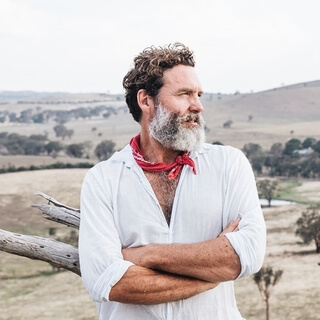
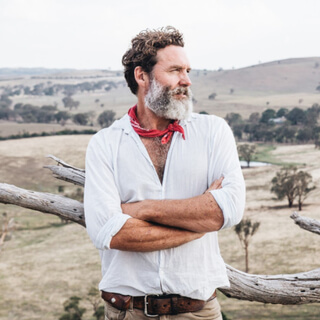
He's one of the three blue ducks,
One of the boys there doing a wonderful job.
I caught up with Darren at the farm at Byron Bay on the veranda of the farmhouse there.
We talked about all sorts of wonderful things,
A very relaxed,
Organic as it were conversation with Daz.
We talked about him growing up in the UK,
His sort of exploring the food scene there,
Moving to Australia and going gangbusters here in Australia in some wonderful restaurants and certainly honing his skills.
We talked about why he is at the farm at Byron Bay,
What the three blue ducks are doing there and how they integrate their business with the other businesses there.
We talked about COVID,
We talked about food,
We talked about farming,
We talked about a whole lot of really interesting stuff and as I said,
It was a really wonderful,
Relaxed chit chat there.
A couple of months ago now,
Sort of beginning of the COVID show and lots of things rolled out from that point of course.
But Darren's got a pretty good handle on all that.
So really enjoyed that interview,
This interview I should say.
And I hope you do too with Darren Robinson.
Darren,
Robertson,
Here we are.
We're just having a great,
I wish I'd pressed that go button a bit earlier.
It's going to be all downhill now,
Isn't it?
We've missed the best bit.
That was gold.
Shoot it again next week.
It is.
No,
Well,
Who knows,
You might be our resident chef in each series.
Enough of that.
So,
Daz,
Tell us about where we are.
As you can hear,
We are on the farm in sunny,
A little bit rainy actually,
Byron Bay.
This is where I spend most of my days,
Overseeing the beautiful fields,
Flow hives,
A couple of birds knocking around.
They're not edible.
They're not edible,
No.
Well,
All birds are edible,
But you're not allowed to eat them.
Well,
I don't think you're allowed to eat those gorillas.
I did hear a story once many years ago that was an old bush,
Like swaggies yarn.
And if you ever caught a galah,
You put it in a pot with boiling water,
Threw a boot in there,
Cooked it up,
Pulled the galah out,
Threw it away and ate the boot.
I'd say gorillas are probably the same.
And Daz,
Why the farm?
Why are we here?
Talk us through that a little bit.
Well,
Long story short,
We started the Ducks,
3 Blue Ducks is a restaurant that was started by Sam Rhee,
Chris Sorel,
Mark LeBroy,
Almost 10 years ago now.
And Mark was a friend of mine.
I worked with Mark in a kitchen called Tetsuya's,
Which is the reason I came to Australia.
And I was doing some pop up dinners.
I did a pop up at the 3 Blue Ducks.
It was this new cafe and really good.
They just won the best breakfast in Sydney.
Just recently?
No,
They won it when they first opened.
It was cool.
It was at a time where cafe culture was no longer frowned upon.
And to be honest,
In my world,
There were hotel chefs,
Restaurant chefs,
And at the bottom of the pile were cafe chefs.
And it isn't like it is now.
It's almost,
You know,
Anything goes now.
But apart from really Bill Granger,
No one was doing any decent breakfasts.
And so we were a part of this,
I suppose,
Sort of became a scene or a movement,
Whatever,
Where we would put in as much effort for breakfast as you do at lunch.
Why do you have to wait for dinner for something to be really interesting and exciting?
And so that was it.
And so I joined the Ducks with Jeffo and we were there,
Kind of not too dissimilar to now,
We were there all the time.
It was the five of us in,
It was only three or four of us in the kitchen.
It was just a really,
Really interesting time.
Tom and Emma just bought this property in Byron,
An 86 acre working farm with a plan to have a working restaurant and perhaps,
You know,
A bakery and sort of multiple businesses on this land that would work with each other.
And he came down to Bronte and we were all there as normal and invited us up and just said,
Look,
I've got this plot of land outside Byron.
It's near the ocean.
Could be all right.
And so we came up and had a look.
And,
You know,
Within a,
Christ,
I think within six months we'd all moved up here to open this restaurant.
And that was it.
And here we are today.
Many great cares later.
Five years later?
Yeah.
So it's been here five years.
Just over,
Like just a month or two over five years.
Yeah.
So I was going to,
We all brought up our partners and my partner's Magdalena Rose.
So,
And she,
She was,
You know,
On the TV,
Meteorologist,
Journalist,
And all of them,
All of our partners that pretty much put their careers on hold to come up and give us,
You know,
Idiots a crack at sort of trying to make this happen because it was such a huge,
To go from Bronte,
Which is really,
There's a kitchen garden,
But it's the size of a postage stamp.
To go from there up here was huge for us.
It was a large undertaking.
But we did.
We always thought about,
About having a farm.
We did with Bronte,
Mark's brother Grant studying permaculture.
And he was one of the chefs as well.
So he would,
He was really kind of exposing us to another world with what you could do with small faces.
So he kind of transformed that back kind of wasteland,
Essentially.
We put some chickens in there,
Free chooks,
Beehive.
And then we just just put plantar boxes,
Vertical growers,
All sorts of stuff.
But spent a fortune on this thing and made so many mistakes,
But really started to get interested.
That was kind of the turning point,
I suppose.
Interested in growing food and where food comes from.
And all that sort of conversation.
So up to that point,
Had you been somewhere that was growing its own food?
I did actually.
I was in,
So I was in the UK.
I was working at a Michelin star kind of country house manor called Grave Tie Manor in Sussex.
And that was,
That was amazing.
And it was,
It was almost something like I just took for granted there was a chef.
There were five full time gardeners,
You know,
Amazing produce.
Wasn't that involved,
If I'm honest.
They'd come in,
You'd get a list of stuff that was coming up and it was brilliant and very similar to this place,
Actually.
Just a bit more oldie,
Worldie and established.
Of course,
Many,
Many years old.
But then I came to Australia and you work in the cities and just didn't,
Yeah,
Didn't have that much connection.
Working with Tets with the ingredients.
So,
But then it wasn't until I left there and became involved.
I started doing these pop ups around Sydney and I actually took on a couple of stalls at farmers markets.
So I had a stall at Bronte,
Sorry Bondi and Piermont,
Which was back then the first Saturday of every month.
It doesn't,
It's not there anymore.
And so I had this brief and I,
So I'd basically go and visit these markets or farms on my days off.
Meet the farmer,
Grab some produce,
Take it back to my kitchenette in my flat at home,
Turn it into something probably highly illegal and then go and sell it to the public on a Saturday.
And that's that's your stall.
Yeah.
And that's that's kind of how I made a living for a bit.
I've gone on,
I left Tets a very kind of quite a prestigious,
Highly paid job.
Still had a mortgage,
But I just don't want to work.
I've no idea what I'm going to do.
Honestly,
New pop ups,
Run a little stall,
Learn about marketing,
You know,
Social media.
Just it was the Twitter was kind of the thing at the time.
Instagram wasn't even invented.
So what went,
This is 20 what?
So what's this?
It's probably 2020.
This year is going to be.
Yeah,
It was about 12 years ago,
I think.
Yeah.
And yes,
So that's that's kind of so I kind of got to go.
We need to make sure these guys are not his gun.
Sorry,
This is not actually a gun.
It's a sound boomer.
Yeah.
And so that's I suppose that was that was reignited my interest in,
I suppose,
Regenerative agriculture or I didn't even know that term existed.
And that certainly going to visit.
I remember I met this couple called Kath and Happy and they had this organic farm.
I think it was certainly organic practices and they would let they'd let everything just go to sea.
But it was not a bare patch of soil and the whole thing was amazing.
And you'd go out there and they just also they'd let you know,
The fennel kind of go to seed and you'd collect the pollen or you collect seeds and you do all these different you'd see plants and vegetables at different stages.
And I really like that.
It's so interesting as a chef that then to just grow stuff,
Harvest it,
You know,
And just you get this little the bulb and the rest goes wherever the traditional plant.
Yeah.
And that and that really that really sort of made me think a lot.
I was like,
Oh,
This is really cool.
And when we started growing stuff,
You can and even now it's awesome where you can see food growing at different stages and then tasting it and kind of go,
Christ,
We can use bloody hell.
So there's sweet potato leaves.
They're delicious.
Let's start using those or the,
You know,
Spent lettuce.
You had a famous spent lettuce salad,
Didn't you?
Well,
Yeah,
We well for us here.
Yeah,
It's like coming up with those certainly because we kind of mess now where we're doing cooking for a lot of people.
So coming up with ways to try and use the whole ingredient has been for me,
That's been the holy grail for many of these years.
For me,
It's just like it's cooking is pretty easy,
If I'm honest.
Running kitchens is difficult,
But cooking is easy.
But when you go in the chat,
So these guys,
And they're out there in the bloody rain,
Or it hasn't rained for weeks or months,
In set,
There's all this other stuff.
Holy shit,
Like it's,
It's bloody hard.
So it was always when we came up,
We met,
We have gone through different stages of the farm and,
And various sort of people have come in and gone,
But we've always had really commit communication with the groups of farmers out there.
And I've really,
I've always been fascinated with their different techniques.
You can see now,
You know,
Like Evans and Venetia's is completely different to say Josh and Lynette's.
I really,
I think that's really fascinating.
But it's really hard work.
So the brief for us was always that let's just try and use whatever they throw at us and think of different ways for using these typically byproducts or things that go to waste that are really valuable.
So yeah,
So with the spent lettuce,
Where they would just get hit with loads of greens.
And so we thought,
Okay,
Well,
They start,
You know,
Lettuce wilts.
So okay,
So and if you,
And so we'd char it up,
Pick a little,
Do all sorts of stuff.
And sometimes it's,
But more often than not,
It's really cool.
Like it's really,
This is that and that's when you create something just that's brilliant.
That's why we do the charred herb salsa.
Because it's like it's herbs and herb stalks were sometimes a little bit fibrous.
But let's char them up over coals in that sort of smoky note.
And then we'll run that through like a chimichurri or salsa verde.
And it sort of gives it an excuse.
It just makes sense that just become like a staple.
And then like we'd save so many like,
Herb stalks from just ending up in in the bin,
Back in the compost,
Which is great up here,
But you know,
You haven't always got access to that.
So we're talking about food meters aren't we?
Up here?
Oh,
It's crazy.
Yeah,
This is this is nuts.
Talk it up.
Like,
Well,
I mean,
Yeah,
If if anyone that hasn't been for a guest or anyone that's interested in food,
We are incredibly lucky up here for what we have.
So literally,
You can come out,
Open a kitchen,
You can oversee the field.
You can hear it.
We've got that chickens on the tables.
So like,
It's quite chaotic,
Which I which I love.
When you walk,
It's like a stone's throw away is where the produce is growing.
So it is it's mental.
So when I describe to people often,
Like friends and stuff overseas,
Like,
Come on.
Honestly,
This is this is it.
And we're,
You know,
Five,
Five meter drive from,
You know,
Incredible beaches.
So yeah,
We are very,
Very lucky.
Like,
I don't I don't take this for granted at all.
And you know,
You always saw the grass is always greener and you sort of moan about the monotony of your day job and the problems that you have to face with.
But when you step back and look at where where we are on a daily basis,
Like holy shit.
Yeah.
I tell you something I didn't take for granted or haven't does is your salads because I might have told you this.
At some point we were in Italy for a couple months last year.
Angelica and my family and we You have told me this but I would love to hear it again.
If you just play it on the loop.
So we spent two months in Italy,
But you know,
It'd be Angelica's Italian,
So we'd always wanted to go and we went to some amazing places.
We had eight weeks and we basically stayed in about 10 10 or 11 different places for three,
Four,
Five,
Six days at a time.
Amazing food on farm,
Biodynamic organic farms,
Not dissimilar to this.
But the difference Des was that this we would sit down there many,
Many times at night,
Day,
Breakfast,
Whatever.
And wish we'd have we'd have we'd have a three to three blue duck salad in front of us.
Totally because the,
I love Italians,
I love their pasta,
I love so many things about their culture,
But they got to say they just don't quite do the salad.
They can do a,
Do a,
A burrata and tomato and basil.
Simple.
That is it.
But you want something a little more,
A little more finesse,
A little more exciting.
Yeah,
You know,
It's course and parmesan.
That's it.
Yeah,
It's,
Yeah,
That's it's simple and it's elegant.
And I think we sometimes we're,
We're,
You know,
It's big,
It's bold,
It's messy and sort of delicious.
And that's we've always tried to do that.
And with the,
With the salads,
We had this sort of chat once that the salads get a bit of a bad rap.
It's like,
Well,
Salads don't have to be boring.
They can be really,
Really exciting.
And there's awesome chefs,
Certainly around Australia,
People like Matt Wilkinson and stuff that are just showcasing like really good produce,
Like really tasty veg.
And I've said this a couple of times,
But so here I remember one of the first times I went out and I tasted one of,
I think it was maybe Joshy and he grew some rocket.
And it kind of sounds a bit boring because I just taste that and I was like,
Oh,
That,
That honestly,
That's the most delicious rocket I've ever tasted.
And it's true.
Yeah,
It was,
It was everything it should be.
And when you compare that to the stuff that,
You know,
Simply you may be used to the sort of maybe grown another way,
You know,
It's so,
So I think we're lucky with that respect,
But also,
Yeah,
That's thank you for that.
Thank you for that compliment.
No,
I tell you what,
I'm not just pumping up your tires.
It's actually feeding.
We was,
I can't tell you how many times we sat there and went,
Oh,
I wish we could duck salad right now.
Cause whatever else was beside it,
You know,
The,
The veal,
Whatever it was or the,
You know,
God knows what does the rabbit or whatever we're eating or the olives just wondered when he was salads.
But I think to be honest,
I think it's,
I think it's an Australian thing though.
I think the food,
You know,
Like leafy greens and salads and citrus and chili and freshness is a lot more prevalent here in Australia than like,
You know,
I never had a bloody salad in UK.
You'd have an iceberg iceberg salad.
I think it's probably the balsamic vinegar,
Maybe a bit of cucumber,
You know,
Or the wolves off for hats.
I think,
You know,
And here,
There is that.
And I think because of our climate as well,
You know,
Like I'll have a salad for lunch sort of two or three times a week.
Just like a delicious,
We like robust salad.
Yeah,
I love that stuff.
But I think,
I think it is quite Australian.
Yeah.
We're in the home of salads,
Clearly.
Now tell me,
Daz,
You grew up in the UK.
Was there,
Was there a point in your education and your childhood,
In your development,
Your youth where you were going one way and you,
And you went,
Hang on.
This is,
This is where I'm going to head.
This is what I want to do.
There were many.
So I was going to,
I was studying art and design at school and I thought I want to be,
I was always really interested in drawing and like an old camera.
So I was going to be,
I thought I'd be like a photographer or graphic designer or something like that.
So I'd go to art school.
Your age,
What?
Well,
That was from 14,
But I stayed on at school and did,
It was called GNVQ back then,
Level two and three.
And I did really well.
I got distinctions,
But at the time I was washing up in a local seafood restaurant in my hometown,
Which is Deal.
And the head,
This is,
I've told this a few times,
But there,
There was two head chefs that were complete.
They were really not very nice people.
Like it was that cliche,
Awful chefs,
Just not violent,
But just not very nice.
Yes.
And I was just like,
I was a bit,
I was taller than one of them.
I was just like lanky.
He just,
He just didn't like me.
And,
Um,
But the other chef was pretty cool when he,
He lent me a markup here,
Whites,
White heat because of the black and white grainy photos that he was like,
Look,
Check this out.
It's really cutting edge.
And I remember just taking it home and read it and was like,
That's it.
I'm going to be a chef.
Yeah.
My dad was a chef in the RAF,
The RAF,
Which I sort of swore that had nothing to do with it.
Of course you're influenced by your parents.
Um,
But that was a real turning point.
It was literally go to,
Go to art school and sort of follow that path or,
Um,
Pursue,
Uh,
You know,
A career cooking.
And,
Um,
If I'm honest with you,
It wasn't even,
It was more the independence.
I think I thought if I could,
I could see a way out of home and your hometown,
Which is those goals are real when you're,
You know,
16,
17,
I just,
And I thought if I can learn to cook,
I'll get a job anyway.
And I'm going to be all right.
I thought if I go to art school,
I just probably didn't,
I wasn't as confident.
Um,
Cause I had some really,
Really talented friends that were just,
Yeah,
Amazing painting and sketching.
And I could sort of,
You know,
I sort of live in the real world.
Like I was,
I was okay,
But I was,
I was no Picasso.
So,
Um,
Did you get to meet,
Um,
Uh,
Mr.
White?
I did actually.
I met him a couple of times cause Mags,
Mags,
Um,
Sort of,
She's in the food world now,
I suppose.
And she,
Um,
She posts and MCs and bits and pieces.
So she,
She hosted a gig in Sydney a few years ago with Marco.
She's like a Q and A for an hour.
And,
Um,
And I met him backstage.
I met him as manager and then he came up to me.
I was really nervous.
And I was so,
I was just made my life cause he,
He,
He said,
Hey,
Hi chef.
Nice to meet you.
And he called me chef.
He knew,
He knew,
He obviously knows who I am.
Someone must have said,
Go and meet that idiot in the corner there.
That weirdo was staring at you.
And called him chef for Christ sake.
Uh,
And he was lovely.
Yeah.
So I met,
I've met,
I've met him a couple of times now.
Um,
So he,
That,
That book was very,
Very inspirational to,
To chefs my age from,
From that generation.
Like that really,
That really was something new.
And it was,
Um,
Yeah,
It was kind of cool.
You know,
It's a really edgy,
It was obviously about the food,
But it was about the attitude as well.
And it was like,
We were no longer,
You know,
Chefs were probably,
Yes.
It was almost like Fran upon you would decide to be a chef.
And it's not like now the food industry,
Like you want to be a sommelier or a barista.
Now it's kind of pretty rockstar,
You know,
And certainly like producers,
You know,
Distillers,
Farmers,
Whatever.
Like,
I think now it's almost like a badge of honor.
It's like,
Oh shit,
This is great.
But I think back then,
If your son or daughter decides to be a chef,
It's like,
Oh,
For Christ sake,
It's hard work.
It's long hours.
And the pay is pretty bad.
It's not the same letter to,
Um,
To farmers.
You don't get a bright kid as Joel Settleton says,
And so many others at the school,
Um,
Uh,
Career guidance counselor.
Yeah.
I go,
Man,
These marks are great.
You should get into farming.
Like,
Yeah,
I mean,
Like if you're a Muppet,
Get into farming.
Yeah.
And it was the same with chefs.
And so,
Um,
But,
Um,
I think that book and the attitude,
It was like,
Just,
It was almost like commanding respect through hard work.
And I really liked that.
And I thought,
And I thought,
You know,
Just hear these,
It was almost like urban myths about this guy being really,
You know,
It was a very,
Very hard kitchen,
But he was really sort of business savvy and they'd,
By all accounts,
They'd send a van to France and get all the foie gras and truffles and produce,
But to save money to make the business more expensive.
Sustainable.
And I was,
I was really,
I really respected that.
Um,
So yeah,
Anyway,
So that was,
That was a real turning point for me.
So,
So to become a,
To leave the art school,
Become a,
Um,
A cook.
And I stayed at that place for two years,
Which was actually probably a couple of,
It was two of the hardest years of my career.
So this is the same restaurant you were in?
Yeah,
It was in my home.
It wasn't,
It was,
You know,
The seafood in the UK is,
Is,
Is incredible.
And Deal,
Which is where I'm from,
Was a,
Was a fishing village or fishing town back in the day.
So I had access to like some beautiful,
You know,
Like turbot and place and Dover Soles.
And that was brilliant,
But the food is a bit,
You know,
It's pretty old school if I'm honest,
Looking back.
Um,
But then I worked in some brilliant kitchens around mainly about Kent and Sussex and I worked for a guy called Mark Raffan and the owner basically said,
Look,
You do two years here.
I'll get you into anywhere in the world,
Stay there for three and a half years.
And,
Um,
I worked with a lot of Australians.
So I said,
Okay,
Look,
You can get me into Tatsuya's or the French Laundry,
Which was number one in the world at the time.
And he literally made a phone call and I was,
I was in Australia a couple of months later.
Were you just going,
Hang on,
That just didn't happen?
Yeah,
It was huge.
Um,
But I'd really just,
I wanted to come to Australia,
I wanted to do something different with food.
A lot of,
A lot of the chefs,
You'd work in your sort of outskirts of the cities and you go to London.
It was all,
It's changed now,
The food scene's amazing in the UK,
But back then it was very,
It was all derived from sort of that French,
British kind of Gavroche,
Waterside,
Brew Brothers,
Marco.
There was this whole bloodline that was kind of very,
Very dominant in the UK food scene.
And you were kind of doing the same stuff.
It changed as I left.
David Thompson came onto the scene and just like,
That sent shockwaves.
It's like,
Holy shit,
This guy doing Thai food,
He's putting like shallots on desserts and blowing people's minds.
It was actually the last meal I had.
I went to NAMM in London,
It just opened and I had this meal then.
I'd never eaten Thai food in my life.
Like this is not as,
Well it wasn't as multicultural food-wise there at the time.
It was like,
You know,
We had really bad Chinese food and Indian,
You know,
Like pork balls and like.
Swings here straight on.
Yeah,
Yeah,
That sort of stuff.
It's not,
It's not like here.
So,
And it absolutely blew my mind.
I was like,
Christ,
Maybe I should have worked here.
But I'd got the job for Tets and yeah,
I thought I'd do two years in Australia cooking something completely different,
Sort of French,
Japanese,
This would be good.
And then I'll leave and maybe just go to New York was the obvious one because that was,
There was a killer food scene there.
And then just absolutely fell in love with Australia.
Yeah.
You know,
I was going out with a lot of the other chefs,
Like the Japanese guys and just to see where they were eating.
I tried to stay away from my old culture.
Like I just didn't want to be that clicky expat hanging out with English,
Talking about the football.
I just wasn't interested.
They didn't even put pies.
Yeah,
Not in English,
Full English breakfast and nothing like that,
But I wanted to go and eat ramen and yum cha and try this.
I was like,
This is amazing.
Look at this.
And so I fell in love with the food scene,
Certainly of Sydney.
And then obviously the sort of the great outdoors,
You know,
Going down to Jarvis Bay and going on road trips and surfing and all this sort of stuff.
And it's typically being a chef isn't the probably most healthiest job,
Certainly back then.
But that really changed as well.
And,
You know,
Surfing in the morning,
Just little things like that.
Did you learn to surf here?
I did.
Yeah,
I did.
I didn't surf in the UK.
And a friend of mine,
Jeremy Glue,
He was like an ex chef.
I said,
Come surfing mate.
I don't know about going out every night,
You know,
Getting drunk,
Get up in the morning.
We go at 6am.
And that really changed things for me.
I was just like,
Oh,
You know,
I go out late night at work,
Which always is like a massive rabbit hole.
Or just go and get your head down,
Get up early,
Be fresh.
And that really,
Even now,
I'll try and surf before work.
Just it was in terms of,
You know,
Just keeping you mentally sharp.
Yeah,
Sharp.
It was a game changer.
Can one be an ex chef?
It's like saying you're an ex farmer.
Yeah,
It's a really good,
Yeah,
You're right.
You can actually because maybe it's not the same with farmers,
But ironically,
Like I've met so many chefs that it is just a job.
But I'm not saying about Jeremy,
Sorry,
Jeremy,
If you're listening.
But,
You know,
It is hard slog.
And some of them unfortunately become so just jaded.
And just,
You know,
You hear so many times,
Oh,
My partner is a chef,
He never cooks or she never cooks at home.
Of course,
Because they just feel on their feet.
But there's also a lot of really passionate people out there as well.
And they'll be working like farmers when they're 90.
And they're just so engrossed and just love the industry.
And that's it.
And that's just it's who they are.
And I think that I love cooking and I never want to retire.
I always want to be,
I want to be like,
You know,
Like the Brookies.
Like where they're just like,
They're still involved,
Like going out to openings or they go into a talk and they're just always nourishing themselves with information and trying to like up their game.
And they were probably like,
Definitely 60.
Do you know what I mean?
I think they're 40's.
Yeah,
40's.
Yeah.
And I was like,
I want some of that.
That's amazing.
Yeah.
But you're right.
It is definitely something you become as well as a trade.
But there's still that in my industry.
Yeah,
There's just there's so many sort of casualties of this industry over the years.
And thankfully now,
Like most industries,
It has changed dramatically,
Even sort of 10 years.
And I'd like to think that's happened everywhere.
I'm sure it has in many industries,
But only really,
You only really know your own.
Can we talk about that for a minute?
Because I know and I keep drawing parallels between,
You know,
The food industry and farming because it's so closely related,
But also farmers and chefs or cooks,
You know,
Because there are a lot of similarities.
And one is certainly the the the mental strain and the stress and the mental health issues that they go through.
You know,
The you know,
There's long hours,
It's hard,
It's unforgiving.
Often the margins can be very tight.
And you are at the whim of markets of your customers of so many different things.
And,
You know,
Case in point,
COVID,
Except in this case,
Yes,
The farmers just kept on growing food because everyone had to keep eating.
What do you think?
I mean,
I guess.
What would you say to what advice would you give to maybe young chefs or not even young shifts,
But just shifts who are especially I guess in this COVID thing,
Which I'm just no one is all coming.
And it was tough anyway.
Yeah.
What what I mean,
What got you through or what can you suggest to others the sort of,
You know,
Not doing so well?
Yeah,
It's a massive question.
But I think just just communicate,
Pick up the phone,
Like,
You know,
Times do get incredibly difficult,
Whether it's COVID or bushfires or whatever.
And you're right,
There's definitely many correlations between,
Yeah,
Like the hospitality,
Farming.
We're all on the same side,
Really.
But when the shit is the fan,
Yeah.
I just think I don't know,
Like,
I'm very,
Very lucky.
I'm part of a collective of hospitality where as soon as this COVID went down,
There were WhatsApps created with just people checking in on each other and sharing information.
And,
You know,
As well as I do,
Like,
Whenever it's the times get tough,
As long as someone else is in the sort of bunker with you,
And they're struggling,
You sort of you kind of help each other out.
I think that's the beauty of having business partners,
Like,
Yeah,
You share all the love and the,
You know,
Sort of the wins,
But you also share all the bad stuff as well.
I think that's been so important where you kind of like,
When the chips down,
There's always one of you that's like,
Come on,
Like,
We're gonna be fine.
And it's so useful.
And I think in this industry,
Definitely,
You know,
Health,
Mental health issues.
They're a lot more,
Well,
A lot less taboo now,
For one.
I mean,
We've lost,
Famously,
We've lost a lot of really good people and,
You know,
In the last two or three years,
Like legend shifts.
Are you talking about in just Australia?
Or is this a bit of a global?
Well,
Globally,
It's happening.
Mental health is a global issue.
But on our own doorsteps,
You know,
That people that we would obviously chat to,
I was quite close to and just like,
You know,
Like,
You know,
Just if only you bloody pick up the phone.
And that's all we can do.
I just think,
Yes,
There's things like eat well,
Sleep well.
If you see for me personally,
If I don't exercise or eat well,
Or have a bit of sleep deprivation,
Which is often when you got two kids,
You just feel yourself.
You feel that lens,
It just becomes blur and the clarity,
You start making silly decisions and things get to you.
So just go and exercise or whatever it is.
And I think that's that's been used just as like,
Observing how you react as a human to different scenarios.
Because you do push yourself,
Like when you're passionate about anything,
Whether you're a farmer,
Whatever,
You'll do the extra hours and you'll be,
You know,
Your days,
You just be researching something and you just you just hungry for this this thing.
And so often other other important facets of you could be sleep,
Four ways side.
And I think to check in with yourself is really important.
And as you get older,
You get to know how you know your body and your mind and you can,
If you get in a bit darky stevens,
It's like,
Okay,
Cool.
Let's go for a surf.
Have a meal,
Chill out,
Turn the phone off.
But for chefs or anyone,
I'll just say yeah,
There's always someone in this worse off than you in a similar boat.
It's great if you've just yeah,
Just can just pick up the phone and just ask questions.
Share like share your problems.
It's like people are in really,
Really bad spots right now,
Like horrendous spots in in all sorts of industries,
But specifically hospitality,
Which has a huge knock on effect with the farmers.
If we can't sell sell stuff,
Yeah,
Nork and a lot of these guys.
So is there an industry sort of formal or otherwise support network?
I mean,
You know,
What's happened?
You get buddies and things,
But is there is there is it that sort of organized orchestrated that that's that happens?
Yeah,
There's a lot of so there's a lot of like,
There's a lot of charities that do offer information and guidance.
Are you okay springs to mind that they were kind of probably first cab off the wrangle first onto the scene when we sort of lost a couple of key chefs.
So we're sort of doing fundraising stuff.
Yeah,
I think I think there are there are many.
But I don't know,
I think it's for me,
I just I get a lot more benefit about with talking to people that I know and can relate to and maybe have a similar age or a similar scenario.
And that was the that was the thing I did so much of when it when all this kind of hit the fan with a covert.
It's like if it wasn't here,
I was in the garden pacing,
Just talking to typically other chefs in similar boats to us.
And it is it's those really difficult decisions that are so stressful sometimes it's the indecision that can kind of really grind.
I think once the decision is made,
You know,
Like,
Oh,
We're doing it now.
Let's just let's let's do it.
And I think I read that's a really important with farming and stuff.
It's just that like act quickly and just dragging the heels is probably it's just going to cause more heartache.
Yeah.
And so that was really important with with us with that scenario as well.
It just became like,
Just,
You know,
Making huge decisions that were going to affect a lot of people,
A lot of staff as very,
Very quickly.
And so,
Yeah,
So a lot of it was just confiding another business operators and and then just roll the dice.
I've been hoping that SCOMO is going to decide to open the doors again.
Does tell me about just on that,
You know,
Support mechanisms and and communication,
Who are your mentors and why,
Why,
Why them in particular individuals or or other organisations or whatever?
Did you have any?
I didn't really have any.
I wished I had I kind of I would I was actually thinking about because I,
You know,
Like you listen to a lot of other podcasts and,
You know,
Try and read a few books and talk to a lot of other people.
But I've never really had like a mentor specifically someone I go to and just and just and I think it's really important and maybe I should at this stage just to someone that to check in with.
And when you are making these really big sort of life changing decisions,
Just someone just to get an opinion you trust.
For me,
For me,
It's just,
You know,
We've been really lucky with guidance with regards to this business.
Like locals have come on board and said,
You know,
Just like you guys,
It's cool when you got a cafe,
But now you are a bit more responsible.
So maybe you should really have a think of this or that and just stuff that was never really we were just cooking some stuff.
And,
You know,
But I haven't really got I've got some people that I looked up to look up to,
But not really not necessarily mentors.
But,
You know,
A lot of them are like just friends in our industry.
You probably got in my informal ones in a way,
I guess just a mentor and can be such a abroad.
We both got frogs now.
Not the COVID don't worry.
Now tell me,
Daz,
Where was I going next?
That's a really bad answer.
No,
No,
No,
No,
It's good.
Because I'm not I don't make the assumption that people do have a mentor.
I just mean,
I was bang on about it because mentors for me have and some have been formal that I've checked in with every week and it's a paid gig.
So you've actually asked someone,
Can you mentor me?
Yeah.
Yeah.
I mean,
As I said,
There's some that were I mean,
I call them a mentor and truth be known,
They're probably more a consultant who is just helping me keep on track and formulating ideas and keeping momentum.
And then there's others that I check in with every now and again,
Again,
Not formally,
But I do with an intention of them helping me check in with myself.
Yeah.
And they're generally farmers.
I mean,
There are a few non farmers who are just good business heads or just good people.
And they can just talk sense.
You can throw anything at them and you go there talking fluffy shit for a couple of minutes.
And then,
You know,
The stuff sort of rolls out because it's what you're there for.
And I find it really well,
It's life changing.
Yeah.
Not necessarily for me,
But life saving stuff,
You know,
Because and this is I guess,
You know,
One thing that I've talked spoken with you about this some time ago and I have the intention of doing is rounding up some shifts and getting to Hannah Minow and having a retreat just to talk.
And I've done it with farmers two and a half years ago,
But 10 farmers at Hannah Minow for a weekend,
Two nights in swags in the sharing shed.
And we just we went there and we were talking farming,
You know,
Regenerative farming,
Farm tour,
That sort of stuff.
And then,
You know,
I was facilitated and Tommy Herschel.
And it was it was it was fantastic because we left our egos at the door.
There was no bravado.
It was very,
We were just there to open up.
We didn't go there to open up.
Yeah.
But we knew we would because it was in that sort of wholesome,
Safe sort of group.
And it was informal.
But,
You know,
The you know,
We do an exercise on the last day.
And I tell you what,
If you want to you want to see grown big burly countrymen cry like.
Yeah.
It was it was profound because again,
You know,
We left all that crap at the door.
And it was really important stuff.
You know,
People went away.
Change.
So,
You know,
We'll talk later about that.
But I just really again,
I'm drawing parallels with farming and,
You know,
Food and the shipping world.
But,
You know,
I'd love to.
I really would.
But I do think I think the chef has evolved now.
And I think we are we're much more I think chefs are a lot more aware of their responsibility and the voice.
And I was never one of holding these chefs up like bloody gods like this.
There's so many more facets of hospitality that are as important.
But for some reason,
They fall into the spotlight,
Which is slowly changing.
Thank God.
But nevertheless,
I think there is an awareness now of that people do will listen and the the influence you do have,
Which is a really exciting thing.
They also come in quite daunting.
But I think,
Yeah,
More of those.
I think I would love to bring along some chefs and have a bit of a weekend and a bit of a yarn.
Eat good food.
I was wondering how I was going to work.
Is that why I'm coming?
So basically you're asking me to cater your event.
What are we here for again?
Oh,
That's why we're going to do something.
So can we grab some more of those steaks?
I was wondering like,
Oh,
You know,
You're going on,
I'll cook them.
Oh,
That's showing off.
Tell me where was I going next?
I guess,
You know,
Just back to your point,
Daz,
About,
I guess,
Call it influence or call it responsibility.
You know,
What is there?
I mean,
You were you were taken with the notion of.
You know,
Fresh food,
You know,
You had you exposed a little bit that in the vet in the UK and certainly not in Sydney,
You were in the docks and McPherson.
I remember when you guys opened McPherson Street there.
Yeah.
You had a unit down at down,
Down,
Down near the beach.
Yeah.
And you little garden at the back.
You know,
What is it?
I mean,
Not that you you're I want you to tell chefs what they should think.
But I guess is there for chefs who aren't really give a shit about where the food's from?
Is there something that sort of can invoke a little,
I don't know,
Not not compassion for the farmer,
But just reverence for the food?
Maybe.
Yeah,
I think to be honest,
I think they are now.
I think chefs,
I think the general public,
People on the whole are.
We are a lot more.
We know a lot more about food,
Food,
Media,
TV shows,
Whatever it is.
And I think the chef I think we do care a lot more about farming practices and the nutritional value that that has on with our food and also the land.
Like it did.
It used to be fringe and no one really I don't really care.
I was trying to be a chef.
You make something taste good,
Look amazing.
That's it.
That really is it.
But the guys and girls that are coming through the kitchen now,
They are there.
They're interested in where it's from and what we're doing with it.
So,
We'll just try it.
All good.
Just a few little technical.
The guy looks good,
But the operator is hopeless.
Forget it.
Forget it.
The audio is the important thing.
And yes,
So I've noticed the conversation has drastically changed and looking at ways that we can,
You know,
Minimalize waste and all that stuff.
And I think because of I like to think I'm ever the optimist that things that things that we're watching sort of change.
Like there's so many more,
Maybe a demo on here,
But like so many more like documentaries of substance that it's not just posh people that watch documentaries now.
Like most people got Netflix and they're they're sort of tuning into that stuff.
And I think that's great.
It has it's become less fringe now.
And certainly for like the next gen,
Like the kids and stuff are starting to have those conversations.
And I think they'll push that further.
And if they do become chefs,
Then that that will be on the agenda.
And I'm hoping that all probably,
You know,
That will spill over into perhaps the curriculum with with cooking,
That that is such an important part of what we do now.
So I think it's happening anyway.
Anyway,
I think this the chefs that we sort of knock around with,
We are having those conversations anyway.
And it's a it's a lot of it.
A lot of them are interested in in produce now.
And,
You know,
Sort of less about technique,
Where back in the day,
It was like there was this sort of molecular gastronomy and that was the forefront.
It was about turning something to something that was really exciting then.
But I think now I think it's more sort of,
You know,
Alice Waters,
Dan Barber,
There's this sort of these cooks that take inspiration from the farmers markets.
And I think that's it's really it's quite an exciting time now.
And I think some of the best food is that kind of that's kind of style.
It's the food that I'm interested in anyway.
As a farmer,
We're producing food and we get it to a certain point in the world of,
You know,
Rudolph Steiner and biodynamics and so on.
He refers to that as external cultivation for obvious reasons,
Because it's happening outside of the kitchen,
Out in the field.
And then we get it to a point and we do our best with that and we make it nutritionally dense and fresh and beautiful,
Beautiful food.
And that's that's great.
But,
You know,
There's a step in between getting it into someone's mouth.
Unless it's a raw carrot.
So I guess my point is that,
You know,
The reverence that a chef has for food is really important for us as farmers,
Because,
You know,
You can either really screw it up.
Yeah.
Or turn it up to 11.
Yeah.
And actually in the reverence you have for the food and then move it.
You know,
I'm a farmer.
You're a feeder.
You're turning it into something that is,
You know,
Going to land on someone's plate.
So thank you for doing that.
Thank you.
Having no because it's because it's I guess that maybe that's the difference between a cook and a chef.
I don't know.
Maybe it's a training.
What is the difference between cooking a chef?
I think I think chefs generally get paid for it.
And there's there's a lot more the chef has to deal with.
The commercial aspect,
Training,
Mentoring,
Food costs,
The cook.
Such a beautiful term.
I just cook.
You cook,
You just cook.
Anyone can be a cook.
Yeah.
I call my wife the cook.
I think it's flattering.
I would you do I'm a cook.
I'm proud to be a cook.
There's there's nothing wrong with just just being a cook.
Brilliant.
Some of some of the tastiest meals are just cooked by home cooks,
Relatives cooking stuff at home.
Like just yes.
Is Mags a cook?
Yeah,
Mags.
Mags is a really good cook as well.
So,
Yes,
She's she's a really good cook,
But she's she just gets it like she's a German spice right.
So she really gets into a dish or an ingredient.
And I've got a lot of respect.
Like she probably not got like the breadth of technique and knowledge of your typical chef.
That's the sort of trained.
But if she if she wants to make a pavlova,
She'll she'll like read everything she can about egg whites and why it does this.
And,
You know,
Very sort of how Harold McGeish,
Who wrote like the science of food and cooking and why things react this way when she read old school recipes.
Brilliant.
Then finally she'll make a bloody pavlova.
That's like the best thing you've tasted.
And,
You know,
And she's she does that quite a lot.
So it's brilliant.
Super annoying.
I'm just kind of like winging it.
But so it's really cool.
And she's really pushed me because because she gets into things and that,
You know,
That certainly the nutritional value.
And I think we all change when we have kids,
But certainly being a chef or cook,
You know,
That's it's really changed.
And then using it even like cooking with fats and animal fats and and again,
Like stuff you didn't really care about.
And we're just using bloody grapeseed all once once on it,
You know,
Just like we're only thinking about whereas now it's just like using coconut oil or perhaps ghee or lard and and like,
You know,
Introducing nutrients and massive amounts of flavor and using again,
Like you step your animal fats.
And I love that.
And that's a lot of that's from Mags.
She's like,
Look at this.
This is what this does,
Because she just gets into those sort of a lot of the science behind an ingredient.
Yeah.
Now I'm going to put you on the spot as we talked about mentoring before.
If you were mentoring some young buck or lass,
You know,
Who's I don't know,
Maybe where you were when when you were in the 50s.
Back in the day.
Well,
Let's say when when you when you were at an age when you went from the UK and you came to Sydney,
You'd sort of,
You know,
Done your hard yards over there and you were full of,
You know,
Bravado coming to Sydney,
As it were,
You know,
And whatever expectations you had.
What would you say to that young Daz who who is,
You know,
Potentially sitting in front of you and asking for some advice?
I wish I could go back and just say,
Mate,
Don't spend all your money on going out.
Just let me save some money.
Yeah,
I wish I think it's a really boring answer.
But like,
Financial advice would have been so useful.
Knowing what I know now.
Because as chefs or many,
Many people learning a craft,
You tend to spend your money on that.
Like,
I would just spend every penny even in the UK,
I'm just eating out.
You know,
You'd save,
I remember just going,
I would save up,
I'd get a train,
I'd go and eat in the square,
Or go and eat at Gordon Ramsay.
And he just has a lot of money back then.
It was like,
Quite a few weeks of saving up.
He just would and you know,
And a lot of us certainly I was until I was probably about 30,
You kind of live in week to week.
And if only you were,
You know,
And again,
It's maybe this should be introduced in a curriculum where you like,
You're gonna be cooking,
This is what you're gonna earn,
Put away 10%.
Just don't even think about it.
And that's going to compound interest,
Interest,
All that sort of jazz.
It's going to start working for you.
And yeah,
I just think not that I'm Warren Buffett now.
But I could have really,
If I'd have just made those decisions a little bit earlier,
Where I had this mad scramble,
I just,
You know,
I just got to 30.
You know,
You get to 30,
You have that sort of freak out,
Like Christ,
I thought I was gonna have a house,
Be married,
Have a couple of kids,
Maybe a dog.
I got to 30,
Pretty much,
I was just the same as I was when I was 18.
You know,
And I remember going into a band,
I was like,
No regrets,
It was brilliant.
But I'm not just talking about drastic change,
I'm just sort of little changes that you can introduce to make your life a little bit.
Or just open up opportunities.
Like it's not about money,
But just to have the opportunity to do other things to start businesses.
And yeah,
So I would have loved to have,
Sounds really shallow,
But I wish I could just tap myself on the shoulder and say,
Mate,
You just just put a little bit away for a rainy day.
I think it's great advice.
I think that's pretty much,
You know,
What you'd say to most young people,
But as you say,
You know,
You're working late nights,
Tendency to have a few grogs,
A few staffies,
Head out,
You know,
And so that lifestyle itself is one where,
You know,
You're not gonna have much left in the kitty.
And you're not,
I guess you're not thinking about necessarily saving up or going to own a restaurant one day,
You're just doing the hard yard.
It's almost,
It's virtually the thought of the notion of owning your own business was,
It was almost impossible to be honest,
When you're on the line,
And we're all you're sort of fantasizing about what you're gonna do after this week,
You work at somewhere like a Tetsuya's or you know,
You really,
It's such an investment into your education as a cook.
It's very,
Very consuming,
Certainly was then lots of hours and you're learning at a rate of knots.
But you do it to,
You know,
Get to somewhere better.
You know,
That's always I suppose,
The perception of a better place.
And there isn't that like,
Most cooks,
You know,
Nothing about business whatsoever.
You don't know about rent,
Landlords and payroll and tax.
It's such a scary thing.
You know,
It really is this unknown.
It's not,
It isn't rocket science,
To be honest.
But you know,
Back then it was like,
Holy shit,
It was just so daunting.
And,
You know,
I'd wish I sort of knew what I knew now a bit earlier.
But but also,
And I think importantly,
I'd probably just say to myself,
Look,
Mate,
Just actually just try and enjoy where you are.
It's probably if I had any regret.
I was,
At the time,
Tetsuya is pretty much right hand man for a number of years.
I travel the world.
You're a head chef mate.
Yeah,
I was a head chef,
But you get to travel a lot.
You get to do really interesting gigs.
So do all sorts of stuff overseas.
Like I was at Charlie Trott's 20th anniversary with Herve Teese for an Adria Heston,
Like the who's who of cooking.
But I was always so stressed.
I was always thinking about,
Have we got enough of this?
Have I packed the crab?
What if this goes wrong?
Do you know what I mean?
And you're almost like not living in the moment.
And I kind of when I reminisce about where I was in this particular like on stage at Tokyo Taste in front of Nobu and like all these,
You know,
Grant Akatz.
But you're thinking really?
Shit,
What if this goes?
You know,
It's just all that sort of stuff.
And I kind of wished and I always check myself now without being too every fairy just to be grateful for what we have right now today.
Like,
Yeah,
You've all got your bills and the kids going to go to school and all that sort of stuff.
But we're okay.
Like generally,
You know,
We're cool.
So I think that's important.
I wish I'd said that to myself when I was sort of 30 just to go,
Mate,
Just enjoy this shit.
Like you're young,
You can do anything you like.
You're working pretty hard.
What are you working?
Like this?
Yeah.
We were in a great spot.
Daz and just back to your point about,
You know,
Cooks,
Chefs,
Not necessarily,
You know,
I mean,
Their skill is there and their trade is cooking,
You know,
And not having necessarily management skills or financial skills or,
You know,
The words of Tony Robbins,
I'm probably gonna get it wrong.
There's three types of people you need in a business,
You need the sort of the managerial,
Operational,
You need the creative and you need the financial,
You know,
The bloke is going to get the bills paid,
The guy just operational and then the creative and you know,
Chef.
So that so is the I mean,
The three blue ducks is actually what five of you?
Well,
There's six of us.
Yeah.
So three of us are cooks.
It's the front of house.
Sam Reid.
Chris is,
You know,
Obviously the coffee program barista.
And then myself,
Yeah,
Mark and Andy,
The cooks and then Jeff.
Jeff Bennett's kind of mother hen.
Like the guy's a walking calculator.
Brilliantly figured.
So you've got you I mean,
I guess Jeff probably fills two of those.
And you've got some great staff Gus.
We're very lucky.
Like just has been with us from,
From right from the start in Bronte.
And then there's people like the Sam Wardows up here.
He's been up here from the start.
So we are and then there's,
You know,
Steph,
The events,
Katie and Sydney,
There's all these kind of,
They're all they treat the place like it's theirs as well.
And actually,
They kick our asses that they hold us accountable.
And they they,
They sort of,
They push us to raise our games like holy shit,
Like we're gonna get together here.
So yeah,
We're like,
Incredibly lucky with what we have with the sort of people that are that believe in what we're,
Where we're trying to go,
Which is which is cool.
But I mean,
In terms of the owners and the roles we play,
We're probably we're almost at uninvestable,
You know,
Coming you got well,
It's five,
Six of you,
You're all blokes,
Three of you are chefs,
Christ Almighty,
Surfers,
Forget about it.
But it's it kind of,
It has fallen into a place where we there are different people with with roles,
And I can't do whatever Jeff does or Paul does or whatever Sam does.
I can't do it,
But it's good to have an awareness of what he has to do.
And I think that that is important.
There are there are three different roles.
You're all interdependent,
I guess.
Yeah.
But I like I've always been interested more in the creative side and the creation of something than who's gonna pay for it.
As Jeff will probably tell you.
Yeah.
Tell me about staff,
I guess.
I mean,
How do you attract?
How do you attract good people?
And I,
You know,
I'm sure there's some principles,
Not that I'm quizzing you on the principles,
But I mean,
You know,
I don't think they're probably dissimilar to any other industry.
But what do you think is anything that's been the key for you guys that you've managed to attract such good people?
Apart from staff?
I think to be I think,
Well,
Our philosophy has always been there,
There has definitely been a fun aspect into everything we do.
We still try and maintain that although it does become a lot more difficult,
The larger you grow.
Because you have to be because you are responsible that has to come with us with probably more amount of professionalism,
Accountability.
I think it really helps that often we're in we're still all in our venues.
I think that's really a lot to be said about owner operators.
But you're present.
Yeah,
I think it's just important.
I mean,
I'm not I took myself off the line when Charlie was born.
So I'm almost never on the line.
But I'm here every day.
I'm here like five days a week.
Just,
And it's like,
Yeah,
Like,
Just dealing with stuff and come up with new ideas and chatting to the staff or customers or whatever it is like,
I just I still love what we do.
But I think that's,
I think that's great to just be sort of on the sort of on the ground where staff can see holy shit like.
And so I just think it instills that confidence in existing staff that you you actually do give a shit about about what you all trying to do.
Rarely is it perfect.
But we're always trying to improve our offering.
And yeah,
We just try and lift the game we're never going to we don't care about accolades or hats or any of that sort of stuff.
But certainly the product,
What we put on the plate,
And the conditions that we all one of the beauties of starting your own business is that you can do it.
Pretty much you can do whatever you like.
So anything that annoyed us back with back in the day where you'd you'd sort of eat leftovers next to the bins on a milk crate.
So why is it this is improper food like on a chair and table?
You know,
Just sounds really stupid.
It sounds like a standard.
Such a minuscule thing.
Yeah,
Just like no,
No,
No,
Like,
And it's just,
Yeah,
Like the customer isn't always right.
It doesn't mean say,
You don't have to be rude,
But you can definitely,
You know,
Just communicate things in such a way where,
Yeah,
It doesn't have to be conflict and you have to bow down to people.
Yeah,
We're in the service industry,
But it's it's an even playing field.
Like if I'm if you're serving me or if I'm serving you,
It doesn't make you or I any better than each other.
I think that's a really Morris De Sini does it so well.
He just this,
You know,
Commands respect.
And I think it's lovely.
And I think it's really cool.
There's no need for arrogance from from any side.
What does Morris do that?
Sorry,
Morris De Sini.
So Morris De Sini is the coolest guy in in in in hospital.
He's,
He owns.
And he knows it.
He knows.
Yeah.
And actually,
To be honest,
And he's probably got this.
If you didn't know him,
And he hadn't served you or you hadn't communicated with me,
You probably think is this super cool.
He's maybe a bit arrogant.
He's actually lovely.
He's actually a beautiful person.
It's this old school hospitality.
So he co-owns maybe even owns Icebergs.
Been involved with the Dolphin,
D'oracio,
Lots of places.
It started in Melbourne and now Sydney.
And someone like I respect a lot of people,
But Morris is,
Yeah,
He's he's a phenomenal.
But he,
You know,
He oversees his places,
But he's also rolled the sleeves up.
He'll be the guy,
He'll be the lead from the front.
So he could just be,
You know,
Collecting glasses,
Pouring a wine,
Whatever it is.
I really respect that.
He's not above anyone in the chain.
No,
I think that and I think it's going like you said,
Like,
And that's that has huge value,
Obviously,
From a customer's point of view.
You see they are high.
Yeah,
Christ.
But from staff,
I think that and then you just you build this community of really good,
Passionate people.
And that and that just snowballs.
And then you get to like it's a small world.
You kind of get to know who's doing what.
Okay,
So there's got a patient shift down the road.
She's got loads of talent,
Maybe you kind of I think that's part of the game.
It really is.
It's like it's it's spotting talent.
And kind of nurturing.
Yeah,
I think that's I think it's it is an important skill.
But yeah,
We are lucky we've got so many people either stay with us or an often leave which I 100% encouraged.
If you never if you need a hand doing anything,
You want to set up your own place,
Go for it.
Like I'll share everything like I don't I never want to discourage anyone from doing what they like.
It's because it shouldn't have to it's not a competition.
There's enough out there for everyone.
Yeah.
So what's what's your you may not have written them down?
You probably never have.
You might after this,
What have you got any I'm always fascinated with?
You know,
I guess human relations in the workplace.
And is there anything?
Are there any sort of things you look for?
In employees and staff?
You know,
You just mentioned you can see talent or potential?
Is there anything like I've got this list of 18 secrets to be a good employee?
Yeah,
I give my stepchildren and employees and everything because it's just things I picked up and is there anything that you look out for you notice and you to go man that that person is you know,
They got something different something special.
Is there something that you're doing the kitchen on the floor or I don't know and they're just in nature?
Well,
I think that's a really I mean,
It's a great I wish I did have 18 things written down.
But I'll say you've on to be honest,
I think what with us is slightly different kitchen in the front of house like they come someone comes in,
They do an interview,
Then they do a trial.
And you can kind of I think through that through communicating just looking at someone talking to someone seeing how they sort of navigate their space.
Kitchens and funny things.
There is nowhere to hide.
You can't you could probably fake many jobs for a certain amount of time before I'm sure as many people work in offices like Yeah,
Of course I've done that.
Yeah,
This Yeah,
You know all that spreadsheet.
I mean,
And I think a lot of people you can sort of get lost in lasers.
I've had mates that have just blagged their way through these like office jobs and eventually they're going to pick up how to use word or whatever whatever it is.
Kitchens aren't like that.
Like it's immediate.
You know,
You can either and you can tell with somebody someone who starts to put down the chopping board,
And they pull out their knife on and I know straight away,
Like literally within a minute you go Yeah,
They're good.
She's got great experience.
And but that's cool if they haven't.
But it's and then then just the communication like what are they asking what they're interested in like,
So you've like cookbooks you like to eat out and just little things.
How do you cook a steak is that there's kind of,
There's things I like I always asked that and that interests me and you kind of know if someone's and it's called if they're not super passionate from the start,
That's fine.
But as long as they're honest,
You know,
And you go okay,
Cool.
This I can work with this.
A sense of humor always helps.
We've always been another is one thing I learned from Tets,
It was like,
You know,
You can teach anyone how to cook,
But you can't teach honesty and loyalty and all the rest of it.
Character.
Yeah,
Character.
No,
Then I've never really I think I'm so scarred from my first experience in the kitchen.
I never want to work with sort of prima donnas and like,
You know,
Stuff or massive egos like it's life's too short.
And it's just and we're here,
You know,
Five days a week like you want to you don't have to love everyone and be everyone's best mate,
But you don't want any.
I just don't need the chest beaters.
Because I'm not one either.
I just,
You know,
People that demand to be called chef.
Yes,
We should we should just call me dazzle Darren.
That's more though.
There's Jeff.
That's Chris.
Cool.
Like just I cannot I'm always trying,
You know,
Restaurant is trying to get a table in the kitchen because I just love looking through a lot of restaurants where you can see the kitchen anyway.
And my mind absolutely boggles and how that my wife laughs at me because she has she's a cook,
Not trying to anyway but her father was this father is he's not cooking at the moment anymore,
But he had an ability to look at you and then go to his garden and pick the herb and the pick the this and that and brew something up with a little bit of a broth or a salad and go you need this like he has magic alchemy crazy stuff.
And as picked up a lot of that,
And she can just,
You know,
That wonderful thing where there's a is a fridge full of food and you go,
Well,
You know,
Some of me goes there's nothing in there or what what do we do with this?
10 minutes it is just Yeah,
It's just late on time on app.
I utmost respect for for the kitchen,
You know,
Because it's just that organizing like how can you know that all my turns up with a little bit of paper with the orders and he yells it out.
And you're all there and you just guy I don't know like he just yells out eight orders and then Tim is like there's another six.
And I have no idea how that works.
Yeah,
Is that is it is it taken away from you?
Is it is it is it take a special?
Is it training for that?
You just got to have a bit of a mind.
Yeah,
It just comes with practice and it's a bit of a like conducting a service which I'd be probably it's hair or a lot now I play Scooter pieces but it's it's a it's just it's kind of a game of Tetris in your head and in the dockets and it's it just Yeah,
Like it's just you just calling things.
It's a bit it's just like being a conductor I suppose with an orchestra in front of you in you know,
In the certainly in top level kitchens.
We've got 20 plus chefs and sort of things have to come out at a certain time.
But yeah,
It like it comes with a lot of things.
It like it comes with practice,
But some people really good at that,
But they're not great cooks,
Or the organizing.
There's lots of different roles.
Yeah,
There's people that you know,
There's,
There's levels to everything.
And there's there's so many nuances with different roles and staff whereas it's really,
It's great to have someone can conduct a service,
But someone might be really creative.
And someone else might be great on,
You know,
Food costs and stuff.
So even within kitchens,
They are definitely really,
Really important roles.
You have to have those bases covered.
Des it's,
We just clocked over the hour and the sun's going down.
And the Corellas have gone.
Yeah,
Thank goodness.
Actually,
There's a biodynamic practice that I've been I've been hoping one of the guys he would find me a Corella that may have just sort of decided to be Yeah,
I've been watching that video.
So cane toad.
Yeah,
Yeah.
So if you do it with a bird that you know,
Put that pistol down Des.
Yeah,
So that we've done it at home.
For moon.
For moon.
Yeah.
So so the practice is you get a you get an animal or plant that you don't want to be in an area anymore.
And I did one the other day with cane toads at home.
My first one I did was rabbits.
So they're they're vermin,
They're pests.
And so I dispatched to one and then burn it on a form.
This is going back 10 years.
And,
And I'd heard about this and I'd been shown how to do it and so on.
Anyway,
I said I'll give us a crack shot this rabbit,
Put in a drum,
But on a full moon,
And then spread the ashes in the area.
This is under a shade that was a hay shed and had rabbit burrows under it and we just didn't want them there.
And so you while you're burning the rabbit and also when you're spreading the ash around the area you don't want to be you have an intention that you don't want that rabbit to be anymore.
You don't rabbits in that area.
You're not there to hurt or harm you're there to move them on to another place so we can live in harmony and sanctuary and so on.
And you're moving them to another place.
So I did this not having done it before and I went,
God,
You know,
Give it a crack.
Is it weird?
Is it weird?
Yeah,
Like,
Whoa,
You know,
Lucky it's at night.
So now I can see you dancing around a drum burning a rabbit.
Just to interrupt,
So you don't do you have to kill the rabbit or do you just find a dead rabbit?
You can get roadkill.
So if you're doing other species,
Because I'm thinking bush turkey straight away.
Yes.
I'm sure that if you were to find if you were to find a dead one,
Then absolutely.
Yeah.
And this is a beautiful thing is that you are not yes,
One has to be I guess not sacrifice,
But you have to find a dead one for this practice to work.
But you are it's not like you're biting them.
You're gonna kill them.
You're not you know,
There's not that sort of poison or just that sort of Yeah,
It's a it's a you're forming a relationship with that species essentially.
So,
So the rabbits are burnt.
And and then and the builders who are doing some windows on a house at the time,
We're giving me a hard time going,
You know,
The driving past at six in the morning rabbits everywhere.
What do you do about these rabbits?
Oh,
Bring the PP board and WN anyway,
So I did this,
This peppering.
And I sort of forgot about it because I had no reference point how long it took.
Anyway,
The builder he about three weeks later,
He,
He said,
What'd you do?
What do those rabbits?
Oh,
Um,
What do you mean?
He goes,
Well,
They're not there anymore.
Well,
Like the end,
This was totally secondhand.
Like this is not I didn't tell him a thing.
And he goes,
What do you do?
You bite him or they get mixed?
I would you shoot him?
I went,
Oh,
Well,
I kind of did this thing.
I told him and he's quite open minded.
And,
And I went and he went,
I don't know what you did.
Sounds crazy,
But it worked.
And that was the wonderful thing was that I had been it'd been very objective.
It's a very subjective practice because you are putting your intention to what you're doing and you really are relating to your to this practice.
And but he had no idea.
And he said,
Well,
I got and I took notice and I absolutely gone.
And they lasted probably a bit over a year.
And I did it probably two years later.
And they can't.
You have to do a top up.
You do a top up and then every year that you do it.
So so brown snakes,
I find brown snakes on the road.
Yes,
I don't I don't.
Yeah,
You wouldn't do that.
But sometimes you find it in the road and might be any time of the year we put them in the freezer.
And so at the beginning,
Just for the nice.
There's one sitting in the office freezer at the moment.
So you same thing you you burn them on a full moon and we've done it.
I reckon this summer will be the 10th.
So last summer was the ninth time in a row.
And we've probably done it in ninth summer.
We've probably done it six times every two out of three years.
And we saw I saw my first brown snake last summer in a year that we didn't do it.
Right.
Actually two summers ago around the house because blacks are fine,
Browns you just don't want.
And again,
That for me has been amazing.
Now I've tried parrots.
That hasn't worked so well because they're up in the trees.
I've tried.
We're going to do it with kangaroos.
There's actually a fox skin and a wrap and a kangaroo skin in the freezer at home.
So the correllas we need.
We love our correllas.
That's really cool.
We like them to go away somewhere.
Or if it works with mosquitoes.
Well,
You know,
It's a good question.
You know,
Imagine that because it's such a,
You know,
Max's parents come up and they always get,
They kind of,
I'm kind of used to it now.
Yeah.
But it's such a deterrent.
Even this time of year.
Just to see outside this time of night and it's just there on them.
Oh Christ.
Well,
With insects like cockroaches,
I guess mosquitoes are not much of them though is there?
You get a paste,
You make a paste,
You water them down in a paste,
You squash them up.
Rats,
Mice,
Yeah,
A hundred percent.
When I say a hundred percent,
It's,
You know,
Give it a crack,
But you've got to have the right intention and it helps to have the animals from your area.
Like if you've got a rat from your neighbors,
Probably still work,
But if it's localized.
So,
Um,
There's one last question as the sun goes down and we ponder the,
Um,
The pros and cons.
Oh yeah,
Mine's a pine.
I thought you'd never asked.
One more question.
So you've got the opportunity to put a,
There's a big billboard on the Pacific highway out there.
You've got the opportunity to put a big,
A quote,
A question,
A statement on there that everyone can see on the way past.
Is there anything that sort of,
You got a favorite little go to that you'd like to talk about?
Nothing really too profound.
It would be something like it would be,
Uh,
Either don't be a dick because I think if it was just,
You know,
Most people in life,
I don't think anyone intentionally gets up and think they're going to be a bad person.
I really don't.
Um,
I remember,
Yeah,
I've had a lot of conversations with people that have traveled and they're like,
Oh,
Every,
All everyone wants,
They just want,
I want to be fed a bit of shelter.
They want the kids to do well.
And really that's it.
Like no one's trying to take over the world here.
I'm sure there are,
But like generally matter who you are,
Where you're from,
You kind of want the same shit really.
So it's like,
Just don't do be addicted to each other.
Just try and be bloody.
Just try and be nice to each other.
I think that's,
If we could all do that,
We'd be cool.
I think the other one is just,
Just give it a crack.
Just give it a crack.
Yeah.
Nice.
Uh,
It's a little bit Nike,
But I just think it's like,
What's the worst that can happen?
I think we're so is that kind of say that sort of,
Uh,
Paralysis by the analysis.
I've got so many mates with like amazing sort of,
You know,
Entrepreneurial ideas and businesses that they've just been putting off.
I've seen it for decades now.
You kind of want to change it.
Like,
Mate,
Just do it.
Like,
What is the worst?
The only regret,
The regrets,
The regrets of the dying is they regret.
It's always the things that they often things they didn't do.
And the number one regret of the dying is they,
They,
They didn't do things.
They didn't say things they wanted to do and wanted to say because they worried about what other people would think.
And they didn't do it.
It's always about what they did.
It's so true,
Isn't it?
Yeah,
Totally.
Yeah.
So there you go.
That's the,
They're not exactly Dalai Lama quotes.
But it's interesting.
You just,
Just to finish on,
You went,
You said about that chef in,
In when you first,
Um,
In the UK where you're inspired with,
Um,
Uh,
With cooking then it made me think of,
Um,
A quote or a saying I've picked up somewhere that says people are mean when they're scared.
You know,
People are really nasty and which is,
You know,
It's a human trait,
But it's,
As you say,
Most people just want to be kind and it's always a sign of,
Um,
They're scared of something.
I think it was a hundred,
I think it was a hundred percent in that circumstance.
I think you're absolutely right.
I think you would,
The chef,
I've been really fortunate to work with amazing chefs that are so confident with their ability.
And it's just beautiful,
Beautiful to see them run a business or a kitchen and,
Um,
Really sort of contagious energy.
But I've also worked in places where,
Yeah,
They just,
They're scared and there's like yelling and just trying to compensate for that lack of ability or confidence or whatever it is and just sort of takes you to a bit of a shitty place.
So yeah,
I think,
I think there's a lot of truth,
But again,
They don't,
They're not bad people.
They're not like,
I'm sure the guy that was,
I trained out of wasn't in,
Wasn't trying to make my life a misery,
But he was probably just out of his depth or whatever.
So Steve,
I forgive you.
Steve for this thing.
And just on that,
I mean,
Something,
Something I picked up along the way in relation to that is,
You know,
Showing someone,
I might've said another podcast,
I'm sorry if I'm repeating myself,
But you know,
Having compassion for that person,
You know,
And you're saying,
My God,
What a,
Wow.
Imagine being that pissed off that mean that upset or that anxious that you say whatever one says or whatever,
You know,
To be like to reflect on that and go,
Wow,
That's,
Imagine being them and then compassion,
You know,
To I think that's a really,
Yeah,
That's a really important approach because for years,
And you're the only one that suffers,
You kind of mentally,
If only I saw you now,
I'd be looking,
I'd be bloody,
I'd say this and I'll do that.
And it's just,
Yeah,
You torture yourself.
But I agree just to give it that intention,
Go,
Yep,
No problem.
All good.
Let's just move on.
And I think it is important to step back from any circumstance and just give it a different perspective and go and see the whole thing for what it is.
And,
Yeah,
I've definitely for the last,
That's one thing I've had for the last five,
10 years,
Just to look at things and just not wish bad intentions like you do when you're young.
Just go,
I really want to kill you.
But it's like,
No,
No,
No,
It's like,
It's cool.
That stuff sort of sticks,
You know.
It sticks.
But again,
The person probably,
They have no idea that you kind of want to hate them and kill them.
And you're just,
It's toxic,
It's toxic energy or you're harbouring.
And you're like,
No,
Just let it go,
Man.
And you forgive people not for their sake,
But for your sake.
Yeah,
100%.
You're actually,
Selfishly,
You're,
And ironically,
You're the one that benefits from forgiving.
Isn't that?
Maybe move them on another country or whatever.
Yeah.
But anyway,
Yeah,
Man.
Deep.
Bob the Podge.
Daz,
That was so cool.
Thanks,
Mate.
We've run over,
But.
.
.
Thanks.
And congrats on this,
Honestly,
Mate.
I love this.
I think it's so good what you're doing.
Yeah,
I've been listening to this all weekend,
The last few days.
I just,
Yeah,
I think it's awesome.
Getting research,
Mate.
Please keep it up.
I just think it's brilliant.
I'm a big fan of like the Odemo and obviously,
Joel Salatin and stuff.
And just to even be a part of anything like this is bloody honour.
Well,
Daz,
Thank you.
You've been on my radar for years now,
Just stalking you around out the back of the office there at the farm.
But I'm going to,
I'm going to catch up with Matt Moran in a couple of weeks,
Hopefully.
And there's a few other guys and girls in Sydney I'm going to pounce on.
And the wonderful thing,
It is a good thing that in this second series,
I'm going to stretch out the,
The,
The breadth of interviewees.
So we're going to talk to doctors or,
You know,
Those in the medical world,
Farmers,
Chefs,
You know,
Even some finance type stuff.
So we're really going to,
Because,
You know,
The thing that I keep,
I keep stumbling upon is how so many things are intrinsically linked back to food,
Farming,
Soil,
Health,
Environment,
You know,
Well-being.
So that's really cool.
Right,
Mate?
Oh,
Give Matt a big hug for me.
Yeah,
I will.
Yeah.
Did you see him on the social media the other day?
He was,
He was part of a little funny,
Funny social media campaign,
Not quite a campaign,
But a video.
And it was in response to COVID,
Which you didn't talk much about,
But we will next time.
The,
And there was this,
All these guys and he was included going,
Whatever you do in COVID,
Don't start a podcast.
Just don't do it.
Really?
No,
That's brilliant.
It was like three or four minutes and it was,
It was celebrity,
You know,
The chefs,
It was news readers,
It was,
You know,
The more,
And it was like,
Just save us all the grief.
Don't think you know it all,
Don't start a podcast.
And,
But he's agreed to,
So he must have.
There you go.
Good one,
Daz.
Thanks,
Mate.
Cheers,
Brother.
There you go.
Really enjoyed that chat with Darren there at the farm at Byron Bay.
Such a lovely fellow,
Very relaxed,
Was towards getting towards the end of the day and we were both very happy to sit there and chit chat about all that sort of stuff.
It was wonderful.
And Darren's got a massive future in front of him too,
Without any doubt.
Next week,
I'm looking forward to announcing,
I'm announcing now that I'll be speaking with Murray Pryor.
He is,
What do I say about Murray?
He started from,
In a world of corporate,
In the corporate world,
I should say,
And bought himself a farm.
And whilst he wasn't thinking about regenerative approaches when he bought it,
He certainly became very aware that that was the way he wanted to change and implement in his farming practice there.
And for his family,
And we talked about all sorts of wonderful things about transitioning to regenerative agriculture.
I won't spoil it now,
You'll just have to listen next week.
But really excited that I'll be launching next week's episode with Murray Pryor.
This podcast is produced by Rhys Jones at Yeager Media.
If you enjoyed this episode,
Please feel free to subscribe,
Share,
Rate and review.
For more episode information,
Please head over to www.
Charlianet.
Com.
Au.