This is the reality of it.
We're not going to stop a meeting tomorrow,
We know that.
And a lot of people probably don't realise if we did stop a meeting tomorrow,
We'd still see two degrees of warming because of the legacy load that's already out there.
So we need to be able to draw down carbon now to be able to buy us time to slow down and stop a meeting.
And that's where I'm really passionate about agriculture playing a huge role.
And when you start touting those numbers like that,
That's eminently achievable.
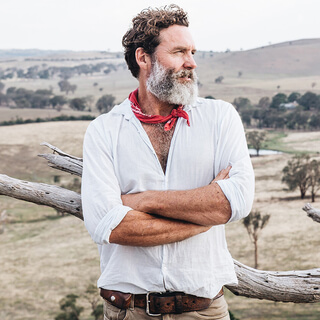
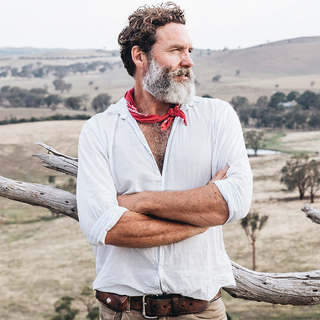
That was Mick Whittenhall,
And you're listening to The Regenerative Journey.
We acknowledge the traditional custodians of country throughout Australia and internationally,
And their continuing connection to culture,
Community,
Land,
Sea and sky.
And we pay our respects to elders past,
Present and future.
G'day,
I'm your host Charlie Arnott,
And in this podcast series,
I'll be uncovering the world of regenerative agriculture,
Its people,
Practices and principles,
And empowering you to apply their learnings and experience to your business and life.
I'm an eighth generation Australian farmer who transitioned my family farm from industrial methods to holistic regenerative practices.
Join me as I dive deep into the regenerative journeys of other farmers,
Chefs,
Health practitioners and anyone else who's up for yarn,
And find out why and how they transition to a more regenerative way of life.
Welcome to The Regenerative Journey with Charlie Arnott.
G'day,
Well here's part two of that lengthy and fascinating chat with Mick Whittenhall from Trangie.
In here we talk more about carbon farming,
The rewarding essentially of farmers of the carbon that they can potentially sequest.
We danced all over the place.
It was a really fascinating yarn with Mick.
And we talked about some,
I guess,
Sort of personal development stuff towards the end there too,
Which was I'm glad we touched on because it's certainly something that farmers aren't renowned necessarily for thinking about,
Touching on,
Learning about or developing.
And Mick and I have done the same sort of series of courses,
Which gave us an opportunity to chat about that and share with you guys.
So I hope you enjoy as much as I did this second half of my interview with Mick Whittenhall.
And tell me about mentoring.
We were talking last night about sort of farming groups and some associations you've got.
How important has that been to you?
Yeah,
I've been,
It's only this year that I've been sort of signed on with the Australian Soil Planners Group.
Ben Smith,
Who's a local bloke here,
Is every bigger nut as I am with sort of stuff.
Ben's been with them for a long time and it's just a group of farmers like-minded to thinking the same way.
Everyone's sort of dabbling now in the whole cover cropping space.
And,
You know,
It's,
You know,
As I was saying to you last night,
We're probably,
They reckon there's 30 seasons in us as a farmer where you're,
You know,
Where you're doing things on your own,
Where you're making your own decisions with not,
You know,
The previous generation or the next generation that are involved in the decision making.
So there's only so much you can learn on your own and that's where I think this is really important to surround yourself with people that are like-minded and doing things the same,
You know,
The same way that you're trying to do it.
And yeah,
No point paying,
You know,
Buying a lesson that someone's already paid money for,
Well they'll give it to you for free.
So it's just about that group learning.
And it's simple,
Like it's very much profit focused.
It's not green and,
You know,
Wishy washy or fuzzy.
There's nothing about that.
It's all outcomes profit driven,
But focus on reducing synthetic fertilisers,
You know,
Chemistry getting away from group B,
Chemistry,
Which has a significant impact,
You know,
Proven significant impact on the soil and yeah,
Trying to build diversity into the system.
Like I said,
Everyone's sort of dabbling with cover crops now,
So everyone's learning,
We're all learning sort of together.
So yeah,
It's pretty,
I'm pretty excited to be part of the group.
And how does that function?
You catch up on,
You were saying on WhatsApp,
I think it was,
You sort of come together and do farm visits.
How does that,
How does it sort of the function?
And again,
I'm only dissimilaring my first year at it,
But they meet twice a year.
Once before winter crop,
Obviously pre-COVID,
Once before winter crop,
Once before summer crop.
And yeah,
Sort of that face to face meetings a year and there's a WhatsApp group that people can post pictures of what they're doing and results and,
You know,
Ask questions,
Ideas.
Yeah.
Good support mechanism.
Yeah,
It's good.
It's good.
Talking about that,
What about mentors?
Have you had any significant people in your life that you have,
You know,
I guess relied on or gone to,
You know,
At times for,
You know,
Whether that be just farming or life lessons or questions or answers or,
You know,
Is there sort of how important has that been in your world?
I mean,
There's obviously from a professional perspective,
Any of the luminaries that are out there,
You know,
That I've looked to that are doing stuff that I'm trying to achieve.
Come on,
Pump their tyres up.
I don't know.
I'm a big fan of John Kempf.
You know,
I listen to his webinars all the time.
Like I said,
I'm a self-confessed ped head and he's got all,
You know,
Stuff in there that's really digestible,
Sort of makes sense,
Putting the pieces together.
So I listen to a lot of his stuff.
He's got a new book,
Quality Agriculture,
Available now.
Yes.
We'll put that in the show notes.
John.
And we just,
There's just,
The digital age,
There's no excuse for not knowing anything right now.
You know what I mean?
Like it's just,
If you,
Once upon a time,
You'd,
I wonder what the answer is to that.
And that's where it would stop.
You know,
That's when you can get away with saying stuff at a dinner party that was totally bloody fallacious and no one could check you out.
And then within five minutes now you're going,
Actually,
You're wrong mate.
That's total crap.
Deflate.
That's,
Yeah.
So it's,
It's all out there.
And like I said,
There's just so much,
So much to learn and so much that we don't know.
And it's,
It's really exciting.
Talking about stuff that we're just sort of getting a hedge round.
Tell me about plant farming microbes.
Cause that's,
That's a new,
It's a new plants farming microbes,
I should say.
That's a new,
That's something.
Yeah.
Tell us about that.
Yeah.
It's something that I just came across more recently.
And that's,
This is the whole thing about,
You know,
While we're trying to get away from synthetic fertilisers because their impact on the biological function in soil.
So,
You know,
Someone came up with this idea that we can put on just the right amount of nutrients at just the right time to,
To,
To get nutrient dense food.
And it's just,
It's ridiculous to even think that we can do that.
So plants need specific nutrients at specific times and,
And they need to be able to moderate that.
So,
And we need to get out of the way as,
As much as possible for that to happen.
But the,
What,
What you're referring to is rhizophagy.
It's just Dr.
James White has gone on with it in the States,
But it was originally,
I think discovered in Australia in 2013.
So we're going to claim that one,
But he talks about how,
How.
Where was,
Do we know where?
Was it at a uni?
Oh,
I just,
Yeah.
And I can't tell you off the top of my head,
But I could find out.
It was yeah.
But.
Aussie,
Aussie discovery though.
Yeah.
Yeah.
We'll take that.
We'll take it.
We'll run with that.
But he's talking about how,
How plants will actually farm microbes.
So they'll put out a certain set of exudates to attract a certain set of microbes into the,
Into the root.
And they'll actually bring those microbes into the,
Into the root.
And then they'll break those microbes down,
Take off the,
The,
The outer cell walls of the,
Of the bacteria.
And that's a source of nitrogen.
We wonder where the nitrogen comes from if we don't pour it out of a bag.
You know,
It doesn't all have to come,
You know,
From,
From rice opium.
Then we've got free living nitrogen fixes,
But we've also got this form of nitrogen that we never realised was there,
And a significant amount.
So the plants will actually break down the cell walls of the,
Of the bacteria and the protoplasm just blobs around in the,
In the root and reproduces and they makes more of them.
And then they spit them back out into the soil and then set the trap again and bring more in,
You know.
So it's about,
The plant will ask for specific nutrient at a specific time in its growth stage.
And that's what we need to,
To be able to facilitate as much as we can.
So it doesn't mean we can't put on units of pea.
Like we all know that if you don't,
If you have really low pea in soils,
Well,
You're not going to do much,
You know,
Like we need,
It's the building blocks of all,
Of all cell life is,
Is phosphorus.
And if we,
If we don't have a,
You know,
Significant amounts to get the plants to grow,
Well then we need to address that,
But we don't have to necessarily address it with,
With you know,
MAP.
There are other ways that we can do it and still build that,
That,
That plant,
Plant microbe association,
Phosphorus association and strengthen it year in,
Year out that we need less and less.
So that's what,
That's the focus that we,
You know,
Really putting on.
You know,
I haven't used to,
I haven't used any MAP here for probably,
I don't know,
18 years or something like that.
That's fascinating.
And I know,
As I was saying this morning or last night,
You know,
There's a lot of this stuff.
I mean,
I talk about grazing a lot cause I am one and,
And,
And not really doing much cropping,
But a bit of pasture cropping,
But the,
You know,
The,
The cropping in cropping circles,
They're interested,
Some,
Some dismissive,
But mainly interested in how the,
How this sort of,
You know,
How,
How,
How does one transition to a different way of doing things?
You know,
Getting less reliant on inputs from outside and you know,
Brewing your own stuff or,
You know,
Using a more biologically friendly sort of,
Sort of product.
So,
You know,
That's,
It's,
It's a,
It's a,
You know,
Just getting those people into the head space that it's not actually a hard,
It's not a hard task to sort of start,
Start to start easing into a more natural way of doing things,
You know,
That we can actually,
You know,
If we,
If we,
If we understand nature,
If we understand plant biology and we understand that a lot of these processes are going to take place if we just let them,
Then that's actually stepping into that space already.
You know,
That,
That,
That it's not like a,
I've got to stop doing this and start doing that is almost like a known and it certainly in a grazing situation,
You know,
We stopped doing a lot of things which we understood at a point in time that were probably being destructive or not destructive,
But just weren't helping things.
Yeah.
We were actually standing the way of nature doing its thing.
So it's the same,
You know,
I'm not surprised or we shouldn't be surprised that,
That the,
This,
This,
The,
The plants have this mechanism for,
For,
For,
For grabbing,
Trapping microbes to bring them what they,
What they need.
Like this is just a,
It's just a,
And that will happen if we let it.
Yeah.
And it,
And it will.
And the,
You've,
I suppose the thing is you have to be asking those questions all the time.
You,
You're not going to go out and just switch over to stop using MAP or whatever.
You're going to,
You know,
We've got to take a,
Take a really measured approach to,
To transitioning away from,
From some of these props that we've been using in,
In the past.
But it's,
You know,
There's a great saying I came across the other day,
Which is think big,
Start small,
Scale fast.
And it's,
It's a really good way to attack these,
This transition.
So don't let your thinking get in the way of what's possible.
You know,
You want to be,
You know,
Gabe Brown talks about if I'm not failing,
You know,
Two or three times a year,
I'm not trying.
So you've got to,
We've got to keep asking the questions of what else is possible.
And you need to ask those questions on an area where it's not going to impact you financially and that you can see it right through.
And then you can then measure that the outcome and then you can scale it,
Scale it from there.
And that's,
I think the way we've,
We've got to take a really measured approach.
You can't just,
We've all been guilty of it where you just think,
Yeah,
We're just gonna,
You know,
Move across and do this and,
And you end up taking a fair bit of bark off.
No lessons like bought ones mate,
You know.
No totally.
I've been there and yeah,
And done that.
So I don't advocate for people just to go cold turkey or anything.
It's only a mistake if you do it twice.
Talking about,
Well not talking about mistakes,
Let's talk about the potential.
We touched on that this morning about,
You know,
We have generally a pretty low carbon base that a lot of farmers are working with at this point in time,
For whatever reason,
There's been lots of sort of contributing factors to that.
Let's talk about the potential.
What as,
As,
As a,
As an industry,
As a,
As a profession,
You know,
What,
What,
What,
What's the possibility for us?
I mean,
How long is a piece of string?
Like it really is,
This is what,
This is what excites me the most is that sub 1% soil carbon,
Are we using 10,
15,
20% of the capacity of soil?
I don't know.
I couldn't,
That figure's arbitrary obviously,
But it'd be somewhere in that,
In that vicinity.
And the potential of agriculture to be able to store anthropogenic emissions is,
You know,
With the,
With some of this newer work that's coming through with,
We're being able to fix rates,
Carbon and soil that rates that,
You know,
Up to 10 times more than we originally thought.
So extrapolating those numbers out over the area of arable agriculture,
You know,
You'd only have to have 25% of that area would be required to take up all anthropogenic emissions.
We're talking about on the 25% of the arable land on the earth.
On earth?
Yeah,
That we farm.
Yeah.
So that even if it's,
If it's 50%,
So this is the reality of it.
You know,
We're not going to stop emitting tomorrow.
We know that.
And a lot of people probably don't realise if we did stop emitting tomorrow,
We'd still see two degrees of warming because of the legacy load that's already out there.
So we need to be able to draw down carbon now to be able to buy us time to slow down and stop emitting.
And,
And you know,
That's what I'm really passionate about agriculture playing a huge role.
And when you start touting those numbers like that,
That's eminently achievable.
When you say arable,
You were talking farming arable.
Yeah.
So that's not even.
That's David Johnson's numbers.
Yes.
Yeah.
So that's using his numbers and his beam approach.
You probably want to put him in your show notes if people haven't come across him because his work is really groundbreaking.
And so just probably a good thing to note.
So that's in the arable farming land.
So that's food production and that's not considering,
So 25% of our arable land,
If we were to convert that,
Or we could,
That's the low hanging fruit.
That's not even thinking about the even larger area of grazing land that could be,
You could utilise it.
Yeah.
To qualify that and I'd,
And I probably need to work that number out.
Whether is he,
Is he talking about grazing?
It says arable land,
So I'm assuming farming,
But,
But still it,
My point is it really is,
It's really is achievable.
Like I said,
An area the size of Africa we graze,
An area the size of South America that we farm,
You know,
It's massive,
Massive potential.
It's yeah,
It's exciting.
So how do we get,
You know,
There's,
It's,
I mean,
I guess in the world of COVID there's a lot,
Obviously a lot more air time for,
You know,
The COVID factor,
You know,
Human health and survival of the species as it were,
From a,
You know,
That,
That,
That sort of impact.
How do we,
How do we get people to think about,
I mean,
So there's,
I guess what I'm saying is there's a bit of a deflection of attention,
I think at the moment and maybe in the future of carbon and climate change.
Okay.
Cause people at the moment are going,
Oh,
Well that's all fine,
But I'm actually just trying to make sure I'm not dead tomorrow.
Yeah.
There's sort of a,
I think there's a bit of a shift in,
In,
In people's thinking for how long we don't know.
How do we get people putting that bit aside?
How do we get people who are in the debate thinking about,
Talking about climate change?
How do we get them to sort of get them to a point of going,
You know what,
It's actually not that complicated.
We have the tools,
We have the biology,
We have the,
The,
The experience now of,
You know,
To be able to address this issue.
Like how do we get people to understand that and,
And,
And,
And support the adoption of that?
I'm not just talking about,
You know,
Your neighbour or someone who's buying food in Sydney.
How do you think we sort of get them on the page and get them behind us?
I think Paul Gilding's book,
The Great Disruption,
I don't know if you've read that.
I will now.
He talks about,
You know,
How climate change,
It's coming,
We're going to hit it head on,
But he's got quite a,
A,
Upbeat take on it.
He sort of says right the way through the book,
He said,
Humans,
We've proved in the past,
We're dumb,
But we're not stupid,
That we're slow to react.
But when we do,
We really rally and,
And,
And get,
You know,
Get stuff done.
And,
And I,
I like to think that we sort of get into that,
That point now,
Where we've,
And this is where,
You know,
Taxes aren't going to sort of,
You know,
People aren't going to do stuff out of the goodness of their own heart.
We've got to have market driven solutions and they've got to be the markets that we've,
That we're in now.
And the key to drive that is the conscious consumer.
And I think this is the,
This is what excites me.
This is the opportunity for businesses going forward.
And it doesn't matter what business you're in,
It's about positioning yourself in the marketplace to,
To not greenwashing like we've seen in the past,
But,
But really out there demonstrably making a difference to the,
To the problem,
You know,
To being a significant player.
And that's where,
Because you've got a conscious consumer that wants,
You know,
It's,
You've got their attention now.
And you're seeing it in the corporate world here now,
They're all looking at ways they can,
They can do that.
And that's what's,
That's what's going to drive it.
I'm sure of that.
How do you think the mums and dads who are,
You know,
Not to say they're louder or,
Or,
Or less of a voice than corporates,
But how do you think they can get on the page or sort of support or encourage or,
Or,
Or sort of be part of the,
You know,
This solution?
Yeah,
I,
You know,
We've got to provide places for people to push.
That's what I'm saying about businesses out there.
Let's put products out there.
You've got their attention now.
So create a product or service that people can patronise to,
To make that difference.
And that's,
That's where it's at.
And that's where we're resolving to really quickly.
So someone,
A farmer who is making his good clean food available to consumers,
To people in the city.
Yeah,
Yeah.
But we do have to be able to do that.
You know,
Someone like Joel Salton,
That sort of model is fantastic and it's brilliant,
But you know,
What's the reality of a story that's all,
You know,
Doing that?
It's sort of,
He's got 4 million people on his doorstep that he can supply a significant amount of restaurants.
You know,
I could do that here and train your narrow mind and,
You know,
Like it's sort of,
We've got to have,
We've got to have,
Yeah,
We've got to have,
We've got to have market structures and systems and facilities that facilitate,
You know,
This,
This movement.
There's,
There's more,
I'm seeing and finding more funds,
You know,
People are more interested in putting their funds into ag,
You know,
Not so much mums and dads,
But more,
You know,
The big end of town are really looking at,
At this as a solution.
I know that through the Soil Carbon Company,
You know,
You've,
You've got some,
You've,
You've attracted some funding from,
From a number of people,
You know,
Is that,
Is that,
Has that been,
Obviously it's been important,
But do you see that as being a movement or a,
A real trend?
You know,
Are you seeing that,
That you know,
Corporates are wanting to get involved and is it,
Is it just funds or do they want to sort of,
Is there some sort of social license stuff that they're looking for as well?
You know,
They're,
You sort of,
Whether it's carbon offsets literally,
Or whether it's just,
I want to be associated with this,
This movement,
You know,
Do you think there's?
I think so.
I think everyone's looking at the carbon space as this massive potential no one wants to miss out,
You know.
And there,
There is a lot of money,
You know,
Invested around the world.
I think,
You know,
Endophyte technology is probably,
It's the next frontier in agriculture and it's sort of the old model.
We're breaking away a bit from the old model,
But the old model was a really good model in that you had multinational corporations providing solutions for low carbon soils that create less carbon that require more solutions ever so slowly year in,
Year out,
You know what I mean?
Like that model,
Perfect,
You know,
Who would upset that?
So,
But that model is slowly being upset and now those bigger companies are looking,
Well,
What else do we do?
Where's the next step?
And that's,
You know,
Not necessarily going to lead the way,
But they're following quickly.
And that's where we'll see,
Is it the only thing that's missing here is money,
You know,
Like at the end of the day.
Who's got it?
Well,
Mate,
It's,
I mean,
You hear about it,
It's everywhere and these massive corporations have got massive amounts of money.
And when you start throwing money at some of these problems,
There's one particular product that I know that a big multinational chemical corporation developed and I know that the R&D budget on that particular chemical was only just for broadleafs in crop.
One chemical does a specific job,
Was $500 million to develop one chemical.
And that to me is just absolutely astounding.
Imagine we start putting some of those sort of numbers towards developing,
You know,
Soil health and biologicals and systems,
Then we will see massive,
Massive ground made really,
Really quickly.
Isn't that,
I mean,
That's a bit of a defining thing between,
You know,
A business that is putting that much money into a chemical input and then they can justify that expense because they know that there's a business model beyond that to support that investment.
Totally.
So with the technology,
Well,
I don't want to use the word technology,
But with the biology that you're helping develop,
Mick,
You know,
Is,
Not that this is your motivation,
But I mean,
I can see it being a reasonably different business model.
Yes,
You're selling a product.
You're putting some R&D into it,
An investment of your time to produce something,
Understandably,
But like,
You know,
Is this a different business model as in,
Is this empowering farmers more using this biology?
Yes,
It's an input,
But is it empowering farmers in a different way than say,
If they were using something they got,
You know,
They got out of a bag that,
You know,
Is not biology,
You know,
Is there a different sort of a business model or a different sort of,
I guess,
Direction they're heading,
You know,
Because I,
I think farmers all know,
You talk to farmers about soil carbon,
Like they all know what soil carbon is,
They just don't know how to do it,
Like show us how we do it,
Like,
And we'll do it.
And that's the reality that we have at the minute,
But this is where,
What will drive the whole,
This whole development of this industry is getting that,
Getting the methodology to build soil carbon,
The methodology then to measure it and then remunerate farmers accordingly.
And this is the thing that I'm really passionate about,
I suppose,
Is that we,
And farmers need to be remunerated properly.
Like it seems with farming,
We're at the end of the line,
Aren't we?
It's sort of like,
We don't make,
You make a little bit of money for a while and people down the chain sort of find out,
Oh,
You're making a bit,
We'll just take that,
Take that back.
There's a few sets of hands there.
There is,
And we don't,
We don't get to pass that off to anyone else.
We pass it off to the,
To the soil and that's where the,
Where the impact is.
Ratan Larl got a great quote and it's just so true.
He said that,
That when a farmer is poverty stricken and suffering,
He passes that suffering onto his land and that,
That is the key point,
You know,
That we need to address.
So a guy and I flew to,
We went to,
To COP22 in Marrakesh and I was,
You know,
I thought there was a fair bit of slash and burn sort of agriculture here in Australia,
But you fly a plane over Africa and oh my God,
Like it is terrifying.
It's just,
We sat on a train for three hours from Casablanca to,
To,
To Marrakesh and there was not a piece of native veg.
It was ploughed to the horizon.
It was like they're all going to put one crop in all at once and there was no refuse from last year's crop or it was just,
I was just astounded by it.
And no one could tell us what was going on,
But we talked to a,
To a mob over there,
The agricultural African initiative.
I can't remember what their,
What their mob was exactly,
But their goal was to,
To achieve soil degradation,
Neutrality or something.
I thought,
Wow,
That's a lofty goal.
So it was almost like they wanted to get it to a state where it was totally controlled.
It was almost like just,
Well,
No,
They just,
Just wanted to,
They wanted just to maintain,
Just to maintain soil,
You know,
To,
To,
To,
To neutrality,
As in it's not getting worse,
Not getting better,
But let's just get there and hold there.
Sustainable as it were.
And that's where,
You know,
We're not,
That's such a big part of,
Of the soils that we're talking about in that,
In that budget.
And we have to get that to those third world farmers that don't necessarily have access,
You know,
To,
To technology and information and all that sort of stuff.
And we,
That,
And that needs to be addressed.
So we've got to,
You know,
We've got to stop that poverty stricken and suffering.
If we want to stop the land from suffering,
We've got to remunerate farmers.
And that's where we've got to make,
When we work this out,
That we've got to make sure that farmers get remunerated,
You know,
Accordingly and we don't,
We don't lose that.
And that's,
Yeah,
That's critical.
And I guess a part of that's also the input costs,
Isn't it?
I mean,
I guess a system that is relying on a recipe and every year and,
You know,
You,
You,
And,
And the inputs in a,
You know,
I know certainly when we were cropping,
You know,
Our,
Our,
Our chemicals and our fertiliser and things,
You know,
It's a pretty,
Pretty,
Pretty tidy sum per hectare that you're sort of pumping out every year.
And that becomes repetitious.
You know,
There's some variations with,
It's a broadleaf,
You know,
Like a canola or a wheat and so on,
And things have changed a bit now,
But you know,
That is a,
An input cost that,
You know,
You're going to have to suck up every year pretty much.
And,
And this is certainly system we were,
We were,
We were in.
And I think,
You know,
I think a wonderful difference between that system and maybe what you were doing and what you're doing now is that,
You know,
Your inputs potentially are cheaper.
You're also making,
And we'll talk about the Johnson Sue in a minute,
You're making some of that yourself,
But that there's also potentially as,
As one builds,
You know,
Whether someone's using biodynamics or,
Or,
You know,
Your,
Your fungal sort of product there,
The inoculant or something like that,
That over time and soil carbon's being built,
That there's,
There will be a less,
Lesser reliance on a recipe,
Less of a reliance on,
On,
On an input,
Because will that system start almost maintaining itself?
There'll be obviously management of it,
But will there be,
You know,
The more carbon we build,
The more hot water holding capacity we're going to achieve,
The more microbial biology and the,
And the,
You know,
Is there,
Is this system,
I guess,
Compared to the old system,
One where,
You know,
It's heading towards a more self-sustaining situation where you just aren't going to go up every year,
I'm going to do this.
You might inoculate every year if you're sowing crops,
But there's a,
There's,
You know,
Potentially it's a more stable,
Resilient system.
And it will be,
But again,
We're going to be driven by,
By the market.
So if,
You know,
You can,
You can,
We've,
We've got that resource base that we're building up in,
In the soil that we can,
If we're not being remunerated for,
For that carbon that we're putting in there,
Well,
We can use that carbon then to chase yield to,
You know,
To grow more commodities.
And that's the challenge.
And that's where,
Like I said,
The carbon really needs to be,
You know,
The item on the balance sheet along with all your other,
Your other enterprises.
And that's where it needs to get to.
If we don't,
You know,
And I mean,
If we don't have that,
Then there'll be,
Well,
Shit,
Now all of a sudden there's not that much,
You know,
Weight in the market or,
Or whatever.
And then the price goes to,
You know,
$400 a tonne or,
And then so farmers go chasing yield and you can chase yield at the expense of those soil carbon reserves.
So do you know what I mean?
This is where it's really critical that the world acknowledges the need,
You know,
For this carbon sequestration that,
That has to happen,
That natural capital,
That farmers are investing and put a price on that.
And then maybe we might stop flooding the world with low quality commodities that we get less money for that makes us chase yield,
That makes us use more resources and the carbon footprint,
You know,
Like we just,
You know,
We're crazy how we,
We seem to do that.
And the wonderful thing is too,
You know,
That the,
The better,
The,
The,
The,
The,
The better the products are that have been produced in this,
You know,
Dare I say more natural sort of way of doing things,
You know,
Then it,
Then that has an impact on,
On the people buying it,
Doesn't it?
People,
You know,
People who eat food,
You know,
You have the choice of buying,
Everyone still has a choice any day.
Well,
Most people do,
Not everyone,
Of course,
But buying this or that,
You know,
It's a low quality or the higher quality stuff,
You know?
So a wonderful thing with what you're doing,
You know,
Essentially is helping farmers who,
What do farmers do?
They grow food.
That's,
That's pretty much what they're,
What they're doing is actually producing food that is going to be better for the end,
Well,
Whoever's going to eat it.
And I think we were saying that now with talking about technology and the exponentiality of technology,
What we're seeing coming through people,
You know,
We don't,
You know,
You can't manage what you can't,
What you don't measure is the old adage.
And,
And if you're actually getting into the grocery store and you're putting your iPhone over a,
Over a cucumber or a bloody zucchini or whatever,
And you think,
Oh,
That one's better than that one,
You know,
Like farmers aren't going to do stuff out of the goodness of their heart.
And the consumer,
You know,
Can't jump up and down and say,
We should be doing,
Farmers should be doing things a certain way.
You depict what farmers do.
So if there's not a market for,
For,
You know,
Genetically modified tomatoes,
Then they won't be growing,
Farmers won't grow them.
So,
You know,
This is where it's gotta be driven from that,
From the market.
And as you say,
The technology's out there and it's being developed that you literally can walk in and go,
You know,
What's the chemical load of that?
You know,
Does it or doesn't it?
And also what's the nutrition,
You know,
The nutritional density of that,
Which I think is going to be a real game changer because instead of,
Instead of consumers relying on a label,
You know,
Like organic certified,
And I know I've tasted plenty of crap,
Organic certified food,
Because it's just,
As we were saying last night,
It's more of a,
Abhorrence of chemical than it is for,
You know,
The nutrient,
Yes,
Like,
Oh,
What,
What aren't you doing?
What are the inputs?
What's the input ratio?
I don't use chemicals,
But I plough three times a year.
And I don't,
I don't use any sort of,
You know,
There's no fertility program on doing it.
So it's actually pretty much empty,
Empty sort of food.
So I think,
You know,
Once consumers have the ability to,
To literally choose between this or that by using an app,
Which it could just literally be on their phone,
They walk into any shop and do a quick scan.
I mean,
That's going to be,
That's going to be a game changing drive for farmers to do,
You know,
Cause that comes down to quality.
You know,
We are,
And I,
You know,
I,
I certainly was,
I was a commodity farmer and it was about quantity.
Yes.
You know,
Quality,
You know,
How much protein this versus that,
And obviously you get paid for the better protein in a week,
You know,
Sort of basics it away.
So that's a quality component,
But in terms of it was yield,
You know,
It was,
It was,
And it had to be because of the input.
So you had to chase the yields.
It was a simple calculation.
Wasn't it like,
You know,
Chasing your tail.
That's exactly right.
So,
But now if there's a,
If the emphasis and the,
The,
The,
The drive is the people who are buying this food or this stuff,
This commodity actually want the better quality stuff and they can,
They can,
They can make that choice,
You know,
Then that's going to be a driver.
And if you know what,
And I think it's,
If that's what forces farmers and I say not forces,
But if that steers farmers to a direction of going,
Oh,
Okay.
If I'm now getting paid on quality and my,
My,
My supply chain that I'm involved in is relied on the quality of the other end,
Maybe that's a good reason to look at what I'm doing at my end to make it a better quality product.
Market gets what market wants mate.
Do you know what I mean?
Like end of the day and farmers will produce it if you demand it.
So this is,
This is,
This is the thing,
You know,
I mean,
Farmers,
You know,
Seem to be,
You know,
Heavily criticised the way we do stuff out here.
And at the end of the day,
It's consumer,
You know,
It depicts what,
What we,
What we grow.
So those of you listeners out there who eat food,
Oh hang on,
What's happened there?
Oh,
My little camera's just,
Excuse me,
Listeners there.
It's just,
Buddy.
What I'm going to do is I'm going to do that,
Sorry,
People.
Put that back on there.
I think you're low,
Low,
Low power mode,
Mate.
Well I am now.
I must've been banging on.
No,
I love it.
I have a tendency.
You haven't,
You know,
Kirsty warned me about that.
No,
I knew that already.
That's why I'm here mate.
Where was I heading with that one?
Talking about food and the consumer and yeah,
Demanding.
Oh,
That's it.
Yeah.
So a demand economy is,
You know,
Is,
Is where we need to really,
You know,
Head,
We,
Yes,
We,
You know,
Economics 101 supply demand and yes,
That's,
I guess that's,
That's certainly a business model and that's an economic model,
But I can't agree more that it's,
If it,
You know,
A healthy economy is one that's based on,
On the demand,
You know,
Because people supplying stuff without the demand and as farmers,
We,
We're pretty good at that.
We put a crop in or we,
We,
We produce protein,
Whatever it is,
And not knowing where we,
Where we're going to,
Where we're going to sell that,
You know,
Or,
And look,
We're not in control of that situation,
But,
But you know,
In terms of the demand,
But,
But if we step into the shoes of those consumers and we actually create the demand and we educate them,
You know,
Whether it's,
There's any number of ways that can be educated and even the use of that technology and saying,
Well,
Next time you go to the grocery shop,
Put this in your hand and go and test those tomatoes and tell me which one you want.
You know,
I think that's a really powerful,
You know,
As farmers,
I think it's a really,
It's a good investment of our time,
However that might look to,
To,
Is that rain?
It is mate.
It's truth.
Was that on the,
Did you,
It's a weekly,
It's a weekly event here at Trangie.
Did you put your order in?
No mate,
I'm not going to,
I'm not going to speak too loudly about,
I'm not going to whinge about rain after the last three years.
So that,
I think that's a real,
A step forward.
Now getting to something else,
Oh Johnson's Sioux,
Let's,
Let's stick with the farming sort of stuff.
You just showed me the Johnson's Sioux set up you got out there.
Cause we've talked about the inoculant that's in the pipeline.
The other one,
One at least,
And another one of your sort of,
I guess,
Inputs and part of your fertility program as it were,
Is the Johnson's Sioux.
Talk us through that sort of what it is and how you're using it in your,
In your on the farm here.
So I've been mucking around with compost,
You know,
For the last,
Well,
Ever since I've been out here really and trying to make my own.
And that's been the real challenge is getting a really good quality inoculum to make compost extract out of.
And Terry McOsker had David Johnson out here and I listened to him in Dubbo and they've developed this idea for a compost bioreactor.
And where the,
The issues that we've been,
We want to make fungal dominant compost,
You know,
Cause we all know that we need more fungi in our soil.
We want that fungal bacterial relationship,
Right?
But getting compost to be fungal dominant has been,
Been the challenge.
And the reason why it's been a challenge is that every time it,
When you're doing thermophilic compost,
It gets up to heat and then you have to turn it so it doesn't,
Cause it gets over a certain temperature after three days,
It'll,
It'll end up being anaerobic and start selecting for anaerobic bacteria.
So we have to turn it.
So what we're doing when we're turning that,
We're breaking up all that fungal filament and then it's starting from scratch again.
So what David and his wife,
The method that they came up with was basically putting the acetane,
That biology,
That the anaerobic sign happens about one foot or 30 centimetres away from,
From air.
So then all we have to do is have an air shaft within 30 centimetres.
So we set it up,
Put the,
And it's all how to do it's all on the,
On the internet.
He put all that stuff up there.
And so you,
Then the compost goes through that thermophilic phase and then it comes,
The temperature will come down to once it's done that and we don't turn it at all,
We just,
It's a static pile.
And then it gets to the temperature that you can put the worms in and,
And then the worms do the rest of the job.
So you're getting the benefits of thermophilic compost as well as,
As well as vermicompost and there's no turning involved.
So it's a real breakthrough because homemade compost is a laborious,
Bloody thing.
It's one of those jobs I do and you'd,
You know,
Get busy with everything else and you,
You know,
The amount of,
Like the veggie patch mate,
Isn't it?
Like how many times you start the veggie patch and it just falls by the wayside because you just get lost in everything else.
So it's basically take some time and set it up and then it just put an automatic timer on the,
On the watering,
You know,
For a minute a day or whatever with a weekly seven day timer.
And it's easy enough.
I've built my own version of it to get a bit more scale.
You know,
I'm not,
I don't like shoveling or forks or anything like that.
So mine involves tractors and feed mixers and stuff like that.
My method of doing it and I'll make up a big batch in these baskets that I showed you this morning.
And,
You know,
Do that.
I look to do,
You know,
Two or three of them,
Four of them,
Depending on how much I need,
I suppose.
So there's a couple of tonne in each of those.
Yeah.
And then you use a,
You're saying you use a straw and a wood chip mix and maybe a bit of manure as an ingredient.
Yeah,
I just use whatever's about.
Yeah.
I think it's the important thing,
Isn't it?
It's like whatever you get your hands on,
That's like too prescriptive about it.
Exactly.
And this is where,
Like I say,
We've got to knock the knobs off this stuff and we're going to get mainstream to,
To,
To want to do it.
And that's,
You know,
Guy and I,
He's an agronomist and he deals with,
With farmers and has seen,
You know,
That he said,
You know,
Majority of my farmers that I service wouldn't even consider doing,
You know,
What we're doing when it,
When you're talking about,
You know,
Shovels and doing it all by hand and taking as long as it takes.
But so that's why we're trying to develop these systems that it's a bit more user-friendly and,
And can they get a bit of,
Bit of scale,
Bit of scale about it.
And tell me when in a normal sort of a timeframe,
When do the worms go in after the,
Like how many weeks or what's the time?
So it's just,
It's temperature driven.
Yeah.
Right.
Yeah.
And how long,
How long is your experience at the department?
Yeah.
Yeah.
Three to four weeks.
Okay.
Yeah.
Yeah.
Right.
And you get them,
If you've got,
If you've got those worms from another compost pile or system you've got,
Or you go and buy.
Bunnings,
Mate.
Oh really?
Still.
Just read regulars that you can get your,
I mean,
I don't get them there now,
But I suppose I got the original.
Yeah.
You get them now from the one next door.
Like you just get them from the next door.
Yeah.
So 12 months is the sort of the,
The gestation as it were time for the,
For the system.
And then you showed me this morning,
Your extraction to the system.
Just talk,
Talk us through what's next.
So we've made the,
We've made this,
This,
This compost.
Yep.
So we've made the fungal dominant compost in the static pile.
So just one more thing.
Do you,
Do you inoculate that?
Have you got some stuff you put in there to inoculate or the natural fungal activity is?
I'm mucking around with different things,
Like trying on different,
You know,
I muck around with fish and yeah.
Put some lime in and stuff that's association with calcium and fungi and all that sort of stuff.
I like it and just play around with whatever.
And yeah,
It's just,
I'm improving,
But you've got,
Yeah,
It really,
My documentation hasn't been great in the past.
You know what I mean?
Like,
So you do really need to have that down to.
So results count.
Yeah,
But you do,
If something does work really well,
We need to know what it is that we did.
So I'm mucking around with that and like,
We're all sort of liquid inject with our dirt,
With our cropping system.
So I've got liquid fertilisers through the Ace Peak program that we use.
And instead of using water as the carrier,
I just use the,
We'll be using,
I didn't,
Cause it wasn't ready this year,
But I will be using the Johnson Sioux sort of next year in that,
In that brew.
And again,
It's just about,
It's that shotgun approach of,
Of restoring,
You know,
Biological diversity.
But I still think there's,
There really is a place for that sniper rifle that we're trying to develop with Soil Carbon Company,
Like,
You know,
Getting specific microbes that do a specific job,
Whether it be water stress relief or carbon fixation or,
You know,
Phosphor-solubilising,
End fixing,
Whatever that may be,
And making sure that they're in those significant numbers to get a reliable repeatable result every time.
And then you just throw the other stuff in as well.
But it's sort of,
I just think that's where the,
I think where Regenerative can take that next level.
We're not actually leaving it to chance.
It's sort of like build it and they'll come sort of approach where I think like,
Let's actually do the work and find out what's going on.
I know we're not going to find out what,
You know,
There's so many things that happen in soil and so many intricacies there that we're never going to,
To work out,
But let's find,
You know,
If you want to win a Melbourne cup,
You don't head down to the pony club to,
You know,
To get yourself a horse.
You go to the yearling sales with a bucket full of cash and that's what you do.
And this is what,
How we need to look at this,
You know,
Getting those race horses that are out there that do specific jobs,
You know,
In that soil reliably,
Economically and repeatability,
You know,
It's just key.
You just can't,
And that's what I said,
My experience with the compost in years gone by,
And that's obviously been back on me,
It's sometimes it would work really well and I'd get a really good result and other times I wouldn't see anything.
And that's where it gets lost on mainstream.
And that's why we've got to have it.
So it's really,
You know,
Deployable.
Accessible and refine the tool.
And know why it's happening,
You know,
Like it's sort of,
That's key.
I think that's farmers really understanding what's happening when we're putting on soluble phosphorous as MAP or whatever,
You know,
If you actually knew how much you're getting and depending on your soil pH and soil type,
You know,
It's lost incredibly quickly and tied up and complexed incredibly quickly in soil.
You'd be horrified,
But you think you're putting X amount of units on,
But you're only getting a fraction of those as soluble P to that plant.
But the critical part is you're impacting that ecological phosphorous pathway that's happening with that plant microbe association.
And there's so many different ones in there and that's where the breakthrough really is.
I heard that one from John Kemp the other day,
Which I found fascinating saying that if a plant gets up to 60% of its N as nitrate,
It can be up to,
I think it was 50% less water use efficient or something.
And I thought,
Wow,
That's because it needs different forms of N all the time.
And if you're going to convert nitrate to ammonium,
What are you going to need?
Like with nitrate,
You've got NO3 and you've got to get to ammonium.
Where's your hydrogen going to come from?
Yeah.
You use a lot of water.
Splitting water atoms.
So you explain that to a farmer and you think,
Holy shit.
It's a good point.
It's a ripper.
And I think things like that that are really understandable like that.
It's not woo woo.
A bit of chemistry,
A bit of science.
If you've got to put N on,
Well,
Just be mindful of how you do it.
It'll impact the other inputs.
Yeah.
Well,
And what's our biggest limiting factor here in Australia with growing crops?
Hardly.
Yeah.
Stuff like that,
I think it's really,
We've got to take the mysticism out of it all.
And really,
Like we need to spend those sort of money,
The money that we're talking about on how we build soil life and soil health.
If the same amount of,
Imagine that,
If the same amount of money was invested,
That's been invested in the destruction,
In destructive solutions,
Inverted commas,
For agriculture to spend on actually systems and technologies that build soil.
We wouldn't be in the pickle that we're in.
It'd be a long,
Long way ahead.
Now,
Talking about not so much being in a pickle,
But when we sat down here earlier,
Mick,
We looked out at your Manchurian pear there that's in flower in mid-August,
Which is unusual to say the least.
What's that,
As a farmer and an observer,
What's that saying to you?
I think my cocky's just moving in now.
You'd be lucky to have them in here.
They were screeching away early this morning.
Yeah.
It is.
For someone with me with a context and my head in the whole climate change problem,
I look at this,
I just think,
Wow,
That to me is scary.
It's nature's own,
Like it's the finger on the pulse.
Nature's saying,
Oh,
Yep,
It's springtime,
It's not.
We're mid-August.
We're seeing that everyone's got their own story about this.
This is an isolated incident where you've got tomatoes growing well into winter and things that just didn't happen before.
We are seeing our climate changing before our very eyes,
I think.
What is it?
There's the three stages of truth.
First thing,
A truth is ridiculed.
Next,
It's vehemently opposed.
The third,
It's taken as,
Oh,
We always knew that,
To be a fact.
I think we're probably somewhere between the vehemently opposed and knowing that it's a fact.
So climate change,
Like I said 20 years ago,
You'd have these discussions with people and say,
Oh,
I remember bloody years ago they had temperature or whatever.
Cherry picking data.
But you've got to look at,
We need to look at things objectively.
People say,
Oh,
The Federation drought was way worse than the Millennium drought.
It went for longer,
It was hotter or whatever.
Well,
No,
We actually know that it was 0.
7 of a degree hotter for the Millennium drought than it was for the Federation drought.
So what does that actually mean?
That means that that's significant as far as how we go in and out of droughts is the ground dries up and then we have to,
Obviously the ground then has to fill up again before we go out of drought again.
So the hotter it is,
The more likelihood we are of going into droughts more frequently.
That is just a reality.
That's just a reality.
And we've got this objective measurement over time that we know that it's getting hotter.
So our farming systems have to evolve and we can't necessarily do things the way we've always done them.
Like I said,
Our generation that came home that said,
We've got to go no till,
We've got to get the cattle off the paddocks,
We've got to pull out all the fences,
We don't need them anymore and those trees,
Well they can go too because they get in the way of the big gear.
That's it.
So we've got to pull them out.
And I think it's now the next generation is going to come home and say,
Yeah,
Dad will actually have been running them.
It'll go full circle.
It will,
I think we need to get animals back into the system.
We need more habitat,
More biodiversity.
We've got to get the fences back in.
We've got to be able to control the animals are really critical part of the system.
And we're starting to learn that stuff now.
And it's that next generation I reckon that are going to get what we're talking about here now and see what it is that we're talking about and want to be a part of that solution.
They'll be the blokes that the poor preach in the gospel.
I mean,
This time they'll actually have the Messiah.
Well,
I hope that when the next generation,
Our children are in similar positions that this sort of stuff is going to be more normal.
I trust and pray that there'll be a continuation and as you say,
An evolution of the practices and the principles and all those sort of things.
That this is more of a mainstream idea and mainstream practice.
And I'd like to think that we're not doing all the heavy lifting,
But we're doing a fair bit of heavy lifting now so that the job can just be got on with as we step into the next generation.
I'd like to think.
Definitely.
I think so.
We're at a point now,
Like I said,
That Paul Gilding alluded to was we're dumb,
But we're not stupid.
Everyone's attention now is low power mode.
That's the one you want.
Yeah,
There you go.
We're back on.
Yeah.
We've got the consumer's attention now and it's taken us.
We haven't been able to do it before now,
But we're just at the point now.
There's more to steak,
Isn't there?
Yeah,
There is.
Okay.
Now we actually got to do something,
You know?
And we've got to hustle and we've got to hustle hard.
And we've got to have these market-driven solutions.
So it's sort of,
There's a lot of work done in the States now on companion planting and instead of growing monocultures,
The only reason we grow monocultures is because they're easy to plant,
They're easy to harvest,
But we're learning it's at a significant cost to soil just to have that one species growing in a year and then a fallow period over the summer.
That model is now sort of breaking down.
So we can grow things in a companion plant.
Chick,
Peas and flax grow really well together.
Canola and faba beans will grow really well together.
Plenty of evidence out there showing that you'll significantly reduce,
If not replace the need for fungicides with chickpeas if you're growing them with linseed or flax,
That we were doing.
You might have four fungicides that have gone to nothing or maybe one.
That is a significant benefit to that farming system that you're not putting that fungicide on.
But then what's a farmer going to do with that?
Come harvest time,
You've got the header rolling in,
You know,
They want to keep going and you've got to put that somewhere.
So then where's the market facilitation there that that farmer can take that to town and deliver that somewhere to someone who's paying a premium for it because that consumer realises the importance of it.
So we've got to knock the knobs off this and make it easy for farmers to adopt.
It's not up to the farmers as such.
We've got to facilitate and enable this movement.
Farmers are a key piece.
But yeah,
It starts with the consumer and we've got to demand this sort of stuff.
And that's like where the genesis of it all is that awareness of the consumer and we're right at the precipice of that.
And making that demand and making that supply as a result more normal,
Again back to back to normal.
Now talking about evolution,
I'm conscious of the time,
I think you've actually broken,
You yourself with no help from me,
Have broken all records here Mick.
But I wanted to touch on something that's sort of just left to centre there.
We were talking about there this morning I think and that's sort of a,
You know,
An evolutionary course we've both done,
A landmark and something I met,
For those who don't know what it is,
I'm not going to go into all the detail and look it up yourself,
But I guess you might get a sense of it in a minute.
But you know,
I met Angelica,
My wife,
At a landmark course there in Sydney,
Oh gee it was some years ago now.
And I guess,
You know,
It's a,
I call it a get your shit together course because for me it was,
I'd had a number of people say,
You know,
Oh I think you could,
On reflection maybe they thought I was really in strife.
You know three people said within a month they said I reckon you can go and do a landmark.
And it's certainly a course that we hear and see a lot about in the circles of RCS and HM and sort of associated businesses and people because it's sort of become a bit of a cornerstone,
I guess you'd call it personal development if I can use that phrase,
A training program.
So and I met Angelica there and she,
I won't go into all the detail,
But it was a very interesting place to meet someone in that one if an attendee spends three or four days,
There's a couple of different,
There's a sort of the forum and then the advanced of course and one is,
And you can probably explain it better than I am but you sort of,
You basically pulled the part and put back together again in a number of days aren't you in a way,
You're sort of really looking at,
How would you explain it?
Because I'm touching on it now,
Not just what you talked about this morning,
But for me it's become an amazing reference point for so many different things,
Whether it's talking about friendships,
Behavior,
Decision making,
Just life in general and hopefully my own personal evolution.
You know,
What I guess,
What did it,
How would you explain it and what did it mean to you if I can ask?
Um,
It was,
It was groundbreaking,
Like I said,
I'm one of those personalities,
I'm a seeker,
I'm up for anything,
You know,
Let's go to a course or whatever,
Yep,
Well you know,
If you reckon it's good,
I'm up for it.
So I,
And it was,
Yeah,
It is a,
It's a little hard to explain,
Everyone gets their own,
Their own thing,
But it's basically the,
You know,
We all create stories about our own life and we collapse our stories with reality and it's all about breaking that down and how you've gotten your pattern of thinking.
So it's all about events that have happened to you through your life and you make decisions as a,
As a child.
Um,
And then you carry those decisions with you and you get to realize there's a,
You know,
I did it when I was sort of probably 30,
Early thirties,
I suppose that Couple of years ago.
Yeah,
That's it.
Um,
That,
Yeah,
It's sort of,
Um,
You're,
You're still basing decisions off now of a decision that you made when you're,
When you're a kid and when you identify what that event was in your life that you made up a certain story.
Um,
Then it's really empowering to know,
You know,
To,
It's a real insight,
Especially holding a mirror up to yourself and,
And,
Um,
Getting used to see why it is you operate the way you do.
Um,
And yeah.
And,
Um,
It's really,
Really powerful.
I recommend it,
You know,
Everyone.
Has it helped you in your,
In farming?
I mean,
Um,
In terms of,
I don't know,
Decisions you made or,
Or,
Or how you engage with someone or,
You know,
Yeah,
Well,
I sort of doing a lot of the training with a landmark probably at the time and,
Um,
Doing this sort of thing and this whole idea about climate change and,
You know,
Trying to make a difference and all that sort of stuff.
And we've got these stories about ourselves,
Like,
Oh,
How would I ever do anything?
I'm only bloody farmer,
Or whatever.
And I suppose,
You know,
It's courses like that that have really been able to facilitate.
Um,
Yeah,
I,
I suppose belief that,
Or naivety,
That we could,
We could,
Uh,
We could do that.
So it's being,
Yeah,
Being a stand,
I suppose,
For what you,
What you believe in and,
And,
Um,
Being okay with that.
Yeah.
Do you think farmers,
How do farmers sit with that sort of stuff?
I mean,
Do you,
Do you know many other farmers who've done landmark or?
Not a heap,
I wouldn't say no,
But,
Um,
Yeah.
Um,
And I don't,
You know,
Necessarily,
Um,
I'll share it with people,
You know,
That asked me,
But,
Uh,
All the world now.
Yeah.
Well,
Yeah,
There you go.
Uh,
But,
Um,
Anyway,
We're certainly not,
Um,
Uh,
Scatters for this,
By the way.
I mean,
Like,
Hell no.
And that's,
And that's,
I guess,
One thing I don't do is I don't necessarily,
Um,
It's not advertised.
That's the thing.
And I'm only referencing it because,
Um,
It's,
It's,
Yeah.
Impact to both of us,
I suppose.
I can see what you're getting at.
Yeah.
And that's,
Um,
And I think,
Yeah,
I think anyone,
Anyone could go and do it would get an enormous amount of benefit from doing it,
No matter who you are or what's your background.
There's so much,
You can always learn about ourselves and how we can,
How we can improve.
Totally.
And I think that's a really healthy thing.
And,
And,
Um,
You know,
For me,
You know,
As,
As a farmer and I know plenty of other farmers,
There's lots of,
You know,
There's lots of,
Um,
Uh,
I guess time spent on the development or the evolution of farming practices and the,
Um,
You know,
The,
The use of this or the principles of that,
You know,
Farming context.
But I think,
Um,
You know,
Again,
We touched on it this morning a bit that is also stuff that I,
That I,
I know I didn't use to work on and I certainly do now,
But,
Um,
I don't know that a whole lot of farmers do is,
Is,
Is sort of their relationship with themselves in a way or their,
Or their place in the world,
You know,
Putting aside farming,
You know,
We had that conversation this morning,
You know,
You are not what you do,
You know,
And I think we often get caught up.
And this is not criticism.
Any,
Anyone,
If I'm criticizing anyone,
It's myself,
You know,
From some years ago,
But like,
You know,
I used to think I was a farmer and I did that and I did what dad did and I did what I knew.
And,
And my world was pretty much governed by my occupation and my,
My daily routine.
And then I guess there was a point in time where,
Um,
And definitely landmark was,
Was a turning point for me that there was a,
There was an understanding that,
You know,
There's more to me than just being a farmer.
And there's more that I probably could be working on than,
You know,
What new chemicals should I be using or seed should I be,
You know,
Variety that I should be using,
You know,
There was a sort of stepping into,
You know,
That's all good and well,
But if I'm not sort of in touch with myself and not sort of,
You know,
Um,
Understanding how I tick,
Then I'm really not going to get a good handle on how my farm ticks or how,
How,
How the world ticks,
You know?
Yeah,
Definitely.
Yep.
I agree with you,
Um,
100% on that and it just makes you realise,
You know,
We've got,
You think when you're,
Yeah,
20s and 30s,
You sort of got this idea that you're still,
You know,
You're going to be around forever now,
You know,
Like I'm sort of getting towards 50 now.
And I started thinking,
Geez,
It's,
No,
We're starting to get towards the backend.
Um,
And well,
But I mean,
You know,
It's one of those things that sort of,
Um,
Yeah,
It's about how,
You know,
What's your mark going to be on the world?
What's your legacy?
You're going to,
Going to leave.
And,
Um,
You know,
Who knows,
Mate,
This could all go,
Go tits up,
But,
You know,
I'm putting myself out there and we're having a crack and,
And,
Um,
I just want to be a part of,
You know,
That's what Guy and I have always said when people might detract from Source Quest and,
You know,
The,
Trying to develop the inoculum saying,
Well,
We're up to,
For anything.
So what's your,
What's your solution?
Because we want to be part of that too,
You know?
And that's where I get,
I cringe a bit at the,
In the,
In the,
Um,
Documentary,
I say that,
Um,
You know,
People say that,
Um,
They'll come up with something,
You know,
And I said,
We are the they,
You know,
And it's sort of,
They use that as a,
As an excerpt to sell it.
You know,
The back half of that was that,
But we all need to be a they,
You know,
And this is the thing it's,
If you're not,
If you're not working directly on this problem,
I've got to ask you,
What the hell are you doing?
What's your contribution?
You know,
We've all got to like,
What's your,
It doesn't matter.
It doesn't have to be in agriculture.
You know,
It's just whatever industry you're in,
We've got to say,
Okay,
How do I contribute?
How do I support?
How do I create a place to push?
You know,
That's what we've got to do.
We've got to,
Because consumers going,
Well,
What the hell do I do?
You know,
How am I going to make a difference?
And that's where it's okay,
This is what you do.
And that's what we have to,
You know,
We have to facilitate that.
Well,
Mate,
I just want to say thank you for giving farmers a place to push,
Because I think what you're on to,
And you and Guy and the team is going to be a significant game changer in the industry.
And I applaud you for pushing on and being the they,
And that,
That,
You know,
That there'll be many following in your footsteps,
I think,
And the legacy you're going to be bringing is going to be significant.
So,
You know,
Thank you for pushing through,
Through whatever ups and downs.
And I know we all have them,
But you know,
There's sort of,
And just getting all that and having the,
Having the passion and the vigour to,
To,
To sort of have a vision for this and see what it could be.
Because I think that's your contribution is,
Is going to be,
Is going to be,
Is obvious to me anyway.
Thanks Charlie.
And that's,
You know,
And same to you too,
Mate.
I mean,
You're doing your contribution by what it is that you do.
And,
You know,
It's really important that we all,
We all try and,
You know,
And do that.
And I think it's,
It's just about,
I suppose,
I spent a lot of time,
You know,
Looking at this and being fearful of the future now,
Nothing short of inspired because being fearful doesn't serve us.
And,
And this is why we've got to,
You know,
To come at it from that,
That angle of inspiration,
Not fearful.
And that's where the whole thing with trying to frighten people into action on climate change doesn't,
Doesn't work,
You know.
And that's why we just need to inspire people that there are solutions.
And all we've got to do is just hustle hard to,
To,
You know,
To,
To unearth them.
Yeah.
Well,
I think it's a great place to finish.
My phone's full.
My story,
IPhone storage full,
It's telling me.
I emptied that bloody thing out the other day.
So let's call it quits and I've got to go and drain the spuds.
I'm about to blow a gasket.
Cool.
And mate,
That's,
That's been a wonderful chat.
I'm so glad we got to catch up.
We covered a lot of ground and as the rain pitter patters in front of us here,
That's a very fitting way to proceed through the day with a bit of rain.
Unless you had jobs yet to do outside,
You didn't want to get wet doing.
No mate,
No,
That's it.
I'm never going to winch again.
I think we're at,
You know,
We're at four inch rolling rainfall when the,
When the,
When the drought finally broke.
So,
And we're still not up to our average.
So to give people a quick context,
Four inches in your rolling rainfall being over that sort of previous 12 months,
What,
What did that represent in a normal rolling rainfall,
Your average is?
Well,
Our average rainfall is 19 inches.
So it's significant deficit.
So anything short of the wet season that we've had this year,
It wouldn't have,
You know,
We just,
This is the challenges that we've got.
It's this to rehydrate that land that's been,
That's dried out so much,
Just takes so much rain.
Totally.
There's a big deficit there,
Isn't it?
We can't think,
Oh,
And I'm just thinking the same,
You know,
Like,
Oh,
We're going to have a big spring.
I'm going,
Yeah,
But we will.
We've got a good rainfall now and got grass growing and the winter's been my last year.
The winter's been mild,
But I'm also thinking,
Oh,
You know,
There's,
We went through a pretty tough patch.
I can't forget the fact that yes,
We're in much better position,
But we've still got to be considerate of that,
How we got to this point,
You know,
What's potentially not under our feet right now that might normally be,
You know,
In a,
In a normal spring.
Mate,
Let's wrap it up.
Well done.
Thank you,
Mike.
Charles.
Thanks,
Mate.
Okay.
Well,
There you go.
Such a wonderful interview there with Mick Wettenhall at Weima,
Weima Bar.
It's not the first time I've stumbled over that one.
Weima Bar.
They're a trangi.
And part one actually was nominated,
Not so much nominated,
But a couple of people did say it was probably their,
One of their favourite interviews so far.
So I'm not sure how they're now looking at that,
Given that part two is also on the airwaves.
Very excited talking about airwaves.
Next week's interview is with my good buddy,
Matt Moran,
The very well-known chef.
I've known Matt for some time now and have been following his journey,
Which he talks very much about and goes quite in depth with our interview,
Which you can listen into next week.
We talk about all sorts of things,
Him growing up,
His inspirations,
To use olive oil or not in cooking a steak and a few other interesting tip bits.
But generally all about his life and how he's been coping with COVID,
Etc.
I won't spoil it all.
Tune in next week to Matt Moran.
Oh,
And also before I go,
I just want to let you know that next month in the month of December,
On the 7th and 8th of December,
We are,
Hamish Mackay and I are running a two-day introduction to Biodynamics workshop down at Alkina Wine Estate in the Barossa Valley.
The Barossa Valley,
Can you believe it?
We're finally going to get there.
Some wonderful people down there growing beautiful wine.
And we are very excited to get down there for the Monday,
Tuesday,
7th and 8th of December.
Some tickets left,
Jump on board,
Get onto charliearnett.
Com.
Au to secure your seats.
And we're very excited to have as many Crow Edders there as we possibly can.
And anyone else who knows anyone who might be interested,
Just click on this podcast or the link will be somewhere on the website.
So can't wait for that one down there.
First time we've been to South Australia,
I have with Hamish and very exciting.
And also don't forget to vote for us in the Australian Podcast Awards Listeners Choice category for the Regenerative Journey.
Just go to the Australian Podcast Awards website,
Look for the 2020 awards.
There'll be a Listeners Choice category there.
Search for the Regenerative Journey and cast your vote.
So we're very excited about that.
We were nominated in the top five in the category for best interview in the top five for that.
And the awards are announced on the 21st of November.
So the Listeners Choice Award votes close on the 18th.
So please get yours in as soon as you can.
We'd love your support.
Very much.
We just the best of luck.
There you go.
Enjoy that Moran next week.
And I hope you enjoyed Mick Wittenhall just now.
This podcast is produced by Rhys Jones at Jager Media.
If you enjoyed this episode,
Please feel free to subscribe,
Share,
Rate and review.
For more episode information,
Please head over to www.
Charlianna.
Com.
Au Thank you.