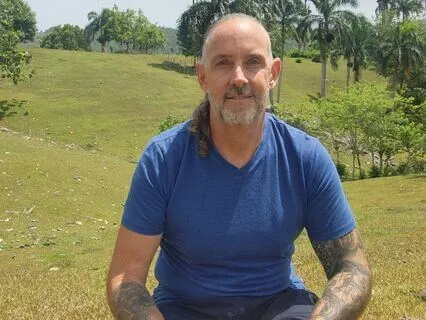
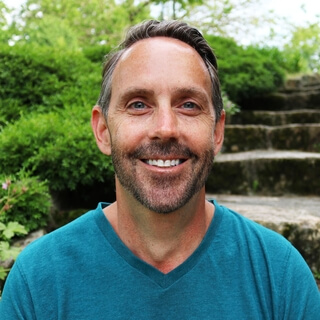
Welcome to Life,
Lessons,
And Laughter with your host,
Glenn Ambrose.
Hello everybody,
Welcome,
Welcome,
Welcome,
Welcome.
Accept the fact that you are listening to this podcast.
Lesson number one.
So yeah,
Today we're talking about acceptance.
So and I'm going to tell you what sparked this,
Because I like to do that.
So I posted this quote from Rumi,
It says,
Be like a river in generosity,
And like the ocean and acceptance.
Good stuff.
Like the ocean and acceptance,
Right?
We're talking about acceptance,
So I'm focusing on that part.
The ocean is vast,
And this is what our acceptance needs to be,
Right?
Tole says that there's three ways of doing things.
One,
With enthusiasm.
Those are the things that we get excited about that we want to do.
The second is through acceptance.
Those are the things that we don't necessarily want to do them,
But we have to accept that they're part of life and perhaps the payoff is worth us doing it.
Kind of like some people going to work.
If you don't like your job,
Then sometimes,
You know,
You have to accept that you have to go because it's a good choice,
Because you get money and you can have a roof over your head and clothes and food to eat.
So,
You know,
This,
I mean,
Of course,
With that,
Hopefully,
You can try to find a way and if you don't like your job,
You can find a way to do what you like in the future as a job,
Right?
But the point is acceptance.
And or just don't do it,
So it's through enthusiasm,
The things that we like through acceptance,
The things that we don't like or don't do it,
All else causes suffering.
Right,
Which that that's kind of the point.
It's if we are doing things or if we're living life,
If we're walking through life and non-acceptance and we are suffering because we are resisting reality,
We're not,
Which is basically the definition of suffering,
Right?
Suffering is resistance to what is.
So things just are.
I mean,
Think about what you know,
What else would you have trouble accepting?
Right.
Except something that has happened.
Right,
If something happened,
That's what we have to accept or if or even if it's happening in certain situations,
We have to we have to accept that,
You know,
We don't have to accept everything.
I mean,
We can stand up.
I mean,
If somebody is yelling at us,
We don't have to accept.
That it's OK for people to yell at us,
We can accept the reality that they are yelling at us,
That's just a fact resisting,
No,
They're not yelling at me,
No,
They're not yelling at me.
That's you know,
That's not going to work.
Right.
So we it's.
We can accept the fact that it's happening.
But we're going to stand up and not let it perpetuate,
We're not going to let it continue happening,
So it's I'm sorry,
I don't do well with people yelling at me,
I'm going to have to leave,
We'll talk about it later.
Something like that,
Right.
So it doesn't mean that you don't that you don't stand up and attempt to correct the situation.
That's not what acceptance means.
Acceptance does not mean that you would.
You approve of what's happening,
That's not what acceptance means,
Doesn't mean that you like it,
It just means that you're accepting the reality that it is happening or has happened.
That's just a reality.
And non acceptance is futile,
It's.
Doesn't do anything.
Right,
So so,
You know,
A friend of mine that I went to school with mentioned.
On that post that I had that roomy quote,
Why is acceptance so hard,
You know,
Why is that part so hard?
So I kind of I ended up leaving a detailed response,
Which I do sometimes.
And I was thinking,
Boy,
This is really a good podcast because I've had these conversations many times.
People struggle with acceptance all the time.
It's very similar to forgiveness in a lot of ways.
Because we think if we forgive somebody,
That means that we're we're.
In a state of approval for what that person did to us.
Which that's not what forgiveness is at all,
It's just accepting the reality that it has happened.
Like I was just saying a minute ago.
They did do it to us,
OK,
Well.
I accept the fact that they did it,
Do I need to set a boundary to make sure they don't do it again?
Possibly.
I don't want to experience that again.
And the boundary could be talking to them,
It could be not having them in your life anymore,
You know,
Depends on the situation.
But.
But forgiving them.
It's about you,
It's not about the other person.
It's about accepting the reality that it happened and basically letting go of the anger attached to that.
So acceptance is,
You know,
Acceptance and forgiveness,
Honestly,
If you look at a lot of deep quotes about these two topics,
You're going to find a lot of similarities because they just they overlap.
The dynamics of them are basically the same.
If not exactly the same,
Just,
I guess,
Depends on how which door you come in,
You know,
Which perspective you're looking at.
So acceptance is is not.
Being.
Saying I like it or approving of what happened,
It's just accepting the reality that it did.
You know,
And that's important,
This distinguishment.
Is that the right word?
Sounds weird.
Anyway,
That,
You know,
There's there's to distinguish between those two.
It's it's it's important.
It's not it's not saying we like it.
It's just saying that it happened.
And and if and accepting the fact that it did.
Without labeling it as this something wrong with the fact that it happened to this is.
How do I explain this?
This is just.
This is what deep thinking gets you,
OK,
And deep thinking gets you understanding.
On deeper levels.
Of course,
So.
This is what we need to do,
We need to think deeper.
To try to understand things,
Because quite honestly.
One of the ways that I understand things.
Deeply is I just I I think about them deeply,
You know,
So people say things very flippantly,
Not understanding what they're actually saying a lot of times.
And not only is it things that they say that come out of their mouth,
But it also has to do with the opinions that they form,
The thoughts that they have,
The the way they look at things.
They just look at things on a surface level and go,
Oh,
This means that.
And.
I feel this way,
So I'm going to say it,
You know,
And it's like,
Well,
Wait a minute.
Like,
What does that actually mean?
You know,
We live in such a meme based.
Society now that everything's little quick five second sound clips and memes and and what happens is these memes,
A lot of times there's a sliver of truth in them.
And so when somebody reads a meme and there's a sliver of truth to it,
What happens is that sliver of truth resonates inside of them as truth.
So they go,
Oh,
I like this meme.
This resonates as truth.
So then they share it and or they say it or they adopt it as a belief system and they haven't thought it through.
Like just because there's a sliver of truth doesn't mean it's totally true.
OK,
This is why we need to we need to think a little bit deeper about what we say and what we do.
You know,
I must see if I can use this example without really getting specific,
So somebody said something to me a few weeks ago or something,
And they said it like basically saying that.
Um.
Because of the life that I've lived.
Just in a general sense,
That I couldn't understand something or that my opinion doesn't really count or something like that,
But they didn't they didn't say my opinion doesn't count.
They just said,
Well,
Yeah,
You know,
You're Glenn and you've lived like this,
So you know.
So therefore,
I don't even think that they actually came out and said that my opinion doesn't matter.
Right.
They just said,
Yeah,
But.
You're this type of person,
So.
And.
And they said it so flippantly and I took offense to it and I was like,
Huh?
Like,
Well,
Because when somebody says something to me,
Generally,
I pay attention to what it means underneath.
I don't I could care less what words they choose.
I just want to know what it means.
And basically what they said meant that if you go a little deeper,
Like what does that,
You know,
What do the words mean?
The words mean that.
My opinion doesn't matter or I'm incapable of understanding or something along those lines because of.
Who I am in the life that I've lived.
That's offensive to me.
What do you mean,
I can't understand.
Like I can't understand an aspect of difficulty like you don't think I've experienced difficulty.
You know,
So this is what I mean,
We have to pay attention to what things mean a little bit closer.
Because,
You know,
They.
Oh,
Well,
That's just that's just Glenn,
You know,
How could you know?
Well,
What do you what do you mean?
What do you mean?
How could I know?
Like.
I don't have a brain,
I couldn't have researched things,
I I'm incapable of forming a rational opinion.
Well,
No,
That's not what I meant.
It's like,
Well,
That that's the meaning of what you said.
Like,
How could what you have said meant anything other than that?
Like,
What's the like?
Yes,
You said something like flippant towards the just very surfacy.
But what did that statement actually mean?
It meant that my opinion doesn't matter anything because of who I am.
Now,
If they would have thought that through and paid attention and understood what I'm trying to explain,
They probably wouldn't have said that because I don't think that that was their intention.
They weren't intending to say that,
That this is what I mean by flippant.
It's just the surface thought that.
Came flying out and then it's like,
Oh,
Well,
You know,
This is how people people it's a major problem with communication nowadays,
Because either people are saying things without thinking them through or when somebody says something,
They just assign their own meaning to it and disregard what the other person actually meant.
So it's messing with the communication skills,
But my point is to think deeper about this stuff,
And the reason I'm explaining this is because it's a big part of acceptance.
The reason that we can't accept things is because we label them as unacceptable.
How can we accept something that's unacceptable?
Right,
So like I usually do,
I'm going to give an example of an extreme situation,
Because why am I going to?
Why am I going to spend my time trying to teach this to people and use the example of me wanting this black pen to be blue?
And being in a state of nonacceptance to that,
Because most people aren't going to relate to that,
For one,
And for two,
It's not very important,
Right?
So what I like to do is use extreme examples,
Because if you can comprehend,
Not necessarily even do it,
But if you can comprehend the dynamics of how things work in an extreme example,
Then you can be like anything below that extremity,
That extreme example.
Now is you're more capable of using this technique and understand the dynamic and things that are lesser,
You know,
So an extreme situation is the acceptance of death,
Which is usually the example I use when I'm explaining this,
Because it's something that we all deal with on varying levels.
And,
You know,
Everybody experiences it,
And it's literally part of nature.
And there's so much societal resistance towards death,
Because of fear that most people have experienced that too.
So most people have experienced death of a loved one,
They've experienced their own thoughts on mortality and the fear that can arise from that.
And it's extreme.
It's not an easy situation,
The acceptance of death,
Right?
So that's what makes it a perfect example.
So and of course,
This varies in degrees,
But it doesn't change the dynamic.
OK,
So like if you have a child that dies,
That happens less in society.
It's tougher,
It's more difficult to deal with than,
Say,
Somebody that's lived a full life and dies at 100.
So the difficulty can vary,
And it can go all the way down to acceptance of what color this pen is.
So but it doesn't change the dynamics.
That's my point.
It's just the dynamics are the same,
No matter what you're talking about when it comes to acceptance.
Doesn't matter what it is.
World War anything,
Doesn't matter what it is,
It's the dynamics stay the same.
So if you're and most people don't realize that they do this,
OK,
The we label things as unacceptable,
And that's why we can't accept them.
So what I mean by that is if somebody dies,
Like I'll take I won't take the most extreme because those,
You know,
Like a child that that can be so extreme that it's just people just shut right down and can't even hear.
So like,
Let's say somebody dies in a in a car accident,
Right?
And they're middle aged or something.
Now.
The trigger word is accident.
OK,
So we we go,
Oh,
There's an accident now we are conditioned to try to blame people for things.
We no longer accept that accidents happen and it's part of nature and that we don't understand.
God's plan.
If an accident happened,
Then the accident must be somebody's fault and if it's and they must be punished and there must be blame cast at them and blah,
Blah,
Blah.
Now,
Of course,
I'm not I never condone people.
Getting away with.
Hurting other people.
So if some drunk driver goes and kills somebody in a car accident,
Yes,
I believe that they shouldn't be held accountable.
I'm a big fan of being holding people accountable for their actions.
OK,
Just to get that so people don't misinterpret what I'm saying.
We get that out of the way.
Now,
Somebody died in a car accident.
The people who deem that on an unconscious level,
Sometimes on a conscious level,
That that shouldn't have happened,
This this person should not have died.
They will never be able to accept the death of that person.
Because they're saying it shouldn't have happened.
How it like stick with me here,
Follow this deeper.
It shouldn't have happened.
What does that mean?
Because we're like our unconsciousness,
Our belief systems.
The things that we lock down into our unconscious as belief systems.
Our unconscious isn't a thinking entity per se.
That's what our brain is,
OK?
Our deep locked in belief systems.
There is no logic to them.
There is no thinking capacity that comes in and says,
Should I lock this in as a belief system or should I not?
That happened.
That's supposed to happen on a surface level where our mind is.
Once it goes deep down and locks in,
There is nothing fact checking our unconscious belief systems.
It's just there.
And as a matter of fact,
Sometimes when we pull them up and look at them at the surface and go,
Wow,
We become aware of what our belief system actually is.
We go,
That doesn't make sense.
Yeah,
It's because you probably locked it in when you were four years old,
Six years old,
Even if you locked it in later in life.
Like it's it's just especially when you're upset.
See,
We lock in belief systems usually when we're young,
But sometimes when we're older and usually in extreme situations,
When we're older,
When we're having difficulty now,
Like managing something,
Some huge event,
Often traumatic happens.
And we lock in a belief system when we're not thinking the clearest,
When we're smack dab in the middle of victim mode.
And then that gets locked in as a belief system,
And we're not even completely sure we didn't even know that we did that.
So so if we say.
This person shouldn't have died,
This accident shouldn't have happened,
Shouldn't have happened means.
You know,
Like I was saying a minute ago,
Follow this,
Just stay with me,
Shouldn't have happened.
What do you mean by it shouldn't have happened?
Well,
It's wrong that it happened.
Like the life life is supposed to go one way and then it veered off and something that wasn't supposed to happen,
Happened.
That's what we're really saying,
And we're locking that in on an unconscious level.
So what that does.
Unknowingly.
It creates this mentality that there is something wrong with the universe,
There is something wrong with life itself.
Or if you believe in a God,
There is something wrong with God.
God made a mistake in this situation.
It wasn't supposed to happen.
So there's something inherently wrong with the universe.
So how can we accept that?
How could we ever feel safe enough to accept that something that wasn't supposed to happen?
That caused us emotional suffering just happened.
What is it going to happen again tomorrow?
Is it going to happen to me?
Is it going to happen to other people I love?
I don't feel safe because things that aren't supposed to be happening are happening.
It's an inherent problem with life itself.
I'm hoping you guys can follow me with this because most people are going to say,
No,
That's not what that means.
Yes,
That is what it means.
If you follow it down,
This is how you learn to make sense of things.
Follow it down.
What does that mean?
What does that mean?
What does that mean?
What do you mean?
People don't do that.
They go,
Well,
He wasn't supposed to die.
Well,
What do you mean he wasn't supposed to die?
Well,
I mean,
He was 40,
He had a bunch of life to live.
Well,
Yeah,
But nobody is guaranteed a hundred years on this planet.
I mean,
If so,
Please show me the contract.
I haven't seen it.
Like nobody's supposed to live to a hundred.
Like that's never been reality ever on planet Earth,
We've never nobody has ever been guaranteed a certain amount of years to live.
So,
No,
People aren't supposed to live until a hundred,
And then if they don't,
Then there's something wrong that that's that's not reality.
We're not accepting reality.
The reality is,
Is that nothing on this planet Earth has a guaranteed amount of time and like accidents,
Or if that's what you want to call them,
Are built in to the model.
Of life here on planet Earth,
There have been plants,
Fish,
Land,
Animals,
Mammals,
Human beings.
Everything since the beginning of time has died randomly because of different things.
Always,
You know,
Humans went and cut down a bunch of trees for wood while those trees weren't supposed to die at that time.
Yeah,
They were.
It's part of the formula of Earth.
It doesn't mean now,
Do I think we should run around cutting down trees?
No,
Let's stay on topic.
It's it's it's not an accident or or the accents are built in,
However,
You want to look at it,
It doesn't mean that there's something wrong with the universe.
People,
There's war all around the world and has been basically consistently for 10,
000 years.
So like,
Oh,
People aren't supposed to die in war or at the hand of another,
Or is it OK in war,
But it's not OK in a car accident?
Or like it's like this is just reality,
I'm not saying that I like it any better than than you do.
I'm not saying I like it.
I'm not saying I approve of it.
I say that I'm acceptance of the reality of it.
And that doesn't make me void of of emotion or suffering or compassion.
It's just I'm not resisting reality,
That's all.
I understand.
That this is how life is.
If I go for a walk in the woods and I step on a plant the right way and it dies.
I didn't mean to do it,
It's that's I don't but I don't think the plant mother and father are coming around going,
Oh,
My God,
I this that creature stepped on our child and I can't accept this.
It's it's part of nature.
So this is what I mean,
It's just accepting that it's part of reality,
Like I said,
It doesn't mean that I approve of it doesn't mean that I like it,
It doesn't mean that I'm void of suffering because I can or I guess it depends on how you use the word suffering.
I can still and I do experience sadness when a loved one of mine dies and I've had a lot of loved ones die a lot,
Probably more than most and I still cry and I still feel sadness,
But I'm not in unacceptance.
I accept the reality that they are gone.
I don't necessarily,
You know,
And and,
You know,
That I've I've lost friends in all kinds of ways and do I think that that sometimes like,
Like,
For example,
I've done podcasts on mental health and stuff because what people label as mental health,
I've lost a lot of friends because of so like,
I might do a podcast on that I might donate to some of the charities because of that I might do other things to try to bring awareness to these subjects,
But it doesn't mean I'm in non acceptance or I think that because my friend is no longer here,
That there is inherently something wrong with the friend.
The flow of life.
It's like,
No,
This is part of what happens here.
Even when it happens like that,
It's just part of what happens here sometimes.
It's unfortunate,
It's sad,
It hurts,
But it doesn't mean that there's something wrong with the flow of life or that God made a mistake.
You know,
Those are the things that we can't accept because they're unacceptable.
It's an inherent problem.
Now,
So hopefully that makes sense.
I'm going to those I made a couple points in that post.
So I'm going to take a quick,
Quick glance at that.
Let's see.
So I think there might have been one other way I wanted to come at this.
Well,
Yeah,
One thing is,
You know,
Like we are conditioned by society that we're supposed to be upset when things happen that we don't like and we don't have to be upset.
And as a matter of fact,
That like,
Usually we're initially upset and then we can work through it.
If we're living in a healthy way.
You know,
The initial upset of things,
That's just part of life,
Too.
We're not supposed to necessarily avoid getting upset.
But as we do more and more work on us,
Ourselves,
We get upset less and less.
Like my car didn't start yesterday for no apparent reason.
Now,
In the past,
That would have upset me.
Yesterday,
I was grounded.
I was like,
OK,
This just is.
Don't resist it.
Getting upset isn't going to fix my car magically.
It's not going to help me think clearer.
It's not going to better the situation.
So why do I want to spend my energy getting upset?
It just is.
I'll do what I need to do to try to right the situation so I can drive it again.
But I don't need to get upset.
Right.
And we're conditioned by society that like,
Oh,
You're not outraged by this.
You're not outraged.
There's something wrong with you if you're not outraged.
Why?
Like,
Why do I why do I need to spend all that negative energy getting outraged?
I can't just sit there and go,
I wish that,
You know,
Like if I was in charge,
I don't think I would have that happening.
Or saying I don't like the fact that that's happening.
Or I would like to stand up for the side that that.
Says we should do something more loving than this negative thing happening.
But I,
I don't need to be outraged to do that.
I don't need to be mad at them to stand up for what's right here.
In fact,
It makes it's just,
You know,
This is what MLK Jr.
Was talking about when he said hate does not drive out hate.
Only love can do that.
This is what he was talking about.
This is why his movement looked the way that it did.
This is why Gandhi's movement looked the way that it did.
This is why Nelson Mandela's movement looked the way that it did.
Is because they understood these dynamics.
Getting angry and hating the other side does not.
It doesn't make you right.
It doesn't make you righteous,
Righteous.
It just makes you filled with hate.
And then when you go fight against them,
Whether you're arguing with them or whether you're protesting against them or whatever you're doing against them,
It's negative energy that you're flying out,
Lashing out at them.
I'm standing for love.
No,
That's not loving.
And you're not thinking clearly.
You're just pouring more hate onto a pile of hate.
So like through acceptance,
We can accept the reality that this is happening and we can stand in love and we can think clearly.
And we can stand up for what we want in a love energy,
Which is the most powerful energy in the universe.
So like,
Why don't we stand in that?
Like MLK did,
Like Gandhi did.
Like,
How do you think one man changed,
Like drove Great Britain out of India?
Are you kidding me?
Do you know how large of a feat that is?
And basically it was at the guidance of one man.
It's because he stood in love.
He wasn't all filled up in anger,
Yelling at the other side the whole time.
He was going,
No,
We're not doing this.
We're just not doing this.
You know,
But he didn't resist.
Okay.
This might be a good way to explain it.
See,
Because non-resistance doesn't mean non-acceptance.
Okay.
This is another way to come at this.
So Gandhi fully accepted that Great Britain was doing what they were doing.
He accepted the reality that they were doing.
That's how his anger came down.
So he could actually think and figure out how to do things properly because he wasn't caught up in the anger going,
They shouldn't be doing this.
They can't do this.
This shouldn't be happening.
This shouldn't be happening.
It is happening.
It is happening.
So let's stop freaking out that it shouldn't be happening,
Accept that it is happening and then figure out what we should do to stop it from happening.
See,
This is how we can think clearly.
And people merge all those into one.
No,
Gandhi was non-acceptance.
He wouldn't accept the way he was being treated.
Yeah,
I understand what you're saying,
But you need to think deeper if you want to understand the dynamics of how things work.
That's one use of a word.
And when you apply it like that to most situations,
It doesn't work.
So you need to go a little deeper.
Like,
No,
He actually did accept that they were doing it.
He just didn't want it to continue.
That's fine.
Like you can have acceptance.
Like I said this in the beginning,
Just because you accept the reality that something is happening doesn't mean that you approve of it,
You like it,
Or you want more of it for the future.
That's not what acceptance means.
So Gandhi did accept what Ray Brenton was doing.
He accepted the reality that this was what was transpiring.
Okay,
This is what they're doing.
Okay,
What's the best way to stop this from happening in the future?
We can't stop it in the past.
We don't have a time machine.
So what's the best way to stop this in the future?
Non-compliance.
Okay,
Because that's love energy.
That's self-love energy.
It's not about them.
See,
This is what true acceptance gets.
It gets us out of the victim mentality.
It gets us out of,
You're doing this to me and you have to stop and please stop oppressing me because you're the oppressor.
When has that ever worked?
When people are being oppressed,
When has it ever worked that the people that were being oppressed looked up at the people oppressing them and said,
Hey,
Stop doing that.
I don't like this.
And then the oppressors went,
Oh,
Oh,
Okay.
We didn't realize you didn't like it.
We'll stop oppressing you now.
That's never worked,
Nor will it ever,
Right?
So he accepted the reality that it was happening and he was trying to figure out a way to have it not continue happening in the future.
So it's like,
Okay,
This is happening.
If we stand in self-love,
Love of country,
Love of ourselves,
And we just say,
No,
I'm not going to allow this to continue.
I'm not going to allow you to do this to me.
I'm not going to comply.
I'm not going to do what you say to do.
I'm not going to do what you're saying to do.
Not you have to stop doing it.
See,
You have to stop doing it is pointing the finger outward.
We have no control over what people do and what people don't do.
What we do have control over is what we do.
So if we focus on ourselves,
And we can only do this through clarity and through acceptance usually,
Is we go,
Okay,
I'm not participating in this.
Me,
That's self-love.
You have to stop.
That's frustration.
That doesn't work.
The reason it doesn't work is because it's negative energy.
It's going,
You're bad.
So you have an oppressor that is filled with negative energy.
That's why they're oppressing others,
Right?
And then you throw negative energy back at them and go,
You're bad for oppressing.
You're bad for oppressing.
So you have just a bigger ball of negative energy because you're bad is negative energy and oppression is negative energy.
So now you just have a big ball of negative energy.
But if you have oppression,
Which is negative energy coming down,
And then you go,
No,
I'm not accepting that.
Me,
Out of self-love,
I just won't be treated like that.
That's love energy.
That's self-love.
That's love energy.
So then you bring love energy into a ball of hate and the hate just diminishes.
It's just like light and dark.
You can't bring darkness into a room,
But you can bring light into a dark room.
It's because light is more powerful.
Life is actually a thing.
Light is actually a thing.
Darkness is not actually a thing.
Darkness is just absence of light.
That's why you can bring light into it because light has a quality.
It's a thing.
Darkness is just absence of a thing.
So it's the same with love and hate.
So hate isn't actually a thing.
It's just absence of love.
So when we bring love into it,
Now all of a sudden there's love.
And then the love energy wins.
We have to start understanding to bring love into situations instead of more hate.
But anyway,
Yeah,
I didn't know I was gonna go in that direction.
But it's all part of acceptance.
And I think when I was talking about Gandhi accepting,
I'm hoping that that was a good example of where the confusion can come in with what people think is acceptance.
Because most people would say,
And heck,
I might even say if I didn't think it through,
Yeah,
Gandhi was not accepting of the way they were being treated.
And it's like,
Well,
No,
Wait,
If you look at the dynamics of what he did,
How he handled the situation and the energy in which he handled it,
Then actually that's not true.
Gandhi was an acceptance of what was happening.
He was not,
He just didn't approve of it.
And he stood up for something else,
Which is highly effective.
We should do more of that in our social situations because it works.
But,
And in our personal situations in certain times,
We can stand up for something out of self-love.
You know,
We can look at something in our life,
Like we can lose a friend in a drunk driving car accident,
Fully accept that this person is gone and there's not necessarily something wrong with the universe with the fact that this person is no longer here and still go out and stand up for drunk driving laws.
You know,
I think they're pretty tight at this point.
But whatever,
I don't even know what they are right now,
But because I don't drink.
So,
So like you can stand,
You can still stand up for change,
Even when you,
But if you do it from a place of acceptance of reality,
It's much more powerful because then it's out of love or it can be out of love.
You still have to watch your energy because you can still be angry and come throw anger at it.
And that doesn't change anything.
So,
So acceptance is extremely important and we have to understand it deeply.
So let me see if there was anything else I want to touch on before I go.
Well,
I'm just going to say this,
This actually might be a separate podcast.
Because it's been coming up a lot lately and this is just another version of it.
It's where we're not taught to change our perspectives on things,
Which I think we really need to learn how to do that.
We have a perspective on something that is unhealthy,
That basically,
If there is anything in your life that you feel like you're a victim of,
Then the way you're looking at it is wrong.
It's unhealthy.
And I'm not saying that nobody is ever a victim of anything.
I'm just saying we live in a huge victim mentality.
And now everybody's heard the term victim mentality.
So now every time you say victim mentality,
Everybody shuts their brain down and goes,
Oh,
No,
No,
Not me,
Not me,
Not me.
Or they figured out a way to tell themselves a story to defend themselves and their right to be a victim.
So just lay down your arms here for a moment and just understand that we have to pay attention to the way we're processing things in life.
Because if we have these little pockets of victimhood or these little pockets of non-acceptance,
Non-forgiveness,
We have these pockets and we're carrying them around and they're eating us from the inside out.
It's like it's poison inside of us because we're the ones carrying it around.
We're the ones carrying the non-acceptance,
Which is resistance,
Which is suffering.
We are the ones that are carrying around the anger towards people because we won't forgive.
That's poison.
That's like drinking poison,
Expecting the other person to die.
It's only killing us.
So when we're walking around carrying these things,
It's because of the way we look at things,
The way we process information as it's coming in.
So let's say you're going through cancer or something,
Something where most people like,
Oh my God,
Yes,
You are a victim of this situation or somebody was sexually abused or something.
It's like if you went through that,
You may have been a victim of the situation or the person in that moment.
But as soon as it's passed,
You no longer are.
Now you're living in existence of survivor,
Right?
So think about it.
Like if something traumatic happened to you 20 years ago and for the last 20 years,
You keep walking through life with your perspective going,
Oh my God,
That happened to me.
That happened to me.
This is so bad that that happened to me.
Whatever the trauma was,
It's robbing you of your present and your future.
And it's through your own thinking,
Through your own mind,
Because it's not happening anymore.
This is how non-acceptance can hurt us.
But as soon as you go,
Okay,
That did happen.
It's over now.
It happened.
Now what?
Well,
I'm still alive.
I'm still here.
So how can I live my best life?
How can I heal this trauma?
How can I experience happiness again?
How can I ever feel safe again?
Those are empowering questions because now you're looking for ways to be able to feel safe again.
You're looking for ways to heal what happened.
You're looking for ways to once again experience happiness.
So you'll probably find it.
But if you're just stuck in the victim mentality and you're just reliving thing that happened over and over and over,
It's just gonna dictate your present and your future.
That's horrible.
And it doesn't excuse the situation.
This is why,
Like when I say,
Accountability has its place.
I'm not saying that people's traumas,
I approve of people experiencing traumas.
That's not what I'm saying.
And people get so defensive when I talk about this stuff and they shut their brain down so they can't hear what I'm saying.
I'm not saying that it was a good thing that it happened or that it should have happened or that it should happen again or that the person that was the perpetrator should not be held accountable.
I'm not saying any of that.
I'm just saying,
If we want to live a decent life,
We have that ability,
But we can't stay stuck in the past and non-acceptance or refusal to move forward.
This is how that victim mentality holds us back and causes intense suffering and pain.
We have the ability to work through those things.
We have the ability to become survivors.
We've all seen it.
We've all seen people that have experienced horrendous atrocities,
Horrendous atrocities.
And every once in a while,
There's somebody that experienced something insanely intense and they come out of it,
Right?
And they do good and they stand up and they speak.
And it's so beautiful and touching and everybody looks up to them and is moved by them.
Is it because they're talking like they're still a victim of what happened?
No,
They're not.
They're talking like a survivor that they made it through.
That's what we need to do.
If somebody took a moment of your life from you because you were their victim,
Don't let them take the rest of your life.
Don't give them that.
They don't deserve it.
They're a piece of crap and they don't deserve the rest of your life.
You take the rest of your life.
So accept,
Process this information so we're not victims.
We're not carrying this stuff around.
Find a healthy way to shift these things that you're carrying around because that's all it is.
It's just our perspectives.
It's just the way we're looking at something.
Like nothing that I said was a lie today.
It's just a different way of looking at it.
That's all.
So find a way to look at things,
To process things where you're not the victim and then you won't carry it around.
That's how we drop into acceptance.
Okay,
It happened.
I accept that.
I'm not resisting it.
I'm not pretending there's something wrong with the universe.
It happened.
Now it's over.
Okay,
Now what?
And sometimes the acceptance takes a while especially with the big things.
You know,
It's not necessarily snap your fingers and it's done.
You might have to work on acceptance for a while.
So all right,
That's going to do it peeps.
Thank you.
Thank you for watching.
Thank you for listening.
And I will talk with you soon.
Peace.