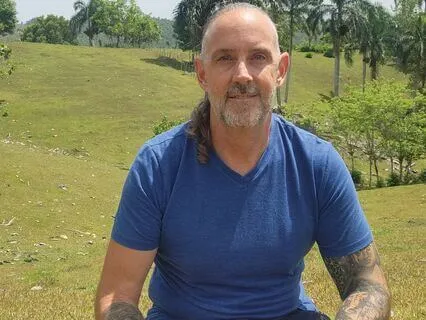
Welcome to Life Lessons and Laughter with your host,
Glenn Ambrose.
Hello,
Welcome,
Welcome,
Welcome to Life Lessons and Laughter,
Your locale for hopefully insightful topics and discussions.
How's that?
So today I'm going to talk about pride.
A friend of mine reached out and brought up this subject and a couple different dynamics or perspectives on the subject.
So I've got my wheels turning this morning and I needed to do a podcast so why not?
You know,
This podcast or I should say this topic can be controversial,
It can be triggering,
It can be,
You know,
Can have those types of responses within people.
So,
You know,
So be it.
I'm not going to shy away from talking about things because of that.
So,
You know,
I guess like with really most of my topics,
What I ask is that you open your mind and you try to see things in a different way if they're being phrased in a different way.
Try to understand what I'm saying as opposed to defend whatever your existing belief is.
Not to necessarily agree with what I'm saying,
That's not why.
It's just to understand it,
To broaden your mind,
To understand people better.
In this case,
Me and quite possibly many other people.
You know,
That maybe I need to do a whole podcast on that.
You know,
That's why we listen to understand.
It's not to change our minds,
It's so we can understand our reality better.
You know,
I see people posting all the time that,
You know,
I've decided this is wrong and I will never understand the other side.
It's like,
Okay,
Well then you are destined to live a life in ignorance then,
At least around that topic.
Because there's reasons why other people think other ways,
We don't have to agree with them,
But it's really helpful if we understand them.
Because then we can have compassion and we can be like,
Okay,
Well,
I don't agree with you,
But I understand the way you think like that.
And then we can connect as human beings and this is what we need to do.
So,
Leading into pride,
It's the problem with pride is that,
All right,
How do I start with this?
So,
I think everybody can agree that,
Or most people,
Not everyone,
Most people can agree that pride can be damaging.
You know,
Having too much pride,
Having an egoic pride,
Taking pride too far,
Thinking you're better than other people because of your pride,
You know,
Things like that.
Looking at it as one of the seven deadly sins,
You know,
That type of outlook on pride,
Most people are going to see it as an extension of our ego and having detrimental consequences.
So,
I don't think that there's a heck of a lot to talk about there,
Right?
So,
More of the meat that I think needs to be evaluated,
It lies in the seemingly healthy pride,
You know,
Accomplishing something and feeling that good feeling within you.
This is,
I think,
Where the confusion comes in.
So,
You know,
Yeah,
I think I'm going to start with this because I think the rest of it kind of ties in together a little bit more.
When we accomplish things,
When we're in really good spiritual space,
I don't believe that we feel pride,
Okay?
I think maybe the simplest way to say this is I think we need to use another word,
Fulfillment,
Joy,
Things like that.
We can feel those types of pleasurable things,
But I think if it's in a healthy way,
We don't really feel pride.
And like Michael Bernard Beckwith talked about this in his movie,
Spiritual Liberation,
And,
You know,
He talks about we see it play out in sports where,
You know,
Somebody scores a touchdown or,
You know,
Makes a three-point shot or whatever,
And they pop out their chest and they're like,
Yeah,
I did that,
You know,
And that is as soon as we think it's us,
Then we've lost perspective because it's not us.
Sure,
We did our part,
We practiced,
We took the action steps,
And we did all that,
But it's an expression of the infinite.
It's an expression of our source.
It's an expression of our potential,
You know,
And if this kind of plays into the non-attachment to an outcome,
Spiritual law,
You know,
I can't count how many times people have come to me and said that they accomplished something,
But they're not happy,
You know.
Now,
I'm sure they felt what most of us feel or perhaps all of us feel when we accomplish something.
There is a certain level of joy that comes with it,
Like,
Yeah,
I did that,
Or yes,
That happened through me,
Or however you want to phrase it.
So,
We do feel something pleasurable,
But it's not lasting,
It's not,
It's fleeting,
And we find out that it's actually empty.
So,
What is that?
Well,
That means it's egoic.
If it's fleeting and it doesn't really serve you,
Then it's egoic,
Right?
Like,
I remember one time I was exploring this,
You know,
Many years ago I ended up with a new car,
You know,
My son was young and needed a new car,
And I had this new car,
And that new car,
I was,
I felt pleasure and joy and gratitude for that car the entire time I had it,
Which was probably about six years.
And I remember driving,
You know,
Right,
That car right before I traded it in,
And I was like,
Wow,
You know,
Like,
I remember driving in it going,
This car has served me so well,
It's serving me so well right now,
I'm so grateful for it.
And my point is,
Is that my joy for that car and my gratitude for it didn't diminish over the entire time I had it,
Like six years.
Pride doesn't do that.
Pride is based on an accomplishment,
And it gives you this ego boost,
And then it goes,
And then to experience pride again,
You have to go do something else,
And then you have to go do something else,
And then you have to go do something else,
Right?
So this is,
It's never enough,
You know,
And you usually have to do something even more,
You know,
Because you already did that,
You can't do that again,
So you do need to do something more.
And it's this carrot,
It's never enough,
You're never enough,
Because you just get this moment of fleeting pleasure,
And then you have to go do it again.
So and there's nothing wrong with being driven,
It's just,
That's not what I'm talking about.
Like we can,
We are naturally driven,
We don't need anything to drive us.
Expressing who we are,
We derive joy from that just in the action of doing it.
Like,
And when we accomplish things along the way,
We're like,
Wow,
Like,
That's amazing,
That's wonderful.
But it's not a stroke,
An ego stroke,
It's not that we're wonderful,
It's wonderful that that transpired through us.
And that is long lasting.
You know,
It's kind of like many,
Many years ago,
Somebody asked me,
They said,
You seem to love yourself.
So why do you love yourself?
And I thought about it.
And it was a good question,
You know,
And I was like,
Well,
I,
I think that one of the reasons,
So I picked one of the reasons why I loved myself.
And one of the reasons why I loved myself was because I told the truth,
I was an honest type person.
So but the way I explain it is where the key is,
I think.
And it's like,
Usually we stop there,
Right?
So let's go deeper.
So I'm,
If I tell the truth in a situation where it would be more difficult to lie,
Do I feel pride in that moment?
Generally,
No,
I'm not sitting there going way to go,
Glenn,
You could have lied there.
And you told the truth,
Even though it was hard.
You're a good person.
Way to go.
Nicely done,
Sir.
Let's celebrate.
Like,
No,
It's not like that at all.
So how does it feed myself love?
Well,
Because I like honesty,
I value the trait of honesty.
So one of the reasons that I love myself is because in an ongoing way,
I am one who tells the truth,
Even when it's easier to lie.
And that is an alignment with honesty,
Which is a trait that I value.
So I am one who does this ongoingly,
To the best of my ability.
It's never like,
Oh,
I did that.
So therefore,
I can I can feel a sense of pride.
I'm not proud of myself because I don't lie.
I just think you shouldn't lie.
Like,
That's all it.
I don't.
Oh,
I didn't lie.
So therefore,
What?
Like,
Therefore,
I'm a good person,
Because I didn't lie in a particular situation.
Being a good person is an ongoing thing where we just continually strive to be a good person in different ways.
It's not an isolated incident.
Being a good person is not an isolated incident.
And I think that that's what pride does,
Is it minimizes things to incidents for two moments,
Because it's not ongoing.
So I think maybe the other word is loving ourselves instead of pride.
I love myself because I follow through with projects.
And I think that that's a valuable trait.
Okay,
That's cool.
We can love ourselves.
We can have good self-esteem.
But pride?
I don't think so.
You know,
So the other way I want to come at this is is like pride.
If we have pride in something.
If something external,
You know,
An accomplishment or pride,
I guess maybe the key is that pride comes from the temporal.
It doesn't come from the eternal.
So therefore,
It's subject to egoic laws,
Right?
Like in this world,
Everything has duality.
There's good and bad.
It's where we live in a world of duality.
That's the reality of planet Earth.
So if we have duality and something is good,
Something is good because you did it or you have it or you are it,
Then the opposite must be true.
If you buy into that,
Then the opposite must be true.
Then there must be something that somebody that hasn't accomplished it or doesn't have it or isn't it must be bad.
If you're good because of something temporary,
Then somebody who is not that must be bad because they don't have it or negative in some sort of way,
Less than,
Right?
And that's what creates the separation.
And as soon as the separation,
Then we understand that it's ego driven.
You know,
So this is why there is,
You know,
We'll just lean into racism to some degree here.
You know,
Racism,
Sexism,
Ageism,
Anything,
Any prejudice because of the way somebody is or the color of their skin or their sexual preferences or the sex that they are or the age that they are.
If you have one side that's saying,
Oh,
I'm proud because I'm this.
Well,
Why?
Like what?
There isn't like being a white person doesn't make you a good person.
Being a black person doesn't make you a good person.
Being a brown or yellow or red or any other color on the spectrum,
Being any type of nationality does not make you a good person.
Being a particular sex doesn't make you a good person.
Being a particular age doesn't make you a good person.
So what are you proud about?
Well,
It's who I am.
No,
It's not who you are.
Like,
I mean,
If you if you know,
If you're still thinking that who you are is your egoic makeup,
Your mind made self,
That's who you truly are.
And that's the most important thing.
Then you can just turn off this podcast now because none of this is going to make sense.
I mean,
Unless you want to learn.
If you want to see things in a different way,
If you want to find deep peace within,
If you want to be away from controversy and live in peace and contentment,
Then fine.
You know,
But I mean,
Look,
Think about think about like I was thinking about this earlier.
And it's because I don't consider myself.
Prejudice in any way.
Right.
So like there are times and I live in the Dominican Republic,
So there are times when I'm sitting there with somebody from somebody that's I'm white,
Somebody that's black,
Somebody that is,
You know,
From a local from the Dominican Republic,
Somebody from Germany,
France,
Like there's a lot of people that travel around here.
So I'm sitting when I'm sitting in a group of people in any scenario and I'm interacting with multiple people of different races and nationalities and sexes and ages.
And when we're interacting with each other and having a conversation about something and we're connecting with each other and everything goes smoothly.
I'm not saying that we all agree.
I'm just saying that we all respect one another and the conversation goes well.
That is an example of a good thing.
Right.
Mutual respect.
You know,
That that's a good thing.
That's what we want.
Right.
Okay.
So let's evaluate.
Why that's happening,
Like what's transpiring,
Are we during that helpful conversation?
Are we talking about our differences?
Like in that they make us who we are or better?
No,
We're not.
As soon as that were to come up,
It would probably take the conversation.
If I said,
You know what?
This is a great conversation and I value all your opinions,
But you guys have to understand I'm a white male.
So you really should listen to me because I know more than everybody.
How do you think that would go?
Do you think that conversation would continue to be pleasant and productive?
No,
It wouldn't.
And it wouldn't if anybody else said,
Well,
I'm a particular color or I'm a particular nationality.
So therefore,
I'm better than you.
No,
That's not mutual respect.
That's highlighting the differences.
And there's no connection.
How could there be?
We're different.
How can we connect on our differences?
We can respect our differences,
But we can't connect through them.
We can't be like,
I'm like you because we're different.
That's literally the opposite of connection.
Right.
So connection happens when we focus on the similarities.
And we respect one another.
Similarities that we're just,
We're all human beings.
So therefore,
We all have the ability to think.
And we all have different perspectives.
And we all have our own opinions.
And we can share those with one another,
Expanding our minds.
But the,
So the differences are cool when you bring them in,
Like to broaden ourselves,
You know,
To expand.
It's like I said at the beginning of this podcast,
Like,
You know,
If you open your mind to hear different things,
Well,
If then somebody that grew up in a different area,
Because they grew up in a different area can give me insight into something that I didn't have insight because I never experienced that.
So that difference is valuable,
And it's helpful,
But it doesn't make them a better person.
So what do they have to be prideful for?
You know,
Like,
You know,
I don't know if this is going to work,
But I want to come up with an example for that.
So like,
I was an alcoholic for 20 years.
So during that journey,
I experienced things that other people didn't experience that aren't alcoholics,
Right.
So I have a deeper understanding about that journey.
So I can share those and hopefully help other people.
But that doesn't make me a better person.
I'm not proud of it.
I'm not like,
Yeah,
You know,
I was an alcoholic for 20 years.
So therefore,
And you weren't so look at me,
Or I got sober.
Look at me,
I got sober.
I'm proud.
So what I'm I'm proud that I got sober.
No,
I'm thankful that I got sober.
I'm grateful that I got sober.
But I'm not proud of it.
You know,
I remember when I first got so sober,
I,
You know,
Blew open spiritually.
So I was really just this open spiritual being floating around.
And people used to congratulate me all the time,
You know,
People that that knew me,
In my previous life,
You know,
Glenn,
We're so proud of you.
You know,
Wow,
You really did that.
And,
And,
You know,
I mean,
I most of the time I took it in the spirit,
It was said,
You know,
I understand that I understood what they meant that they were happy for me.
And that that's cool.
And I appreciate that,
You know,
But the pride thing,
Like every once in a while,
I would,
You know,
Maybe the energy in which it was said,
Or maybe if somebody kept saying it or something,
I'd be like,
You know,
Thank you,
I understand what you're saying.
But like,
I didn't really do it.
Like,
I didn't really get sober.
Like,
You know,
It wasn't.
That's kind of the point.
Like I surrendered,
Because I couldn't get sober.
Of my own doing,
I wasn't capable of getting sober.
So I surrendered to a power greater than myself.
And the grace of God came through me and reorganized me internally through a series of spiritual awakenings,
To where I saw things differently,
I understood things differently.
And I interacted with life differently.
And the things that drove me were different.
So like,
I didn't do that.
You know,
Did I show up and give it my best effort day after day,
Going through the steps?
Yeah.
Was it easy?
No.
But so did I do my part?
Yeah,
I did.
But I didn't actually do it.
Like I don't I can't claim responsibility for something that I don't really feel I did.
And everything is like that to me.
And I love it.
Because it keeps me humble.
Like,
It's just doing these podcasts and working with clients.
I don't,
You know,
This has been coming up a lot lately,
I don't think I'm doing it.
Like,
I don't think that I'm the keeper of this knowledge,
Or I have something that anybody else doesn't have,
Or like,
I,
Like,
I just,
I get out of my,
My own way.
Well,
I get out,
You know,
Like,
When I try to control the conversation,
It doesn't go well.
That's why,
You know,
Like,
You guys that listen to this,
The people who like listening to me understand that I'm going to ramble sometimes,
It's because the I hop on to the flow of information through talking.
So it's,
That's how I hop on and ride it.
But that flow of information isn't coming from me,
It's coming from something much smarter than I,
This is how I come up with things that resonate with my clients regularly.
And I've never phrased them that way before.
And they're like,
Oh,
My God,
I can't believe you said it that way.
Or,
You know,
It reminds them of something from their childhood.
I don't know this stuff.
Like,
How could I possibly have chosen a particular way of phrasing something that reminded them of their childhood that I was completely unaware of,
You know,
And it happens all the time.
So it's,
I'm not guiding this stuff.
So I'm not doing it.
And understanding that I'm not doing it,
That I'm just a channel for it to flow through.
Very early on,
That was very comforting to me,
Because now I don't feel the pressure.
I don't feel stress.
Because I'm not doing it.
So what is there to stress out about,
I just need to relax and stay open.
That's the only thing that I do.
Because if I don't,
If I could start constricting through stress and trying to control what I'm saying and thinking too much,
Then the information doesn't flow because I'm constricting.
You know,
You guys have seen it in my podcast.
Like,
Even today,
I guarantee you,
If you pay attention to me right at the end of this podcast,
You're going to see my brain disconnect from the flow of information and go into thinking mode.
And the reason it does that is because when I'm done this,
I have to hit the end recording button.
And I can't do that if I'm in the flow of information.
So I have to disconnect my brain,
Go over,
Find the mouse,
Click the end recording button,
Probably click play outro,
And then it ends.
But I have to disengage my brain from the flow of information first to get back into my thinking mind so I can remember what I need to do.
So to me,
It's not me.
And I love that.
Like I said,
It's because I don't have the pressure,
The humility stays.
I don't have to worry about my ego becoming egoic.
Now,
I'm not saying that I never drop into ego during these podcasts.
I do.
And I know that I do.
And I try to minimize that,
But I'm not perfect.
But the information itself is coming from something smarter than me,
You know,
Divine intelligence.
So that's why I don't take pride in it.
I'm not like,
Wow,
I do a podcast for 10 years.
I'm so proud of myself.
Why?
Because I sat in front of a computer and talked about stuff that is interesting to me and that I've gotten insights on.
So it doesn't make me better than anybody,
You know.
So this is,
I think this is what we have to start paying attention to.
I know that we don't mean it harmfully in a lot of situations.
You know,
I think we saw this,
I think we saw this play out in the Black Lives Matter.
You know,
Several years back when all the,
When that came up,
I was like,
At first I was like,
Okay,
Cool.
Let's put some attention to the solution instead of the problem,
Right?
The problem being racism.
And if we put our attention on racism,
It just expands racism because that's what energy is.
So I was like,
Oh,
Let's put our energy towards the solution.
So like Black Lives Matter.
Yes,
They do.
That's a wonderful place to put my attention.
So I started leaning into that and I saw all this controversy popping up about,
You know,
White people get,
And probably other races getting upset because they felt that Black Lives Matter implied that other lives didn't matter.
Right?
So this is exactly what's wrong with,
With pride.
If we say I'm proud to be white or I'm proud to be black,
The people that aren't white or aren't black get triggered because it sounds like what they,
They think that that implies if you're not that,
Then you're not good.
And this is where all the controversy now,
You know,
I looked into it back then and so I could understand it better.
I looked at it from the black community and what they were saying was,
No,
No,
No,
No.
We're not saying that your lives don't matter because you're not black.
We're just saying our law,
We want to put attention to the fact right now that our lives matter also because in society,
There is evidence that our lives aren't being treated fairly,
That our lives don't matter and we want our lives to matter.
So we're trying to put energy towards saying our lives do matter.
Not that they,
That yours don't,
Just that ours do.
Right.
And like,
I understood that and I didn't have any problem with it at the time,
But I'm using it as an example of this is why the way we go about pride is inherently controversial.
And I don't think that it,
In my opinion,
It can't solve racism or sexism or ageism.
It can't because it's not an,
It's not an inclusive mentality.
It's not an us mentality.
Like the only way we ever get rid of racism and sexism and ageism is if we all understand that we are all equal and we are all one.
And,
You know,
My race is the human race,
That mentality.
It's,
We're just a bunch of people doing the best we can.
That's where racism ends.
Racism never ends by going,
I'm proud to be different.
Why?
Like,
Who cares?
If you want to be treated equally,
Then having pride and being different is counterintuitive.
Like,
Why?
Why is being different?
So the definition of pride,
I'm sorry,
It's egoic.
And I understand that a lot of you don't mean it that way.
I understand that,
You know,
It's not intended,
But the road to hell is paved with good intentions.
And if we're looking at,
If we're going deep and really trying to understand this topic,
We have to understand that as long as we are highlighting our differences,
It is the opposite of inclusion.
We have to highlight how we're similar,
How we're the same,
Come together in that premise,
And then share our differences once we're on the same level.
Like,
That's what I see when I have communications with people.
That's why they go so well,
Is when I'm talking,
If I'm talking to,
You know,
Somebody,
Like I was saying before,
If I'm talking with,
You know,
Six different people of different nationalities,
Colors,
Races,
Creeds,
Whatever you want to call it,
And I'm just interacting with them respectfully as if they have a mind that can think,
And they are worthy of respect,
All of them,
Not because of their color,
Not because of any,
Their culture,
Not because,
Just because they're human beings.
And I can respect them because they're human beings,
And therefore we're all on the same equal level,
And we're interacting like we're all equal.
Then we can bring in our diverse perspectives and celebrate those,
Because we respect one another as equals first.
That needs to be the foundation.
It seems to me that we're running around in society celebrating our differences when we're looking to be equal.
Why?
I don't understand how that gets us to where we want to go.
If we want to be done with racism,
Then let's stop pretending that race is an issue.
It's not.
It doesn't matter.
It doesn't matter what race you are.
It doesn't make you think better.
It doesn't make you more capable.
It doesn't make you better.
It doesn't make you worse.
It doesn't make you less capable.
It doesn't make you less worthy of respect.
It's literally inconsequential.
I could give two craps if I am having a conversation with somebody that's black or somebody that's white or somebody that's Dominican.
I don't care.
It's a non-issue.
That's freedom.
That's where freedom lies,
Where anything,
When it's a non-issue,
When it's not a part of the intellectual process,
It's just freedom.
That's what we need to get to.
We're not going to get there by celebrating our differences.
I'm not saying that we have to forget our culture or anything like that.
You can still partake in your culture and either partake in it or even bring it back so it's not forgotten.
Ceremonies,
Ways of living,
Songs,
Words,
All that stuff is beautiful.
We don't have to.
What I'm saying is we don't have to become like one another.
That's not what I'm saying at all,
At all,
At all,
At all.
I don't want us to become like each other.
Our differences are wonderful and it just makes our experience here on earth that much better,
But we have to have the foundation of equality first.
That's primary.
That's foundational.
And then we can celebrate it.
I'll try to give an example to make this clearer.
Let's take two people that are of the same race.
If you have two white people and they're talking and they have different belief systems,
But they respect one another and they go,
Oh,
Wow.
Okay.
So,
You know what?
I still,
After talking to you,
Thank you so much after talking to you because you really explained to me a new way of looking at things that was very different than the way that I look at things.
Now,
I'm still going to look at things the way that I look at things,
But I understand you and the people who think like you better.
And I appreciate that because now I just,
You know,
I'm walking around without this understanding and I can't have compassion or understanding if I don't understand.
So,
Now that I understand,
I can have compassion and be like,
Oh,
It's just,
They're not a bad person.
It's just another way to look at it.
Oh,
Okay.
Cool.
You know?
Now,
If two white people did that,
Then,
Or two black people or two Dominicans or two,
Anything else,
Race would be a non-issue,
Right?
Because you're the same race.
So,
It played no part.
But it seems like that we try to combat racism by bringing in race.
We try to combat people judging other people for being different by focusing on people being different.
How is that ever going to connect people?
By understanding them?
No,
Because that doesn't breed understanding.
Hopefully,
You guys are following me because the line of difference to me is kind of thin.
So,
It almost sounds like I'm saying the same thing,
But I'm not.
I'm saying something different.
So,
Hopefully,
You guys are following this.
It's the mutual respect that is the foundation.
The fact that there is no difference foundationally.
Nobody is better than the other person because of their race,
Creed,
Color,
Age,
Sex,
Sexual preference,
Or anything else.
Nobody's better than anybody else because of that.
And once we're at that level,
Then we can celebrate the differences.
Oh,
Wow.
Interesting way of looking at it.
Okay.
But we can't celebrate the differences if we think we're better than other people because we don't have that mutual level of respect.
Then they can say something that we disagree with and we can just be like,
Well,
You're a moron because you're different.
This strips us of our humanity.
We are humans first.
And before that,
We're spiritual beings having a human experience.
So,
We're eternal spiritual beings foundationally.
That's primary.
But then on a human level,
We're human beings.
And I think at this point in 2025,
It's been proven that there are intelligent,
Capable people in every race,
Creed,
Color,
On the planet that just are.
It's fact.
So,
We have to meet there as long as we're running around saying,
I'm proud.
I'm proud of what?
I don't even understand.
I mean,
I understand it.
But when I get underneath to the deep meaning of it,
I don't understand it.
I understand what people are trying to say.
But like most things,
I think we have to go underneath this.
This is why the topic of this podcast is called Pride Evaluated.
I'm trying to evaluate it to go deeper instead of this.
Oh,
Pride's good.
It's good to have pride.
Hey,
I'm proud of what I did.
What's wrong with that?
Huh?
You know,
That's cool.
Yeah.
That's surface-y,
Man.
Like,
Go deeper.
Surely there's nothing wrong with having pride.
I mean,
If you're saying that there's something wrong with having pride,
You're out of your mind.
That's ridiculous.
Like,
They're all caught up in their ego.
They're not interested in having an actual conversation.
They don't want to hear anybody else's perspective just because they've heard something their entire life and they've been conditioned by society to believe it.
And most other people in society walk around believing it and reinforcing what they say.
They think that it's true.
Like,
No,
It's not true.
You know,
I mean,
If you go back to my childhood,
Most adults I consider that I ran into considered me a bad person.
I don't think I was ever a bad person.
Did some bad things,
Lashed out.
Why?
Because I believed what they were saying.
Right?
So what society said about Glenn as a child was Glenn has a big pain in the ass.
That's what society's general outlook.
And if you asked most adults who basically,
That's who we usually go to because their brain's more developed,
Supposedly.
No,
It is.
That was the general consensus.
That was society's outlook.
If you talk to police or judges or teachers or principals or other kids' parents,
Most of them had a pretty bad outlook on me.
I mean,
I didn't even meet my girlfriend's parents for,
I don't know,
Like my first love's parents for I think a year,
Maybe two years.
I didn't even meet them.
I wasn't even allowed in their house.
I had never met them before.
Well,
Why?
Well,
It was because of my reputation.
I had a reputation as being bad.
So they didn't want their daughter dating me and they weren't going to allow me in the house.
You know,
Now eventually they overcame that,
Thankfully.
And,
You know,
I think they're wonderful people.
I'm not,
I'm not sure what their,
Once the relationship ended many,
Many years ago,
I don't know what their outlook on me was.
Maybe they're probably pretty relieved because I was an alcoholic back then,
Right?
I was doing all kinds of bad things.
Not too many to their daughter,
Thankfully,
But I wasn't a pleasant person to be around,
Battling depression and stuff.
So,
So my point is,
Is that if I were to believe about myself,
What society deemed as normal or the right way to look at Glenn,
Then I'd probably be in jail right now or dead,
You know,
But I don't believe what society said about me.
So just because society say,
And that's just a microcosm.
I mean,
You know,
It's the same in a macrocosm.
I mean,
It's like one of the biggest problems in society is our conditioning,
If not the biggest problem where we believe lies all the time that society says,
You know,
Just constantly most as soon as I start thinking like normal society,
We have a 75% unhappiness rate.
So the way society goes about life is dysfunctional.
It doesn't work.
It's been proven not to work.
So the last thing I want to do is think the way society thinks.
Society has been at war for the last 20,
000 years.
It's based on greed.
It's based on power structures.
It's not based in equality.
So like,
No,
I don't believe that stuff to be true just because most of society goes along with it.
So yeah,
So I guess it's time to wrap up.
It's,
You know,
Just pride is an egoic word,
In my opinion.
And if we have a healthy joy in accomplishing something,
But we understand that it doesn't make us a better person,
Then it also doesn't make us a worse person if we don't accomplish it.
And that's where our freedom lies.
Right?
That's what pride is.
I'm sorry.
It's thinking that because you accomplish something that you're good now.
There,
I did something.
Now I'm good.
We're deriving value from an accomplishment.
And that is never going to work because then we have to have another accomplishment to value ourselves and another accomplishment to value ourselves.
It's that carrot that keeps getting moved,
And it's just no way to live.
So personally,
We need to derive our value from the type of person we are,
The qualities that we walk around in and build our self-love and accept ourselves as we are,
Even our shadow aspects,
And love ourselves as we are the imperfect human creatures that we are just love ourselves as we are not because of something we did.
And once we love that,
Then our accomplishments are just an expression of our potential.
And that is beautiful.
And does it feel good?
Yes,
It is.
But it ain't pride.
It ain't pride.
It's an expression.
So that's personally,
And then collectively,
If it's negative microcosm,
It's negative macrocosm.
So collectively,
I think celebrating our differences before we have the foundation of respect,
We have to respect each other first as equals.
That's primary.
Then we can celebrate the fact that we're different,
But it doesn't make us good.
It's just as I am.
I have blue eyes.
So some people love blue eyes.
Some people don't.
But it doesn't mean anything as to my character or who I am as a being,
As a spiritual being,
Or as a human being.
It doesn't mean anything.
So why would I be proud of it?
Why would I be proud of something like that?
So let's work on,
If we could step away from,
I'm proud to be this,
Or I'm proud to be that,
And understand that that's just feeding our ego,
And let's just be equals and respect all people.
And their differences.
And then we can come together.
And then once we're connected there out of mutual respect,
Then maybe the fact that somebody grew up somewhere different,
Or has a different look of things because of their experiences,
Can enhance all of our perspectives.
Then we all grow from one another,
Because we're equal first.
We don't think we're better than because of.
So hopefully that helps.
All right,
Peeps.
Spring has sprung.
New life has begun.
Enjoy.
Peace.
And now you can watch my brain disconnect.
Peace.