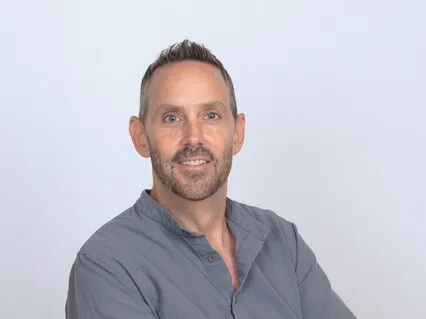
Welcome to Life,
Lessons and Laughter with your host Glenn Ambrose.
Hey everybody,
Welcome to the show.
So today we are discussing role reversal,
Kind of,
Sort of.
That can mean a lot of different things.
But in this way,
We're talking about like caring for parents when they get older.
Yeah,
Which is something that you suggested,
But has been coming up a ton in my life recently in little increments.
So I think that that's awesome.
But also,
This is our five year anniversary,
Buddy.
Five years.
Five years of this show.
That's amazing.
Yeah.
I know,
We just finished our 130th episode,
Which is,
You know,
We do every other week,
So 26 a year.
26 times five is 130 and it's February.
And as you proof.
Yes,
February 2014 is when we started doing this show.
So many things.
So many things are different.
It's amazing how easy it is to come up with new topics too.
It's crazy,
Yeah.
You wouldn't think that there would be 131 topics and still be like,
Oh hey.
And that's the thing,
We talked about,
Because we had talked about for a few months doing a five year anniversary show.
Yeah.
Like with Dave and stuff.
And that would have been fun.
He's not here right now,
Which is one easy reason.
But also,
We just have so much to actually talk about.
Yeah.
Besides just us reminiscing.
Yeah,
We can do that on our own.
And you know what's funny is,
It's the kind of interesting timing with this,
Because I just released our 100th episode on Insight Timer last Friday.
So I've had a,
Was it last Friday?
What did it say?
Tuesday.
So yeah,
I believe it was Friday,
So then I have Saturday,
Sunday,
Monday,
And today.
So we've had a few days of the comments,
Which of course,
They get the most listens right off the bat and then it tapers off.
Yeah.
So I was able to see a lot of comments.
And you know,
The people who really get a kick out of us and enjoy the banter and stuff like that loved it.
And some of what I'm thinking are newer people,
Or some of the people that just like staying on topic a little bit more,
Didn't like that one so much.
Because it was filled with the reminiscing,
Which I can understand.
I mean,
You know,
You want to get some spiritual food out of this too.
And I just realized my microphone,
I had moved it.
So I'm going to move it a little closer.
You're all right.
Well,
By the way,
Thank you,
Denise,
Glass,
Tuba,
Teresa,
Sarah,
Sarah,
Teddi,
I'm just,
Michelle.
I'm just looking at the comments now.
So thanks guys for that.
And thank you everybody that's listened to the show for five years.
Yeah.
And we just,
We did it because it just seemed like it'd be fun and it was.
So we continued doing it and then we continued doing it even more.
And now we're like part of people's lives.
And it's amazing the comments and the emails and people reaching out to be clients because they're connecting with the teaching.
So it's awesome.
So let's,
Now that we had our five-year celebration,
We'll dive into it.
So parents,
Yes,
It's a little role reversal.
And I think it's important to understand that in a society,
In the United States especially,
From what I hear,
I'm not that immersed in other cultures,
But I am in this one and there is a certain level that I think we have to mention.
And that is a certain level of not honoring our elders the way we should.
And I want to get that out of the way first because I think it's of primary importance.
I don't think we need to spend a ton of time discussing it.
We can get into the practicality of it,
But that's a foundational piece.
Just because somebody gets older doesn't mean that they're a pain in the butt.
There are older people who have just gotten bitter through life.
And maybe because of that being their perspective,
They don't have a heck of a lot of healthy advice to give.
Some of them are like that.
But there's a lot of them that have experienced so much and have a lot to offer us as individuals and as a society.
They've lived it.
They have a lot of experiences.
So I think if we can lean in the direction of honoring them for what they have to offer,
I think we'd be better off as a society.
Yeah.
So there.
I have so many things that I want to,
So many different directions I want to talk about this with.
So first,
Well,
Let's talk about this.
I am officiating a friend,
Two mutual friends' wedding in under a month.
That's so cool,
By the way.
And I was doing a pre-interview with both of them to sort of,
So I can tell their story and stuff in the ceremony.
And I got into the conversation with the groom about kids and stuff.
And he immediately jumped to the role reversal subject because he said,
For some reason,
It was like,
Yeah,
I want to have kids.
I specifically want to have two because I don't want everything to fall on one child when we're old.
And also,
I don't want to have so many kids that nobody cares because everybody wants to pass it off to.
So he was like,
I think the ideal situation is two kids.
So they both.
Now,
I am currently an only child and I know that you have one sister.
So we kind of represent both of those two factions of women there.
So we kind of have two different ways of levels of responsibility almost.
There are levels of responsibility and it really does depend on how many siblings you have.
It plays a part.
Yeah,
It plays a part.
So yeah,
That happened like two weeks ago and then some other stuff.
So I've been talking about this a lot recently.
Yeah,
So there's a certain level of responsibility,
But that's generally the wrong way to come at it.
Because whenever we look at it as it's our responsibility,
Then that means that we don't have to think about it.
We don't have to determine what's healthy and what's not healthy.
It's just we're supposed to.
We have to.
And that is something that we will develop resentments because of.
That's something we will rebel against.
It's something that will cause anxiety and stress.
So it's just not a healthy way to come at it.
It's funny because the role reversal,
Like one of the ways that you can get a good perspective is by flip flopping it.
It's role reversal.
So if you go,
Oh,
Okay,
I'm taking care of my parents.
Well,
They used to take care of me.
Yeah,
Okay.
So if it's a flip flop,
Then they're going to have similarities.
It's not going to be perfectly the same,
But they're going to have similarities.
And one of the similarities is something I learned very early on when I woke up because when my son was a baby,
I was there.
He was born.
I cared for him to the best of my ability,
But I was an anxious mess.
And then I went through a two year flip flop of holy crap,
Very dysfunctional.
He was in Rhode Island.
I was in Florida.
I flew back.
I moved.
It didn't work.
I came back.
So it was a mess for two years.
And then all of a sudden I get myself together.
I have my spiritual awakenings.
And then all of a sudden I moved back up and I'm dead.
And I had a lot of guilt for those two years or two and a half years that I wasn't there.
And one thing that I heard very early on was you cannot parent from guilt.
And I needed to learn that real quick,
You know,
Because it's true.
You can't.
Because if you parent from guilt,
You will let your kids get away with way more that you will not set boundaries with them.
And it's just,
It's a melee.
It doesn't work.
And it's the same thing with parents.
You cannot care for your parents out of guilt.
So because it's just,
There's no boundaries.
It's just anything.
And they start depending on you in a lot of ways and where they shouldn't.
So I think a lot of it is really like everything else,
Slowing down and looking at things.
What's realistic?
You do have a life too.
You can't just say,
I will torture myself in every way,
Shape and form and run myself ragged until I am destroyed.
But if they need me,
I'm there.
You can't have that mentality.
And unless you slow down and start looking at things,
What am I capable of doing?
What am I not capable of doing?
And making decisions based on that,
It's not going to work.
And that's what we need to do.
It's just like everything else in life.
It's slowing down and going,
What do I need to do?
If you're burning the candle at both ends because you're working,
Taking care of your kids and taking care of your parents,
And you're getting sick all the time because you just don't take care of yourself,
Then you're incapable of taking care of anybody.
So we have to take care of ourselves so we can care for other people.
And there's a big difference between somebody running around unconsciously like a maniac trying to do everything for everybody and somebody who's actually invested in what they're doing,
Who slowed down and said,
You know what?
I love my parents and they did a lot for me and I'm capable of doing this for them and I feel blessed that I can.
There's a big difference between somebody that's doing something in that energy and somebody who's just doing it because they think they're supposed to.
Your parents can feel that.
Energy is much stronger than action.
So just because you do something that makes you look like a good person,
It doesn't mean that your parents are feeling that.
And again,
You flip-flop it and bring it back to the children.
What's more important,
Sitting there spending eight hours with a child while you're on the computer and on your cell phone and making dinner and doing laundry and not really paying attention to them,
But sitting there for one hour and being completely present with that child and just giving all of you?
What's the child going to get more out of?
Obviously,
They're going to get more out of the present moment,
When you're actually with them and you want to be with them and they can feel that love.
It's the same thing when you're caring for your parents.
If you're doing it out of love and you want to be there and you can handle it,
Then everybody benefits out of it.
If you're just doing it to put a Band-Aid on a broken leg because you don't know what else to do,
It's not going to go well.
Yeah,
Definitely.
It's also a little bit of the oxygen mask rule.
You got to make sure that you're taking care of yourself first so that you can help other people.
If you're incapable of that for whatever reason,
Or if you're making yourself because you're stressing yourself out more,
Which means you're stressing them out more,
Which means you're frantically trying to do good and it's just doing more harm.
Yeah.
A lot of times,
One of the big things is people going into homes.
Of course,
There's good homes and there's bad homes.
It doesn't necessarily mean that you can just drop them off somewhere and not have contact with them.
It's good to still be in their lives.
But one of the things that I see people run into a lot is that the parents are incapable of caring for themselves anymore and the kids are incapable of caring for them because basically they're in a position where they need a 24-hour watch,
Where the health has declined so much that they need a 24-hour watch.
Well,
When you're in that situation,
There comes a time where you.
.
.
Oftentimes what happens is the kids get very frustrated because they're going,
Mom,
Dad,
You need to go into a home.
And the mom and dad are going,
No,
I'm not going into a home because I don't want to.
It's like,
Okay,
Well,
They're still adults.
They still have to face consequences for their actions and their choices,
Just like everybody else on this planet.
They are responsible for their own lives.
So usually what happens is even though we're helping,
They are responsible for their own lives.
So a lot of times what happens is the kids go,
I want you to go into a home.
They go,
No.
So then the kids go bend over backwards and start destroying their lives unconsciously to care for the parents.
And so like way,
Way,
Way too much that's beyond their capabilities.
And then they get frustrated and then they get resentful and then they stop blaming each other because I'm doing more than you're doing and all this stuff.
And it causes all this controversy.
And it's like,
You know,
There comes a time where,
When you might have to let your parents see that they're incapable of caring for themselves.
And by you running over doing everything for them,
They'll never see it because they don't experience the consequence of being home and going,
Oh,
Crap,
Like we ran out of food and nobody in this house is capable of making a sandwich.
If that's the situation,
You might need to go into a home.
You know,
It's just,
And it's not necessarily the worst thing.
Like when my grandmother went into a home,
Like one,
Both my grandfathers died 30 days apart.
One of my grandmothers went into a home shortly thereafter and loved it.
The other one didn't want to,
So she didn't go into a home for many years.
Finally,
It got to the point where she needed the extra care.
So she went into a home.
She loved it.
She was like,
I don't know why I've been waiting so long.
There is a social aspect to it,
Being around other people your own age that can be beneficial,
You know,
And having scheduled activities to do instead of sitting in front of the TV all day.
So,
You know,
There are benefits to it too.
And having that onsite care all the time where they're safer than,
You know,
Than if somebody's with them 16 hours a day every day.
But they have to go home to sleep.
And then something happens at night when they're sleeping.
You know,
You have to be realistic about the situation.
If full-time care is needed,
Then it might be needed,
You know.
Yeah.
What about when it's like the transition to that,
You know?
Like,
I feel like it can be a hard transition when you're getting to the ages or the,
You know,
Because it's not like a certain age.
You know what I mean?
Right.
Yeah.
It's gradual.
Yeah.
And it's not like one day,
You know,
All of a sudden they're not able anymore unless it's an extenuating circumstance and something,
You know,
Kind of catastrophic or tragic happens.
So,
How do you sort of set in place,
Hey,
This is,
If this happens,
Like,
Not like a contingency plan,
But a plan,
You know,
Is that the best way to do it is to talk about it.
If you have the ability to,
If you're listening to this and you're like me,
Whose parents are older,
But they're not incapable of taking care of themselves yet,
They're not relying on me for everything,
You know,
Should there be a plan in place?
How do you make that transition easier to the role reversal?
Well,
I mean,
Sometimes,
You know,
Like that's,
You know,
That's a touchy subject.
I mean,
Some people,
It induces fear and they just shut down.
If that's the case,
It's,
You know,
It's probably not worth talking about it because,
I mean,
It's in the future.
You know,
We just did a show about anxiety,
Which is fear about the future.
So it's,
You know,
I mean,
You don't want it raising levels of anxiety either.
And you don't need to push,
Push,
Push because,
You know,
You need a plan.
And which is,
You know,
Some people are like that,
Very,
Very plan oriented.
They have to have a plan.
And if the parents aren't capable of talking about that or comfortable talking about it,
Might not.
However,
Some parents are.
So if they're open to talking about it,
Then cool,
You know.
Yeah,
You can probably put together a loose plan and loose because you never know what the future holds.
But,
You know,
Most of it is just kind of,
It's living mindfully.
Like I always say,
It's just living mindfully.
It's dealing with things as it comes.
When you start caring for your parent,
When you start doing things for them,
And it starts impeding in your life,
Then it's time to stop,
Hit the brakes and look at the situation and go,
Okay,
So they're leaning on me for more stuff than ever.
Is this stuff that I need to be doing for them or are they capable of doing it for themselves?
Because that's a big factor.
If you look,
You know,
Like when my son was like,
I don't know,
Maybe 13 or something like that,
All of a sudden one day I was sitting there and I was doing something for him.
And I was like,
Oh my God,
What am I doing?
I was like,
What?
Like,
He's got two legs,
He's got two arms,
He's completely fully capable of doing this for himself.
He's old enough now.
What the heck am I doing?
And I didn't even realize that I was doing stuff to him that I used to have to do for him when he was little.
And some of the things I was,
So I hit the brakes right then.
I was like,
Okay,
Time to assess.
What different things am I doing for him?
Like,
I'm bringing his dinner to him.
Like,
He can walk over and grab his dinner.
He's a big boy.
He can carry a plate.
He can handle carrying a drink all the way from the fridge to the table.
Like,
I don't know if those were the things,
But it was just certain things I was doing for him that he could be doing for himself.
And I had to snap myself out of it and do an assessment and say,
Okay,
These are the things that he can do for himself.
These are the things I still have to help him with.
And then really just start living like that.
And it's the same thing with parents.
It's like,
You know,
Doing things for them that they can do for themselves as a general rule is not helping them.
Now,
I'm not talking if your parents are completely capable of doing everything for themselves and you just feel like helping them out just to be a nice person.
Well,
That's fine.
Then go help out and be a nice person.
You know,
You can do that.
But when it's consistently thrust upon you as your responsibility and it's impeding in your life and they're capable of doing it,
That's not helping them.
Yeah.
Because,
I mean,
As people get older,
Generally they get less active.
And less active is not good.
We need to stay active.
We need to stay interacting with life.
Just sitting on your ass all day,
That makes your health decline quicker.
So,
Doing things for yourself is actually good.
So,
We're trying to,
Oh,
I'm going to do this for them and do that for them and do this for them and do that for them.
And now all of a sudden they don't really need legs because they don't stand on them.
They don't need arms because they don't use them.
And it's like we don't have to do everything for other people.
And then unconsciously,
A lot of it is martyrdom.
We want to be the martyr.
Look at me.
Look at all I do for everyone.
I must love them because I do everything for them.
That's not love.
That's an ego stroke making you feel like a good person.
So,
There.
What is the,
So we talked about earlier about siblings.
How do you do that?
That's tough,
Man,
Because like,
You know,
I understand that it's not going to seem fair in quotations for those not on video.
But you can't always expect everybody to do the same.
It's just,
I mean,
Not everybody is the same.
You know,
Some kids are,
We'll call it more sensitive than others.
And,
You know,
Going and taking care of a very old or sick parent could be extremely heart-wrenching for them,
Whereas others are more capable of doing it.
And,
You know,
That needs to be taken into consideration.
Proximity to the person needs to be taken into consideration.
Schedules need to be taken into consideration.
Children need to be taken.
You know,
Life situations need to be taken into consideration.
And,
You know,
So it's,
But again,
With that,
You need to take responsibility for your own life.
You know,
There isn't a situation where it's okay to destroy yourself in the name of caring for somebody else.
It's,
You know,
It's not how things are set up.
So like you have to advocate for yourself and,
You know,
Having difficult conversations with siblings going,
You know,
Who can do what?
What can you do?
Whereas,
You know,
It's those conversations have to take place and you just have to really try,
Excuse me,
Staying anchored in the reality that you're trying to work together and not be so judgmental.
As soon as you start pointing the finger out at somebody,
They're more likely to shut down.
And it's very easy to do that with siblings.
That's why there's so much controversy around this.
It's because,
You know,
Somebody can live closer and then all they got to do is say to the one dysfunctional sibling,
Like me,
You know,
Like the sibling that I was being dysfunctional.
You can look at,
You know,
Old Glen and go,
Glen's not doing his part.
And like Glen might be dysfunctional because he's not really good at interacting with life in a healthy way.
So,
You know,
You point the finger and you start going,
Glen,
You're a piece of crap because you don't help out the parents.
And Glen goes,
Yeah,
I know I'm a piece of crap.
Screw you.
And then they step out and they're out of the picture altogether.
So,
You know,
Communication is very,
Very key.
And quite honestly,
I think having like a mediator would be very helpful in a situation like this.
I think if they don't have those,
I don't know if they have those,
They should have mediators for this specific topic.
If you're looking for a career goal,
Start a business doing that because I'm telling you,
Siblings are going to trigger other siblings like nobody else in the world.
So,
Because they have all that history and stuff.
So,
Getting a mediator to help mediate this,
You know,
Responsibilities and roles and caring for some parents is a wonderful idea.
If that's not a profession,
Then,
You know,
Maybe see a therapist or life coach or somebody.
Right.
And I mean,
I know they have,
You know,
People who are mediators for business or core probably could mediate this,
You know.
But like you said,
Life coaches should,
Well,
I would think,
I'm sure I could do it,
You know,
Even though I've never done it,
I'm sure I can do it.
I'm sure other counselors and therapists probably could help,
I would imagine.
So,
It is ways.
Also,
I think don't have an unrealistic expectation that like,
Generally speaking,
I think whatever your relationship with a sibling is and the dynamic,
Whatever that dynamic is,
Is probably going to be pretty similar to how this dynamic plays out.
So,
Like,
If it's something where,
You know what I mean?
Like,
The expectations would probably be the hardest thing to deal with.
Like,
Going in with expectations because you might,
Like,
For example,
You use yourself in a self-deprecating example,
Like Glenn's the screw up.
Glenn's not going to,
You know,
So if you're your sister going and you go into it going,
Well,
I,
You know,
Glenn's the screw up and he's not going to help.
He can't help.
He can't deal with life,
You know,
Blah,
Blah,
Blah.
Then before maybe she even has a conversation with you,
Like there's resentment and there's,
You know.
So,
Just communication is the hardest or is the most essential part.
Yeah,
It is.
It's a big deal.
And I think,
You know,
It just reminded me,
I had flashes of the four agreements.
Read the four agreements,
You know,
Because like,
Don't take things personally.
When you're interacting in a difficult dynamic like this,
Not taking things personally is hard.
Don't make assumptions.
That is huge because of what you just said.
Don't assume things,
You know.
Sometimes the screw ups are really good at,
Like,
Gigantic problems.
Like,
I used to be like that.
Like,
If crap really hit the fan,
If there was a big trauma going on,
I was very good in those situations,
Even though I couldn't handle life,
You know.
So,
Sometimes it's not what you expect.
So,
You know,
Don't make assumptions.
Be impeccable with your word.
Say what you mean,
You know,
And mean what you say.
And so,
Yeah,
Go read the four agreements,
You know,
And implement it because there's a lot of it that's in this and always do your best.
So,
There's the four agreements.
Every one of them applies to this situation,
You know.
So,
That's,
Yeah,
Those are all principles that are going to help you navigate this stuff.
And when,
If you,
You know,
It might take a little while and it might take several conversations,
But it's worth it because if you can just work through things and get everybody on the same page where they understand their responsibilities and,
You know,
And they start living up to them.
Then it just erases all that controversy and all the resentment and all the stuff that eats away at the energy that you want to be bringing to your parents,
You know.
Like back to the beginning of the show,
You want,
You don't want them to feel like a burden,
You know.
You want to be able to help them in the ways that you're,
If you're helping them in ways that you're incapable of helping,
If it's taxing you and causing anxiety and resentment,
Then they're feeling that.
And,
You know,
Then they start feeling like a burden.
But if you're doing it in a joyful way,
In ways that you can handle,
Then all of a sudden,
Like when you do interact with them,
You interact with them in a loving way and it feels good.
And you're like,
What?
You know what?
And they go,
Thank you for helping me.
I love helping you.
Like that's what you want to be in.
Yeah.
You know,
You don't want to be all beaten down and stressed out and running around,
You know.
Yep.
So bring consciousness into it.
Definitely.
All right.
Well,
That's going to be it for this.
If you want to see videos of this podcast and more behind the scenes stuff,
Check out Glenn Ambrose on Patreon.
Patreon.
Com slash Glenn Ambrose.
Best way to help out the show.
If you're looking for life coaching or Glenn's blogs,
Vlogs,
Everything Glenn Ambrose that you want,
Check out Glenn Ambrose dot com.
Glenn.
Yeah.
Happy five years,
Man.
Happy five.
Happy.
What's another way to say five?
Five.
Oh,
I don't know.
I can't think of another way to say five.
I want to make it sound cool.
Like somebody like some of the people on the podcast said,
Happy hundo.
I was like,
That's fun.
Happy hundo.
I want to say something like that with five,
But I can't come up with anything.
I think I think I think in that episode,
The hundredth episode,
I think Dave kept saying happy hundo.
Yeah,
I bet.
I think you're right.
Yeah,
I think I think you can be able to that out.
Well,
It's fun.
Thanks,
Dave.
Well,
If he was here,
Maybe he would know a different way.
Well,
Happy five years.
You too,
Man.
Yeah.
Here's the five more.
Awesome.
Have a good one.
All right.
Bye,
Everybody.
Talk at you soon.
Glenn is available for life coaching sessions to book an appointment or for more information,
Go to Glenn Ambrose dot com.
Follow him on Facebook and Twitter or click the link in the description of this episode.