Hey,
Holness,
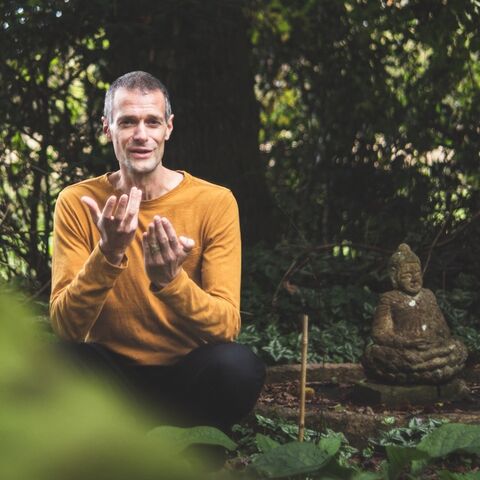
This is Josh,
Integrating Presence,
Interskilled.
Anyway,
Thank you for joining.
I'm on an old laptop here in Oslo.
I guess it doesn't really matter where one's at anymore because of the surroundings.
It's not much,
Right?
So this is Wisdom Wednesdays,
And this is kind of ill-regular wisdom,
An ill-regular meetup on Wednesdays just to get together and share our wisdom.
And yeah,
Why don't we take the three-breath highway really quick?
And yeah,
I can't really see any stats or anything,
So it's hard for me to tell how many of you all are here right now.
But anyway,
So for the three-breath highway,
Just close your eyes and take three breaths,
Being present for every single moment of the in-breath,
The pause,
The out-breath,
And the pause.
So it doesn't have to be perfect or exact.
Just kind of arrive in the space that you're in.
Okay,
When you're ready,
You can open your eyes,
Come back,
Or please continue to meditate.
So when I was contemplating on what I might talk about here today,
I was really struck by this recent podcast that I heard.
I can't name drop it on Insight Timer,
But needless to say,
It was in a political context,
And I'd rather not go into a political context.
Unfortunately,
Apparently this is a thing that really pointed out something really important that I was kind of shocked in myself to find myself doing.
These things,
Like some things in life,
Once they're given a label,
Are they called out for what they really are,
And it's kind of a thing,
Then,
You know,
Sometimes it's easier to deal with.
So what this thing,
This way of being in the world,
This very unskillful thing was labeled accusation,
Sorry,
Confession as accusation.
So I just want to break this down a little bit,
What that is,
Or at least what my experience,
What my understanding of it is,
And then maybe we'll go into,
And maybe I'll ask your help for what to do about it.
So it's pretty straightforward and explanatory.
Confession as accusation.
So this is meaning I'm confessing something,
But it's actually,
It's more of an accusation or it's an accusation too.
And what's really,
Really insidious about this is that it kind of overrides,
At least I guess it override my deception mechanism.
I usually do not deceive at all,
But this is,
Well,
It's not,
I don't know.
It's kind of a gray area,
Whether if I'm telling a confession about myself and then actually,
But actually accusing someone of it,
What I found myself doing is that,
Well,
First off,
It's cowardly.
So I found myself doing this because I didn't want,
And avoidant,
Because I didn't want to directly accuse someone of doing something overtly or giving unsolicited advice or something like that.
So instead I confess something in my own life,
And then,
But it was actually the intent there was to accuse the other person of doing it.
Okay.
Do you understand what I mean?
I should give examples here,
But I'm blanking actually on examples.
So for one thing,
I was being a coward when doing that because I wasn't directly leveling this at the person.
So the intent was actually to accuse them of something,
But I veiled that with a confession.
So it's basically saying one thing,
But meaning another.
The thing that I've so often criticized other people for doing,
Not understanding,
Well,
This I found myself doing,
And it's not helpful at all.
It's not being really honest and upfront.
It's not being straightforward.
And it is being deceptive a little bit.
And it's not,
It's trying to get away with the blowback of something while instilling something in another.
Basically accusing them of doing something and wanting them to change something without trying to weasel out of the blowback of the repercussions to that.
So if I just outright accuse someone of something,
Well then I'm likely to receive blowback right away.
But if I make it look like myself,
Which I am being honest with myself,
I'm not,
The confession is accusation that I do,
But it's not the intent just for me.
It's actually aimed at the other person,
Getting them to try to see what they're doing without directly saying that.
Okay.
So what other negative drawbacks does this confession is accusation have?
Well,
For one thing,
True,
Honest confessions that are helpful,
It can give them a bad name,
Right?
So when we confess something,
It can be actually really helpful if done the right way at the right time to the right people and for the right reasons.
But this kind of inverts that and muddies the water.
So yeah,
I'm not so helpful.
And it's ironic here too,
That I am giving a confession about this,
But I don't know any other way to do this.
So have you,
Have any of you guys experienced this confession of accusation?
Have you found yourself doing it?
Have you,
Do you suspect others of doing this too?
It's really hard,
Kind of hard to know,
I guess,
Unless you can get someone to directly admit it.
Or I guess by inference,
You can say,
Oh,
Someone else is confessing something to me.
Am I doing that?
And then do I have reason to suspect that they're actually accusing me of something and masking it as a confession?
So what are some of the other drawbacks of this?
Well,
It can raise doubt and suspicion in others' confessions as well,
Or others' people's motivations when they're doing something.
And then I guess if some people take this a step further,
Then they can do false confessions.
So actually,
And I think that's probably where the real problem with this is,
Is when people are doing false confessions,
They're actually when they're not actually doing something,
But actually aiming at another to accuse them.
So again,
This layer upon layer of kind of deceit and deception,
You know,
The classic thing,
Accuse others,
Or yeah,
Accuse others of what you're doing.
It kind of like flips the script on that,
I think,
Because you see some politicians and some people in power,
They will start leveling accusations at people,
But they're the one that are actually doing the same thing.
Okay.
I'm going to start going into solution mode here a little bit.
I'm trying to just get the full scope of this confession is accusation and why,
What's so interesting about it.
And as far as I know,
This is kind of a relatively new label that I really hadn't heard of before.
It flew under my radar too,
That I was actually doing it.
And I haven't reflected enough on it,
But it was weird how it just kind of bypassed my honesty and my intention.
And even there can be intentions there,
You know,
Somewhat seemingly good,
Somewhat benign,
Like I didn't want to cause a lot of conflict.
And so in order to soften what I wanted to get through,
This sounds like an excuse.
I don't,
I don't agree with the way I did it.
I just want to kind of examine where I came from when I accused someone of something,
But veiled it as a confession or just.
.
.
And so in one way it was hoping to lighten the blow and instill a seed in the other person,
Plant a seed and maybe gauge their reaction on how they might respond to that and kind of test the waters if they saw that in themselves.
So in a way it's this underhanded testing too,
To see if the other person is aware of what I'm seeing as well,
Which is really interesting.
And then I could gauge whether or not the person could pick up on it and then whether to push through with it.
So it's,
It's a really interesting,
There's a bunch of different psychological mechanisms involved in this.
And I don't know if I'm explaining this right.
I really wish some people that can communicate better will weigh on,
Weigh in on the specifics of this.
Okay.
So what do we do about this?
First off,
It's real simple for me.
Once I realize that I'm doing that and that I'm breaking a,
Basically breaking a precept that I'm training in,
You know,
Being honest.
So it's too gray area for me.
You know,
It's,
It's not where first I'm being,
You know,
I'm being avoidant.
I don't want to avoid blowback,
Which can be helpful sometimes,
But in most situations I think it's very cowardly.
And then I'm not being completely transparent and honest about my intentions and what I'm doing.
So in a way that's pretty much deception.
And that's not what I want to do because that is not being honest,
Deliberately telling a falsehood.
And so it's,
It's too gray area.
It's,
It borders on that if it's not already.
So I don't,
I don't know when I'm,
When in question,
When in doubt,
Chuck it out,
Right?
So I think at least that's the,
For me anyway,
Sticking to this precept,
This training of this precept of honesty.
And this is the one that here I thought I would been doing really well with,
But I guess in a way,
Once we realize what we're doing,
Then,
Then it can course correct that it's not too bad.
Just like this.
Maybe,
I don't know,
I'd like to hear feedback from other people,
But this recent time when I had a Shandy and I didn't know what a Shandy was,
I just grabbed it cause it looked like a soda to me.
But as soon as I found out that it had alcohol in it,
I stopped drinking it.
The only other,
The other thing I wish I would have done better is not gave it to my friend,
But it was kind of a socially awkward situation.
So I stopped drinking it,
But then he drank it.
So,
But anyway,
I had no idea.
So it didn't technically count and I course corrected right away.
But anyway,
So this is seeing the value of being honest,
Honesty,
And realizing that when there's these gray areas to examine it,
You know,
And the repercussions and fallout,
Of course,
You know,
The more honest that we can have,
The more trustworthiness we'll have to other people and people will trust us as well.
And that we can trust ourselves and that we can see and detect trust in others.
That's why one of the many reasons,
Well,
Several reasons why honesty is so important.
Of course,
Authenticity in addition to the integrity too.
So,
Yeah,
I wish I had better answers or things like this.
And it's another,
I guess,
Somewhat insidious is if you go to call this out in another,
Well,
Then it can easily be denied and they can say,
Well,
How dare you?
I'm making this confession.
You know,
You're saying I'm accusing you of something,
But I'm actually confessing something.
So it has like this built in protection mechanism.
And then it can make,
If someone calls it out,
Then it can make the other person look kind of paranoid or something like that too.
So it really is,
Yeah,
New territory.
And initially heard about this,
Although it's,
It's in a different context,
But I can't share that here on Insight Timer Live,
But I appreciate you all tuning in and listening.
And I'd love to hear your thoughts on this.
If you've encountered it in another,
If you've done it yourself,
You know,
What you feel about it,
What you would do if you found yourself doing this or another or any other kind of resources you'd like to share about it.
So,
All right,
With that,
Y'all be well.
Bye now.