1:04:59

The Map Of Afterlife - IT Live Recording

by Saqib Rizvi

Rated
4.9
Type
talks
Activity
Meditation
Suitable for
Everyone
Plays
435

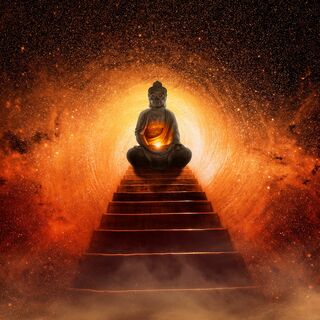
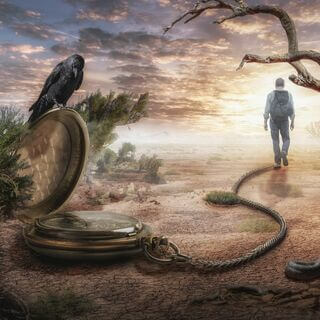
The Map of the Afterlife weaves together ancient wisdom and modern insights to illuminate what may lie beyond death. Drawing from the Tibetan and Egyptian Books of the Dead and near-death experiences, this journey explores the stages of consciousness after the body falls away. More than a destination, the afterlife becomes a mirror—reflecting the depths of our psyche and the timeless mystery of who we truly are. Let this be your contemplative compass through the unseen realms. If you like the talk, then check out Saqib's course: "Accessing Past Lives."

AfterlifeTibetan BuddhismAncient MythologyNear Death ExperiencePsychologyReligionFear Of DeathLife ReviewVisionsBardoEnlightenmentJudgmentEgo DeathLife PurposeAfterlife ExplorationTibetan Book Of The DeadEgyptian Book Of The DeadCarl Jung PerspectiveReligious Belief SystemsHallucinations And VisionsChikai BardoChonid BardoSiddha BardoSerpent In The SkyWeighing Of The Heart

Transcript

So,

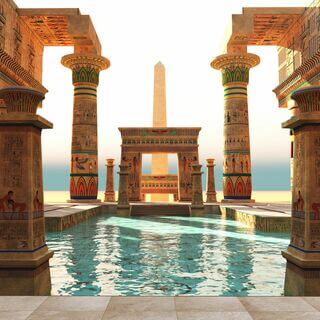
Now we will begin with our exploration for today which is the map of afterlife and before the session I was talking about this idea that afterlife we are not discussing this afterlife from a place of you know facts we are not saying that this is what the afterlife is we are just doing a curious exploration there is nothing factual here it is just something we are exploring and asking questions because afterlife definitely is a phenomena for many people I would say most of the people in the world there was a survey done in which most of the people in the world they found that actually believe in an afterlife and so that's why we are just curiously exploring this phenomena but I will present some teachings from different traditions and I before the meditation I was saying that there are two major traditions that talk you know extensively about the afterlife one is the Tibetan tradition the Tibetan Buddhist tradition and the other is the Egyptian tradition and majorly there are these two popular books on that tradition one is the Tibetan book of the dead and the other is the Egyptian book of the dead and I will talk about also talk about from the perspective of near-death experiences I will also talk about from the perspective of what Carl Jung said about the unconscious and consciousness and how and what is the experience of death or afterlife in that so let's begin with this discussion Naheeda asked thank you Naheeda I'm glad you enjoyed the meditation yes I have this meditation recorded you can go to my profile it's the title of this meditation is daily awareness practice and excuse me either you can search for it on inside timer I think inside timer is soon going to bring this capability where I can share the meditation here or courses here in the in the chat section but it's not the that capability is not there yet so I have to tell you to you know you'll have to go to my profile and find that meditation so it's called daily awareness practice you can also type in daily awareness practice in the chart in the search bar and my name and then you'll you'll find that okay so let's explore this so what is this experience of the afterlife I have been quite curious of about this afterlife since my childhood especially and I'm sure that many of you have been curious about it because religion you know especially if you come from a very religious background then there there usually is an idea or a belief system that is imposed on the child about the afterlife depending upon which religion you are coming from you will have that kind of an experience or understanding of an afterlife and maybe now you as you are you know growing older maybe you are still following that religion or maybe you have decided to challenge those religious beliefs and find your own truth and so maybe you don't subscribe to those beliefs anymore and maybe you are doing your own inquiry into that but what that does is that it creates this belief system this conditioning in in our minds about the afterlife and it can be a wonderful experience depending upon the religion that you are coming from usually Eastern traditions have a very glorified idea of the afterlife and in most cases it is a it is a wonderful experience actually but if we talk about Abrahamic religions then afterlife is terrifying because you know there is this concept of hell for in hence for most people it is terrifying it is a terrifying experience and I was actually you know because I come from one of the Abrahamic religions which are the religions of Islam Christianity Judaism and I was actually very terrified of the afterlife because you know that in the tradition that I come from the religion that I come from those religious beliefs and teachings talked about how you know most people are sinners and how sinners will go to hell you know and they will burn in hell and they will not only that but you know even they will suffer in their graves and all that and so that was a very terrifying I used to I still remember I used to stay up all night and think about these things and get terrified and actually you know because of that kind of that terrifying experience of the grave I actually developed claustrophobia because I kept thinking about that terrifying experience of the grave of the of the grave so then at some point of time when I you know stopped subscribing to religious beliefs then I thought that no no what do I you know what do I know about the afterlife now I have no idea because whatever was told to me it was just a belief system I don't know if that is true or not so I have to do my own inquiry right I'm sure that many of you can relate to this experience if you are coming especially coming from an Abrahamic religious background and so then that was that that's why I became really curious about this topic that now I have you know no idea about the afterlife in fact you know I don't even know if the afterlife exists or not so let's inquire so it has been a very long journey for me into this inquiry into the afterlife you know and and this has been one of the most topics that I have explored the most I would say and so today whatever I have explored from different traditions and different religions and different cultures and different ideologies and from the perspective of psychology from the perspective of you know near-death experiences so I will I will share that today and we'll have a discussion so I have kind of although I cannot really talk about it and again I would like to say that you know don't take please don't take this as factual please don't take this as something which is this thing anyone who says I know everything about the afterlife most probably is being untrue because if to to know everything about the afterlife is to know eternity is to know you know is to be is to be enlightened and in other words if you know and it's to be because every person will have that experience from a limited perspective every person will have that even if it is a near-death experience that person cannot really say that that is what the truth is you know this is one of the fundamental flaws of near-death experiences that people a lot of people who come back after a near-death experience they say that this is the case this is reality you know I saw this beautiful bright light and I met God and this was my reality well we don't know because that can be the projection of that person you know that's what we you know also explore a little bit here today that can be a projection of that person that can be a very individual experience because no you know no two people have the same near-death experience people have different yes there are common things and common experiences in near-death experiences but people have very different you know every person has a unique near-death experience in that sense so we can't really say what is the truth here because then the truth becomes subjective and and so what I will present today is from my understanding of you know the Tibetan book of the dead the Egyptian book of the dead from near-death experiences from a little bit of you know psychology and that's why I say that please don't take this as facts this is just an exploration that is this is just a you know kind of a curiosity that we are fulfilling here so and and I believe that in that it's important to explore this why because you know it's a the Tibetan tradition and the Egyptian tradition they believe that actually life is a preparation for death life is a preparation for death life is a preparation for the afterlife and so if that is the case when we have that perspective on what the afterlife is or what might that be then we also adjust our lives accordingly then we know our priorities in life a lot of times actually people who have that's why near-death experiences their whole life changes their whole life shifts in fact they become you know they they their experience becomes very their priorities change in life but if we have and that's how you can actually you know transform your consciousness because think about someone who who has who has subscribed to a belief system and they they don't do their own inquiry into the afterlife what will happen is that they will they they have got those ready-made answers and they are not you know they are not really now concerned about it they are not exploring it they have got ready-made answers either they have a belief system that the afterlife exists and you know this is what the afterlife is or on the other extreme there is the belief system that there is no afterlife and any of these belief systems will you know will usually make people passive in terms of living their life not being curious not living from a place of understanding purpose a lot of times i've seen people who experienced near-death experiences they are you know maybe before their life especially i was reading this case of eban alexander who wrote the book proof of heaven and he was talking about how he was like this busy neurosurgeon and his life was all about work and his life was all about you know his medical work he never got time for himself and as soon as he had that near-death experiences everything changed his priorities changed his priorities became more you know he became more spiritual he became more you know he started giving more importance to relationships to love to joy to presence to mindfulness you know and his priorities changed and so a lot of times this exploration shifts our priorities and shifts our perspective and and it gives us a you know it gives us a sense of meaning in life actually that that is why you know some people buddha the buddha talked a lot about death and people think that oh you know he's a some people think he's a sadist or he's nihilistic or you know he's constantly talking about death but actually someone who has explored death very well will will know life really well and will know the meaning of you know will have a certain sense of meaning of life will have a broader perspective on life this is my understanding and my own experience of life changed after this exploration you know as as i continued exploring this afterlife and that's why the buddha actually had a he he actually made people you know if he whenever there was someone who wanted to be ordained as a monk in his tradition he would tell that person to first go and meditate for three months on dead bodies for three months that person had to had to go and meditate on dead bodies now this might sound very strange but that is that gives perspective to life isn't it if we really understand death if we really and you know if we really look into death closely then we have a perspective on life so death is not a sad discussion in fact death is the most alive discussion one can have death actually brings more aliveness to us and we start valuing life more we start living from a place of presence and consciousness right so that's why we are doing this exploration that's why i'm discussing this and i feel that and this discussion has always you know brought me given me a broader perspective this discussion has always brought more aliveness to my life so i hope that that you also experience that with this discussion today so what i will do is i will share again as i say i cannot decide you know what the afterlife is i cannot say what the afterlife is but based on these teachings and these explorations there are five stages that i have you know come up with here that might be the experience of the afterlife for someone and not necessarily a universal experience but i i have what i have done is i have seen the commonalities in in these different traditions that what are these different traditions what are people in near to the near-death experiences and what is you know what what what is the psychological perspective on this as well what are those common experiences that people have in this experience of this afterlife what are the common experiences that these different traditions egyptian the egyptian book of the dead and the tibetan book of the dead talk about that you know that kind of uh are common there and maybe that is something that one might experience in the afterlife so there are five stages to that and we will explore these five stages of the afterlife let's see what the comments are before we begin i want to and and i want to ask you does that make sense to you does that make sense that actually talking about the afterlife brings more aliveness brings more perspective brings more meaning to life sarah says i used to be very scared of the idea of death when i was young now i feel more comfortable and believe there is something afterwards wonderful the religious teachings about afterlife are often fear-based yeah and that is especially true in abrahamic religions and i have you ever heard a person with a near-death experience who had some kind of a bad or terrifying experience uh i have i have not directly have talked to such a person but i have i have read some cases but um again the bad and the terrifying is usually the label that we give in in the you know in the human language in the language that we use because bad terrifying these are just labels but the experience in in you know if if you really talk about it if if someone actually the one of the common experiences or near-death experiences i have realized is that people can't talk about it really it's very difficult to it's really difficult to talk about it you can't put something you know which is a transcendental experience into words as as Lao Tzu said that the Tao that can be described is not the eternal Tao you can't we can't really talk about you know we that words do not do justice and hence you know whenever we say that something is bad terrifying or good or pleasant these are just labels and and hence they don't do justice but in that sense if we have to use that label then i would say that i have read about only two percent of the cases which are terrifying or which are you know in that sense painful or scary but most cases have been actually i have read i have actually been a pleasant experience in that sense if we have to use those labels why people seek psychedelics and some experiences to experience a kind of death maybe death is beautiful yeah that's a very good question because even through psychedelics what one goes through you know or in meditation or these experiences is a is a ego kind of an ego death if you will because you know death is not death what we call death we usually talk about the death of the body but even before the death of the body there is so many deaths that happen to us and that is usually the death of the ego so and that's why you know there are certain you're right there are certain psychedelics or experiences like the ayahuasca for example in the shamanic tradition they call the ayahuasca the experience of the ayahuasca as the little death because almost like you know you are dying before dying you are experiencing in kind of an ego death before you die so yeah that's true or deb thank you so much for sharing that i'm glad that you could overcome the fear of death and shared my brother's experience was very positive and freeing he he's no longer afraid of death wonderful so actually you know exploring and talking about death actually makes us overcome the fear of it actually and also having that experience um it's fascinating that your brother had that experience of near-death experience uh there is a there is a line from batman i really like and the line is that we fear what we don't understand and that's so true we fear what we don't understand we and we we fear death because we don't understand death we haven't you know put our time our awareness our consciousness into exploring this phenomena and understanding this phenomena and that's why we we are so afraid and that's why the buddha made people you know these monks to to meditate on dead bodies for three months so that they can have an understanding of death so that they stop fearing death so yeah that's true it takes away the fear of death how should we as in asked how should we look at death to be able to carry wisdom and living experience yeah it can be it can be any form of exploration it can be you know simple reflection simple or you know it can be through reading these different texts and traditions like the egyptian book of the dead or the tibetan book of the dead or other traditions that talk about death or it can also be through your own reflection simply reflection you know and that is more powerful to simply reflect on your experience because i feel that deep down we all have an experience of death we experience you know we we have experienced death many times in that sense so reflecting on that experience just exploring it just kind of having a reflection on that can also help us and that will give us bring perspective even just you know bringing into our awareness the the realization that we are that the body is going to die one day that we are all going to make make that transition one day that immediately shifts our perspective and our life priorities instantly it makes us realize that you know how short this life is how temporary this life is and it immediately changes our priorities and you know whenever i find myself just wasting time i start thinking about death and it actually suddenly brings a realization to me that how short life is in that sense on this the buddha said that the problem is that you think you have time and in that sense you know if we if we if we look at that then life is so short so a lot of times just you know bringing our awareness to death makes us shifts our experience of life and do you have anything to say about ayahuasca i haven't done ayahuasca so i i know i don't know i i have only read about experiences so i can't say much about that so let's discuss these five stages so the map this i call it the map of afterlife and again this is not factual this is we are just exploring do your own inquiry into this the first stage is the preparation the preparation now preparation kaliyung said that he he had the opportunity in his book memories dreams and reflections he said that he had the opportunity to um you know and he wrote that book or basically you know a biographer of his wrote that book and yela jeff uh after talking to him and into so it's kind of a combined work of kaliyung and and his biographer and in this book he talks about and his this book was written when in in you know when he was towards the end of his life and he talked about that he has actually interviewed many old age people who were about to die and he has you know kind of tried to understand their psychology what happens to them when people are about to die and he said that he found something really fascinating that actually you know if the consciousness starts preparing for death or in in his words the unconscious starts preparing for death what that means is people towards the end of their life they start having you know these realizations almost like they are going through this reflection or life review in their consciousness a lot of people start having even an intuition about leaving the body that they are about to die that they are about to leave to leave the body right you might have seen people in old age becoming very wise about their transition and talking you know some some people even knowing exactly when they are going to transition he also said that people actually start having premonitions and visions and they start connecting to you know some entities from beyond this physical world as if there are entities who are ready to welcome them into the afterlife so this is what happens in their consciousness and so he for him he said that this actually shows that there might be continuity of consciousness after the body dies because if if the consciousness would also die with the body then the consciousness would not prepare itself right the consciousness will not the consciousness will start tuning out and dying but actually the consciousness the unconscious becomes very alive in that moment before death it starts kind of preparing you know even few days or few months or even possibly few years before the death and it starts preparing itself almost like as if the consciousness is going is becoming ready for another journey and he was very fascinated by this and so he said that you know this actually shows that possibly there is continuation probably there is continuation of consciousness after the body dies so that is the preparation and that is the preparatory stage in which you start noticing that a person you know you might notice if there is an elderly person they start having major life shifts in before their death they start you know sometimes people become if if people are more centered if that person is more centered they start becoming more and more centered and calm if that person is anxious that person actually starts becoming more anxious if that person is you know they you start noticing that many people start having visions and they start seeing entities and they start having premonitions and deeper intuitions and so you start noticing this behavior and this is the consciousness preparing itself for a transition this is the consciousness preparing itself for a transition so there is a preparatory stage that happens before the transition is made so this is what you know what i have noticed and what my understanding is i want to ask you my question to you is have you noticed if you have you noticed an elderly person who was about to die have you noticed any such shifts in their consciousness have you noticed any change in their consciousness before that death happened have you noticed you know that they become a drastically different person in in those last stages so you know that that kind of and i and i noticed that with my grandmother and i and i realized that and i realized that there is something happening here the consciousness is kind of preparing itself for a journey into the afterlife elizabeth says my son had this as a young man and i saw him the day before he died he died in a climbing i'm so sorry to know that elizabeth but yeah thank you for sharing that deutama says i witnessed my grandfather speak in a language he never learned near his transition to the lighter and wonderful that's a powerful experience so such fascinating to you know read and talk about these experiences isn't it it's so wonderful to have these discussions and i'm really grateful to you for being with me to have this discussion sunita died a few days she started seeing her parents in the house okay azin can we how can we prepare our consciousness for death can we do it intentionally or it happens effortlessly azin i'll answer that towards the end of the session because you know we'll come to that afterwards first i want to discuss these stages but yeah preparation i will come to how to consciously prepare right now i'm simply talking about what happens naturally but we'll talk about how maybe we can consciously prepare for that but i might not be the best person for that because i haven't yet experienced death but still we'll we'll explore your question just says my mother said she saw my brother who had passed on already loretta my mother asked me to leave her alone and she went inward and said to me that she loved all her children interesting how she knew that she was about to transition so many people actually start getting to know that there's a transition about to happen may says my mother became deeply reflective and had realistic hallucinations at night yeah these hallucinations are common or you know these visions are pretty common in in that stage thank you for sharing all that sidra asks can you speak to the experience of grief even if exploring death makes us more aware of life there is so much grief knowing that we and everyone we know will die many of us are kind of disconnected from our ancestral rituals around death and so we are not supported as we are meant to be yeah that's a very good question um you know i i feel that just this discussion and there's this exploration and allowing yourself to understand more about death it helps you to overcome grief usually grief is you know happens a lot of times which is which is a very natural thing to happen but a lot of times there is more grief because there is less of understanding of this phenomena you know in my in my exploration in my life i have um come to the point where i would not go to the extent of saying that i'm not at all afraid of death but i would definitely say that that fear has reduced to a great great extent and uh and and one of the and and that was one of my reasons of exploring this afterlife and death phenomena because it actually helped me to overcome that fear and so i would say that the more you and in and then grief also you know becomes lesser because now when i see someone transitioning i don't see that something as bad or sad or something like that i i realize it happens to everyone right if it if it is a natural thing to happen then why become sad about it then then birth is no different from death then death is no different from birth it is as natural as birth so why do we become so sad about it if it is a natural transition so the acceptance of that the acceptance of that it is going to happen it is going to happen to everyone it is going to happen to me it is going to happen to everyone there is no one who doesn't die in that sense right so just that realization makes you have more acceptance and the more acceptance you have then then the less grief there will be in my understanding thank you for sharing all those experiences you know those are really powerful experiences um and so yeah we see that there is a preparation that happens in consciousness which which leads to this transition now then comes so this is the first stage then comes the second stage in this exploration of the afterlife which in the tibetan tradition is known as the chikai bardo chikai bardo chikai bardo and this is the in you know in in the in the tibetan um tradition and if you if you if you have if you have read the tibetan book of the dead and if you explore the tibetan book of the dead there is the stage of the chikai bardo which is the stage instantly at the time of that transition instantly at the time of their death instantly or that that time of transitioning instantly as one person moves from this life to the afterlife in in consciousness so again you cannot definitely say what happens in this stage or you cannot you know say that this is what happens because every again every person will have a unique experience and that's why i said that you know after reading about so many near-death experiences i realized that every person has a different experience but what you know usually what the tibetans say here is that this moment of the chikai bardo is the opportunity of that you know what they call as nirvana or enlightenment is the opportunity when this clear light what they call clear light which is the clear light of awareness and consciousness comes and and is experienced for for a temporary time for for you know in that sense if you talk about time from the human perspective then there is for uh there is for a for a for a limited or for some time in that in the human sense there is there is this experience of clear awareness clear clear light they call it the clear light or the pure light of awareness and actually when i you know when i read this tibetan book of the dead and i also read these many near-death experiences actually many people actually talk about in near-death experiences this experience of the light this experience of you know this clear light or kind of meeting god or this you know something a very kind of a expansive experience that they have so according to these tibetans there is just for in that sense for a temporary amount of time there is experience of this clear light as if you have been enlightened as if there is an enlightenment that happens as if there is a spontaneous enlightenment that happens and that is the opportunity for someone to attain nirvana now what what is the you know as per the tibetan book of the dead and as per the egyptian book of the dead what is happening here this journey of the afterlife is actually an opportunity for enlightenment an opportunity for nirvana and in the tibetan sense it's nirvana but in the egyptian sense they call it becoming the star or rising as the star right so this is an opportunity to become a star or this is an opportunity to become enlightened and but the not everyone takes that opportunity in fact you know if we if we look at these experiences then we say that most people in that sense or most souls or spirits they don't have that because they they lose on their opportunity and they they feel burdened by the by the karma and they are not able to perceive this or kind of hold on to this clear state of awareness or this clear state of enlightenment or this clear state of nirvana so there is there just for a few moment there is in in that sense just for a temporary amount of time there is an opportunity to be enlightened which is an opportunity to not get you know kind of attached or averse to something not be affected by the next stage that we will discuss in which there are what what the tibetans call as you know wrathful or peaceful entities uh deities there are these experiences which make you get attached to things or there are experiences which make you averse to things right we might and and a lot of people start even hallucinating in this stage so those hallucinations also then take us away from this clear state of awareness so there is a according to this tibetan tradition in the in the state of chikai bardo there is this momentary experience of of enlightenment but that does not you know if if someone gets affected by these uh entities or wrathful deities or you know these attachments and aversions then that person that soul does not stay long in that state and gets out of that state and you know in due to these attachments or aversion so this is the chikai bardo and you know there is a there is a parallel to that in the egyptian tradition in the egyptian book of the dead there is a parallel to that and the parallel is you know in that state known as some of you might have read some of you who have been exploring you know the egyptian tradition with me i have a course on that magical manifestation the egyptian secrets of abundance and in that i talk about this stage of which is called the hall of math or you know it is also known as the weighing of the heart ceremony of math and so the egyptian tradition there is this goddess math which uh you know which is kind of which does this weighing of the heart ceremony and what is that weighing of the heart ceremony in that weighing of the heart ceremony in the egyptian tradition there is this idea that your heart will be and this is just metaphor it's not necessarily something that actually happens because you might not even have the physical heart in your afterlife but this is just a metaphor and the metaphor is that you that there's a weighing of the heart ceremony your heart is weighed against the feather of truth or the feather of math because math the egyptian goddess represents truth and so your heart is weighed against in your heart is weighed in the scales against the feather of math or the feather of truth and if your heart is lighter than the feather of truth then you will go on to attain enlightenment or you will go on to become a star if your heart is heavier than the feather of truth then you will you know in the egyptian words your soul will be destroyed but in the tibetan sense then you will carry on you will not attain enlightenment and you will carry on into this matrix of this loop of birth and rebirth into this wheel of samsara so that is the parallel in the in the egyptian tradition this hall of math ceremony so the heart you know which means that now heart is the metaphor here but this is a metaphor for truth so if you have lived truthfully which means if you are true to your own self you are true to your own consciousness or awareness if you are true to your own enlightened nature then you will be enlightened but if you are not true to that if you haven't lived truthfully and truth here is your own true nature right it is your own enlightened nature but to not live truthfully is to live in the ego in the lies of the ego in the illusions of the ego so if we have not lived in our truth and if we have lived in the illusions of the ego and if we are still attached to the illusions of the ego then enlightenment is not attained and you will not pass you know you will not pass that test of in the in the egyptian sense you will not pass that test of weighing of the heart ceremony and your soul will you know kind of come back to the samsara in the tibetan sense so this is the these are the parallels and so this state of the chikai bardo is the is the opportunity for enlightenment if we are true to ourselves but if we are still in the illusion of the ego then that enlightenment realization doesn't happen in this has a question how do we not miss the opportunity of attaining nirvana during chikai bardo what should we do exactly and how do we train not miss this opportunity uh that is something that you know again there are different there are in in it's basically staying true to yourself it's staying you know in in the in that sense in the tibetan book of the dead then it is said that you stay in that meditative state the way you know you are conscious and truthful in in this you can be conscious and truthful and stay connected to the truth and stay connected to your true nature in this human life similarly that can happen even in the afterlife in this chikai bardo state which means that if we are true to our true nature if we are connected if we are if we are if we have realized our true nature and if we are in that realization of that true nature then nirvana is experienced according to the tibetan book of the dead but if we again fall into the illusions and we'll talk about further in those stages what those illusions are and those illusions are these you know wrathful or peaceful deities or these illusions are these attachments and aversions and karma and all these things if we get trapped into these illusions or there are even hallucinations or you know desires or aversions that come up if we if we go into if we get trapped into those desires and aversions and hallucinations then we then that then nirvana is not attained so if you stay conscious in other words if you stay conscious even in that state of the afterlife then nirvana is attained otherwise it's not attained so that is what the tibetan book of the dead says yeah samia that's a good way to put it desires emotions attachment make the heart heavy yeah that's right thank you for saying that so so what is so this is the chikai bardo this is the this this was this is the next stage now we move to the third stage which is the chonyad bardo so what is this chonyad what is this stage of chonyad bardo this is the this is the stage of you know what is known as the peaceful and wrathful entities or or vision it's a it's called a visionary state or state of hallucinations hallucinations any form of thinking desiring aversion fear will bring up hallucinations the way we have hallucinations in our dreams in fact in fact this life according to the tibetan tradition this life is also a bardo state and it is also a hallucination actually so we can have hallucinations we can if we are you know if we are have those desires and aversions we will have hallucinations if we are still attached to because you know thoughts kind of continue in that state the body dies but the mind continues and hence thoughts continue and so those thoughts can in this state create hallucinations and that's why you will see that whatever you want to see you will see that that's why a lot of people talking talk about seeing you know jesus or muhammad or buddha but even those are hallucinations in the in the near-death experience a lot of people talk about seeing krishna a lot of people talk about seeing heaven or hell right or people talk about these dark entities these are hallucinations and in according to the tibetan book of the dead these are the creations of the mind so the mind can continue the even this life is a hallucination even dreams are hallucination excuse me even dreams are hallucination and this life is a hallucination and and in the afterlife then the hallucinations can continue and so we can you whatever you want to see you will see that in fact the you know you that vision is more powerful and more instantaneous because there is no that you kind of transcend time in in this human life there is a time delay in your thinking and manifestation right that's what we call as manifestation you think something right now you think of maybe you know buying a house or something and then it will take you maybe one year to buy that house so there is a time delay but what i have read in the near-death experiences that there is no time delay actually you think of something and instantaneously that thing appears in front of you that thing is manifested right for example you think of an elephant and boom an elephant appears in front of you if that would happen in in this life then we will have chaos all around imagine thinking of an elephant and suddenly there is an elephant in your room you know that will lead to more chaos actually so there is a time delay here but in that state those manifestations people saying you know near-death experiences that those manifestations are instantaneous so you can manifest anything i was reading this book by another near-death experience by anita murjani in the book dying to be me she talked about excuse me she talked about how she was thinking of her brother you know when she was in that near-death experience state she thought of her brother and boom suddenly her consciousness was transported to where her brother was and she saw her brother you know coming on a flight for her funeral actually so she was observing her brother in the flight and she could tell each and every detail that happened she could afterwards when she came back to life she told her brother that she saw him coming in in an aeroplane in an plane and he was very fascinated and baffled like how do you know these things you were dead so so you you're you whatever you start thinking your consciousness is certainly manifests that instantaneously and so then people can see anything they want to see right if i if i believe in jesus i will see jesus if i believe in muhammad i will see muhammad if i believe in buddha i will see buddha and that's why even these are hallucinations in fact that's why in meditation you know there is a saying in the buddhist tradition that kill the buddha which means that when you are about you know when you are about to attain nirvana in that kind of that deep state even buddha can can kind of make you uh you know kind of trap you in that hallucination even the vision of buddha can actually be a hallucination and it can prevent you and then you will become attached to buddha in that vision of the buddha this this happened to me once you know when i when i did not realize that this was just a hallucination i was in that state of deep meditation and i experienced the buddha and i was like wow this is amazing but then i realized that this is just my projection this is my hallucination that is happening here so we can hallucinate in that state of the choniyat bardo and these lead to you know um aversions or attractions these lead to again we start desiring things in that state so the according to the tibetan book of the dead according to the tibetan tradition if you have desires and aversions you will be reborn you will come back to this loop this matrix of birth and rebirth this samsara but if you have transcended those desires and aversions then then you are enlightened then you attain nirvana so these can create many desires you know in the choniyat bardo state we if we have those desires and aversions we will start desiring something maybe we'll start desiring another life right i want to be born rich i want to be born as a scientist i want to be born as you know the prime minister or president lo and behold we might manifest that eventually and that happens and and you know we or maybe i have an intention to be born in some other realm or as a magical being or something like that or maybe i am averse to something i'm i have an aversion maybe i have an aversion to earthly life and i say no no i don't want to be born on this planet again this you know this this is a this is a shithole i don't want to be born in this shithole again i've seen those posts on you know memes saying that i saw that meme in which there was someone saying in that bardo state i don't want to be born in this shithole again and boom nine months after that you know that child comes back again in this world so so this is an aversion right so we i'm being averse to being born again or being have have this resistance or have this fear or something like that but the tibetans say that even this aversion actually what whatever you resist persists and if you are very averse to it you will actually be you know reborn again in in something that you are averse to if you are averse to animal life or if you are averse to insect life you might be born as an insect or in an animal actually so any form of aversion or attraction both you know leads to kind of this rebirth or coming back to uh this samsara and not attaining nirvana so this is the um this is the choniyat bardo and now in the um in this uh egyptian uh tradition there is another parallel uh you know of this which is the stage of the serpent apophis and this stage of the serpent apophis in the egyptian you know the egyptian journey so the tibetan journey is known as the journey of the bardo whereas the egyptian journey is known as the journey of the duat which is the journey of the underworld which is the journey of the afterlife that people go through and that's why you have seen all those you know depictions in the egyptian tradition of pharaohs going through this underworld journey or the nether world journey so in that there is a stage which is the stage of the serpent apophis and this serpent appears as this wrathful entity in the tibetan tradition these wrathful entities are there you know and there are many parallels you can see in the tibetan book of the dead and the egyptian book of the dead and so in the tibetan tradition you might experience these wrathful entities which are the aversions or these desirous or peaceful entities which are the attractions or attachments but in the egyptian tradition there is the stage of the serpent apophis in which you see this big serpent who wants to eat you and that is the kind of this wrathful entity and so initially the pharaoh starts fighting you know the serpent and then the task of the pharaoh in this journey of the duat is to kill that serpent serpent apophis so this is the this is the parallel in the egyptian tradition so this is the state of the chonid bardo so we'll move on to we'll move on to there are two more stages to discuss but i want to know whether you are if you are enjoying this discussion or not should we move on or should we end the session here there are two more stages to discuss so let me know if you are enjoying this if you are not enjoying this if you are not enjoying this we'll end end here but if you're enjoying this we'll we'll explore more okay you are wonderful let's do that then great so so then the next stage yes we'll continue so the next stage is the serpent in the sky the serpent in the sky so for those of you who are just joining in we are discussing we are doing a session on the map of afterlife as i said this is not factual this is just an exploration curious exploration that we are doing and so there are five stages that we are discussing today one is the prep the first one was the preparation the second one was the chikai bardo the then the third was the chonid bardo and now we are on to the fourth stage which is the serpent in the sky welcome to those of you who are just joining in yogesh good to have you here namaste samia krishel okay fourth stage the serpent in the sky so in the egyptian tradition then the fourth stage is the stage in which you realize you know if now this is again another opportunity so even the traditions in in the tibetan traditions the tibetans say that you know in the state of chonid bardo there is still an opportunity to be enlightened to attain nirvana if you are not if you are not getting affected by these wrathful and peaceful entities if you are not getting kind of carried away by these desires or if you are not getting averse to these you know fears if you are not becoming averse to these wrathful entities and getting attached to the peaceful entities or in other words if you are not attached to a beautiful life or a next life and if you are not averse to a life that you want to avoid then then there is still an opportunity for nirvana if you still stay conscious in that state and if you still are you know in that conch conscious state not being attached or averse to anything simply observing simply being conscious simply staying in your truth then still nirvana can be attained so in the in the there is a metaphor for that in the egyptian book of the dead and the metaphor for that is that that there is the stage of the serpent in the sky in which first the pharaoh fights the serpent right we discussed that stage of the serpent apophis in which the pharaoh fights the serpent but then there is another stage of the serpent in the sky which means that the pharaoh actually the serpent is reborn and the pharaoh realizes that there is no point fighting the serpent because it will be reborn again and again and again so what the pharaoh does is the pharaoh befriends the serpent and it sits on the back of the serpent and rises up in the sky to to eventually become the star and to become in other words become enlightened so this now this is a metaphor that if you are not getting averse to these wrathful entities if you are not getting attached to the peaceful entities which means if you are not getting affected by these desires and aversions you can still rise up into the sky or you can still rise up to your enlightenment and attain enlightenment so that is the that is the stage of the serpent in the sky or that is the still that possibility that of enlightenment in in that chonniyat bardo state now the final stage now is then the state the stage of siddha bardo thank you thank you for all your wonderful comments thank you donna samia yogesh now this this final stage then is the siddha bardo stage and the siddha bardo stage is the is the stage of the stage of rebirth and this final stage then becomes the stage of rebirth in the tibetan book of the dead there is this mention of the siddha bardo stage which means that now you are almost into that stage of entering a new life or a new birth now again according to the tibetan tradition you can still how you can still experience that you know you can still realize that this is just another desire or aversion this is still my desire to continue into this wheel of samsara but this is still my desire you know there is still an aversion to that i can still be enlightened i can still stay conscious and be enlightened but this is the siddha bardo stage is almost when we are now entering into a new life according to the tibetan tradition in which now you kind of consciously or unconsciously choose a life that you you will want to be born into so a lot of times people if you have that you know if you have that desire that i want to be born as something i want to be born into a rich family whatever rich means i want to be born into this kind of a family i want to have this these kinds of parents i want to have this kind of a life we start choosing that in that stage and so you know that's why even a lot of people say that in near-death experience that i even saw my next parents you know then the next parents that i will have in in my next life and so kind of as if there is a almost there is like a choice there that you can choose your parents or you can choose what kind of a life or what kind of a situation you want to be born in so then the tibetans say that if you if you have decided to be reborn in that sense into a new life then choose a wonderful life then choose a life that will wonderful in their sense is not a life of rich in the material sense because again if we are not conscious we can choose a rich life in terms of material richness right then people say i want to be born to rich parents but what does rich mean and then that is it then that is another recipe for suffering right if we think that rich means having more money but according to tibetan the tibetan tradition a rich life means a life that will lead to your nirvana or that will lead to your enlightenment a life that will be a conscious life a life that will be a life that will make you go turn inward and realize your truth so for tibetans everything is about nirvana everything is about enlightenment then even if you have to be reborn then choose a life that will make you enlightened that will make you you know go back to your true nature so that is the siddha bardo stage in which you are almost on that verge of being reborn into into this new life and and the tibetans say in that stage that choose a life choose a conscious life choose a life that choose conditions that will make you realize your true nature that will make you enlightened and so that is the the final stage of the siddha bardo uh let's see what the comments are ula says i get a feeling that we are tested all our lives and even after we and die yeah that is a you know we can see it that way or we can see it as a natural process of existence it's not you know being tested i feel is a more of a very religious connotation in that sense it's not a test but it's just a natural you know it's it's it's laws of existence and those laws of existence are that if we have those desires and aversions then that is what you know and that is what even the law of karma says that if we have those desires and then law of karma is not really like a punishment or test but it is a natural law that you know that there is a cause and there is an effect the law of cause and effect is the law of karma and so if if our if our cause is that we do have desires and aversions then that is the kind of experience we will have we will be then reborn into that experience but if we transcend those desires and those aversions then we are causing our realization of nirvana enlightenment so it's not really a test it's not really a punishment it's not really you know that is where it differs from abrahamic religions that it's not a punishment it's not something that is seen as you know if you do good then you will be given hell or if you do bad you will be given if you do good you will be given heaven and if you do bad if you will be given hell i really like something that osho said he said that you know hell and heaven are not places to go but states of consciousness and so that is kind of a realization that it's not really a punishment or it's not really a reward it's not a carrot and stick model what it is is is is a law it's a natural law that you know if if we have desires and aversions then we are kind of we experience we have that kind of experience but if we transcend those desires and aversions then there is nirvana or enlightenment and this asks how does a bodhisattva go through these stages do they miss nirvana on purpose and get to sattva bardo and choose difficult life in order to help in those difficult circumstances while i might not be the best person to answer that question because i'm not a bodhisattva but uh what i have what i have uh you know explored or learned is that it's what if you whatever you are saying is right that bodhisattvas basically they you know the bodhisattva vow is that unless everyone or all beings are enlightened i will not be enlightened or i will so that is kind of the state in which they almost like reach the state of nirvana but they decide to come back to samsara so that they can help others to reach the state of nirvana so yeah that's right whatever you are sharing michelle interesting but do you think there is so much talk on angels and demons and heaven and hell for so long of just a fable it might not just be a fable but it is just expressed in a different way in that sense then angels and demons are these wrathful and peaceful entities that the tibetan tradition is talking about right so heaven and hell then becomes all those states of fear or and you know again as i said that they are not places to go but states of consciousness then those then those become kind of states of fear or or pleasure fear or joy you know then that is what heaven and hell then that is in that sense so thank you so much i hope you found value in today's session i hope you enjoyed this discussion i hope that you know this exploration of the afterlife brings more meaning more purpose more consciousness and awareness to your life

Meet your Teacher

Saqib RizviVancouver, BC, Canada

4.9 (25)

Recent Reviews

Diane

November 5, 2025

Saqib’s talks are always well researched and interesting. Thank you for you work.

More from Saqib Rizvi

Loading...

Related Meditations

Loading...

Related Teachers

Loading...
© 2026 Saqib Rizvi. All rights reserved. All copyright in this work remains with the original creator. No part of this material may be reproduced, distributed, or transmitted in any form or by any means, without the prior written permission of the copyright owner.

How can we help?

Sleep better
Reduce stress or anxiety
Meditation
Spirituality
Something else