How did that start?
Events of the accident and the impact on that not only on physical health but also mental health during that year.
And to be able to work professionally left-handedly that's impressive as an understatement.
Good morning,
Good evening,
Good afternoon,
Wherever you may be,
Whatever you may be doing,
Hello.
What happens when your identity has been written for you before you've had the chance to write it yourself?
When the expectations of tradition,
Family,
And career define you before you even ask yourself who am I really?
Today's guest,
My first guest,
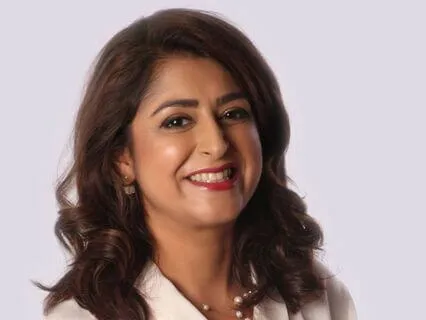
Dr.
Nadia knows this journey well.
A consultant,
Orthodontist,
A Muslim woman,
A leader in her field,
A coach,
And my friend.
Her story is one of faith,
Resilience,
And transformation.
From walking the sacred grounds of Mecca to navigating the challenges of redefining her career and personal identity,
She has had to ask herself the hard questions.
What do I anchor into?
Where do I find my strength?
And how do I honor my values when the world around me doesn't always understand them?
In this episode Nadia shares how faith anchored her through life-changing moments.
An injury that nearly ended her career,
A divorce that reshaped her path,
And the courage to step beyond the expectations placed upon her.
She opens up about taking her prayer mat into undefined and new spaces,
Embracing mindfulness in a field where it's rarely discussed,
And carving out a space where both science and soul coexist.
So as you listen,
Pay attention to the turning points,
The moments where everything shifted,
Where resilience took root,
And where faith became more than just a practice,
But a way of life.
If you've ever struggled with bringing up topics or taking action that is viewed as non-traditional,
Then this conversation is for you.
Welcome to Stories from the Soul.
Right,
So let's ease ourselves into this Nadia,
And tell me,
Who is Dr Nadia?
So I am a consultant orthodontist,
I'm based in Yorkshire in the UK,
But wider to that I'd say Dr Nadia is someone who's very passionate about the coaching program that she did a couple of years ago,
About spreading the positivity and passion that she has for understanding our well-being and prioritizing that in a very busy chaotic world that we live in,
And supporting all those that she knows to understand what their values are,
And really make everyone realize how important it is to live in alignment with our values.
I hear that,
I hear that.
That is a great opener,
Thank you.
It's really encased the whole rest of the interview.
So look,
I wanted to start really talking about,
Dare I call it perhaps a spiritual journey,
And I'm really interested in hearing about,
Because you went to Hajj recently,
Didn't you?
So I went on the smaller pilgrimage Umrah,
But yes I did in December last year,
And I was very blessed that I went twice last year.
So I went in February 2024 with my parents,
Which was a wish that I wanted to fulfill for me to take them after they've taken me many times when I was younger,
And then I went in December with my husband as our first trip together.
So very grateful that I had the chance to go twice last year.
Okay,
So either one,
The one with your parents or with your husband,
Just take us back to that moment.
What was it like stepping onto that hallowed ground?
I think that any time that I've been,
It's been,
It's a very special moment.
The first time you see the Kaaba,
Which is the sacred building covered in the black and gold cloth,
Which is in the center of the big mosque that's in Mecca in Saudi Arabia,
And I feel like at any moment that I have been,
There's been something different at that time that was in my heart.
So we believe that the prayers and the wishes that you have when you first see the Kaaba on a trip when you are on Umrah are very special prayers that will be answered with heartfelt conversation with Allah,
With God at that time.
And I think that every time I've been,
As our lives evolve and we face different challenges,
We face different moments of achievement or celebration that something has happened,
Or in fact things that we've prayed for for so long have come true.
And I think that every time I've been,
It's been different.
And at this time last year,
Both occasions I went was very much a feeling of gratitude that the first trip for me,
So if I go with that one,
It was actually to mark just before my 40th birthday.
So it's quite a landmark moment to go and step in there and think,
Well what about all those things I prayed for and wanted and strived for over all those years since I last came?
And I'm so grateful that many of them have now come true.
So I feel like when I've previously been,
There may have been other reasons that have drawn me to go at that time,
Other challenges,
But I'd say last February when I went,
If I pick that trip,
It was very much,
I am so unbelievably grateful that I've got the opportunity to bring my parents here at this time that I have fulfilled what I have in my 30s and I'm approaching my 40th birthday and looking back at all of those things that I have essentially achieved and thinking about what's ahead and what I still want to pray for.
And tell me about the connection,
The connection that,
Not just with Allah,
But with those who you went with.
How was it during and and after?
The first trip,
If that's the one I refer to with my parents,
Was actually with a large group.
So there were probably about 50 to 60 people at least in that group and the connection that we developed through the course of the 10 days was very special because many of us didn't know each other,
But ultimately all on the same spiritual journey and embracing the opportunity to be there.
So the connection with those that I traveled with,
Of course especially my parents,
Was a very special one on that on that occasion and the connection with my husband in December as well because that was the first time we'd been.
So I think there is a very special spiritual connection that you share with anyone that you go to Umrah with or in fact on any pilgrimage or any religious or spiritual place that you may visit because you're all in the same space mentally and there's people from all walks of life,
Every single nationality and age and I think that's what makes it really special as well to see all those people but we're all on that same page,
We're all on that same journey.
Everyone has prayers in their hearts that they wish to be fulfilled,
Everyone has moments to be grateful for that they're standing there sharing in the moments that they're praying and they all stand side by side in union essentially.
So is there a feeling of equality or a sense?
Everybody on Umrah,
For those that may not know,
The men all have two pieces of white toweling or robe or cloth or something to that effect and it's always draped in the same way and that is to symbolize the equality that is there between everyone no matter what their or their status or their background or where they're from,
Everyone is standing there in the same equivalent two pieces of toweling and the women although they don't have a specific thing that they need to wear or a specific colour,
The men are all in white and the women are again in simple conservative gown and head covered.
So again that is representing that equality between everyone who is standing there as well.
So just talk to me about your spiritual journey,
I mean has going to,
I mean you spoke initially about having gone with your parents,
So you've been how many times now?
So I went once as a child then I think twice as an adult and then the trips I had last year so that would be five I think.
So talk to me about your faith.
Faith is one of my three top values.
What are the other two?
The others are love and health.
Okay.
For me it underpins a lot of things that I do on a daily basis and also practices that I have as a Muslim in terms of lifestyle and the way I conduct myself and what's important to me.
However I would answer that more on the basis that it underpins how I approach many things in my life,
How I feel that ultimately there are many things that are in God's hands and to realise that with the greatest sense of faith or what Muslims call tawakkul,
That means that ultimately we have faith in the path that Allah has written for us and when I face challenging situations I approach that with a sense of connecting even more to my faith and believing that what is meant to be will be there and if something is not meant to be then that isn't written for me and that is the path I'm meant to be on.
So I'd say it's a lot more for me than the daily practices that I have.
That's important.
Praying five times,
Observing the pillars that we have in Islam is important to me but it's more about how I follow and approach situations that I may face in life as well.
And has it always been like that?
I'd certainly say there's been turning points.
For me a big turning point was facing a difficult situation in 2011.
I had a car accident and I had a hand injury which took a long time to heal and I wasn't sure if I'd be able to return to my orthodontic training or to dentistry and I taught myself to be left-handed to ensure that when I was strong enough to return that if my right hand had any issues in the future,
Which touchwood,
Thank God,
By the grace of God I haven't had any problems since then,
But if there was any weakness then I would also be able to use my left for some things as well and I still do that.
So in my clinical work I can treat the left side of the patient with the left hand and the right side of the patient with the right hand with certain things that I'm doing.
So although I am still right hand dominant and I have full strength there,
That is something that I took away from that and I'd say that was a big turning point in spiritual journey and my connection to,
Although I prayed regularly when I was younger,
I think I wasn't so committed to five times and being regular and making an effort to pray if I wasn't at home.
So I would maybe wait until I got home till later on in the evening but now I will have my prayer mat with me in my workplaces and I embrace that wherever I am and will pray at work if I need to and take the times out for a few minutes if that's what I need to do and if it's an appropriate time to do so,
Rather than waiting till I get home and praying more than one at the same time.
Now there are two pieces that I want to talk about there but let's talk first of all about the hand thing.
So you taught yourself to be left-handed and to be able to work professionally left-handed,
So carry out procedures with your left hand.
Talk to me about that,
I mean that's impressive as an understatement,
That's inspiring.
Thank you,
I had children's handwriting books and I had a friend who I owe a lot of my determination in this too because he also faced an injury,
Had surgery as a university student and had done that himself,
So that's where the idea came from.
So I had children's handwriting books and I used to practice using my left hand to write and in that regular practice it gave me some dexterity in my left hand and control,
Finer control which we don't have with our non-dominant hand unless we train ourselves to do so and it was also interesting that a few of the surgeons that I had seen in that time had said every surgeon should really be able to use that non-dominant hand in some way because nobody knows when they may need to use that.
It might not even be a hand injury,
It could be shoulder,
Arm,
Upper limb,
Anything,
Neck even or back and sometimes if any of those cause a problem then you would naturally actually need to use your other side but it's a very useful skill.
I don't think I have as much strength in my left now as I did at that time because I really did use it a lot more then but I definitely use it in my clinical work and it's good for posture because instead of twisting around using my right hand to the left side of the patient,
I can do certain things where I've got steady control with the left and then for the left side and do the same right hand for the right side.
But many people that I've spoken to at that time or I did read a lot about athletes or professionals and their autobiographies in that year that really helped me because a lot of athletes have faced injuries,
Most of them have faced,
Professional athletes,
You know Olympian athletes.
I read a few autobiographies in that time and then it helps put into perspective that people do overcome health challenges and they can be quite significant ones that are career threatening and I think that's why I probably connected to some of the ones about athletes because I've always enjoyed watching athletics,
Tennis and some of those that I may have followed more closely if I read their stories I think wow I didn't know they had an injury,
I didn't know they had surgery and they recovered from their surgery and they went back and they were on the court within a few weeks or you know a couple of months which is crazy and so many jobs depend on our hands as well,
It's not just surgeons and dentists.
I also came to realise loads of people think about other types of jobs,
Hairdressers or manual workers who need their hands and in fact it was a very very special moment of appreciating health more than anything and that is why it's top of my values list because without that we cannot do so many other things and I toyed with faith and health being number one and number two when I did a number of values exercises over the years but then I ultimately put health first because I felt like if health really wasn't there I wouldn't be able to sit or stand on my prayer mat,
I wouldn't be able to lift my hands together at times of prayer and I for that reason put them in that order although they are both very important to me.
That piece about faith and from the sound of it,
Correct me if I'm wrong,
Faith anchoring you during that difficult time,
Was that an easy thing to do,
Was it natural or I mean I guess ultimately I wanted to know and unpack that word faith in particular in that situation.
I think it was really Ty about finding a way to understand what was happening and when you can't really understand what is happening where else can you turn but to the greater,
Something greater around us.
Some may refer to that as the universe,
Some people will refer to that as the god that they follow in their religion,
For us that's Allah but without that faith in Allah then where would I turn to understand what was going on,
To anchor me as you've correctly phrased it and to give me hope that there is light at the end of this tunnel and as we believe in Islam with hardship comes ease because hard times can't continue,
There has to be something else,
There has to be a reason why we're faced with that challenge whether that's to connect us more to our faith,
To ground us,
To make us realise how we take so many things for granted,
To change our course,
To there's so many things I took from that experience,
I feel like I have a lot to give back to younger dentists and trainees and I am very passionate in taking my coaching in particular to that age group and I have shared this story now many times whenever I give a careers talk and I do have a number of times that I've been a speaker and will continue to be a speaker for students or maybe for a conference or a meeting or something and I do share that story because I think it's important to share others may be facing something that they feel like giving up hope and I had no one to see in front of me at that time within my professional network to give me hope that in reading the autobiographies that I did or the biographies that gave me some hope because I used to read wow well that person overcame my injury and so did that person and so did that person and most of them have had something but if if we don't share that then how can we ever help anyone else who may face something and I also realised it's not just my professional work at all I'm very creative in all of my hobbies and it took away a lot of the other things that I enjoyed so when I did have a full recovery and went back to work and finished my training and my exams naturally ecstatic and grateful for that moment and I still label that as proudest moment to date when I'm asked because I overcame something and went back and finished what I set out to do it's all the other things as well so when I finished my exams I was very excited to go to art classes and to start cake decorating and to go to Bollywood dance and all the other things because I actually couldn't do any of those things either I couldn't actually hold anything that was a pinching action so a pen was a problem um a knife and fork when it was at its worst uh when the discomfort was at its worst things like that and toothbrush I mean when do we ever show any appreciation for that we can hold a knife and fork to eat or hold a toothbrush and hold a pen we pick up a pen and we take it for granted we can pick up a pen and hold it but that pinching action was a problem so faith as you said is your central value and you know with how has you know faith in your life work and how has you know being a Muslim woman in your profession how has faith shaped your experiences you know and what have been some of the probably most meaningful moments along the way for you meaningful moments I think would be succeeding in any kind of more senior role or leadership role as a Muslim woman and in some way changing that traditional image that may be um older male figure and more often than not traditionally in some of these kind of roles I'm referring to Caucasian male uh so I think some of those have been in particular special in contributing towards breaking those barriers and taking on roles that could inspire younger generations to step forward into those roles and this is something I spoke about at a Muslim professionals leadership conference two weeks ago incidentally so that was my panel session um to break barriers and to inspire younger generations into some of those roles and I think also I've as I've got older embrace the opportunity to educate as well because many places I've worked in haven't had a Muslim work there and they don't understand what it means to take out a prayer mat and find a space to pray or to understand what happens during Ramadan or to be going on a pilgrimage and I've embraced the opportunity now to share that and to educate more but when I was younger I probably would have shied away from that and thought oh well this is very different and we don't want to be different we want to conform to those around us so not thinking it was okay to take out a prayer mat and carry one to work and to find a space in an office to do that but rather thinking okay I can do that when I go home and I'll wait till I go home because it's easier than explaining that to all these people around me what I may be doing and I think it is important to embrace who we really are and to feel comfortable in doing that as well because otherwise society will never understand how we're all different and how we have different faiths and cultures and backgrounds and there are so many and we are a multicultural society and we do need to respect others in our differences.
Yeah I mean I'm a big advocate for authenticity and you know if I speak about self for a second like leaning into my authentic self in the professional space it wasn't easy and you know it's something which you have to be deliberate about and you have to be brave about and I mean for you how did that start taking that prayer mat to work I mean do you remember the first time you did it?
Let me think so it must have definitely been through my training so within a couple of years of the accident that I described I think it was around then and if I think then places I've worked in after that I can distinctly remember having it with me so it must have been a turning point because it was after I returned to work from that event so yeah I didn't before that I can recall it being after that when you'd anchored more into faith and self perhaps and not compromising on that authenticity that that was then part of me and when I returned that was with me.
Do you think it made you a better orthodontist?
A very good question I think if we embrace our authenticity and any faith that we may have and our values then absolutely because we can only become that version of ourselves we want to be if we do know what our values are recognize if we're living in alignment with them and putting them into practice and then I absolutely agree then it would lead anyone to be a better version of themselves in their profession as well as in their personal life.
So let's talk now about the other journey and you've spoken about speaking events and mentoring when did you start to feel that pull towards coaching?
I think that the self-development interest books,
Podcasts,
Workshops kind of happened gradually and I don't think I could pinpoint a certain time but I would say it was probably after I experienced divorce so that was 2016 so I'd had the events of the accident and the impact on that not only on physical health but also mental health during that year with the worry and the anxiety over being able to return and then I returned and then I experienced a lot of unpleasant behavior from from the other individual and the divorce process then that I had to go through so I'd say all of that together was only over the space of a few years so naturally in order to continue to try and survive because that's what it is like survive those feelings that you have then you do lean towards anything that I think could help you on that path and I think that's when I ended up reading more motivational material and what I listened to and who I connected with and then I went to a few talks in London if I remember because I was living closer then to London than than any other city at that time and I jumped on the train one day after the divorce process had started and I was really trying and I was really learning to find myself again and doing all the things I really enjoyed but hadn't had the chance previously and experiencing the freedom and independence of being able to tap into all the things that that I enjoyed I went to Bollywood dance I went to art classes I started cake decorating again so I'd say the self-development motivational material that I wanted to connect to was around that time and then that's when I fell into it I listened to a few talks in London I met with a coach who was trained by neural works and then when I saw the advert that neural works was taking an intake of students at that time I just thought oh that would be interesting but didn't know where it would lead me and didn't know it would be something I would be so passionate about feel feel like I have a gift and that it came so naturally to be able to develop those skills so that's how I ended up finding neural works was through one of the other coaches who trained and had become then a good friend as well as being lucky enough to have connected with her at an event that she spoke at and then worked with her and her coaching as well which was really good.
Let's stick on that coaching piece so coming from a traditional family background and I wouldn't really call it transitioning but I suppose I'd call it you know growing and developing this other career which is in coaching and mental health I mean how has that received what's that journey been like that's an interesting question I think I was often faced with what exactly is the course that you're doing it's not dental it's not orthodontic so why are you doing a course well course doesn't have to be dental or orthodontic but then what's it got to do with your work why does it have to have something to do my work for it's something else I'm interested in and it's been very very well received I'm pleased to say I did my first workshop last weekend and I'm very blessed that my mum my husband my cousin were there so a number of members close family members who have appreciated and supported what I'm doing and it was really lovely to see them there but before that I'd say it was certainly different so it's accepting something different that's what seems to be something I'd continue to explain a few times accepting something different how has that acceptance landed in you know perhaps sides of the family or community that are perhaps more traditional conservative I think that um I'd say the immediate family background circle of family friends are progressive in that sense so um practicing and connected to our faith but I'd say I wouldn't really describe them as conservative or traditional in that sense um so I'd say anyone I've mentioned it to has been very interested they've been they've engaged in wanting to know more about it but definitely it's still some still something that most would say but that's not dentistry yes but dentistry doesn't define me yeah so in in many ways it's it's more a separating your identity or your put your viewed identity as an orthodontist from this space as opposed to anything to do with faith yes that's absolutely it that our that the identity was defined as an orthodontist in many ways but I wouldn't say that of me now after going through my neural works coaching training um but for many people around me that's what they see and if you train in that then that's what you're going to do for the rest of your life and actually I think that's why it was such a struggle in the year that I was off work because god forbid the world would end if I couldn't return to be a dentist because that's all I knew and that's what my identity was and everything revolved around that and that's certainly not the person I am now it's something I love and that I'm grateful to have the chance to do but it does not define me there is a lot more and continuing the journey of developing the coaching and I use it as a I say the word gift because I really feel like it is it's something to share and it was so well received at the workshop that I did last weekend it was such a proud moment to see that I'd launched that and shared that with so many of those who attended and to be excited about the next one to run because there was so much interest that I realized this is something I need to share it's not something to keep to myself so it took me from the time I finished my training to now to feel like I had the confidence to finally launch something in the way of a course or workshop and in that time I've written a lot of articles and that was my way of sharing various things that I wanted to share even though it wasn't face to face it was more to a reader but I wrote for the Dentistry Online magazine and the British Dental Journal in practice magazine so there were two ways that my writing kept me connected to the coaching even though it wasn't in the way that I thought it would be initially it was writing rather than speaking one-to-one coaching and I did a few presentations in that time as well at various dental meetings one national fewer local that I was invited to but it took time to develop the confidence to put this out there because we do fear judgment and we do fear too much what will others say but that absolutely is not even something in my mind anymore now it's about sharing what I have and being proud to share that so a couple things as we wrap up out there is potentially a younger Nadia you talk about sharing what do you want to share or say to her I would say any challenge you face you will overcome and with the faith that you have in Allah you have a much much greater sense of protection than you'll ever realize you have the support of parents family siblings and now I'm grateful to say husband as well and those people ahead of you who will come into your life to support you will also help you through those difficult times but ultimately believe in yourself in anything that you wish to do do what makes you happy not what other people think you should do and embrace every opportunity that you have and you will you will be destined for great things beautiful now last one taking into consideration your journey faith overcoming an injury your professional journey personal transformation and now into marriage what have you learned about yourself that you didn't expect that I have far more resilience than I than I ever realized nice I like that Nadia thank you so much this has been I could talk to you for a lot longer me too sorry really eye-opening and such a wonderful experience to be totally honest I really enjoyed talking to you and thank you for making the time thank you Tari thank you for the platform and making this happen and congratulations on your venture as well with the podcast I hope it all goes well thank you very much and that brings us to the end of this conversation with Nadia story of faith resilience and stepping into authenticity there's so much to take away from this conversation but here are my three core takeaways that really stand out for me one faith is more than a belief it's an anchor whether it was recovering from an injury navigating personal loss or stepping into leadership Nadia found strength in trusting that every challenge had a purpose your identity is not one-dimensional you're more than your job your last name your first name your gender your ethnicity your religion you're more than expectations placed upon you Nadia's journey reminds us that growth often means stepping beyond the boxes others put us in and lastly courage is choosing authenticity from carrying her prayer mat into work and into new spaces to embracing coaching alongside orthodontics Nadia's story is a testament to honoring your truth even when it feels uncomfortable a couple of takeaways from today here's a tool you might try if you're struggling to bring up conversations about mindfulness faith or mental health within your family try the values reflection exercise what is it write down your top three values and list one way you're currently honoring them and one way you're holding back because of external expectations and lastly let me leave you with the journal prompt what is one part of yourself that you've been hesitant to share with the world and what's stopping you as always thank you for being here for listening and for sharing this space if today's episode resonated with you i'd love to hear your thoughts please share your reflections comment follow like subscribe and let's continue the conversation until next time stay true to yourself and keep writing your story goodbye