In 20 years time,
If someone came to you Charlie and said,
You know what,
You're gonna have a really shit year.
You know,
It's gonna cost you a lot of money.
The world's going to change,
But I'm going to give you six months at home,
Chilling out with your family and kids.
Would you take it?
Fuck you.
Is you never gonna get that time again.
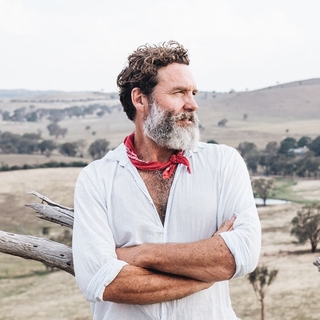
That was Matt Moran,
And you're listening to The Regenerative Journey.
We acknowledge the traditional custodians of country throughout Australia and internationally,
And their continuing connection to culture,
Community,
Land,
Sea,
And sky.
And we pay our respects to elders past,
Present,
And future.
G'day,
I'm your host,
Charlie Arnott,
And in this podcast series,
I'll be uncovering the world of regenerative agriculture,
Its people,
Practices,
And principles,
And empowering you to apply their learnings and experience to your business and life.
I'm an eighth generational Australian farmer who transitioned my family farm from industrial methods to holistic regenerative practices.
Join me as I dive deep into the regenerative journeys of other farmers,
Chefs,
Health practitioners,
And anyone else who's up for yarn,
And find out why and how they transitioned to a more regenerative way of life.
Welcome to The Regenerative Journey with Charlie Arnott.
G'day,
Super pumped to have interviewed Matt Moran,
The,
Dare I say,
World famous chef,
All around good guy,
One of the original paddock to plate chefs that turned it into a TV series and has done some amazing things in his illustrious and long career,
Even though he's quite a young rooster,
Really.
I sat with Matt at his,
Might have been seven or eight,
Matt at his,
One of his signature restaurants,
Chiswick in Wallara in Sydney,
And had a wonderful chat with him,
Looking at it over his veggie garden,
Eyeing off the world famous Wallara pineapple that had been growing for some years there.
We did actually later that day,
Harvest that pineapple and eat it.
It was absolutely delicious.
So we covered a whole lot of ground,
Matt's early inspiration,
I guess,
Where he got his inspiration,
Which was actually very funny,
Not what you'd expect,
To be honest.
And his early childhood was on his farm,
On a number of farms with his family,
And then going full circle back to a farm,
Out towards Bathurst,
And let him fill in all the details.
We talked about COVID,
We gave him a few tips and tricks on cooking,
Which I certainly need.
We had a really,
Really good powwow actually,
I really enjoyed it,
Seeing it with Matt,
Who is,
I have to say,
One of the most down to earth people and chefs that I've met.
He is very well known,
Very successful,
For good reason,
But at the same time is absolutely grounded and,
Sort of guy could jump on a bike and go burning all over the place.
And,
You know,
Just a good solid bloke.
He's been able to keep his feet very firmly on the ground.
And just before we jump into the interview with Matt,
I just want to tell you about one of his projects that I'm involved in called Kitchen Tiles.
It's on Matt's YouTube channel,
Chef Matt Moran,
And it's all about him inviting buddies into his kitchen to talk about their childhood and their food memories.
My episode is on the 30th of November,
That's Monday.
Other guests of Matt's are Deb Hutton,
Main West,
Sam and Ellie Stud,
Brooke Boney,
Sam Elsom,
And Kate Peck,
So I'm up there.
Second last one,
So late November,
30th of November.
Jump on YouTube,
Subscribe to his wonderful channel there,
Learn all about some cool other cooking stuff.
The other thing I want to give a plug is to,
The girls from Straight to the Sauce,
Lucy,
Alan and Tonia Barr,
Have for some time had a business called Straight to the Sauce.
Both girls are from Australia,
That wonderful magazine,
And food movement.
The girls have made it easy for people,
Not just chefs and hospitality professionals as they used to,
But also now anyone who eats food,
That's pretty much anyone in the world,
Can get online to Straight to the Sauce and access and understand and create relationships with the farmers and producers.
It's a wonderful thing.
Jump on the Straight to the Sauce website,
Subscribe to our channel,
And you'll find a link to our website and subscribe to the wonderful regular newsletter called The Sauce.
It's a wonderful thing.
And finally,
There is a platform getting us back in touch with our food.
It's a wonderful thing.
Here we go.
Off to Matt Moran.
Matt Moran,
Welcome to your restaurant.
Here at Chiswick in Wallara,
The scene of many,
I was gonna say culinary crimes,
But probably dining and client crimes.
I know I've had a few here,
Back in its prunier days.
Mate,
If the walls could talk,
And a lot of these walls,
A lot of them are old,
But a lot of them aren't,
When we took this place over actually,
We spent about 18 months renovating it.
And yeah,
Make sure I can hear me.
And basically spent a lot of money on this joint,
Making it look old again.
But this is one of the oldest restaurants in the country.
This was a restaurant in,
It was called Chiswick Gardens in 1929.
And a woman had it,
And it used to be a bit of like a soup kitchen for the Navy guys down at Wilma Loo,
Who used to come up here and they used to feed them.
They trek up the hill.
And then someone donated it to the council.
And that's why the gardens here,
But it is,
People say why Chiswick or Chiswick,
As a lot of people call it,
Which is fine.
People that borrow us say,
And this is fine too,
Borrower people,
Canberra,
Not Canberra.
Canberra,
I'm off to Canberra,
Where?
Oh Canberra,
Ah right.
Yeah,
Right.
Or Broccoli.
Where?
Broccoli.
Oh Broccoli,
Broccoli.
Broccoli.
Right.
It's just put it under one label,
Brassica.
That's it.
So yeah,
It was a soup kitchen.
And we took it over in 10,
I think,
And then renovated,
Opened around 12.
And you know,
That garden there actually,
You'd be interested in that because it's a beautiful veg garden.
You can see the pineapple that we're gonna cut a little bit later.
It's screaming to be harvested.
It is screaming.
And I've been a bit psycho,
I've been a bit busy.
But we can't have anyone out there sitting because of the neighbours and it was,
Because this used to be the bar and that used to be a brick wall there.
So you could never see out that,
Out to that courtyard,
Backyard thing.
And we decided to put a garden in there and then we got it all tested and there was a heap of lead in there.
So we basically had to dig that out completely and then put all new soil in it.
And that's all organic and all the niceties that we want.
And it basically dictates what we've got on the menu.
And it's food meters.
We're not talking miles here,
Are we?
Yeah,
Food meters.
Food meters,
Like it's literally,
Oh,
I need some more of the,
What's that one there called?
It's a little bit of mustard.
Mustard,
Yeah.
Mustard,
You know,
I love that because the older it gets and the ones that you cut it and you get the second sort of cutting of it,
It gets a lot stronger.
It's like rocket.
Yeah.
It gets a bit stronger.
Nasturtium flowers.
Nasturtium,
Yeah.
Fresh white bread,
Butter,
Nasturtium flowers.
Yep.
I think there's some potatoes at the back there too.
Look,
You know,
We had a little bit of,
You know,
The garden go missing for a couple of months during COVID.
And we had a lot of stuff growing there,
Which was great because I'm the only one that had keys to it.
So I was coming in nicking beans and lettuces.
But everyone knew about it because you were videoing it.
That's true.
They were too.
But yeah,
Look,
You know,
It's probably,
It was just replanted a bit of stuff there now.
I'm not sure what he's got in there.
There were some radishes and some stuff in there.
We had done blotty beans that went off this year.
Oh,
Nice.
And tomatoes,
I reckon we got about 80 kilos over summer.
Little bloom ones.
God,
They were good.
And this is not a big garden.
What,
It's probably five by eight,
If that,
Metres?
Probably 50 square metres.
Yeah.
Maybe a bit more.
Yeah,
It goes round the back there,
But I've got some more to crest there.
But the whole idea was,
You know,
People think,
Oh,
You know,
You're so lucky.
You're getting produce out of there and you're not having to pay for it.
The garden cost me a hundred grand a year,
I reckon.
It's only done for,
You know,
And you know,
Apart from the herbs and stuff,
We get all the time.
It's just what it does to Charlie.
And it's a great thing to learn is where it makes the chefs accountable for what is in season.
So whatever we're talking to Peter Hatfield,
The gardener,
And what we're growing,
The guys have to use it on the menu.
And,
You know,
Prior to that,
You know,
And I was guilty of it,
You know,
15,
20 years ago,
You know,
Where we started growing real asparagus in Australia and,
You know,
Not from the tin.
Edgels.
Yeah,
Edgels.
And we're using asparagus during,
You know,
The months that we should,
And then,
You know,
It would be lazy and it would go out of season and then we'd be buying it from Peru and Mexico.
And then,
You know,
It really dawned on me one day,
It's like,
You know,
I remember salmon also,
Another thing that used to get it for six weeks of the year,
Atlantic salmon,
Then three months and then six months and then 12 months and you see it in supermarket bloody everywhere.
And it lost its sort of,
It lost its romance and it lost its sort of being exclusive and,
You know,
It lost its seasonality.
And to me,
That's,
It was quite sad because now when I think of asparagus and,
You know,
I don't let the guys buy it from Peru or Mexico or wherever else.
Unless they go there.
Unless they go there.
They can use it then.
But what it does do now,
It makes me excited to actually,
You know,
When it first comes in season and you get really excited because you really want to use it and you really want to cherish it.
And then when it goes,
You kind of think,
Well,
I'm going to look forward to it when it comes back again.
And I've been guilty of those sorts of things for years.
You know,
I remember,
And you know,
When it's in season,
It's coming in,
I always say to everyone,
It's my favourite thing on earth.
It's like when figs come in season.
These are my favourite fruit.
You know,
No question.
But then the next month,
You know,
Peaches come in,
Oh,
Peaches are my favourite fruit.
And then mangoes come in.
But you said,
No,
No,
No,
No,
These are my favourite because they're there.
And then,
And then you get,
You know,
White peaches and then white peaches is my favourite fruit.
So just a perpetual,
You know,
Ongoing thing when you start seeing things and that's when you get excited.
And to me,
I think that's the most important thing with food.
Well,
You're maintaining the joy all throughout the year,
Aren't you?
You are.
You know,
The expectation and there's the satisfaction.
And you know,
Also it's as a restauranteur business person,
It makes bloody sense because,
You know,
You're paying top dollar for it because it comes from overseas.
And when things are in season,
Let's face it,
You know,
The first mangoes you see and they come in a pretty average,
Bloody expensive.
In the middle of the season,
There's shit loads of them and they're really cheap.
Yeah,
And they're good.
You know,
And at the end of it,
They get expensive again.
So as a business person,
It makes sense too.
So when we talk to Peter about what we're growing and you can see the little alphabet things around,
The little,
You know,
And there's a map that you get on your menu and it'll tell you what you're eating.
Where it's from.
And where it's actually from in the garden.
And of course we don't really have enough to go around,
But we get quite a decent cut every now and then.
So normally without the COVID going on,
There'd be,
The door would be open or people could wander in and have a look.
Oh,
Look,
We can see there's locks.
That's to try and keep my chef mates out from pinching stuff.
You need a bit of barb on the top.
Yeah,
A bit of barb.
And look,
You know,
We do open up and take people out and have a bit of a wander around and whatever,
And everything's edible in there.
You know,
There's nothing that you can't eat.
So,
You know,
Every little flower and there's an edible flower and a little,
There's no weeds there I don't think.
But everything's there,
You can at least eat.
And there's,
I can't see my little butterflies that we put on,
That turn around,
You know,
Because butterflies are very territorial.
So we've got little things and they,
They're artificial and they just,
By the wind and solar,
They just spin around.
Really?
So butterflies think it's another butterfly.
Oh,
And they won't go there.
I haven't heard about that.
Yeah,
Yeah,
Yeah.
I didn't realise butterflies were territorial.
So they're those white cabbage moths,
The little white ones?
Yeah,
Yeah,
Yeah,
Lots of those in there.
You know,
If you plant pennyroyal in your garden,
It's a ground dwelling thing,
Nice and low.
And when you tread on it,
It emits,
This is a beautiful smell and that deters the thing.
And so often,
You know,
In a companion planting situation,
You have your cabbages and then you have pennyroyal.
The thing is,
It goes bananas and take over your garden.
I've always wanted to put a chook or a couple of chooks in there.
Oh yeah,
Don't put a rooster in there.
No.
Your neighbours usually.
But then way after being at your place,
I thought of some guinea fowl.
Oh,
Mate,
They're unreal.
Yeah,
Yeah,
Yeah.
I've got some snails.
I have not seen a snail.
I used to go around the garden with a bucket and collecting snails in the morning to give the chickens.
Get it all gone,
Snails.
Yeah,
We have some snails in there.
Yeah,
Throw a couple of them in there.
They're pretty noisy too.
Your neighbours mightn't like it for that.
They are,
Are they?
Oh yeah.
Oh,
Guinea fowl,
My God.
Great for snakes,
But when they crank up,
They're like a,
Well,
Any of our listeners have got guinea fowl,
You'll know.
You're sort of a love-hate because you love having them because they're so useful,
But they're bloody noisy.
Are they really?
Well,
The neighbours wouldn't like it.
No.
We don't have a snake problem here.
Not the ones on the ground anyway.
I'm bringing the Lara.
I've never seen the snake here.
We have,
I don't know about up here,
But we have a massive issue on the coast,
You know,
From,
Pretty much from Maroubra all the way to Bondi there with foxes.
Oh yeah,
Backyard.
A lot of foxes,
Yeah.
But we spend a fair bit of time.
Oh,
There's my butterfly,
The ground deer.
Oh,
There it is.
See?
Is that just stuck out?
Oh,
The sun's just hit it.
Sun's hit it.
There you go,
Fascinating.
Mate,
We better talk.
We better talk.
You've pretty much answered 12 of my questions already.
Have I?
No.
I was just gonna say this podcast,
This interview nearly didn't happen,
Matt,
Because a couple of months ago,
A friend of mine sent me a post or a little video that you were involved in about COVID and not doing podcasts.
Remember that?
Ha ha ha ha ha ha ha ha.
Mate,
Oh,
Yeah.
It was quite funny though,
Because the Chaser boys who I know and every now and then they get me to do a little cameo here and there and whatever else.
And they said,
Will you be part of this?
And I've done a heap of podcasts already.
And I just thought it was a bit funny.
And I thought,
You know what?
A bit funny?
I've got a sense of humor.
I copped a lot of flak.
Did you?
And they copped a lot of flak.
It was hilarious.
And I thought it was funny.
And,
But there was,
Cause it's ABC and everyone's like,
You know,
There's about 200 comments on my Twitter about,
You know,
D grade,
D grade celebrity summer,
But D grade,
Didn't even know what was my,
But anyway.
And you know,
What,
Why are they,
Why is the ABC wasting their money on that?
I think I didn't get paid.
Ha ha ha.
Yeah,
Hang on.
And it was just funny how people were really like,
You know,
How insensitive are you at this point in time?
I'm like,
Let's get over it.
It's just a bit of a joke.
We didn't get paid for it.
And I thought it was funny.
And yeah,
It was just,
It's just funny how there's a lot of haters out there.
And that's something that seems to be getting a little bit of momentum and we don't have to dwell on it too much,
But that's where,
You know,
You sort of like you step out of line,
You say the wrong thing.
I mean,
The wrong,
What's wrong,
What's right.
And then it's just,
It's quite taxing having to be so aware of everyone else's needs and prejudices.
It's like,
You know,
At the end of the day,
Oh wait,
Is it,
You know,
Then I remind myself and say,
Well,
If you don't have a few enemies,
You're not having a go.
Yeah,
Yeah,
That's right.
So.
Yeah,
I think COVID's brought the worst out of people and the best.
So the only other day I was in Kennedy's car park and this poor old lady,
About 75,
Was trying to reverse into a car spot.
She was in front of me and I was coming in,
There was a guy that was being blocked and she just couldn't do it.
And the husband got out and he's trying to direct her.
And this guy's beeping,
I was actually a bit frustrated.
First five or six times she tried to do it.
And then I just realised,
You know,
God,
You know,
It's,
And it was right in the middle of lockdown.
So everyone was sort of social distancing and whatever else.
And this guy was getting frustrated.
So he started beeping out and you could just see her,
Then I felt sorry for her.
The poor woman is now getting nervous and she had probably a good 15 goes.
And then she just decided,
Leave the husband,
Decided to go.
So she came out and she stopped and my window,
My door was half open,
I think,
At that point in time.
And she looked at me,
She goes,
I'm really sorry I can't do it.
And I said,
Look,
I don't know you from a bar of soap,
But do you mind getting out and letting me park your car?
So I left my car there and I put it in,
Then I stole her car,
No I didn't.
I parked the car and I just looked at the guy that was beeping,
I was giving her a hard time.
I just,
This guy just looked at him and just,
You know,
Said,
Be nice.
And I just walked off and then she said,
I know you,
What's your address?
I said,
Don't do my address.
I just stole your wallet out of your car.
She was probably going to want to send you a doily or something.
I'm not sure.
But yeah,
It's just,
You know,
The,
Well,
It hasn't been road rage because there's been no one on the bloody roads,
But.
Busy hour.
I just saw that guy and I think,
Yeah,
Really busy.
I think he sort of probably got what was happening and thought is,
You know,
What I probably,
Probably didn't need to pressure her because she probably would have done a lot quicker if I didn't give her a hard time and beep.
This comes up a lot,
Matt.
And my response to it is generally,
You know,
I look at,
In that situation,
You just look at that guy who's cranky and newer for a second or two,
But then,
You know,
You turn that around,
You think,
You know,
Wow,
What would that person's life be?
Or the stress they're under to be that narky on the horn to an old lady trying to,
You know,
Sort of like,
Oh,
Okay,
Well,
That's,
I'm glad I'm not that sort of anxious.
Yeah,
And I probably was that person a long time ago,
I'd say.
Always in a hurry,
Always doing that,
You know.
We're going to get to that.
Oh,
We don't spoil it.
Hang on to the,
Thanks,
Matthew.
That was a wonderful interview.
Yeah,
It's,
Our time's up.
Mate,
Let's talk about your regenerative journey,
Because I know bits and pieces of it,
And I'd like you to sort of fill in a few gaps and piece it together.
Tell us where it began,
You know,
Where you grew up and sort of the changes of location and the sort of how that might have impacted your way of thinking and your career choices.
Can you sort of start us at the beginning?
Look,
The beginning,
Strange enough,
I was actually there on the weekend,
I went for a big ride.
We had families from Central Tablelands,
Oberon,
Black Springs,
And there was a farm there,
There was two farms,
One was called White Springs and one was called Borkham Hills,
And they were in the family,
Borkham Hills was probably not as long,
But White Springs was in the family for a little over 100 years,
From the 1850s,
I think it was some sort of grant or something back in those days,
That,
Whatever.
And then my father,
My grandfather was one of eight,
I think,
Youngest,
He got it in the end,
And then he had four boys,
One from first marriage and a daughter,
His wife passed away and he remarried and had my dad being the oldest and two other boys.
So he had four boys and,
You know,
I think he was a little bit more,
You know,
Scun-ho than the rest of the family,
So he actually wanted to build.
And then he sold,
The daughter got married off to the Evanses,
And Evans is still in Oberon.
Still there,
Yeah.
Yeah,
There's a lot of them around.
And then granddad sold White Springs and moved to,
I think it was out in Egeire,
Place called Raymar,
They called it,
Big,
Big place.
And,
You know,
Good country up there,
As you know,
And then sold it and then bought a few places.
One at Walabada,
One at Karababula,
And I think there was another one somewhere for the boys,
Pretty much.
So dad was young,
Dad was only 23,
I think,
When he got married,
Maybe even 22.
And he's still quite young,
Dad's only 75.
And mum was 18,
I think,
When she had,
18 when she had my brother,
Or 19,
And then 20 when she had me.
So we were living at Karababula.
And then I think it just,
Something happened and it turned pretty bad,
And I think they sort of found it a bit tough.
So they were all sold in the mid-70s.
And then we moved to Wyong for a year,
And then dad bought a place with the family in Badgeries Creek,
Which was the dairy farm,
Off the Parish family,
Which is the A2 guys now.
And he owned all that property out there and made billions.
And you were,
How old?
I was six,
I think,
When we moved to Badgeries Creek,
And we were there until,
We were there for about three or four years,
And that didn't go great,
And we basically moved off that.
Dad was doing a little bit of AI,
I think,
Back in those days,
To the dairy farm and whatever,
So he'd travel a little bit,
And we bought a place in Blacktown,
7 Hills.
So we had no dough,
We lost pretty much everything,
I think.
But they had enough money just to buy a little house in 7 Hills.
And then dad got a contract with,
It's Tooth's back in those days,
I think it was Tooth's.
Beer.
Yeah,
Beer.
Yeah,
Right.
Of carting brew was great.
Great income.
So he used to,
And then he bought a couple of trucks,
And we went to school in Blacktown,
And then dad made a bit of money and bought the place in Tarowka,
Which is only 500 acres,
With his younger brother.
And then,
We used to go there,
Being probably 11 or 12,
I think,
At that stage,
In Blacktown.
Dad used to make us go there every weekend.
And Blacktown and 7 Hills is Western Sydney for those,
Who are not familiar with the locale.
Pretty,
Pretty suburban,
Rough sort of,
Well,
Back in those days,
It was very rough.
Yeah,
It gives you a bit of,
A bit of,
You know,
Thick skin.
Foundation,
Yeah.
Foundation,
But,
You know,
Dad used to,
So we used to go back to the little place,
We had sheep and a couple of cows,
Mainly sheep,
And fat lambs,
So we'd go there every weekend,
And we didn't have anyone living on it,
Because it was too small.
And,
You know,
We'd crutch and muck,
And basically,
You know,
Be farm kids.
And school holidays,
You know,
Caravanned.
And then he ended up building a house,
A little house.
Two modular,
I think they were from the army,
And put them together.
So,
They were two identical homes,
But joined.
So,
One side was my uncles,
And the other side was dad's.
And then we'd just stay there and run amuck and mini mucks,
And go to the pub when we were 15,
16,
Pay pool,
You know,
Drive around when we weren't allowed to,
And didn't have licences,
And just run amuck,
Really.
But,
I absolutely loved it.
And then,
You know,
At school,
I hated school.
Wasn't that academic?
My brother was,
He's only a year older.
And I said to dad that,
You know,
I want to leave school in year 10.
He said,
You can't leave unless you get a job.
I'd been doing home science at school.
The real reason I started it was me and a mate and 18 girls.
And twice a week.
Odds are looking good.
Odds are looking good.
And we got something to eat,
Like a cookie or something.
I think I came last,
Charlie.
You were showing your entrepreneurial skills back then.
You know,
The girls and girls and me.
And I think my mate left actually,
And I was the only one.
And all the boys are going,
Look at you,
You're always doing home science.
And then they go,
Oh,
Hang on.
Well,
You know,
Back in those days,
You know,
And I played footy and all that sort of stuff.
And,
You know,
Kids in Blacktown weren't cooks.
You know,
That just didn't happen.
And maybe a baker or a butcher.
You know,
I did a bit of butchery on the farm.
You know,
Dad would always slaughter,
You know,
Our own meat.
And I knew a bit about that,
And did a bit of work in the butcher shop.
And then thought maybe a baker,
Because I liked the idea of finishing it at midday.
Don't know what- Forgetting the early starts.
Forgetting the early starts.
And had no real love for food,
Because,
You know,
I'm not bagging mum or dad,
But you know,
They were very basic meals at night.
It was a piece of protein and three veg.
You know,
My nan was a real home cook,
And she,
You know,
Put the lamb on a Saturday for a Sunday roast,
And the brussels sprouts on Friday,
And the cauliflower on Thursday.
That's what it was.
It was just like- It was all boiled.
If you're lucky,
You got a bit of butter over the top of it,
And some salt.
She baked all right,
Actually.
She made good- Sounds like a standard Aussie- Pretty much,
I think.
Yeah,
Yeah.
You know,
And I often get people saying,
Oh God,
You know,
You got into food because you must have inherited from your family.
So I started cooking,
Because I didn't have a decent meal until I started working in a restaurant.
That was your motivation.
I started part-time working in Parramatta RSL.
Yeah.
Yes,
I read that.
You know,
They used to have,
Sorry,
Can I just say a segue?
I was at a school out there,
And,
Parramatta,
And they used to have 20 cent schooners.
20 cent schooners at the Parramatta R.
I went back there with Julia Zamari on some TV show I did a couple of years ago.
Hadn't changed.
Oh,
Really?
Hadn't changed.
And they stood at the five o'clock little stand up and- Yeah,
But the actual kitchen house,
The actual kitchen hadn't changed either.
And I remember I worked Friday,
Saturday nights.
I must've been 14.
And it was when I was in year 10.
And he'd give me 10 bucks a night.
So I got 20 bucks,
And I was pretty happy with that.
And I remember one week,
Because I'd basically go in there at four o'clock after school,
And I'd go straight to the wash up and just wash up for a couple of hours and get rid of all that stuff that they'd been doing all day.
And then I remember after a couple of weeks,
He said,
New job today,
Matt.
I said,
All right.
He goes,
Yeah,
You're gonna be chef de planche.
I thought,
Chef de planche?
Wow.
What section's that?
Point to the washer.
Chef de planche as in your plunging.
Dungeon.
And that's what the technical term was.
And I remember- Well,
You had a job title at least.
Yeah,
I had a job title.
But my main job was,
At that point in time,
When the order of the steak came in,
I'd run to the cooler room and get the carpet bag or the sirloin,
Because I knew what the cuts were.
So I was pretty good at that.
And the guy that was on the deep fryer had been there for four years,
I think.
And all he wanted to do was get on the grill,
But that guy had been there for five years.
And I thought,
Geez,
One day if I could get on the deep fryer,
I'd be pretty damn happy.
And he said that he'd offered me an apprenticeship at the end of the year.
And I was gonna be pretty happy with that.
Didn't really,
Didn't aspire.
I just thought the deep fryer would be right for me one day.
And had no real love for food,
Charlie,
To be really honest.
This is the thing that people don't really get.
And the food that I had saw there was pretty much what you'd see anywhere.
And I just thought,
Maybe I'll become a chef and I'll get,
I had my heart set on that apprenticeship.
And at the end of the year,
I think something had changed or whatever,
I don't know what happened.
And he said,
Look,
I can't give it to you until July.
And that meant six months,
Leaving year 10,
What do I do?
And dad said,
Look,
Unless you get another job,
You're going back to school.
So I went everywhere just to try and get a chef's job.
You know,
I wanted to be a cook.
And I reckon I went through 20 interviews.
I remember going to one place,
The Harbour Watch below the Opera,
Oh,
Below the Harbour Bridge there.
Can't remember what's P1 now,
I think.
The guy said to me,
You know,
He said,
Great.
After the interview,
If the first 10 don't work out,
I'll give you a call.
So I'm 11th.
And it was just an ongoing thing.
And you know,
I'd make these interviews and dad would take me,
Drive me everywhere,
You know,
After school or whatever.
So I went back to school for not very long,
But a few weeks.
And then I went to this,
I made an appointment to go to this restaurant,
Which was in Roseville,
The North Shore,
Which is about an hour and a half away from Blacktown on the train,
Because you have to go on the Central and then go back out again.
And I worked out where it was and I said,
Dad,
I'm not gonna go.
And I was pretty disheartened.
And I thought,
You know,
I'll just wait for my job at the,
Go to school for six months and then go back to the RSL.
And dad said,
No,
You bloody made the appointment.
You know,
You're going no matter what.
I went,
All right,
Fair enough.
So he drove me after school one day,
I think it was a Tuesday or whatever.
And I got in there and I realised,
It was a little house,
Cottage.
And if anyone knows,
You know,
Le Berlaine,
It was possibly,
We've been in the top five restaurants,
I reckon,
Probably in the state.
Which I didn't know.
So it was real full on French fine dining,
Do 40 covers at night,
Six nights a week,
No lunches.
And it was full every night.
Roseville's not known for its sort of,
And that's not what you'd expect.
Well,
No,
I didn't know.
I just,
I had no idea.
To me,
It was just an apprenticeship that I possibly could.
When I got down there,
The chef was the owner,
Guy,
Bill Michael De Lawrence,
Who I still to this day is the most underrated chef ever.
He was technically,
And still is,
He's a phenomenal,
He's still with us?
I mean,
He's just about to open up another restaurant in Brisbane.
He looks about 40 and he's about,
God knows how old he is now,
But he's,
Sorry,
Michael.
But he looks amazing.
That's what I'm trying to say,
Michael.
You look bloody amazing for your age.
And I remember,
I don't know whether you remember this,
But I remember seeing the piece of paper and he was called out in the middle of the interview and there was all these names with crosses next to them.
And I just thought,
This is my chance.
And I remember saying to him when he came out,
I said to him,
I said,
Look,
I know I don't have a lot of experience.
I know I'm only 15 and I know I'm from Blacktown,
But my father's made me work my whole life.
I've got a good work ethic.
If you give me a go,
I promise you,
You won't be sorry.
And I think because I said that,
He said,
All right,
We'll come in for a trial.
So I did the trial on the Thursday,
Friday,
Saturday night.
And that was the biggest defining moment of my working career.
There's no question.
I went into that restaurant those three nights and I remember the first night they came and beat me up and said,
How was it?
I said,
Dad,
You've got no idea what they do with food.
Things I'd never seen before.
I mean,
Little things.
Especially French,
You know,
Their style.
They whip up egg whites and they put it into a mold and it blows up.
They call it a souffle.
And they garnish it with a strawberry that they slice and they fan it.
It was.
And their sauces actually,
Which I didn't know that at the time,
But I remember thinking about it,
Their sauces actually come from stock and bones.
But the RSL,
We used to get it out of a bucket and it was already thick.
And that's the story in itself because the second day I was there,
Michael De Lawrence,
The chef owner,
Asked me to strain this beautiful game stock.
Colin had strained it,
Got the bones and took them back out to him and he said,
Great,
Throw them out.
And I turned around and I thought to myself,
If I throw them out,
I've got nothing left because I've strained the stock down the sink.
I didn't know what a stock was.
You know,
I wouldn't be the first person to do that.
No,
No.
And I told him that and he could just see the look on his face.
He's probably been sitting there for 36 hours or something.
And I thought,
Well,
I'm gone,
You know,
I'm not gonna.
This is in the first three days.
This is the first three days.
Oh no.
And he must've been desperate.
I don't know.
And there was another kid there,
His little,
A dear friend,
He was a year older than me.
He was a second year apprentice.
And he was getting a bollocking every day.
And even though I was only doing a trial,
I never got a bollocking.
And on the Saturday night,
You know,
I was just gobsmacked.
I just could not believe what they were doing with it.
And that was an instant love affair.
And,
You know,
From being a kid in Blacktown,
You know,
To doing an apprenticeship,
Six days,
And we would work,
You know,
Minimum 12 hours a day.
I was doing up to 80,
90 hours a week,
Sometimes 100,
I reckon.
And that sort of,
You know,
That was just the,
You know,
The work ethic and the OCD and everything else that came with it just to be absolutely obsessed by it.
Do you think not having a background in food,
So basically zero appreciation,
I guess,
And then stepping into there was a benefit?
Like in some ways you had no preconceived notion about the souffle and the fan strawberries and that,
You know,
That was new and exciting as opposed to.
.
.
I get asked that question a lot.
No,
I try to think back- That's a shit question,
Isn't it?
No,
I often try to think whether,
You know,
There was an appreciation of food.
And I don't,
There was obviously something there,
You know,
With the farming and whatever else,
But I never actually put those two together.
Maybe it did make a difference later on,
But I just,
I was so inquisitive of what they were doing with food.
And,
You know,
I just fell in love with it.
I just,
You know,
It was just,
It was just something that I became obsessed by.
And I just,
You know,
And it got worse because I remember at Sundays,
I'd be so bloody tired and I'd go and meet all my mates on a Sunday afternoon at the Oval.
And,
You know,
They'd be,
And I never said a word to them.
I seriously never spoke about it because I just thought I was weird.
I thought there was something wrong with me.
I thought,
Why am I so different to them?
Because Sunday they'd be going,
I've got to go to work tomorrow.
Hate my work.
You know,
Jeez,
I can't wait for the weekend.
And I was working Friday,
Saturday nights because you only ever work nights.
And I used to sit there and think to myself,
Why do I want to go to work tomorrow?
Why do I want to go in two hours early to actually spend with the pastry chef to actually learn how to make puff pastry or learn how to pipe her pettiforol or whatever else?
Why am I like that?
Why can't I wait,
Get on that train and get to work?
And,
You know,
That was,
You know,
Then I realised,
You know,
And that mate of mine,
Pete,
If you ever watch this mate,
I remember when you used to get bollocks all the time.
In the first year that I worked there and I realised that,
You know,
I was something a little bit more special because I was never getting yelled at.
And then,
You know,
By the time I was a third year apprentice I was sous chef there.
I had all these 30 year olds working underneath.
I was only 17,
17 and up.
And then Michael bought another restaurant and made me head chef there for all.
Where was that?
He bought another restaurant out west.
It was a big function centre.
He just wanted to make some dough,
I think.
And he left me there,
You know,
Five nights a week.
And he'd come and work with me on the Monday nights.
We'd do menus and stuff.
And that's when I left.
I was there for five years.
And I had started my own business making cakes and tarts for Valley Little.
Used to be the editor of Delicious magazine.
Did a little cafe in Roseville.
So make date tarts,
Bakeable tarts.
That's where the pastry background came.
So I'd go home from Labelle at midnight,
Roll pastry until,
You know,
One or two in the morning,
Get up at six,
Bake them all,
Drop them off on the way to work.
I remember I had them all in the back of my car one day and someone ran into the back of me in Linfield.
And tarts everywhere.
Well,
I was wondering,
Because on your little videos there during the last couple of months,
You did a date tart.
You had the sort of the pastry and the thing and the dates and then you poured like a custody.
Was it a custody thing?
Like a brulee.
I was just going,
How does anyone know how to do that?
Now I know.
You know,
When I often say to people my first business was a tart business.
There's a Confucius joke about that.
And the tarts,
Tarts were all smashed up in the back seat one day.
Out of context,
That's a,
That,
That.
Couldn't mean anything.
And so when did,
I guess there's the love of food and the craft and the sort of the artisan trade of being a chef at that time and you and your apprenticeship at what point were you already aware of food quality or was it more,
That's a tomato,
I'm gonna chop it up in a nice way?
Yeah,
That's a great question.
At La Belle,
It was all about cooking and technique and refinement.
And no disrespect to Michael,
But it was what he'd been taught and it was all about the basics of cooking and learning how to cook.
I learned how to be a chef.
I learned how to cut up things.
I learned how to make pastry and I learned how to make soufflés and I learned how to make terrine and I learned all that technical stuff that you really need as a chef and I remember Chrissy Mansour once said,
You know,
Back in the early days,
You always find a chef that's been classically trained because he can cook,
He knows how to cook.
It was the second job that I went to,
Which was,
It was the top,
Well,
It's still been the highest ranked three-hat Italian restaurant in Australia,
Which was called The Restaurant,
Which was The Restaurant Man,
Freddie.
And I'd given,
I was at La Belle for nearly five years and I gave him three months notice and I got a phone call one night when I was at La Belle and it was Stefano Manfredi and Stefano Manfredi to us was a god.
And he said,
Oh,
Hi,
Man,
I hear you're leaving La Belle.
Do you wanna come work for me?
I was like,
Fuck.
I was about to go overseas and I thought- To your 20.
Yeah,
I was 19 actually,
19.
And,
You know,
Turning 20,
I think.
And I thought,
God,
You know,
Of course I do.
So,
You know,
I went there as,
With the family.
So the younger brother,
Franco,
Who I actually used to live with Franco for a bit,
The mother,
And it was real family business,
But I was employed as sort of sous chef,
Pastry chef,
But then kind of would run the kitchen when Steve was leaving.
So it was kind of like an acting head,
Sous,
Whatever,
All rolled into one.
And I'll be honest,
You know,
I went to Manfredi,
I learned how to make great pasta,
Don't get me wrong,
But I didn't learn any real cooking techniques because I'd done that at La Belle.
What I did learn about food.
And Charlie,
It was that real explosion.
It was 89 and it was that real explosion.
There was Barry McDonald doing Paddington Fruit Market,
Simon Johnson,
Who was working for him then,
And,
You know,
Was into produce,
John Sussman started the Flying Squid Brothers.
And it was all about the seafood and veggies and stuff I'd never really seen before.
And rather than being exported or,
You know,
Packaged up and sent where over the prawns,
Sussman was bringing him into Sydney.
So we started seeing things like coffin-based scallops and,
You know,
Southern calamari and scampi from WA and what I learned at Manfredi was about produce.
And that was a real turning point.
And then after both of those experiences,
You learn how to cook,
You learn about food and then,
And produce,
And then it was about time that I went out and did it at my own.
I left there in 91 to open my own place with a guy,
Peter Sullivan,
Who was my partner for 20 odd years.
He's pretty much retired these days,
Pete.
But we started Paddo Inn in 91 and I was 22.
Oxford Street.
Yeah,
I didn't want to be told what to do anymore.
So that's,
I didn't want to work for anyone anymore.
So in working on your own or for yourself,
What did you learn that you wouldn't have if you'd just gone to another one and worked for someone?
You know,
I remember- I'm thinking,
You know,
Up and coming shifts,
They're sort of,
You know,
In that situation,
Working with someone else and they're going,
You know what,
I want my own little- You know,
Ego was up there,
You know,
And,
You know,
It was,
It was,
I was pretty,
That was pretty hard to work for,
I think,
Back in those days because,
You know,
Your name's on the door and all that sort of stuff.
And,
And,
You know,
I remember saying to Pete after his first couple of months,
How easy this,
We've got so much money in the bank.
But we had no idea about business,
We just weren't paying people.
No,
We're paying our staff,
Of course,
But we just weren't paying people.
Just didn't really know what we were doing.
So we kind of,
Kind of got Peter's wife,
Actually,
At the time,
Still is,
Sorry,
Shall I say.
She came in and started doing the books for us.
But what we'd learnt very quickly was about business.
Now I could cook and run a kitchen,
Pete could run a floor,
But we didn't really know where we were going.
And we weren't,
We weren't really making money either.
You know,
We're making a wage,
I think.
We did everything ourselves,
You know,
I'd go to the markets two or three times a week,
Which I did for five years,
Which is great because I got to learn,
You know,
All about,
And I'd see projects all the time when it'd come in,
But I got to learn all about those,
Those characters that are at the markets,
Which was,
You know,
Experience.
I would never give up,
But jeez,
It was bloody hard.
Getting up at,
You know,
Four o'clock,
You know,
Two,
Three times a week and then have to work all day.
And I used to go to the flower market and buy,
What I used to buy,
What are those ones that Parry Humphries loved so much?
Oh,
Gladys.
And I'd do the flowers.
I'd do the flowers.
Oh really?
I'd do anything and everything.
Cause we'd had no dough either.
And it was a great learning experience.
We made,
You know,
We got a chef's hat there when I was 23.
We were really busy.
We got a name for ourselves,
You know,
We got heaps of press and it was a bloody great experience.
But you know,
We realised the business side of things we had to surround ourselves with people that knew more than what we did.
And we learned from that.
And that set us on our way.
And then,
You know,
95 Morans came in and then I opened a little French bistro called Bon Femme,
Darlinghurst with Genevieve Copeland.
It was my old apprentice.
I had a place,
Not many people know this,
Had a place in the city in Pitt Street with Kirk Pangilie out of any excess.
My best mate at the time.
It still is one of my best mates,
Buddy.
It was also my bridal party 20 years ago.
So we've been mates for a long time.
So we had a little restaurant there that,
It's now called Minks and has been for 20 odd years now.
It's one of the top strip joints in the city.
I was gonna say,
I've only heard about it.
I've never been back.
But they bought it and turned into a great strip joint,
Apparently.
Apparently,
Yes.
Yeah,
No,
It wasn't good for my image or Kirk's too.
When they actually said they came to,
We wanna buy it and we weren't making any dough out of it.
We lost a bit of money actually.
And they said,
The strip joint,
I said,
Kirk,
Maybe we shouldn't,
He said,
No.
Did you say you can have the restaurant,
But we just want like free membership?
So I mean,
You had a kickback we need.
And then sold them all to do Aria.
And Aria was to me,
That was the big one.
That was the biggest fit out.
That's the jewel in the crown.
Jewel in the crown.
And spent,
God knows how many hours.
We actually closed the first six months on Sunday.
It's just so we'd have a day off because we knew that we'd never have a day off.
And that went for a couple of years like that.
A few years that we just worked ourselves to the bone.
And I suppose that's another big pivotal moment.
Do we stay in Aria and have one restaurant?
I think we just opened Opera Bar,
But we really wasn't in there.
I wasn't in there.
I was still in the kitchen at Aria.
And it was that point of,
Do we actually get bigger or do we just have one restaurant for our rest of our lives and be happy and make that the best?
Or do we have these incredible staff around us and do we start to expand?
And that was another big turning point versus where we decided to get bigger and give other people opportunities.
Why?
I suppose even now we've had so many people.
The girl at the front desk at Aria has been there for 21 years and prior to that she used to be with them.
So we've had a lot of staff that have been with us for a long period of time.
And a couple of things there for those who don't know,
Aria is one of Sydney's most,
I was gonna say prestigious cause I don't really like the word,
But it's one of the most popular and well-known and everyone is a soft spot for Aria.
Yeah.
And there's so many great stories that have come out of Aria.
A lot of great cooks have been there,
Chefs cooks.
They've gone on to do amazing things and now own their own empires.
There's been a lot of great memories there and we'll continue.
We've been shut off COVID.
It has the opera house that it relies on.
It has tourism that it relies on.
It has corporate that it relies on.
But we're reopening it slowly.
So Bastille Day,
14th of July,
My daughter's birthday also.
We're reopening.
Only five nights a week and to see how we go.
And we're slowly gonna open it back up.
But Aria is a very important place for me to reopen because it is still on the crown.
And with expansion,
Matt,
What would,
And again,
I'm sort of in the context of those listeners and it's not just about chefs listening,
But other people,
What are some of the things that you had to do or did do to sort of expand in what was working at Aria?
Was systems in place and processes and the wrong people.
What was it that allowed you to successfully almost inoculate a new location with the same sort of vibe and the same sort of,
You know,
Sort of- Yeah,
Well,
That's when someone else came in.
My old landlord at Paddington,
Bruce Solomon,
Who was a barrister.
He always says he wasn't much of a barrister and his family were in pubs.
So he always says,
I went from one bar to the other.
And it's a strange thing because he was my landlord at Paddington and I went to him one day.
I was a kid,
Right?
And he took the punt on me being 22 to run his pub bistro.
And,
You know,
He did,
He knew me from Manfredi.
So he knew that,
You know,
I could cook.
And in many ways he became a friend,
But he also became a mentor.
You know,
He was older,
Wiser,
Smarter.
And I learned a lot from him and just having a friendship.
And when I told him I wanted to sell Paddington Inn and I was looking for somewhere else and I didn't really have anything else.
God,
That's why you do that.
You go to your landlord and say,
I want to sell,
But I want something else and I don't have it yet.
Can you help me?
Yeah.
And- No and no.
Well,
You would think that's the case.
And,
You know,
That's what you would think.
And he said to me,
He said,
Look,
I'll keep an eye out for you.
And this is a bizarre story because,
You know,
It used to confuse me for a couple of years as to why he did that.
And he said,
I remember he's saying some words to me.
So he actually came to me one day and said,
Matt,
I know you've got a buyer and I've got a mate that's got this building.
He's not in real hospitality.
He opened it as a cafe.
And he's just bought a pub in the city that he wants to renovate called CBY Hotel.
And that was their first pub.
That's the Hemmings family.
Yeah.
And that's his,
Justin's farm.
CBY was the first one.
Yeah.
And he had Merrivale,
Which was the,
Used to be the giraffe restaurant in Potts Point.
And he said,
Look,
He wants to get out of it.
And he's asked me if I was interested.
He said,
Look,
He probably won't just give it to you.
But if I say to him,
You know,
That I'm going to go in with you and I'll pull out at the last minute and you can have it.
And I always thought,
Why the fricking hell would you do that to me?
Why would you actually help me do that?
And I'm leaving your venue.
And he said,
Matty,
You never know one day I might want your help and you've done the right thing by me.
And I was like,
You know,
What a,
What a,
And we became very close after that.
And then that's how Ari came.
Cause he came down to Ari and said that they were going to tender it.
And I'd never seen it.
And it was a toaster building,
Everyone hated it.
And he came down and we'd opened those other restaurants.
He was never part of that.
And Bruce said,
You know,
I've got this site.
Can you have a look at the kitchen for me and,
You know,
Give me some plans and whatever else.
And I said,
Yeah.
And then he said,
Look,
You know,
I'm going to do it.
Can I tend to put your name and you pull out and whatever.
And there's something about it I can't quite remember,
But it went along those lines.
And then he said,
Look,
You know,
I'm looking for a chef dione in a young kid that might want to do it.
You know,
I'll even give him a bit of a share of it and he can pay it back 5%,
10%,
Whatever else.
He says,
This is the best location.
And he says,
You should come down and have a look.
So I went and had a look and I went,
Oh my God,
What an incredible view.
And this is when it was a shell.
And- So this is overlooking the harbour for those who don't know.
The toaster building,
It's sitting there in the quay.
98,
99,
Yeah.
And I said to him,
I said,
Man,
You want me to do it?
And he said,
Oh,
You know,
You'd have to sell the other venues.
And I said,
I'd do it.
And I'm one proviso that,
You know,
The two companies are 50 50.
And I suppose that's why it's always worked out with Bruce.
And we're still great partners.
There's still a lot of stuff together.
We ended up buying the property together at ARIA and stuff.
And,
You know,
We've got a great partnership,
But it's always been on that basis that we've been equal.
So equal say,
I suppose.
And yeah,
That's been a- And I ended up buying Peter out of that side of it.
But Peter left.
Oh God,
My five,
Six years ago now.
I'm still missing,
Don't get me wrong.
And now Bruce is sort of,
You know,
A little bit old and his kids are coming in,
Which is great because they've got a great relationship with him and they're very bright kids.
And it's kind of,
You know,
Even though you don't feel as though you're older than them,
There's a real young direction coming into the,
Which is a good thing to- And with the moving to other venues,
So ARIA- Yeah,
Did I answer your question?
I probably just went on another roll,
Didn't I?
Not yet.
So it was apart from,
I guess,
Well,
I mean,
It's a really important thing and you're having a great business partner.
Yeah.
You know,
Because that's the,
You know,
You're contributing different skill sets to the operation.
Yeah,
We are.
We are.
And,
You know,
It's run under a management company.
So there's two management companies that,
You know,
There's mine and Bruce's and we do our own thing and we bring different things to it.
And,
You know,
People often comment,
You know,
About Bruce being the silent partner.
And I call him the not so silent partner.
Because,
You know,
It was really hard at ARIA,
Being a chef and having the ego,
And this is what I want to do,
And this is how I want to do it.
And we'd have food tastings.
We've got one today.
We've got one today at ARIA.
And Bruce,
You know,
Would come to the food tastings and he would say,
You know,
Matt,
You should do this,
Do that.
You don't know what you're talking about.
You're not a cook.
Just do it how I want to do it.
And that took me a little while to sort of work out.
And the ego slowly went and what he bought to the table was a customer's point of view.
You know,
Otherwise,
You know,
I'd be having sweet breads and pigs heads on everything.
You know what I mean?
That's what chefs do.
And that really opened my eyes.
And I think a lot of chefs that have worked for me over the years,
They've also gone through that process too,
Of,
You know,
The customer.
And that's only going to make their restaurant better.
It's not just about what they want to cook and being a real chef's kitchen.
You know,
It's about,
You know,
Thinking about other people and what their needs are.
Keeping their feet on,
You're,
I guess,
Keeping the chef's feet on the ground.
100% and that's what Bruce and Peter have,
I think,
You know,
Peter's not part of it now,
But Bruce really brought to the table is where,
And even today in the tasting,
It's fun.
You know,
I actually,
You know,
He's often saying that I don't need to go to a food tasting at North Bondo Fish or,
You know,
The Art Gallery or whatever else.
But I think it's always really important that he comes to that aria tasting because he does love aria just as much as I do.
And he eats there more than anybody.
Never been taste,
But apart from that.
Well.
We'll catch up with him.
We'll catch up with him.
Matt,
I want to talk about,
I guess,
The industry and we've had a number of chats over the last,
The while about,
I guess,
The,
You know,
The,
The years incidents of suicide in the industry,
You know,
And it's,
And,
You know,
And my sense is,
It seems that,
You know,
Maybe I didn't know about it some years ago,
You know,
And my sense is that it's,
You know,
There seems to be more of that happening in the industry.
And maybe it's always sort of been a bit of a characteristic.
Why do you think,
You know,
What is it about the hospitality industry,
The restaurant industry that is,
I know,
Why is that so?
Look,
I think a lot of it's,
You know,
You know,
There's a bit of legacy there from what it used to be like in the early days,
You know,
Man up,
Harden up,
You do the hours,
You know,
You do the days,
You do the stress,
And it is high stress,
There's no question.
And you've got a hundred diners in there that want their food here,
And they don't know what goes on the back and they're demanding and whatever else and you're sitting there and you're being pressured and,
You know,
It's changed a lot when it comes to hours and what you do,
But it's all about how tough are you and how many hours can you do in a week and this is what we do.
And it just,
You know,
Even after LaBelle,
I was worn out for a little while,
I think,
Because we were doing massive hours and,
You know,
Never suffered from any sort of,
You know,
Mental illness or whatever.
But I remember at LaBelle,
Being 19,
Thinking I'm burnt.
I've lost my teenage years,
Really have lost my teenage years because I worked every Friday,
Saturday night and Sunday,
I was too tough to do anything.
And man,
Freddie was a little bit easier because it was less hours,
But then I went back into the long hours.
But,
You know,
That was,
Not just talking about me,
But it was a real legacy for young chefs and that's just what you did.
Expectation.
Expectation of just working really hard and not probably having the support.
And I think,
You know,
A lot of groups now are really taking that on board and helping whatever,
In whatever way that they can.
We talk about those chefs that I know that have,
You know,
Suicide and they all had characteristics of mental health or common knowledge.
And I suppose you just don't know when someone's gonna do it.
But yeah,
There was a spate of them over a period of time and that really brought a lot of it.
But there's a lot of other people that weren't famous or weren't well known that were killing themselves too.
And,
You know,
I think there's a lot more openness,
I think,
Happening in our industry and there's a lot more talking about it.
And if someone you know,
You know there's a lot more care involved.
But it really came down to,
You know,
The culture that was in kitchens,
The aggressiveness that were in kitchens and just the hard work and,
You know,
Being a perfectionist and things just ticked,
You know.
And I know with two of those three guys,
Those big high profile guys,
You know,
They had their own businesses and there was pressure and financial issues and then,
You know,
One was working for someone else and always suffered from bipolar and yeah,
Just it was tragic.
And all three of those guys were pretty good mates.
It's not dissimilar- We're talking about Jeremy Strode.
Yeah.
Jeremy,
Justin Bourne,
Tony Bedain.
Yeah.
It's not dissimilar to the situation in farming.
No.
I mean,
And you're pretty close to that sort of world as well.
And probably just as much,
If not more.
You know,
Farmers,
As you know,
They're very proud people.
They always have been and they don't.
You know,
I look at my father and,
You know,
It's,
They don't like to go to doctors,
You know,
To dentists for any reason.
Asking for help,
No.
And let alone going and saying,
Hey,
You know what?
The stress of this is really hurting me.
There's no way.
And you know,
What worries me is,
You know,
We know farmers and suicide,
But how many of them,
How many of them are suicide that hit trees?
Yeah,
I think I know a few,
I think I know a few people that that has happened.
And it's not something you really want to put on the table.
No.
No,
You don't.
You should suspect.
You know,
Farming,
You know,
As you know,
The older I've got,
The more passion that I am about and the more I want to do my place.
Because the farming,
You know,
Dad had Traaga and he sold and bought a bigger place and with my uncle,
He bought a bigger place.
And with my uncle and then three of us bought the place we've got now,
The bigger place.
Then I bought my uncle out and dad and I are obviously partners in it.
And dad's,
You know,
Works on the farm.
And dad's a great farmer,
But you know,
I've got to keep the costs every now and on top of it.
We're doing some new things.
Again,
You've seen the place down in Gundagai that's got those little eco places.
Kaimo,
I think they call it,
Kaimo Estate.
I can put little eco places around the farm.
Little dwelling,
Little?
Yeah,
Little cabins that you can rent out.
Really?
Yeah.
Are they sort of semi-permanent or,
So they're not sort of like,
Oh that's a fixed structure.
No,
They're permanent.
And my brother's in the building game.
So he's going to come along for the ride and we're going to build,
We're going to put three or four of them first off.
And they all have their own access from the road.
So I won't even see them.
We could put little packs there and little barbecue.
And I've got these guys from New Zealand that make these incredible stainless steel wooden wood-fired bathtubs or hot tubs.
Oh nice.
And yeah,
It's fire up.
So you've got to build your fire and whatever,
And you hit your water up.
Outside,
View.
Yeah,
View.
And then,
You know,
Power comes from the battery and solar.
Rainwater tank underneath.
Might have to,
Hopefully in the dry parts,
Might have to top that up a little bit,
But pretty much self-sufficient.
You go in,
You punch in a code,
You stay there.
And,
You know,
You can do a pack and barbecue if you want.
And you just,
You know,
Stay there for the weekend or whatever.
And the guy,
The guy at Gundaguy,
He's got three of them.
You can't get in for two years.
Really?
Unbelievably busy.
Really?
So we've just quoted them up and hopefully we can start building and have them hopefully by Christmas or the next year.
We some years ago looked at,
We got some plans made up to put some yurts,
You know,
Sort of in a bit of an area and,
You know,
Bit of a,
I think it was eight or 10 and do that sort of thing.
But that sort of went by the wayside.
And we sort of thought,
We actually don't know if we want all these people near us all the time.
And that's the part of the issue that dad had.
But,
You know,
If they come in off the tar on the high side of the property,
Which has beautiful views,
You won't see them.
And you give them a map and tell them where to go,
Cause you obviously don't want them going to the bull paddock or whatever.
Going to the killer paddock.
What killers?
You know,
Tell them where to go and,
You know,
There might be snakes and whatever else.
But I think people probably might go for a bit of a wander or walk or whatever,
But they won't go far.
And,
You know,
They just have a code,
They log in and,
You know,
They come in,
They leave,
You don't even see them.
Tell me,
Matt,
About the sort of,
The completion of the cycle almost.
If you started,
You were on a farm,
You grew up on a farm,
You know,
That farm,
You moved on a number of times.
And now,
You know,
Any years later,
You're back in a farming situation.
What does that mean to you as a restaurateur and a chef and that connection with food?
And what does it mean to your dad,
Do you think?
Charlie,
There's no question the farm's my happy place.
There's no question in the world.
When I,
And you know,
Anyone that knows me,
When I go to the farm and they're with me,
It's just relaxed.
And,
You know,
It's just,
For any reason,
I just love,
I love the air,
I love the farming,
I love the animals,
You know,
And I wanna do more with it as I get on.
I don't think I'll ever go back there full time,
But my life is in the city,
My kids love it.
It means a shitload to my father.
I'm very close to my dad.
I mean,
I'm close to all my family,
But,
You know,
Particularly,
Particularly because I spent a bit of time there.
I think it means the world to him.
Dad's a country guy,
He never really,
Never really shows his emotions,
But,
You know,
A lot more in the last few years,
He'll actually say things to me that he's never said.
And,
You know,
There's one thing that really got me,
He said,
You know,
I want the kids,
My kids to come to the farm as much as possible.
I wanna spend time with them that I've never got to spend with you guys.
And that kind of,
You know,
Showed me that he got a bit softer in his years.
But,
You know,
It just,
It means the world to him to have that farm and live on it and do what we do.
And he loves his farming.
You know,
We've got some great pigs at the moment.
In fact,
I've got a handful.
I've been watching,
I've been watching.
I'll give you a ham before you go.
Really?
Yeah,
I've got some ham backing out the back.
Unreal.
From Berkshire's.
I've been salivating your Moran ham and pork on the,
Where are you headed after?
Are you going to Boora or are you?
I'm not telling you the secret.
Not Victoria.
I've got,
Who am I interviewing today?
Who am I,
Who's the president,
Who's the prime minister at the moment?
Scott.
Morrison.
Morrison,
Nah,
I'm not him.
No.
No,
I'm Dr.
Ron Ehrlich.
I'm actually interviewing today as well.
The holistic dentist and Sarah Wilson.
Oh yeah.
Yeah,
I know,
Sir.
Yeah,
Tonight is the plan.
Tonight?
Yeah.
But I'm leaving town tomorrow.
I've got to,
I'm driving my step daughter's car Right.
Up the coast.
Right.
To do a few more interviews up there.
Where,
What are,
Oh now a couple of quick little wins.
I'm looking at the time and we're just maxing out,
But I'm really enjoying it.
Tell me some quick ones.
You got a lot out of me.
I know.
Jesus Christ,
I got a bit of moisture at one point.
Didn't I?
I was thinking about my pineapple.
The rough end of the pineapple.
The rough end of the pineapple.
Olive oil.
Yeah.
Can we heat up olive oil and cook with it or is it best on a salad?
No mate,
Olive oil to me is a flavoring.
You know,
Once you heat it to a certain temperature,
You've ruined it anyway.
You may be a pommesoil,
Which is a lighter oil with veggie.
Grapeseed oil,
I reckon is the best.
Little borax for cooking.
Just for cooking because it's neutral.
And olive oil,
You know,
Olive oil should be in a dressing or drizzled over the top.
Resting steak or not?
You have to.
You know,
It's,
You know,
Even if it's only a couple of minutes,
Unless it's really thin,
Unless it's a minute steak,
You have to rest it and let those juices sort of,
You know,
Come back into it.
Really important.
And that you put some foil or you just sit it there?
Just sit it there and then you flush it back on the grill or whatever you want.
I didn't know what I did the other day.
I did some bloody short ribs,
Smoked them at home.
And my son said to me,
That's the best thing he's ever eaten in his life.
I just,
In the blue,
In the green egg.
The egg,
Yeah,
Yeah,
Yeah.
God,
It was good.
Actually,
I saw that one.
Bloody,
I've just ordered a whole brisket.
Got one at the farm too.
You're showing off now.
Yeah,
Showing off.
This guy's a chef,
He's talking about food.
Advice for young chefs,
You know,
You- Oh,
That's an easy one.
Is it?
Yeah,
Don't do it for fame and glory.
Do it because you have a passion for it and you love it because it's just too damn God bloody hard.
Great advice I can give to anyone.
And I say this to my kids all the time.
Do what you love in life and you'll never have to work another day.
Don't get me wrong,
I have bad days,
But I still get excited about food and that pineapple.
Pineapple.
I've been looking at it all day.
The one egg,
You should see it for those who can't see it.
It's sitting up on a plinth.
It's not like in the ground amongst a whole other pineapple.
It's like the pride of place in the middle of the garden.
And I just,
I'll explain that because we've been here for many,
Many years.
And I think that's the third pineapple we've had.
That takes,
It's not pineapple country.
That takes a couple of years to get to that point.
So that hasn't gone up over six months.
That's been there for at least 18 months,
That pineapple.
And now- They do take a long time to do.
You're here on the day that I'm going to cut it and I'll put it on my Instagram.
We're going to do that.
It's actually a magnificent pineapple.
It's not like some little half baked thing is gone.
It's just struggled.
It's going,
I am,
If Martians came down and said,
I need a pineapple to take back,
That is one.
And it's yellow and it'll be sweet.
And I'm going to take the top of it off and replant that.
Is it a Bethunga Gold?
They were the pinnacle.
They were.
Dad used to only invite them.
I don't know whether there is a Bethunga Gold,
But it's,
I remember having one and I've special,
But I think I only got two portions out of it.
But I think we're going to eat that today,
You know.
I can't wait.
We better wrap it up.
No,
No,
I got a couple more.
We've done that one.
If,
I've done the chef one,
Just a quick one on COVID,
Cause I don't know when this is going to sort of drop into the world,
But you know,
Was there,
You mentioned before that it sort of brought out the best and the worst in people.
What,
From your point of view,
What has it sort of developed in you or made you consider differently or the pivots you've made in your,
In your personal life and business?
Look,
It's,
In our world it's been horrible.
It's been devastating.
And I don't think,
You know,
We're going to come back from it for a long,
Long period of time.
I'm trying to think of the positive things out of it,
That rather than the negative.
One positive is that it questions yourself and how much do you want and need?
And,
You know,
It's probably been a great reset at the same time.
We're not out of it,
But you know,
Hopefully.
And the other thing was,
You know,
My son who has been in Melbourne studying,
And he came back at the beginning of it.
And,
You know,
One night he said,
Geez dad,
It could be a lot worse.
And I said,
How could that be worse,
Harry?
What's just happened?
And,
You know,
All my business is shut down.
He goes,
You could be at home with your mum and dad and that could be really shit books.
Good call.
And what it made me think,
Is someone sort of mentioned this to me,
Like if in 20 years time,
If someone came to you,
Charlie,
And said,
You know what,
You're going to have a really shit year.
You know,
It's going to cost you a lot of money.
The world's going to change,
But I'm going to give you six months at home,
Chilling out with your family and kids.
Would you take it?
Fuck you.
Because you're never going to get that time again.
And,
You know,
And to have,
You know,
Harry around and Amelia around,
You know,
It's just been,
I don't publicly talk about my kids,
But it's just been great,
You know.
No one's going to listen to this mate.
No,
No,
No,
No.
You know,
Harry and I,
You know,
On Saturday nights,
We were drinking Negronis and he's drinking H.
You know,
Harry and I were drinking Negronis on Saturday nights and playing cards.
And,
You know,
And having a great time.
Doing things you would not normally do.
You normally never do.
And,
You know,
That part of it,
And even Harry said to me,
He goes,
You know,
I could be in Melbourne studying with my mates or I could be up here and I've got some mates that I can see because what I don't have in Melbourne,
Don't have family.
You know,
He's going back at the end of this month to study because he's found that study pretty hard,
You know,
By himself,
But it's not complete lockdown in Victoria yet.
So hopefully,
You know,
Next semester might be a bit easier for him.
But yeah,
Look,
You know,
I've been thinking the positive and not the negative and I'm pretty resourceful.
So I've been doing Zoom videos everywhere for companies.
Mate,
You've been on,
Totally,
The social media,
You've just gone bananas.
It's fantastic because it's giving people some inspiration.
You know,
They're stuck in the kitchens.
They're buying a new set of pans.
You know,
They're getting on your machine and going,
Oh,
This is.
.
.
And that's been fun.
And you know,
I've been making a bit of money out of the corporate stuff and doing,
You know,
Live cooking classes.
And I've got two yesterday,
I think,
Coming up,
One next week and one the week after.
And that's been a bit of fun too.
I love the expression.
It's one I don't think of often enough,
But it's one that I do rely on sometimes is how do I see this as a gift?
Yeah.
Yeah,
It's true,
Isn't it?
Yeah,
And the positiveness out of it,
You know?
But yeah,
Look at the same time,
It's been pretty shit.
You know,
I remember at the beginning of it,
We had a board meeting and we were talking about,
Oh,
What would this do if it,
You know,
Affected 10% of revenue?
Now,
What would it do if it did 20% of revenue?
Someone just laughed and said,
Can you imagine if it did 50%?
As if three weeks later,
We were shut.
We had none.
Oh no.
But you're still here.
We're still here.
Let's talk about positive things.
Thankful for Farmers.
Yep.
We actually got to meet.
We did.
Got to meet,
I probably should have studied English a bit better at school,
Got to meet at Delicious Food Awards last year and Thankful for Farmers is an organisation that had created a,
I guess,
An award or an opportunity for someone and I happened to be that person at that time.
That was purely this and this is a great thing from the people watching,
You know?
That was,
It was,
The award let you come to New York and that's how we met and hung out.
We went up to the university and- Cornell.
Cornell and spent a bit of time and had a few dinners and that was stressing me out because I thought,
God,
You know,
This guy's going to win and I've just agreed to bloody hang out with him in New York.
What happens if he's a dick?
And I am and it was a horrible trip.
It's my man crush,
Charlie.
Well,
The feeling is mutual,
Mate.
I know,
But I know,
Mate.
I don't get to just read your cookbooks anymore.
I get to catch up every now and again.
We needed to be doing more of it.
Yeah,
We do.
So Thankful happened and you're an ambassador.
Tell us about sort of its role in the world,
What it's going to do.
Yeah,
Look,
You know,
Thankful for Farmers is,
You know,
And hopefully a lot of people don't realise that now that it's rained that farmers are out of all the drought issues and the issues they have with mental health.
And,
You know,
When the guys came to me about it years ago,
When Thankful first started,
It wasn't farmers.
It's just Thankful for what we are and what we've got.
And to me,
It just made sense.
And when they came back and Kim said,
You know,
What can we do in Australia?
And we're talking about farmers.
It's just a no brainer.
You know,
Our farmers are,
You know,
So important,
Especially now,
You know,
With the export thing that's happening and whatever else.
And in my life and what I do know it.
If I didn't have farmers,
I wouldn't be who I am because I rely on on that and the projects that they bring.
And,
You know,
I did that show years ago,
Paddy Clayton.
And that show really was just,
You know,
It was it was the best show for me because I could travel around Australia and meet incredible guys that are really passionate.
And I was just really the facilitator of telling their story.
And every farmer's got a great story to tell.
And they're all so passionate about what they do.
And they just never really,
You know,
Get the credit that they need and deserve.
And,
You know,
How hard it is,
You know,
And I see both sides of it.
You know,
I'm lucky that I have another income from my farm that,
You know,
Otherwise we wouldn't be on it because there have been some lean years.
And,
You know,
And I just think that,
You know,
As a community and as a nation,
Our farmers have done it too bloody tough.
In every,
You know,
Even when it comes down to growing bloody Britain veg,
They've just had the hard end of the stick.
You know,
Dairy farmers have been doing a lot of work with Dairy Australia in the last 12 months.
And hopefully I will continue no matter what.
We had a dairy farm and,
You know,
What,
20 odd thousand dairy farms 20,
30 years ago to 5000.
Right,
We're going to be buying milk from New Zealand.
We can't let that happen.
No,
We can't do that.
We can't let it happen.
And,
You know,
I just think that,
You know,
We,
As my industry,
Because we rely on farmers and we've got to look after them a little bit more.
And,
You know,
We obviously work hand in hand with those guys.
I during COVID,
I say that the best two days in my life,
Which is the producer boards.
And this year it was done very differently because every Wednesday I'd get boxes I got,
You know,
From the earth.
And I had all this and I've got a photo of my table is covered in all this produce.
And which is great because I was home.
So I was cooking the whole time.
The next week it was all seafood and it was all meat and poultry and pork.
The next week it was just,
You know,
I was just like a pig in shape.
So different format because of the.
.
.
Different format because I wasn't,
We weren't with the other guys.
And which is bad because I love the banter with the other chefs.
You know,
Al and I,
You know,
We love to hate each other.
No,
We don't.
We love each other,
But we love to argue about what's good and what's bad.
She's very Victorian centric.
But I do love.
.
.
Just not talking about Victoria.
No,
No,
No.
I do love those guys.
And it's great to be part of it and taste it,
But it was really good to actually have it and spend time.
And because normally we'd get someone to come in and cook,
You know,
All the meat and all the fish and Josh from,
You know,
Would cook all the fish for us.
So it was actually nice to do it on our own in our own time.
So I was making some bloody great dishes.
They look fantastic.
Oh,
It's having a lot of fun.
It was a smell of vision.
And why I love it so much is,
You know,
I'm sitting there judging the best produce in Australia and,
You know,
God,
How lucky am I to be able to do that?
And God,
We are so lucky.
You know,
We have the best produce in the world.
No question whatsoever.
And it's only getting better and better.
It's just a segue away from,
Thankfully for a minute,
Putting out produce.
We went to Italy,
Family and I,
Last year for a couple of months and a long awaited trip and Angelica,
My wife is half Italian.
So that's why we're Italy.
And I can't tell you how often we would just long for some Aussie,
You know,
Salads and just that variety and that creativity.
We'd let,
The pastas were incredible and the scenery and everything.
There's not,
I didn't have a bad meal there,
But just,
It was like,
We were feeling a little bit spoiled here.
We are spoiled for choice.
And,
You know,
Look,
You go back to when I first started cooking,
You go to your crisper and there'd be an iceberg lettuce.
Yeah.
True.
Yeah,
That was it.
Don't get me wrong,
I love icebergs.
Is there any other kind?
And then there was a cos.
Wow.
And now,
You know,
We might have sometimes,
You know,
10 varieties.
There might be a hundred varieties now that we can buy.
And,
You know,
That's just a continuation,
I suppose,
Of what's been started.
And even now,
You know,
I find things that I've never seen before.
And it's just,
It's a great industry to be in.
And that's why,
It's never a dull moment because everything's always changing.
And those things,
Those seeds and those varieties have always been there.
Always.
There's a resurgence,
There's heirloom and the traditional things and keeping that seed sovereignty.
I think it's a really wonderful,
You know,
Like Digger's Club and those guys who are just protecting those,
You know,
Call them a resource,
But those,
They're assets.
They are.
They are.
And,
You know,
And that's,
As a cook,
You know,
To have different things all the time is great to use.
And they get better too,
You know,
The more people get into it.
I remember the first heirloom tomatoes that came in.
They weren't that great.
And you know,
People just took a little bit more care in them and nurtured it a bit more.
And now we've got,
God,
We've got some great stuff.
We've got some great stuff.
But you know,
Also we should be using it in season also.
Seasonality.
Now,
Let's get back to saying four,
Because I wanted to sort of,
I understand.
What's your role there,
Matt?
And how does that sort of,
What I'm thankful for doing in the world,
Thankful for farmers doing in the world?
Look,
You know,
We're,
You know,
Obviously COVID knocked us around a bit.
You know,
And I've been talking to Kim and Mike,
My birthday yesterday,
Actually.
Happy birthday Mike.
Happy birthday.
35.
35.
No,
It's an 85.
Okay.
I think he might've been 50.
I mean,
It's everyone somewhere in the middle.
Everyone's 50,
As far as I'm concerned.
Which is a new 30.
You know,
Thankful for farmers is,
It's about,
You know,
You know,
It's not just about giving money,
It's about educating.
And you know,
I think a lot of farmers are very,
Stayed in their ways.
And I think they need to,
You know,
They,
They went over a way we can help with technology and make it more progressive rather than sort of just doing what they've always done.
And a lot of them are guilty of that.
And diversify,
I think is really important for farmers,
For what they can,
What they can do.
I remember,
I remember White Springs,
My father used to say that we used to just grab potatoes all the time.
It used to be a bit wetter back in those days,
I think too.
But you know,
Diversification on my farm,
You know,
Pigs,
Sheep,
Cattle,
They had little cabins.
I wanted to do chooks.
You know,
There's a million things that I want to do.
And I want to change the farming philosophy a lot more too.
That's hard when you've got someone stuck in their ways.
But you know,
Thankful for farmers is,
You know,
Whenever you,
Whenever you see it,
The logo,
You know,
If you're buying something,
Or someone's supporting,
You know that it's going to good.
And Kimmin Markets are sold to the earth,
Bloody good people.
Unreal a day.
They're just good people.
And you know,
We're talking to people at the moment trying to get a bit of a Pate to Pate thing back up again.
And it might be renamed,
You know,
To help with that,
With that interest.
And you know,
There's a lot of,
I think we've got a meeting with him next week,
There's a lot of opportunities coming up.
Yeah,
So thankful,
You know,
They partner with brands,
There's logos on products,
You know,
You find them in that and a percentage of what they're selling goes to a basically a fund,
Which is then used to help farmers change their,
You know,
Improve as it were,
Or be more regenerative in their approach or help community or help,
You know,
The mental health,
Which is another one that we better,
You've probably got,
You got a tasting to go to,
You've got the best job in the world.
I do,
You know,
Hard work tastings.
It's more about,
You know,
You got to go and taste all this beautiful food that Joel's going to cook at Aria.
What a horrible gig.
But I think I'm out of questions here.
Yeah,
I have,
I think we've covered them,
We've jumped all over the place.
Yeah,
I do that.
But you didn't actually need much prompting,
To be honest,
Because,
Oh,
One last question before,
No,
It's two,
I'll make them quick.
You mentioned a few of your mentors already,
Is there any,
Is there anyone else that you sort of,
Not just to acknowledge,
But just to sort of,
I don't know,
Just,
You know,
Yeah,
Well,
I guess acknowledge that,
That have been important in your life,
You know,
And it does have to be like a chef,
It could be some,
You know,
I don't know.
Oh,
Look,
Any chef is a mentor to me,
You know,
And there's people that I've looked up to,
You know,
Over the years,
You know,
Strange chefs,
You know,
Tetsuya and Neil and Stefano and all those sort of guys,
You know,
My mates overseas,
Gordon,
And whatever,
And what they've achieved and what they were when we all first started out and how we've done all right.
Hard times at the moment.
You know,
There's been people over the years that have come in and out of my life that I've sort of,
You know,
Grabbed onto and learned as much as I possibly can.
You know,
I don't probably need to name who they are,
They know who they are.
You know,
Whether it's in business or whether it's in life,
You know,
Our industry is very tight and a lot of people don't realize that.
You know,
A lot of people think that we are competitive and that we all don't like each other.
We actually all are really good mates.
You know,
I remember the TV chefs when I was on TV,
Everyone used to say,
That person hates that person,
That person hates that person,
But they don't get it.
We actually are all really good friends and we're trying to support each other as much as we can through this whole drama that we've got.
Now they're my mentors.
You know,
You're my mentor buddy,
You know what I've learned from you.
Well,
We'll swap,
We'll swap notes.
I'm learning,
I'm not generally allowed in the kitchen,
But I can do it vicariously via your Instagram.
It's great.
And if you had,
Matt,
If you had a billboard on the side of the highway somewhere,
What would,
And are you allowed to write anything on it?
What would it say?
You know,
Be kind.
And I'm sure a lot of people say that,
But you know,
It's not hard to put yourself in someone else's position and look through their eyes.
And I've been thinking about that a lot of therapy lately.
Because of the COVID thinking.
Oh no,
I think it's just good to talk to people,
I think.
And you know,
Something that I've learned is,
You know,
It's put yourself in other people's positions.
And I think that's really,
Really important.
You know,
I've seen some things that haven't been great and people going,
Oh,
That person's been really horrible,
You know,
Blah,
Blah,
Blah,
Because,
You know,
They're not certain.
That person probably hasn't paid rent for a month or so,
You know,
Think of the person that's on the other side that,
You know,
Needs that just as much.
So I think it's just,
Just try and be kind as much as you possible and think about,
Think about what other people are going through at the same time.
You know what,
That is,
People,
Other people have said that,
Be kind.
And I think it's wonderful because there's a theme and if that's where our collective consciousness is going,
And I'm only just plucking a few from here and there,
I think that's a really good thing.
You know,
It's,
Why wouldn't you be?
Why wouldn't you want to be kind?
And you know,
We've been in this horrible situation,
We're coming out of it.
So just take it easy.
Be kind to your waiter when you go to a restaurant.
Oh totally.
And look them in the eye.
And for those who've been in a hospital and I used to do some work at the Lord Dudley there at the Sheaf.
Actually Luke used to work at,
He was at the Sheaf,
Yeah,
Years ago I was a glassy and a barman there.
It's a really,
It's a wonderful learning,
It's a wonderful industry for people to learn people skills and social skills because you are at the receiving end of so much.
Yeah,
You are and you know,
I had Harry working at Opera Bar over Christmas time,
It was a good thing.
Well my mum actually said I finished uni and she's,
And I was a bit of a loose ender and I thought I better go home to the farm.
And she said why don't you go and work in Sydney in a pub for a couple of years?
And I did and I tell you what,
I learned so much.
I bet you had a lot of fun though too Charlie.
I did at the Dudley down there and it hasn't changed mate.
Jamie Cushay,
You are a legend.
Thank you for all the lessons and the stories that you tell.
Mate,
Talking about stories,
Matt thank you so much for the stories you've told us today.
I can't tell you what an honour it is to be sitting here in Chis,
Chiswick.
Let's go slaughter a pineapple.
Yeah,
That's it and then you've got to go and taste some yummy food.
Yep.
Thanks mate,
It was so fun.
Love you.
Well there you go,
I so enjoyed my chat with Matt at his restaurant,
One of his signature restaurants there in Malara,
Sydney called Chiswick and the taste of that pineapple is still in my mouth,
It was absolutely insane.
Next week I am very excited to release Hamish Mackay.
Hamish,
We're going to explore the world of biodynamics.
Hamish and I have been running courses for many years now.
Met Hamish about 15 years ago,
Certainly changed my life in introducing a concept that really resonated with me.
It really put a lot of structure around the farming we'd just embarked on,
That's a different type of farming,
Regenerative farming.
My respect and reverence for Hamish grows daily and every time I do a workshop I learn something new.
So that's up next week and I'm very excited to explore the world of biodynamics with Hamish.
He's,
Dare I say,
One of the most well versed biodynamic practitioners and teachers in the world.
Looking forward to that one next week with Hamish Mackay.
This episode was brought to you by food.
From the farmer,
Producer,
Housewife or chef,
Biodynamic and organic is definitely best.
Pulled from the soil,
Plucked from the vine,
Nourishing your body,
Then washed down with wine.
Cook it with friends and family too.
Support your local farmer because they are good to you.
This podcast is produced by Rhys Jones at Jaeger Media.
If you enjoyed this episode,
Please feel free to subscribe,
Share,
Rate and review.
For more episode information,
Please head over to www.
Charlianna.
Com.
Au