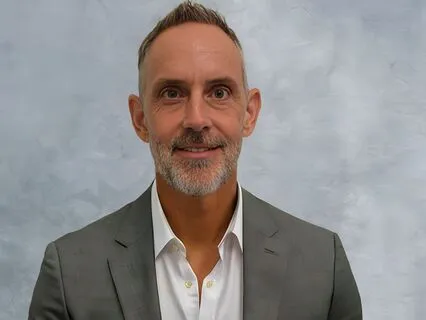
Welcome to Life,
Lessons,
And Laughter with your host,
Glenn Ambrose.
Hello,
Everybody,
Welcome to the show.
So today I have a very special guest,
I'm psyched.
This is Nate Hambrick,
So welcome him to the show.
Nate is an international bestselling author of Crush Your Kryptonite and the 18 Laws of Leverage,
Which reveal his powerful systems for creating exponential results in business and in life.
So here's Nate.
Thanks for having me.
Hey there.
Good to have you.
Yeah,
I was just,
I was telling you before I was looking at some of your material and I was so excited I actually had to take notes.
So I think this is the way,
The way you have things laid out is I think going to be really helpful for the audience because I can tell just what I was reading that,
That you have very comprehensive information that people can use,
You know,
Right off the bat,
Like no matter where they are,
They can use your techniques.
And you know,
I was lucky enough to be on your show with Bronson recently.
So I got to know you a little bit there and,
And as soon as it was over,
I couldn't wait to have you on mine.
Well,
Thanks for it.
Thanks for having me back.
I appreciate it.
Yes,
Yes.
You know,
My audience is used to me having some,
Some quality people on good information,
But also with good hearts,
You know,
And that was one thing I picked up on you immediately.
You know,
You got a good heart and you're a good person and you're out there helping people with,
I think something that is not only is it extremely important,
But I think it's becoming even more and more important as what I perceive as a spiritual shift happening on this planet.
And I think,
You know,
It's,
It's important for people to,
To be able to not only support themselves and,
And stop struggling.
It takes so much energy to struggle,
Right.
You know,
And just to try to manage your everyday life and figure out how you're going to pay this bill and how you're going to pay that bill.
And if we really want to get to a purpose driven life,
I think that we need to use these tools to stabilize our earthly structures and,
You know,
Not as the end game,
But more of a leaping off point so we can really follow our purpose.
But,
You know,
We can't be struggling to pay the bills and expect to be able to lean into our purpose very deeply.
Yeah.
Grant Cardone has a funny line about that.
He says that it's harder to be a drug addict than a billionaire.
And the reality is,
Is,
You know,
Succeeding is,
Is challenging.
It's very difficult,
But it's a lot easier than struggling every single day.
It's a lot easier than waking up every single morning,
Dreading the alarm clock,
Dreading,
Dreading work,
Dreading all of that.
So anything that,
That I can do to help your,
Your audience grow and make that a little bit easier,
I'm happy to help.
That's awesome.
That's awesome.
I agree with you a hundred percent.
So,
Yeah,
I,
Like I mentioned,
I think we can,
We can kind of jump right into the laws because as I was going through these,
I was like,
Wow,
These are powerful.
And the first one I wanted to touch on was law two,
Use other people's money.
Sure.
Now that that sounds great for many reasons,
And one of them is because,
You know,
A lot of the people that are struggling don't have their own money.
So using other people's money is a,
Is a great idea and it's something that wealthy people do.
So,
So,
Yeah,
Let's lean into that to start off.
Yeah.
So maybe a good place to start is just recognizing that there are already people using your money currently,
Right?
If you have a bank account,
The bank is currently using your money and they're basically robbing you blind.
They're not paying you hardly anything for it.
Okay.
And,
You know,
Knowing that not even the banks bank with themselves will tell you everything you need to know about that.
And so I'm not opposed to having a bank account,
Obviously.
But once you realize how powerful leveraging OPM,
So other people's money is,
You realize that,
You know,
There are assets out there that you can buy.
There are things you can do with other people's capital that you couldn't do by yourself.
And so I'll give you an example.
One of my friends,
I call him in the book,
Derek,
The firefighter,
Just made a regular firefighter salary,
Which is not a ton by any stretch of the imagination.
But what he did have was he did have time because firefighters sit around,
You know,
They do have some downtime,
Right?
In between all the things that they're doing.
And so what he did is every single,
Every other year,
He would use other people's capital,
Raise capital from friends and family,
Raise capital from the bank,
And he would buy a property with 5% down.
He would move his family into it.
And then the years he wasn't moving his family,
He'd buy another property with 20% down.
And then,
You know,
Seven to 10 years later,
He had 12 of these properties and he sold all of them,
Took the $1.
8 million in capital that he had grown and then put it into what's called syndicated real estate,
Where basically he does nothing.
And he,
He makes,
You know,
18% interest on 1.
8 million.
And so he retired from needing to work very early on and now he does things that he loves.
And so he loves working.
That's the funny thing about it.
Every,
Not,
Maybe not everybody I meet,
But a lot of the people that I know that retire financially in their mid to late thirties or even in their early forties.
The funny thing about is they immediately go back to work,
But the way that they go back to work is completely different because they don't have to work.
They want to work.
And so the way they show up,
The work that they choose is very,
Very different.
Yes,
Absolutely.
And I,
You know,
There's probably a psychological aspect to that as well.
It's,
You know,
If,
If you keep putting your,
The pressure on yourself,
Like I have to go to work,
I,
I have to do this,
I have to do that.
It's just natural to start to rebel against that in your head because you're,
You know,
We're,
We're basically playing the victim,
Which I've talked about this with people all the time.
It's,
You know,
We,
We wonder why we feel like we're under pressure all the time and we hate our lives.
And it's like,
Well,
You know,
What do you do every day?
Well,
I have to go to work.
I have to get gas.
I have to go to a grocery store.
I have to,
I have to.
It's like,
No,
You don't have to.
You're choosing to.
And it's they're good choices,
By the way.
You should be patting yourself on the back like you're choosing to go to work because you can feed your family.
Good choice.
You know,
You're choosing to get gas so you don't run out of gas on the side of the road.
Good choice.
You know,
Like,
So if we shift that,
You know,
It's,
We're going to rebel against it a lot less and,
You know,
And,
And,
And leaning into what,
What a great feeling that is going to work because you want to doing what you want to,
Not what you have to,
You know,
Warren Buffett says that he tap dances to work every day,
Which I hope I'm tap dancing to work every day.
I don't know how old he is.
I think he's in his nineties at this point.
So it is possible,
But it's,
It's very rare.
Very few people love to work.
I love to work,
You know,
I,
I love it.
I get fired up to,
To go make the world a better place and do things I care about.
Yeah,
Yeah.
Fortunately,
Same here.
You know,
I started my business like 12 years ago when it was,
That was a major aspect of it.
And it's to,
To do what I love and what's beautiful is,
You know,
Life still happens.
I go through difficult times sometimes,
But no matter,
No matter what's going on,
No matter the mood I'm in,
If I have to work with a client,
It's just,
It gets put on the side and I can just completely engage in that.
And,
You know,
It's,
It's,
It's been a saving grace at certain times when I was going through difficult times to,
To be able to get lost in my work.
And then now here I am leaning into a whole new career,
You know,
And just how I figured out what I was going to do was what brought me joy,
You know,
Not what I needed to.
So what,
What brings you joy these days?
Like if you were to condense it down to your top two favorite things to do,
What would those be?
Like socially or work-wise?
Sure,
Either,
Both.
Well,
I think,
You know,
Especially for this conversation,
Maybe work-wise is more important than it's,
It's just at this particular moment,
It's I'm really getting into the,
The land development and the real estate and investing,
Quite honestly.
It's,
It's,
I've always had a business mind and I've used it in certain areas,
But there was of my own business,
Of course.
Right.
But there,
There's a level to it that I've never tapped into that I've known is there.
And it's exciting because I'm tapping into that now,
You know,
With,
With,
With the land development and the,
And the investing aspects of it.
So.
It's very cool.
Well,
Let me know,
Especially with the,
With my book,
The 18 laws of leverage,
Let me know if there any areas of leverage that you're hoping to implement for your business.
I'd love to help.
Absolutely.
And as I'm looking at these,
It's like,
You know,
I'm,
I'm seeing all kinds of things that,
That can help like,
Uh,
Law five,
Charge your brand to build your brand,
Charge for your brand to build your brand.
I thought that that was a genius one.
Yeah,
I call it the,
Uh,
The Ariana Grande principle.
And,
Uh,
So if you're not into music,
Ariana Grande,
Uh,
She's had many top 40 songs.
And one of the things that I talk about,
You know,
And this doesn't just apply to the music industry,
But so many people think in the music industry that it's the best artists that end up at the top.
And I just,
I firmly disagree.
I think it's the most profitable artists that have the resources and capital to market their music hard enough for long enough to make a wave in people's everyday lives.
And so what people don't realize is that to get a song,
Any song,
Basically,
As long as,
You know,
It has to be a decent song,
But as long as you have a decent song,
It costs roughly $2 million in advertising to push it to the top 40 starts,
That's it.
It's just a dollar number.
The challenge is most artists can't,
You know,
Drop $2 million on ads.
It's just not going to happen.
And so,
You know,
When you get to be like an Ariana Grande,
When you already have the capital,
You get to treat life like a chessboard where you're moving pieces around.
And so I walk through the financials of how our business model works.
She'll pay $2 million to get a song to the top forties,
That exposure,
You know,
Her credibility,
She's famous,
People want to follow her.
And then she immediately turns that around and advertises for Gucci,
Different purse companies,
Shoe companies.
And I forget the exact number,
But she charges something like $900,
000 per post for companies to use her image.
Okay.
So after fees,
After expenses and all that,
She's still making somewhere in the ballpark of 400 grand per post.
Well,
You only have to do that a few times to make $2 million to then push the next song up to the top forties.
And so she can just go out there,
Buy songs,
Right?
Cause they're all ghostwritten or most of them are pay the producers throw down $2 million per song.
And so she's just got this revolving flywheel of hit after hit,
After hit,
After hit,
Because she's making,
You know,
Tens of millions,
Probably hundreds of millions of dollars from paid sponsored posts.
And so we can do the exact same thing.
Most people working a nine to five don't think of themselves as a brand,
But you are somebody somewhere trusts you to do something,
Figure out a way to charge for that.
And so an easy example,
If you're an entrepreneur,
If you're in sales,
Even if you're low on the totem pole,
There's somebody out there who would like to borrow your credibility.
And so one of the suggestions that I have in law five is,
You know,
If you're doing a good job at your job,
Just,
You know,
Refer the clients who already love you to other people you trust and charge them 10 to 20%.
That's a massive win for them because now they have clients that they're going to enjoy.
They've got profit.
They didn't have to advertise for,
You get a piece of the pie for just making that introduction.
And then once you do that 10,
20 times in a row,
You know,
That 10 to 20% really does add up.
And now you actually have capital to go build something,
Right?
People don't start businesses because they don't have the money or they don't feel like they have the money.
They don't want to take it from their savings and risk it on some business venture they're not sure about.
But if you can start charging for the brand,
AKA yourself right now,
Now you have more resources that you can experiment with,
Um,
To go do something,
Something epic on the side.
Nice.
So it's,
It's really leveraging what you have at the moment.
That's just it.
It's baby steps,
Right?
Um,
One of the biggest revelations I've ever had is,
Is meeting.
Like I met this guy the other day,
Actually a week ago,
I met a lady who's got 1.
1 billion with a B billion dollars in assets under management.
And she's just,
I mean,
She's an average lady,
Right?
She's just a regular lady.
I mean,
Sweet enough,
But you wouldn't think to yourself,
This lady's got over a billion in assets under management,
But she just kept finding ways to charge for what she currently had to scale to the next level.
And then just reinvested it and did that.
I don't know,
Probably hundreds,
If not thousands of times.
And now she's at where she's at.
So do baby steps.
You don't have to build a million dollar company tomorrow.
Build a $2,
000 company tomorrow.
Then reinvested in double,
Double,
Double,
Double.
It's amazing how far you can get with those little baby steps.
Yeah.
And that's a good point.
You know,
You just said build a $2,
000 business.
I mean,
Nowadays that's completely feasible.
You know,
It's,
It's like you can set up a website and.
Have some business cards printed.
If you want to have a accounting software connected,
You can have basically all this stuff together for.
Pennies,
You know,
Nowadays,
And it's never been like that before.
And it's,
You know,
Which,
Which is exciting because it opens up to possibilities.
But I think it's,
As you were talking,
It reminds me of just the thinking outside the box,
You know,
If like,
Like I,
One of my favorite quotes is from Einstein.
It says you can't fix a problem with the consciousness that created it.
Right.
So it's like,
I think that this is what I see a lot of people getting stuck with,
You know,
People that I work with and they'll,
They feel like they're trapped because of their outlook.
Right.
They don't know a different outlook.
They only know the outlook that they have.
So when they hear people like me or people like yourself talking,
It's,
It's very easy for them to push it aside and go,
Yeah,
But they don't understand.
Like,
I don't have any money.
I don't have anything to start with.
Nobody's going to pay me for anything or,
You know,
Stuff like that.
So,
I mean,
What do you say to people like that?
Yeah.
I mean,
You can either give up or you can go learn from the people that have already done it.
Like it is a very,
It's a life changing moment.
It's a,
It's a giant relief in realizing that no one's coming to save you.
No one's going to build your dreams for you.
You're the only one that's going to go build it.
And once you accept that,
Then you can make the necessary changes in your life to go do bigger things.
Um,
And I will say,
Find somebody who's five to 10 steps ahead of you.
One of the challenges with books,
And I love reading books.
I've probably read over a thousand self-help books,
Like no joke.
I've read a lot of self-help books.
But one of the challenges that I see is that people immediately skipped to the billionaires and their books.
Well,
The,
The,
The challenge is their frameworks are completely different,
Right?
They can explain what they're doing to you,
But you're a thousand steps behind them.
There's no way that you'd even have the brain to wrap your mind around what the heck you're talking about.
One of my favorite pastimes is actually reading one star reviews on really successful books.
And it's just,
It's really fun for me.
It,
It,
It makes me chuckle because the people that leave one star reviews on these really incredible books,
Like rich dad,
Poor dad,
Or that kind of thing.
They have no concept for what the author's talking about and nor should they.
And so one of the things that I've found helpful is finding somebody who's five or 10 steps ahead of you to teach you instead of the guy that's a thousand steps ahead of you.
Right.
And so that's for me too.
A lot of times I try to skip to,
You know,
I met a,
Um,
Uh,
Real estate guy the other day,
He's got five or $600 million,
Uh,
In real estate.
And although I want to learn from him for sure,
He's so far ahead of me that it's really hard for me to implement those strategies right now.
And so I'm better served learning from somebody who's,
You know,
Five to $10 million richer than me,
Learning those things,
Applying them,
Mastering them,
And then leveling up from there.
So make it easy on yourself.
Um,
If you feel like your life's going nowhere,
Right.
Remind yourself that you are in control,
Right?
You can do this.
You just got to start.
And so part of that starts with shifting your mindset,
Which you talk about all the time,
Glenn.
Part of that is you need practical tools.
Like you need actual tangible things you can do tomorrow to change that.
And so that's why with the 18 laws of leverage,
One of the things that I'm most proud of about that book is that I did my best with every single law of leverage to give you the billionaire example,
The millionaire example,
And then the example for the average employee making 40,
50,
$60,
000 a year.
And the reason I was so intentional with that is all of these concepts can be done at the smallest level,
All the way through the billionaires.
And so I wanted to help people no matter where they were at.
So yeah,
That might be a great place for you to start those,
The listening today who,
Who just feel like they can't get ahead or they can't figure out how to get to that next level,
You know,
Start small and just,
You know,
Keep going.
Yeah.
And that's it.
And they,
You know,
And you,
You can find a way to invest in a book.
Yeah.
I mean,
Some people will even talk to themselves out of that just to,
You know,
But I experienced exactly what you just described when I was starting my business.
I was,
Uh,
I was a single parent and,
And right when I,
I was just starting my business,
Like I was just going through the starting process,
I got full custody of my son and his mom stepped out of his life.
Now all of a sudden I'm 24,
Seven parenting.
Um,
I'm in transition place that my lawyer says,
Hey,
Go get your,
You're the sole custodian.
Now go get food stamps,
Go get free healthcare,
Go get.
And I'm like,
What,
What?
I didn't even think of this stuff,
You know,
But I did.
So I was literally collecting food stamps when I started my business.
You know,
Supporting my son and I,
And I spoke with a very highly successful friend of mine and I said,
I'm starting this business.
What do I do?
You know,
And he gave me this advice and,
And,
Uh,
He gave me,
He said several things,
But one of the things he said is he says,
Well,
You know,
You're going to need,
Um,
This much capital and you're going to need a year's salary to fall back on,
And you're going to need a safety fund and all this stuff.
And I'm going like,
Huh?
Like,
But I'm collecting food stamps,
Like how,
And I have no time left.
Like,
He's like,
Well,
You know,
Get,
You gotta find a source of income.
So like,
Go,
Go start working at a restaurant,
A couple of shifts a week and starts just banking that money.
And I'm like,
So I'm going to work for another five or 10 years trying to save up $30,
000 to start my business.
Like it's not happening,
But he's so far ahead of me.
He was so successful and he,
He knows what it takes to be successful in business,
But it's a particular model at a particular size.
So if I said,
Hey,
I can't do that.
He's like,
Well,
Good luck,
You know?
So what,
So what I did is I just scrapped all his advice and said,
Okay,
I'm not doing that.
How can I do this?
And back then I came up with,
You know,
I decided to do a crowdfunding and I,
You know,
Just did a crowdfunding campaign just to the best of my ability.
It wasn't amazing.
I wasn't raising hundreds of thousands of dollars,
But I don't even remember what I raised.
You know,
I probably raised somewhere around 1500 to 2000 bucks,
But it was enough for me to,
To buy some chairs for some events and to,
To buy some dumbbells from my personal training aspect of my business and to buy a,
You know,
A TV on Black Friday for some events and like all this,
And I pieced it together and I found a way,
You know,
And,
And that was,
I don't know,
12,
13 years ago or something,
You know,
And I've been living off that business ever since.
So it's,
You're right.
It's,
You know,
If you're talking to a person and,
And I think that this happens to a lot of us,
That's why I kind of wanted to pause on it.
You know,
If,
If you don't have your answer,
Go to somebody else,
You know,
And,
And I think it's what you said is important and not keeping in mind is if somebody's so far ahead of you and you ask their advice and you get their advice and you look at it and you say,
Well,
I can't do that,
Then a lot of people will give up.
And it's like,
Oh,
Wait,
Wait,
Wait,
There is always a way.
There's always a way.
So if that person wasn't able to give you the input that you needed,
Then go find somebody else that can find a find a book like yours,
Nate,
That's that has it laid right out for you that,
You know,
At your level,
Like you said,
I think that that's a great,
Great idea when you were writing this book to make it accessible to different levels of people where they are at that time,
You know?
Yeah,
I call it standing on the shoulders of giants.
I think so many people try to reinvent the wheel and it's discouraging,
It's frustrating,
It gets you nowhere.
And then you just,
You know,
We all take the path of least resistance,
Which might be just distracting yourself or giving up or watching Netflix instead of changing your life.
And so make your life easy,
Right?
One of my heroes,
Actually speaking of books,
One of my heroes is a guy named Naval Ravikant.
The almanac of Naval Ravikant is fantastic.
And one of the things that I love about Naval is he's a big encourager of quitting quickly of,
You know,
Whether it's a book or a business or whatever,
Giving it a go and then immediately like pivoting to the next thing.
And so if you're using the wrong set of information to build your life and build your business and it's not working,
You know,
Give up on that and find something else.
Now,
Just to clarify,
He's not trying to tell people to quit easily.
What he's trying to say is keep looking,
Keep searching until you find something that resonates with who you are,
That you actually believe you can do.
Right.
And so with that,
One of the best piece of advice that I've ever heard from the entrepreneur Alex Ramosi is the best piece of advice you can give someone is you'll figure it out.
Right.
Because the way that I succeed might be different than the way that you succeed,
Glenn.
But if we just keep on searching and we keep trying,
Trying,
Trying,
And we're really quick about it,
We can keep that momentum and figure it out for ourselves.
Yeah,
Absolutely.
And that's that's what I did with my my business previously.
And that's what I'm doing now.
You know,
The land project I'm working on is large.
And I can't count how many people in the last year and a half have told me that it's not going to happen,
I should give up,
Blah,
Blah,
Blah,
Blah,
You know,
And then now here I am a year and a half later and I'm right on the cusp,
Like everything's falling into place and and,
You know,
That the right people are coming in and all that stuff.
And it's it's yeah,
It's it's not about giving up.
It's about,
You know,
Find finding a way and we will as long as we keep putting little bits of energy towards it.
That's that's what I did when I started.
Like I was kind of resting for for a few years,
Really.
I mean,
I still have my business and everything,
But I was exhausted,
Man.
I,
You know,
I was an alcoholic for 20 years and then I woke up and I had a kid.
So I was a parent for 20 years and I'm starting this business and and I was exhausted and I just kind of rested and let my business coast a little bit.
And when I needed to get from that space of and,
You know,
This can look like me resting,
But it also can look like people going to work every day but feeling stuck in their situation,
Not knowing how to get out.
So what I did to,
You know,
That that law of physics that,
You know,
An object that rest tends to stay at rest.
I was like,
OK,
I need to feed energy because I'm kind of used to having a lot of downtime and I'm generally a very productive person.
But the last few years I've really rested.
So how do I get myself moving again into a direction?
And what I did is I made a promise to myself that I would take one piece of action every day towards my dream,
No matter how small it was.
And and I made that commitment to myself and I take my commitments to myself seriously because if I don't,
Then I don't have self-respect.
And,
You know,
So so I take that,
Which is a whole nother podcast.
But so I took it seriously.
And there was times when I went to bed and I went,
Oh,
My God,
What did I do today?
Nothing.
And I got up out of bed and I grabbed my phone and I Googled.
Land in a D.
R.
Or whatever,
You know,
And results came up and I look at like three results,
One that resonated with me,
I'd copy and paste it into a message and send it to myself,
Which all of that took me three minutes and put my phone down,
Go to bed.
But it was something I just did something,
Even if it was a Google search,
You know,
And then after about,
I don't know,
A week to 10 days that that energy started building,
You know,
And it started all of a sudden it started instead of me trying to push myself,
It started the vision started to pull me.
And all of a sudden I started getting excited to take the action,
You know,
Not to mention.
And I'm not a psychologist,
So I'll probably butcher this.
But I've I've learned for myself that if you dwell on your dreams right before you go to sleep and dream,
Your brain's actually going to work on it while you sleep.
It's pretty incredible.
One of my friends turned me on to this.
Anytime he has a problem he's frustrated with,
He'll revisit it for 30 seconds right before he goes to bed.
And,
You know,
He does his breathwork and stuff so he can still sleep.
Like,
Don't let this keep you up.
But he'll think about it right before he goes to bed.
And a lot of times I'll wake up with a solution.
And that doesn't happen all the time.
Right.
But that can be really helpful.
It's also really cool because if your mind keeps dwelling on your dream,
Even as simple as going on your phone and then getting three properties and then texting it to yourself,
Not only does that help you with momentum tomorrow,
But also your brain's thinking about it,
You're dwelling on it.
And so you have more energy moving towards that goal.
So I think you almost hit the trifecta.
It's helpful because progress is always helpful.
It's helpful because your brain can process it during the night.
It's also just helpful because you're emotionally going to be drawn towards that more.
So I love it.
Yeah,
Absolutely.
And I think it's everything is energy.
And if we keep putting energy towards something,
That energy starts expanding.
And it's,
You know,
So which and I think this is hilarious to me.
I love the synchronicity of it.
But exactly what we're talking about goes right into law eight,
Which is think more than you work.
So could you explain that to us?
Yeah,
I think so many people,
They get trapped in spending all of their time either with their family,
Taking care of their family,
Or they get trapped in their nine to five that they don't have enough time to look up,
Take a breath,
Look around and figure out what they want to do next.
And we all have friends like this,
Right?
I've been this I've been this before,
Right,
Where you're so focused on just making it through the day,
You don't have time to find better solutions to your problems.
And so going back to the the person you described earlier,
Who might feel trapped where they're at,
And they feel like,
Oh,
You don't understand,
Glenn,
I can't because of X,
Y and Z,
I'm going to make an educated guess that they're trapped by their nine to five in that they're putting all of their effort,
All of their mental and emotional resources into just keeping that nine to five going,
Of course,
They can't figure out anything.
And so what you have to do there is you have to be disciplined and say no to work tasks,
Which is is hard to do.
It's really,
Really hard to do because your employer,
Their job is to keep you as busily as busy as humanly possible without you quitting.
That's their role.
OK,
Your role is to do as little as possible while keeping your job and figuring out a better way.
And so when you look at people who are making $50,
000 a year,
Who immediately go to $150,
000 a year to them,
$500,
000 a year to them,
$5 million a year,
It's because they're constantly iterating and they're finding new solutions to their problems.
So I'd encourage you for all you listeners out there,
If you feel trapped in your job,
Like figure out a way to devote the first 30 minutes to an hour of your paid work time finding solutions to your current job or let's be real,
Finding a new job.
Right.
Or finding a new employer or finding a new way to do this.
Right.
It is up to you to carve out that time to make it happen.
And since we're on the subject with the 18 Laws of Leverage,
I mean,
I wrote that during a really busy time.
I've got an 11 month old son and it takes a lot of work to write a book of that caliber.
I spent probably a thousand eight hundred hours on the book.
I had 82 or 83 drafts.
I had 11 rounds of professional editing.
It takes a long time to do that.
So what did I do?
The very first two hours of my day,
I was waking up early,
Immediately waking up,
Going to my computer.
Ten,
Twelve minutes later,
I'm working on the book for two hours before I clock in.
And I did that every single day,
Basically for a very long time.
And it all adds up to something that will pay me forever.
Right.
And so it is worth it.
It's hard,
But it's so worth it.
So I hope that's encouraging for all the all the listeners at home.
Yeah,
Absolutely.
And that's that's that's exactly what I think we need to do is I remember when I was playing around with starting a business,
Another business before I started the one that I have now.
And I remember one time I was I had like a half an hour,
You know,
And I was leaving one job and I had to pick up my son or something.
So I had this little half hour block and I run into the bank and I set up this business checking account and get out and I'm going and I was stressed out.
And I was I was,
You know,
Kind of starting to feel sorry for myself,
You know,
And I went,
Whoa,
Whoa,
Wait a minute,
Wait a minute.
What like if there was a guy who was a single father and he wanted to be a successful entrepreneur,
What would his day look like?
And I'm like,
Well,
He'd probably have a day job that he had to go to and he had responsibilities around his child.
So if there was something that he was going to do for his entrepreneurial business,
He would have to squeeze it in wherever he could,
Like maybe running into a bank in a 30 minute window to try to get a checking account open.
And I was like,
Oh.
So I'm just doing what any other busy entrepreneur trying to start his own business would be doing.
It's not that,
You know,
It's not that ridiculous.
I just have to push myself a little bit in order to get what I want,
You know.
And that was my version of it.
But I think a lot of people,
You know,
Like we've we've touched on this twice from different perspectives.
And I think it's an important one is that carving out time,
Everybody says they're so busy,
You know,
They they they wear like a badge of honor how busy they are.
And I mean,
Now,
Granted,
When you've got kids,
I get it.
You know,
I was a single parent,
So it's you know,
I experienced this,
So I understand it.
But that was when I started my business.
And,
You know,
When we look at time,
There's if we sleep eight hours and we work eight hours,
Then there's eight hours left over.
Mm hmm.
Eight.
Like,
You know,
Now I understand that we have to shower and eat and stuff like that,
But I mean,
For the average person working a full time job to have four hours or maybe two hours or at least one hour of downtime every day is completely reasonable.
And usually people fill it with Netflix.
So it's like,
Well,
And then this is the funny part to me is because people will say like,
Well,
Show me that all this work that you're telling me that I'm going to do is going to pay off in the long run.
They need a guarantee.
Yeah,
I want my guarantee.
And and it's like,
Well,
You know what?
Why do you want your guarantee?
Well,
Because I don't want to waste my time.
Oh,
OK.
You're already doing that.
Right.
So sitting around watching Netflix,
Not doing anything to better your life is not wasting your time,
Putting energy towards building something that can change your life and give you the life you want.
That could be a waste of your time.
I don't think so.
And to me,
It's,
You know,
As somebody who's done this a couple of times.
But the enthusiasm starts building as you're putting that energy towards it.
It's fun.
It's exciting.
When I was building my business and and my,
You know,
At nighttime and my son's laying on the floor watching TV and we're winding down,
Getting ready to go to bed.
And I've got my laptop in front of on my lap at,
You know,
Nine thirty,
Ten o'clock at night and just doing a couple little thing.
I wasn't I didn't have to make myself.
I was creating a business doing what I loved.
I wanted to do that.
I had a hard time putting the laptop down,
Not picking it up,
You know,
And no efforts wasted in that.
I was I was chatting with one of my friends yesterday about that,
That even in the failures like the businesses,
One could start that fail or the things that don't work out.
None of that's actually wasted.
You know,
In high school,
I was very devoted to music.
I did,
You know,
30 to 40 hours a week for seven years on end.
I commercially produced 11 music albums that I ghostwrote.
And,
You know,
I thought I was going to be this big rock star and amazing ghostwriter to the stars.
Didn't work out that way.
You know,
I get a tiny 80 dollar check a month from my royalties to this day.
But the reality is,
Is everything that I did,
I still use right as a musician,
As a ghostwriter for music artists.
I learned how to launch songs.
I learned how to get 200 to 300 people together to launch a product.
And guess what?
I still use that today.
Right.
My new book,
The 18 Laws of Leverage,
I'll do 100,
000 sales on it.
But to do that,
I had to convince 832 people to get together and help me launch this.
That's close to a thousand people.
Right.
And so all those skill sets that I built as a 17 year old,
18 year old,
19 year old,
20 year old kid where I failed,
It's still paying me dividends today.
And all of my current failures,
They're still getting me closer to tomorrow's goals.
And so none of that effort's wasted,
To your point.
Right.
When you were,
You know,
Rushing to the bank,
When you were sitting on your laptop in the evenings,
Like making stuff happen,
A lot of those skill sets,
A lot of that tenacity that you built up has got you to where you are.
Oh,
Absolutely.
And most of it failed,
You know,
Like welcome to entrepreneurship.
Right.
I was constantly studying marketing strategies and doing all kinds of things like that,
You know,
For years and at least 90 percent of it failed.
And then,
You know,
But it's energy,
Though.
It's where we're out there in the game.
We're playing,
You know,
So you're putting energy out there.
And when when the right thing comes across.
You're there in the game,
Ready to grab on to it,
And it doesn't take the 90 percent that failed,
I obviously didn't need because my business was a success,
I didn't,
You know,
So so just because those failed,
I was still out there in the game,
Putting energy towards putting energy towards looking,
Trying,
And then all of a sudden that one thing comes through,
You know,
Like for me,
It was it was insight timer.
The meditation app,
You know,
I'm doing all these things and boom,
Boom,
Boom,
Boom.
And,
You know,
Most of it's not working,
But whatever.
And then and I revamped my business and downsized it.
And I was like,
I got rid of the personal training.
I didn't want to do that anymore.
I got rid of the events.
I didn't want to be an event planner.
And I fine tuned over time into what I really enjoyed doing.
And it was basically,
You know,
There was a few little things,
But it was basically life coaching and my podcast.
And when I thought about my podcast,
Nobody was listening to it.
So I was like,
Should I even bother?
You know,
I was like,
Well,
Yeah,
But it's fun.
I enjoy it.
I said,
OK,
Keeping and and that's what I did.
And then all of a sudden,
Like six months later,
I come across insight timer and I'm like,
Wow,
This thing has a lot of different not just meditations on here.
I wonder if I could upload my podcast.
I don't know,
But I was so in the mode of possibility and reaching out and following leads and doing that because I had been doing it for so long that I actually didn't let that pass.
I emailed them and said,
Hey,
Can I upload my podcast?
And they were like,
Sure,
Yeah,
You can do that.
Here's the process.
And I started doing that.
And then within a few months,
I also I have a global audience.
Wow.
I'm international.
Yeah.
You know,
My podcast just blew up internationally.
And I've got people from literally all over the world wanting to work with me.
You know,
So it's but that wouldn't have happened if I wasn't in the game doing all the things and have the the habits formed,
The successful habits of of just doing and doing and doing and putting energy towards,
You know.
Yeah.
Opportunities are like buses.
There's one coming every half hour,
But you have to be ready for them.
That's the thing.
Like the opportunities come to those who are ready for.
I get opportunities all the time,
Constantly.
I can't I can't even pick up a fraction of them,
But I'm also ready for them.
So you've got to prepare yourself.
You've got to be ready so that when that opportunity comes across your lap,
You can take full advantage of it.
Yeah,
And that's one of the things that I teach my clients.
So,
You know,
There's a saying opportunity only knocks once.
Yeah.
I don't know who created that.
I have no idea about.
Yeah,
It doesn't.
Not only does it not only knock once,
That's all it does incessantly is knock.
It's its only job.
You know,
It's constantly knocking like,
You know,
If you're open to it,
Jordan Peter says Jordan Peterson says something that I think is really helpful.
He says that every problem is an opportunity,
Right?
If we lived in a utopia where everything was perfect,
All the buses ran on time.
You know,
The groceries were just always there.
Like if everything worked perfectly,
There would be no opportunity.
So every challenge that you see out there is an opportunity.
And I think that's why challenges are so abundant for people like you and people like me is because you can't help drive down the highway or drive down a road.
You can see challenges everywhere there.
Well,
There is a problem.
There's 50 problems.
I don't even know what's up with that guy.
That's like 100 problems that you can solve.
That's your opportunity.
But you have to train your brain to think that way.
So I'm curious for you,
Glenn.
You know,
Obviously you've been successful with a podcast.
You've got a thriving business.
What's next for you?
Like what are the next big challenges or puzzles you're trying to solve for yourself?
Well,
Right now it's the land project that I'm working on.
You know,
It's a whole new area.
So it's getting exposed to investors and understanding how they think and what gets them interested in a deal and putting together a deal,
You know,
Where I have to know my limitations,
You know,
Because if I think I'm going to run in and just be some real estate landmobile right out of the gate,
It's just simply unrealistic,
You know.
So to me,
It's about balancing using my intelligence,
My capabilities,
My experience in business and my gifts,
But also being really clear on building a quality team around me that can do what I can't,
You know,
It's like I can hold the vision and I can bring people together and I can make it happen and I can oversee stuff.
But all the intricate little parts of each one,
There's aspects that I have to learn,
But there's also people I need to bring into place.
So everything's done the right way.
So I learn the right way as I'm doing,
You know,
Leveraging other people's time and skill sets is so powerful when people ask me.
So one of the things that I'm just so passionate about is tax avoidance.
And a lot of times people ask me questions on it and I'll just say,
Hey,
I have no idea.
That's what my CPA is for.
Like there are enough to be dangerous.
Like I understand how to appreciate your works.
I understand how to lower your taxable income roughly,
But I can't file any of that stuff.
I don't know how to set up S corporations.
I don't know how to do any of that.
That's why I found somebody smarter than I am in that sphere to do it for me.
And so if you set your life up where you have 10 or 12 people in different spheres that are smarter than you,
You'll get so much further.
So I loved what you shared is you built a team to help you get there.
You don't have to know everything.
You just have to to build the team.
What with that,
Do you feel like is that something that you coach a lot of people on as well,
As far as like outsourcing work,
Hiring talent and that kind of thing?
When it comes up,
Yes,
But honestly,
Over the years,
It hasn't come up that often,
You know,
This I'm not coaching entrepreneurs as.
It's just not the normal,
Say,
You know,
Every once in a while,
You know,
It does come up as part of somebody's life and what the transition that they're in and and yeah,
Then I do.
Sure.
It hasn't been a huge staple.
Yeah,
OK.
It's definitely been something that,
You know,
Honestly,
You never you never get perfect at it.
There's always something that you can outsource to somebody else.
And my newest victory is outsourcing stuff I'm actually good at to other people.
You know,
That's the hard one for me.
So I'll give you an example.
I'm about to launch the audio book version for the 18 laws of leverage.
Well,
I've got 16000 hours under my belt of music and sound engineering experience.
I'm really good at audio work,
But I chose to outsource it because my hourly rate now is call it eight,
Eight or nine times more than what it costs me to outsource.
And so that one's hard for me.
I don't know if you've experienced that,
Where it's easy to outsource the stuff you suck at because you have to.
Right.
But then there comes a point where to have the impact you want to have at the highest level to grow in the things that you're actually going to be world class at.
You have to outsource the stuff that you're kind of sort of decent at.
And that's it.
So I don't know about you,
But that's been hard for me.
But on the other side of it,
You realize that you get to help a lot more people.
And that's really life giving.
Sure.
It's great to make more money.
Yeah.
Blah,
Blah,
Blah.
That's just a reflection of the amount of people I help and the depth of help that I give them.
Yeah,
Absolutely.
And that I I experienced that.
Oh,
What's six?
Oh,
Maybe about seven years ago now.
Maybe a little more.
And I was I was starting to get burnt out because I was doing everything myself and my son was still young and it was a lot of energy and and I was just like and my business was doing well enough where I didn't like I didn't have to,
You know.
And fortunately,
I had like my producer at the time for my podcast was he's very business minded and this type of stuff.
He's like,
Glenn,
Let me let me do some of that.
Let me help you out.
Let me take some stuff off your plate here.
And I was like,
Oh,
My God.
Great.
And we worked we worked it out.
And I'll tell you,
I had to I had to go through a learning curve.
And I didn't know I was going through one,
Which made it made me go through one longer,
But now in hindsight,
I probably went through that learning curve for like three years and and I smile because that sounds like me.
Keep going.
I'm listening.
And he he and a couple other people that I had helping me at the time took the brunt of it because like I'm as nice as pie until I get to a certain point and then I can get very matter of fact and straightforward and a little bit pushy if I need to,
You know,
And it came out on them a little bit,
You know,
And I was just I look back on it now and after after some time,
I realized that that's what I was doing.
I was like I was so specific and so focused on professionalism and everything was a reflection of my image,
Which was ego based.
Right.
I wanted to be the professional one.
I wanted to have the things and everything wasn't perfectly on time and everything.
And yeah,
You know,
I had my standards were a little bit too high.
You know,
They're they were pushing me a little bit,
But I could develop routines and stuff,
But it was still a lot work for me.
But other people function differently.
Sure.
Yeah.
So,
Yeah.
So it over a little bit of time,
I started realizing I was like,
Glenn,
Relax.
Like,
Why did you hand this stuff over to have less stress in your life,
Not to have more stress?
Is it really that important if it goes out first thing Tuesday morning or if it goes out Tuesday evening?
If it's going to go,
If you know it can fluctuate and just tell people it's going to be a Wednesday morning instead of telling them that it's going to be out Tuesday and then have it not hit until Tuesday night and that not being OK for you,
Like,
You know,
Adjust,
Build in some breathing room so you're not so anal and freaked out.
Yeah.
Every little thing,
You know,
That's good advice.
Releasing other people,
Dan Martell talks about this and buy back your time.
The whole point of leadership is to completely offload it to them and give the responsibility to them to see the project all the way through.
And it's it's a challenging thing to do at the start,
Because when your employees or your outsourcers don't do things up to your standard,
It's very easy to just take over and finish it for them.
Right.
And you can't do that.
That defeats the whole purpose,
Right?
You're adding stress to your life instead of removing it.
And so it is a beautiful thing where when you can take an outsourcer,
An employer or whatever situation you have and they return a project not to your standard and you just say,
Hey,
You know,
We talked about the standard.
Let me know when it's done and then just send it back to them.
And then after a few tries,
You know,
If you have the right employer,
The right outsourcer,
You do that five or six times in a row and they'll give it to you right the first time.
And it's a it's it's such a beautiful thing when you get there,
But it's uncomfortable.
It's really uncomfortable,
You know,
Using other people's time,
Using other people's skill sets.
But it is a game changer when you get there.
Yeah.
And I think a lot of people envision it.
Like I either do it myself the right way or they screw it up.
It's like,
Wait,
Wait,
There's another option,
You know,
Which I need to put a book together of unhelpful quotes,
Right?
If you want to do it right,
Do it yourself.
That's going in the book of unhelpful quotes.
Yes.
Opportunity only knocks once.
What the heck are these quotes talking about?
Like you compile them all together.
Guaranteed quotes to make you unproductive and unsuccessful.
It takes money to make money.
Yeah,
You know,
There's a good one.
I mean,
All this stuff is just it's you know,
That you have to work hard to you have to work harder to make money.
It's like the hardest workers I know make the least amount of money.
You know,
So that ain't true,
You know.
So,
Yeah,
That's a good idea.
I'll go in.
I'll go in with you on the 50 50.
We'll co-write it.
Yeah,
Actually,
It'll be a trifecta.
We'll just ask chat GPT.
It'll give us 500 unhelpful quotes and we'll we'll pare them down to our favorite unhelpful quotes.
So true,
Though,
It is extremely motivating to meet someone less talented,
Less hardworking than you,
Who's just crushing you.
Right.
It's so motivating.
Right.
And I've met a lot of people where I'm like,
I am positive,
Positive.
Your IQ is lower than mine.
Why are you helping 10 to 20 to 50 to 100 times more people?
And it's really convicting.
Right.
I look at it from a place of not not looking down on anybody at all.
I look at it from a place of how is somebody with fewer talents and God given gifts better than I am?
And it really it's it's it's extremely motivating.
It makes me make the hard decisions I don't want to a lot of times.
And so it's it's always good in life to have an example of what to do and another example of what not to do.
And we both we all need both to drive us towards the best version of whatever our calling is in this world.
Well,
You know,
I see why you're so successful,
Nate.
You know,
It's it's like I can't count how many times in this conversation that you brought up an everyday situation that people see as a problem.
And your take on it is that it's an opportunity.
You know,
It's just and that's I think that that's that's a necessary part of it.
You know,
It's it's just,
You know,
People like,
Oh,
Look at this person.
Like you stay out of the victim mentality where most people get sucked into it.
Look at this person.
I'm better than them and they're kicking my butt.
Well,
This is this isn't fair.
And so now they're a victim.
They're not motivated to make any change and they stay stuck.
And now they're even more depressed because it's one more reason that life is not fair to them,
You know,
And whereas you look at it and you're like,
Oh,
OK,
There's an opportunity for me to learn here.
This person,
If I'm more talented than them and they're doing better,
Then there must be something they're doing that I'm not doing so I can learn from what they're doing.
And there's no reason why I can't at least hit their level or go higher because they're doing it,
You know.
I think,
Yeah.
Average people built the world we live in.
Yeah,
It's so true.
Average,
Just regular everyday people built it.
So I'm glad you brought that up because,
You know,
To me,
That mindset is just,
You know,
No brainer.
It's commonplace.
But you're right.
A lot of people don't think that way.
A lot of people would get frustrated or they blame society or something they can't control when the reality is,
Is,
You know,
At least in America,
You know.
We get to control our results,
Right?
We really do for the most part,
Right?
Don't get me wrong.
Unfair things happen all the time,
Like forever till you die.
But we get to overall,
We get to control our attitude.
We get to control our effort and we get to control the things that we do.
And so when people are successful,
It's usually because they did something or they're connected to somebody.
And so you can reengineer,
Reverse engineer their process and find similar success.
So yeah,
Absolutely.
Yeah.
And like you said,
Even when you're connected to people,
It's that people will use that as an excuse.
Oh,
They knew so and so.
It's like we all know people.
I can't count on how many times I've hopped on calls with people that I've just crossed passwords somehow.
And I'm like,
Hey,
You want to hop on a call?
We'll hop on a call.
And sometimes nothing comes of it.
But I make that connection,
You know,
And then sometimes it's two years,
Four years later,
All of a sudden a situation arises.
And I'm like,
Hey,
I know who to contact,
You know,
And then all of a sudden it works out.
So,
So yeah,
Everything is an opportunity.
Nothing,
You know,
Nothing that we see other people doing,
Can we not,
You know,
We can all reverse engineer that,
Like you said.
100%.
Well,
It's really cool to hear that you're encouraging people to live bigger and fuller lives.
I'm a huge advocate for that.
So thanks so much for having me on your show.
I really appreciate it.
Yes.
And thank you for all the info.
I think it's great.
And,
You know,
I think people could benefit tremendously by your books.
So go,
Everybody go get his books,
Please.
The 18 Laws of Leverage and Crusher Kryptonite as well.
Both of them are sold everywhere.
Books are available.
So buy it and I hope you get a ton of value from it.
Awesome.
All right.
Well,
Thanks for being on,
Nate.
And hang on.
I'll be right back to talk to you.