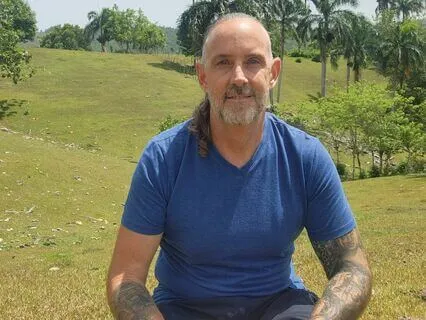
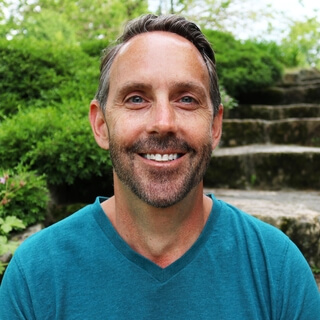
Welcome to Life Lessons and Laughter with your host,
Glenn Ambrose.
Hello,
Everybody.
What's happening?
How are you?
Talk to me.
You can't.
Okay,
I'll talk.
So today I want to talk about the dynamics of motivation.
Okay,
So this is actually two things I speak of a lot.
Dynamics and motivation.
And if you understand the dynamics,
Which is how things interact with each other,
How things work,
It simplifies a lot.
And if you understand motivation,
People's motivation,
What motivates us,
What motivates other people,
What's driving their behavior,
Simplifies everything.
Okay,
So most people pay attention to the external,
The surface,
What people say,
How they act.
But if you really want to understand people,
Yourself,
What's going on,
All you got to do is look at what's motivating that.
And you can understand it on a much deeper level,
Much more clearly.
You don't fall for things as easily.
And it's not as difficult as it sounds,
Really.
It's very logical.
In most situations,
When somebody says something,
There's usually only really one reason why they would say that.
And that's their motivation.
So if you just go underneath to try to understand why somebody would be behaving a certain way.
Like with kids,
I've made reference to how school wasn't very fun.
And sometimes it surprises me that the teachers aren't more trained more or that they don't implement more trying to understand what's driving behavior in children.
Because if you understand what's driving their behavior,
It's much easier to meet them where they are and navigate the situation better.
If you understand people are motivated by fear,
Then you're not going to try to scare them more.
So if somebody is acting out of fear,
And you understand that the reason they're acting out is because of fear,
You're not going to attack them.
I'm talking verbally,
Of course,
I'm not talking about a physical confrontation.
But because you would understand,
You're like,
Oh,
They're coming from a place of fear.
So why would I meet fear with anger or more fear?
That's not going to go well.
And we see that very often.
So in society,
It's just we meet fear with fear and then we have more fear.
It's like,
Oh,
My God,
It's simple energy in that dynamic.
Like if there's fear and you bring in love,
Then there's less fear.
Right.
So.
The kind of doorway that I'm coming in this conversation is.
Self-motivation,
Like what motivates us,
Can we understand ourselves better?
So.
If we understand that as a general rule,
Most things can be traced back to our conditioning,
The way we were raised,
What's socially acceptable,
What society does.
You know,
So if if we you know,
And you can generalize this stuff,
Which which is wonderful,
Because because then you don't have to be,
You know.
Like sometimes people will go back to their childhood and dissect every little piece.
And like when you do that,
It seems like every little thing is such a big deal because you're hyper focused on one thing.
Like if you just generalize,
Like we are patterns of behavior,
Our patterns.
So is what conditioned us,
Their patterns.
So if you understand the patterns and patterns are much easier to see than than picking apart one little piece and trying to understand every little dynamic of it,
It's exhausting,
You know.
So as a general rule.
We were motivated by fear.
Growing up,
That's society,
That's how society is run.
It's just how it is,
You know.
And so like when we were children,
Most kids got punished when they weren't doing what the adults wanted them to do.
Right.
It was it's based on punishment.
So why?
Why is why is that system used?
Like what did they hope to attain out of using a system of punishment?
Well,
The theory behind it is,
Is that it's kind of a consequence based theory.
Consequences work similarly.
They're different,
But they work similarly.
So the theory is,
Is that if a child is doing things that they're not supposed to do,
If you take away things that they like,
If you make their experience here on Earth more difficult and unpleasant through punishment,
Then they will stop doing what you don't want them to do because they don't like the consequences there.
Their life gets worse.
So once you hit that,
That that pocket of,
OK,
They're punished enough and they don't want to experience that punishment again,
So they will adjust their behavior.
That's the whole theory behind punishment,
Right?
Like I said,
It's very similar to consequence.
The energy is different between punishment and consequence because punishment is an is an energy of control.
Consequence is just natural consequence.
There is no control.
See,
Consequences implies freedom of choice,
Whereas punishment implies I am bigger than you and I am going to punish you and hold you down and withhold love.
That's another kind of dynamic that comes with it.
That's not necessarily intended.
I don't think parents intend to withhold love,
But it's a version of it.
You know,
I'll show you love if you do what I like,
But I won't show you love if you don't do what I like.
You know,
I think we're starting to get away from that a little bit with with awareness and stuff,
And we're starting to go into the direction of consequences a little bit more where it's like,
No,
I love you no matter what.
There are just natural consequences for your actions.
You know,
Like I always when I was raising my son,
I always framed it like that because I didn't want to take away his sense of control.
His freedom of choice.
To me,
That's a foundation of love.
So I didn't want to strip that from him.
So I never punished him.
I gave him natural consequences.
You know,
So so like if I needed to,
Like,
Let's say I believe that I needed to teach him responsibility,
Which now that he's an adult,
I think it worked well.
He's very responsible.
But when I was trying to teach him responsibility,
Then see,
I was trying to even that doesn't imply punishment.
I was trying to teach him something.
I wasn't trying to stop him from doing something.
Right.
So that's a flip on change from punishment to consequences.
So I was like,
So I was trying to teach him responsibility.
So if I'm trying to teach him responsibility,
I explained it to him.
I said,
You know,
Like if if if a lion doesn't feel like going hunting that day,
Then it just doesn't go hunting.
It's their choice and choose whatever they want.
They don't have to go hunting.
Nobody's making them go hunting.
So they just don't go hunting.
But then they start feeling hungry and that's uncomfortable and they don't like the feeling of feeling hungry.
So then they go hunting.
If they still choose to ignore that uncomfortable feeling and not go hunting,
Well,
Eventually they would actually die,
You know,
So they would start getting weak.
They would experience more intense consequences and then eventually they would die.
So,
You know,
So this is this is kind of how I explained consequences to him.
Like,
I think it's fair that he helped out around the house and learned about responsibility.
Two of us live in there.
Why should I do everything?
I think he should do some stuff,
Too,
And I'll be good for him to learn responsibility in the process.
So I set up consequences where if he didn't do what he was going to do.
But I never punished.
I never said he was punished.
Right,
The energy is different and hopefully you guys can follow that.
I didn't know I was going to go down that road,
But I think it was helpful.
Hopefully it was helpful to explain this.
My point is,
Is that most of us in society are motivated by punishment,
Which is fear,
Negativity,
Withholding love.
So what happens is.
As we are motivated by that in all areas of society,
So usually it starts with our parents.
And then we go to school and then if we do something wrong,
Then we're punished at school.
So and a lot of times at home,
Too.
So then it's reinforced for many years going through school,
Through punishment,
Which is fear based and fear of punishment will curtail your behavior.
Right.
And then as we become adults,
It will extend into the police and the court system and jail,
You know,
If need be.
So it's all punishment and fear based.
So what happens when we are taught that over and over and over that that fear control,
Fear of punishment controls our behavior.
Fear of punishment is what gets us to do the right thing.
That is the dynamic.
OK,
So fear is the motivating factor in that dynamic.
So we are motivated by fear.
What happens is as we learn that and we are conditioned to that,
We become our own jailers.
That's what we learn.
You know,
The whole idea of punishment is not to not to punish a kid,
You know,
Every day or every week for the rest of his life.
It's for them to experience the punishment enough to where they become their own.
Jailer,
They become their own.
They control their behavior on their own.
Right.
Through fear of punishment,
Let's not lose that piece just because a child learns to control their behavior.
It doesn't mean that it's not fear based because that's how they were taught to control their behavior.
So what happens when I when I when I say we become our own jailers,
What I mean by that is we threaten ourselves with punishment.
OK,
And that goes right out into adulthood.
That's how we get ourselves to go to work every day.
Well,
If I don't go to work,
I'm going to get fired.
That's fear based.
Right.
And if we follow that down,
It's all fear based.
Well,
Then I'm going to lose my house.
I won't be able to pay rent.
I can't buy food.
I can't feed my children.
You know,
Fear,
Fear,
Fear,
Fear,
Fear.
So our motivating factors are fear.
And then we wonder why we are walking around in a society filled with victim mentality.
You know,
Everybody goes,
Oh,
I got to go to work.
No,
You don't.
You don't have to go to work.
Well,
I don't have to go to work,
But.
A bunch of bad things are going to happen to me if I don't fear.
Right,
So.
My point to explain this is to understand that we are motivated on an unconscious level because we're just conditioned to it.
To be our own jailers,
To control our behavior through fear of consequences.
It's fear.
It's all fear based.
This is why we beat ourselves up so much.
This is why we judge ourselves so much.
This is why we judge others so much.
Because if you if you judge,
You judge.
So like we beat ourselves up.
We are our own worst enemies.
We we live in fear all the time because that is what's controlling our behavior.
And when you make your decisions based in fear,
There's not a lot of openness.
Fear constricts,
It tightens.
Right.
We don't think so clearly when we're locked up in fear.
Our brains start shutting down.
You know,
Literally and scientifically.
So we don't think so clearly.
We're not relaxed.
We don't look around so much.
It's so there there's two.
You know,
Everything is yin and yang in this world.
So there's fear.
What I just spoke of,
Which constricts,
It tightens,
It closes us off.
And we're fearful.
We get into a defensive mode.
We tighten.
Right.
Not good for thinking.
Not good for thinking outside the box.
Not good for creativity.
None of that.
So the opposite of that is flow.
Right.
Open.
So this is what I'm trying to get us to.
So the we can move our motivation from being fear oriented to being fun oriented.
We can actually use fun to motivate us.
We can self love to motivate us.
To motivate us.
It'd be cool to experience something to motivate us.
Like we can use those more relaxed,
More open,
More,
More love based energies to motivate us.
And it's going to work a lot more.
And we're going to enjoy life a lot more because we're not all caught up in fear all the time.
Letting fear control our behaviors.
So the fun is like,
You know,
I've told this story before,
But it's a good example.
Because I love the damn story.
So my friend Brian Reed told me this story years ago.
And it's about the two helicopter skiers.
And somebody's interviewing one.
And they say,
So,
You know,
Wow,
You guys ski down this mountain.
It's crazy.
What could you tell me about your process?
And the guy's like,
Okay,
Sure.
So me and my friend get off the helicopter and we go to the edge of the mountain.
And then we start looking down.
And we pick our line.
And it's cool because he always picks a separate line than I do.
We always pick different lines,
Which is cool.
But we pick our line and then we ski down the mountain.
And they're like,
Okay,
Well,
How do you pick your line?
He says,
Well,
I stand at the edge and I look down and I go,
Okay,
I'm going to start here.
And then I think I'll go over there.
And then I think I'll go off that area and land somewhere over there and then go over there.
And that'd be cool.
And the interviewer was like,
That'd be cool.
So there's all these,
This is very dangerous.
There's many ways to die doing these.
You know,
Going off a cliff,
Avalanche,
All kinds of things.
And you don't take any of that into consideration.
You just stand there,
You look and you pick a line that you think would be cool.
And that's what you do.
And the guy was like,
Yeah,
Yeah,
Pretty much,
That's it.
That is the best reason to do anything.
It is because pay attention to the energy of that'd be cool.
Is that,
You know,
Just think of anything that you think would be cool.
It'd be cool to rock out on a guitar or play the drums,
Or it'd be cool to have my own business.
It'd be cool to hit the beach tomorrow.
That'd be cool.
Like anything,
You know,
Just pay attention to the energy.
It's relaxed energy.
That'd be cool.
It is.
When you say that'd be cool in this energy,
It's relaxed.
It's something that you would enjoy.
You're not overthinking it.
You're not constricted.
There's no fear.
You just,
That'd be cool.
You're not even sure you're going to do it.
You just think it'd be cool.
That's all.
That's all.
That's the best reason to do things because it comes from a relaxed place where you have access to your inner desires.
Because what's cool for you isn't cool for me.
What's cool for me isn't cool for you.
You know,
Of course,
Some of us have similar likes,
But really,
If you're paying attention to what you find cool,
It's going to differentiate from other people.
Like some people think about teaching children.
And I don't think this has anything to do with my childhood experience with teachers,
But maybe it does.
Who knows?
But some people think like,
I could go to college,
Get a teaching degree,
And I can teach children these things that I find are important and benefit their lives.
Wow,
That'd be cool.
Wow,
That'd be cool.
Some people think like that.
I don't.
That's why I'm not a teacher.
Because I don't think it'd be cool.
It sounds horrible to me.
Being a life coach sounds cool.
That's why I did it.
Moving to DR,
That sounds cool.
That's why I did it.
Moving to Florida sounded cool before that.
That's why I did it.
Really,
If I look at the energy,
That'd be cool is just words that are representative of a particular energy.
And when I look back on basically everything that I've done in the last 21 years,
The majority of it has been because I thought it'd be cool.
Really.
That's why I kept doing my podcast even though nobody was listening until all of a sudden people started listening.
That's why I started my business.
That's why I moved to be with my son and be a father.
That's why I rented my first building to start my business.
That's how I found the building.
You name it.
Most things,
That's why I coached my son's sports teams.
I helped coach.
That's why I was the assistant coach.
I didn't want to be the head coach.
The head coach didn't seem like it'd be cool.
It seemed like way too much responsibility.
And my son loved soccer,
Which I never played.
I don't have the expertise.
But I could be an assistant coach.
I played lots of sports.
I could help.
And I could be there for all his practices and all his games.
That'd be cool.
That's why I did it.
So that'd be cool is a representation of what I'm talking about.
And the other way that I've came at this coaching people is I explain that there's two ways to make a decision out of frustration or out of self-love.
Most people make their changes in their life.
And this is exactly the same thing that I'm talking about.
It's just another way to say it.
They make their decisions in life out of frustration.
When do people leave relationships?
When they're frustrated and they can't take it anymore.
When do they leave their jobs?
Same reason.
Frustrated.
Can't take it anymore.
When do they move out of their house?
When do they buy a car?
Most things that people choose to do is out of frustration.
That's because we are socially conditioned to punish ourselves.
We punish ourselves until we can't take the punishment anymore.
And then we change.
And this is what we don't need to live like that.
We can live through self-love.
You want to know the best reason to leave a relationship is because it's not cool anymore.
If you're in a relationship and you don't like it,
You don't have to wait until it's miserable.
Now,
Don't get me wrong.
I'm a huge believer in trying to save relationships.
I'm a huge believer in if there's a chance of saving a relationship,
I'm a huge believer in if there's a chance of saving a relationship,
Work on it.
I believe that relationships require work.
I don't believe that we should abandon them just because we're having a bad day or things aren't going well.
I believe in sticking through and trying to work through things.
But consciously trying to work through them.
Not hanging on until you can't take it anymore.
That's not working through.
Okay,
So,
You know,
I believe that.
I believe we shouldn't just leave relationships just because we're,
You know,
We don't think they're cool anymore.
Come on now,
We're adults.
Work through actively work on changing what the problems that are in your relationship.
And then at some point,
I mean,
Unless it's new.
If it's new and you just don't like being with that person,
Then end it.
Whatever,
You know,
We're not meant to be with everybody.
But if you actually love this person and you've been in a relationship with them,
Then yeah.
Put some conscious work to try to work through that relationship and save it.
They're worth fighting for.
They're worth working towards,
I believe.
So,
So work towards it.
But if you get to a place where they're just not working on it or the work that you're doing isn't working out,
It's not helping.
Then a really good reason to leave a relationship once you've,
You know,
Done the work,
If it was required,
Is that it's just not working for you anymore.
You just don't enjoy being in it.
And when you look at being outside of it,
You think that'd be cool.
You know,
It'd be cool to not be in this relationship anymore.
And I've done every,
You know,
I've tried working through it.
We've tried solving the problems.
It's not going to happen.
I think what would be best for me is to not be in this relationship.
And quite honestly,
It would be better for them to not be in this relationship because the longer we stay together,
You know,
This person that I'm with,
Even though I have found that I don't want to be with them.
I still respect them as a human being,
And I think that they deserve what every individual deserves.
And that is somebody who really loves them and wants to be with them.
They deserve to be in a relationship like that.
And as long as I hang on and keep them in this relationship that neither one of us shouldn't be in,
Because if one person shouldn't be in it,
Then both people shouldn't be in it.
That's whether the other person knows it or not.
You know,
Usually a lot of times one wants out and one doesn't.
The other one just hasn't seen it yet,
That's all.
But nobody should be in a relationship with somebody that doesn't love them or want to be with them.
Nobody with any self-esteem would want that,
Right?
So maybe their self-esteem is too low and they can't see it right now.
It doesn't mean that you should stay.
It doesn't mean it's good for them just because their self-esteem is low.
No,
Man,
The quicker you set them free,
They can go either do the work on themselves that's needed,
If they so choose,
Or go get into another relationship with maybe somebody that really loves them for who they are as they are.
So staying in this relationship that's dysfunctional,
Don't play the martyr syndrome like you're doing it for them,
Like you're not helping them.
If you're in a relationship where you don't love your partner anymore,
Then you're holding them hostage.
Let them go.
But you do it out of love.
Do you see if you do it out of love of yourself and respect for your partner,
Then there's not all this animosity and anger.
Even if they blow a gasket because they can't see it yet,
That's their stuff that they need to work through.
But let's practice making our decisions out of self-love.
When you're frustrated at your job,
Let go of that frustration.
Stop blaming them.
It's not their fault that you decided to work there or that you don't like that job no more.
It's not their fault.
And again,
You're holding,
Maybe somebody else would like that job.
Maybe not,
Who cares?
You don't have to live your life for everybody else.
If you don't like the job,
Then you should get out.
You can go start your own business.
You can find another job somewhere else.
You can go back to school and start getting,
Take a class or two at a time,
Even if it takes you 10 years.
Who gives a crap?
You're going to be somewhere in 10 years.
Why not be standing with a degree or the capability of doing something else for a living instead of.
.
.
I never understood that.
When people don't like where they are,
They rationalize why they're not going to change it.
It's like,
People do this in their 20s,
30s,
40s,
50s.
If you're going to retire,
If you're capable of retiring at 70 years old or 65 or 67,
Whatever the heck it is,
And you've got one year left to retirement,
And you're thinking about going back to school for 10 years,
Maybe that's foolish.
What's the use?
But I mean,
Really,
I mean,
Don't get me wrong.
Hey,
If going back to school,
I don't care if you've got one year left to retire.
If going back to school,
If you think that would be cool,
Then do it.
Absolutely do it.
I don't give a crap if you ever use your degree.
I don't give a crap if you ever use your degree.
If you want to go learn something and you think learning it would be cool,
Then go.
It reverts back to,
That'd be cool,
Then go do it by all means.
Well,
A lot of people will be like,
Well,
I'm 40 years old or I'm 50 years old.
What am I going to do,
Start over?
Yeah,
Yeah,
That's exactly what you should do.
Why wouldn't you?
Like,
What's the alternative to stay in a job that you hate for another 20 years?
Even if it took you,
Even if you had 20 years left to work,
Right?
And it was going to take you 10 years,
Which most things won't.
But even if it was going to take you 10 years to get out of it,
That would still be another 10 years of working,
Doing something that you enjoy.
And the 10 years that it took you to get the education would be better because you're pursuing something that you think would be fun,
Cool,
Enjoyable.
So that's better than sitting on your ass bitching about your job for 20 years.
Work towards something for 10 and then enjoy it for 10 more.
You know,
But let's normalize making our decisions out of what is good for us.
Self-love,
What we want,
Instead of what frustrates us.
Holding on until we can't take it anymore and then bursting out of the door of change.
Like,
Ah,
It's just so,
It's so fear-based and frustration-based.
And like we are,
We're our own,
Our own prison guards.
We build our own prison out of the social conditioning.
And then we hold ourselves in and like,
Just turn around,
Man.
The door's open right behind you.
You got the key.
Like,
You know,
That's the beauty of adults.
Like everybody actually,
Wow.
Yeah,
This just came to me.
I didn't know I was going to talk about this.
I've been saying that a lot lately.
I don't know.
I didn't know I was going to talk about this.
I never know what I'm going to talk about.
So maybe I should stop saying that.
People complain about adulting all the time.
And I think this is why.
Oh my God,
Adulting.
It's so hard.
Like,
Well,
Why?
Why are you,
Why are you choosing things that make your life so difficult?
Why are you doing things that you don't like?
Like nobody has control over you.
You're an adult.
That's the beauty of being an adult.
You know,
Like we're raising a whole generation of children who are scared to death of becoming adults.
Because my generation is running around complaining about being an adult like it's horrible.
It's not horrible.
It's not horrible being an adult.
You get to do whatever the hell you want.
Like,
Nobody's got a gun to your head.
Nobody's making you go to a job that you don't like.
Nobody's keeping you there.
Like,
Go change.
If you don't like it,
Go change it.
Use your freedom of choice that you have as a sovereign being as an adult.
But we don't.
We hold ourselves in these prisons and complain about the prison that we're in.
And nobody's holding you prisoner.
You know,
I mean,
I don't think that I'm better than anybody.
But I mean,
Like,
You can,
Like,
I moved to the DR for Christ's sakes.
Who does that?
Plenty of people over here,
I found out,
And other countries.
There are lots of people that do it.
But there's more that are sitting in their jobs,
In their houses,
And they're,
You know,
Just having to work because they need a three-bedroom house instead of a two-bedroom house.
And it's just like,
Oh,
Trying to keep up with the Joneses and creating our own prisons and all that.
We've got to change our motivation.
You know,
This is why there's all kinds of dysfunctional societal conditioning and ways of thinking that get us there.
So let's simplify it and just go,
Like,
Let's just start making decisions over what I would enjoy.
You know,
You kind of do it when you go on vacation,
Right?
Like,
I mean,
I like the mentality,
Like,
You know,
Why create a life looking for vacations?
Why don't you create a life that you don't need a vacation from?
I like that mentality.
But,
You know,
Most people,
You know,
They go,
They're planning their vacation.
Hopefully that's a fun thing.
That's the other thing we do.
We suck the fun out of everything.
You know,
We overthink it and we make it seem too important and all this stuff.
We get fights over where we're going for vacation or what we're going to do.
It's supposed to be fun,
You know,
Or buying a new car.
I did that once,
You know.
Like,
I was buying a new car.
It was used,
But new to me.
And I was going between these two vehicles and I was stressed out.
And I was talking with my friend and explaining the situation.
And she said to me,
She goes,
We're on the phone call.
And she goes,
Like,
I explained it to her.
And then after I explained it to her,
She goes,
Didn't you say you were getting a new car?
And I was like,
Yeah,
What do you think?
I was just explaining the last 15 minutes.
And she's like,
Oh,
Okay.
It's just,
I got confused because like you,
At first you said,
I'm getting a new car and I got really excited for you.
And then for the last 15 minutes,
Like I,
Like you were just complaining and stressing out.
And,
And it seemed like this horrible activity.
And I was like,
Oh,
I thought like,
Why is all this stress?
And why is it so horrible?
Like when he said he was getting a new car,
I was excited for him.
Oh boy,
He gets to pick out a new car.
And which one do I like?
And what color do I want?
That's neat.
You know,
Like I was excited for you.
And then 15 minutes later or 10 minutes later,
You just sucked all the joy out of it.
And it seemed like this horrible process.
And I was like,
Oh yeah,
I did do that,
Didn't I?
You know,
And it was one of those teaching moments for me where I realized I was,
You know,
I was taking something that I should be happy and excited about.
And,
And I was being my own prisoner.
I was sucking the joy out of it and making it this horrible task.
Right.
So instead of doing all this stuff out of frustration and negativity,
And,
You know,
We wonder why everybody's on antidepressants.
Like,
And everybody has anxiety disorders.
This is why.
This is how we live our lives.
You know,
This is what I mean by understanding dynamics and motivations.
Like if you look at society,
Most people have anxiety disorders and stressed out and depression and all this stuff.
Like that's all fear-based issues.
Fear of the future.
Fear of the past.
Like that's what anxiety is.
Fear of the future.
Right.
Like,
So we're in situations we don't like and we're not changing them and we're scared of what's going to happen in the future.
This is why everybody has anxiety and is stressed out.
So instead of that,
Living in a way where we torture ourselves through fear and frustration and that until we eventually change,
Why don't we start looking for what we want to do with our lives?
Instead of discussing how trapped we are,
Let's start looking for what we would like to do with our lives.
Oh,
I would like to change careers.
I would like to get out of this relationship.
I would like to move.
I would like to downsize my house.
I don't need all this.
I would like to work less.
I would like to downsize my house so I don't have a mortgage payment or a very small one and then work less.
And I would like to plant a garden in my backyard.
I would like to figure out a way to plant a garden in my freaking closet.
Cool.
Whatever.
Whatever floats your boat,
Man.
Whatever flips your skirt.
Do it.
That's how we need to be living our life.
You know,
Pain pushes until pleasure pulls.
So we're so used to living through life with pain pushing us,
Pain pushing us,
Pain pushing us.
And then we finally do something and finally make the change.
Stop living like that.
Let pleasure pull.
It's a lot more enjoyable way to go through life.
Let the pleasure pull you forward.
Oh,
I would like to experience this.
I would like to go on a safari in Africa and see all the animals in their natural environment.
Ah,
I would love that.
That'd be cool.
Oh,
Okay,
Cool.
So set up a bank account.
A secondary bank account with automatic withdrawal.
There are other ways to do this.
This is just one.
And put,
You know,
Whatever.
25,
50 bucks a week automatically into that account and don't touch it.
Let it build up,
You know.
Hey,
Maybe it'll take you a few years.
Maybe it'll take you 10 years.
Maybe it'll take you 20 years.
I don't give a crap.
At least you're working towards something.
And you'll get used to the 25 or $50 less per week.
We get used to that.
I don't know if everybody understands that.
Like,
Whatever money you make,
You get used to living off that money,
Right?
So,
Like,
You know,
Now,
Granted,
I understand that,
Like,
If you're living paycheck to paycheck,
Which I did for many years,
That it can be difficult.
But you can even do it then.
Like,
I've been in situations where I've saved a dollar a week.
Because that's all I could do.
So,
Well,
That's fine.
A dollar a week.
And then,
You know,
What happened?
Every once in a while,
I was like,
I got an extra five bucks.
See,
What happens is when you're already saving,
You're kind of into that mindset of saving.
So,
Like,
Every once in a while,
I'm like,
Oh,
I got an extra five bucks.
If I put five bucks in every once in a while,
Or even two when I can,
Like,
This is going to.
.
.
Like,
If I just put two in,
That would double my speed.
Don't worry that it's only,
You know,
Like $100 a year.
Or,
You know,
$50 a year if it's a dollar a week.
Don't worry about it.
Just save what you can.
And keep your mind open.
Then,
All of a sudden,
It's $2 a week.
You know?
And then,
All of a sudden,
You throw a five in.
Then,
Somebody sends you 20 bucks and a birthday card,
And you throw that in.
You know,
Whatever.
It adds up,
Man.
But this is the,
Like.
.
.
Whatever you look for,
You're going to find.
So,
If you look for fun,
If you look for.
.
.
Things to enjoy,
You'll find them.
If you look for ways to save,
You'll find it.
But usually,
We just.
.
.
Oh,
I can't do that.
Paycheck to paycheck.
Nope.
I used to save.
.
.
In my first apartment,
Man,
I used to save empty beer cans.
And,
I mean,
I used to,
Like,
Stack them up.
I used to have stacks.
I think the most I had was,
Like,
Two stacks.
Like,
As high as I could reach.
Two stacks of empty.
.
.
You know,
I'd keep the empty cases,
And just.
.
.
I used to go,
Like,
Tip my couches upside down.
Stand them on end,
And shake them.
And then,
I started taking a knife,
And cutting the cloth.
.
.
Underneath my couches.
I'd stand them up on end,
So they're really tall.
So,
I didn't have to cut that much.
And I'd shake it,
And shake all the change that felt.
.
.
Like,
I had a party apartment,
So people were always over there.
And this was back in.
.
.
Is this late 80s,
Early 90s?
So,
We actually used cash back then.
So,
People's coins would fall out of their pockets,
Sitting in the couch,
And stuff.
And I would.
.
.
Every few months,
I'd,
Like,
Stand it up on edge,
And shake all the change down to the bottom.
And then,
Cut the bottom with a knife,
And lift it open,
And get all the change out.
Go get some food,
Or some beer,
Or whatever I needed.
Get creative,
Is my point.
That was just a walk down memory lane.
So,
Find a way,
Is my point.
And if you're relaxed,
And you're open,
That opens up your creativity,
Like I was saying at the beginning.
You know?
This is why we walk in that energy.
I'm telling you,
It will change your life.
But you have to just implement it,
Because I can't list all the ways,
Especially the ways that it's going to affect your particular world.
I don't know,
Man.
I don't know your situation.
All I'm saying is that,
If you walk around in the energy of possibility,
With fun pulling you,
With that'd-be-cool pulling you,
With pleasure pulling you,
With what you want to experience pulling you,
If you walk around with that mindset,
It's going to be more fun.
It's going to be more relaxed.
You're going to be more open.
Your creativity to find ways to accomplish these things is going to be sparked.
Your mind is going to be open.
You're going to be able to think outside the box better and think just plain regularly better.
You're going to be looking for ways,
As opposed to not looking for ways,
Right?
When you're fear-based,
You're closed off.
You're not thinking clearly.
You're not thinking outside the box.
You're not creative,
And you're not really looking around,
Because you think you're locked into a prison that you don't have a way out of.
So this is a motivating factor in all areas of our lives.
So if we stop being motivated by fear and frustration,
And we start being motivated by pleasure and joy and what feeds our soul and what we want to do,
Man,
That's all.
Don't make your decisions based on what you don't want.
Make your decisions based on what you do want.
I don't want that anymore.
It just sounds grumpy.
I don't want to go to that damn job anymore.
Complain,
Complain,
Complain,
Right?
Oh,
I'd like to do that.
Just pay attention to the energy.
I know I'm exaggerating it to make the point,
But especially people for the audio,
It's like,
You know,
I don't want that anymore.
You know,
It's just there's not a lot of energy there,
And it's,
Oh,
I'd love to do that.
Like,
See how the energy is different?
One's upbeat and more energetic,
And one's less energetic and less upbeat.
It's down,
You know?
And this is what it does.
When you start implementing this in your life,
I'm telling you,
Like I said,
It will change your life.
Starting to live from this energy instead of from that old energy.
So that's going to do it.
So,
Yeah.
Yeah,
That's,
I think that's it.
So.
.
.
Live from love,
Not from fear.
You know?
Do it up.
All right,
Thanks for listening,
Everybody.
Reach out if you need anything.
Take care.
Peace.