Welcome to the Ohmamah's podcast.
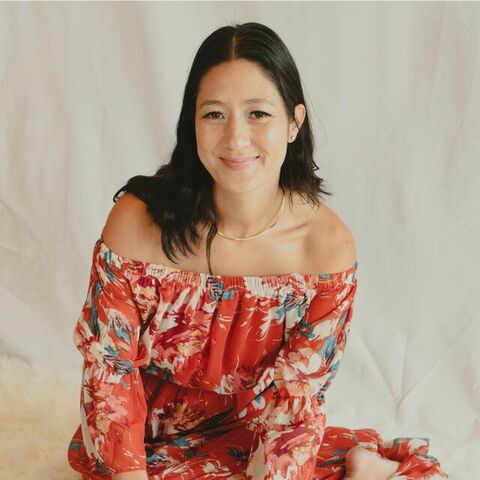
I'm your host,
Christine McGlinchey Yap.
In each episode,
I'll cover topics in the area of maternal health and spiritual wellness.
You'll hear from guests who will share their professional and personal experiences as we navigate the journey to and through motherhood together.
This is an intentional space for you to learn and grow.
So sit back and enjoy.
Hi,
Today I am joined by Margaret Becker,
An international board certified lactation consultant and registered nurse that has been working with moms and babies since 2012.
From the acute breastfeeding friendly hospital setting and the neonatal intensive care and postpartum units to home visits,
Classroom education and support group settings for grief,
Solo parenting,
Breastfeeding and postpartum support.
She's cared for a variety of mothers and babies at every stage.
And as a mother of three,
Including two twins,
She is a military spouse,
Often solo through early trying days of motherhood.
She understands firsthand the necessity for safe,
Personalized and guilt free care.
She's currently in the beautiful south of Spain with her family and owns and operates the mobile milkmaid,
A virtual lactation private practice.
She also hosts the mobile milkmaid podcast and serves as the Navy Marine Corps relief society visiting nurse for Rota,
Spain,
Where she offers free home visits,
Community support groups and perinatal classes to the community.
Hello,
Margaret,
And welcome to the podcast.
Hi,
It's such an honor to be here.
Thank you.
Of course.
Thank you so much for joining us overseas.
Really excited to have this conversation and illuminate and kind of like demystify some of the common misconceptions about breastfeeding to really like help nurture and support any woman who might be on the fence about whether or not she wants to try to breastfeed.
Or if she's like really curious and you know,
Set on breastfeeding because there's just so many different layers and levels.
Even if you are super educated and knowledgeable on the subject,
There's just so much that comes up in our own individual experiences that it's almost hard to be prepared for.
So really looking forward to the conversation.
Me too.
It's something I can talk at length.
So stop me if I'm going on.
And just anytime we have the opportunity to talk with another mother and talk with someone who's doing such great things like you are and talk about women and breastfeeding and where we are and where I hope that we can go.
Yeah,
Totally.
So what are some of the most common misconceptions women have about breastfeeding?
So unfortunately in the generalized American culture,
We are a very isolated culture.
Our moms are isolated.
Women are kind of isolated from mothers.
And so we don't have that kind of traditional communal society where we are seeing other women breastfeed,
Where we're seeing other women take care of their babies.
And so it's kind of this mystery.
We also have a lot of mysteries about our bodies.
And so we're not taught a lot about our bodies.
We're not a lot of taught about the function,
The form,
What's normal,
What's common,
What's not common.
And so we're not seeing it.
We don't know.
And then we don't have an infrastructure of support to support moms.
So and so we see a lot of moms not supported through their postpartum period,
Through breastfeeding.
And then we get the kind of horror stories,
Same in birth.
And that's kind of put on out there.
And so when you are told a story,
Oftentimes it's the worst case scenario or it's a,
You can do it,
It's fine.
But what we're not kind of doing is we have these beautiful baby showers with all the gifts and all the things for baby.
And we're not kind of looking at mom and saying,
This is really what is supportive.
And so that is my favorite word ever support.
And the most important,
I think,
To a mom.
So I think the misconceptions for breastfeeding is that it's automatically going to be the worst thing ever and painful,
Or it's going to be easy.
It's black and white and it's not.
And I think that the only thing that is should be black and white is that we need more support and we need to know how to access that support and it needs to be safe and available.
Right.
Yeah.
I completely agree because I spent so much time like researching and getting prepared for the labor aspect.
I did my hypnotherapy.
I did my yoga.
I was really like in a space of getting my body,
My mind and my spirit ready for the experience.
And I knew I wanted to breastfeed and I researched a little bit on it to be honest,
But I didn't like look further.
Like I didn't make that like a huge part of my education.
So when I was in the hospital,
I was like calling the lactation nurse every second that I could like,
What am I doing?
Is the baby latching?
I was like utilizing that time to really like lean on her and get the advice.
But then even then,
Like when we went home,
I was like,
Oh my gosh,
There's so much I didn't know about how my body would react,
How I can keep up my milk supply,
How my mental health would be counting ounces and tracking feedings through an app.
There were just so many layers of breastfeeding.
It was almost like another thing,
You know,
To constantly be worrying about in addition to like having this newborn baby.
Right.
Right.
And healing yourself.
Yeah.
I always analogize it to planning so much for,
And I do,
I believe in birth education and birth advocacy.
My brother actually is an obstetrician gynecologist,
So it's in the family.
But it's like planning for your wedding,
Right?
And all the focus is there instead of looking really at the,
At the marriage,
At the long-term kind of what will my postpartum,
What will my parenting experience look like?
And so much is marked by those early stages of our own confidence,
Right?
From our birth to our breastfeeding experience,
To our postpartum,
That it really kind of sets the tone.
It takes a lot of women that have that birth trauma or not a successful breastfeeding experience,
Maybe a postpartum complication.
And then if with any mood disorders or anything that creeps in that kind of blocks that period of healing,
It really kind of falters that confidence into your motherhood,
Which we already,
Most women go in with,
I'm not enough as you know,
Depending on just being a woman.
And so then when you add the layers of I've never done this before it gets complicated.
Yeah.
I really didn't feel prepared to be honest,
Because I didn't know that I needed a special nursing bra.
I didn't know that I needed you know,
Pad,
Like the nursing pads,
Like there was just so many things.
I was like Amazon one day delivery.
There was just so many things.
And I was,
I was really learning as I went and I was super blessed and grateful,
Like,
And so appreciative to my body because again,
Like going to that piece of education,
We don't fully understand our bodies because we're not taught about them.
We're not taught about how our bodies produce milk,
What kind of nutrients we need to be sustaining that because I didn't know how hungry I was going to be,
How much calories it burns.
So there was like a whole like lifestyle nutrition aspect of it as well.
Right.
Yeah.
You know,
I was,
I,
You know,
I was lucky that I you know,
Continued the journey through 22 months.
So my daughter's going to be two and I just weaned off of breastfeeding last week.
So even that you know,
Element of it,
Like,
How are you going to feel when you're not breastfeeding and a lot of women that I know tried to breastfeed,
But they didn't really feel connected to the process or it was just too hard.
And then when you're throwing in like work and career,
And it's like society as a whole is not really supportive to that process.
It makes it so much harder for women who want to breastfeed and who are really like dedicated to the process to be able to do it.
I've heard so many women say like,
Oh,
You know,
I had to stop breastfeeding.
It's like we get our choice taken away from us because of work situations because of career.
And that's really devastating.
It is.
I mean,
We there's a lot of legislation in place to support.
But the reality is that most mothers that,
That do stop breastfeeding,
You know,
The American Academy of Pediatrics recommends six months exclusive breastfeeding,
And then,
You know,
Pass that until,
You know,
Up to a year and then pass that beyond is,
Is beneficial.
And that our statistics are about most stop around six weeks.
And that's really the time that a lot of women have to go back to work.
Is that six,
Some before and you know,
There's a exact comparison to when women are kind of getting out into back into the workplace or kind of are forced to be back into the workplace and then not supportive pumping is,
Is hard.
Mothering is hard.
And so not having that kind of extended caretaking someone extended looking at you supporting you kind of helping you on the different stages of your breastfeeding journey,
Because a lot of people say to me,
Well,
They did great in the hospital.
There are so many different stages to breastfeeding.
It doesn't,
It doesn't stop.
And you know,
Whether you're breastfeeding a toddler or that you need support in that.
And then when you do stop,
I think we call it debriefing.
It's a really important process for kind of healing and transitioning and kind of understanding your breastfeeding experience.
So it doesn't it's not just like,
Okay,
Those three days I had help and then I'm good in the hospital.
Exactly.
And I think what you touched on was really important to make notes of,
You know,
Breastfeeding is a choice.
Formal defeating is a choice and none like nothing is better or,
You know,
There's no better choice.
The choice that is the best is the one that you make,
Right?
It's not a better or situation because I know a lot of women are also triggered by like feeling shame of not breastfeeding or feeling shame of bottle feeding.
It goes both ways.
And you know,
You know,
What's best for you and your family.
What I just like to illuminate and highlight is when that choice gets taken from you.
And now someone else is making the decisions for you.
And I think that's what breaks my heart the most is when women set out to do something,
Especially in motherhood.
And then that choice is no longer theirs.
And you know,
There's a grief that goes along with it that goes into,
You know,
Women in the patriarchal society and the standards of living conditions that we endure,
Really not supporting the mother.
Because if you take a look at like the whole process of childbirth,
It really does feel like a medical procedure.
It's like,
Okay,
You're going to have your baby at this time,
Like you just come for your checkups.
It's like,
You know,
It's like routine maintenance.
It's like your car being serviced.
Right.
And you know,
We're really disconnected from that sacred process of like the support,
The nurturing,
Like the village and,
You know,
All of these like beautiful things that we get to enjoy as mothers,
But we don't have the chance to because that's not the way our society is set up.
Right.
Yeah,
Yeah.
I always say a lot of people,
Like I said,
Another misconception is that lactation consultants' sole goal is to make everyone breastfeed.
I mean,
There's a lot of times where I have to walk someone through not breastfeeding because it isn't the best choice for them.
Am I an advocate of breastfeeding?
Yes,
I'm an advocate of women and what that looks like for them.
And so a lot of times when breastfeeding doesn't work or isn't the best choice,
It's because of,
I think I would say the majority,
It's because of the system of not support and,
You know,
Something in there didn't go according to plan or their,
You know,
Competence was shattered,
Or they just knew that based on their own priorities of mental health,
It didn't work.
You know,
I always liken it to kind of healthy,
Nutritious eating.
We all know that that is so beneficial,
But what we're not doing is helping people achieve that.
We're just telling them you need to do that,
But we're not helping them get there.
And so not having,
You know,
Access to affordable healthy options,
You know,
Somehow the Cheetos at 7-Eleven are cheaper than,
You know,
Fruit.
And that's not,
That's not,
You know,
Always great.
And it's the same with breastfeeding in that we're kind of telling people that this is what they need to do,
But we don't have enough insurance paying,
You know,
In-network providers paying.
And so that a mom doesn't have to postpartum fill out a claim and that's lengthy and she doesn't know it's being reimbursed.
So having kind of affordable access to lots and lots of support in mom-to-mom mentor programs as well as from professionals,
I think is key.
Right,
Exactly.
And you know what a lot of women don't realize because we're not having these conversations or because those support systems are in place is that it's completely normal to struggle with breastfeeding for the majority of women.
It takes dedication.
It takes practice.
It takes bleeding and cracked nipples.
It takes like all of that.
It's like all part of the process,
But it's like,
If you just keep going,
If you just keep going like right on the other side of all of that is really like this beautiful connection between you and your child.
And it's just an undescribable bond.
And between you and your body,
Because your body is like doing this all on its own and its natural ability,
Your child is like doing this through their natural instincts.
So often too,
I think women get discouraged from the beginning because of that confidence piece because it hurts,
But then they don't realize like once your nipples heal,
Then they kind of like toughen and you could keep going through the process.
Yeah.
And then also just,
If they do are hurting,
There's a lot of interventions and things that can be supported.
You know what I mean?
So not everyone's nipples are bleeding or even hurt,
You know,
It depends on the woman and their type of nipple.
It depends on the baby's kind of oral suck function.
So there's a lot of pieces to it and a lot of kind of woman to woman professional to mother,
Like little tweaks that in the beginning,
Mom knows her body or doesn't know her body,
But mom kind of learning.
And yeah,
There's a lot that can just be,
Okay,
That isn't normal or that is normal and let's help guide you through that.
And so I think that's really important.
Yeah.
Yeah,
Absolutely.
So what have you seen or what are some of the kind of challenges that you and other women in the industry have faced in educating women about our bodies?
Yeah,
So I would say I see a lot of moms and babies obviously by work and then just also being a mother in my community.
But I would say that the majority of mothers say to me,
It's my nipples.
They're not right.
They don't look normal.
Is that something,
Am I not making enough milk?
It's the automatic assumption that my body is wrong.
We are shown images of that kind of professional bodies,
Professional nipples.
I call it professional nipples.
We're kind of shown really one,
A very Caucasian pink nipple on a perky symmetrical size C breast with an inverted nipple.
And they are completely symmetrical and sometimes enhanced oftentimes enhanced.
And even in my breastfeeding videos that I get from that I would buy from professionals,
It's very one type of breast,
One type of woman.
And that is not the reality.
You know,
Most women,
Just like our bodies have some asymmetry to them.
Nipples look so differently.
I have twin girls.
They look different with just within,
You know,
And it's the same with,
You know,
Our vulvas as I take care of moms,
You know,
Very needle or everybody looks so different,
But all there's just ranges.
And we don't know that because we're just very kind of isolated and there's that can,
You know,
General,
We're not kind of taught to look at our bodies or accept our bodies as well as in a culture that really kind of sees other women's bodies other than in a sexual,
You know,
Online kind of thing.
And that's not reality.
So I get a lot and then it gets back to whatever happened in our experience as a woman.
We're starting out going,
If something doesn't work in my birth,
If something doesn't work in my breastfeeding,
If something doesn't work in my postpartum experience,
If something doesn't work in my marriage,
It's me,
It's my fault.
Right.
And so that kind of dialogue is starting of kind of setting up women for failure.
And then we don't know how to touch our bodies.
We don't know how to hold our breasts.
We don't know what is normal because we should,
We should be assessing our breasts before we're even in that perinatal season.
And so I kind of just see this all of a sudden here's a baby and I have to use these things that I've never really seen or touched,
And I don't know what's normal or not.
And then yeah,
So that's kind of what I see is just a general,
I'm not enough.
And it's my fault when I've never heard a woman say,
Wow,
My baby suck is not very strong.
Do you know it's often it's,
You know,
Where I could say,
Hey,
That baby,
You know,
Has a tongue tie and,
But they're never going to say their baby isn't enough,
But they're somehow it's them.
So,
Yeah.
So it all goes back to,
You know,
Women feeling like disowned or disconnected from their body and from really like their personal power and their strength.
Absolutely.
I think a lot of that goes back to,
You know,
We're taught not to trust ourselves.
We're taught not to trust our bodies.
We're really conditioned to rely on something external no matter what it is throughout the motherhood process.
And I think like the key education piece here that women like you and I try to instill with women is that even though things may feel beyond your control,
In reality,
We always have the choice,
Right?
To bring that back,
Whether it's in finding that support,
The accountability and like the expert in that area,
Or whether it's like empowering yourself to research and all of that.
So it's really important.
And so I know you spend a lot of time abroad and in Spain.
So I would be really interested in,
You know,
That global perspective on breastfeeding versus the Western philosophies that we have with.
Yeah,
So I've lived in I've lived in the Pacific Islands,
Three different times,
And then in and different Pacific Islands,
And then I've lived in Europe a few times.
And so I've been overseas a lot.
And then I've worked also in kind of more breastfeeding friendly areas.
So I live in America,
So Southern California,
And at some kind of very breastfeeding savvy areas,
But then,
You know,
Having been other places,
And then I work with moms,
Primarily American,
But that are so multicultural that have come from communities where they really,
They can't breastfeed in front of their husbands,
They can't breastfeed in front of their father in laws that might be there,
They,
You know,
They have that kind of,
I have to stop breastfeeding because of this.
So there is depending on the culture.
Unfortunately,
Unfortunately,
We do have a culture that prizes,
You know,
Children's bodies for a sexual nature.
So the function of breastfeeding is kind of seen as second and,
And not,
You know,
That shouldn't shouldn't be,
I think,
Tights are hopefully changing,
You know,
Starting to see breastfeeding pods in airports,
Not that you ever have to hide it away.
Now being in Spain,
Or in Europe in general,
You know,
Women are publicists on the beach,
Breasts and bodies are much more,
I always say,
See the same grandma and supermodel in the same thong bikini.
And it's the,
You see a variety of bodies and it doesn't seem as focused on kind of the diet culture.
It's just,
Maybe I'm seeing some changes,
You know,
But that's just my own anecdotal kind of noticing.
I do,
It is completely acceptable to breastfeed anywhere in Spain.
And then in the,
You know,
Time in that,
That islands as well,
That's,
It's depending on how kind of Americanized or modest the culture is.
But even with cultures that are pretty modest,
That if they're communal women,
You know,
That are take care of women,
They breastfeed together.
Now,
I think as our kind of Western diet and what we can buy becomes more accessible,
That shifts.
And we kind of see the stuff that went on 20,
30 years ago,
Going on in these cultures that are impacted by our culture,
Where the mentality that if I can buy it,
It's better,
It's easier.
And we're kind of disempowering indigenous women.
And there's a lot of layers to that.
But as far as the kind of non modesty,
It's really refreshing here for me for,
To be around,
I've never,
You know,
The people will approach your baby if you're breastfeeding and,
You know,
Be more and more in tune to it because they're just so in love with children in a very communal society.
So that catches women off going,
Oh,
I'm breastfeeding and you're,
You know,
Coming in kind of touching my baby,
But it doesn't,
They don't care that your breasts are exposed.
So it's that there's definitely not that worry.
Yeah.
I mean,
That's great.
Cause yeah,
We do have a more conservative culture and we are starting to shift into that,
Like normalizing breastfeeding,
Normalizing,
You know,
A woman's right for choice in general.
Yeah.
Yeah.
But it's so interesting because I,
I feel like I was really conservative with my body like pre pregnancy,
But then when it came to breastfeeding,
I would be like,
All right,
Well,
The baby's hungry,
The baby's got to eat.
And I would just like,
Like,
Not even like think twice about it,
You know,
I would just cover myself with like a rapper shawl.
But if I was in public,
If I was at my in-laws house,
It was just that sense of I guess that's when you're like in your natural instincts,
Like really kick in and you're kind of just like,
It's just a nipple.
Like it's not like taking away like the sexualized aspect of it and just regularly embracing,
Like it's a nipple.
Everyone has them.
They do.
Yeah.
Everyone has them.
So yeah,
It's,
It's kind of about like just liberating ourselves and normalizing that narrative of it's okay to breastfeed.
Like you shouldn't have shame.
I know even some States at some point it was like breastfeeding was like indecent exposure and yeah.
And I've noticed here I'm in Miami,
But we do have those breastfeeding pods,
Which allows you like a safe space,
You know,
There's some friendly you know,
Like the theme parks,
They have nursing rooms for mothers,
Which is really nice.
I think that the more that we can accommodate,
Normalize and provide spaces to make mothers feel safe while being able to nurture their children and breastfeed.
And just,
I think it all goes back again to like those resources,
Providing resources for underserved communities where,
You know,
Breastfeeding is a necessity,
Necessity due to socioeconomic developments and all of that stuff.
But how can we empower and support those women too?
Because there's a lot of education that gets to happen and like outreach programs.
And you know,
I don't,
I'm not in the lactation community,
But from my perspective,
Just as a mom going into breastfeeding,
I didn't find there to be much support apart from,
Hey,
Your insurance company has a lactation consultant,
Or you can like reach out to the your pump,
Your breast pump provider,
Which is great.
But I mean that kind of,
Again,
That's like the medical procedure side of it.
But what if I want to talk to real women about breastfeeding and their experiences and about like my enlarged breasts and how painful it is and you know,
Like all these things that we experienced that we are like not prepared for.
Right.
And,
And many cultures aren't comfortable with medical professionals because of good,
Good reason,
You know,
A history of mistrust.
And so I really think you know,
Making it culturally appropriate,
Meeting women where they are you know,
I love the kind of free Lillat-Jaleek,
But you really touch it up.
Wait,
You almost,
You have to be aggressive and an advocate to even make it,
Make it work.
And that's unfortunate to me that it,
The fact that it's not you know,
So present in,
When you're at your worst and your most tired experience that you'll never,
You know,
Go through really,
Excuse me,
In our life,
You know,
When we have birth it really kind of is just such a huge shift.
It's not when you're going to be aggressive to find all the resources.
So I love in the prenatal stage.
I love connecting with women before they have babies,
Before they,
While they're pregnant or maybe even just planning you know,
In that kind of fertility window and just kind of starting the dialogue of what's important and what's not.
We get so focused on all this stuff that we need.
And the reality is we don't lead a lot of,
I mean,
In some cases,
You know,
You might be going back to work and you'll invest in a pump,
But hand expression,
You know,
Why aren't we kind of talking about hand expression and talking about breast assessments and your worries about the breastfeeding experience way before it's like,
It's here.
So that's really important to me too.
And to partners,
To your support partners,
Having dialogue with grandma,
Having dialogue with your partner on this part of it feels good to me.
This part of it doesn't,
What will feel good to you?
What do you want your role to be?
This is what I think you can help me in.
Just like we would do in birth,
Whoever is your birth partner to say,
Hey,
This is my word for,
We need to be having those conversations way before baby comes with our support system.
Right.
And just to touch on another thing that came up for me during my breastfeeding journey was also kind of like that strategy of when should you be pumping?
When should you not,
You know,
It was very like confusing for me to be,
Because,
You know,
I wanted to involve my husband in the process of being able to connect and feed the baby as well.
So I was pumping,
But then my mental health,
Like being connected to a pump every two hours was just like,
Not for me.
I couldn't,
I couldn't do it.
It was just like limiting to me.
I was like counting ounces on the track on like the tracking app.
And I was like in my head about like,
Oh my gosh,
My body's not producing enough milk.
And I was stressing and I was just worrying,
Like following all the charts,
Because that's another thing as a,
As a first time mom,
You're like following all the guidelines and all the charts.
Like my baby needs to eat five ounces.
And like,
You're only producing three.
And it's like very stressful.
So instead of kind of,
Again,
Watching your own body and those cues,
We,
We disempower women and watching your baby.
And we kind of tell them that this has to be,
You know,
If yes,
If there's something wrong or we're worried about something we can medically be tracking,
But I love,
I love to just really show moms who know it anyways,
But that back to the cues back to the feeling your breast and knowing that what fullness feels like,
And then emptiness and what that feels like.
And and then just simple cues,
Like if you're pumping and you're really worried about it and getting kind of in that and postpartum anxiety is growing.
And a lot we say is attributed to all of our things to track our,
Our milk and our we kind of get so focused on those,
Those numbers to you know,
Put,
Put,
Put baby socks on your bottles.
So you're not looking at how much drops put on a mantra,
A mindfulness app or some type of meditation.
It actually get up,
Get up,
Get a back massage,
Massage,
Hands on feeding hands on pumping,
All of these things that kind of make it a more organic experience,
Right?
We're not supposed to be like oxytocin,
Which is the hormone that makes us have a baby,
Right?
Climax orgasm.
That's the same hormone that when we let down and no one wants to let down to a mechanical sound.
I don't.
So if we put hands on,
If we you know,
Put something that smells like our baby,
If we if we kind of get,
Okay,
I need five ounces that's actually biologically going to limit how much you're making,
Right?
Because you're raising that cortisol,
That stress hormone.
And that's a blocker when it comes to oxytocin,
Releasing all the love.
So yeah,
That's I have lots of tips for moms if if they need to kind of make it a better experience because it should be if we're doing something 10 times a day,
Darn it.
It needs to be enjoyable to the least also posturing how comfortable we are.
You know,
Moms,
I love moms with breastfeed underwater,
You know,
They're just always bent over doing four things,
Picking up with their toes,
Trying to,
You know,
Email the work,
Doing all the things if we can get back.
So mom is literally being fed by somebody else.
And she's in a really comfy position looking at some like dreamy video of something that she wants.
And and making her body comfortable.
It's going to be a better experience overall.
Absolutely.
Yeah.
So safe to say we did away with the pump and the bottles and I was just exclusively breastfeeding at that point.
I was like,
All right,
Well,
The baby will stop like my body will produce enough milk just as my baby needs.
And I just went with it and I trusted the process.
Yeah.
And dialogue with your partner,
Right?
This this,
You know,
It's going to be me kind of killing myself to pump so that you can have that feeding experience,
Which is exhausting me.
And I know that they don't want that when there's lots of ways to involve partners.
So absolutely,
Absolutely.
All right.
Thank you so much,
Margaret.
And thank you for all of the services you offer.
And like really the ways that you give back to women around the world and in these beautiful communities,
We'll put all of your social media links and everything your website so that all of our viewers and our listeners can,
You know,
Follow you at the mobile milk need and check out some of your services.
Thank you so much for being a guest on the podcast.
Thank you.
I just love I love your mom to mom mentorship.
I love your mindfulness and your book.
I just think it's wonderful.
And I think we need more of getting in touch with our bodies and our mind and making that a kind of a holistic experience.
And so I applaud you for what you're doing and don't thank me.
I think I have the best job in the world.
You too.
Thank you so much.
Thank you.
Bye.
Thank you for listening to the All Mamas podcast.
Please leave a review and share this platform with a woman in your life who can benefit from the message.
Our book,
MOMtras,
Mantras for Mindful Moms is currently available on Amazon.
If you'd like to continue the conversation,
Connect with us on Instagram at all mamas.