Welcome to the Institute for Holiness,
Kehilat Mosar.
Allow yourself to settle.
We'll begin in one minute.
We'll begin in one minute.
Welcome.
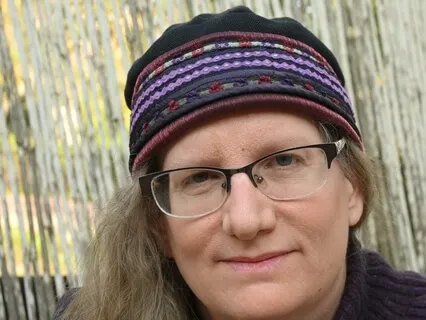
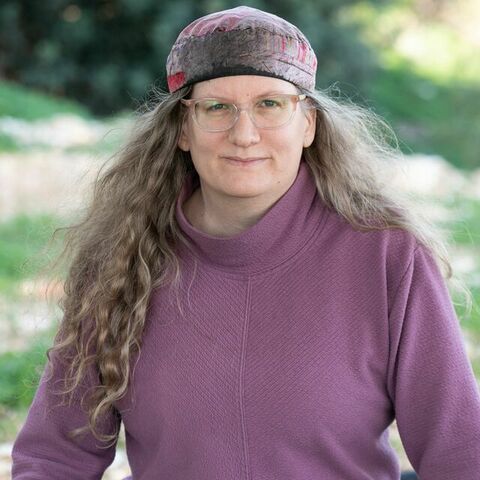
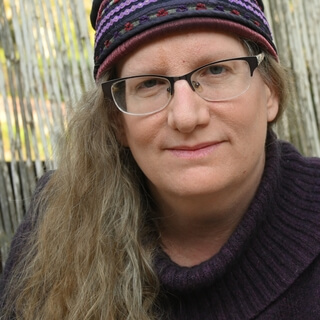
I am Rabbi Hasya Uryel Steinbauer,
The founding director of the Institute for Holiness,
Kehilat Mosar,
And you are joining us on Zoom or live stream of Facebook,
LinkedIn,
Or YouTube.
I'm delighted that you've joined us.
So we are in the middle of our 40 days Elul practice,
Mosar mindfulness,
And today is the sixth day of Tishrei.
And what does that mean in our 40 days?
Technically it's 39 this year because of the way the calendar fell,
But it means that we are technically in our 36th,
37th day of practice,
Which means that we're very close to Yom Kippur.
So if you've been joining us and following us this whole time,
Then you began with us at the new moon of Elul,
Rosh Chodesh.
And you've been practicing consistently over this time of working on self-forgiveness,
Of others,
Kind of concentric circles of obligation,
Of those close to us and farther away,
Both internally and externally.
And now we are in the 10 days between Rosh Hashanah and Yom Kippur,
Where it really feels that we're deep in the practice,
Taking refuge in Mosar mindfulness,
Taking refuge in God,
Taking refuge in this kehila and this sacred community together.
So as always,
We begin with our kavanot,
Our intentions for this practice.
I'm going to share screen with you.
Give me one second,
Please.
Thank you for your patience.
Okay before you,
You shall see three small paragraphs.
And before this is an act of self-care,
We are interpreting this sitting meditation,
Joining this teaching as you engaging in self-care.
And before we engage in this,
This is something you will say I am doing to strengthen my own soul in order to be of benefit to others in the future.
And we also see this practice together as doing an act for the other.
And we say,
This is something I'm doing to strengthen my relationship to others,
Because if we're working on ourselves,
We're really strengthening the relationship with somebody else.
We're able to be a better person and better in relationships so I can be a better conduit of God's good to others when they need me.
And finally,
Before doing acts to strengthen your relationship with the divine,
Which this is also,
We are engaging and striking our relationship to the Almighty,
However you may interpret that.
This is something I'm doing to strengthen my relationship with Hashem,
The divine,
With God,
So that I can be a better conduit of God's good to others when they need me.
We're going to hold those kavonotes.
We're going to really feel and internalize that we are engaging in these together.
So for short teaching today,
Before we engage in our sitting meditation,
I am sharing a text from the Dovahrim Deuteronomy,
Chapter 30,
And Pesukim,
The verses one through 10.
And the reason why I am,
This is from the parasha Nitzavim,
Which we just actually had two Shabbatot to go,
But it's a key reading around this time.
And the reason is because of this term in the Shoresh,
The root of shuv,
Shem vav vet,
That is used with shav and tashuvah,
All meaning to turn,
To return,
To repent,
Which is obviously the key thing during this time.
So I just want to point out that this happens seven times in these 10 verses.
And as you know from rabbinic learning,
This is very important.
This shows you that there's something that we are to pay attention to,
Something that's to awaken us,
Something that's supposed to enter our hearts.
Think about this.
This is an oral tradition before it was written down.
So you're supposed to be hearing this vey hashevotah,
You know,
Vey shavta.
You will go through them quickly together,
But you're going to hear them as we go through them.
So what we have here,
Veyaya kiyyavo u'alecha kol adevarim ale habracha veyha kakalah.
So when these things befall you,
The blessing and the curse that I've set before you,
And you take them to heart,
What this really means,
This translation was taken loosely,
It's from safaria.
Org.
It's really showing us that when you turn,
When you return your heart,
Okay,
Immense these very nations in which the Lord has banished you,
Vey shavta ad adonai elohecha,
And you return to the Lord your God.
Now remember from last Thursday's meditation together,
I mentioned that this shav,
This teshuva is an internal turning.
It's something that we're doing in our sitting practice of even turning our treif da'at,
Our torn thoughts to yashuvda,
Of sitting and settling,
There has to be a turning.
It's quiet,
Still internal.
So when you return to the Lord your God with all your heart and all your soul,
Here we go again,
P'suk shalosh,
Right here three,
Right?
Ve'sha vadonai elohecha et shavutcha ve'richa mecha ve'sha'v od od od,
And the Lord your God will restore you,
Meaning will return you,
Take you back in love.
These are some beautiful words.
We go on to say,
And even if you're outcast at the ends of the world,
This is like worst case scenario,
Meaning if God is able to help us return and we're able to practice and return from the most difficult situations,
Meaning that we have been outcast,
Furthest away from ourselves and from God,
That we still can do this turning.
We still can do this returning.
The Lord your God will bring you back to the land that you shall possess it.
And then the Lord your God will open you up essentially like a circumcision of the heart,
Such a beautiful image,
And the hearts of your offspring so that you may live,
So that you may choose life.
And it goes on and we return finally towards the end as it's very ata,
Tashu,
V'shamata,
Bekol adonai,
You will return,
You will turn toward Hashem,
Towards your God,
You will hear the voice of God,
Adonai,
And you will do the mitzvot,
You will do the path that you are to live,
That has been the commandment to you.
And then it goes on to say,
This is such a beautiful line here,
Ki yashu v'adonai,
La tzus alecha,
That the Lord will turn,
That Hashem will turn and delight,
Have joy,
Sincha,
In your well-being.
And that is le'tov b'shevcha,
B'shevach.
Okay,
Just beautiful.
And finally,
We say at the end,
Ki tashu v'eladonai,
Elohecha,
V'chol avachan,
V'chonashochan,
That you will return to the Lord your God,
You will turn with all your heart and soul.
So I wanted to share this with you because this is what we're in.
And this is steeped in our texts and our tradition.
And we're going to take this with us now as we actually engage in our sitting practice.
So delightful to be together to do this.
Thank you for joining me.
So drop on in for those of you who are more advanced practitioners,
Allow yourself to just sit and begin to settle,
Taking in some deep breaths.
For those of you new to meditation,
You're just going to follow my instructions.
If you need to stand because you have chronic pain or low back issues,
Please stand next to a chair so that you're taken care of,
You're secure.
If you need to go ahead and lie down,
Go ahead,
Keep your eyes open so you remain awake and with us aware and alert.
For the rest of us,
We're going to go ahead and find a comfortable seated position,
Upright,
Dignified because you are created in the image of God.
That's how you should sit.
Allow yourself to settle in.
Taking three deep breaths.
I will guide you with my words until I lead us to a silent section.
Allow your in breath to be the same length as your out breath,
Allowing yourself to arrive,
Leaving behind anything that you may have brought with you today.
No planning in the future or noticing if that's where your mind wants to go right now.
The practice is to simply begin again,
Bringing it back to the present moment,
Back to your breath.
So today I'm with six of Tishrei,
Three nights before Yom Kippur.
You'll know that we have been dwelling in our treyftaat,
Our torn mind,
Noticing whatever thoughts,
Emotions,
Or sensations in the body are constantly pulling us away from the present moment.
But instead of being frustrated by those or trying to avoid them or be in denial,
We are to see them as part of our spiritual curriculum,
Part of a gift from God to call our attention.
With loving kindness and compassion,
We just notice them and with patience and understanding,
We say we will pay attention to you.
What is calling our attention?
You know now that you've been practicing daily that we are settling towards Yeshuvdaat,
That we will become intimate with whatever is calling our attention and become friends with it.
That's the only way we can fully inhabit our lives.
So allow that,
Allow your breath to allow you to settle.
We will continue to practice our transformation of a sense of any deadness to life.
I mean to see ourselves more clearly.
As you know,
We've been noticing any negative states,
Any thoughts or emotions,
Beliefs,
That there is something wrong with you that you lack in goodness.
Notice if you're having any of these negative thoughts or beliefs,
Any of these states.
The practice in general over time is to move away from these negative states and move toward the factors of enlightenment and of awareness.
This can only be done by recognizing and allowing and accepting and the only way to do this is with chesed,
With loving kindness,
With rachmin,
With compassion,
With opening our hearts.
One of our beloved teachers,
Sharon Salzberg,
As you may be aware of,
Says,
If I have an idea about how I should be,
For example,
More compassionate,
Or in our case,
I shouldn't be judging myself,
I shouldn't be knocking myself down or thinking I should be different.
She goes on to say,
I go through a process of rejecting myself every time if I don't meet this standard,
And I never find that compassion.
So the emotional process is that if you reject yourself,
It will not lead to compassion.
Only compassion can lead to compassion,
Rejection will only lead to rejection.
From time to time,
You will hear me go silent for an opportunity for you to be able to be in that silence in your practice.
Finding mindfulness of your thoughts,
Of your beliefs.
We make a conscious effort to turn away from any rejection from denial or avoidance.
And we're kind with ourselves if we are doing that.
We simply note it and say there is another way to be.
I need not beat myself up.
Come back to the present moment.
The nature of any pain we may be feeling have been during this 40 days of low practice.
It points us to the nature of the transformation that we are in the process of making with God's help.
This is not a sham.
So our teacher Rabbi Ellen Lu says if we are angry,
We need to move towards inhabiting our anger and letting go of it.
If we are in despair,
We need to move toward hope.
But the intensity of our pain is even more helpful in this process than its particular cast.
As we sit right now together in practice during the 10 days of transformation,
These states,
These impulses and feelings rise and fall away.
These impulses,
These feelings assert themselves and they are the ones calling for our compassion,
Our attention.
He goes on to say there is a great gift of suffering.
Once afflictive states such as anger,
Boredom,
Fear,
Guilt,
Impatience,
Grief,
Disappointment,
Dejection,
Anxiety,
Despair are the great markers of our teshuva.
By their very intensity,
They call us to transformation.
They say please pay attention to me,
Accept me,
Be kind,
Be kind to yourself.
These feelings,
These states are so familiar to us that we begin to believe them.
We think that they're an intrinsic part of our being.
But this practice,
As you know,
Of coming to awareness,
Coming to mindfulness is that you learn they're not.
In the sacred time of transformation,
The gates of heaven are open and we are awake.
We can see that thoughts and emotions and beliefs ebb and flow.
They come and go.
We are not our thoughts.
These are impulses arising for a moment and they only come to us by our own choice,
By only choosing to see them that way,
Choosing to cling to them.
This practice teaches us that we can make another choice.
We can choose to allow these feelings to rise,
To witness them,
And to let them fall away.
We move into silent meditation for the next five minutes or more and I leave you with two questions for you to hold in your mind's eye and in your heart.
As with your eyes shut or your gaze lowered,
This allows you to hone in on your embodied personal experience.
Let it be not something that is staying in the brain.
Allow it to move into the felt experience.
Pay attention if you are telling yourself a story or a narrative and come back to your breath,
Come back to the present moment of your felt experience.
So during the silent time,
We will notice which types of thoughts really have an effect on your body.
What thoughts trigger you most and what is their bodily effect?
Where do you feel it and how do you feel it?
Notice how some thoughts bring strong emotions.
Strong emotions bring certain thoughts.
Notice that and witness that interplay.
This is all about building our muscle of investigation with non-judgmental curiosity,
With a non-attachment to whatever we witness and with nurturing,
With kindness.
I will move on mute now and we will sit in silence and I will bring you out with the sound of the bells.
Thank you.
Thank you.
Thank you.
Thank you.
Thank you.
Thank you.
If your mind has wandered,
And it will,
That is the practice,
Just to suddenly wake up and recognize that my mind has wandered,
To bring it back to your breath.
Allow yourself to send any loving breath and kindness to any thoughts that are needing your attention,
Any sensations in the body,
Any beliefs or emotions that are calling for your attention.
Honor yourself and your practice.
When you're ready,
Gently open your eyes.
Lead us back in this sacred space,
Live stream or in the Zoom room.
Thank you.
Thank you for taking refuge in God and in the most our mindfulness and our kahila,
Our sangha,
Our vad.
Delighted to have you here,
Very grateful for your practice.
We always close with our forgiveness prayer,
Which I will share with you now.
This is something traditionally that Jews like myself say every night before bed.
And the Hebrew is over here.
And this will be up on our website for you to download the text or be able to have a picture of it.
And it's said before the Shama,
The nighttime prayer that we say two times a day of really recognizing that God is one and God is with us always here to turn and return.
So we say together,
I hereby forgive anyone who has angered me or provoked me or sinned against me physically or financially,
Or by failing to give me due respect,
Or in any other matter relating to me,
Involuntarily or willingly,
Inadvertently or deliberately,
Whether in word or deed,
Let no one incur punishment because of me.
Let them forgive me if I need to seek forgiveness.
Allow me to forgive them and let go.
Really that space where we stop holding on to whatever we're clinging to,
Even when we think we have forgiven.
Delighted to have you here.
We're so grateful here at the Institute for Holiness,
Kehilat Mosar,
That we are able to offer this freewill offering,
And we kindly accept your donations either daily or at the end of this practice.
Thank you to all of our donors and to our sponsors.
Those who wish to honor someone or to sponsor a day sitting in memory of someone,
Someone who has passed,
May their memory be for a blessing.
So thank you so much.
And in conclusion,
I will say that we will meet again,
God willing,
Bazrat Hashem,
Tomorrow,
Back to our regular scheduled time,
Which is 1.
30 PM Eastern Standard Time,
10.
30 AM Pacific Standard Time,
8.
30 PM Israel Time.
So I say,
May the merits of our practice together really be in dedication and with all of our intention,
May the merits of our practice be that we basically really offer and help bring to alignment and balance the well being of all beings everywhere.
And may all beings be healthy and safe,
Especially during these difficult times with so much.
I know people are suffering throughout the world.
So really honor that you take in this half hour of self care so that you may be able to bring God's good to others.
Thank you so much.
We look forward to practicing and learning with you tomorrow.