Welcome to the Mindfulness Meditation Podcast presented by the Rubin Museum of Art.
We are a museum in Chelsea,
New York City that connects visitors to the art and ideas of the Himalayas and serves as a space for reflection and personal transformation.
I'm your host,
Tashi Chodron.
Every Thursday,
We present a meditation session inspired by a different artwork from the Rubin Museum's collection and led by a prominent meditation teacher from the New York area.
This podcast is a recording of our weekly in-person practice.
In the description for each episode,
You will find information about the theme for that week's session,
Including an image of the related artwork.
Our Mindfulness Meditation Podcast is presented in partnership with Sharon Salzberg and teachers from the New York Insight Meditation Center,
The Interdependence Project and Parabola magazine and supported by the Frederick P.
Lenz Foundation for American Buddhism.
And now,
Please enjoy your practice.
Good afternoon,
Everyone.
Tashi Delek.
Welcome.
Welcome.
So wonderful to see so many new faces and then many familiar faces.
Thank you.
And welcome to Mindfulness Meditation at the Rubin Museum of Art.
I'm Tashi Chodron and I'm so happy to be your host today.
I hope that New York is treating you all well.
For those of you who are first time,
We are a global hub for Himalayan art with a home base in Chelsea,
New York City.
And we're so glad to have all of you join us for this weekly program where we combine art and meditation.
Inspired by a collection,
We will first take a look at work of art from a collection.
We will then hear a brief talk from our teacher,
Elaine Rethels.
And then we will have a short sit,
15 to 20 minutes for the meditation guided by her.
Each month,
We have a theme and the theme this month is New Beginning.
And each session,
We have a beautiful art selected.
It's handpicked by our teacher.
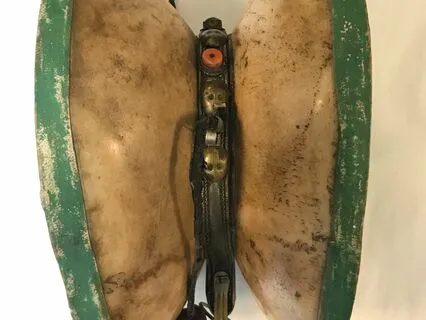
And so today's session is this beautiful damaru called Nga in Tibetan word.
This is a handheld drum.
It's origin from Tibet,
Dated unknown.
This is a human bone with semi-precious stones,
Leather and mineral pigment.
And it's a ritual object.
The connection to the theme is the theme being New Beginning.
The damaru is a double-sided drum.
It is an important ritual object with Tibetan Buddhism.
And it increases one's focus and awareness,
Hearing the sound,
Helping practitioners to gain a profound sense of renewal and attain a new beginning.
The damaru is called Nga in Tibetan word.
There are different sizes of damaru and this particular drum is called Ngachung,
Which means a small double-sided hand drum,
Sometimes made from the tops of two skulls and therefore translated as skull drum.
It is played in the right hand by twisting the wrist and causing the striker to beat against the drum skin.
The drum skin of this damaru is made of leather and the drum itself is made of human bone with inlay of semi-precious stones,
As you can see here.
Alternatively,
The drum skin can be made of animal hide.
The drum itself can be fashioned of wood as well.
It can be made of ivory,
Which is then,
Of course,
So much more expensive and more elaborate.
And what I was also told by one of the chant master is that the importance and benefits of playing the damaru is to invoke,
To invite the guru,
Deva,
Dakini,
The deities.
When you strike the drum or the damaru with the sound,
It seems the deities,
Without hesitation,
They have to appear to help you,
To protect you.
And this damaru is often placed next to two principal ritual objects,
That is vajra and the bell.
And this particular damaru is held in the right hand,
Accompanied with the bell in the left hand.
And the dissipating sound of the damaru represents emptiness.
So let's bring on our teacher for today.
Our teacher is Elaine Rethels and Elaine has been studying and practicing dharma since 1988.
In addition to teaching dharma at New York Insight,
She's a certified mindfulness-based stress reduction,
MBSR,
Teacher and certified MBSR teacher trainer.
She's deeply interested in helping students integrate mindfulness into daily life and has been involved in the New York Insights diversity effort for many years.
Elaine,
Thank you so much for being here and please help me in welcoming Elaine.
So welcome.
I was very interested in reading about the cutting ceremony and then listening to the drum.
Because just think about our practice.
Mindfulness bell,
Right?
And then if it's too loud,
We apologize.
But then think of what this drum sounds like,
This like,
Wake up.
And those horns made out of human thigh bone,
Just even knowing what they are,
Can wake us up a little bit.
And I was also thinking about,
For those of you who were raised Jewish,
Like on the Jewish New Year when the ram's horn blows,
It's designed to wake you up.
And I was just in Vietnam and people were demonstrating blowing a water buffalo horn with the same wake up,
You know?
And so I was thinking,
My background is in Theravadan Buddhism,
How the Buddha,
You know,
Invited us all into these five reflections reflecting how each of us are subject to aging and sickness and death and that we're going to be separated from everything that we care about.
And that he recommended that we reflect on this every day to wake up to this sense of the truth of,
You know,
This is right here,
Right now.
And he does this teaching where he's with a group of monks and he's saying,
Well,
How do you contemplate your own death?
And one,
I'm going to get it wrong,
But you'll get the feeling for it.
You know,
One of them said,
Well,
You know,
I contemplate that,
You know,
This could be my last day of being alive.
And the Buddha said,
Very good.
And then the next one said,
Well,
I contemplate that,
You know,
I could die by the end of the meal.
And the Buddha said,
Okay,
That's good.
And then somebody else said,
Well,
I contemplate that this could be my last bite.
And then it goes on until one of the monks says,
I contemplate that this in-breath could be the last breath I take.
That's something,
Right?
It's not this intellectual understanding that,
Oh,
People die,
Or people I care about die,
Or even theoretically someday I'm going to die,
But that any moment this could happen to any one of us,
Right?
And part of what I read,
And I'm no expert,
But I did try to read a little bit about the cutting ceremony,
And part of what we're cutting,
You know,
We could be cutting our attachments to external demons or the hindrances within us,
But the biggest thing we cut is our attachment to self,
Our self-referential nature.
And some of us may come into practice wanting,
You know,
A little bit of peace,
And can I be calm,
And maybe less stressed,
And can I respond more wholesomely,
And yeah,
All of that is really wholesome.
And yet what is it like to sit in practice,
And many of us use the breath as an anchor,
And in gratitude,
And awe,
And amazement,
And reality,
Knowing,
Wow,
This body breathing,
This breath could be my last breath.
And what does that invoke?
Not,
I mean,
For some of us it could invoke fear,
And depression,
And anxiety,
And maybe there's something else in terms of gratitude,
And awesomeness,
And just the sense of the preciousness of this human life,
And how we're all,
Each of us,
Not just humans,
But each of us,
Every breathing being,
Subject to the same laws of nature.
And that drum,
When you were playing it earlier,
It's like,
Yeah,
Yeah,
Wake up,
Wake up,
You know?
And how many of us,
After a practice period,
The bell so gently rings,
And we're like,
Oh,
That was too loud,
That scared me,
You know?
And what if it was like,
Wow,
I was sleeping,
I wasn't paying attention,
And that it's a call to just really wake up to this moment.
So that might seem a little fierce,
I don't know,
But I'd like to invite us in together to a practice period,
And it could be whatever your usual practices are,
That's fine.
But especially if you're attending to this body breathing,
Can we just appreciate it?
Not with this anxiety of,
Oh,
This could be my last breath,
But this just acknowledgement of the truth of our vulnerability and the actual sacredness of every moment,
You know,
That we take for granted so often.
So come if you are comfortable,
Maybe sitting up a little bit if you're able,
And if your feet reach the floor,
I'm very grateful that my feet reached the floor on this chair,
Grounding yourself.
And just taking a moment to feel your body sitting here now,
And the truth of its aliveness,
Perhaps you feel some pulsing or temperature or sensation,
The body sensing,
And of course the body breathing.
And you know,
In this context,
All of the different sensations and thoughts and moods that we're experiencing,
Whether they're pleasant or unpleasant or maybe neither,
So maybe it feels a little bit boring,
Are just all indications of this aliveness,
Just right here right now.
And isn't it true that when we practice and we set aside our doing and accomplishing,
We can just receive the body being alive and breathing,
Knowing the in-breath through the sensations just of this body,
Knowing the out-breath,
Trusting for now that the body will breathe again until it doesn't,
Appreciating the,
Well,
What is it for you,
Deliciousness,
The joy of receiving the breath and of letting go of the breath.
And in those moments when either we're aware and experiencing the agitation or fantasy in the mind,
Or we become awake to it,
Isn't it amazing that the body continued beating,
Heart beating,
Diaphragm moving,
Breath happening,
Even when we were distracted and absorbed in thought,
And so respecting that and appreciating that,
Reconnecting,
Perhaps there is some gladness,
Some happiness in the mind and heart as we simplify and just appreciate this body breathing,
Keeping us alive,
This moment,
This kind of boredom that can arise sometimes with just the breath or,
Oh,
Do I really have to feel my feet,
Can be transformed in the light of death,
In the light of the impermanence of our lives,
How sweet it is just to be together breathing,
A driving force of our craving to have things be different,
To have more,
To have better,
To have whatever,
Can give way to the sense of enoughness.
Just this breath,
Just this moment,
How amazing to be able to practice together.
Thank you for your practice and your presence.
Be well.
Thank you so much for that,
Elaine.
That concludes this week's practice.
To support the Rubin and this meditation series,
We invite you to become a member at rubinmuseum.
Org and to stay up to date with the Rubin Museum's virtual and in-person offerings,
Sign up for a monthly newsletter at rubinmuseum.
Org.
I am Tashi Chodron.
Thank you so much for listening.
Have a mindful day.