Today's episode is brought to you by Psychedelics.
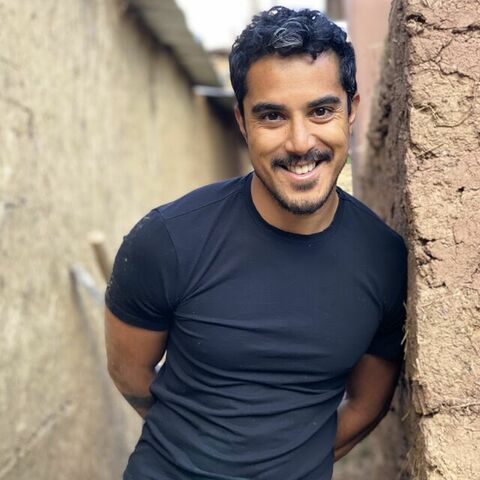
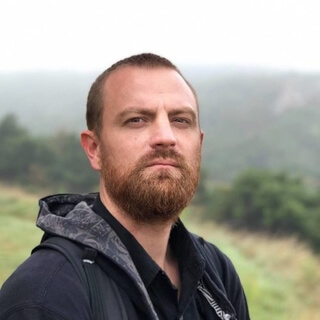
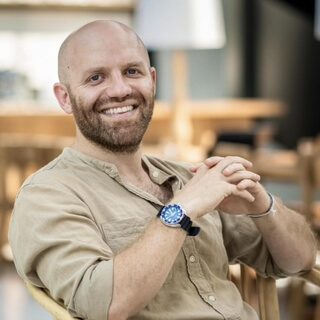
My friend Sean Chitty joins us to speak about his work with plant medicines known as Enthugins.
If you don't know what that means,
Enthugin,
The word means generating the divine from within.
So these are what some people would call drugs,
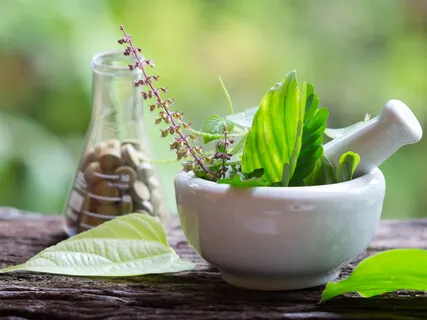
Other people call plant medicines.
These are natural,
Usually natural substances that create a hallucinatory experience that people use for spiritual healing.
Sean is a psychotherapist,
Born in Australia,
He's a mental health counselor in the UK,
And now he does facilitation work in South America for an organization called the Temple of the Way of Light.
It's basically,
From what I understand,
A plant medicine retreat center.
So if you want to experience ayahuasca,
Or basically a shamanic experience with ayahuasca,
From authentic Peruvian shamans,
But in a safe container,
This is a great place to check out.
I got to know Sean when I was in Peru last winter doing ayahuasca ceremonies.
I had done ayahuasca in the States a few times,
But this time in Peru was the first time I clearly experienced speaking with entities,
Speaking with spirits.
For someone like me,
Who's kind of half skeptical,
I like thinking about these entities existing.
I like thinking about them in a metaphorical sense.
But under this medicine,
I was actually speaking to some spirits,
As we speak about in this conversation.
It was great speaking with Sean afterwards,
Because he's experienced this kind of stuff too.
He knows how to speak the more mystical language that the shamans use to frame the world.
But he's also very rational and can ground certain concepts and things that we can understand.
For someone who hasn't experienced spiritual things like this,
It makes it very easy to understand.
So I learned a lot from him about the training of shamans,
The belief structures,
And essentially how to balance really mystical spiritual experiences with grounded rational understanding.
So lastly,
I just want to say this kind of as a public service announcement.
If you're going to go out and do a hallucinatory substance for spiritual reasons or healing or even recreational reasons,
I highly recommend doing your research first.
Not trying to be your mom,
But there are obviously risks involved.
One resource you could check out is Sean himself.
His contact info is in the show notes.
So just be safe.
I think psychedelics are great and you want to take the obvious precautions.
And final announcement,
As you may know,
I record all of these podcast episodes with a live virtual audience.
So if you want to be part of the audience for future episodes,
All you have to do is follow me at crowdcast.
Io slash rwondo.
There you'll see all the upcoming live recording dates with all the upcoming guests.
Just follow me and sign up for whatever episodes you want to join and you can ask myself or the guest questions and alter the conversation itself.
So this is episode 003,
Sean Shitty on mindfulness and entheogenic healing.
You're listening to the Rwanda podcast,
Perpetual orgasm,
Infinite play.
Please subscribe on iTunes and enjoy the show.
All right,
We are live.
Yeah,
So thanks for being here,
Sean.
I think I've wanted to have this conversation with you on one-on-one without other friends around anyway,
And this podcast was like a great excuse.
Thanks,
Rowan.
I'm really happy to be able to do this with you.
Yeah.
So both for me and for everyone who is listening,
Can you give a little background on how you ended up in South America teaching mindfulness and dealing with plant medicines?
Because I think there's a lot we can cover and I want to,
I guess,
Categorize it for people so they can follow.
Yeah,
It's been a really interesting path and a little bit of magic along the way,
I think.
Basically,
I started working as a psychotherapist about getting close to like 10 years ago now.
I'd already been practicing healing meditation,
Broadly in the mindfulness type of class of meditation for quite a while before I was even working as a psychotherapist.
Then I started working with plant medicines,
Actually mainly when I was in the UK.
I was living in London.
A lot of people interested in these things out there.
Was it like ayahuasca retreat type things?
Yeah,
Things like ayahuasca,
Peyote were the main things that I was working with.
That initially started mainly because I'd heard of it.
I think I was obviously aware of like the eugene and LSD and magic mushrooms growing up in Australia as a teenager and in the trans party scene there.
It was in my mind,
But I'd never really had the opportunity to engage in it in a ceremonial setting until I was in the UK.
I knew that there was something there for me.
It's just this yearning for healing that so many of us have.
I had read an article about someone's healing experience with ayahuasca many years before and that had just kind of floated about in the back of my mind.
Then somehow I remembered it again.
I ended up going to my first ceremony with ayahuasca.
Well,
Actually,
To make it even more complicated story,
It was within ayahuasca analogue.
I thought it was ayahuasca,
But it was not ayahuasca.
It was something similar.
Like a synthetic?
Not a synthetic.
There are other analogue mixtures that you can make that have a comparable effect to ayahuasca in the sense that they're visionary,
Pejorative plants,
But it wasn't actually ayahuasca.
So that I'm telling the truth's sake that I'm acknowledging that.
For simplicity's sake,
Let's just say I started working with plants like ayahuasca in 2010.
It was just in the beginning of 2011.
It's obviously a very compelling and engaging experience and really captured my imagination,
Really inspired me and gradually became a fixture of my life.
Something that I was really involved with the community,
Working with it.
I travelled to Mexico to work with peyote.
I travelled to Peru to work in the jungle with ayahuasca there.
Then I never really even dreamed that I would,
Well,
I did dream,
But I never thought realistically that I would be able to be working down here in this way.
But then in 2015,
I think,
Myself and my then girlfriend Carolina were looking,
I think,
Just came across a post someone had put up on Facebook saying that this amazing ayahuasca plant medicine at the temple of the way of life was looking for facilitators.
We both ended up applying and were basically incredibly excited to get a very quick response from the owner and ended up heading down to work at the temple at the end of 2015.
Obviously,
With my background working with mindfulness and with healing and as a psychotherapist,
Basically my work down there evolved into combining the two.
It's been an absolutely amazing experience to be able to kind of fuse them and then cross fertilize my understanding of both with the experiences and understanding that come from the other.
So what did you do exactly as a facilitator with a psychotherapist background?
What were you doing exactly?
Or what are you doing now?
What am I doing?
Yeah,
Good question.
So when I arrived,
Actually,
So I have a hearing problem.
And when I arrived,
The intention was that we were going to be working as facilitators at the temple.
But I very quickly discovered that that wasn't really realistic,
Given the nature of that civic role as it is at the temple,
Because it involves basically being able to communicate with people in the dark mainly by whispering,
Whilst there's up to five maestros singing different songs simultaneously,
Which for someone with good hearing is fine.
But for me with needing hearing aids,
It was extremely difficult.
And so I didn't actually didn't end up working as a facilitator in that particular role.
And then,
But because of my existing skill set,
We ended up actually evolving a new role for myself,
Which involved working teaching mindfulness and other psychotherapy,
And kind of healing and psychology related topics as a part of a workshop program.
And this involved kind of adapting what I knew to be effective tools for helping people to heal,
For helping people to understand the way their mind worked towards the experience of working with Ayahuasca.
And so now basically,
I work as part of the facilitation team for the temple.
Our director is Tanya Mate,
An amazing woman and the daughter-in-law of Dr.
Cabo Mate is fairly famous in this kind of scene,
The medicine scene working with Ayahuasca and with integration.
And so basically,
We help people to prepare for their Ayahuasca workshops at the temple.
Sometimes we do on-site workshops,
And we also help people afterwards with the integration of their experiences.
So it's about kind of bridging that kind of shamanic process of working with Ayahuasca with Western understandings of how to work with our mental content as it's arising.
Yeah,
That's really cool.
Because I'd imagine,
And even from my brief experiences in Peru with plant medicine,
There's something very spooky and very detached from,
I shouldn't say the real world,
But it feels like the real world if you grew up in the Western world and go to the jungle.
And then it's like having a guy who speaks English who also is a psychotherapist who could speak normal conventional life probably is very grounding for people and puts people at ease,
I'd imagine.
That's the intention.
Absolutely.
And obviously,
People can adapt fairly well to the other worldly experience of working with Ayahuasca.
But having people there to help us kind of conceptualize what's going on and ground it and figure out how to put it into practice can be really,
Really useful.
It can be a game changer.
And I've definitely seen people who have a workshop on a particular topic,
And then they go into the next ceremony,
They come out of the ceremony in the next check in,
And they're very directly giving feedback indicating that they've used what we were talking about very actively in the ceremony space.
So it's not just integrating,
Obviously integrating afterwards is really important,
But there are actually tools and strategies you can learn that actively help you during the actual ceremony itself.
Cool.
So speaking on the transition between worlds,
I want to talk about the spiritual world and material world transition.
And I want to speak to you about it because I speak to many people who use plant medicines,
Talk about the astral plane and spirits and things.
And usually in my judgment,
They're kind of an ungrounded person who maybe believes in a lot of false things.
But you seem very rational.
But you've also spoken to me quite a bit about like spirit entities and like things that come to you and like dialogue with the plant itself and things that for someone who has no experience with it probably seem like hocus pocus nonsense.
So I wanted to open that.
That's a great question.
And I hear what you're saying.
It's a,
You know,
Working with Ayahuasca and working with any of the visionary plants,
It really opens up a can of worms of how to understand and integrate the understanding and the experience of what subjectively seems like something completely other than anything that we've been brought up to believe in,
In a sort of typical Western materialist description of the world.
And even when we talk about,
You know,
Religious and spiritual models of the world,
They often really don't describe or particularly give any importance to these kind of otherworldly encounters that you can have working with Ayahuasca.
Yeah,
They talk about in like the Bible,
Like someone else experienced an otherworldly thing,
But present day,
No one who goes to church really experiences the spirit world.
Yeah,
I mean,
I think people do in all sorts of places around the world,
But yeah,
In the typical kind of Western dialogue,
Not so much,
Absolutely.
But my,
You know,
You talk about me being seemingly rational and grounded.
I think that probably comes from having a strong background in working with healing meditation before I started working with plant medicines.
To me,
That was a really stabilizing groundwork to have in place.
Do you think that's useful or necessary for people before they start using infusions?
I don't think it's going to do you any harm,
Let's put it that way.
It gives you a resource basically and a skill set with which to navigate what can be very disruptive territory.
I mean,
Even for me,
I recognize that before I started working with the plant medicines,
I was kind of used to being able to,
I guess,
Moderate my experience of things through meditation in a fairly calm way.
And then working with Ayahuasca,
It's like you're thrown into a dishwasher,
Basically.
Everything's just,
You know,
All over the place.
And it can be so intense and so fast paced,
As well as kind of potentially decentering in that the force of the medicine is so overpowering,
That you are at its mercy at some times,
Or experientially subjectively,
Rather than being able to just kind of,
You know,
Sit there and meditate on what's happening in a fairly contained way,
As has been my previous experience.
Yeah.
I want to talk about one thing that I would personally like,
Maybe some grounding or rationale behind,
Which is like the idea of like this,
Having a relationship with the plant.
Like,
Before I even did Ayahuasca,
I heard people speak about Ayahuasca as the grandmother and it's like this old female entity and people speak to her.
And my first two times doing it,
I didn't really experience that at all.
But the third time,
I really felt like I was speaking to like an older woman and like negotiating.
Like,
I even felt like I was speaking to her like,
Hey,
I don't want to purge into a bucket.
Can I just like use the bathroom afterwards?
And I felt like I said okay.
And she let me do that.
And that's how I purged afterwards.
I was like,
Oh,
Cool.
It's the grandmother.
But after the experience,
I was like,
Oh,
Was I just primed?
Because everyone told me grandmother,
Grandmother,
Grandmother,
Grandmother.
Do you have an explanation?
I remain open on this point as best as I can.
And it's a,
I subjectively,
My experience has overwhelmingly been that the spirits are alive,
And that you can relate to them,
That you can connect to them,
You can talk to them,
Not always,
Sometimes I'm wandering around in weird spaces on my own,
And there's nothing I can easily connect to,
Or that's not a part of my experience in that ceremony.
But I've had enough,
You know,
I've had experiences of my entire consciousness being completely and utterly overwhelmed by something that felt very alive and,
You know,
Like its own kind of being,
But was definitely not me.
And it just completely took over my mind.
And that was like,
Sort of mind blowing and terrifying and,
You know,
Inexplicable and bizarre at the time.
But of course,
There's always,
You know,
You can always take the rationalist skeptical position and say,
No,
That's a projection of your mind's inner vision.
You know,
People see things that are related to what they expect to see,
Etc,
Etc.
And so,
I kind of don't feel like I have to make my mind up in a fixed way.
And I certainly,
When I'm talking to other people,
Try and make it clear that that's how I feel.
So that people don't feel like they have to perform some kind of belief,
Either way.
Certainly,
If we're talking about mindfulness,
A big aspect of mindfulness is holding things lightly,
Which means not trying to fix,
You know,
A thought and make or a belief about what this is or isn't,
And make the world comply to your belief or get really hung up on whether reality does or doesn't comply with your belief,
But to be willing to just use the belief where it's useful and then let it go when it's not useful.
So,
Certainly,
In the experience of being in a ceremony and interacting with some kind of being or spirit or entity or whatever it may be,
Then it's useful to just kind of go along with that up to a certain point,
If it's positive.
If it's not helpful to you,
Then try something else.
Yeah,
I like that phrase of holding it lightly.
I think a lot of people,
Especially if you look at outside of this realm,
Politics and nutrition,
Even people are so heavy about their belief system,
They fight over it and they go to war over it and stuff.
Exactly.
And that's the problem with it,
Is when we become fused with it to that level,
Then this is what emerges.
And certainly,
On a personal level,
When we talk about many of the kind of mental health problems that we can experience,
In each of them,
You will see that a part of the problem is a fusion with a particular way of looking at things.
So,
You know,
If you really strongly believe that nothing good will come of your life,
That's a belief system,
Right?
You're making a prediction about life based on an idea.
If you believe that really,
Really strongly,
Then you will feel depressed.
And that depression will in part be caused by the fusion of that belief and the way in which that makes you behave,
And how you interpret things from that.
So it's the same thing.
Is it possible to take things too lightly?
Is there any danger to letting your beliefs become too liquid and becoming,
I guess,
Detached from the material world?
Well,
Again,
I can't be too judgmental about it,
Because certainly there appear to be spiritual philosophies which essentially aim for that.
So I think if we,
You know,
There are,
It's not,
That's a great question.
And it's not a question that I've thought about in great detail.
Because I think most of the time,
We're at the other end of the picture.
And certainly in my work as a psychotherapist,
That's where I tend to be looking,
It's the places people are hanging on too tight.
I guess you could say,
Perhaps,
And I don't know if this is exactly the question you're asking,
But if people get too uncritical of their thoughts,
Like they're not,
I don't even know if I'm answering.
I guess I was thinking to an extreme where like,
You maybe stay in that formless dream world of infinite possibility,
Or some version of that,
Where like,
You're apathetic to your body,
And you don't care about people,
Because they,
You see how they're limited consciousness beings,
And who cares.
And I'm saying this from personal experience with friends who are afraid to touch psychedelics,
Because in their words,
They're afraid they're crazy,
Or like lose their mind.
And I sometimes,
Well,
That's kind of the point,
Isn't it?
Like,
You want to let go of things,
But I see the fear.
Because sometimes it's terrifying.
Like my first couple of ayahuasca experiences were terrifying.
Same thing with mushrooms,
Terrifying,
You know,
You don't know if you're gonna have to come back.
Yeah.
I mean,
I've had those moments too,
And it is terrifying,
But it's never actually happened.
I think,
You know,
There are,
Okay,
So there are risk factors.
I mean,
I shouldn't joke about it,
Because obviously,
People can have difficult experience with endiogens,
And with ayahuasca.
You know,
And that's nothing to be lightly dismissed at all.
But we do know,
As far as the,
You know,
The amounts of research that have been done on it so far,
Certainly in the case of ayahuasca is,
For most people,
It's not really a risk.
There are,
You know,
A certain subsection of people for whom it might be risk if you've got a higher risk than others.
If you have a history of psychotic episodes,
For example,
Then these are things we need to be really careful of and consider whether it's the best thing to be working with ayahuasca in that state or with that kind of history.
Well,
I've heard the argument that like,
Under hallucinogen,
You are entering a psychotic episode of like,
Detaching.
Is that your take on it?
It's,
Yeah,
That's a,
I think that's a valid idea.
I think it's more complicated than that,
Because,
You know,
I mean,
Again,
This is like a huge topic,
Which we could,
Which I am not personally an expert of,
So I can offer my kind of armchair opinion,
In a sense of what's an informed armchair opinion,
But I'm certainly not claiming to be an expert.
Basically,
Even when I've had extraordinarily intense experiences with ayahuasca,
I've kind of known that that's what was happening.
So it may share many aspects with a psychotic episode,
But I believe there's a generally higher level of awareness of what's going on.
Certainly,
Sometimes people experience,
So within the range of experiences that can occur within ayahuasca,
Certainly some of the experiences involve experiences where people lose awareness of anything other than the visionary experience that they're having at that time.
So that could share some elements of it.
I think,
You know,
I did some reading about psychosis and psychotic episodes,
You know,
Trying to understand a bit more about this topic.
And it's really interesting to realise that even after 100 years of researching psychosis,
I still really don't understand what it is.
Very hard to define thing.
Do the shamans,
Do the maestros have any explanation for it or take on the idea of psychosis?
I think they have a different perspective on it than in the West.
And obviously,
A part of their training is to be able to enter with people that psychic space and kind of navigate and if you like,
Work with people on their behalf with some of the visions and the elements and the emotions and the sensations and it's like a whole kind of,
What's the word for it,
Like a multi-dimensional approach to working with someone in the psychic space.
I really don't want to pretend to be able to do it justice because,
You know,
I have very kind of limited understanding of it in that sense.
I want to acknowledge that as well.
I think they probably do differentiate more enduring or complex episodes than the ones that occur just in the ceremony and then end fairly soon afterwards.
But I don't want to pretend I have any kind of complete understanding of how they conceive of it or work with it for themselves.
Yeah,
I'm really curious about some of the things you've told me about their perspective of like,
You've told me stuff about how a shaman may put a golden cloak on someone that can only be seen by other shamans.
Could you share some of your experiences and things like that?
So,
Yeah,
It's not only that they can only see it.
I have seen it myself in my visions during ceremony when it was occurring.
But so what we're particularly talking about now is something which we call Arkhaness,
Which are protective kind of,
So it's a song that is sung to project protective energy.
So it's called Arkhaness?
Yeah.
So I'm talking now within the Shipibo system,
Which is the one I'm most familiar with at this level.
And so at the end of the workshop,
Each guest will be sung in an Arkana,
Which will be to help kind of seal and protect the kind of vulnerability of the healing work that's been done before that.
So,
I just want to say for people listening who might not understand,
Like in a typical medicinal ceremony,
The shaman is singing songs to the people which are like healing songs,
They're supposed to heal their soul.
Is that the right way to put it?
Absolutely.
I realize we're covering a lot of territory very quickly.
So,
Get to give it a bit of background.
Yeah.
So I am specifically talking about the Shipibo system.
Which is an indigenous tribe,
Right?
From Peru.
And so within their healing system,
They learn healing songs,
Which they call Ikaros,
Very specifically through dieting medicinal plants that are a part of the array of plants that go together with ayahuasca.
By dieting,
They consume it?
Right.
By going to a period of retreat,
Which can be anywhere from,
You know,
Like a week up to many months.
And they will basically take a restricted food diet and be in isolation away from other people and away from working and things like that,
Often just under the supervision of their teacher or their maestro.
And they will consume on a daily basis,
For example,
A strong tea made out of the,
Like a cold tea,
It's not hot,
But it's basically like a tea infusion of the plant that they're going to diet.
And then through this process,
They will be punctuated by ayahuasca ceremonies as well.
But the intent is to make a connection with that plant and to learn from that plant how it works.
And often as a part and what it's for.
So plants are broadly kind of conceptualized as either teaching plants or healing plants or both.
You know,
This is somewhat simplistic,
But to give you a kind of working understanding and again,
I'm not an expert myself.
Tobacco is like a protection plant from what I understand?
Yeah.
So tobacco is,
For example,
You can diet tobacco and that's a master plan and it's hugely protective.
It's used in all of the North,
In all of the Americas,
Tobacco is an important part of their healing kind of osmology.
And certainly in the Shabibo system,
That's the case.
And so at a certain point in the dieting process,
You can have essentially like music coming into your head,
Which will be then you can then kind of like translate into a song and give words to.
And through that song,
You basically can transmit the energy of that plant that you've been dieting to get that song into another person's field in an ayahuasca ceremony.
And so basically the Shabibo maestros that we work with at the temple and then it kind of should be to be a Shabibo maestro,
You have to have quite a few of these diets under your belt and have an array of plants which basically become like your allies.
And then you will sing ikaros depending on which plant is needed for the particular work that you're doing at that moment.
And so that's how their healing system works.
And when you say like have a plant as an ally,
It's like their spirit personified,
You can dialogue with like in your mind or on some level?
Yeah,
I know.
And we're talking about that territory where it's like subjectively,
But you know,
Basically,
That's it.
Yeah.
If people are obviously skeptical of that,
I can appreciate that.
But for the purposes of just talking about what the experience is like,
And how it's reported to be,
We're just talking subject direct terms like that.
Yeah,
So you basically have a spiritual connection with the spirit of that plant.
And you can call on it as needed.
So you can have a dialogue with it,
But also very specifically,
It can essentially come near you in the way I've heard it described,
It kind of nominates itself for this particular healing.
Kind of put its hand up and say,
I can help here.
So I don't know exactly how that appears in the maestro's mind at that moment.
But they will have an awareness that this is the plant that wants to come through.
And then they will sing an ikaro to express that.
And that is what channels the energy into the field of the person they're working with.
Gotcha.
Okay.
Yeah.
So going back to the background deeper,
Deeper,
But I want to go back to the original story.
To bridge the territory between a skeptical Western framework of the world and this kind of mystical,
Cosmological framework.
It's amazing.
Yeah,
I think it's all fascinating.
But back to the Arkanas that we were on.
Arkanas,
Right.
Yeah,
To tie it all back to that.
So the Arkanas then,
So let's imagine someone's been through a series of ceremonies of say,
Six or seven ceremonies or something.
Then on the seventh ceremony,
The maestro will sing them an Arkana,
Which is like to seal all the work that they've done through singing the ikaros to them in the previous ceremonies,
And give them a kind of protective,
Protective ally of sorts,
I guess.
And so I again,
Was told the thing that you asked me about this cloak coming over you is that was my personal vision of one of them that I saw was like this really,
Really beautiful golden cloak,
Which kind of looked like a cross between a lion's mane and a chainmail kind of fitted suit kind of thing being laid over my body.
But it was just the colour of the whole thing was this really vibrant,
Alive gold colour.
It was literally the most beautiful thing I've ever seen,
To be honest.
It was amazing.
And so depending on the state that you're in,
Because obviously,
When people,
Ching Hai,
They may or may not enter a visionary state and the intensity of that state can fluctuate.
But if you're in it,
Far enough and the visions are strong enough,
Then you can literally see these things.
So the other does that answer enough of that part?
Because we're talking about amazing things in it quite quickly.
But basically,
It's the idea that we were talking about is that these things can be seen by other people who have sufficient capacity to access certain visionary states.
So someone like you or I could only see it maybe when we're under the influence of a plant,
But a maestro of some sort would be able to see that all the time,
Kind of like a yogi saying he can see people's auras.
Is that the idea?
Yeah,
I don't know how much.
I think most of the time people are,
If we're talking about the maestros,
They can generally see those things more strongly when they're drinking ayahuasca themselves.
Which is why they drink ayahuasca.
Part of it is to be able to access that state and then work the healing energy from that state.
In terms of visionary states,
Like you say,
Yogi people can have it.
Yeah,
You can enter them.
I think they're just a part of the range of potential of human consciousness.
It's kind of multi-dimensional.
Certainly,
I've entered those states not with ayahuasca very temporarily through things like meditation and things like that.
And I think different people will have elements of those in different forms.
I wouldn't even want to try and give a definitive answer on it.
I think there's a lot that's possible that we just don't know about that people subjectively experience for themselves in many different ways.
Gotcha.
Cool.
Let's go back to more of maybe the grounded stuff for a bit.
I did have a note to ask you on a conversation we had with some friends.
You mentioned you have a yang,
A yang approach to mindfulness.
I'm very curious about that.
Because meditation,
I've gone in and I have a strange relationship with meditation.
I did it growing up,
But then I don't really like doing it.
I would rather do something.
So,
I was really interested in your proactive approach.
Yeah.
The comment about yang is I think that's an element that I learned actually from working with ayahuasca and meditating during ayahuasca ceremonies.
So,
The context of it was that typically speaking,
People present meditation in what I would consider a very yin way.
You kind of like gently looking at different sensations or different emotions or different thoughts or your breathing and really not doing anything too forceful while that's going on.
However,
What I noticed during a particular ceremony not so long ago actually,
Which has really affected my conceptualization of meditation and certainly for the purposes of working with mindfulness and meditation during ayahuasca work was that if I,
Again,
This is a kind of like a live teaching that happened during the ceremony.
So,
I can't remember exactly how it came to me.
But what I noticed was that much like in karate,
If you kind of like a rrrrr,
At certain moments,
You actually tense your body rather than being relaxed.
There's a place where that has a function in the kind of visionary state that I was experiencing in the ceremony.
The purpose of me kind of going like rrr was more like with my actual consciousness and by tightening it and squeezing it in a really firm way,
Which is a kind of like yang thing,
Like I was concentrating really intensely and kind of going,
Here I am kind of thing.
And it's very difficult to express.
I hope this is I'm articulating this clearly.
That shook off a whole bunch of debris of my kind of mental psychic space,
If you like,
And then allowed me to see very clearly something that was trying to connect with me and communicate with me.
So,
I know you said we're going to go back to the grounded terrain.
Do you know the book,
I actually have it right here,
What's the title,
Adventures Beyond the Body with William Buhlmann on astral projection?
I have not sure I've read that book,
But I've done read some of William Buhlmann's work and I actually was combining OBE work with during a tobacco,
We were talking about tobacco,
It's amazing.
So yeah,
I know William Buhlmann,
I love it.
Cool.
Because I've had very brief experiences with astral projection.
I'm still skeptical,
Even though I've had a couple of experiences.
Most of my experiences have been with like accidental sleep paralysis and I feel like I'm out of my body.
But he has the whole idea like when you if you leave your body assuming it's possible,
You just like,
Like yell or decide like,
I'm going to be clear now,
Like I'm going to be I'm going to have clarity and like all the mental fuzz supposedly goes away.
And I was like,
Oh,
That's kind of the it's very yang,
It's very opposite of what people think like relaxing,
Letting your thoughts I think it's the same thing.
Actually,
Hearing it from you now,
I remember reading the same instructions in this book.
And actually,
I'm pretty sure that's the same thing.
Cool.
Cool.
Because actually,
I remember a couple years ago,
I was going through like,
I was just like in a weird funk,
Like my body was feeling strange.
It's very tired.
It's very tight.
I was like kind of having depressed thoughts constantly.
And I was trying to be the way I learned to like relax mainly from like very yin teachers is just let it be take a bath,
Get a massage,
Like whatever.
But it just is I felt like I was going into a spiral.
Maybe that's just not,
You know,
That's not my constitution to do that.
At some point it's just like,
Like,
Body like,
Fuck yourself.
Like,
Stop.
Like,
Stop,
Little bitch.
Like,
That's just how I talk.
And then I was like,
I was like,
Oh,
Okay,
I'm gonna stop.
I'm gonna stop being like an airy fairy mess and just go on with my life.
And that's it.
Yeah,
Yeah.
Yeah,
Right.
Yeah,
I think that's the same thing.
I really do.
I was I metaphor came to mind actually,
When I was anticipating you asking me about this,
Because obviously I knew the topic we weren't going to talk about the word getting was in it.
It's like,
Um,
Imagine if you peeling an orange,
It's like you kind of got to like poke your fingers around between the peel and the you know,
The actual orange flesh.
And you got to actually push a little bit firmly but you got to find that sweet spot between pushing firm enough that it's actually peeling skin off and pushing gentle enough that you're not like ripping the actual flesh of the thing.
I mean,
This is kind of like another element because sometimes you just need to be really firm.
But there's also a place where you can use that kind of more controlled,
Focused meditation to actually push into something that's going on in your psyche.
So I guess that's maybe a bit more of a midpoint between the yin and the yang.
But like we're just you know,
Discussing the importance of having more than just that open softness towards everything.
What's making me think of now this may be like a strange tangent but because it's not like you're just using brute force against your mind or brute force like there's like a sensitivity of like where to push.
Like I remember in the book Infinite Jest,
There's like a chapter about Marlon Brando and how everyone thinks if Marlon Brando the actor,
He was like this brutish like mass villain like kind of violent character.
But the story was about how he was so precise even when he threw a woman around.
Like he was so he had so much attention on her center of gravity.
Like he smashed a chair.
He was so like,
He had so much attention on how the chair was smashing.
So he's a ton of force,
But there's like so much mindfulness in his brutishness.
That's what made him so attractive when he was like being a Stanley Kowalski caveman type character.
Okay,
Amazing.
Yeah,
That sounds like it's like sort of mastery of that kind of energy of mastery that I kind of force.
I guess that's what a lot of martial artists are aiming for.
Yeah.
And there's ways so yeah,
I think there's some correlation between that and the psychic domain as well for sure.
Like you can kind of that's what that I think is the element that working with Ayahuasca really brings to life.
I hadn't experienced it in quite the same way working with kind of,
You know,
What you might call sober sitting meditation or anything like that.
But with Ayahuasca,
There's definitely this place where it's sort of,
You know,
You're kind of like folding into layers of things and you kind of like can poke through them and you can feel through them and you can track the sensation and certain times certain amount of force is needed.
Sometimes you got to step back and really like,
Oh,
Other times you've actually got to push into it more firmly.
It's really interesting.
And this may be like a dumb question,
But is there any way to other than experience like learning when is the time to push and when's the time to lay back?
I think it's just trial and error and intuition.
You know,
Like it's my I think overall the whole path is very forgiving.
You can afford to make mistakes and you're going to like because,
You know,
Why we're not born knowing this stuff,
That's for sure.
And we're not brought up being taught to even think about it,
That it's even relevant to anything.
My experience is,
You know,
I'll give you an example of when it went wrong and when it went right was that.
So when it went wrong,
It was like basically again,
And now veering into very odd territory,
But I was kind of through intuition,
Partly twisted upside down on my head.
Like seeing this little thing hovering right beside my ear and it felt like if I tuned into it exactly the right way through my concentration,
Somehow it would start doing something and working with me in a certain way.
It was an extremely odd experience,
But that's the best kind of way I can conceptualise it in a reasonably simple way.
And then I saw something run at my face in my in my visions.
And when I saw that,
I was distracted by that and somehow instinctively kind of like told it to go away kind of thing before I even had a chance to think about my reaction because obviously I was in a completely altered state at the time.
And so,
But at the same time through my reaction to it,
I lost concentration over here.
And somehow my assertiveness over there,
Man,
I lost that space.
It was gone basically.
It's like I broke the spell of being tuned into that particular space inside my inner visions.
And so I guess you could say that was like a learning experience that okay,
There's some more skill that I need to develop in that particular domain.
I mean,
It's very esoteric,
So I don't even know if I'll ever get another chance to be in that domain.
But by comparison on other occasions,
You know,
When it's gone right,
For example,
It's like just tracking a particular feeling of nausea through my body.
And historically I purge a lot when I'm working with IOS.
On this particular occasion,
I had the clarity and the focus to be able to say,
Okay,
I'm actually going to hold on to this.
I'm not going to get into that sensation.
I'm actually going to like,
Hold that nausea,
And I'm going to go deeper into it.
And what this led to was like,
Basically,
It's kind of like,
You know,
Those doors where it's like this kind of classic sort of sci-fi security doors where something twists and then something else twists and then a whole kind of cascading opening lock unfolds.
It was a bit like that by holding it and by kind of like working with the sensation of it,
It was almost like I unlocked this whole deeper chunk of stuff.
And then that kind of just like opened out into a huge,
Huge thing,
Which then came out of me in one massive purge,
Which was a really,
Really big healing for me.
Like the amount of relief I felt after that,
The amount of energy I felt I'd released through that was just profound.
Like,
Obviously,
I felt like I'd done the right thing,
Basically,
By squeezing it and by working with that sensation slightly in a slightly forceful controlling way,
Again,
But it's not very forceful.
It's just slightly getting that sweet spot.
Yeah,
I wanted to ask you this in the beginning.
What does healing mean to you?
Okay,
Yeah.
Good question.
So,
In the broadest sense,
It's like,
What are we talking about?
There's a sort of natural optimal functioning of things.
And it's anything that helps something that's in a less than optimal state return towards the more optimal state.
So,
You know,
If you've got an infection,
Then anything that like the healing is when the infection is cleared.
And so if we're talking more in a psychological domain,
Again,
This is an assumption of sorts,
But I don't think it's a unique one,
That our optimal state of functioning is to feel relatively clear headed,
To feel relatively happy,
To feel relatively calm,
To feel relatively connected,
To feel balanced,
To feel good about being alive,
To feel a sense of knowing what our life is about and what our,
You know,
Or even if we don't have a specific like kind of like idea of that,
Just at least a confidence about our,
You know,
Being alive in that sense.
And I think that that is instinctively,
We are instinctively aware of whether or not we have that.
Again,
There's a lot of complexities to it,
Because,
You know,
We can have certain expectations about life,
Which might not be realistic,
But that's a different,
You know,
It's hard to know exactly how to resolve that complexity.
But anyway,
In that sense,
I just mean anything that helps you return towards feeling better psychologically by those kind of standards.
Gotcha.
Yeah,
I asked because I feel like I meet a lot of people,
You probably meet a lot of people too,
Who are like,
Endless,
Like on endless healing journeys,
Like they never end,
It's just like,
It's just like this,
And then this,
They have some other pain.
And that's why I think I've become a little resistant to the word healing,
Of just like,
Oh,
You could heal forever.
I mean,
It's more interesting to me,
It was like,
Just create new things.
But that's not to say that we don't have wounds that we picked up during childhood,
Or perhaps pre birth,
If you believe in that,
That could be made optimal.
I hear that I've had the same thoughts myself at times.
And certainly,
It's a interesting kind of concept to consider,
Really,
It's especially like working in the healing type scene and working as a psychotherapist,
Where I'm constantly surrounded by it.
Obviously,
There's a logical point where I can say,
What the heck is the point of all this?
Where does it end?
And certainly,
I think that question has been implicitly stated to me,
If not explicitly by people,
Including,
You know,
Family members and things just not meaning to be mean or anything,
But just who are less interested in it than I am just asking the obvious question because what's the point of it?
Where does it all end?
And I think really,
It's,
I think that's where balance comes in.
I think,
To be honest,
I think I do believe that healing can go on for a very,
Very long time.
And that we,
You know,
Certainly the glimpses that I've had of what's possible,
Make me realise how much further I could go than I have,
Even though I've been at it for a really long time,
Not saying I'm like,
Super advanced or anything like that.
Just checking my own experience is what I mean.
That I know I've come a really long way from where I started.
And I also know that I have an extremely long way to go.
And that in practical terms,
That's a lifetime's worth of work.
I mean,
It's kind of good that you I mean,
Because if you were completely healed,
Or you had nothing left to do today,
Then you would do.
Like it gives you a nettered arc to have gone a long way,
So to speak.
Yeah,
And I think it's a I think the solution is balance.
It's like,
You don't sort of,
Well,
Anyone can choose whatever they want to do.
I'm not here to tell them what they should or shouldn't do at that level.
But one solution is balance to make sure you're also,
Your healing is in context with having a normal life,
Whatever normal means to you on,
Let's forget normal.
Enjoyable,
Enjoyable life.
Yeah,
Having an enjoyable life,
Exactly.
Having a fulfilling life and,
You know,
Doing all the things you want to be doing without waiting for circumstance to be perfect or your healing to be complete.
Yeah.
Awesome.
Cool.
I was gonna ask you about beginner's tips,
But I almost feel like they could probably,
People can just look at your website to learn about like beginner's stuff or contact you.
I haven't actually written too much stuff about mindfulness specifically on there.
I can do that.
I'll follow up with a blog.
Cool.
You got some material.
Yeah.
I mean,
There's loads and loads of stuff out there.
And yeah,
That's a part of the reason why I haven't written any things.
Well,
Is there anything you would say from your perspective on someone who either is looking to heal with plant medicine or incorporate that or even just like take on like a new take on mindfulness?
Is there anything you would suggest to the listeners to try?
Well,
There's so many,
So many things people can try.
It's such an open,
I mean,
I keep coming across new things that I've never heard of before and going,
Oh,
Wow,
That's amazing.
So basically,
I would say if people want to learn mindfulness,
I would recommend it.
If people want to,
And there's plenty of good places for that.
I know that Vispassana organization offers retreats around the world.
That's a great place to access it as countless other ways.
If people want to consider them more,
You know,
Like Yang stuff,
I don't specifically know.
But because I had not really been formally taught that it was just something that kind of came to me.
And as you've described through William Buhlmann's work,
Clearly,
I'm not the only person who's ever come across it.
So there's probably people out there,
This is a normal part of their system.
I just don't know about it.
So I can't give any specific references for that.
I mean,
As you know,
We are going to be,
I am going to be running a workshop at the temple,
In the Temple of the Way of Light in Peru,
Which will include this kind of material in late end of September,
Early October.
Cool.
That's why I know more about that.
So basically,
It's going to be announced fairly soon.
If people want to look at the temples website,
Where all the workshops,
Including that one are announced,
It is templeofthewayoflight.
Org.
And that's a workshop in Peru.
You got it up there.
Great.
And if you want to have a look at my website,
That's shawnchidi.
Com.
And if I will also announce it there,
So if people want to sign up for the,
You know,
Subscribe to the blog page,
For example,
Then that's a place where I will definitely be announcing it.
And that'll be the date for it.
It's going to be this 30th,
It hasn't been announced yet,
But it's going to be the 30th of September until the 12th of October,
And that'll be in Peru near Iquitos.
So it's an awesome immersion with plant medicine.
And as you've heard,
If you're listening,
This is probably like a very safe place for a westerner to first immerse.
I think we are right up there amongst,
You know,
One of the safest,
If not the safest and best contained ayahuasca centres in the world.
I mean,
I'm obviously biased because I work there,
But there's a reason why I work there.
It's amazing.
And certainly being in a really safe held space like that allows,
You know,
You know about this,
That with a really well held safe container,
It allows you to go deeper,
Basically.
The kind of work we've done together previously,
You know that,
And that's certainly true there.
Awesome.
All right.
Well,
Thanks so much,
Sean.
This has been real fun.
Yeah,
Thanks,
It's been great to talk to you.
Bye,
Mate.
Thanks for listening.
Don't forget to subscribe on iTunes or Stitcher.
If you want to be a part of the virtual audience for future episodes,
Make sure to follow me at proudcast.
Io slash Ruwondo.
See you next time.
Bye.