Hello,
Welcome to Serenity Wellness Podcast.
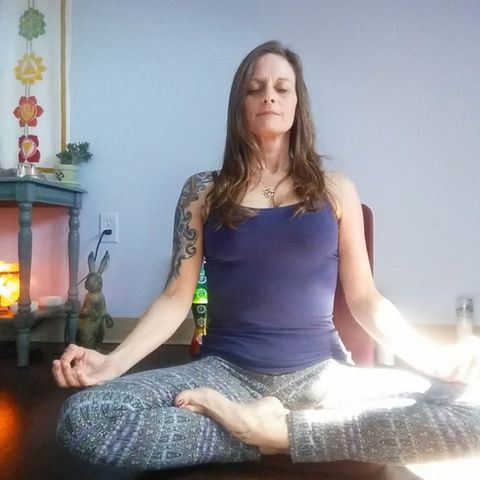
My name is Nicole White and I'll be your host.
This podcast is dedicated to helping you tap into your full potential of how you can heal and balance your mental,
Emotional,
And physical well-being.
Together let's explore inner self,
Connect with our strength,
And manifest your true nature,
One full of love,
Purpose,
And passion.
Welcome to episode 31,
In Permanence,
Everything is Change.
Thank you as always for continuing on this journey with me.
I appreciate every one of you and your ongoing feedback and support,
As well as sharing this podcast with others you think might also find these tools helpful.
So as always,
Thank you so much.
I appreciate you.
We have been building our awareness and tools to assist with breaking down unwanted patterns and embracing our genuine self.
Today we're going to explore impermanence,
Which teaches us that nothing is in a state of permanence.
Everything changes,
And when we connect with this awareness,
It can decrease our suffering,
Unhealthy attachments,
And a need for control.
It improves our ability to embrace all of our emotions and allows us to go with the flow.
We can kind of readily,
Maybe in a cognitive level,
Connect with the impermanence related to life in this physical body,
But impermanence is much more than that.
The last episode we talked about grief,
And we focused more on loss and grief and the stages of grief,
But as I had mentioned,
We also can go through those same stages and that same level of suffering when we are having change in other areas of life,
Even when the change is a positive change for us.
And that has a bit to do with this lack of connection or awareness at times,
Or acceptance of impermanence,
That everything is change.
There is nothing that is permanent.
Every moment is change.
With every breath in and every breath out,
There is change.
Your physical body is in a constant state of change,
A constant flow of matter and energy moving,
Shifting,
And building.
The cells in your body are changing every moment.
They're moving shifting,
Rebuilding,
And healing.
You can think of it more readily when you connect with the awareness of your skin.
For example,
We can readily connect with the ever-changing nature of our skin,
How cells are dying off,
And there's new cells under them.
There's new cell development as we heal,
You know,
When we have a scar,
For example,
Or you know,
That stage of healing that that goes through.
We have an open wound and then it gets a scab and it heals and it changes.
Our hair,
You know,
Is another thing that we can maybe more readily connect into in this body awareness of change,
That resistance to some change we get when we are going through the aging process.
You know,
Many of us can have different emotions or different things come up in this resistance of change with our physical body as we age,
For example,
With wrinkles and our body shifts and changes and all of the things that happen there for us.
But our physical body is in this constant state of change.
Our brain is moving,
Shifting,
Healing,
Regenerating,
Connecting different neural network pathways as we develop and change.
So this constant state of change is all around us,
Every moment,
Every breath,
In our physical body,
In our mental being.
We have over 60,
000 thoughts a day.
It's a constant state of change.
We are never stuck in one thought.
Our mind shifts through many thoughts.
It jumps around,
It might feel scattered.
I mentioned before how individuals will at times think that they're thinking a million things at once.
A million is an exaggeration,
Yes,
But they'll think that they are thinking several things at a time when actually just they're jumping around and maybe they're jumping pretty quickly,
But the mind can only think one thing at a time.
But it is constantly shifting and changing.
And with the shift and change of the mind and the mental being,
We have talked some in previous episodes,
But as that reminder of the change that that then creates in ourselves,
That power of thought and the power of the mind and what it does then to our internal self on a physiological level.
When we think about those changes,
When we have different thoughts,
For example,
For thinking a worry thought or an anxious thought,
How it changes our physiological being into an anxious cycle,
Our heart rate might increase,
Our breathing might change,
We might get sweaty palms,
Sometimes our vision will even change out of focus,
All those things that we talked about in the anxious body cycle and how that can elevate through our thought cycles in thinking a certain way.
We can also think about this physiological change.
I think I mentioned it in the episode on make your body smile.
And the power of the half smile,
That half smile meditation that I did in that episode at the end.
But also I discussed how you can be thinking about a happy memory,
You know,
Or a laugh,
Laughing situation that you had,
And it will bring up that feeling and experience.
It was a couple months ago,
I try to,
You know,
Do meditation on a daily basis in different ways.
And sometimes it's a sitting practice with a timer.
And I had this experience.
And we were,
Dennis and I were trying to meditate to just this silent meditation experience.
And his dog was laying in the room with us and started making this kind of just weird noise.
But it was also like,
I said,
It's time to meditate.
And then his dog ran in and sat down like with us,
Like he was ready to meditate with us.
And right when we went to drop into the meditation,
We had the timer set for only five minutes.
And right when we went to drop into the meditation,
His dog Eddie Murphy made this like really funny sound.
And it led to for this whole five minutes,
We were both sitting with our eyes closed in this meditative,
You know,
Kind of practice.
But the whole five minutes until the timer went off,
We were laughing.
And it was the most profound meditation of meditation.
Meditating,
You know,
Like I mentioned for about 22 years,
But it was such a profound experience in this meditation experience that I hadn't had before I never did a complete laughing meditation for that time,
I would highly recommend it.
If you want to experience it,
It's just it kind of lasted this vibration lasted for us through the day.
And we both kind of reflected on that.
So when I think about that moment,
Sometimes it kind of makes my body laugh and my body smile,
This deep connection with laughter and the vibration of laughter that that meditation provided.
So when our mind goes even to different memories,
In that example,
We can feel and experience the physiological change in our body.
And being mindful of that,
And that psychological change that happens to in that power of the mind shifting,
Excuse me,
And what it does to emotions and the emotions it creates.
As we think of things,
It brings in different emotion.
But again,
It's this impermanence of the thought flow,
How everything is changing and flowing.
And when we increase this awareness,
It allows us to dissolve the monkey mind,
It allows us to become more willing or accepting of taking on that observer role,
Allowing thoughts to come,
Recognizing and allowing them to float by without a need to attach and cling and try to hold on,
Or tell ourselves to stop thinking,
Which increases the thinking,
This recognition and acceptance and awareness of impermanence of the mental state,
And the mental being again,
It allows us to connect with the flow of thinking and that thought flow in a different way.
That's why that practice of mindfulness is such a great asset.
That daily mindfulness that we've been talking about here and there in episodes,
Bringing ourselves back to the present moment,
And recognizing that that present moment is also changing.
Everything is changing,
Even in the presence.
But when we let ourselves connect back to that mindful presence,
Back to the now,
It takes us out of the monkey mind,
But is also allowing us to embrace the impermanence of that thought cycle.
Because we're now not looped in,
We're now not all entangled,
We're back to presence.
And when we come back to presence,
It's also bringing that awareness and allowing us to connect more fully to that moment,
Embracing this impermanence.
When we do this,
We then connect to all those moments we're experiencing that flow of the experience we're in in that moment,
Allowing us to increase our gratitude and appreciation of each moment that we have.
Because we want to experience more of that moment,
We want to really embrace it and engage in it when we recognize it is temporary and it will also flow and change.
Every moment is changing,
So we want to really,
In that mindful awareness of this,
We want to experience that moment.
We don't want to bypass it,
We don't want to be up in our monkey mind,
Which is also changing and flowing,
But taking us away.
So practice of mindfulness is such a great asset in embracing this impermanence of the mental state and the emotional state and the state of circumstance,
All these different things we can start to get attached to and have this false sense of permanence.
When we connect to our awareness that everything is impermanent,
Again,
It decreases our attachment and need to control.
The attachment can be to our body,
To our emotions,
To circumstances,
To objects,
This clinging and false perception or connection to a permanence of anything.
Emotions are all impermanent.
We've been talking about emotions in different episodes and some of those barriers to connecting with and processing them.
That lack of awareness though and acceptance of impermanence is often a barrier to developing a healthy relationship with our emotions.
When we step away from this acknowledgement that all emotions are impermanent,
Sometimes we will want to cling to certain emotions or sometimes we want to avoid certain emotions because we fear that we'll get stuck in them,
But every emotion that you've ever had has changed and shifted.
When we want to,
Excuse me,
Cling to this emotion,
Sometimes people will almost attempt to identify as that emotion,
Like I am depression,
I am anxiety,
And it then increases that mental loop and that mental permanence that we then start to elevate in our thinking.
It leads to more of that catastrophic thinking or that hopeless,
Helpless thinking that nothing's ever going to get better,
Those never ever words,
Because then we think this way,
It creates this emotional entanglement with us where then we're elevating our depression,
We're elevating our anxiety,
We're elevating these negative thought cycles,
Making us feel or think that we are stuck.
But again,
All emotions change.
You've never been stuck in any emotion.
You might spend more time in one emotion versus another or might completely jump over some emotions,
But even when,
For example,
If you're stuck in a depressive cycle or feeling stuck in that depressive cycle,
Even in those moments,
And maybe those moments feel like days long,
Even in that there is change in every moment you're experiencing.
I'm trying not to get too out there in this talk,
But even in a depressive cycle,
There's change in that moment.
We just often will step away from that recognition of that change and go more into this hopeless,
Helpless cycle.
I will never get better.
This is,
You know,
My life is falling apart.
Everything is wrong.
Nothing I do is right.
I can't make any decision.
So you could see how those thoughts when we think that way in that mental loop and we connect to this idea that this mental loop we're in is permanent,
It creates this feeling or thought that we have this emotional permanence to,
That we're never going to get out of this depression.
We're never going to get out of this anxiety.
We're never going to get out of this anxiety.
And again,
How that then manifests physiologically in our body.
I hope that didn't make it too confusing.
But again,
When we allow ourselves to really kind of embrace this,
Then it lets us flow a little bit more through our experiences.
We're less avoidant of our emotion.
We can embrace them more fully.
We can recognize,
For example,
That happiness is also an emotion that changes and shifts.
We can then realize that maybe our baseline is more content and not seeking and searching for a baseline of our life being happiness.
That leads to lots of disappointment,
Because happiness cannot be a baseline.
Happiness is an emotion that fluctuates and changes just like every other emotion.
Confidence,
For example,
People will cling to confidence also as feeling like if that shifts and changes,
Somehow they're broken.
It's another emotion and connection that can shift and change.
Embracing all emotion,
Letting ourselves feel with compassionate awareness and non-judgment,
The ever flowing and changing state of our emotions connects us to a deeper appreciation of all we are,
All that life offers around us as it also changes.
All emotions are beneficial.
They're beneficial for our growth,
Our connection with ourself and connection with others.
I was a co-host on the Dennis Allen podcast back in March,
Where we interviewed two guys,
Phil Kato and Dustin Yang.
Sorry,
I forgot Dustin's name for a second there.
His last name.
So Phil Kato and Dustin Yang,
They were walking,
They're still on this journey.
I think maybe they're out in Colorado-ish area at this point.
But back in March,
I co-hosted on the Dennis Allen podcast where we interviewed Phil Kato and Dustin Yang on just what this journey was like for them at this point in their walking.
I think they were about three months in at this time when we interviewed them.
And in this interview,
They had touched base on this awareness that they were experiencing in relation to what I'm talking about here,
With emotional changes,
Embracing the highs,
Lows and ever flowing change of emotion in different circumstances.
So I just wanted to provide a little clip of that for you,
Just so you can kind of hear their experience and what I'm talking about here.
So here's the clip of Dennis and I talking with Phil and Dustin.
I'm wondering too,
You said about happiness,
You guys were sharing earlier,
Maybe you could share how you guys giving yourself this time and space,
You're sharing about this,
Like tap into your emotions of like joy in a way you've never experienced and kind of the other extreme,
Maybe kind of talking about that,
About what that's been like for you,
Because that was pretty cool to hear.
Yeah,
Last night was a real rough night.
We walked for about 13 hours to do about 30 miles in the rain.
And it was probably one of the most physically taxing trying things that I've done so far in my life.
But Dustin,
When we finally got to Dennis's little tent,
Which was like a reprieve,
It was a city of solace in the rain,
Because it was dry,
It was already set up,
We didn't have to do anything,
It was amazing.
Yeah,
We were ready to set up the tent in the rain and like just go to bed like soaking,
But like the fact that we didn't have to,
That was a win.
It was a big deal.
And when we were kind of getting into our sleeping bags and turning in for the night,
Dustin was reflecting on the fact that our lives now while we're on the walk seem to have a really big delta,
Like we have access to high highs and really low lows.
But they're mutually beneficial.
The low lows make the cup of coffee that I had at Englebeen this morning one of the best cups of coffee I've ever had.
Amazing.
Amazing.
Yeah,
And we're daily putting ourselves in very uncomfortable,
Pretty like tiring,
Stressful environments and situations.
Whereas I think our life back at home,
Like if we were to put it on a scale of zero to ten,
Our life at home would be like,
It would be bending at four to six.
We'd be somewhere in that range.
But right now we feel like we're at one to nine.
We just have access to this,
A much wider range of things.
And it feels kind of silly being so excited and appreciative of things that we used to take for granted.
I kind of hear that ringing in my ears when I talk about this sandwich is like so good.
But it really feels that way once you go a couple days without it or have been walking all day and you finally get to sit down.
Yeah,
And I guess that's like for me,
That's it.
I think we idolize happiness to this huge degree.
And of course I want to be happy,
But this new experience of the life that we were living back in the Bay,
I felt like I was kind of restricted to almost like this numbing feeling of like,
If you again,
On a scale,
You feel a one being the worst you've ever felt and a 10 being the best.
Typically I'm trapped in like this,
Like four to six range,
You know,
Like I can be like pretty content.
Things are pretty comfortable.
But like once you break the wall that goes from four to one,
Once you like get really bad at like,
And you feel the worst you've ever felt at one,
Then that also opens the gate from like the six to 10.
We're like,
Yeah,
The yin and the yang.
And like,
I,
I realized that's what I wanted.
Like,
Last night when I was feeling terrible,
I was like,
This is what I wanted.
I wanted to feel all this.
I wanted to be cold.
I wanted to be miserable.
I wanted to quit.
And,
And like,
And just to feel that depth.
Yeah,
That,
That for me was what,
What I wanted for this is what I want for the rest of my life.
It's kind of like my,
One of my newest tattoos I have where it says you have to lose to learn to know how to win.
If you're interested there,
You can check out that full episode.
I'll have some details there.
It's episode 21 on the Dennis Allen City Boy Homesteader podcast.
And that's A-L-A-N is how that's spelled.
So I'll have a link to that too.
But you can hear as they're talking about that,
That expression of this deeper connection that this experience they were going through was allowing for them in their awareness of the ever changing flow of emotion and that yin yang connection,
And how that's further even elevating their growth within and with all that's around them,
Really increasing this gratitude and this awareness and this that yin yang as Dennis brought up flow of our emotions and what that is.
So this ever changing notion of emotion.
And when we embrace the impermanence of it,
How it starts shifting and changing all of these other things,
Because you also heard them as they talked about that,
Mentioned some of their thoughts they had.
And so you can even hear back to that,
When I was talking about our mental being part of impermanence,
You can hear also in that discussion how they were talking about thought changes too,
Like how their perception of different things changed.
So perception again,
Is something that falls into impermanence.
Our perception is also changing and shifting all the time through our growth,
Through our awareness,
Through our experiences,
Through things that come to be that,
It's a constant influx and change in all these different areas.
And the more we embrace it and the awareness of it,
The more it helps us in so many different areas of our life.
Being mindful of your thoughts and that avoidance allows you to embrace the emotions more fully.
Knowing they're all temporary makes them less scary.
And it also then assists in dissolving those unhelpful thinking styles,
Like that catastrophic thinking,
That hopeless,
Helpless thinking that can come in and the ever-changing flow that that creates within us.
We can also create an attachment to circumstances and things,
Resisting the nature of change.
It can come up with us in relationships,
Even in our week,
Like the flow of our week,
Often people will say about,
You know,
They get the Sunday blues,
Where they'll only be able to enjoy part of their weekend because on Sunday they have the realization that they have to go back to work on Monday.
So then they kind of lose out on their whole Sunday and waste Sunday worrying about Monday.
Or if someone is on vacation and the vacation is getting towards the latter part of it,
They take away from their presence and engagement with what's going on on the vacation and start to have a sense of loss and sadness that the vacation is ending.
So it's this resistance even to change in time and that flow.
Everything is changing and the experiences around us that we are engaging in are changing and time is changing.
And so like we resist this idea of what we know to be true.
Like we know if you're on a Monday through Friday schedule,
For example,
At work,
You know,
Every Sunday,
The next day you're going to have to go to work,
But we'll get ourselves in this resistance to that change.
This false,
Even though cognitively we know there's no permanence in our weekend,
We almost have this like false connection to this idea of it needing to be permanent and a resistance to the change that's about to happen.
And again,
We can do this in relationship dynamics with others and this resistance to change and the ever flowing change that we are all going through in our internal self,
In our minds,
In our emotions,
In our growth,
In circumstances,
In life,
We can get into this idea or connection to permanence related to material things.
If we lose or break something or building up all these material things around us as this sense of permanence or security in some way,
Resistance to that change,
Again,
In circumstances or situations can then also lead to an increased desire to control.
We'll try to control the things around us.
We'll try to elevate our control of our environment and sometimes elevate our control over others.
And that leads to these high expectations and attachments.
And I'm going to be doing separate episodes on those because they're just big topics to kind of discuss a little bit more fully to help dissolve them further.
But in this,
You know,
Again,
Recognizing how when we resist this impermanence,
How it can create all these other difficulties and challenges and hurdles,
But also this disengagement from us and who we are.
Everything is change.
Our body,
Our mind,
Our emotions,
Our circumstances,
Our perception,
Objects,
Material things,
Everything is change.
When we don't acknowledge impermanence,
It creates deeper suffering,
Higher attachment and desire to control,
Emotional avoidance,
Broken connections to ourselves and others.
When we pause,
Embrace,
Reflect,
And acknowledge this truth,
It allows us to focus more freely,
Improving your emotional intelligence and your connection to your true self.
You are not who you were five years ago,
Five weeks ago,
Yesterday,
A minute ago.
In this moment from even when I started that sentence,
You are something different.
Remember,
Your body changes in every moment with every breath.
I'll be providing a meditation in the next few days on an impermanence meditation if you're interested just to help you embrace in a meditative experience.
Embrace in a meditative experience and a deeper awareness to that internal state of change and external state of change.
I hope that you found this episode helpful and just starting to maybe open your awareness and your connection to accepting the impermanence of everything.
Everything is change.
When we embrace it,
We have so much less suffering,
So much less false attachment,
And so much more connection to ourself and others in a very healthy and balanced way.
Thank you everyone for continuing to join me and I appreciate you all.
You can check us out on serenitywellnesstools.
Com or serenitywellnesstcenter.
Com and on Instagram and Facebook if you want to stay updated on other things happening at the center.
So thank you as always.
I will talk with you again soon.
Have a beautiful day.