47:31

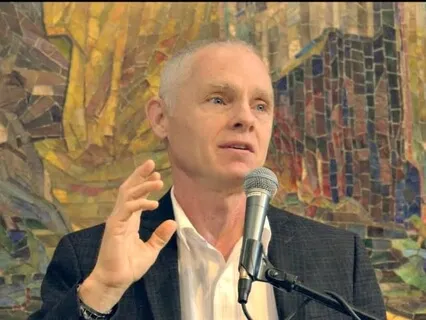
The One You Feed - A Conversation With Adyashanti (Part 2)

by Eric Zimmer - The One You Feed

Rated
4.9
Type
talks
Activity
Meditation
Suitable for
Everyone
Plays
1.5k

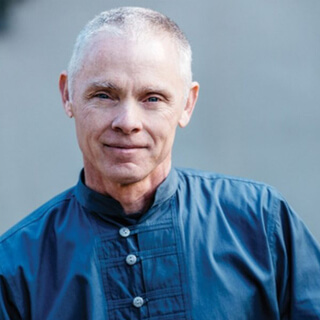
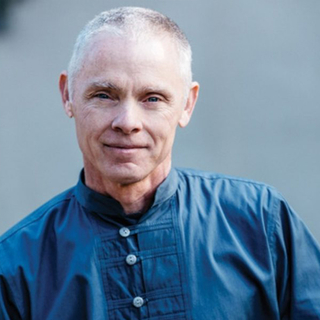
Adyashanti is a renowned and gifted spiritual teacher. He’s written many books, hosts meditation retreats and speaks around the world to large audiences at a time. With such a wide audience, it’s amazing that when you experience Adya’s teaching, it’s as if he’s speaking directly to you – to your very heart. Whatever your experience with our preconceived notions of spiritual awakening, allow yourself to re-engage with the idea through this interview. As you turn the inquiry towards yourself this time, you may be surprised, moved and/or transformed by what you find – if you are brutally honest in the process.

AdyashantiMeditationSpiritual AwakeningSelf InquiryTransformationHonestyNeti NetiPurposePresenceAwakeningSpiritual ValuesFinding PurposeSpirituality And WellbeingAwakening ProcessConversationsExpansive MeditationsInterviewsPresence ExperienceSpiritual TeachersImperfectionSoulSpirits

Transcript

Everybody awakens tomorrow we have an economic catastrophe welcome to the one you feed throughout time great thinkers have recognized the importance of the thoughts we have quotes like garbage in garbage out or you are what you think ring true for many of us are thoughts don't strengthen or empower us we tend toward negativity self-pity jealousy or fear we see what we don't have instead of what we do we think things that hold us back and dampen our spirit but it's not just about thinking our actions matter it takes conscious consistent and creative effort to make a life worth living this podcast is about how other people keep themselves moving in the right direction how they feed their good wolf thanks for joining us and welcome to part two the continuation of last week's interview with Adyashanti he's the author of the way of liberation falling into grace true meditation and the end of your world Adyashanti is an american-born spiritual teacher devoted to serving the awakening of all beings his teachings are an open invitation to stop inquire and recognize what is true and liberating at the core of all existence Adyashanti also runs the Omega retreat which Eric our own the one you feed podcast Eric has taken part in all right we are back for part two and we were talking in the last section a little bit about practice and self-inquiry and I want to just spend a couple more minutes there because you said that is a difficult thing to do as a practice or or how do you do so I want to explore that a little bit more because I do think it's a absolutely critical part of what you teach so how can someone work with self-inquiry themselves and not have it become almost a matter of going through and checking off the boxes like am I my body no am I my you know thoughts nope right like that's a powerful thing to do mm-hmm right if one does it and sees like just yeah oh no I guess I'm not that right you're doing it slow enough so that you get impacted exactly and and that's sort of the I am NOT you know I think they I don't know what neti neti or you know not this not that not this not that so I'm looking at what I'm not so that's one approach yeah what are the others well the other approach would be just the opposite approach actually the first one the neti neti you know you're trying to you're trying to isolate self right in its most rudimentary form that's what you're doing by saying oh I'm not a thought not a feeling I'm not you know all these things seem to go and then but there's something irreducible that's that's still here so right it's a strategy it's it's cutting the world and into bits that doesn't actually belong into bits but it's it's using discrimination in the wisest way so the opposite of something like that would just be you start from all inclusiveness I remember this one quote from the Sargadatta where he said my guru told me that I was the ultimate reality and I meditated on it until I realized that it was true so he had a positive affirmative statement and the way his teacher told him to work with it was just meditate on the sense of I am the feeling of the felt sense of I am or I and so that's what he did so that's a that's a that's a more inclusive approach right the neti neti is a little bit more it's easier to be precise with it because you can remove things is there any more instruction to provide on that meditate of the sense I am yeah because I hear that but it is a not quite sure how you do that yeah you know great question because that's for all these practices this is what makes sense that's the key ingredient right how exactly do I do that how exactly do I do that so the I am so that the key to all these things is of course to remember that the phrases are trying to evoke something in your experience of being it's always a good thing to remember I'm doing this so I evoke something that already exists but I may not be conscious of yet right so if you know that that's what you're doing so then you go okay what's my sense I feel well that's gonna happen below your neck for the most part neck down what's my feeling or my sense when I say the word inside I am and then I just see what what's that felt sense that comes right after right and so when we come to that there are different unique ways that that shows up but overall from person to person it's relatively similar it's like oh it's kind of quiet there's some sort of sense of a kind of presence I guess you could say there seems to be some quality of stillness although the world hasn't stopped turning on its axis so in that sense you would be okay then stay with that with what those words evoke in your experience of being and then when your mind you know wanders or something then you utilize the sort of the primer word I am to prime the pump to kind of like reorient you back into almost like a the experience of presence see then you're working with it in a much more precise way than just sitting around wondering yep you know what I mean oh this is this is this is to help me reconnect immediately into a part of my experience that I usually am disconnected from that's a lot of what inquiry does it's not the only thing because it also gets us to see what's not really real what's not really true that's the other side of it too where we just have to be open to seeing how extraordinarily wrong we are like about almost everything yeah and that's that's no small task just even be open to it like gosh I might have something wrong anything else on self-inquiry before we move on because there's a transition point but I think that's I mean we could go on and on you know we just go to open the door but if somebody say is listening to us and goes I want to try that yeah maybe I've heard of it but I think we've touched upon it has to touch upon your immediate experience of being if you say I am what's your immediate experience of being and that's very different than what what other associated thoughts does it cause you to have yeah this is an immediate experience right and it's almost at least for me one of those things that it's thoughts okay let me try this again do it like it's something I think you can work your way towards dropping the conceptual piece absolutely at some point you don't even need say I am yeah you may not need it made it might actually you might get to a point where it stops even feeling relevant yeah to you but the ex the kind of the experiential qualities are still there yep so talking about we're wrong about a lot of different things made me think of a course you taught I don't know when it was I'm terrible with time but called taking the one seat oh yeah yeah there were a couple things about that class that that I really noted one was it was very focused on spiritual or transcendent values mm-hmm and where I want to I want to get deeper into that but I want to tie that to one of the things you said is you were talking about these values is this isn't about good and bad but it's beyond good and bad but it's still good in a way and so talk through that a little bit yeah yeah well okay so we all know like good and bad as opposites right how what it we could take it in the moral sphere or you know is dropping a brick on my foot good or bad you know if it hurts we'll call that bad it's not morally bad but it just hurts so there's that kind of the play of opposites where you're really used to and then there's a kind of good I think the closest to give people like a resonance and something they've probably experienced is like it can happen to you at any time during the day but let's say you wake up and for all for some weird reason you're just in a really great space you're just kind of harmony with life and everything seems to bespeak sort of clicking for you in a certain sense right so when you're in that sort of the experience of being where things just sort of click for you they're happening that's a more lot more like what we're what we're trying to talk about good actions come out of you in a state like that almost or not almost but without effort right the key is it seems uncaused right I feel good but I don't know why yeah it's the uncaused part that's really getting that beyond right and wrong or good and bad it's like there's a seemingly uncaused kind of well-being yeah or good yeah you could say so the course taking the one seat a lot of the focus was and I thought this was an interesting new direction for you at least that I had not seen in previous work and it was more focused on how we are in the world so awakening is still there and it's a part of it but it's you could almost look at it is either a pre or post awakening way of tying what you'd call your deepest experience of being to how you move through the world and so I kind of want to talk through some of those things but let's talk about from your perspective what's the importance of having spiritual or self transcendent let's use that word self transcendent values values that go beyond yourself what's what's the importance of that in the sense of awakening okay that's the key in terms of sense of awakening because they're there there are more not perfect but there are a more accurate representation of the awakened perspective that's why they represent it more right so not in all cases but a kind of harmony is more representative to a unified worldview than utter chaos murder and mayhem right it's yeah like oh it's actually that's a more accurate way of trends is it a translation sure it's a translation but it's a more accurate translation so when we look at these things that actually human beings throughout history have deemed good for the most part you know what I mean to be to be more self selfless than selfish you know to have more compassion is relatively better than having no compassion closed heart you know you could go on and on and on in that vein their values but only in one sense their values not in the sense that they're written in the sky somehow you know these values are what God endorsed but there's values in the sense of they work best right it works best in life not to be resisting it all the time it works best in life to be somebody who others think art is dependable it works best it doesn't work that well if you're somebody that nobody feels like they can trust no right it doesn't work it doesn't work that well if everybody feels like you're on a hair trigger and you could you could explode into rage at any second it's not that that's morally written in the clouds it says that's wrong to be that way it's just it's doesn't function very well both in a both for you relative and everybody else and in a relative and absolute both sense right so when I was getting that what I called during that course soul values yes we're just ways of saying whatever your deepest experience of being is when you are in that space of being what is it inclined towards can you give an example sure I'll even we'll use one we'll even take it out out of the sort of awakening area something really garden variety again when we were just talking a few minutes ago you wake up on the right side of the universe you don't know why you just feel a little better that day you got an extra smile would say everybody has those days from time to time and if you'd never noticed when you're having that kind of day which is characterized by less internal conflict which was really going on when you have less internal conflict you treat the world in a different way than when you have a lot of internal conflict right relatively speaking you tend to be more night nicer right you're more available you take a little more time you're all these things right but we might call them spiritual values but really they're just what flows out of somebody when that person is not in conflict with themselves so again that's not like they're written in some abstract ledger up in the sky it's like this is just when you feel good you tend to treat the world pretty good when you feel awful you tend to treat the world less good yeah even if you want to treat it better it's harder for you to treat it better it sure when you feel awful you know what I mean and this is where a lot of this came to me was when I started to notice just this epidemic of meaninglessness that I was just have been encountering in people for years and years and years and years just our whole sort of structure like I said in that course which is mostly religion until 150 years ago or so we were born into a value structure this is this is how life should look yeah right and this is what's good and this and it was all because God thought it was good but basically you're born into that and so without even knowing it it is ordering your entire life without you knowing it right and then all you have to do is try and live up to that which is certainly challenging but you don't have to figure it all out right now we don't have that religious story that that many people are orienting their entire lives around some do but overwhelming them the as a culture we've moved on from that you know a hundred years ago certainly 50 years ago for better and for worse but it puts us in a kind of a unique place right because it's like oh you just had the scaffolding of Western culture torn away and thrown away okay now what's gonna hold it up see there's not immediately a new story that comes in and fills that gap and says that as a collective right like so like in our country so it's politically let's say one of our biggest problems is we can't figure out what's good for both of us all of us right we don't have we in our cultural dialogue we is the people on my side that's who that's who the we is but the actual we is people on all sides of an issue but we don't have it North Star anymore you know we used to have it it wasn't just religious it was also political you know our where the where the bastion of freedom in the free world and all that kind of stuff which we can accept or reject but I think we don't really it's hard for us to understand how those things literally gave order and meaning to life and then they all kind of start to collapse within about a 75 to a hundred hundred year yeah very quickly and then the orientation and meaning becomes about comfort and feeling good right that becomes our new orientation to meaning and if that is the meaning of our life our life is going to feel increasingly more and more and more and more meaningless because those things to use your phrase earlier don't work they just don't work whatever it is about being human at a fundamental level that's not what satisfies a human right right and I at least for me I like taking it down to that level because it takes a lot of a charge out like if you just go it just doesn't work that's a that's much less charge than you're an awful person for even entertaining that thought you know it's like oh I was just entertaining a thought that doesn't actually work very well hey everybody it's Chris with a quick message before we get back to the rest of this interview we have a relatively new benefit for our patreon supporters some of you may have heard of this but we now have ad-free episodes that the patreon supporters can listen to and not only can you listen to them you need to do nothing special you just listen to them straight from your normal podcast player you also get all the bonus content for example the second part of the Adi Ashanti interview there's nearly an hour of extra conversation that only patreon supporters can listen to so go to one you feed dotnet slash support for more details and to make a donation thanks so much as always it means a lot to us I've often loved the Buddhist way of referring to actions as skillful or unskillful right which I think is really really good lately I've started to think about you know epidemic of meaninglessness also in the sense and again I think you're you're right that it's charged for a lot of people morals are charged with a negative thing but there's been a part of me that started to go well what about something being right because it's good for people beyond just me yeah you know yeah about about good for you know but I guess then to go to a non-relative absolute view right mm-hmm there isn't that good and bad mm-hmm right well to me see the apps I would think of it is it's not that good and bad is erased right because there's still something that can happen say in one sense you can say a story or Zen teacher Robert Atkin he was one of the very first American Zen masters and he was given a talk on the absolute point of view and someone interrupted him at some point and I like can I ask a question he says sure he says so if I understanding you right what you're saying is if we this was during the 80s if we launch the nuclear weapons and we blow this whole entire place the kingdom come really nothing's either gained or lost and it doesn't really matter and it can said that's exactly what I'm saying and then a little pause and then he said yes but what about all the blood and so that was his way of saying yeah that's true but that's not the end of the story there's still blood there's still unimaginable suffering if that was to happen you don't just nicely whitewash all that away because you've changed your philosophy like that's a that's a reality yeah so both of them I think that's hard for our can our minds which are very conventional is to see that two things that seem to be polar opposites can actually be simultaneously true and useful yep right it doesn't matter but it does yeah and that's certainly what I saw the of nothing at all matters like I thought it did and a few minutes later everything matters more than I ever dreamed possible and they're both true right now when my mind reflects on it it's probably like anybody else's mind you know our mind is trapped in duality it's like well what do I do with that but in experience we can hold experiences that are much more paradoxical than our minds know what to do with yep you know so but I think that's what leads to a balanced kind of awakening because there's as many varieties as awakening I mean they're you know I'm talking about authentic weight not that's the thing where everybody says if they change their mind they had an awakening but I mean if you even if it's in the genuine category there's a lot of variation within within how that shows up for each person you know and that's and then that is always being translated your awakening even if you don't know it even if you're not doing it consciously you're translating your own awakening down into relative terms constantly yep the question is is it just happening automatically just as brute conditioning and maybe it's accurate and maybe it's not or am I actually bringing some consciousness to it so I know what's happening you know and I mean in one sense we're kind of doing nothing less than rebuilding a meaningful context for life when we're doing that yeah now I like I think I never saw that as important people would ask me about meaning and purpose I'd say I don't really relate to them anymore and tell the day that I really looked at it and I thought actually that's not true it's just that what gives my life meaning and purpose is so integrated that it's not even a self-conscious thing anymore so oriented towards truth and love those are my always even before spirituality those are my life orientations and those are your soul values they were my soul values long and I can remember doesn't mean that I've lived them out with perfection any more than anybody else would but it means those are those are the things and those almost unconsciously can't give my life orientation for sure and also a kind of meaning it's just not the meaning that we think of is in the egoic mode where we want a nice story say this is what your life's about the kind of meaning I'm talking about isn't where you can make a nice little statement it's the experience of meaning yeah rather than the thought of meaning yep there's that I think it's the Joseph Campbell quote that's I don't think most people are looking for meaning so much as the experience of being alive or yeah something something to that effect I think he's exactly right right so a couple different ways you say it meaning is an experience that we bring to an activity it originates in us not in the activity itself and you know meaning and purpose are not derived primarily through what you are doing but rather through the state of being that you are in and you know I think that most of us look at an activity and think that that activity is either meaningful or meaningless as an activity and I think what you're saying is the activity in some ways is neutral mm-hmm it's the spirit the meaning is in what I bring to it that's right we we give it an action meaning or we do the opposite and we take meaning away we make it meaningless which is actually to confer a kind of meaning onto something yeah but that's how I see it it's not like things are abstractly somewhere floating in the universe there's this idea of of goodness or something right that that kind of that's comes from us which is the same place it's always come from it's always oriented in within us you know for some people that's not very comforting yeah that's that you mean us like I don't want like I want something that's ordered by some bigger bigger principle you know or whatever it is whether it's God or you know something like that but we're in a kind of position where it's almost like the universe is saying like okay what's it gonna be where are you gonna orient around what's what is that going to be and the reason I call them sort of self-transcending values because I think our deepest values and the things that do provide a kind of experience of meaning are things that are are they're strangely good for us and good for everybody else there's nothing selfish about them which is I think really kind of interesting like what's good for me is in the end what's good for you and what's good for you is in the end what's good for me yeah that's a pretty it's one of those easy things to say that's kind of at the same time pretty radical if we if we actually apply it yeah I mean I think that's how these things developed over thousands and thousands of years of storytelling what was actually it was human beings were what we still are which are big experimentation labs and over the thousands and thousands of years we start to see being this way works better than being that way right so now we'll call this good because it works better works better for me and my family and the people I love and everything and we'll call this other way bad because it doesn't work for me and it doesn't seem to work for anybody else either yep you know what I mean but all that's being derived literally out of generations of experience yeah and then we'll pop it into a religious story and you know but right it actually came out of thousands of years of human experience yeah and I think that's not a contradiction to what you said earlier but that those are the things that seem to emerge naturally you said struggling internally you know I mean I think yeah we're not so conflicted when we're not so lost in right in our own lives and I mean I think you know you often ask like people like what is it about awakening that you want right and I think for me it's I want to be free of the burden of myself mm-hmm like it's a heavy burden to carry yeah you know it's a heaviest one we got yeah it's a and and recognizing how often that just leads me and the people around me into you know it's not good for us you know I suffer when I think mostly about myself and yet myself just seems to think mostly I mean it just happens that's what selfs do yeah right they just think about themselves and so that idea of meaning though I think is so important because I see the meaninglessness also and I also talked to a lot of people who I think have what could be considered very meaningful lives if the story was different around them yes we have this tendency to say like being a parent is the most important thing it's such a wonderful thing right I think we can all everybody goes yeah yeah but people who are being parents in the moment of being parents aren't reflecting that back on themselves right they're thinking that what's meaningful is I have to do something for some kid in Africa mm-hmm right that's where meaning comes and you tie that with our cultural thing that says you have to be big and seen and known and all of a sudden in order to be meaningful it's similar to like pleasure there's no end point you can't get enough of it right if that's the definition you know and so I just look at I think we do a lot of suffering because the things in our lives are meaningful and if you take us outside of our life and ask us questions we'll go yeah that's meaningful but moment to moment day to day yeah we don't see those things as meaningful yeah we don't think of them as meaningful and thus we live our lives looking for a meaning somewhere else when it's all there's so many meaningful things right in front of that's it isn't it this isn't an overstatement as far as I'm concerned we literally become by the time we're ten years old we're like a bunch of drug addicts and we've had pushed upon us these certain ideas this is what you need to do to feel worthy or accepted or meaningful or it's not like somebody comes up and tells us that blatantly but we pick them up here and there as we grow up they're just totally embedded right right so you don't even you like have them but you don't know that you have you know unless you if you put something on your Facebook page if you get less than ten responses you're somehow a defective human being if you get 20 you're you're on a good roll until the next time you need 30 you get 20 a few times and that's no longer good it needs to be 30 that's the thing of like am I and am I wanting to become conscious of that am I am I have I gone through the rat race of that long enough yep you know then then we start to question and anytime we start to question meaning whatever is giving us meaning it's we go through a sort of no man's land in that process right you start to see oh actually that that way of being doesn't actually work very well for me or for others if you just saw that about something that you derive great meaning from for a while you're kind of in a no man's land where's my connection point now and so I think we have a sort of innate fear or uncomfortability with getting to that place where we feel that kind of disconnected no man's land like what's it all about yeah you know we do that in our teens and then we might revisit it in our midlife yeah but we try very hard very hard to forget it at every other point along the way yeah I think it's a it's that combination of that part of it's hard to step into no man's land reminds me of the idea of getting sober and when I talk to people it's like that sucks because you've got to go but you got to go through that process the other side of that is something decidedly different yeah don't mistake this but I think that when we do step out of all right my meaning is by making myself happy and whatever consumerist and different things and I step outside that I don't immediately get swept up in the arms of love right right and those things work temporarily and so it's very difficult to you know I think it's why it's difficult for people to get sober it's like all right is mostly awful but when I step outside of it's even more awful temporarily and I could just do that thing and I'd feel a little bit better for now and right you know so I think it's the same piece of tie this back to identifying our soul values and trying to orient our life around them yeah okay so when we start to find out what those soul values are and you don't have to take a lot of time making sure they're the perfect ones for you or they're just you know just start somewhere you know because a lot of times they'll change over your lifetime or you may think I got it today and then two days later like well now that I've seen a little more there's this other thing that seems more true so don't try to be a hundred percent true to start with but so like let's take the ones that I have truth and then I got well how can I work with that today because to me today is the important phrase always like now today how can I work with that well what if I what if I saw checked out and see what it's like to not even tell the shade to shade the truth at all for a day let me just not shade let me just say what's true for a day and you know that sounds easy and then you start to do it so it's like holy smokes yeah that's not as that's not as simple as I thought but it's really interesting you know what I mean that's really fascinating okay I say I love truth but how much do or love okay well what if I remember I gave people a practice several courses I did ago where just for one day everybody that they were gonna have a discussion with of any kind whatsoever even it was a stranger at the grocery store before you open your mouth and say anything internally while you're looking at this person just from just say to yourself I love you to them right you're like basically look at them not saying but in your mind you're saying I love you and just see how that changes the end of the day you can reflect back on all those interactions you had and see did it change it at all right something you just said to yourself you didn't acknowledge so what was I was what I was trying to do was orient somebody more into their heart space just by saying that yep some people wrote me back and said I can't I don't feel like I can say that because it just seems so phony right I don't feel like I love that person maybe I you know have a big problem with them and I'd said okay you know the direction we're going in with this exercise about love what's something you could say that would challenge your boundary but also feel relatively true you know what I mean and so someone had said okay like one person came up with I'm trying to accept you right now and I said like if that's the truth that you can come up with right that's better than immediate resistance yeah that's fun anyway yeah so there's there are ways that if we take it out of the esoterica you know we bring it right down into the real life that's where it's interesting yeah okay well how what is truth and love look like right now yeah what is it what is because that's the only thing that matters right the big theory about it is kind of of secondary value yeah so whatever somebody gets gratitude and some people written in wrote in service and there's other you know there's quite a few that they they wrote in with but just translate it right down into a practical something you can do today if this is what gives my life value and meaning and orientation is there actually any relevantly good reason why I wouldn't commit myself to that value for the next 24 hours and just see what happens yeah knowing that in Lee at least part of me is a flawed human being I'm gonna fail I'm going to fail part of the time that's right and if I know that beforehand and if I can be okay with that right if I don't have to be in competition with myself forever I'm trying to be something or somebody that I'm not but then I can just see well what would that look like to to act on that just for today tomorrow I can change my mind yep anyway and what starts to happen is not only do you is there become an opportunity for a different orientation but what often I found when I was teaching this stuff with people what they what they really find out is the orientations that they're already living by but they didn't know it you know the resentment that they had that was like a theme throughout their entire life but they didn't even know they had it until they started to look into what gives my meaningful orientations like oh I didn't know I had that you've got a couple lines they're the kind of thing you read and you go that's incredibly true and I wish there's a part of me wishes I didn't see that right so it's like if you don't like the way your life is going look at what you value and your choices of action you know at every moment we are given expression to what we value a corollary to that is somebody says I don't have time and you say well no actually it's just not that important to you you're not prioritizing it those are difficult truths mm-hmm they are truths you know and they're challenging and they're very challenging and they're and they they are a very concrete way to look at what do I value what am I valuing at the same time you've said I've heard a phrase you use that I love which was nothing shuts down consciousness or awakening faster than judgment all right so I look at that and I go all right I'm not valuing you know okay I look at my life and clearly I must value Netflix more than my child right okay hang on you know like so how do we work with these things these soul values which are the same in a lot of ways love truth be kind that are the values that we've had in certain cases put on us from externally mm-hmm so there's something that comes with that how do we work with those in a way that we don't use them as clubs yeah to beat ourselves further yeah yeah well first of all is of course to acknowledge how often we do use them as clubs you know against against ourselves for the judgment I think underneath all this especially for sort of the spiritual persona those people who are kind of spiritual persona oriented there's a sort of a secret thing that goes on in a lot of spiritual personas which is basically I'm gonna get out of this human game right yeah I'm gonna be here but not really be here yeah or whatever it is right and it's some version of not really coming to grips with the relative human experience of imperfection that you will screw up that you will not do something exactly the way you would like to do it that that's part of what the makeup seems to be every tradition has its explanation for why right yep whether it's your karma which is you screw up in some past life original sin original sin or some in the East and sometimes it's just sort of a cosmic oops it's Maya it's a it's a mistake there's all these stories but they're all pointing to the same experience of being you know which is why am I why am I so damn imperfect why am I so terribly far away from you know from from imperfection okay so you can make a story that helps that helps that makes that easier to bear but as an experience it can be can I without turning it into an excuse for unwise behavior what would it be like if I just acknowledged that I'm one of those imperfect human beings too and like try it on for size right because then you're not you're no longer in competition with humanity right you're not this spiritual person trying to be just a little above everybody and we'll call that enlightenment you know you're like no you just let go of that little projection you realize part of you you're you're human you know that human that's all you're right down there with everybody else okay so then you become more comfortable with imperfection which is the whole reason for a little exercise like this is not so you make make an excuse out of it right honey all those crappy things I did to you they're all okay cuz how you convinced me that I'm imperfect and believe me I've heard worse and get in the kitchen right I've heard justifications that bring me as close to violence as I'll probably get but anyway you get the kind of the kind of feeling of it you know I think there's that part of us that just doesn't want to let let that in but once that's allowed in you're not then you're not just defeated every time unconsciousness takes over yep you don't see it as some sort of moral complete a defeat you see it as like okay well that's pretty human isn't it all right yep and you just carry on you just pick up and you carry on your comes back to kind of the serenity prayer in a weird way you know you know what you can do know what you can't do which is kind of way of saying like be aware of your human limitations be aware of them don't make them wrong it's funny how you can transform something that you don't see as wrong way easier than you can transform something that you see as wrong yep the more wrong we see some part of our nature the harder it is to transform yep but it doesn't work either to just hide her head in the sand and say there's nothing wrong with me it must be you yeah that doesn't work either yeah there's some weird I can't quite put my finger on you know the idea of like hitting bottom and in drinking right people hit that at different points there's some there's some combination between consequence and hope that seems to lead to behavior change I and I don't know what I don't know what the equation is it is probably different for everybody but it seems those are both part of the equation yes all you have is I suck this is awful you know right I'm a terrible person that doesn't work that doesn't work all you have is like it's fine yeah that doesn't work right you know it's that it's that getting those two things in some sort of equilibrium and yeah yeah well any kind of whether it's from drug or alcohol abuse or spirituality which can cause you to bottom out too if everything goes well actually you'll go through that but it seems like a hallmark of any kind of bottoming out is your final willingness to just to to to be honest with yourself you're like you're just finally willing to be honest know what you can do know what you can't do know what your strengths are know what your weaknesses are it's the beginning of coming to a kind of peace about all of it yep you know it seems to me anyway because that's part of when you when you bottom out and you usually there's witnesses too by the time you've gotten that far you're not the only one that notices you've bottomed out yeah which is often important too because it you know you can't you can't hold that person image you want to be up to somebody that's watched you bottom out yep that's a really positive thing actually right you know yeah so to be quite honest I mean I don't have it all figured out of this whole thing of people human beings just feeling sort of some innate sense of wrongness about themselves you know it's not my area of expertise because I haven't actually really lived lived with it I've had plenty of moments you know growing up in life right was disappointed in myself or something but I never had that sense of sort of existential unworthiness just for whatever reason you know I just didn't it always always very situational and and when the situation changed it would change yep you know but it seems like 99% of human beings do have some sort of yeah I think I did enough yeah I think it's difficult to separate what comes down is those sort of religious myths of original sin or whatever and from what we've got culturally today which is just I mean the entire engine of our economy is you're not good enough yes you need something else I mean that I mean and I'm not you know I'm not trying to be like a communist you know I'm just but if you look at it that's the that's the engine I need to make you want something that you don't have sure that drives right you know yeah and it that's yeah I've told people if they when they said gosh we just all need to awaken and I said don't be so sure everybody awakens tomorrow we have an economic catastrophe you would I mean there's no economic catastrophes in the end cause people their actual human lives yeah so you know what would you do if all that motivating force I'm I'm willing to find out I'm not saying I'm not willing to find out a world how that looks but I'm a no illusion that the transition into that world would not be pretty it would not be pretty yeah it almost couldn't be pretty the way it was all set up yeah you know but I think it's yes that idea of you know hopefully we are incrementally walking towards being better well there's a thousand more things we could talk about and we will cover some of them in the post show conversation that we give to our patreon listeners but audio thank you so much again for talking with me spending so much time hosting me here welcome Eric it's been great to be with you excellent yeah if what you just heard was helpful to you please consider making a donation to the one you feed podcast head over to one you feed net support the one you feed podcast would like to sincerely thank our sponsors for supporting the show

Meet your Teacher

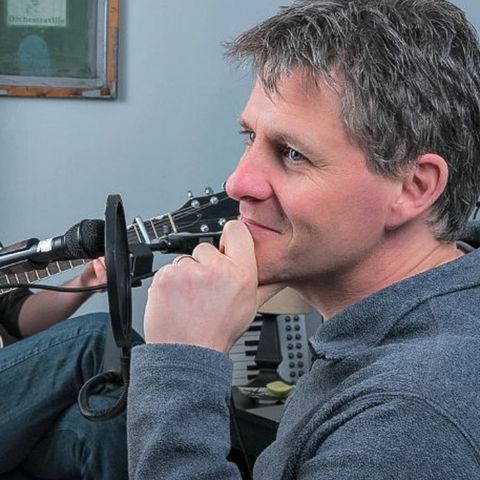
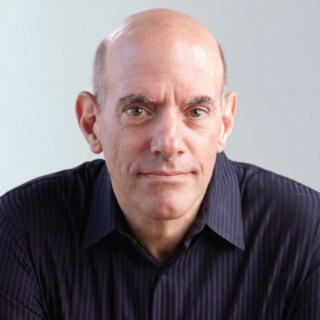
Eric Zimmer - The One You FeedColumbus, OH USA

More from Eric Zimmer - The One You Feed

Loading...

Related Meditations

Loading...

Related Teachers

Loading...
© 2026 Eric Zimmer - The One You Feed. All rights reserved. All copyright in this work remains with the original creator. No part of this material may be reproduced, distributed, or transmitted in any form or by any means, without the prior written permission of the copyright owner.

How can we help?

Sleep better
Reduce stress or anxiety
Meditation
Spirituality
Something else