Good morning,
Good evening,
Good afternoon,
Wherever you may be,
Whatever you may be doing,
Hello and welcome to Stories from the Soul.
Today the conversation is close,
It's personal,
It's layered in family,
In memory and in a search for meaning.
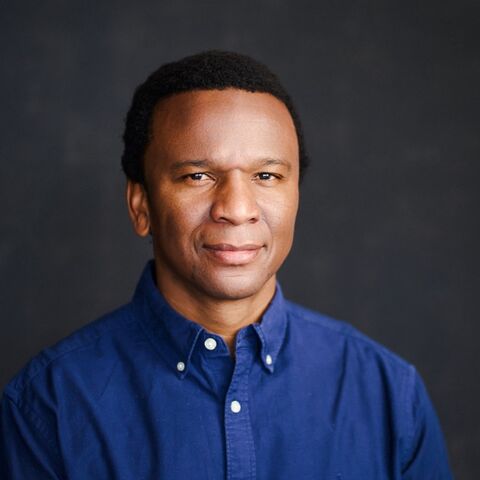
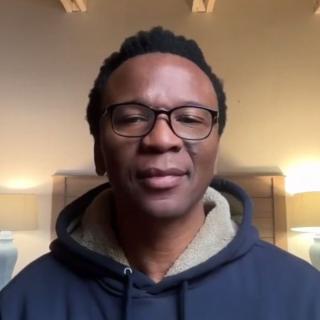
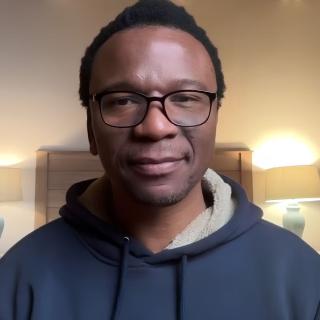
My guest today is my brother Tatenda,
A Zimbabwean by birth,
A restauranteur by choice,
A man who studied hospitality in Switzerland,
Pulled pints in Paris,
Mastered wine in Burgundy and now co-owns a restaurant in a French town called Bonn.
But this story,
It's not about the restaurant,
It's about what drove him to build it and what he thought it would fix.
We speak about what it means to grow up black,
African,
Privileged and still feel like you're on the outside.
We speak about the inheritance of silence,
Of striving,
Of needing to prove something you didn't even realize you were chasing.
We speak about identity,
Race,
Class,
Family,
Trauma and what happens when you finally get what you've always wanted and yet it still doesn't feel like enough.
This episode is for anyone who's ever felt torn between where they come from,
Who they've had to become in order to survive.
For the ones who carry unspoken burdens,
For the siblings still trying to understand each other through the fog of a shared memory and for anyone who's learning that satisfaction doesn't always come at the end of a goal,
It comes when you stop running.
Let's get into it.
So I wanted to just talk about the journey and you know I've been privileged enough to watch you on it and the thing that I'm looking forward to kind of the most about this whole thing is getting to understand that journey from your perspective and just kind of learning and understanding and hearing how things went for you.
I think the first question for me is really a straightforward one and it is about food.
Why hospitality?
Why this industry?
Is this something that you'd always wanted as a kid?
I mean where did it come from?
So for me,
I think it's two or three things.
First thing is I never knew what I wanted to do.
All my friends when we were doing,
Going back to my history,
I failed my first year of O-Levels.
I don't know if I've ever told you that.
I didn't know that,
You think I didn't know that.
So I had to repeat.
So I repeated my O-Levels at Eaglesville because St.
George's doesn't let you repeat your O-Levels there because it's not classy enough.
It's an elitist kind of way.
So I repeated my O-Levels at Eaglesville and then I went back to St.
George's.
I was one of three people that had ever failed then come back to St.
George's because usually people will leave and they start another journey.
Don't come back.
So when I went back in lower six,
All my friends were talking about going to Australia,
Talking about going to the UK,
America,
All these English speaking countries.
So I went to see our guidance counselor and she did a couple of tests to see what my character was like and what I was about.
So after the test she said to me,
You have a future in something that's hospitality and people related.
And then I told her the story of the first time I went to a hotel that I remember and I was six or seven and we went to the Montclair that I didn't know our dad had shares in,
But we used to go to the Montclair all the time because they would play in the north.
And so when I,
Um,
My first night there,
We woke up,
Mama woke me up and she's like,
Yeah,
Okay,
We're going to go to have breakfast,
Whatever.
Let's go for breakfast.
So I just left in a rush,
Changed.
I didn't make my bed or whatever.
And then,
Uh,
When we came back,
The bed was made perfectly.
There was a chocolate on the pillow and I was just so impressed by the fact that these,
The housekeeping ladies came incognito.
And so in the back of my head,
I was like,
You know what,
One day I want to work in hospitality.
And so after this test,
The lady had our guidance counselor,
She gave me this very glossy brochure from Switzerland,
Um,
For the school that I ended up going to.
And,
Uh,
At the bottom of the brochure,
It said,
If you do an internship in Switzerland,
You get 2000 Swiss francs a month.
And so I was already sold because that was also my,
Because I had to do a,
I had to do some,
Some form of a PowerPoint presentation to dad to explain to him why I would pick Switzerland over,
Uh,
South Africa.
Cause,
Uh,
Uncle Masimba and daddy were very bent on me going to Cape town because it was a fraction of the price.
But I was like,
If I go and learn hospitality in South Africa,
It's great.
It's fine.
But I want to go to the source.
So I wanted to go to Switzerland.
And I mean,
Is it something that you cultivated along the way,
Or it was just something which was just kicking around in the background?
Like,
I mean,
How old were you?
You said you were six years old when you went to the Montclair.
I didn't think about this experience until I was 16,
17.
When I had the,
Um,
When I had the,
The,
The meet with the,
With the consulting lady.
Um,
But I've always wanted to leave Zimbabwe.
So I had a phone call with Bamin Masimba when I was nine,
Which is quite crazy.
Cause I called him from daddy's phone and I said to him,
Hey,
I want to come to the UK.
If I live in the UK now,
Eight years or 10 years later,
I can have British citizenship.
And then my university is going to be for free.
I spoke to mama and daddy about it.
Daddy was like,
Oh,
That sounds like a great plan.
But mama was not going to have it.
She's like,
There's no way my,
My own son is going to be raised,
Which is fair,
Which I understand,
But I was ready to leave.
So my foot was already outside the door when I was nine years old.
Yeah.
That's interesting.
That's interesting.
And along this whole kind of journey,
When did hospitality feel right for you?
Was there a time when you just didn't,
This clicked and it just made sense.
And you're like,
You know,
This is,
This is for me.
This is what I want to be doing.
I think now when I reflect on it,
Like telling you the story about me being nine or telling you about the housekeeping,
Babies,
Et cetera.
I think when I reflect on it,
It's always been something that I noticed,
But I didn't know that I had.
And it's,
I saw a TikTok where it was talking about,
You should be confident in two things that you do in your life.
Like if you're good with people or whatever,
And I know that I'm very good with people.
So that's one of my strongest points for me.
So hospitality was kind of around me.
And then it just so happened that I finally chose a hotel school.
So,
I mean,
Okay.
So you go to Switzerland and how long was the course?
So it was three years.
And then I finished the Bachelor of Arts in Paris.
With each course,
It was six months of school,
Six months of internship.
Okay.
So those four years,
Was there a time when you said,
Yeah,
No,
This is for me.
This is what I want to do always.
Do you remember a eureka moment?
Yeah.
So we had,
The first year we were there,
We had what they call the IRF,
Like International Recruitment Process.
And the IRF,
They would give you all the brochures of the hotels,
The restaurants,
The like big names,
Et cetera.
And I had obviously seen Ritz-Carlton and I was like,
Okay,
Ritz-Carlton is like creme de la creme,
Kind of like Hilton or whatever.
Studied up on Ritz-Carlton Barcelona,
Went to the presentation.
And when we did the,
When we went to the presentation,
The lady asked us all as first years,
Like,
Oh,
Does anyone know about Ritz-Carlton?
What's our motto?
So I put my hand up.
No one put their hand up because,
You know,
Everyone's a first year,
They're a bit like shy and like reserved.
And I said,
The motto is ladies and gentlemen serving ladies and gentlemen.
And she was excited.
She said,
Wow,
You studied up and you know what you're talking about.
You've got a good charisma.
And then the second question was,
I don't really remember what it was,
But it was something again that I put my hand up for and I answered the question.
So she said,
I like your energy.
I like the way you think and how you talk.
Please come to my booth after the presentation.
I've got a job for you.
So she literally said,
I've got a job for you.
So obviously first year,
Everyone's looking at me like,
Oh,
Look at this guy.
He's answered the questions.
First year,
He's got an internship or whatever.
I get to her booth after the presentation.
You know,
Two of my friends were with me.
I was walking with my shoulders high,
Chest out,
Thinking that I'm the boss.
And she's like,
First question,
Do you have a European passport?
And I said,
No,
I've got a Zimbabwean passport.
But I,
In my head,
I was like,
What does that have to do with anything?
She said,
Oh,
No,
No.
Well,
Sorry.
Unfortunately,
We can't hire you,
But we've got some places in Portugal for you.
So in my head,
I was like,
Why do Europeans look at Portugal as a second or third world country?
Why can I not get my job with you in Barcelona?
Why do I have to go to Portugal?
So from that moment on,
So it would have been roughly in October,
November of 2009.
And from then on,
I was like,
I'm never going to work for a big mark or a big chain.
I'm only going to work for an individual place.
And so if I wasn't going to work for a big brand,
It would mean that I would have to either work for myself or find an individual independent hotel or restaurant.
And so when I moved to Paris,
I worked at the Long Hop.
And then when I moved to Burgundy,
I worked at Chateau de Chagny,
Which was an independent hotel.
And at the end of the day,
It was like,
You may as well just open your own thing.
Okay.
So how did that,
That moment,
Take me back to that moment when they were like,
No,
We've got nothing.
We want you,
But we've got nothing for you.
Because she went from being extremely excited to having me because of my energy and knowing the motto and all of that to,
Oh,
You're not one of us.
So actually you can,
You know,
Go south.
And so for me,
I was just,
I just thought,
Okay,
Okay.
If you really look at it,
It was just a numbers thing.
Places like the Ritz-Carlton,
They just take you by numbers,
But they don't need to stretch longer or go further outside of someone who has a European passport.
According to that experience,
I mean,
I don't know how their policy is now or whatever it is.
So in that moment,
I started talking to my friends.
I think it was 2014.
And a very good friend of mine,
Maddy,
Whose paintings are actually on the walls here in the restaurant.
He said,
I was,
You know,
It was the first time we were drinking together by the Seine and we're having a good time.
So it was back in 2014.
And he picked up a rock.
And I think it was like a piece of clay or something.
And he drew on the top,
He drew like a big painting of him and his ex-girlfriend at the time.
And I looked at him,
I was like,
Hey,
You're not just a musician,
You're an artist.
He's like,
Yeah,
Yeah,
I'm an artist,
But I just,
It's chilled.
And he's French Algerian.
So same story.
His dad used to work for the World Bank and he grew up in Bethesda,
Maryland,
In Washington,
D.
C.
So he was like,
I had to study at La Sorbonne,
But my passion is to do art.
And so I said to him,
One day when I open my restaurant,
I'm going to put your art on my walls.
And there was,
This was a drunk me just,
You know,
Chatting.
And 10,
15 years later,
Here we are.
That's very cool.
That is very cool.
I didn't know that.
So what is he doing now?
And now he's a comic book artist in New York.
And he's got a name for himself.
He does all the comic cons.
I bought all of the original series of his comics.
They're still in plastic,
Untouched.
That's my investment.
So in 10,
15 years,
When people are like,
Oh,
Do you have the original Ahmadi Akeem comic books?
I'm like,
Yes,
They're untouched,
Still in the plastic.
Classic.
I like that.
So given that whole kind of experience with,
You know,
In your first year,
What was it like being in Switzerland?
Was it culture shock?
Was it,
Was it natural?
Did you feel,
I mean,
How did you feel being a,
Being an 18 year old from Zim,
All of a sudden in the Swiss mountains?
So it was,
It was a bit of a funny story,
Because already I had to do the PowerPoint presentation to convince dad to send me to Switzerland.
And then he's like,
Oh,
In Switzerland,
They speak German.
I was like,
All right,
Great.
They speak German.
I did six months of German classes only to find out that I had picked a school that was in the French speaking part of Switzerland.
So I arrived.
So you get to,
Um,
Uh,
Aéroport Genève and it's like,
Bienvenue,
Welcome and Willkommen.
So I was like,
Oh,
Willkommen is German.
So like,
Yeah,
Great.
I'm in the German speaking part,
Get to the,
Doing the like immigration passport control.
The lady is like,
Bonjour Monsieur,
Vous allez bien?
And I'm like,
Ah,
Sorry.
I only speak a bit of German and English.
And then,
So I found out,
So that was the major culture shock for me,
Because I found out that I was in the French speaking part of Switzerland.
Also to find out later that they speak four languages in Switzerland.
It was nice to be in a small town.
Cause I think we had 72 nationalities in our school and they were only 500 students.
So it was almost,
It was almost like,
I think 20%,
Uh,
Each time of like different nationalities.
So we had Yeah,
It was super international.
Um,
And then it was a bit of a culture shock.
We took a bus from Geneva airport.
My first friend was a Canadian girl who's half Canadian,
Half Egyptian.
Um,
Didn't know what was going on.
There was a Zimbabwean guy who's,
I'm still friends with now called Tapua,
Who kind of showed me around and the ropes and everything.
But it was,
It was a massive culture shock.
You know,
People beyond time,
For example.
Um,
Just things being organized,
Clean,
Super clean.
And then we were in the mountains and it was,
Yeah,
It was,
It was a major culture shock,
But I think being private school educated,
It was also something that I was like,
Okay,
It's familiar.
And one thing that I always remember is that that's when I realized that I'm Tatenda and not a black person because here it was like,
You're Tatenda.
We don't care if you're from Zimbabwe and if you're black and if you're whatever.
So people treated me as Tatenda.
Whereas mentally I remember going to these private schools and being one or two out of 30 kids in a class that are the only black ones in the class.
And all your friends are white,
But all your friends are white,
But they don't really conform with you because there's that racial divide.
So it was the first time I felt like I could be me around white people and not be judged or anything.
Really?
All the way in Switzerland?
Well,
All the way in Switzerland.
I also have a friend of mine.
She learned,
I mean,
Her mother used to speak to them in Shona,
But when she got to Switzerland,
Uh,
She didn't speak any Shona because she went to private schools.
Her mother's half,
She's also colored and whatever.
So they didn't really speak Shona at home,
But because when we were sitting in the cafeteria,
Each country or culture would speak in their language.
So she started to pick up on Shona when we were in Switzerland.
So when she went back,
She even surprised her mom.
So how did you reflect on that having come all that way?
And from what I hear,
Sounding like you,
Uh,
More included?
Yeah,
Because I think when I met,
Like the first people that I met were Germans,
Which are now my friends today.
Uh,
And then I have a French friend Kenji and they were very proud of who they were or who they are.
And they were also excited to learn about Zimbabwe and and so they asked that,
Oh,
So you speak your mother tongue.
And so everyone there was so proud and happy to speak their mother tongue.
Okay.
So yeah,
Just talk me through that whole sentiment.
I mean,
How did that make you feel like in terms of being almost more included in a place that wasn't your home country?
Um,
It,
It made me appreciate who I am and my identity,
Whatever that may mean to whoever will ever see this,
Because I realized at that point that I had to,
I used to function or be or,
Uh,
Perceive myself or present myself as a certain way.
But when you have people that are excited to know that you're Zimbabwean and excited to know that you speak Shona and excited to know that you're like a hundred percent African,
Whatever that may mean,
It gives a completely different perspective because before I think that I used to kind of shun who I was or what I was,
Because in Zimbabwe,
Especially in the private school sector,
You're supposed to,
Uh,
Be more English than you are Zimbabwean,
Right?
So you can call it colonialism,
Imperialism,
Whatever you want to call it.
Whereas in Switzerland,
They were more,
People were more excited to get to know me as who I am.
So when,
When my friends talk to me about,
Um,
Sekurumende having lived Kumusha with a hut and whatever,
They're happy to hear about that because they can identify with the fact that they also have like cultural backgrounds where people still do traditional things.
So,
So just give context to those who don't speak Shona,
What would you do?
What are you referring to?
Where are you referring to?
Oh,
Sorry.
Kumusha would be like the village.
And this is also one of the reasons why I'm so happy to be where I am now,
Because essentially the town that I'm in could be considered as a village.
So Kumusha meaning village or rural,
Uh,
Beginnings or rural spaces.
Um,
And the only difference here is that things are developed aside from the advancements that we have years still quite,
Uh,
Traditional.
So people will still go to restaurants,
Not like ours.
They will go to restaurants and have like a boeuf bourguignon or they'll have the escargot or they'll have a soup a la oignon,
Like the onion soup,
Because that's what they've done since time immemorial.
So,
Okay.
How have you been received in this,
From what I'm hearing,
Rural town?
I mean,
Is it small?
What,
What,
What town is it that you're in?
I'm in Bonne.
Um,
Bonne is a town of 20,
000 people.
The population 40 minutes from Dijon,
Like the mustard,
Uh,
Two and three and a half hour drive from Paris,
Uh,
Two hour train from Paris.
And,
Um,
The,
A lot of people perceive Bonne as being racist,
But it's not racist.
It's just more,
They don't trust people that aren't people that they know.
And once they get to know you,
They love you and,
And bring you in and they embrace you,
But they need to see and double check who you are and what you're about.
And one thing I learned being out here is that,
Uh,
I guess racism is very subjective in a sense that a lot of people that are racist or whatever are more racist based on a fear of something that they don't know.
So in general,
Then you've been well-received,
Um,
At the restaurant.
What about,
Uh,
Previous to that?
So after the long hop,
After the long hop,
I moved to a small,
Smaller town in his little,
Little village called the Chai.
Um,
And I started at reception,
Um,
And I was working at the reception.
I worked at the reception for about eight,
A year and four months.
And,
Uh,
It was,
I started in 2020.
So it was right at the beginning of COVID.
Um,
And same story,
Small town was well-received.
And then I got a position,
Um,
Because the Met Hotel,
So the restaurant manager left,
Uh,
After a year and a half that I was there for,
And they promoted me because they knew that I was,
Uh,
More hospitality restaurant related.
So they gave me this position and I was received,
Received very well.
The people that actually trained me,
I had,
Uh,
I worked with Thierry Le Dieu,
Who was sommelier de France,
So the sommelier of France in 2005.
He trained me with my wine.
Um,
I had Josiane and Josiane was the one who trained me in terms of just how you do general hospitality,
Because I,
I just only worked in the pub and then I was at reception.
And so everything to do with banqueting,
Everything to do with service,
Presentation,
Things that I had learned at school,
But like,
I'd never really done training on.
She gave me,
I guess,
The passage to understand that all of the,
You know,
Ironing the tablecloths and all of that kind of stuff.
So when people look at me today and they're like,
Oh,
You must have worked in these brilliant places and have all this experience.
And I'm like,
Actually not really,
You know,
Most people that come into a restaurant,
Um,
Assume that,
You know,
What you're talking about and feel less of a person in terms of their understanding of wine and beverage.
So when they come in and they say like,
What do you think of this Pinot Noir?
All I have to say is that,
Uh,
Notes of black current,
It's light on the,
On the palette or heavy on the palette and it goes well with this done 90% of the beer.
The one risk that I had was this group that I was talking to Anton about the group that came in and spent 1,
900 euros last week.
They,
They're from a family here that has a five-star hotel.
They came in and they were buying a bottle at 380 euros.
So they knew their wine,
But the upside to that is that when they look at your menu,
They choose what they know and what they like.
And those that don't know anything will ask for your advice.
So you,
You,
You can run the situation as you want.
So take us to that moment when you,
So there's how many of you who are in the restaurant?
So we're three associates,
Natasha,
Canadian,
Mark,
French,
And myself.
And then we have Eleanor.
Uh,
We have Eleanor,
Uh,
Who's just leaving now.
And then we've got Leah and we've got Erwan.
So Leah,
Eleanor with me in the service.
Um,
And then,
Uh,
Erwan is in the kitchen with Natasha and Mark.
And then we've got our,
Um,
We've got our dishwasher,
David.
Okay.
So when the three of you,
The three associates decided,
I mean,
Just kind of talk to me about how did that come up in terms of buying a restaurant?
So my friend and I,
Maddy,
That I told you about when I sat with him by the Seine and we had a drink and I said to him,
Hey,
I'm going to put your art up in my restaurant one day.
That's where I started the conversation of opening a restaurant.
So 2014,
Um,
And then I mentioned it to Natasha,
Who's been my best friend over 11 years now.
And I,
I spoke about it every year to all or anyone who would listen.
I told them about me wanting to open a restaurant.
And so at some point,
I think because I was talking so much about it,
I had no choice,
But to do it.
I didn't want to be then the guy who just talks about something and then doesn't show up about it.
I moved to Burgundy in 2019.
And after moving here,
I started looking around for places to buy rent or whatever it was.
And then when Mark and Natasha moved down to Burgundy,
They actually did the research.
They found the place and we ended up here.
And how was it?
I mean,
I'm the guy,
I'm the face on the website and whatever.
We try to say that the whole concept is the three of us,
But the idea was all me.
I was the one who was brave enough to say like,
Hey,
Let's step aside and not work for other people.
Let's just do it ourselves.
And this all comes on the back of that experience that I had with the Ritz-Carlton where they told me that I could go work in Portugal instead of working in Barcelona because I didn't have a European passport.
So that stuck with you?
Oh,
It lives with me every day.
So anything that I do,
Anything we achieve here,
I'm like,
Okay,
Cool.
If it lives with you every day,
What does that mean?
I think to me,
It means kind of a similar thing to the whole segregation and colonialism thing where it's like,
As a black person,
We weren't supposed to do certain things or weren't allowed to do certain things.
And so I do certain things to defy those options or those ways of thinking.
And so,
Yeah,
So I guess just kind of going with that,
It's,
Is it something which that experience would you,
What sort of impact would you say it had on you?
Well,
It's something that I realized in the last year and a half that because of the,
For me,
I don't know how it is for other people who went to,
Other black people who went to black Zimbabweans who went to private school.
But for me,
It was,
It was something where if you're raised in that environment,
You're less of a person as a black person.
And this is why I was talking about the accent and the way you have to speak the,
You know,
Code shifting,
As they call it on social media,
Where you,
You behave a particular way so that you can fit in.
But what I hadn't realized is that I still did go to a private school.
So if I was white,
Going to private school is quite elitist.
You know,
You go to a private school,
It's for better education,
Better experience,
Better exposure.
So we'll come back to the year and a half ago,
Prove something to who?
I guess the society.
If you look at Zimbabweans,
That especially people that make quick money because of diamonds or gold or people that,
Whatever it is,
They buy the flashy car.
You know,
Zimbabwe,
We have those Rolls Royces that only 20 were made.
And what do you need a Rolls Royce in the city that has potholes everywhere?
But it's,
It's like a statement.
It's like,
We are here.
Look at us.
We made it.
And so for me,
Without knowing it,
And I only realized it a year ago,
Everything I've done before up until today was to prove to the society in Zimbabwe.
So if you follow me on social media,
As you do,
Some of the things that I show people doing wine tastings and stuff like that,
It's like,
Hey,
Hey,
Look at me.
Like no one's doing this.
So what happened a year and a half ago?
A year and a half ago,
I think I just,
I took a moment to do like,
Just before we opened the restaurant,
I,
You know,
I was excited.
We got the deal.
We opened the restaurant and then we started running the place.
And I thought that I was going to feel something once we owned and opened the restaurant.
And I didn't feel whatever it was or whatever I thought it was supposed to be.
Um,
And it made me change the way,
Um,
I don't know.
Like I used to,
I had this feeling for,
I guess for 10 years,
I was like,
Okay,
I'm going to open a restaurant.
And I think I thought that I was going to feel that I was complete.
Now I was satisfied.
And actually that's not the feeling that I had.
It was just like,
Oh,
Okay.
Well,
That's done.
What's next?
And this is why I keep referencing myself being bitten by the entrepreneurial bug where everywhere I look left and right,
I want to open something new or invest in something or get involved with people or whatever it is.
So what is satisfaction for me?
Uh,
Well,
After a year and a half ago,
For me,
Satisfaction is that I can get up every day.
I can walk my dog.
Um,
And both my parents are alive.
That's my satisfaction.
I have a good relationship with my siblings.
Um,
If anyone who knows me knows that I'm not too materialistic,
I,
You know,
Whatever I earn,
I usually spend on my friends and family anyway,
The middle that I earn.
Um,
And that's,
And that's my satisfaction before my satisfaction.
I thought satisfaction was great job,
Great position,
Great achievements.
So you're satisfied now?
I think I would say 85%.
Are you complete now?
I don't think you could ever be complete,
Especially,
Especially as a Zimbabwean black man.
I can't be complete because there are so many challenges that I face on a day to day.
There's certain things that I think about reflect on that most people don't.
Um,
Some of my biggest arguments with my close friends,
The Germans and the French and the Polish guy,
Um,
Is because they have an,
They have a privilege that they will never understand.
They wake up in the morning and they brush their teeth,
Take a shower,
Go to work because that's what they do.
I wake up in the morning,
Brush my teeth,
Take a shower,
Walk my dog,
But I'm paying attention to the police car,
Making sure that I'm presentable,
Making sure that when I see a woman crossing the street or walking towards me,
That I look as kind and comforting as possible,
A smile every time so that people feel comfortable around me because I feel that being black,
People have these prejudices,
Right?
Whether it's true or not.
But isn't there a bit of a disconnect between what you're saying you have experienced once and from,
And that being from a black person and what you're describing in that,
In that,
You know,
You're saying that you've had one experience about racism,
One and a half,
I guess we could call it.
So what would make you act in the way you just described?
Because that's,
I think that's how I saw the world when I was growing up.
I have a friend of mine,
I'm going to say his name,
David White.
And we were,
I used to go to his birthday parties.
We were like this cause we were at school together.
And we were at the bowling alley in Sem Levy's village,
Which is whatever it is called now,
The shopping mall in Harare.
And we're at the bowling alley and we were,
I think,
13 or 14 years old.
And I saw a white woman and I was like,
Oh man,
That's a pretty girl.
She's nice.
And then he said to me,
Yeah,
She's pretty,
But she's not for you.
Right.
And so from that moment,
Although I walk the walk,
Talk the talk,
It was in that moment that I was reminded that whether or not you walk the walk,
Talk the talk,
You're still black.
And so from that point on,
I always behaved a certain way to try and fit in or to be accepted because my friend from age six didn't accept me completely because white women apparently are not for me because I'm black.
And I think without knowing it subconsciously,
That's how my behavior has been.
My behavior has been to be able to be accepted and to fit in also knowing that I'm not accepted,
If that makes any sense.
Yeah.
No,
I hear you.
I hear what you're saying in terms of the experience that you've had.
And I guess the question would be,
Having come from,
You know,
The words that you say,
Like an elitist school,
The question is,
Was your experience wrong?
Was what you took away from your experience shaped by the fact that you were,
Let me rephrase that,
You grew up in a free Zimbabwe,
Yeah?
And so,
I mean,
Outside of school,
The majority of people who you would see were white.
Were they,
What ethnicity?
They were black.
Okay.
So even my group of friends and that kind of thing.
So I guess the,
Well,
Not I guess,
The question is,
That experience in terms of being,
You know,
The two,
One of two or three black students in a white school,
I'm presuming like,
What was everybody else then white or different ethnicities?
What was kind of typically the makeup?
Indian colored,
White Indian colored.
And then one or two Japanese,
Chinese.
Okay.
I mean,
It's not a,
It's probably not even a question to want to answer.
It's just one to ask in that one that you'd have necessarily an answer for is.
So if you're,
And in terms of,
In terms of people of authority and of,
Yeah,
Of authority and people of,
You know,
Stature,
I mean,
What were they predominantly?
What ethnicity?
All my other,
And my English language is,
Well,
Julia,
Auntie Julia,
All of them were white.
So outside of school.
So when you say authority,
What do you mean?
I mean,
Just,
You know,
The doctors,
The engineers,
The professionals.
Dentist was white.
My best,
One of my best friends,
Childhood best friends,
You and Scott,
His father was white.
So when I would spend a lot of time with him,
We'd have sleepovers and stuff.
So white household married to a Zambian lady.
My other best friend,
Scott Lunga,
They lived off Otter Road,
Number nine,
Otter Road in Waynona.
So again,
This high end elitist area that they lived in,
Or I felt bad for living in Mayboraine,
Even though we lived on a hill in a big house.
It didn't seem like it was enough because you're not living in Bardell or you're not living in Mount Pleasant or whatever it is that one has to live.
And people would come to our home.
But were these things that people actually said or things that you thought people were saying?
I think it was my interpretation.
Because I would see the reaction,
The,
Like the facial expressions that people would make when we live in Mayboraine.
And it's like,
Oh yeah,
You know,
You,
You know,
When you're seven,
Eight or nine,
You're doing your birthday cards and you're writing the address on the thing and you give your white friend the invitation and they're like,
Ah,
Mayboraine.
That's not,
You know,
Bearing in mind that at that time,
All the way until 2006,
I think,
We were the only black family on our street,
Regardless of Mayboraine or not Mayboraine.
This for me personally has been one of the things that I have most appreciated in terms of coaching and therapy.
For me,
It was lots of years of therapy.
And I didn't realize it until after the fact that post coming out of therapy,
Personally,
I didn't feel equipped.
And what I got from coaching was just having somebody who is witness to your story.
Because,
You know,
I thank you and I'm very consider myself privileged to have been part of the stuff that,
You know,
The things that you've said that you haven't spoken about full stop or only spoken to your therapist,
Et cetera,
About that kind of truth.
If we look at it just in this context of the example that you gave just now,
Is a level of truth and authenticity that in itself is the breaking of a generational issue.
This has been a good chat.
Thank you.
No,
Thank you.
Very good.
Thank you very much.
I appreciate it.
Thank you very much.
Really appreciate the time.
And that was Tatenda.
What began as a story about hospitality and entrepreneurship became something much more,
Something much more layered.
This wasn't just about building a restaurant.
It was about trying to build peace in a world that taught him to be everything but himself.
Now,
There's a lot to carry from this conversation,
But three truths really stand out to me.
The first success doesn't silence your story.
Even when the restaurant opened,
There was no sudden feeling of arrival,
No internal celebration,
Because the deeper work,
The unlearning,
The unpacking,
The healing was still unfolding beneath the surface.
And secondly,
Striving often hides a silent audience.
Tatenda reminds us that many of us are working to impress someone or something or some people who may never say,
I see you,
Whether it's a parent,
A community or a version of ourselves we think we're supposed to become.
That drive is rarely just about the goal.
And third,
Healing isn't always for us.
It's for who comes after.
His decision to focus on the next generation is a quiet revolution.
It's how cycles break.
It's how the story changes.
Not by undoing the past,
But by choosing not to repeat it.
This episode is a reminder that sometimes the bravest thing we can do is look back.
Not to stay there,
But to understand what shaped us and to decide with intention what we want to carry forward.
If this conversation stirred something in you,
Take a breath and ask yourself,
What am I still trying to prove?
To whom?
And is it time to let that go?
Thank you for listening,
For holding space,
For being part of the kind of conversations that matter.
Until next time.