Hello and welcome to Vibrant Lives podcast,
Five minute food facts series.
I'm Amanda Hayes,
Your host,
A lawyer turned nutritionist with a passion for learning about how to live a vibrant life through practising mindfulness and meditation,
Eating a nourishing healthy diet and moving my body,
And then sharing what I learn with you on this podcast.
Please note that any information or advice provided in Vibrant Lives podcast is not intended to be used to treat,
Cure or prevent injuries,
Disease or medical conditions,
And it is never a substitute for advice from your own health professionals.
Today I am going to discuss chocolate and there are a few reasons why I want to talk about chocolate.
First of all,
Because I love it.
Second of all,
Because it's an absolutely enormous industry.
In 2019 in Australia,
The chocolate market was worth $1.
39 billion and this is expected to continue to grow.
In the US,
The chocolate market is worth $22 billion per annum.
I mean,
Obviously it's a much larger population.
And the third reason that I was interested in talking about chocolate today is because I recently read a study published in the American Journal of Clinical Nutrition this year.
And the finding of that study was that regular chocolate consumption of any kind was associated with an 8 to 12% lower risk of coronary artery disease amongst veterans.
And that was the group being studied.
There were several limitations to that study,
Including that the study group was 90% older men,
But nevertheless it piqued my interest.
So just a quick note on the history of chocolate.
Entire books have been written about this topic,
So I won't go into it other than to say that humans have consumed cacao beans for at least 2000 years.
And by the way,
Generally the word cacao refers to the beans or ground beans before they've been roasted and cocoa refers to the powder once the beans have been roasted.
Originally,
Cacao was served as a fairly bitter drink until a Dutch physicist named Koenrad van Houten experimented with chocolate liquor and created cocoa powder,
A bit more on that later,
Which eventually led to solid chocolate.
The first mass-produced chocolate bar was made by Joseph Fry in England in 1847.
Then came Nestle,
Lindt and Cadbury,
All of which are still around today,
As I'm sure you know.
So what is chocolate?
Chocolate is prepared from the tropical tree Theobroma cacao,
Native to the Amazon and Orinoco River basins in South America.
The tree likes hot,
Humid areas near the equator and plantations have grown up in these climates.
Today,
79% of the world's cacao production is based in Ghana,
The Cote d'Ivoire,
Nigeria,
Indonesia and Brazil.
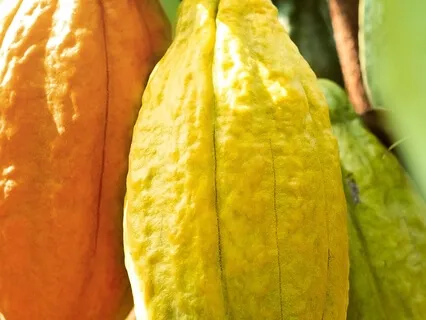
The tree bears a fruit the size of a papaya.
The fruit,
Or pod,
Is full of seeds covered in pulp.
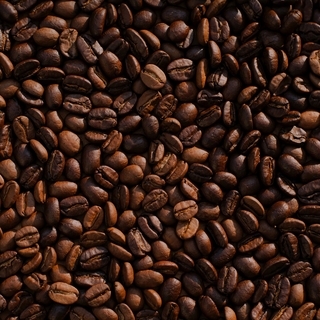
The seeds are dried and fermented,
Cleaned and then roasted.
During the roasting process,
The holes of the seeds crack.
These are removed,
Leaving cacao nibs.
And it is those nibs that then become the chocolate.
The nibs are made into a paste called chocolate liquor,
Which is a mix of cocoa particles and cocoa butter.
And from there it is processed into the different types of chocolate,
Dark milk or white.
Dark chocolate contains chocolate liquor,
Cocoa butter,
Lecithin,
Which is an emulsifier,
Sugar and vanilla.
Milk chocolate contains all of that,
Plus milk fats and solids are added.
And then white chocolate has the same ingredients as milk chocolate,
But no chocolate liquor.
And there is some debate whether white chocolate is actually chocolate at all or simply confectionary.
Within each category of chocolate,
White milk or dark,
There are several grades depending on the percentage of cocoa and other ingredients present.
So lower quality chocolate often includes added butter fat,
Vegetable oils,
Artificial colours and flavours.
And from this you can guess that it's probably not a very healthy product.
The big question that I wanted to look into is whether chocolate is healthy.
If you believe what you read in the media,
You'd be inclined to say yes,
Dark chocolate is healthy.
But let's look at the science.
Some studies have linked chocolate consumption with protective effects against cardiovascular risk markers like high blood pressure.
The proposed reason for that is that chocolate contains phytochemicals like flavanols which have antioxidant properties.
Antioxidant consumption correlates with decreased risk for cardiovascular disease and some cancers.
Phenolic antioxidants,
Of which flavanols are one,
Inhibit the oxidation of LDL,
Otherwise known as bad cholesterol.
This is a good outcome because oxidised LDL cholesterol contributes to the build up of fatty plaques in our arteries and we don't want that.
Flavanols have also been shown to support the production of nitric oxide in the lining of the blood vessels.
That helps relax blood vessels and thereby improves blood flow and lowers blood pressure.
Dark chocolate contains two to three times more flavanols than milk chocolate and white chocolate typically has no antioxidant content.
It's important to note that it is most likely the flavanols in chocolate rather than the whole chocolate product itself that is providing the health benefits.
And flavanols can be found in plenty of other foods such as tea,
Berries and onions.
Further to that,
And I don't want to be a killjoy,
A review of over 30 trials recording health benefits of chocolate pointed out that most of those trials used tailor made high flavanol chocolate or chocolate drinks in their studies,
Not what is commercially available to you and me at the supermarket.
We would have to eat a lot of chocolate to reach the level of flavanoids studied and that equates to a lot of sugar and a lot of fat.
As you probably also know,
Vitamins and minerals are contained in chocolate.
Dark chocolate can provide iron,
Copper,
Zinc,
Phosphorus and magnesium but the amount of these nutrients is fairly small compared to that found in other foods.
So there are definitely some healthy ingredients in chocolate.
And back to Mr Van Houten who I mentioned earlier and his processing method.
I will note that Dutch processing as it's called involves using alkaline salts to improve the flavour and appearance of the cocoa.
But the process itself causes a significant loss of flavanols so natural cacao retains the most flavanols and therefore antioxidants.
So that's the somewhat good news about chocolate but there is some bad news and some ugly news.
So this is what I would call the bad news.
Some claims about the health properties of chocolate have been overblown by the media.
The media tends to distort healthy messages by cherry picking facts and failing to mention any caveats.
Also and really importantly much of the research into the health benefits of chocolate has actually been industry funded and that raises some red flags.
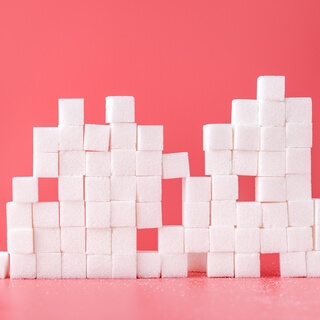
And as you know chocolate is of course a highly processed food and it can be loaded with sugar.
Added sugars are almost never a good option for your general health or for your teeth.
And here's the ugly.
Cacao production in West Africa is guilty of engaging child labour.
This is horrific and if you do not want to be part of the cog in the wheel that contributes to this,
Fair trade chocolate is a good option such as Divine Chocolate,
Loving Earth Chocolate and Green and Blacks.
Although I understand that some work is being done in this space it is a long way from a problem solved.
Cacao plantations are also responsible for massive deforestation especially in West Africa.
This is a tragic state of affairs obviously and I won't wade into that here.
In any case the reality is that chocolate remains a very popular product.
So I was curious to find out what the most popular brands of chocolate are.
I looked at lots and lots of websites and it varies a little bit by country but these following bars consistently featured in the top ten and they are Snickers bar,
Mars bar,
Cadbury Dairy Milk,
Toblerone and Kit Kat.
Here is a little chocolate tip for you.
It's not recommended to refrigerate chocolate because it can bloom and that is when the sugar rises to the surface and causes a whitish coating.
If this has happened it is still fine to eat it though.
So to sum everything up,
At the end of the day I would say that chocolate is not a health food but on the other hand small amounts will not be unduly detrimental to your health.
I couldn't find any definitive information about if you are going to eat chocolate what's a good amount to eat but it generally appears to be something between 30 and 60 grams,
That's 1 to 2 ounces.
I would also say dark chocolate with 70% or more cocoa solids is a better choice than milk chocolate and avoid white chocolate if you can even call it chocolate.
Ultimately chocolate is a treat food.
It's energy dense and highly processed and I would say eat chocolate from time to time because you enjoy it,
Because it's fun,
Because it makes you feel good,
Not because you think you're going to get amazing health benefits.
I love it and I eat it.
Thank you so much for listening today.
Please let me know what's your favourite chocolate.
Eat well,
Move well,
Think well.