Welcome to this particular episode of the Inspired Evolution.
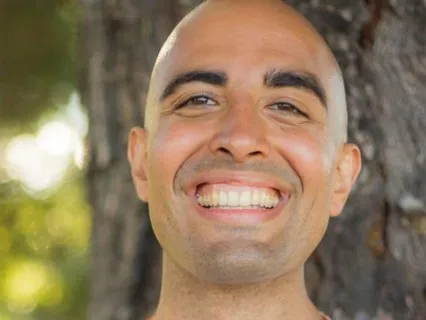
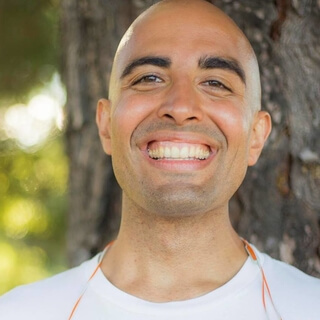
This week we have on Eric Edmeades.
He is a serial entrepreneur,
Probably to put it lightly,
He's a serial entrepreneur to the max.
He's created businesses in so many disparate fields and they've all thrived,
I was going to say survived,
They've all thrived really,
Really well.
And one of the key things that this episode goes in on is personal development and business development,
How they literally like,
How they go hand in hand as you would expect.
Spiritual entrepreneurship is a big thing here at the Inspired Evolution.
And then we dive deep on working on your business versus working in your business.
What it means to be self-employed versus what it means to be a business owner.
And there's a real rub in there,
There's a real nuance in there and how to actually accelerate freeing yourself up over time.
And ultimately from Eric's perspective,
The more your business grows,
You should be freer and freer and freer.
Hence why this podcast is called Business Freedom.
Generally what we find is for a lot of us we're self-employed rather than business owners and the more time we invest in our business,
The more entrenched we become working in the business.
There's a lot of wisdom in this episode.
Eric is just one of those people,
He's honestly my favorite storyteller of all time and having him tell you the stories about his business and how best to navigate the journey of setting up your business and how to activate pure,
True freedom in your business is an absolute blessing.
I know you're going to love this episode.
The moment that happens for you,
Like that moment where you go,
Zing,
I got it,
Please do me a solid,
Give us a thumbs up.
And whatever you're gleaning from this podcast,
Whatever was the biggest takeaway,
Please leave it in the comments below.
I'd love to comment back to you.
Always a pleasure to tune in with you,
Tribe.
Stay inspired,
Keep evolving.
Your brother,
Amrit.
Welcome to the Inspired Evolution,
A show dedicated to helping you actually live the life that you love.
I'm your host,
Amrit Sandhu,
International speaker,
Global coach and loving podcaster.
As a gift for tuning into this podcast,
I have something really special just for you.
My premium short course,
Which can teach you how to meditate in just seven days.
You can download it now at www.
Inspiredevolution.
Com forward slash learn.
That's www.
Inspiredevolution.
Com forward slash learn.
Learn how to meditate in just seven days.
Sit back,
Relax and enjoy this powerfully insightful conversation.
Don't forget to hit subscribe so you don't miss any of the latest episodes launching every Monday designed to help you live the life you love and keep you inspired to evolve.
Welcome to the inspired evolution and it is an epic treat to be here today.
We've got with us Eric Edmonds.
Eric,
How are you brother?
I'm doing fantastic.
Even better now that we're together.
Thank you so much.
I feel like we'd be even better if we were together in person because you're in the Dominican Republic.
I'm definitely not complaining about that.
We're just saying Eric's lockdown has been better than some.
Let's just put it that way.
Better than some.
Look,
For those tuning into Eric for the first time,
Man,
Just sit down and literally,
This is probably one of those episodes where it's worth grabbing out a notepad just from the outset.
He's a serial entrepreneur.
He's had more than a rich background in business.
He's owned companies in things like mobile computing,
Data capture,
Hollywood special effects,
3D camera engineering,
Military research,
Even medical simulation in the US army.
He's also the man behind the worldwide WildFit phenomenon.
And I don't know if the whole world recognizes him as this or if it's just me,
But arguably or maybe inarguably,
I don't know.
I honestly think Eric is one of the best storytellers of our time.
And most importantly,
He's a husband and a father,
Brother.
Thank you so much for being here and doing this with us.
I'm really glad to be here.
I'm excited.
So the Business Freedom Blueprint is something that you've been working on for a little bit now.
And I wanted to just tune into this energy of business because the whole thing that's going on at the Inspired Evolution is now around spiritual entrepreneurship.
There's a whole bunch of spirit and harnessing some of that energy and passion to cultivate that into a business.
Now,
I'd love to tune in,
Sort of figure out what like to tune into.
What was your first business and how did that come about?
My first business,
It kind of depends on what you consider to be a business.
As a kid,
I was shoveling snow in the winter time because I grew up in Canada and I could see people shoveling snow and it looked like they hated it.
And I kind of liked doing it.
And if I could get them to pay me to do it,
That seemed like a win-win.
So I really,
As a kid,
I was a bit like that,
Raking up the leaves in the fall and that kind of thing.
But my first actual business where I needed a business license and all that stuff was I actually had accepted a job at a startup company in Vancouver,
Canada and helped that company grow over the space of about seven years to,
I think about 150 million in revenue and offices around the world.
And after leaving that company,
I found myself in the United Kingdom kind of wondering what was next with my life.
And I had left my job because I'd had,
Let's just say an ethical disagreement.
I was under the impression that when you were promised shares that you should actually get them.
I know it doesn't always work like that,
But that was my,
You know,
And so I decided to leave that job.
And I was in a tough position because my right to work in the United Kingdom where I was at the time was related to my job.
So I couldn't really just go get another job because I wasn't legally allowed to have a job and I still had to pay the rent.
And I just found out that my wife was pregnant,
You know,
Which is great timing and I had a new car.
And basically I was in,
I think the technical terminology for it in the entrepreneurship world is I was in deep shit.
I was in a serious situation.
And to make it worse is my employer at the time,
Whose relationship with morals and ethics was tenuous at best.
He not only didn't give me the shares that he promised me again,
But he owed me like about 150 or maybe $180,
000 in back commissions and stuff that somehow had gotten clogged in the system.
And so when I,
Uh,
I thought that I'd get this money.
And so it was all cool because I had a job offer in grand Cayman.
I was headed off to grand Cayman to become a stockbroker and I'd always wanted to live in the Caribbean.
So it worked out,
But then he refused to pay me.
And I'm like,
I actually don't know what I'm gonna do.
I don't mind.
It's not like I came from money in my family.
Like I didn't have someone to call.
I was like stuck.
And then one of my old clients called me and said,
Hey,
Can you help me find 10 of these computers?
And I'm like,
I don't really do that anymore.
I'm not in that business.
I,
You know,
I left my job.
They go,
No,
No,
No,
No,
No.
We know you left your job.
We called the office.
You're not there.
We don't want to do business with that company.
We only ever did business with that company because of you.
And now you're not with that company.
We still want to do business with you.
And I go,
Yeah,
But I'm not really in that,
In that business.
And he goes,
Well then just help me this one time.
I went and found him the 10 computers.
I bought them.
I cleaned them up a little.
I sent them over to him and I made 7,
000 pounds pounds,
You know,
Like the heavy ones.
Right.
It's like,
Holy,
This is amazing.
And there I was stuck in this situation with rent to pay and a baby on the way.
And I really I suddenly realized this is what I'm going to do.
I'm going to start a business.
And I,
And I made a very keen decision at this point,
Because in my opinion,
You can start two different kinds of business.
One is you can start a business of self-employment or the other one is you can start an enterprise.
And I made the decision to start an enterprise from day one.
So I got my very first purchase order.
In fact,
The client called me and he goes,
Okay,
I've got the purchase order for you.
What's your fax number for those people who remember faxes,
But the fax machine is down at the moment.
So as soon as it's up,
I drove over to the computer store,
Bought a fax machine,
Brought it home,
Plug it in.
Okay.
Fax is up now.
Got the order in.
And it was my,
My very first fax was the purchase order.
And then here was the,
Here was the kicker was I couldn't just sit in any,
I could have just sent in a meeting bill back and said,
It got your order,
But I thought a real company would send an official looking order confirmation that would verify the order,
The ship dates and all that stuff.
And so I sat down for 45 minutes and designed this incredible template.
Like I took a look at a UPS way bill,
Like all the boxes shading and,
And I designed it to look like that.
And I sent it to them and I,
And,
And,
And,
And I remember thinking,
Jesus,
Am I really spending 45 minutes on it?
You know,
I could have sent him an email right now that just said,
Got your order.
The difference was that 45 minutes was investment in equity.
It was an investment in the enterprise because that template was now used for the next five or six years in that business every time we got an order.
So it was 45 minutes spent once.
So that five minutes didn't have to be spent every time it was.
And that's,
That's how I built the business.
I love that.
There's so much to go into that too.
Thank you so much.
That's like,
Yeah,
I love the,
The rawness of how it came about and just like you sharing that so eloquently with us,
There's like,
There's so much to go into that,
But there's this one little thing that I really just.
Self-employment versus enterprise.
Like,
Wait,
Wait,
Wait,
Wait,
Slow down.
Cause I think I've shot myself in the foot over here.
I think I'm self-employed.
What's the difference.
Please highlight like educate us,
Please.
I think that with the exception of outright buying a standalone business,
Every business is going to start in the self-employment phase.
And the self-employment phase is that your company needs you to be there.
You know,
Like if your company needs you to be there,
You've created a job for yourself.
And frankly,
You probably didn't create one job.
You probably created eight jobs or 10.
I remember what it was like.
I quit my one job as a sales person and suddenly I was sales marketing,
Marketing,
Taking out the trash and delivery and not getting paid the salary for all the coffee boy,
Getting my coffee.
There you go.
So I,
I make the distinction and I made the distinction even then that while I recognized that for a time I would be self-employed,
That the intention was,
Um,
It was to build an enterprise.
And what that meant was the intention was to build an organization or even you could even say almost an organism,
Um,
You know,
That would not require me anymore.
That would,
That would,
That would eventually have a life of its own.
And what's really neat about this is that another guy left the same company that I left at the same time,
Roughly about three months after me.
And he started the business similarly similar industry and what have you,
But he started it with self-employment.
And I'm so glad for that because he gave me the parallel truths of self-employment universe playing out.
Yeah.
It was incredible.
And here's,
Here's the thing.
I'll tell you outright,
I'm embarrassed to admit it,
But for the first three or four years,
I was jealous on a daily basis from,
Of that guy.
He would drive through my town in one minute and then Aston Martin.
And then the next week he'd come through in a Ferrari and the next week he'd come through in the next thing.
And what was going on is he would be doing deals just like me,
But he would take the profit from the deal and spend it.
And I was taking the profit from the deal and putting it back into the company,
Which pissed me off to no end.
I want to spend it too.
You know,
I want a Ferrari,
The joke is I have no interest in Ferraris at all,
But they,
You know,
It's sorry,
Ferrari.
I don't,
I like your car.
If you want to send me one,
I'll see how I feel.
But the,
But the,
The point was though,
Is that there came a point after about five years where I walked into my office one day and my assistant said,
We don't need you here today.
You know,
There's not like,
I used to have a desk planner and she would always fill my desk planner with the daily schedule and all the tasks I needed to do and any documentation on right there.
When I walked in and desk planner with him and again,
He,
All these years.
And today you forget to do my desk planner.
She goes,
I didn't forget anything.
There's just nothing here for you to do.
And not only that,
Nobody wants you to do anything because every time you do stuff,
It just makes it complicated.
And it's just,
People are into their systems and procedures and what have you.
And so the difference of course,
In my situation was that I was eventually able to release all my equity,
Sell the business for sums of money,
Far in excess of a few Ferraris here and there.
And,
And that guy is still running his little trader business to this day.
Yeah.
Yep.
How long did that process,
Like how long was it between the day you started out and then the day you realized you walked into the office and holy cow,
This thing's working ticking without me even.
Yeah.
So I would say,
I mean,
I had the business for nine years.
I would say the first three years were blood,
Sweat,
And tears,
And then there came a point after about three years where it started,
Like it started feeling a little more fun.
And there were moments when there was actual money around.
And then there came a point around about the fifth year where I fifth or sixth year where I started earning enough money in the business that it was like,
I don't know how to put this.
It's I hate saying it because it sounds like a little snooty,
But the truth is I just got to a place where I didn't know what to do with the money.
I wasn't quite like a drug dealer and I was hiding it in the walls,
But I really was at a place where it's like,
Wow,
I want for nothing.
And that's a very interesting place to be.
And then around about the fifth or sixth year,
I that's when that happened where I was like,
I'm just not needed in the office anymore.
And in that about the seventh year,
I actually hired a general manager to take over the management of the company.
And I just traveled a lot.
I was barely ever around.
So that by the time that I was approached by private buyers and by the time they came along they had no requirement of me to stay on with the company after they purchased it because I hadn't been there really for two years anyway.
Is it a simple question to ask or I'm not sure if it is like,
How do you,
How does one transition from being self-employed to becoming a business owner?
Is it something that you do gradually?
Is it something that you need to know from like,
Have an eye on from the outset of setting something up?
Because subsequently from that initial business,
You've gone ahead and you've been invested in many different things.
And I'm probably doubting that it's taken you six to seven years to really have to go through that whole thing again.
So you probably set yourself up in different ways.
And then how do we transition from self-employed to being a non-profit enterprise?
The first issue is how do you transition from self-employed to like enterprise building or as Tony Robbins would put it,
The difference between being a business operator and a business owner.
There's this distinction.
And my view of that is that it's purely a mindset.
There's a point in time where you have made the decision that you're building an enterprise.
And once you've made that decision,
You make distinctly different decisions on a daily basis.
So you no longer make decisions based on the expedient moment,
On what needs to happen right this minute.
Everything you're doing,
You're looking at it going,
How does this affect my eventual plan?
So for example,
You have like,
Well,
Here's a really great example is that one of the things that you do when you're building an enterprise,
I believe is called threat assessment or what we call in our workshops,
Iceberg spotting.
It's an exercise that every entrepreneur should do.
But the problem is most entrepreneurs are so involved inside their businesses.
They're so stuck down in the bowels of the ship that they're never able to stand on the deck and look for the icebergs.
So one of the things that we teach entrepreneurs how to do is stand on the deck and look for the icebergs through the fog.
And one day I spotted a really deadly iceberg.
And that was that my two biggest competitors were both billion dollar companies.
And they hated me because I was faster and cheaper and better in every possible way.
And they could never,
They could not compete against me.
And so one day I thought,
Man,
If I was them,
What I would start doing is I would start loss leader.
I would start selling contracts at a loss just to put me out of business.
If I was them,
That's what I would do.
And I saw that and I thought,
Ooh,
They're going to do that.
And so,
And I knew that because they invited me to their office.
One of the competitors,
They're now owned by Motorola,
But they invited me down to their office and they asked me to become,
To be less effective with my marketing.
They actually said that,
Could you be a little less aggressive with your marketing?
No,
No.
And so,
Yes.
Let me down a little,
Why not?
Anything else you'd like?
Yeah.
I've got a child.
Would you want?
Yeah,
So in any event,
They,
When they did that,
I thought,
Man,
If they're at the point of inviting me down here,
They're going to,
They're going to go the next level.
And so I wrote out a list of stuff they might do.
And one of the things I realized they might do was go to my existing clients.
Like one of my clients was a company called Devinips,
Big retail chain in the United Kingdom,
Very prestigious account and high volume revenue for us.
And also a Keystone account,
Because we had that account,
Many other companies trusted us.
So,
So I knew they would go to Devinips one day and say,
Well,
Eric's doing it for 50 pounds a unit.
We'll do it for 15 pounds a unit and we'll lose,
You know,
$4 million in the process,
But Eric will go out of business.
It was,
You know,
And I knew they were going to do that.
And so one day I sat and I thought,
What could I do for Devinips that would make sure that Devinips wouldn't care that it was $15 each instead of 15 or pounds.
And I realized what I could do is I developed a workshop system that basically I was already writing a workshop management system so that when equipment came in for repair and maintenance,
It would get tagged to the barcode and scanned all the way through and the status would get updated.
But I decided to do something that only two other companies in the world had ever done.
And that was I created two way internet.
So what I mean by this is that we take this for granted today,
But back then there were only two companies that I know of where you could type in a tracking number and get information.
And that was UPS and Federal Express.
And I was like,
Well,
If they can do it,
So can I.
And I engaged a company in India and we created the ability for our clients to be able to hook up their equipment anytime they wanted,
Approve billable work orders,
The whole deal,
Like manage the whole workflow,
Cut our hours down dramatically.
But what it gave them was total certainty about their fleet and they knew what their failure rates were like.
And it was all beautiful pie charts and way ahead of our time.
And so now when any of our competitors went to our clients and said,
Well,
We can do it for half the money,
They're like,
Yeah,
But do you have this system?
No,
Then we don't care.
And so,
But that's the kind of thing you have to understand that's going to cost me 50,
000 somewhat pounds,
A huge amount of my own creative hours.
It's a risk because it might not work.
I'm cutting new technological ground.
Like who knows if I'm going to do that now,
If I'm just in it for the Ferrari on a month by month basis,
I am not doing that.
But if I'm building an enterprise,
Then I'm going to do that because building that software was just an extension of the exact same thinking as creating that first template was on day one.
I love that.
Thank you so much for sharing that.
It's such a gorgeous example.
And yeah,
Working on your business versus working in your business is something as yeah,
Like a budding entrepreneur.
I myself am just like consistently just like,
Ah,
I just wish there was two of me or at least three or maybe four if I can ask.
But I'll tell you what,
The minute you found two of you,
You'd realize what a pain in the ass you are.
I'm sorry,
But that's what would happen is because people go and hire people that they like and people like people that they're like.
So they go and hire people that they like and are like,
And then they end up going,
Well,
I want to do that.
No,
I want to do that.
No,
I want to do that.
Well,
I want you to do that.
Oh,
I don't want to do that.
Yeah.
It makes sense.
One of the things I wanted to tune in that was the risk profile.
Cause like you said,
There's a bit of risk involved in that.
Like if I can see this looming threat,
But at the same time,
It's going to cost me,
Let's say 50,
000 pounds.
And those are the heavy ones,
The pounds.
Yeah.
Like we're in this situation where all of a sudden it's like someone with a verse like a low risk profile would be like,
Let's just write it out and see how it goes.
Now depends on your relationship with risk.
And this was going to be one of the questions I tuned in with you today was is business for everybody.
And does it take a certain type of personality,
Brother?
No,
I do wrestle with that at times.
I think that I think that every single person on earth is actually an entrepreneur.
And the only real question is,
Is what they've chosen to sell.
And so somebody who goes and works at the local factory and joins the union and sells their time at $27 an hour or $50 an hour or $180 an hour,
It doesn't matter what the rate is,
But the minute they've made the decision to sell their time,
They are in a business and they are selling their own life experience.
That's what they're doing.
And they should be asking very similar questions that I might ask when I was choosing a business opportunity.
When I was young,
When I was young,
Like in my twenties,
When I was,
You know,
Like I don't,
I've changed the aging model in my life.
And that is that the first 20 years don't count.
And and so when you're three,
When you're 23,
You're just a three year old adult.
So when you're a three year old adult running your business,
You know,
You're,
You're which by the way is great because it makes me like 21,
I'm a 21 year old adult.
I'm a 31 year old adult,
But you can't do math.
There's a lot of people missing that as well.
I like it.
It's like a three year old adult.
But when you're a three year old adult and somebody offers you a business opportunity,
The first thing you probably ask is how much money am I going to make?
And then the next thing you might ask is you know,
Is it,
Will I enjoy it?
And then you might then ask,
Is it going to have an impact?
You know,
You might do that.
Now,
The younger generation,
Millennials and their underlings are now they're already switching that like I had to get to my 30s before I started switching it around.
And in my 30s,
I started asking things like,
Is it going to have an impact?
Will it make enough money?
Will it be fun?
And that that's a slightly more socially responsible criteria.
And but I'm trying to say that criteria that those sets of questions can be the same,
Whether you're talking about selling your time at a job or whether you're talking about building a business,
Right?
It's it's you're still having to choose what is the basis upon which you want to collect money and so on.
And then I will say that the next evolution for me is as I got into maybe my 40s,
I guess early 40s,
Maybe maybe mid to early 40s,
I changed the order of the questions again.
And the question immediately for it just became this number one,
Like as a kid,
Number one was how much money am I going to make?
And then number two and three were sort of interchangeable.
Is it going to create an impact?
And will I have enjoyed doing it?
You know,
Secondary,
I worked at a job for seven years for a man that I had no respect for and didn't trust for as far as I could throw him and I couldn't throw very far at all.
And I did that because as a child as a as a as a 10 year old,
As it well,
I started working for him as a one year old adult and I worked with an eight year old adults.
But you know,
At that age,
Money was the main thing.
And that was that.
But as I approached my 40s,
I started looking at it differently.
It was like,
Oh,
What's the number one question when somebody wants to buy my time?
Or if I want to start a business?
Will it be fun?
If it doesn't pass that point,
I don't even ask the second question.
And then the second question is,
Is it going to have a big impact?
And by impact,
What I mean,
Is it going to massively improve the quality of people's lives?
Is it going to do socially responsible things?
Is it going to be good for the ecology?
You know,
Is it going to is it going to be part of social justice and reform?
You know,
What is it going to have a big impact?
And then and then if it passes that now we can go and will it make us some money?
And I and the joke of it is,
In my experience,
It is when you are able,
Either through a combination of psychology and braveness,
And also logistically having money,
One or both of those things.
Once you are no longer asking,
Is it going to make money first,
You are going to make money.
Yeah,
Yeah.
Is that because like,
When you show sorry,
We're gonna say something?
Well,
I'm going to give you a really good example from life.
So as you mentioned,
I've been involved in a number of different businesses.
And yeah,
It took,
Say,
Six years to build business freedom in the first one,
But it only took me months for me to do it the second time when I built a medical simulation company that sold medical simulators to the US Army and first responders around the world,
A very cool business,
The product won awards from the US Army and from US Congress.
And it was really,
I didn't have an impact,
Like it literally saved lives and helped potentially help people with,
You know,
In a sense of inoculating PTSD,
It was a very valuable business,
I really am proud that we built that.
But the thing is,
Is that even that business was really about money,
When we first started it,
It really was because I had bought this film studio.
We were deep in trouble,
It was losing money like crazy,
Everybody's going to lose their jobs.
And so immediately we start going,
What can we do to make money?
What can we do to make money?
And that can be a useful question sometimes.
It's maybe better to say,
What assets and skills and things do we have that we can leverage and add value with that might make us money,
That might be a better way of asking.
Then the next thing,
You know,
For me with this was that I,
I got to a stage where I was comfortable enough that if somebody offered me,
For example,
Coaching work or consulting work,
I may or may not take it.
And of course,
In my twenties,
If somebody offered me like,
Say five,
Like,
Nevermind,
Even even back then,
Like $1,
000 an hour,
I would do anything for $1,
000 an hour,
$1,
000 an hour.
Oh,
Coach,
I'll do this.
I'll shuttle stuff if you want me to.
But then I came to a place where it was no longer like that for me.
And it would be like,
It would be more like,
Oh,
You want to pay that much to do that?
Well,
When is it exactly?
Oh,
I don't know.
Like I,
You know,
And the weird thing is there's a few things that happen when you transition into that space and you can transition there either through your own beliefs about your need about money and also by,
By making money.
And if you can do both,
It's even better.
But here's the thing is that when you have to make decisions for money,
You will take yourself off course sometimes.
So let's say you want to go north,
But somebody offers you some money to go northeast.
You're going to go northeast for awhile.
And then somebody offers you some money to go northwest and you're like,
Shoot,
Now I'm going to lose a bunch of the north.
Now I'm going to go west.
I'm still going north.
It's okay.
It's just,
I'm going to lose some miles going west.
Then somebody offers you a huge amount of money to go south road.
Now you're walking away from your mission because you need the money.
When somebody emancipates themselves from that process,
Somebody offers them some money to go northwest.
They go,
No,
I'm only going north.
Okay.
But I got a lot of money for you to go southwest.
I'm only going north.
And so in my case,
A perfect example of this is that I was teaching business and I was enjoying that a great deal.
And then a bunch of my clients were asking me about health and this kind of stuff.
And I was like,
You know what?
I'm going to start a hobby.
I'm going to start WildFit.
It's going to cost me money.
I'm going to have to put money into it.
It's not going to make me any money because people I'm devastated to tell you that people are unwilling very often to pay for their own health until they're sick.
So selling a health program that simply,
I knew I didn't,
I never thought of it as something that was going to make money.
I thought of it as socially responsible.
It's something that had to be done.
And so I started it,
But it didn't make money for years.
Like I would say probably two years in before it made any money.
I mean,
I didn't even try to make money with it,
But then all of a sudden the world just took over,
You know,
Like our clients started telling their friends and their friends started telling their friends.
And the next thing you know,
We were having like classes of eight people in them.
Suddenly we had classes of 200 people in them.
And then Vishen from Mindvalley found out about it.
And he told people,
And then we had 1100 people in our class.
Now we have 50,
000 people in 130 countries to this program.
And it is the company that has probably made me the most money in terms of real income and equity growth of all the ventures I've been in.
And I never started it to make money.
Do you think that's because of the way we show up when we show up behind passion?
Like what is it about that?
You know in February of this year,
I went to go back and visit with the Hadza Bushman who I've been visiting with for years and years.
Yeah.
It's like shooting in Kilimanjaro is like,
Like that's Eric.
It's like a second home,
I think.
And there's a longer story to this,
Which,
You know,
I'm sure people can catch it on Instagram or somewhere,
Somewhere,
But I'm just going to say this part,
Which is really important.
At one point during the strip in February,
I got separated from the main group and I was out in the middle of nowhere,
Having done 20 some odd miles in the hot Africa sun.
And I was worried for my safety and I'm running because I'm running behind the,
Behind the main hunting group,
But nowhere near the guides.
And suddenly I'm looking at these guys going,
How are they running still?
Like we have been running for hours and hours and it's hot and how are they keeping up with the leader and how are they doing?
And I'm looking at all this and then I'm looking at them and I realized that they're loving it.
Like they're loving it.
This is what they do.
You see their,
Their neurotransmitters,
Their dopamine and serotonin productors and receptors are designed for this life.
And so they have a level for,
Of passion for hunting that very few of us will ever have for our businesses.
Steve jobs had it and he had it so strongly.
I'd argue it killed it.
You know,
Like these guys had a level of passion for their,
For their hunting,
That if we had that level of passion for our jobs,
We'd all be billionaires.
There's something about that level of passion where nothing is going to get in the way,
Not life or limb,
Nothing.
And I have,
I joke about if we all had that passion,
We'd be billionaires.
But the truth is I have that kind of passion about helping people change the relationship with their bodies and their food and so on.
And that's why I think,
You know,
Think of it this way.
If I'm like,
Say I was out raising money or trying to hire people and I was like,
Oh,
I have like a company that helps people lose weight and get healthier.
Or how about I have a company that's going to massively impact the lives of a billion people on earth by completely changing their relationship with food.
And as a knock on effect,
Changing the way food production regulation education is done all over the planet so that we can end the current epidemics of,
Of,
Of,
Of obesity and type two diabetes and so forth,
And maybe even prevent the next viral pandemic from being a thing.
Suddenly it's a,
It's a thing,
Right?
I'm like,
Yeah,
Yeah,
Yeah,
Totally.
Wow.
I love that.
I love that example.
Thank you so much for sharing that.
Yeah.
I think having it just the way you show up is completely different,
Completely different.
Totally agreed.
Oh,
There's a couple of different directions I could take from here.
One of them is when you had,
Um,
When you had the,
Um,
The film studio at a certain point,
Um,
I remember,
I remember tuning in somewhere and I think we might've been sharing this from the stage.
I can't remember where I heard you say this,
But it was a bit of a blessing that you had little to no idea about that business.
Like tell me a little bit about what's going on there.
Cause for me,
Self-employed,
Like obviously love helping people transform personal development coach is what I do.
Awesome.
Let's do it.
But there was something that you said that really caught me unawares,
Which was like the fact that I knew little to less than little about this business,
Um,
Was actually a boon rather like was actually an asset rather than a drawback.
And I was just like,
That isn't just not something I ever would have considered.
Like I just imagined following the passions.
Everybody just did what they were good at.
Um,
But yeah,
Can you,
Can you elaborate on that a little bit for us?
Well,
I think this is where you get the,
Um,
Where you,
You separate the idea of truly self-employed versus business owner.
Imagine for a moment that you come up,
You know,
You raise yourself some money and there's a local dry cleaner down the street and the dry cleaner operates really well.
He's got staff in there,
But he's kind of borderline.
He's not really making a profit,
But he's not really losing,
But he's kind of,
You know,
He's getting by,
But he's getting old and he kind of wants out.
And so he comes to you and he goes,
Look,
You know,
I can sell the place to you.
We're,
You know,
We're doing 150 grand a year.
We're not really profiting and what have you.
And you look at it and go,
Well,
Look,
I'll give you a hundred thousand for it and you buy it from him.
Now why you might do that is that a business like that requires not much understanding.
If you've got a good staff and good procedures and stuff inside the business,
You don't need to know how to iron clothes and run the dry cleaning.
You don't need to know that when you need to know maybe is the general principles of running a business,
The general accounting principles,
The general marketing principles and so on.
So I know for example,
Nothing about dry cleaning other than it needs to be done from time to time.
And so,
But,
But I know that I could buy the dry cleaner.
I've often,
I've often considered doing it because I use this example.
Just for fun.
But I know that I could buy a dry cleaner down the street from me.
And I know that I could boost sales at that dry cleaning company by 30% in the first three months I owned it because there's things that I know about marketing,
That the guy who started that thing just doesn't know.
I just know he does it.
So,
So I know that I put my a hundred thousand,
He's selling it.
He's selling it really cheap because it's underperforming for him.
And I can go buy it from him for my a hundred thousand.
And then I'm going to work on the marketing of it.
I'm going to boost sales up.
I'm going to create employee or I should say client retention programs and what have you sales are going to go up and I'm going to have a good manager in there.
And I don't want to dry clean.
I don't even want to be there.
And so if you,
If you think of that,
That must make total sense to you.
Yes.
That you could buy a business that you don't need to be involved with.
Yes.
Yep.
Right.
Now the problem at startup mode with this is that,
You know,
And I remember hearing Michael Gerber,
You know,
I,
I,
I really liked Michael Gerber's talks when I heard them years ago.
I,
I,
I,
I,
I,
And one of the things he said that made an impression on me is he says,
You know,
The average person who say I'm a panic working at an auto mechanic shop,
They're going to leave their,
Their job one day.
And they're going to say,
Screw this,
I can do this better.
And they're going to start their own garage,
But what are they going to do?
They're,
They love fixing cars.
That's what they're good at.
So you're going to spend a lot of the time fixing cars,
Which means they're not going to have the time to really devote to marketing and not going to have a note,
The customer service and hiring properly,
What have you.
And so they're going to open yet another breakeven garage,
Right?
Opening garages,
Working 50,
60 hours a week,
Not really earning enough money to justify the time sacrificing time with his family and all that sort of stuff.
He's self-employed.
What he might've been better off doing is saying,
You know what,
For what it was going to cost me to start this,
This garage,
What I'll do is I'm going to watch.
And,
And,
And,
And,
And let's say our dude is allergic to dogs.
Perfect.
What he should do is go start a dog washing parlor where we're not only does he not know a lot about washing dogs,
But he's bloody allergic to them.
So he can't.
So that means he's going to have to hire somebody to do the labor work.
And then it's going to force him to sit and look at the accounting.
It's going to force him to sit and look at the marketing.
How can they bring more clients in?
And from the very beginning,
He or she is going to be working on the business,
Not in it.
Now the problem for,
And by the way,
I'm in this problem myself at the moment,
Because of course I started three brands,
Business,
Freedom,
Speaker,
Nation,
And WildFit that are where I am ultimately the product.
So I am by nature,
I'm in the business,
Even being on this podcast with you as being in the business of something.
But I've also arrived at a point in my life where I'm not,
I'm doing this for different purpose than,
You know,
I'm doing it for reasons and I've created the,
You know,
The economic freedom to give me the right to do that.
But what I really want to suggest is that when somebody's starting a business,
Honestly,
You take a look at all the tasks that you have to do and you grade them on a scale of one to three,
One being you hate doing this,
Two being you dislike doing it,
Three,
You really quite like it.
And then you keep all the threes for a couple of years,
No problem.
But you immediately figure out how to stop doing the ones and hire the right people to do the ones for you.
And you immediately start your plan for getting the people to take over the twos for you.
And by the way,
This may sound overly simplistic,
But this is exactly what I did when I started my first company.
I didn't use one,
Two,
And three.
I used red,
Yellow,
And blue.
But the point being is I took my highlighters on and I said,
I don't want to be in the warehouse boxing shit up and shipping it to people.
I don't want to be doing that.
So I read,
Read that meant that as soon as possible,
I need to hire somebody who could do that work.
And I didn't have to hire them full time.
I hired them part-time,
Not even part-time.
I hired them casual labor at first on a single job.
And then that moved to part-time then that moved to full-time.
But then it also works when you acquire business.
Like,
So as you said,
I bought the film studio and in a weird way,
You know,
Lucky thing,
I didn't really know a great deal about the inner workings of film production.
I knew maybe more than most,
But not as much as you might need to be in it all the time.
And I certainly didn't know a damn thing about practical special effects and how to build a model and blow it up and pyrotechnics and all the stuff we were doing.
But what that meant was,
Is that I was constantly able to be working on the business on new marketing ideas on new business expansions,
Which gave birth to a 3d camera engineering company,
To a military research and development company,
To a medical simulation company,
Because I'm working on it and I'm taking the assets from and go,
Hey,
You know what?
We can take this asset and it could be,
It could be useful in another market and,
And expanding it that way.
Whereas if I was like painting models,
When would I have time for that?
Yeah.
Wow,
I totally get it.
And that is such just a different,
It's a completely different mindset.
And I think that's what it boils down to the way you've mentioned this a few times.
Just the key thing being mindset.
Eric,
You also mentioned that it's important to be bored as an entrepreneur and you wish the world had more bored entrepreneurs.
Why,
Why boredom?
What does it give to you?
You know,
It's,
It's actually a little bit of a smart ass comment,
But basically what happened was when I,
When I really,
When I made the decision to become a speaker and travel the world,
I wasn't actually planning on starting workshops and all that kind of stuff.
I just enjoyed speaking.
I enjoyed storytelling and I enjoyed,
I really enjoy facilitating breakthrough for people,
Whether that's in a deeper dive psychological breakthrough or sometimes just an informational breakthrough because they asked the right question might happen now the answer.
And I found out that I liked doing that because Tony Robbins invited me to tour with him for a year teaching business on his,
On his programs.
And I loved it.
And and,
And,
And,
You know,
Where,
Where that kind of led to me for that is that you know,
I guess it's,
It's sort of a multifaceted answer,
But it's,
It's,
It kind of led me to a place where you know,
Suddenly there was this,
This right,
It was just right.
What I was doing,
It was just,
It was just right.
It just felt right,
Like I would be on stage in London.
And I remember distinctly,
I was on stage in London,
And this guy asked me a question about how to,
How to fire people when they're,
When they're not performing and how hard it is to do that.
And so on.
And,
And,
And I gave him the answer and I saw the stress melt off his body.
Like I saw it,
I just gave him and I saw it melt off him.
And,
And that is what kind of gave birth to me saying,
Wow,
I really want to do this because here's what I,
Here's what I figured out is that look,
This may sound a little airy fairy,
But our world,
In my opinion,
Needs help.
And I,
And I don't,
I don't mean the rock that's hurtling through space.
I mean,
The thin layer of biosphere that we all live in,
We're destroying that,
You know,
That,
That ecosystem and we're,
And we're screwing up our social structures.
And we're,
I mean,
There's so many things that we're doing badly.
And unfortunately there's two groups of people that I'm absolutely convinced are going to do nothing about that.
That is an average employee and the average politician.
They're just,
They're just not going to do anything about it.
But the one group of people that might be able to do something about it is entrepreneurs.
And the reason is,
Is that entrepreneurs,
If you think about it,
Entrepreneurs have to be optimistic,
Right?
I mean,
Honestly,
80% of them are going to fail.
So that like,
If somebody came to you with a mutual fund and said,
Oh,
80% chance you're going to fail,
Throw your money in,
You wouldn't do that.
But yet entrepreneurs do it all day long.
They're very optimistic people.
And they're generally very,
I don't really know how to say this,
But they're,
You know,
They're,
They're not just optimistic,
But they're also very creative,
Even when they're not the creative types,
But they're generally like good problem solvers on some degree to some degree.
And so here's the thing though,
Is that now they end up applying that incredible optimism and their great creativity and problem solving skills to problems that have already been solved.
Like they've been solved again and again and again,
Even within your industry,
The problem's been solved.
Why are you trying to solve the problem again?
And so one of the reasons I decided to teach business was to take business owners and make them bored by,
By solving the problems for look,
Look,
That problem's already been solved.
Look,
Marketing can be a lot easier than it.
Look,
You can attract business.
It can happen.
You can have profitability.
You can.
And then what happens is,
Is that they go,
I'm bored.
And once they get bored,
They take that tremendous optimism and that tremendous creativity and they apply it to the next thing,
Which might be starting another business,
Which might create more jobs and more economy and more tax and what have you,
Or it might push them in a social direction.
They might decide that it's time for them to solve some of the challenges that are faced that we are facing in our world today.
And because they've got the economic freedom to do that because their business is paying for their lifestyle,
They can now take that creativity and that problem solving and solve real world problems.
And so when I say I want bored entrepreneurs,
I'm saying,
Well,
Entrepreneurship,
Like I want,
I'm kidding.
I don't want you to be bored,
But I do not want you to be challenged by the little stuff.
I want the little stuff to be handled.
And why,
Why on earth would you,
You know,
It's,
I don't know.
I mean,
I guess,
Look on one level,
You could say the same thing.
I bought a Sudoku book and a friend of mine did the same Sudoku book and I could just copy the answers out of there.
And then I,
You know,
But you know,
You bought the Sudoku book to be challenged.
And if you started the business to be challenged,
Then maybe you want to make all the original mistakes yourself.
Maybe you want to,
Maybe you want to try all this stuff yourself.
Maybe you don't want to learn from others,
But I would say that that's why businesses fail 80% of the time.
So what I'm hearing in there as well,
Is this just like,
You know,
And I find this myself as well as sometimes,
Um,
I'm the biggest bottleneck in my business and that's been like a big thing to sit with.
I'm like,
Just even emotionally,
I'll just go there with you very emotionally.
It's been a big thing to sit with.
It's like,
You know,
Like all these decisions and everything that sort of comes back and it's like,
Actually I'm starting to realize that my work is just a pure reflection in many ways,
Um,
On me and it's,
And this is where I get really excited about business because it's like spiritual and spiritual.
It's like,
It's one of the best personal development vehicles I've ever found is you as an entrepreneur.
It's just like,
Which is about that.
And the rubber hits the road.
It's like,
Nah,
Those ideas are full of shit.
And those ideas actually stick.
Um,
Yeah.
What like,
How does,
I guess,
How important is personal development to running a successful business?
To my,
To my mind,
It's everything.
And I,
Um,
It's funny,
Uh,
You know,
Our,
Our,
Um,
Our,
Our live events back,
Back in the days of live events,
Um,
Our live events,
Like for example,
Our business freedom speaking Academy is the highest rated live event that mind Valley has ever produced.
They've produced three or four of them,
And it just has the highest cut of the client feedback record ever.
And then,
But if you look at the feedback comments,
People will say things like this,
This was the most powerful business program I've attended,
But really now I think about it.
It was the most powerful personal development event I ever attended disguised as a business program.
And the joke is people say the same thing.
They go through jobs and they're like,
This has changed my entire life.
Not just my relationship with food.
They go to our business freedom experiences.
Like I,
And here's the deal.
If you want to increase your odds of success at business and you want to run a good business,
Then go and read a bunch of business books.
They're out there.
They're out there.
But if you want to build a phenomenal business and an Epic life,
Then you,
You were on you.
And the more you work on you,
The better your business is going to be.
And you know,
I don't,
I don't have a better way of saying that is it when I started,
Look,
Here's the deal.
If you want to know,
I'll tell you the secret here.
In my previous job,
Before I started my company,
I was bored silly because I was like,
Typically the number one salesperson in the company.
And I could do it without even putting in a lot of hours.
I was just really good at what I did.
And so I started publishing a magazine on the internet and the internet back then we barely existed.
Frankly,
It was 1994.
And I had an email account.
My email account was seven one two six three comma four four four at Netscape days.
And like green Netscape,
There was no browser back then.
There was no browser.
Don't,
Don't even your that's light years away.
So I had,
I had like,
I had an email account and I created this little,
You know,
Internet magazine.
And I sent it out to the eight people.
I had in my email book because nobody even had email back then,
But those eight people had their eight people and they sent it out.
And then those people sent it out two years later by 1996 ish 1997.
I had 70,
000 subscribers in 70 countries around the world.
And I was publishing this text only internet magazine.
And it was basically personal and business development.
I wrote an article in it.
Every time my good friend,
Topher Morrison wrote an article for it.
Every time I would do a book review in it and I'd put some nice funny jokes in it and so on,
But here's the deal.
I made a mistake on the first issue.
And the mistake was I did a book review and I said,
We will be doing one of these every week.
So suddenly I'm in this,
Like I'm forced to do a book review or a seminar review or a program of every single week for like two years.
And so I basically like gave myself like,
You know,
The equivalent of a master's degree in business and personal development because I had to read it all because she's committed to your audience.
I made this commitment to the audience and man,
I missed it once.
And Holy crap.
People were writing to me,
Where's my email?
That was back when people liked receiving email.
And open rates must've been like,
Oh yeah.
There was no,
Remember though,
Everybody's open rates were great because you got this thing is you got mail.
Oh,
I've got mail.
You know,
So I really hit the timing well with it.
Unfortunately I hit the timing very badly because there was no way at that time to capitalize on lists and stuff like that.
There was no PayPal.
There was no payment gateway.
So I couldn't turn it into anything except,
You know,
What I was doing.
The audience.
Yeah.
And here's the thing.
What it meant was when I started the business,
I had done so much personal work.
I'd been to so many seminars and I,
And I'd done,
And I'd read so many books and listened to so many audio programs that I kind of had an answer for everything that happened to me in the business.
And I had tough things happen.
There were more than a few days.
I'll give you,
I remember one day my accountant came in to me and she said,
You were in serious trouble.
I,
Why we're doing great.
We're doing profits.
He goes,
No,
We're out of cash.
We're just out of cash.
We have cash coming in,
But it's not coming in in time.
We have payroll coming up on Friday or Thursday,
Actually on Thursday,
Payroll is coming in.
It's 60,
000 pounds and we don't have it.
We just don't have it.
And I'm like,
What do you mean?
She goes,
Yeah,
I,
You know,
We just don't have it.
There's not in the bank.
We're tapped out with the bank because of this and that.
Like we don't,
We just don't have it.
And I have no way around this.
I don't,
I have no way around this.
And I,
It looks like I'm going to go out of business and not even because I'm not profiting.
It's just that we had a few years of not profiting.
So I'm still paying for that,
But we're now in profit,
But out of cash.
So that day I woke up the next morning,
Depressed,
Worried,
Stressed with legitimate stresses.
Like I'm going to lose all my money.
I'm going to lose my business.
My employees are all going to lose their jobs.
Well,
These people you need to pay.
It's horrible.
And and then I,
I,
I,
I,
I thought,
You know what I would like right now?
I would like a nervous breakdown.
I would like one.
Could I download that from the app store?
Could I have a nervous breakdown?
Hello?
And I had a good reason for this.
You see,
My previous employer had had a nervous breakdown.
And so,
And everybody had incredible sympathy.
I know,
Oh,
Oh,
Nervous breakdown.
It seems like nothing that goes wrong after that is your fault.
It's like the ultimate excuse,
You know,
It's,
I,
This,
I,
This,
And by the way,
I don't mean to make light of people who really have had nervous breakdowns.
I'm making light of it in my situation.
I have full respect that people have legitimate nervous breakdowns.
I just couldn't have one.
I was trying.
I was trying to really,
Honestly,
How do you have one of these?
That's just how dire your situation was.
It just was that bad that I just,
I thought if there was ever a reason to have one,
This is the time.
So bring it on,
Babe.
And it wouldn't happen.
And so then I picked up a book,
Which I had read for my magazine called there's a spiritual solution for every problem by Wayne Dyer.
And I read this book and actually audio book and I,
And Wayne Dyer jumps on and he tells this story.
He goes,
He goes,
You know,
I was suffering one day.
I was really struggling with something I could relate.
Cause I'm in the middle of it.
And he goes,
I'm really struggling with something.
So I called my friend,
Deepak,
Cause you know,
He and Deepak are good buddies and they always plug each other.
And when he called,
I called my good friend Deepak.
And I said,
Deepak,
Deepak,
He said,
Wayne,
What,
What,
What is it?
And he goes,
Deepak,
I'm really freaking out.
I'm really freaking out.
Meditate.
I'm Wayne Dyer.
I know about meditating.
I calling you.
You're my friend.
I need to meditate.
Look,
I know to meditate.
I know I need to meditate.
I just,
Right now I need to meditate.
Then call me back.
And Wayne is like,
I need to meditate.
I need to meditate.
I need to meditate.
And Deepak,
Whoa,
And Wayne's like Jesus.
And then like days later,
Deepak's like,
Hello,
Wayne.
Are you okay?
Yeah,
I meditated.
It's all good now.
So I'm lying in the back listening to this going,
All right.
All right.
And this is where I developed my little theory of meditation.
And that is the less you want to do it,
The more you need to do it.
Right?
Yeah.
Yeah.
Yeah.
So,
So,
So I'm lying there in the back forcing myself to meditate and then I,
And then I find it.
I find,
I find it.
I break through.
I'm on the other side.
I walk into my office that day,
Do,
Do,
Do,
Do,
Do,
Do,
Do,
Do,
Do,
Do,
Do,
Not worrying about a damn thing because I just,
Whatever's going to happen is destiny.
I'm okay with it.
All right with it.
And I feel bad for the people that they might lose their jobs,
But you know what,
Even for them,
If that's the karma,
If that's what's meant to be,
It'll serve them five years from now,
They're going to look back.
It'll be fine.
Walk into the office.
My accountant,
She walks up to me.
She goes,
Are you okay?
I'm like,
Yeah,
Fine.
She goes,
How are you fine?
Did you find the money?
No,
I bet she thought you were actually having a nervous breakdown.
Now I am having the nervous breakdown.
It's like totally happening,
But I'm not.
And you know,
I just,
I,
All I can do is get on with my work and hope that I make a few calls,
See if I can fix the problem,
You know,
But not panic about it at all and whatever.
And then all of a sudden,
Accountant walks in and she goes,
Debenhams just sent us a full annual payment for the new contract you sold them.
And they're only supposed to be paying quarterly.
And on quarterly,
We won't make it.
But on month,
If we,
If we take the annual payment,
We're going to be okay.
I mean,
Way more than okay.
And I go,
But they're not supposed to be paying annually.
Are they?
And she's like,
No,
They're the terms on the contract are quarterly and retailers,
By the way,
Never pay faster than terms.
Never.
So immediately I'm going,
Ooh,
They've made a mistake.
And that mistake is going to save my ass.
Yeah.
So I shouldn't tell them.
And then I realized I can't do that either.
So I go to my office and I call Martin.
He's my,
My,
The,
The,
The MS director there on the column.
And I go,
Martin,
I want you to know,
I totally appreciate you granting us this contract in the face of the huge billion dollar companies that we're competing with here.
I really,
I appreciate you putting your faith in us.
And but I remember distinctly,
You weren't prepared to accept annual terms because we're such a small company and you,
You,
You made us accept quarterly terms.
And I just want you to know your accounts department sent me the full annual payment.
What would you like me to do about that?
And he goes,
It wasn't the accounting department,
Eric.
It was me.
He says,
I asked you to go quarterly because I wanted to make sure you were willing to do what it would take to serve us and take care of us.
But he goes,
I know that you need the annual payment to stock up on the right parts and to service us properly.
And so I approved the full payment for you.
And then he goes,
But it never occurred to me that you would be tested by the idea of whether you should call me or not about this.
And you calling me tells me I was right.
And my company was saved.
Thanks to Wayne Dyer,
Deepak Chopra and Martin.
Wow.
How important is empathy for business,
Bro?
I think it's one of the most important skills and that if you don't have it,
You should hire it.
You know,
Like there are some people who just don't have,
They're not particularly empathetic people and,
And,
And,
Or even,
Even like,
For example,
If they're on the spectrum,
Empathy is almost unavailable to them sometimes.
And,
And,
And,
And so in that case,
I think that they should definitely be hiring empathy.
Empathy is in,
In my opinion,
Is an important part of business for a number of reasons,
But let's just focus on two.
The one is,
Is that I don't think you can be an effective marketer if you don't have empathy.
I just,
I don't think you can be as effective as you could be in product development,
Everything that is marketing from product development to client services,
All of that stuff requires an ability to associate to the emotional conditions of your clients.
And,
You know,
An ability to feel like,
Here's the deal.
If your empathy is so strong that you feel their pain release,
When you solve their problem,
You're going to be successful in my opinion.
And then the other area that I think empathy is really important is with your own team,
You know,
Your own staff,
Your own people.
If you are not in touch with how they feel,
Well,
All I can do is I can tell you this,
However you treat your staff is how they will treat your clients.
And so you treat your staff with a lack of empathy,
They're going to treat your clients with lack of empathy,
And that's the problem.
Yeah,
That's the culture.
Well,
I love that.
Thank you so much for sharing that.
There's another piece of that story,
Where,
Yeah,
Like,
Obviously,
The stars collided and got a bit of light and the spiritual resolution to every physical problem.
I love that.
Can we talk just like,
Just before I let you go,
I want to tune into a little bit about and I've been finding this more and more these days,
Which is,
I've just stopped making decisions in a stress state.
Because the business brings on a lot of stress time and time again.
And it's not like a,
Like an unhealthy like,
You know,
The world's burning down stress,
Which sometimes,
You know,
Sure,
Some businesses would face that.
But it's just you get really passionate about it.
There's a million things you want to get done.
And sometimes you just can't keep up with yourself.
I want to get entrepreneurial shit t-shirts made up,
Which is just like,
Shit doesn't happen fast enough in my world.
It's just like every entrepreneur I've met with,
Everything should have happened yesterday.
But it's just,
You know,
I've started to realize that the stress is actually oftentimes not made decisions in stress.
I've taken one step forward just to take two steps back.
Yeah,
Just the clarity of mind.
So I'm working on a book at the moment,
And the book is about a principle that I've developed.
And when I say developed,
It's just my name for it.
I'm sure other people have seen it.
It's just the way I describe it.
But it's something called the evolution gap.
And the evolution gap is,
In my estimation,
Is the gap between our very slow genetic evolution and the very fast and ever increasing pace of change in our social structures and technologies.
So what I mean by that is that here's a perfect example.
You might not know this about wisdom teeth,
But not everybody gets wisdom teeth.
Only about two thirds of people actually grow wisdom teeth.
And you have to ask yourself,
Like,
Why is it that they grow in funny?
Why do we need to have a surgeon take them out?
Like,
Did God screw that up?
Or did Darwin screw it up?
Like,
How is it that we get these teeth and they come in at funny angles?
And the reason is that it's because of technology that they do that.
And I'll describe why.
You see,
If you ask all your friends that you know how many of them are missing teeth in the front of their mouth,
I'll tell you it's fully a third of them.
It's roughly a third of them have some sort of face trauma where they've lost a tooth in the front of their face.
And if they did not have a denture of some kind,
Then what would happen is,
Is that their wisdom teeth would come in and their mouth would re space.
And then there would be room for the wisdom teeth,
Because what wisdom teeth are is spare teeth.
And by the way,
The two thirds of people that grow wisdom teeth can grow anywhere from one to six.
They can grow up to six.
Everybody thinks it's four,
But not everybody gets four and some people get six.
And here's a crazy thing.
Men are twice as likely to grow wisdom teeth as women.
And men are twice as likely to suffer face trauma as women,
Because we hit each other more commonly and we play sports more and more aggressively and so on.
And that leads me to believe that there's an epigenetic expression.
In other words,
That are the activation of the epigenetic switch that tells us to grow wisdom teeth,
I think,
Is activated by trauma.
And so when somebody is traumatized,
Particularly facial trauma,
Then that triggers,
They're going to grow the wisdom teeth,
Which is all fine and good up until about 100 years ago.
And about 100 years ago,
We started putting dentures in.
And once we put a denture in now,
When the wisdom teeth come in,
They're like,
Dude,
Move over here.
And then there's nowhere for them to go.
So they start growing sideways into your gum line or your cheek.
And now you got to go and have surgery and remove them.
This is an example of the evolution gap where our evolution has not caught up with the fact that we put dentures in.
And so we have a problem.
And there are countless examples of this.
And I would put to you that almost all human anxiety,
Suffering,
Pain,
Disease,
Almost all of it is because of this gap.
And so I'll give you an example that relates directly to your question.
See,
Everybody talks these days.
It's very catchy to talk about cortisol.
Oh,
Yeah,
You got to keep your cortisol levels down and what have you.
Okay,
Whatever.
Most people have no idea what cortisol does.
But I can tell you at a very loose level,
What cortisol does.
One of the things that it does is that it thickens your blood and it tightens your blood vessels.
And it does that to prevent you from bleeding in the case of an injury.
So have you ever tripped and almost fallen,
But like saved yourself and then you feel this tingling in your body?
That was your immune system preparing you for the fall before you hit the ground.
Well,
Right.
That's your innate immune system.
It's not your acquired immune system.
That's another thing.
I'm not going to go into that,
But your innate immune system is preparing you for impact before you hit the ground to make sure that you do not bleed too excessively.
You can't live with thick blood like that because it would strain your heart.
Hence,
When you start producing cortisol,
Your body starts producing adrenaline and noradrenaline to increase the pumping of your heart and your general muscular strength.
So all of this is designed because there's a saber tooth cat over here or an enemy tribe member over there,
Or you're falling out of a tree.
All of this is designed to protect you from physical harm.
Well,
Now here's what happens.
You get a legal summons in the mail.
You look at it,
It's thick,
It's got a lawyer's address on it.
It says summons.
Maybe you had to sign for it.
Now your body goes,
Oh shit,
I'm in danger.
And you start producing cortisol,
Tightening your blood vessels,
Thickening your blood.
Adrenaline pumps into your heart,
Starts thundering your heart and your chest to move this sludgy blood around noradrenaline floods into your skeletal muscles to give you more power and strength.
And in that situation,
Here's the thing we need to get.
And this is so vitally important.
Our connection,
In my opinion,
Our connection with logic and empathy are inversely related to our fear response.
So here's what happens.
If you're not afraid,
You care about your entire community.
Care about the entire community.
Now you're a little bit afraid.
You care about your neighbors.
Now you're a lot more afraid you care about the people in your house.
Now you're really afraid you care about your children.
Now you're really afraid you're starting to pick which child.
It's like you're going to,
Like,
If you get afraid enough,
You care only about you.
And that's why somebody can be in the water drowning and drown their own best friend because their level,
Their connection with logic and empathy is gone because they're 10 out of 10 afraid.
And here's the problem.
Most of us are constantly at least five or six out of 10 afraid because we're triggered by this and triggered by that.
And the news is telling us this and there's COVID over there and more restrictions over there.
And then I've got this financial thing and the economy is doing this and we're constantly being triggered.
It's possible to do that to us.
And so you are making fight or flight decisions about things that you should only be making an expansive,
Safe reality.
So what does that mean?
It means that you,
In my opinion,
You need to recognize when you've moved over to what I would call the wild mind,
The instinct of mind.
And when you've moved into that mind,
You should be like,
Oh,
Oh,
This is not when I have the loving conversation with my wife or girlfriend.
This is not when I try to be a parent.
This is not when I make major decisions about my business.
This is where I go out and I do a cortisol flush where I go maybe to the gym and hit the bag for a little while.
Maybe I go for a hike in the woods.
Maybe I meditate,
But I do something to remind every cell in my body that the truth of the matter is that I'm living in the safest,
Easiest times in the window of human experience and that my neurotransmitters are Paleolithic and my reality is not.
Yeah,
I love that.
Wow.
The way you put that together.
Thank you so much for that,
Brother.
Yeah,
For me,
It,
It,
And that's exactly what I've realized is a good workout and asleep and make the decision on the backside of that.
And it's just,
You know,
We're in such a better place,
Brother.
I feel like we're just getting started and it's already time to wrap things up.
This is brutal,
But then honestly,
Eric,
Thank you so much,
Brother.
Like it is always just such a pleasure to sit down to chat to,
And I learned so much through storytelling and especially your storytelling.
I said it at the beginning.
It's my favorite.
Um,
It is such a pleasure to share this on with the audience on behalf of myself,
The Inspired Evolution Tribe tuning in here.
Thank you so much for just how open you are around your successes and your failures and just sharing that with us.
So we may glean some of your wisdom,
So we don't have to make the same mistakes again,
But filling out the Sudoku book,
Basically,
And adding us some pages.
Really appreciate it,
Brother.
For those tuning in,
We'll put some links to,
Um,
To Eric's,
Uh,
Yeah,
Especially the wisdom freedom stuff.
We'll put them in the links in the show notes.
Just definitely worth checking out.
Um,
It's just,
Yeah,
If someone's done it before,
Why not follow in their footsteps?
Thanks for listening into another amazing episode of the inspired evolution.
If you're loving these episodes,
Make your way across to YouTube.
Click subscribe.
Fresh episodes are launched every Monday with highlights being released throughout the week.
Thank you so much.
And hey guys,
Just so you know,
A lot of love,
Heart,
Soul and work goes into these episodes.
So if you could please leave us a five star review and comment on iTunes.
I love reading your positive feedback.
It bans the flames of the passion to continue to create and help you live the life that you love.
Thank you so much for your wonderful feedback.
I can't wait to see you again in the next episode.
Big love from Amrit.
And remember to stay inspired to evolve.