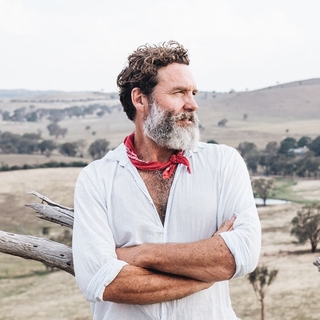
If people want to get healthy,
They're going to choose good things to put in their mouth that they're going to consume.
And humans are just an expression of an ecosystem.
It's a way I've always felt and thought about it,
Is that you're an expression of the food you eat,
The air you breathe,
And the environment that you're in.
And if you want to connect with a healthy environment,
You've got to support good farming practices,
Get good food into you.
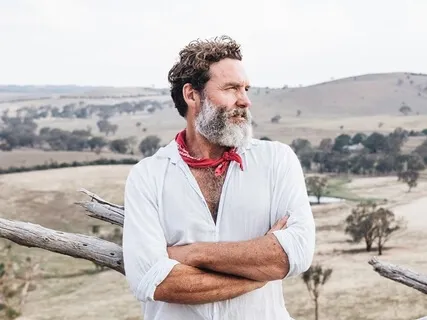
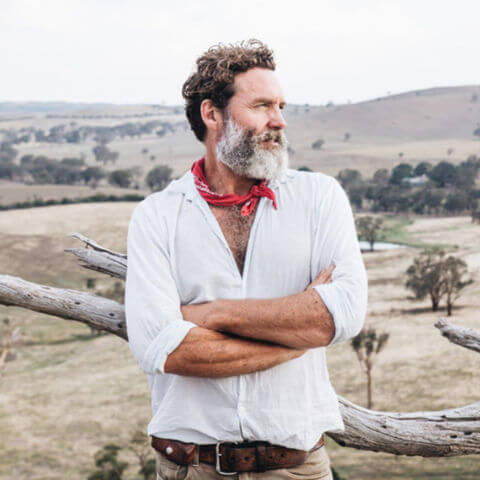
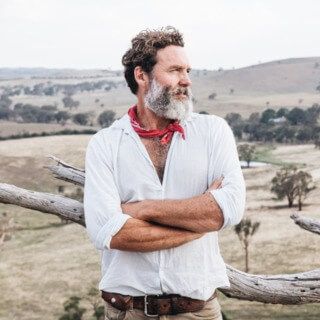
That was Aaron McKenzie,
And you're listening to The Regenerative Journey.
We acknowledge the traditional custodians of country throughout Australia and internationally,
And their continuing connection to country,
Culture,
Community,
Land,
Sea and sky.
And we pay our respects to elders past,
Present and emerging.
G'day,
I'm your host,
Charlie Arnott,
An eighth generational Australian regenerative farmer.
And in this podcast series,
I'll be diving deep and exploring my guests' unique perspectives on the world,
So you can apply their experience and knowledge to cultivate your own transition to a more regenerative way of life.
Welcome to The Regenerative Journey with your host,
Charlie Arnott.
G'day,
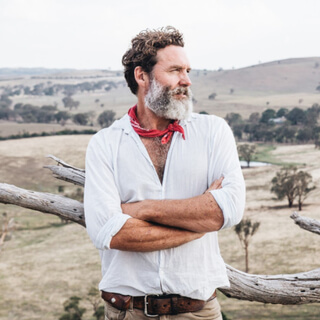
Today's interview is with Aaron McKenzie of Origins of Energy.
I've been following Aaron and have known Aaron for quite a few years now and loving the work he's doing.
He's all about mental,
Spiritual and physical health.
And he has a studio here in Sydney,
Which we had a very recently echoey sort of interview in,
As you can probably hear.
But nonetheless,
Aaron did an experiment on himself a year or so ago,
A carnivore diet for nearly 12 months.
He ate a cow and two sheep over a sort of a 10-month period,
Which was very interesting.
He learned a lot from that experience,
Blew a few myths away as well.
We talked about connection with nature,
About his regenerative journey growing up and his,
I guess,
A number of epiphanies he had along the way,
Which moved him into a much better place and has really set him on the trajectory he's on now.
And one of the few physical and health instructors or fitness coaches and life coaches in some ways that is actually identifying and acknowledging the connection of his clients with nature and their food.
And the food is not just a fuel,
The food is more than that,
Much more than that.
So I hope you enjoy this episode of the regenerative journey with Aaron McKenzie as much as I did.
He's a legend.
Aaron McKenzie,
Welcome to your fitness health studio.
By no junction.
This is the first time I've actually done an interview on a bouncy ball.
Yeah,
It's good to say.
This is called the regenerative journey,
Obviously,
Because it's about digging deep into people's journeys,
Their life journeys and so on.
I've been following you for some time now.
Well,
Not even stalking yet,
I've been pretty,
You know,
I'm a bit of a,
You know,
Front and centre.
Aaron,
Can we,
Well,
Welcome for a start.
Thank you.
And we're sitting in your,
Yeah,
Good to see you too mate,
It's been a while,
It's been at least 12 months or more.
And it's been,
It's taken a while to actually pin Aaron down because he's had lots of changes and sort of location changes of his studio and things which you can get into.
I'm also conscious of your time because you've very kindly squeezed me into it between,
You know,
Between sessions.
If I'm not careful,
I'll get swept up and I'll be out in the park running and training in the next session.
So I just go to my questions.
Just can we start,
What is it,
I guess,
You know,
This,
We're in your studio and I take my interviewees to their happy place.
That's where I like to interview them.
You know,
What is it for you to be in a studio,
You know,
This one or other ones that,
You know,
What does it mean for you to be in that sort of environment?
Well,
It's a place for people to come,
Sorry,
For them to work on themselves,
Regenerate themselves and take steps towards creating a better life and getting more out of this experience of life.
And this is your,
When your work environment,
It's your craft,
It's your,
What's the word,
It's your,
This is your world,
Isn't it really?
This is the world you are the,
I guess,
Not the professional,
I'm struggling for words here,
You're an artisan of your craft and this is your workshop as it were.
And the people that come in here are what you're helping to create.
Yeah,
I'm helping to coach them,
You know,
To facilitate the change you're after and make that an easier process.
You're sculpting them in a way.
Yeah,
Teaching them how to sculpt themselves.
And tell me,
I was going to ask you later,
But we're onto it now,
Tell me,
You know,
Mind,
Body,
Spirit.
Yeah,
It's always.
It's not just like go and pump these weights.
Totally,
It is all,
Life is an integrated thing and you can't divide it,
Like,
You know,
You can't separate it.
You have to address every part of it to get results and sometimes people will focus on the physical to alleviate stress and to make progress,
To make it easier to deal with the emotional,
Spiritual and mental sides of life.
And that can be a way forward to free up energy to have that,
To handle the energy that's required or to be able to accumulate that that's required to make the changes that you're trying to make.
I want to dig into that a bit later on,
I want to start at the beginning,
Wherever you want to,
As far back as you want to go.
Because,
You know,
I imagine that there were some times in your life that were some turning points,
Some epiphanies,
Some moments of the catalyzed change.
I want to get to that,
But I want to sort of know,
Get to put you into context of your life before those and then start anywhere,
Anywhere you're comfortable starting.
Yeah,
Well,
I guess going through high school,
I wasn't really into it,
Left and I kind of wasn't going anywhere.
Where was that?
When I was in school,
I was here in Sydney.
That's right.
Left school at 13,
I just decided it wasn't for me.
So after a couple of years of bumming around and not doing much skateboarding and eating bad food and having,
My skin just got worse and worse and it was kind of a driver for me.
It was something I wanted to change.
I was doing the rounds of doctors and people to try and get advice on what to do and taking different things to try and make it better.
And then I ended up with a naturopath that turned me onto whole food eating and that really transformed me.
It was the first thing that alleviated the condition after trying so many different things and it gave me more energy and it gave me a better outlook on life.
I started training at the gym,
Started doing martial arts.
I went back and did my school certificate and then did my high school certificate at college and yeah,
From that I realised I could choose what this experience was,
That I could choose things each day to make my life better.
Choose what I put in my mouth,
Choose how I structure my day and yeah,
Be the director.
When you were in your teens and bad skinned,
Was there a moment where you went,
I'm over this?
Yeah,
Totally.
There was,
You know,
Just like that hitting that point where my life's going to amount to nothing.
But what was,
Was there something,
Did someone say something to you or you know,
Was there sort of like a,
Some- I think it's just hitting that low point of just seeing no- Oh shit.
No future that was desirable and then realising,
Well,
Hey,
You know,
I can do something about it.
I did read a book,
One of my mum's bosses,
He dropped off all these kind of self-help books and one of them was actually a word power book,
Which sounds a bit weird learning- Word power.
Yeah,
Yeah,
Religious learning new words.
Oh,
Okay,
Cool.
What it did,
It just helped me realise that I could learn and I could expand my brain and see life in a new way by learning a broader vocabulary.
And that was really powerful,
It was instrumental in just having that realisation that I'm in control of this life.
And when I started going to the gym and training,
My body changed,
Energy changed,
Eating better,
Cooking my own food,
Everything kind of went in a better direction and started working.
And then I finished my high school certificate and then I- So you went back?
Yeah,
I went back.
I ended up kind of- Because you went,
I can do this or I need to do this.
Yeah,
Yeah,
Yeah,
Or I need to do this.
And I was actually studying design,
I did a design certificate at the same time my plan was to become an architect.
I liked drawing,
I liked doing that.
And then I did a martial arts instructor's course and part of that was a personal training course and I did that and I started working at gym and haven't stopped.
So I was 18,
19 when I started doing this work,
43 next month.
Good for you.
Yeah,
It's been great.
I just love coaching people,
Helping people and helping them understand that they've got options,
There's always options.
And you go through ups and downs in life,
But you can always get things back on track.
Within your power.
It's interesting you talk about that power words.
Is that the word,
Power words?
That's very Tony Robbins,
Which I did a bit of years ago.
The power of your intention through your words and your language and then there's the physicality,
Standing up straight and sort of your presence and that sort of thing.
It's easy to forget,
Isn't it?
We can just be lazy with our language and language.
You just get into a routine and you feel slumped all the time.
You eat not so well,
Don't sleep so well,
Stop moving as much and then you're just grinding away trying to pay the bills and just keep everything moving along.
Very domestic.
Yeah,
And it's very uncomfortable and people kind of get trapped in that.
So you've really got to kind of stand up to yourself and take charge of your life.
It's a bit like the boiling frog,
Isn't it?
Oh yeah,
You don't realise it really is that point.
We're getting a bit of echo because we're in a small space in your studio here,
Aaron,
Which is actually a … It's a residential apartment.
I had to put it a code,
It was like going to a secret chamber.
It's pretty full on.
I mean,
I think most gyms are affected by COVID and the transition and I've got a new development across the road that's been waiting for that to finish and that's a couple of years behind,
Which is a real nightmare.
So I had the … where you saw me last,
That you came to last time and my lease was up just as COVID was last year around or June it was up and that still hadn't been announced that gyms are going to reopen or not.
So I wasn't really sure what to do and singing G's and watching what's happening overseas and thinking,
Gee,
How long will this last?
And I thought,
Okay,
Well,
I'll just pull the plug until the new development finishes.
But then that just got put on hold and went nowhere.
So that was supposed to finish and was supposed to go into there.
So now I'm just kind of in limbo looking after my price.
Are you managing pretty well?
This is great.
There's a little kitchenette behind us there.
Those on YouTube can do.
That's true.
Yeah,
It works.
I mean,
It's a pretty low overhead model.
I haven't been able to look after all my clients better,
The bulk of them.
The view is not too bad.
Yeah,
It's actually … Actually,
Mum and Dad used to have a unit in that building right there.
Oh,
Right.
Yeah,
It's good views from there.
Years ago,
Just after I finished school,
It was very handy.
So in your 20s,
Finding your feet,
Conscious of health,
Your physicality,
Mental state,
Through those 20s,
I guess at some point you started a business?
Yeah.
Oh,
Yeah,
Straight away.
Straight away after school,
But same business I have now is what I had then.
That's it.
Training clients.
I was working on a gym floor and what used to be health and fitness first.
And then I just started taking on clients and did that.
And I did their internal training for their trainers because I was very passionate about it and wanted to help other trainers feel that.
And benefit from what I was doing that was making my life better in terms of business as well as just running,
Just helping people change.
Talking about helping people change,
We have quite a few farmers,
I guess,
And people living in the country listening as well as our very loyal and lovely urban listeners.
Is there … There's sort of a handful of tips or advice or something you can give them given that,
And we'll get to it,
So I'm probably asked about in my line of questioning here,
But Aaron's been to Hanaminah,
Our place,
And he's eaten our meat and he's … or get to your carnivore diet or carnivore chapter of your life.
So he understands,
And again,
We'll get to his understanding of regenerative agriculture,
So he's well placed to talk about this.
What are some techniques or some advice you can give to farmers about their health?
Just a handful coming?
Yeah,
Yeah.
I mean,
They're active people,
So they're moving.
It's just keeping a balance with everything.
People push themselves very hard mentally and physically,
Especially in that environment,
As you know,
And just taking the time to look after yourself and just see it as a day-by-day journey to make things better.
Just tick off the main things.
Get good sleep every night.
Have some type of wind down routine to relax the mind and make sure you're getting that good sleep.
And eat two to three good sit-down meals and relax,
And chew every mouthful and enjoy it.
And obviously in the farming environment,
Loneliness is a big issue,
So just maintaining your relationships with people that are important to you,
Staying connected.
And the movement side's there,
But it's just,
I guess,
Balancing that out with,
Because if you're obviously bending over all the time and just doing those kind of repetitive jobs,
Making sure you stretch out the body,
There's lots of different things you can do with that,
But just keeping it simple.
If you've got something to hang off and traction out the spine,
Because as soon as your back goes,
If you're a farmer and you need to do manual work,
Life is going to be very unpleasant.
And you see that in people,
Just in general,
Not just farmers,
But people that are uncomfortable in their body,
But still have to get work done.
And it makes you bitter,
It makes you angry,
It makes you short with the people that you love and you care about.
I had chronic neck pain for three years,
And really,
I manage it better probably than most people.
I try to stabilize and strengthen all the muscles to help it and do everything right posturally.
But I just kind of overuse,
Overtrained a bit and it took its toll on my neck.
But the mental capacity is reduced when you're in pain.
So it's so important to hydrate your body,
Nourish your body,
Get to bed on time and balance the body.
Think of it like an instrument that you ought to tune every day.
So if you know you're going to do a lot of physical work in a particular way,
You've got to stretch and strengthen the muscles to be able to handle that.
It's a bit more technical,
You know,
An individual,
But simple things like hanging off something with your feet on the ground even,
Just a traction out the shoulders,
Traction out the spine,
Keeping good posture and alignment through the day all make a huge difference.
First work is so powerful,
People don't,
You know,
Everyone's breathing,
But don't understand the value of it.
Conscious.
Conscious,
Breathing nice and deep.
So if you're sitting here now,
Just breathing in and out through the nose,
Keeping the spine aligned,
Feeling that belly be pushed out by the ribs expanding and the lungs pushing down into it,
Just taking that nice deep breath.
Really powerful stuff just to do that through the day,
Especially if you're,
You know,
A lot of farmers have debt,
Have high levels of stress or are alone and just pacing yourself and just obviously connecting with that environment that they're in.
It's great now when it's raining,
It's easy,
But you know,
Last time I saw you,
You know.
Well that was December,
Was it November?
November,
December,
Just keep your beat,
Get your beat and you'll have a fight there.
Yeah,
It was,
It was,
It was,
Yeah,
It was pretty,
Pretty challenging actually.
A lot's changed for both of us,
I think.
Aaron,
Let's talk about the regenerative ag stuff because just,
You know,
Just talking about coming down to Hana Minow and you were filming for Fuelled by the Sun,
A series of videos you did,
Wonderful videos,
Which was really,
I mean,
You were making a statement really as a urban health and fitness advocate,
You were stepping into a space that was a little foreign,
But you had a connection with,
Why did you do that?
Well,
If people want to get healthy,
They're going to choose good things to put in them after they're going to consume and humans are just an expression of an ecosystem.
It's a way I've always felt and thought about it is that you're an expression of the food you eat,
The air you breathe and the environment that you're in.
And if you want to connect with a healthy environment,
You've got to support good farming practices,
Get good food into you.
And that's,
That's a challenge for a lot of people,
Whether it's financially or just time-wise to make that extra effort.
And I get that,
But I was just quite extreme in my approach and I was trying to look for a way to consume food in a minimalist way that allowed for my body to regenerate and heal.
And it sounded really extreme just thinking about it,
Just eating meat and nothing else,
But I did that for a full year.
One full cow and two lambs is all I ate,
All the organs,
All the fat,
Everything.
And there's so much nutrition.
And in an animal is just a nutrient condenser.
So they can consume in that,
The grasses,
Which is an expression of the land there and the relationship with the soil.
And depending on that relationship and the health of the soil and the microorganisms there is going to determine the mineral content,
The level of nutrition in those grasses,
In the flesh of the animal,
The fat of the animal.
So when you consume that,
If they're all healthy in that chain,
Holding hands with the sun,
Then that's going to give you the optimal expression.
Prior to chemical agriculture,
Everything was organic.
It's not just about organic,
It's really supporting a cycle that is building life and allowing for evolution to occur.
So when an ecosystem is healthy,
It keeps wanting to improve itself.
If you're letting the soil get depleted and running it down,
Then everything that comes off that is more depleted and an expression of that.
So it's that whole regenerative process to build the foundation of human expression through good food that we need to nurture and support and understand more clearly.
We've become so disconnected,
Which is evident.
It's easy to understand why people are disconnected because it's so easy to just aircon and it's an odd day,
It's a cold day,
Put the heat on.
But it's convenient.
We've got water coming to you in an apartment.
You've got electricity,
You've got light,
You've got heat.
You've got entertainment.
You've got entertainment.
If you're UberEats,
You can just order food to come to you.
Mate,
There's no UberEats at Booru,
I tell you.
And there won't be those at the time.
I'm very egged on,
But it's fine.
And that convenience has lent itself to people,
I guess,
Disconnecting from the natural world.
So trying to get people to understand how they can make a practical connection,
Of what I do,
Is very extreme.
Are you looking for more information to assist you on your regenerative journey?
We've created an online community of supporters with exclusive access to interview transcripts,
Live online Q&A sessions with Charlie and his interviewees,
As well as the opportunity to be interviewed on the show yourself.
If you would like to be part of this community or would simply like to contribute to the development of the podcast series,
Please make your way to patreon.
Com forward slash the regenerative journey podcast.
We look forward to you becoming a member of the regenerative journey community.
Let's get back to this week's episode.
So just in case people missed that,
So Aaron ate a cow and two lambs over a 12 month period,
And that was it.
It worked out about 10 months ago.
So your body and your mind and your spirit and of course our skin absorbs stuff.
We know a lot of,
I think even up to 80% of what the only nutrition comes from,
The air you breathe and not just throughout,
But you Aaron McKenzie was an expression of that period of time.
And that was your life.
Which is similar to,
But in contrast to at the same time,
A movie like,
What was that fellow at McDonald's for?
It was not a reverse thing.
And he was in theory having a few more food groups.
And he had something that probably called lettuce in there and a veggie,
The gherkin and some unidentifiable mayonnaise in there as well.
And a bit of onion,
Whatever he was eating and the potatoes.
So well done you for sticking to it.
I mean,
It was,
I mean,
You came down and you were just,
We ate that night lamb and all beef.
And I got my beef.
You did too.
And you brought bones that you put in the composter to make sure you were doing the full cycle.
I mean,
That's fascinating.
I told mum that yesterday.
Oh,
He's hard food.
Sorry mum,
I'm trying to impersonate you.
Oh,
He's hard.
He mustn't have been much good.
He wouldn't have said much.
You're much more romantically correct than that.
That didn't sound like my mother at all.
But you know,
A traditional mindset is,
You know,
You've got to have your full compliment.
And I'm not saying we should all go out and eat meat for 12 months.
It's more the point that.
What are the basic needs of the human body for optimal expression?
And also what are some of the myths?
I mean,
What myths did you challenge in that experiment?
Yeah,
Well,
Obviously everyone has a feeling that X amount of fruits and vegetables is healthy and consuming those foods.
And if you go back,
Look at the predominantly consumed meat,
That's why we're here.
We've consumed all different plants and all those plants have their own natural pesticides that have to be dealt with.
And that's why we have the culinary arts,
You know,
Different cooking practices,
Fermenting,
Peeling different things so that that way to make all those plants more digestible for the human digestive system and to make them taste better.
So understanding that if you look at all traditional cultures,
They had methods of working with plants.
And we've been cooking food for over 500,
000 years.
So it's a long time.
And there's a good reason for that because it made things more digestible,
More things that were inedible,
Digestible and allows us to be here.
But if you go out in the wild,
The one thing you know for sure that you can eat if you're in a foreign environment is you can eat meat.
Whereas you look at all the different plants and you don't know what they are.
It's a bit of Russian roulette in my eyes.
Quite literally.
Oh totally.
There's very few plants that humans can eat.
And the ones that we do eat,
You know,
We've hybridized and we've made them more edible.
Then we also have to,
You know,
If we eat them in excess,
In a certain state,
They're not going to be good.
That's why we developed fermenting.
Although,
You know,
Australian,
Aboriginals had all different ways of preparing bush tucker to make sure that they didn't give you a bellyache or didn't kill you.
So that's really fascinating to me,
That whole thing.
And everything you need for a healthy human body is within an animal,
If that animal is healthy.
And tell us about that forgotten fifth quarter.
Yeah,
The organ meats.
People think that that live is an organ of detoxification.
No,
It's a storehouse of nutrition and it allows for the body to be very healthy and it stores a lot of nutrition.
That's why it was prized amongst traditional cultures.
So having those things brings that level of nutrition up in the body.
And that was the only way I was able to do what I did.
I was only having 800 grams of meat,
Including organ meats,
Including the animal fat.
So that's the other myth is,
You know,
The whole animal fat thing,
You know,
That fat's going to give you heart disease.
So I got all my blood work done before and after and had a CAT scan done to see it.
And I've had a high animal fat diet for a long time.
And there's nothing there.
There's no issue there.
You didn't have to go on,
What's that bloody blood thinning stuff?
Yeah,
Yeah.
I can't think of the name.
Statin drugs.
Statin drugs,
Which apparently I'm led to believe there's some science now around that leading to Alzheimer's and Parkinson's.
Yeah,
There's all different side effects to it.
But,
You know,
That's a shame because it's,
You know,
We're in a medical system that looks at people as a commodity,
As a market to sell to and to make profit from.
And as much as it wants to help people,
A lot of people benefit from different medications and saying that they don't,
There's just an over prescription prior to getting the lifestyle right,
Prior to getting to bed on time,
Prior to,
You know,
Drinking water,
Movement and good food.
And those were the foundation before people were meditating.
And I think we'd probably be in a better place for humanity.
And there's money involved and there's,
People want convenience as well.
When you can take something that changes the blood results straight away,
Not necessarily making you healthy,
But it looks healthier on paper,
If that's how you're measuring things.
What you were doing,
You were doing your own experiments.
So you were in control of that,
Which is a powerful thing.
And we all can choose to do that.
You know,
It's an interesting point you make that,
You know,
Most of society is having an experiment done on them.
Not even a year off.
And they're just getting by their taste buds or their next experience of fulfillment.
You know,
It's that instant gratification with everything.
Or the next,
Excuse me,
The next health challenge they meet.
And then also,
You know,
Diet.
That redirects them.
Yeah.
You know,
Like,
I know,
Don't,
Let's not look at your diet.
Let's,
Here's a pill that's going to offset whatever you've got.
You're on a list of different things that have all different interactions.
So I think,
You know,
My main message is always just get back to basics and work on it.
And that sounds easy.
It's hard work to be consistent with it and to work out what's the most important thing to do first.
What is the most important thing to do first?
You know,
Someone who's listening,
They're feeling,
You know,
They're a bit,
Whether it's feeling off color,
You're a bit overweight,
You know,
They're just acknowledging that they could probably do a little better.
You know,
What are the first couple of steps that ease them into that?
You know,
Apart from,
You mentioned before,
You know,
Just getting some good sleep.
Yeah.
Good sleep is so important because that regulates your hormones.
So your appetite's not through the roof.
If you haven't had enough sleep,
You're going to find that you've got cravings.
You're going to reach for sugar just to get through the day or caffeine.
So that makes it a lot harder.
And then having two to three good sit down meals as opposed to snacking,
Because you're having to snack to bring your blood sugar up all the time just to maintain mental performance and just stay away.
And that's not good or not to not be irritable.
And it depended on that as opposed to having a really good meal that satisfies you and gives you long sustained energy.
And the other thing that,
You know,
It's having that daily fast,
You know,
Going without food for,
You know,
If you can get through 14 hours a day or 16 hours a day of not eating.
And that includes while you're asleep.
Just having an eight to 10 hour feeding window that has remarkable benefits.
I think people straight away get up,
Snack into it.
Something sugary,
You know,
Starts of the day and then they're consuming throughout the whole day and then just before they go to sleep,
Whereas if you can stop eating about three hours before you go to sleep,
You're going to have a bit of sleep.
If you can go that time without eating,
Then there's a chance if you're overweight to dip into those reserves and let the body use that for fuel.
A natural process.
And it is a natural process.
I mean,
The whole thing of just three square meals at the exact time of day is a very industrialized thing which wouldn't have happened before.
So we are,
We evolved to go for long periods without food.
So we can do that and it's something that we should have the flexibility to do rather than,
You know,
Having a meltdown if you don't eat something for three hours.
If you've got a blood sugar load,
You should be able to handle that and have that flexibility metabolically to balance yourself out.
So I,
You know,
The general things I get people to do have two to three good sit down meals.
You know,
Don't eat for at least 12 hours a day,
But if you can get that up to 16 hours a day,
We're not eating.
Really powerful.
Get some general movement.
If you can do some walking every day and a bit of strength training a couple of times a week to keep the muscle mass active because we're quite sedentary.
Sit with good posture,
Stand with good posture,
Breathe deeply,
Nurture the people that you love and care about.
Actually take the time for them.
Learn to say no.
And just be able to prioritize this.
I think it's the hardest thing most people find to do is to make sure that you take the time to figure out what's going to help me achieve my main objective.
And I think that's been a big transformational thing for me is to look at my life differently and this whole situation with COVID and having my kind of income change and my business have to change and adapt to that like everybody world over.
Some people have done quite well through it,
But a lot of people are struggling because of it.
Not so much in Australia,
But I'm in contact with trainers all over the world.
It's challenging,
But you get a kick in the pants to say,
Okay,
What's most important right now?
Family,
Friends,
Self,
Eating well.
Time for a reset.
Yeah.
And as awful as it is,
It can help people like you know,
These hard times can help take you to a better place and help you realize that you're wasting time,
Energy,
Effort in things that weren't as important as the people you love or just the main objective of having that happy family unit.
So just on that,
What's a learning,
Like a learning you've had in the last 12 months,
Like a,
I'm not going to do that again,
Or that was a this and I'm going to do that,
Stop doing,
Start doing.
Yeah.
Well,
The carnivore diet was a very interesting experiment and it was quite extreme,
But at the same time,
It's challenging for the people around you to understand it.
Even if they understand it,
It's still quite socially isolating.
Did you go to any dinner parties at all?
Well,
Yeah,
You brought your mate to a pan of bread.
But eating out all of those things,
Which is so important for your partner and your family to have that connection over food.
And even though I was doing it for my own personal reasons,
For inflammation in my body and another skin condition I had like a psoriasis thing that they say is incurable,
But it worked very well.
And for inflammation in my body,
It got rid of,
It was quite restrictive and limiting for those around me.
So what can you eat?
The joy of eating with a group of people is so important.
So I've integrated plants back into my diet.
I don't think it's an extreme thing that people need to do.
I found it beneficial for me,
But I find it much more relaxing and much more therapeutic to have a good meal with my family and not have that thing of,
I know he's only eating that or whatever.
It just helps the people around you relax a lot more and connect with you.
And have those discussions about,
Oh,
You're going to die eating meat.
And I did it pretty extreme.
So I was just testing,
I did 800 grams a day and I was doing about two,
Two and a half thousand calories a day.
So I lost quite a significant amount of weight.
I maintain most of my strength,
But because you're not having carbohydrate,
Your body gets smaller,
Not as attractive for your significant other.
You're being more muscular.
So as you can see now,
I've probably put on about 10 kilos since I saw you.
And that was just by having carbohydrate,
Putting that back into the body.
So having some white rice,
Which is quite well tolerated by the body and being consumed over the planet for a long time.
And then just different plants and things like that work quite well.
Well,
That was a,
Excuse me,
That was a,
I've got some inflammation in my throat,
That was a good learning.
And that information,
Can people access the numbers and things?
Is that something that you get?
Oh,
My blood work,
I've got videos on YouTube going through all my blood work.
I want to do some more recent things,
Just explaining the transition.
Cause it is a trap that people fall into.
It's the health world.
You are a little bit good,
Some more must be better.
So a vegan diet works for X amount of time.
So I'm going to go extreme on it.
And then people go,
Okay,
Just push a bit harder,
Push a bit harder.
And then they end up with nutrient deficiencies over time.
And they don't see them because they've got such an emotional response from the initial benefits that they get stuck in.
And it's the same with fasting,
You know,
The whole intermittent fasting thing.
Okay,
If I just do 18 hours a day,
I do one meal a day.
And I did one meal a day for three months just as a test.
And that was pretty harsh on the body,
Lost weight.
I felt good mentally.
But you can easily get into this state,
People over exercising,
Over doing it.
And it becomes your dysfunction.
And from 25 years in the industry,
I've seen all of those things where people just abuse themselves with something that was initially very therapeutic and helped them.
But because other things in their life are going on that are challenging,
They kind of pigeonhole themselves into something that's giving them some relief,
That they overdo it to the point that it becomes dysfunctional and becomes actually self abuse.
Becomes a crutch.
Yeah.
Whether it's the way you eat,
Whether it's training or whether it's just a way of doing things.
I am just conscious of time.
Yeah,
Yeah.
What is the time now?
I think I've got to finish up.
You've got two minutes.
Okay.
What are you most excited about right now?
Apart from finishing this interview and getting to know you.
Yeah,
Yeah.
Yeah,
Yeah.
Just enjoying my life,
Spending time with my family.
And I love this whole regenerative movement and I've got pretty extreme in it.
And I've been very passionate about it for a long time and it's easy to want to save the world.
Especially once you understand what it means.
I think that's the hardest thing for me is to be able to step back and go,
Okay,
As much as this is obvious to me,
Other people don't see it in the same way.
Just accepting other people's point of view and being more relaxed about it.
And say,
We've got to find a way,
Like you and me have said,
We've got to find a way to make farming sexy and make this whole regenerative path sexy to people.
Otherwise there's just no buying.
But if we can't live a life that looks good.
When I was doing a street carnival diet and I started to look gaunt and very passionate about my beliefs,
It pushes people the wrong way.
So it's got to be attractive and it's got to be something that's doable,
Enjoyable,
And it fits into the modern day lifestyle.
If it's too extreme,
It just pushes people the wrong way.
And I think that's a huge thing for me.
And I'm excited about trying to find a way to integrate things that are very beneficial for the individual,
The planet into a lifestyle that people want to live,
That are excited to live,
That wake up every day,
Going,
I'm in love with my life,
I'm in love with my family and I'm happy about what I'm doing.
That's the only way I can see it working,
Which is challenging now because we've got so many distractions and so much that can be offered through these things that is just fun and interesting.
It stops you from doing the real work and doing the basics well.
It makes things complicated.
But I think just turning that off and connecting with people you love,
Eating good food,
Just doing the basic things,
But then making sure that it's enjoyable.
Yeah.
And adapting,
Adapting to the environment,
Adapting to the times and adapting some of the methods that you're espousing to your life.
Mate,
You got to go.
That was wonderful.
We are going to do a part two.
I'm going to track you down and we're going to finish this off because we only just touched the surface.
We've had some chats before and we went deep.
So we've got to do that again.
So let's do that.
I'm not sure when I can,
I might have to run alongside you on the thing with the microphone or something.
Mate,
Well done.
Thank you so much for your time Aaron and loving your journey and looking forward to sharing your Virginia journey with our listeners in a month or two,
Six weeks.
Awesome.
Sounds good.
Right mate,
You better go.
Yeah,
Keep up the great work.
Thank you for all your hard work.
You too,
Mate.
Well done.
Thanks for having us.
Thanks for having us.
This podcast is produced by Rhys Jones at Jäger Media.
If you enjoyed this episode,
Please feel free to subscribe,
Share,
Rate and review.
For more episode information,
Please head over to www.
Charlianet.
Com.
Au.