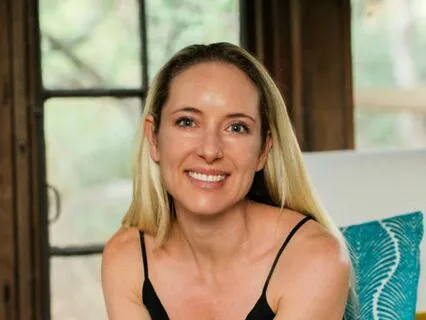
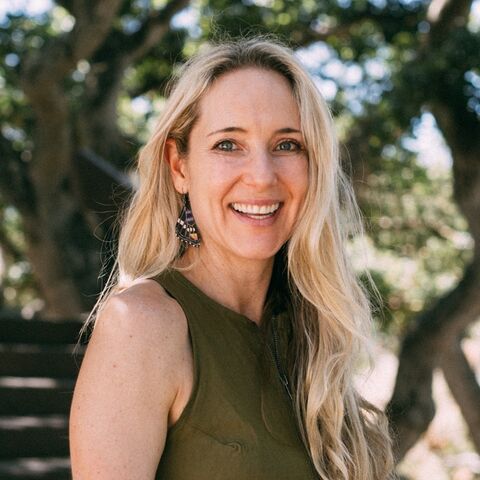
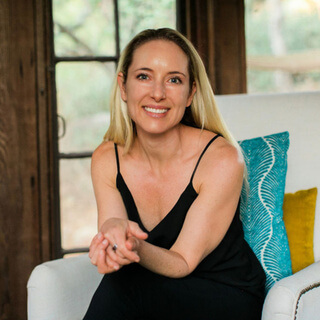
How does nutrition impact your brain health and how can you intervene at the individual and policy level so that all brains can have the best chance at health?
That's what we're going to explore today with Kimberly Wilson on Your Life in Process.
Welcome back to Your Life in Process.
Thank you members of More Life in Process.
I so appreciate your support and for those of you that want to get started on a meditation practice with me this summer,
I'm hosting a summer-long series of Back to the Basics with Christy Peterson at Yoga Soup online and in person Friday mornings and if you're a member you're going to get access to those.
So go sign up for my Yoga Soup series or become a member of More Life in Process and get your meditation practice started.
So this season is all about wise effort and I recently wrote a blog post for Psychology Today talking about wise effort and how before taking on a project it's a good idea to ask ourselves these four questions.
One,
Does it contribute to the life that you want to build?
Two,
Does it use your natural gifts and strengths?
Three,
Does it serve more than just you?
And four,
Is it fun?
And when we think about nutrition and eating,
So much of our habits around food and also our cultural sort of tendency around food is not looking at how our eating is contributing to the life that we want to build or even the planet that we want to build.
It's not using our natural gifts and strengths around cooking or gathering food or being creative with our food and is also not serving more than just us and for many of us we've lost the fun in cooking and eating.
So this episode is about bringing some wise effort to your nutrition and so that you are eating in a way that is beneficial for your body,
Your brain health and also that we're contributing in a bigger way to not just our own personal brain health and our own personal little families but to our communities.
We're all interconnected folks.
When your brain is healthy it's going to impact me in a positive way and when my brain is healthy it's going to impact you in a positive way.
This is the nature of our interbeing,
Our interconnection.
So when we're thinking about wise effort and eating and nutrition I don't know if there's anyone out there that's doing a better job at this than Kimberly Wilson.
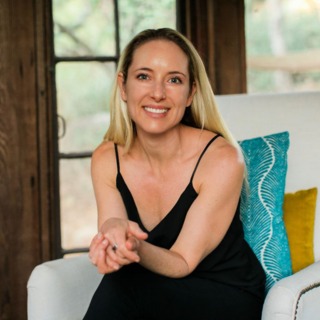
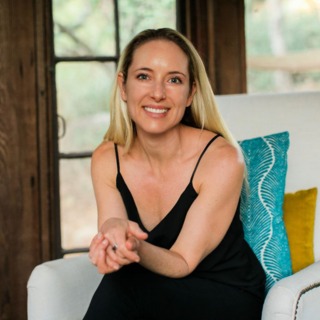
Kimberly Wilson is a chartered psychologist and author of Unprocessed how the food we eat isn't fueling our mental health crisis.
She's also a visiting lecturer working in private practice in central London.
She is the governor of Tavisoc in Portman NHS Mental Health Trust and formal chair of the British Psychological Society's training committee in counseling psychology.
What's so fun about her is she's also a former finalist on the Great British Bake Off and an award-winning food producer with a degree in nutrition.
Today we're going to be talking about all about the science of nutrition and brain health.
We're going to talk about the role of omega-3 fatty acids and things like neurogenesis,
Cell signaling,
How fatty acids protect against inflammation and oxidative stress.
We're going to talk about maternal nutrition,
How the health of your brain starts before you were born and some key nutrients that pregnant mothers need,
Babies need.
And then we're also going to be talking at the policy level what you can be doing to support the brain health of not just your family but people in your community.
So this is an example of putting a little bit more wise effort into your eating,
Into your nutrition,
Not only to benefit you but to benefit the greater good.
Enjoy Kimberly Wilson.
It's so good to have you.
It's so lovely to be back.
Thank you.
Yeah,
Lovely.
And I will say I do have favorites and you are one of my favorites.
I can't say that in front of my children.
But our conversation,
It was actually for a summit,
It wasn't for this podcast,
But it was for the From Striving to Thriving Summit and it was our conversation about your first book and then you came out with another book so quickly.
I was like,
Wow,
What are you doing?
You're so busy and really passionate about this work,
Obviously.
So I'm excited to talk with you about Unprocessed today,
Which is a deeper dive into nutrition and brain health and policy,
Which it's such a beautiful weeding of the two because we're not just going to talk about,
Yes,
Go make some sauerkraut and that'll make you healthier,
Although we can talk about that.
It's also about how our nutrition is impacted by policy and is actually impacting the most vulnerable populations,
Our children,
Our elders,
Our populations that don't have resources.
So we're going to hopefully hit on all of those as you beautifully do in Unprocessed.
Thank you.
Great.
Well,
You actually close your book with Our Brains Are in Trouble and you talk all about the different ways that they are,
But we're facing a mental health crisis,
Rates of mental illness and neurodegenerative disease are on the rise.
IQs are on the decline.
There's so much about nutrition that's important for our brain health.
And let's start there in terms of why is nutrition so central to a healthy brain?
Yeah.
And in the book,
What I've tried to do is to really answer that question across the lifespan.
So really starting from preconception.
And I say preconception because we're quite familiar with the idea that once a woman is pregnant,
Then it's good to have the folic acid and make sure she's getting the omega-3s and those sorts of things.
But actually,
There is emerging,
Actually not even emerging,
Quite strong evidence now that that might be a bit late in terms of the very early foundations of brain health.
Because the neural crest,
The kind of structure that becomes the brain and spinal column,
Really is one of the very,
Very early structures to develop,
As well as the circulatory system,
Which feeds the brain.
There's some of the very,
Very earliest cells to differentiate and organs to start to develop.
And they need particular nutrients in order to do that.
And they need those to be at a good status at the point of conception.
So there is quite a big concern that once someone is pregnant and they're kind of maybe 4,
8,
12 weeks in,
Because it can be that long before you realize you're pregnant,
That actually some of those very early structures might already be a little bit compromised.
So ensuring that those nutrients,
In particular at that point,
Iodine,
DHA,
Arachidonic acid,
Choline are present in good levels in the maternal bloodstream in order to get that started.
And what's worrying about those nutrients is that in both our populations,
The UK and US,
There is widespread evidence of deficiency.
In the UK,
67% of women who are pregnant women are deficient in iodine.
And iodine is considered by the World Health Organization to be the single biggest preventable cause of brain damage worldwide.
So we're already seeing these associations and the poorer,
The lower the iodine status,
The lower the IQ in the offspring.
So there's this kind of clear correlation,
This clear relationship between these two things.
So that's preconception.
And then,
Of course,
The brain continues to develop.
We think about the first thousand days as being this really crucial period of brain development is when the brain is most rapidly growing and building its connections.
And so those first thousand days,
Kind of conception issue around the age of two,
Are really important,
Again,
For these key nutrients,
DHA,
Choline.
Iodine continues to be important.
And making sure that children and the child is being breastfed,
The mother still continues to get those decent levels of those nutrients into her diet.
That continues to be an issue across the lifespan to the point in which we know that improved diet,
Taking care of your overall diet quality reduces your risk significantly of Alzheimer's disease and other dementias and can halt and sometimes reverse mild cognitive impairment,
Which can be a precursor,
Certainly a risk factor to Alzheimer's disease.
And really the big concern is that these key nutrients,
Because so much of our diet is comprised of convenience foods,
Of what we call ultra-processed foods,
Very quick foods,
Which by definition,
Whenever you process something,
You're taking something away from it,
And by definition are lower in these nutrients than whole foods.
What we've got essentially is an entire population who is deficient in nutrients that are essential for brain development and healthy function.
And so broadly,
That's why I think our brains are in trouble.
There's so much to unpack there.
I want to go into some of those nutrients in more detail the way that you do in the book,
But I will say stress and too much to do and the convenience of these foods just available to us makes it this sort of vicious cycle.
So we're busy,
We have families to take care of,
Working families,
And it's so much easier just to go grab one of those bars,
Put it in your pocket and eat one of those than to sit down and make some eggs and get your iodine,
Right?
So this is one of the real,
I think,
Challenges for folks,
Especially for folks that are really strapped in terms of time and resources.
But let's start with.
.
.
DHA is such an important one.
Omega-3s is such an important one that's a thread throughout your book.
And I loved,
Loved,
Loved your metaphor about the dinner table with empty chairs describing why this fat is different and why this fat is also helpful for our brain in so many different ways.
So let's start there because I will say since reading your book,
I'm making a conscious effort to get more fish into my kid's diet.
And this is something that we're not doing a lot of or a lot of us are not eating enough omega-3s.
So tell us a little bit more about DHA and its importance for brain health.
Sure.
So DHA is quite unusual in terms of its flexibility.
So it has this incredibly long structure.
It's very unsaturated.
So there's lots of kind of empty chairs in the analogy,
Which means actually it can fold into these different configurations.
The reason that that is important for brain health is because what it provides to your brain cell membrane is fluidity.
And the reason you want fluidity,
The analogy I quite like is if you imagine your brain or even your brain cells at a busy restaurant,
You're going to have customers and ingredients coming in and they get used up and converted and served.
And then you've got waste products being created that needs to be removed.
And what you want really is doors that work so that the customers and ingredients can get in and you can get rid of the buildup of that waste.
And some of that waste can be toxic to brain cells.
So that's that membrane fluidity.
You can imagine those are good swinging doors that open and let the things that you want in and the things that you want out to be taken away.
And when you don't have good membrane fluidity,
Then you have problems with getting things like amino acids and energy into the cell and removing the buildup of toxic proteins and other toxic waste,
Which can damage the function of the cell.
So there's something really important about having that membrane fluidity.
But then also DHA is very conductive.
It helps to conduct an electrical charge,
Which is essentially everything that your brain cells do.
And it's kind of pretty much better than other fats at doing this.
So in order to function in terms of the cell body,
But also to send messages from one cell to another,
Which is all of your thoughts,
Your hopes,
Your dreams,
Your ambitions,
Your goals,
Your actions,
Then you need DHA.
And then the other omega-3 fatty acid EPA is really important for managing inflammation and helping to ensure that there is this kind of management of inflammation in the body.
And in fact,
Lots of people talk about inflammation and we think,
We tend to think about inflammation almost as a fire,
You know,
A fire that rages,
It goes up and then it runs out of fuel and kind of peters out.
But that's actually not how it works.
Inflammation has to be switched off.
It's much more like a light switch that gets switched on.
And then it has to be actively turned off before you're able to get resolution of inflammation.
And the compounds that turn off inflammation are derivatives of EPA,
The omega-3 fatty acid.
So if you're not getting enough of these fats,
You simply can't make what are called pro-resolving molecules,
Resolving of that inflammation.
You can't make enough of them.
And then you're much more likely to have this ongoing level of inflammation in your body.
And that's what we don't want.
And so the low intake across our population of these omega-3 fats are a concern in terms of the structure of our brain cells,
The ability of them to communicate with one another,
And also the kind of regulation and modulation of that inflammatory response.
Low levels across our population,
But also low levels in certain groups of people.
So you write in your book in 2020,
A study was published that looked at fatty acid status compared to ethnicity,
Income and education level in 44,
000 people between 2003 and 2014.
And the results show that the lowest fatty acid intake was,
It was low in everyone,
But it was lowest in Mexican-Americans.
And there was an interaction between education level on omega-3 intake with high educations consuming more.
What is going on there in terms of,
Is it education?
Is it access?
Is it cost?
I mean,
I think about just getting fish at the market,
It's expensive.
It's really expensive.
Yeah.
Yeah.
It's a combination of all of those factors.
So one is,
Yes,
Absolutely.
Well,
There's an interaction between education and income,
Right?
So the higher level of education,
The more likely you are to have a higher income.
And so education might be a proxy,
A marker for your overall household income.
And the more disposable income you have,
The more likely you are to be able to afford not just things like oily fish and fresh produce,
But also supplements of omega-3 fatty acids and making sure you're getting those conception and pre-pregnancy supplements.
So there's that aspect.
So certainly in terms of access.
And then there might be specific education in terms of access to healthcare.
So is it the kind of more educated women and households who are able to access good prenatal care,
Who are able to kind of make an appointment to see a nutrition professional to get advice on what they should be eating for a healthy pregnancy?
And so you start getting these differentiations in the strata.
And then again,
That feeds back into the outcomes for the children.
Because if that's the case,
If it's that you have two streams of households,
One is wealthy,
Able to afford a more nutrient dense diet that is able to provide the nutrients that the developing brain needs,
Then that child is likely to have better IQ status.
They're likely to have,
The evidence shows,
Better concentration.
They're better able to sustain attention and focus.
And those factors are associated with better school outcomes,
Which is associated with better educational outcomes.
And you get this perpetuation of the cycle.
And as I say,
I'm not saying that nutrition is the whole story,
But we need to understand that nutrition plays this key role in its role in brain development,
In the cycle of poverty.
And in the cycle of stress,
Which is part of the cycle of poverty,
Right?
So I was fascinated by some of the research that you were presenting on,
You know,
Folks that have adverse childhood experiences and the role of omega-3s in actually mitigating some of the impact of stress on our brain.
What role does omega-3 play in terms of supporting our stress response?
I guess it's that turning down the volume of that inflammation again.
Exactly.
But isn't it extraordinary?
Because for forever,
You know,
We are practitioners or mental health practitioners,
And we have known this relationship between early childhood adversity and increased risk for things like depression and other psychological distress.
And so we've known that there's this relationship and,
You know,
The stress diathesis model and all of this.
And it seems to be something around the stress response and the interaction with the immune system such that when you have these early life traumas or difficult challenges,
It kind of presets your stress threshold.
So it means that your threshold is lower for to signal a stress response.
So you'll need to encounter,
You know,
A lower level of stress to trigger that stress response.
Your peak is higher,
And then it takes longer to come down to baseline.
And what we know about stress is that it's always coupled with inflammation because they're a kind of evolutionary two-step,
Right?
Because if we think about stress as your body signal of either a challenge coming in that we have to face or a threat that we have to invade,
Then what happens is if your body is saying,
Hey,
Listen,
There's a threat coming,
Your immune system says,
Don't worry,
I've got you.
If you get scratched,
Punched,
If you get an injury,
We are ready to go.
So whenever you get a rise in stress,
You get a rise in inflammation.
And so people who have had these early childhood experiences of adversity are living with this chronically elevated inflammation as an outcome of their stress response.
And so the evidence,
The study was showing that,
Yes,
There's a kind of buffering effect,
You know,
A biological buffering effect of the omega-3s because they're so important for switching off that inflammatory response that can help bring down the inflammation and help to buffer the stress response as well.
Extraordinary.
I just found that research absolutely extraordinary.
So I'm really hoping today's conversation offers two things to folks.
Well,
Maybe three things.
One is education,
But the other two are what can you do as an individual?
And then what can we do at the policy level?
Because that's what really sets you apart is your commitment and deep values around policy.
So omega-3s,
What can we do at the individual level?
And then what can we do at the policy level?
And that means like,
You know,
How much fish should we be eating or do supplements work as well?
People want to know that.
And then,
Yeah,
Obviously,
We need to do some stuff in terms of prenatal interventions.
So as an individual,
Most of the data,
So in most kind of Western countries,
The recommendation is for two portions of oily fish,
One to two portions of oily fish per week.
I say most Western countries because I know Finland recommends two to three.
In the UK,
We recommend that pregnant women take no more than two per week.
So not having it every day as really a precaution against mercury.
But even so,
Our National Health Service says the benefits of omega-3 far outweigh any potential risk of mercury toxicity.
And there's not really very good evidence of mercury toxicity from fish consumption.
So things like your salmon,
Trout,
Herring,
Anchovies,
Those sorts of fish are going to give you those omega-3 fatty acids.
I would also,
If people feel able,
Understanding that there's a difference in access,
If you,
I don't know if you have,
Do you have food banks as a kind of,
Yeah.
If you could donate,
If you can afford to donate omega-3 supplements as part of your food bank donation,
Because they're the kind of thing that,
Again,
When we donate to food banks,
It tends to be these kind of ultra processed foods because they last longer,
They're shelf stable,
They're quick to cook,
Or they don't require any cooking at all.
But what it also means is that people who are already suffering the most challenge economically are now even more kind of deprived in nutrient status.
So that can be a help thing to do if you can afford to do so.
Are supplements as good?
Ideally,
You're getting your nutrients from whole foods because if you're eating a piece of fish,
It's not just the omega-3 you're getting,
You're getting iodine,
You're getting B vitamins,
You're getting protein.
And the thing about DHA,
Which is really important actually to say,
Because I think lots of people miss this,
Is if you're going to take a supplement,
There are two things you need to bear in mind.
One is that you need to take it with the fattiest meal of the day,
Because what you need in order to absorb the fat at all into your bloodstream is the release of bile,
And bile will not be released without a decent amount of fat.
So people might be taking their supplements in the morning with a coffee and it's just going to go right through,
Nothing's going to happen.
And so make sure you're taking it with the fattiest meal of the day.
And then also you must have an adequate intake of B vitamins.
And there are lots of studies showing now that actually just giving people omega-3 supplementation isn't giving them the cognitive benefit that we think it should,
Unless they're also getting B vitamins.
Because what you need is a process called methylation,
Which is driven by B vitamins to kind of grab the omega-3 from the bloodstream and put it into that brain cell membrane.
So if you're taking a supplement,
So if you're eating the whole food,
You're probably going to get those in combination anyway.
But if you're taking a supplement,
Fattiest meal of the day,
And also make sure you're getting adequate B vitamins so that you can absorb your DHA supplement anyway.
Oh,
That's brilliant.
I hadn't heard that.
And it makes me think of you are what your mother ate,
But you're also what your grandmother ate.
And part of the lineage of my grandma to my mom was always when they made a salad dressing,
Was to put an anchovy in the salad dressing.
And that's sort of,
If you think about like a dark leafy green salad with an anchovy salad dressing on it,
You're getting those B vitamins and you're getting the fat and you're getting the omegas.
And some of this is traditionally how we were eating,
But we've gotten so far away from it that now we have to add supplements back into the food that's been stripped in some ways,
Right?
Yeah.
No,
Exactly.
No,
It's exactly that.
And even in as far as food manufacturing,
It's kind of like we as a food manufacturer will provide you with these ultra processed foods,
And then we'll also provide you with these functional food,
Which is again,
An ultra processed food,
But with added vitamins.
We're just,
We're taking them out of one food and giving them back to you in another.
And we make money both ways.
It's just this extraordinary kind of cycle.
In terms of policy,
I think there are a couple of things.
One of the things that I was really most dismayed to discover,
And I was very fortunate because I sit on a board for a brain nutrition research charity here in the UK called Think Through Nutrition.
And I just have access to the most wonderful researchers in the UK.
And one of them,
A guy called Simon Dial,
Has researched the status of omega-3 fats in donated breast milk.
And it's absolutely fascinating.
Because of course,
Premature babies,
They must be given breast milk because formula can increase the risk of an inflammatory gut disease that can be very,
Very,
Very harmful and potentially deadly for them.
So it must be breast milk.
So they have to have donated breast milk.
In the UK,
There is no standard and there is no advice for what a mother,
A woman should be eating when she's donating breast milk.
And what happens to it in transition when it's kind of taken from her and stored is that it gets pasteurized.
So it loses some of the beneficial bacteria that would help to kickstart the baby's gut microbiome.
But also in being moved from one bottle to another,
To being left in a fridge with lights on,
The fatty acids degrade.
And so these premature babies who are most in need because the brain's accumulation of DHA happens most in the last trimester.
So if you've been born earlier than that,
Then your brain is most in need of omega-3 fats.
And you're getting life-saving food,
But it's not providing those key nutrients in the way it would if you were having it direct,
I suppose.
So standards around donated breast milk and improving the way that it is treated to ensure that premature babies that are most at-risk babies are getting the nourishment and nutrients that they need.
I think we really need to,
And I don't know how it is for you guys,
But our food industry has a lot of money here and it has a lot of influence on the way policy is enacted.
There's been already,
The British Nutrition Foundation has posted a statement in a newspaper saying some ultra-processed foods can be part of a healthy diet,
Which is true,
That's fine.
But actually the big funders of the British Nutritional Foundation are Nestle and Mondelez and Kellogg.
So the biggest funders are the creators of the ultra-processed food.
So it's essentially a lobbying arm,
A marketing arm of the food manufacturers.
And so we need to,
I think,
Do what we can to release that stranglehold that they have over policy.
And it's hard to know exactly what to do about that.
One of the things I suggest in the book is just to make sure that you are letting your local representative know that you care about these things because they will tend to lobby for the things that will keep them in their seat.
And so they need to know that you care.
So write to them,
Attend their salons or their town halls and let them know that you care,
That everyone has access to a nutritionally dense diet,
That it shouldn't just be those who are wealthy,
The most well-educated that have access to a diet that allows them to have healthy brain development and a good life.
Because if we allow that,
Then what we're saying is,
Well,
We're basically saying that health is really the preserve of the rich and everybody else,
It's fine for them to be priced out of hell.
And that's just enough.
Yes.
Yes.
There's some of that subtle outrage written in your book towards Boris Johnson throughout.
I was like,
Wow,
You're just going for it,
Which is actually quite delightful to read.
We have our own outrage against some politicians here as well.
Sure.
So,
Yes,
I want to talk about another key nutrient that was interesting that you brought it up,
Which is choline.
We hear about omega-3s a lot,
But we don't hear about choline a lot.
And when I was pregnant,
I did something called the Bradley method,
Which was this natural child birth.
It was 12 weeks long and they gave you this dietary plan.
And then you met as a group and ended up having a totally medicalized C-section,
Not natural birth.
But the two benefits of that was not that I had a natural birth.
The two benefits were,
One,
The community that I developed of meeting with this group of people on a regular basis.
Then we had a built-in community after having a baby.
But the other one was this recommendation was around eating eggs.
And so,
I would,
Every morning,
I'd make eggs and greens for breakfast.
I mean,
When I could stomach it,
Because you can't.
Music to my ears.
And I felt so happy to hear about choline.
And now I have chickens.
So,
Tell us about choline and its benefits for kids and attention.
And why choline?
Sure.
And I feel like choline is the kind of lesser known little sister.
Originally,
In the introduction,
I likened it to Michael Jordan and Scottie Pippen.
Michael Jordan gets all of the praise and the shoes.
But actually,
It was Scottie Pippen who was always there side by side and setting it up and helping to make it happen.
And so,
Really,
When we think about DHA being essential for the brain cell membrane,
DHA,
Yes,
But it's not the only fat in town.
And actually,
Several derivatives of choline are part of the brain cell membrane.
So,
It's as important.
It's not one fat like DHA is,
But it creates derivatives that are part of the brain cell membrane.
Also,
What choline does is to donate a part of its molecule to what's called the one carbon cycle,
Which essentially is about the way that your DNA,
The way your gene function.
So,
It contributes to this one carbon cycle and the process of turning your genes on and off.
So,
Choline really is about gene expression.
And so,
If you want your genes to be properly and fully expressed and be doing what they should be doing,
That stuff obviously gets programmed during development.
So,
That's at least one,
Two reasons why you should care about it.
But then there's some really lovely data showing that when you supplement with choline during pregnancy,
Years later,
At age seven,
At age 11,
The children of those supplemented mothers have better sustained attention.
And the issue with that is that,
A,
The levels that they're supplemented with are almost double the adequate intake.
And the adequate intake isn't a recommended daily amount.
It's the amount that's considered to be roughly enough for people not to get liver disease.
It's such a mess.
So,
The recommendation for choline is based on a single study.
So,
The recommendation for choline during pregnancy is essentially derived from the amount that was required from a single study to prevent liver damage,
Because choline is required for healthy livers as well,
In men.
So,
There actually hasn't been any good data on how much choline is required for both the fetal compartment during this period of rapid brain development and to take care of the needs of the mother independently.
It's just this kind of vague extrapolation from a completely unrelated study in the opposite sex.
So,
That needs to be finished.
We need to work on that.
So,
You're the finalist of the Great British Bake Off,
Which I always have to remember that about you,
Because you have so many talents.
And last time I interviewed you,
I asked you about like a meal,
A typical meal that you would want to put on a plate.
And you talked about the mezze plate,
Which I loved,
With a little bit of olives and a little bit of nuts and a little bit of this and that.
But I also want to ask you about breakfast,
Because I just mentioned eggs and greens.
I feel like breakfast is one of the places that at least I tend to,
Or a lot of families that I see tend to go to the ultra-processed things because we don't have enough time to make breakfast.
And also,
It's just there's so much pre-packaged breakfast stuff.
How could we have a mega three choline breakfast?
And I want to talk about fiber next too.
What would be your go-to?
Okay.
Let's be realistic.
I think,
I mean,
You might need to,
Unless,
You know,
We have here,
Kippahs for breakfast isn't unheard of.
Kippahs are kind of salted herring.
Yes.
And you have it with poached eggs and toast.
So,
And that's more of a kind of slightly more relaxed kind of weekend breakfast,
But you could very easily.
I forgot about the poached egg.
That's so old school.
I love poached egg.
And I think the interesting thing about breakfast is because people will say things like,
Or about any meal is they will say,
You know,
What is the one thing I should have?
And I always want to remind people that the things that you think of as breakfast are very culturally derived and likely to have been very strongly marketed to you during your childhood.
So,
We expect in the West to have cereal and toast and things like that.
But if you were in Egypt,
You'd be having a lovely dish of fava beans with cumin and tomatoes and olive oil and delicious wholemeal bread.
In Persia,
They have a dish called adasi,
Which is a lentil soup with potatoes and turmeric.
And it's delicious.
It's really,
So I think we need to,
You know,
If you have the time and the resources,
You think a bit more broadly about what breakfast can be.
Don't limit yourself to just this kind of processed cereal.
Breakfast can be anything you want,
Really.
In Japan,
It's steamed rice and an egg yolk.
It can be anything you want.
And I think that's probably a good place for people to start.
Breakfast is just the first meal of the day.
It doesn't have to have a specific composition.
Eat what feels good for you and try to nourish yourself.
And if you need a little bit of inspiration,
Then do think,
You know,
Just look up what people have for breakfast around the world.
And that's a really lovely,
A little bit of kind of breakfast motivation.
That would be a fun family adventure too,
To try and do a breakfast from a different culture.
We do a lot because we have chickens.
We always have too many eggs.
But one thing that both my kids know how to make eggs,
But one of the very simple things I do is just throw a bunch of eggs in a pot,
Bring it to a boil and then turn it off for 15 minutes.
And then we just have a pot of hard boiled eggs.
And then it could be,
I'll throw them in our lunch.
I'll have one,
You know,
We can have them for breakfast,
But they're almost,
It's sort of like the banana.
It comes in its own little package.
It's easy to transport,
You're ready to go.
And then you can throw it,
You know,
Throw the shells in the bushes.
So it's some of these things that it doesn't have to be quite so complicated that we make.
No,
No,
Exactly.
A couple of eggs.
I know one immunologist that she makes a breakfast for her kids,
Which is oatmeal,
Porridge.
And then towards the end of the cooking,
She cracks an egg in there and kind of whisks it in.
And you don't notice it because as you cook it,
It kind of,
You know,
Just thickens the porridge.
But what you get is additional protein,
Which is satiating.
It's really important for kids.
So they're not hungry immediately afterwards.
And the extra B bismuth,
Choline,
Those kind of chemicals,
Nutrients that protect the eye,
All of these sorts of things.
So what else is calling in besides eggs?
That's the only thing that I know of.
So the best food source is actually liver.
But of course,
Pregnant women can't eat liver because it's too high in vitamin A,
Which can cause damage to the foetus.
So liver,
If you're not pregnant,
Chicken livers and that kind of thing,
Organ meats,
Eggs,
And then things like poultry,
Pork,
Salmon.
And then kind of quite far down in terms of the amount of choline per 100 grams is soybeans,
Broccoli,
Wheat jam,
And lecithin as a supplement for non-meat eaters.
Yes,
Yes,
Yes.
Okay.
So let's talk about fiber because it relates to ultra-processed foods.
It relates to the microbiome.
There's a couple of chapters that you have there on those two,
On ultra-processed food and the microbiome.
What is the challenge in terms of fiber,
In terms of across the lifespan,
People getting enough fiber and why is it beneficial for our brain health?
We think about it for our gut health,
But not necessarily for our brain.
Yeah.
So,
I mean,
The challenge across the lifespan is that there isn't a single age group in either the UK or the U.
S.
That is meeting the fiber recommendation.
And the reason that that is a cause of concern,
Even separate to what we know about the benefits to physical health of fiber,
Including reduced risk of colorectal cancers,
Reduced risk of diabetes,
Better blood glucose control,
Which itself is a risk factor for dementia and brain aging.
It does two,
From my perspective,
Two really important things.
So when your gut microbes get enough fiber and they break it down,
One of the many,
Many beneficial by-products that they produce are called short-chain fatty acids.
So DHA is a long-chain fatty acid and there are these short-chain fatty acids.
And one of the key ones was called butyrate.
And what the short-chain fatty acids do is they provide an energy source for the cells that line the gut and that helps them to keep their tight junctions.
So essentially helps to keep them tightly knitted together,
Which prevents things like bacteria,
Broken down protein,
Bits of digested food from crossing the gut barrier into the bloodstream,
Where your immune cells might encounter something they're not expecting to see and would mount an inflammatory response.
So they help to support the integrity of the gut lining.
And that's really important in terms of reducing our risk of this kind of low level of inflammation in the body,
Which itself is a risk factor for brain health.
But the second really cool important thing that it does,
It's essentially the same effect in the blood-brain barrier.
So the blood-brain barrier is again a very,
Very selective barrier.
I like to think of it as like a bouncer in a nightclub.
They stand outside and they check that your name's on the list and they check that you're supposed to be there and if your name's not down,
You're not coming.
And it only lets a very select few amino acids,
A bit of glucose,
A bit of water into the brain because the brain is incredibly sensitive.
The brain has its own innate immune cells,
But it's so sensitive to things being there that shouldn't be there.
And so the blood-brain barrier is this very selective barrier that does its very,
Very best to prevent anything from crossing over into the brain.
And the short-chain fatty acids support the integrity of the blood-brain barrier.
So the real concern is that people who aren't getting enough fiber,
As well as having this impairment in their gut barrier function,
Are going to be having an impairment in their brain barrier function.
And what we absolutely know about impaired brain barrier function is that it's a driver of Alzheimer's disease.
It seems to be an early precursor.
It's there before we start to see other symptoms and it's likely to be a driver of the pathology that we see in dementia.
So fiber is this kind of unexpected tool in your toolkit,
In your armory of brain protection.
And it's really important that people try to get more of it into their diet.
So let's do an individual intervention and a policy intervention on this one.
You talk about some of those in the book,
Especially with the policy as well,
But yeah.
Absolutely.
So I eat more bean.
Yeah,
They're inexpensive,
Folks.
You could choose one or the other,
Eat more fish or eat more beans for the individual intervention.
And I wonder,
Maybe the best bang for your buck in terms of a policy intervention is around,
I don't know what this,
Again,
I'm not sure what the situation is for you guys in terms of preschool meals,
Like lunches for kids in school.
We just,
We implemented,
We have that in our school system now is free school meals for all kids.
Every single kid can get access.
They don't have to sign up for it or anything.
It's just there,
Which is great.
Amazing.
That's great.
So,
I mean,
We are lagging behind there.
So if you've got them,
Then I suppose the next best thing is to make sure that they're a good quality.
Start with getting enough food into the kids and then let's see if we can crank up the quality and making sure that we're not actually just giving them lots more ultra-processed foods because actually what their brains need are nutrients.
Most of us are getting enough calories,
But there's this kind of epidemic of hidden hunger,
Which is sufficient calories,
Insufficient nutrition.
And that hunger,
Which influences and not enough calories and insufficient nutrition that influences behavior in the children,
And then it just becomes this cascade.
So you talk about everything from nutrient deficiency and its impact on children's behavior,
But also you've worked in prisons and have done a lot of work in the area of looking at prison studies and the impact of nutrition in prisons on violence,
On behavioral problems,
All sorts of things.
So,
Yeah.
Extraordinary.
Yeah.
We know that from RCTs,
The gold standard in terms of identifying causality between an intervention and an outcome,
We know that improving nutritional status reduces violence by about 30% in prisons.
And again,
Both of our nations have very high incarceration rates.
We have very busy,
Very dangerous prisons,
And this is a safe,
Easily accessible,
Low risk,
Cheap intervention that could make prisons safer for prisoners and their staff.
Because we need to think about,
You know,
Staff also have families to go home to and,
You know,
They want to be able to work in as safe an environment as possible.
And they don't need to have to deal with the stress of worrying whether they're going to make it out of work in one piece.
It could be a really important,
Very cheap,
Easily,
You know,
Kick-started intervention that we're just sleeping on,
Really.
Nutrition across so many different domains of our life and across our lifespan.
I'm wondering,
I want to honor your time and make sure you can get home on a Friday night and get some rest and make some dinner.
I'm wondering if there's one nutrient,
This is a podcast,
A lot of people that are listening are interested in mental health,
And you do a whole chapter on nutrition and mental health and inflammation and neurogenesis,
And it's a lot of the same stuff that we've been talking about today.
But if there's an intervention that you would suggest in terms of our nutrition and supporting our mental health,
What would that be?
So,
If someone just said,
Look,
Listen,
I'm not going to overhaul my diet,
I'm not going to,
I don't have the diet.
If they just said,
Just give me the quickest intervention that has food evidence,
I would say omega-3s plus a B-complex.
Taking those two things together has been shown even in people with significant risk factors for dementia.
So,
They have mild cognitive impairment,
They're over the age of 70,
They're already showing signs of loss of cognitive function.
This intervention,
Omega-3s and B vitamins,
Has halted,
Slowed down by about 40% the rate of brain aging compared to placebo.
And that's more effective than the kind of drugs that we have available,
Or even in development,
The anti-Alzheimer's medications that are in development in pharmaceutical companies.
They're more effective and they have fewer,
No side effects essentially,
Whereas some of the pharmaceuticals,
The side effects are kind of brain swelling and other things.
So,
That would be my kind of quick intervention.
How much omega-3s?
What should we be looking at in terms of?
So,
Really for brain aging,
You're thinking specifically really about DHA and anywhere between 500 milligrams to a gram of DHA per day.
And then I would just say like a broad B-complex,
B vitamins tend to be fairly cheap and they're pretty easy to synthesize.
And because they're water-soluble,
There's no essentially no risk of toxicity.
You just kind of pee out any excess,
But you need them both together.
And it's both of them together,
Which had been demonstrated,
Protected.
Great.
I know you're not a big fan of the buy one,
Get one freeze,
But vitamins go on buy one,
Get one free,
And buy one,
Get one free,
And then take it to your food bank so that you're getting those for yourself.
And then you're also helping folks that don't have the resources to buy it for themselves.
And then we can start turning some of this stuff around.
It's really hard to turn it around at the individual level,
But we can do what we can.
We scratched the surface today,
Kimberly,
But you're going to want to hear more from Kimberly.
You're going to want to get this book on process.
I think it's out in the US pretty soon in June.
And then also Kimberly's on social media a ton.
I was just watching you cut a loaf of bread and talk about boredom.
It's like,
This is fascinating.
I'm watching her cut a loaf of bread,
But she's got such a great information on social,
On Instagram in particular,
That you can just keep this alive in your mind,
Keep it fresh,
Learn about the research,
Learn about how to bring it into your life,
And learn how to make a difference in terms of policy.
So you are just a delight,
And it's such a pleasure to spend this time with you again.
Thank you.
Thank you for having me back.
There is so much information out there,
So much detailed information out there about good foods and bad foods and what we should be eating and what we shouldn't be eating.
And I really like how Kimberly Wilson starts with both the basics,
But the science behind the basics,
And how most of us are actually not even meeting some of those basic nutrient requirements,
Especially if you are from an underserved population.
So what can we do about that?
The first place to start is with omega-3s,
Eating fish twice a week,
Getting that fatty fish in.
My dad used to eat that can of herring.
I'd always have that can of herring in our fridge,
And it kind of grossed me out.
But now I know it's probably really good for his brain health.
Maybe it will help prevent dementia long term.
But whatever way you can get it down,
Get it down.
If it's in the form of a supplement,
Making sure that you're taking that supplement with vitamin B,
And also making sure you're taking it with fats.
We don't have to be so afraid of fats.
Our brains are made of fat.
Fat is good for us,
Especially the right kinds of fats.
When you look at something like the MIND diet,
Which is the diet that is now recommended for brain health and Alzheimer's and dementia prevention,
Included in that is eating fish twice a week,
Eating some raw unsalted nuts on a daily basis.
Make sure your olive oil is your primary oil,
And getting in those fruits and vegetables and beans for your fiber.
Also at the policy level,
When you go pick up your vitamins,
Get some more and donate those to your food bank.
When you donate food to the food bank,
Donate food that you would want your children to be eating to have the best start to their life as well.
The second tip that Kimberly talked to us about is choline and the importance of choline-rich foods,
Especially during pregnancy and childhood.
I love some eggs,
And I will probably post on social media at some point an example of a cracked egg from our chicken coop versus a cracked egg from the store.
It's dramatically different.
So if you can get pastured eggs,
All the better.
Our chickens go out and eat lots of worms and all sorts of things that make their eggs higher in omega-3s.
You can get pastured eggs at the farmer's market,
And also you can add choline supplements.
Thinking about acetylcholine as one of those neurotransmitters that's really important for things like learning and memory and attention,
Our kids need it.
So when we're eating ultra-processed foods,
We're also often displacing the nutrients that are really necessary for our brain health.
The third tip is getting more fiber.
We all know that,
But really you can look at how you can get fiber in a fun way.
Generally,
Whole foods are going to have more fiber in them if you're eating food from the source.
We get a farm box delivered to our neighborhood on a weekly basis,
And let me tell you,
There's plenty of fiber in there.
I have a giant celery root that I have to figure out something to do with,
And it was actually one of the questions I wanted to ask Kimberly about.
What do you do with celery root?
It's giant.
Maybe make a mash or something like that.
But farm boxes are a great way to have a seasonal rotation of food because you're getting whatever the farmer's up to,
And for weeks you'll have turnips,
And then turnips won't come back again for another year,
And you'll be on to strawberries.
So getting fiber in through eating more fruits and veg.
I mentioned a sauerkraut recipe.
I make sauerkraut when we grow cabbage in our garden,
And it's quite simple.
You just grab a head of cabbage.
I like cabbage straight from the garden because it's going to have all those good microbes on it.
Or you can get cabbage from a farmer's market or from the store.
Chop it up really finely.
Put it in as big of a mason jar as you can get.
Smash it down.
Oftentimes I'll use the back of a wooden spoon.
And then about two tablespoons of salt and two to three tablespoons of caraway seeds.
I smash it,
Smash it,
Smash it,
Smash it,
And then let it sit for about half an hour.
And then I'll put a cabbage leaf on top and then weigh it down with some rocks,
Or you can get actual ceramic stones to weigh it down with,
Until the water from the cabbage leaf actually rises above the cabbage in the jar.
And then you take off that top cabbage leaf.
Every couple of days,
Wipe the top of the jar off and put a new cabbage leaf on top.
So don't forget to take off a few cabbage leaves and save them so that you can do that with your sauerkraut.
And anywhere from a week to a few weeks,
If you keep it in a dark place,
It'll start to get a little sour and you can taste it for how salty you like it,
How sour you like it.
And then I just put it in the fridge.
And every time I make a salad,
I put a little scoop of that sauerkraut on my salad.
My kids love it.
They love the caraway for whatever reason.
They love the taste of it.
So make your own sauerkraut.
And then you're getting the prebiotic fiber that the probiotic can eat.
If you want to intervene at the policy level,
Look at what your kids are eating in schools.
What are their school lunches looking like?
Do all kids have access to free lunches?
Can you make a statement at the political level that all kids need to have food at school?
Kids have food insecurity,
And that contributes to their behavioral problems,
And then it becomes a vicious cycle,
Right?
So we know it's at the prison level.
We know it's at the school level.
And healthier kids,
Healthier prisoners have a big impact on us at the societal level.
So kids need free lunches and they need healthy lunches,
Making sure that they're having fresh fruit and vegetables and that fresh fruit and vegetables that they're getting is high quality,
That it's not actually turning them off to fruit and vegetables because it's limp carrots and brown spotted apples.
So let's make an effort to feed our kids better and feed our prisoners better and feed our pregnant mothers better and feed our aging brains better.
And we will all get better together,
Mental health wise and health wise.
And it can be an upward spiral.
Thank you so much for listening to Your Life in Process.
And I look forward to hearing how this show and Kimberly Wilson's suggestions show up in your life.
Feel free to tag me on Instagram when you make that sauerkraut.
I want to see you making it.
Take care.
Thank you so much for listening to this episode of Your Life in Process.
When you enter your life in process,
When you become psychologically flexible,
You become free.
If you like this episode or think it would be helpful to somebody,
Please leave a review over at podchaser.
Com.
And if you have any questions,
You can leave them for me by phone at 805-457-2776,
Or send me a voicemail by email at podcast at yourlifeinprocess.
Com.
I want to thank my team,
Craig,
Ashley Hyatt,
And thank you to Ben Gold at Bell and Branch for his original music.
This podcast is for informational and entertainment purposes only,
And it's not meant to be a substitute for mental health treatment.