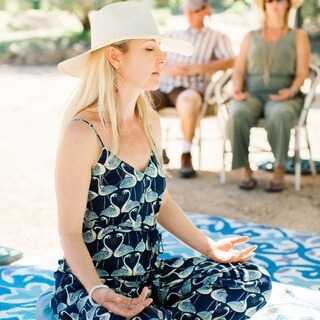
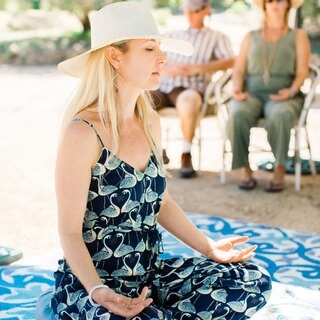
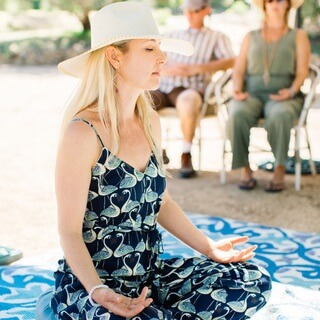
How can you play big in your writing life?
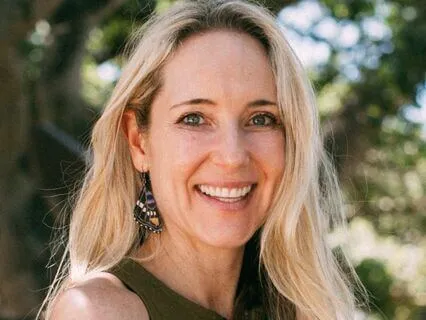
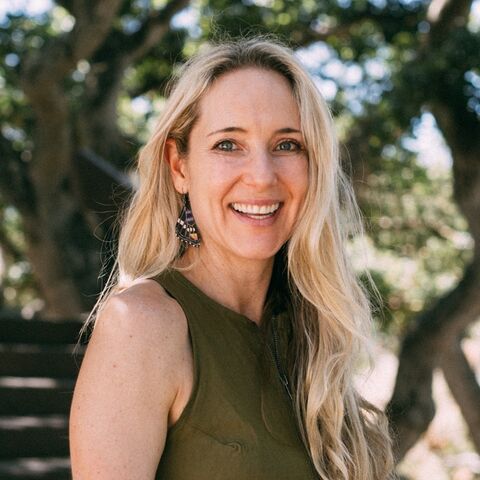
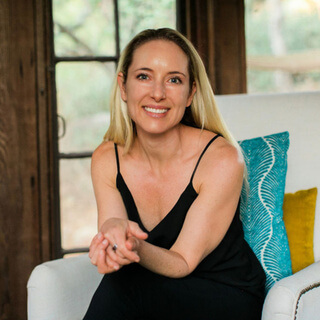
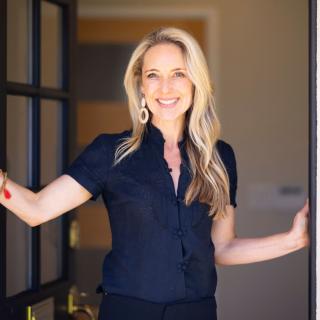
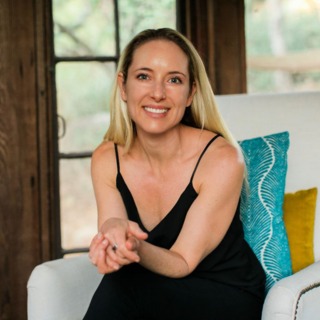
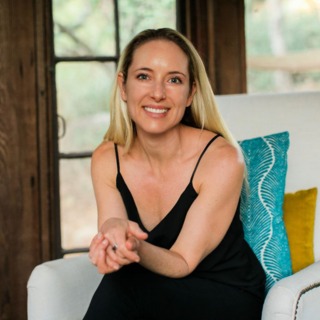
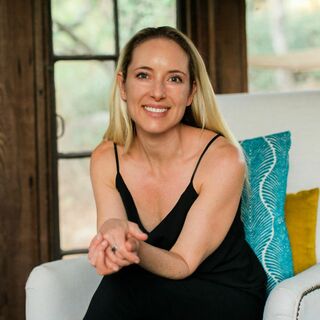
That's what we're going to explore today with Jenny Nash on The Wise Effort Show.
All right,
Welcome back.
Thank you.
I'm happy to be back.
I am Dr.
Diana Hill.
This is The Wise Effort Show and you know Jenny because we did a real play with her in Costa Rica and a lot has transpired in our relationship since that real play.
One of the things is that Jenny became my book coach and she has helped me to produce this book that's going to be coming out in 2025 and I thought it would be good to have her on because one,
She's a genius at what she does.
She's a really well-known book coach.
I've actually had people send me her book as a recommendation for me to read.
I'm like she's actually working with me.
I'm so lucky.
But we're going to talk a bit about what trips us up in writing,
How to produce what you want to produce,
But do it in a way that uses all of your genius energy.
So to get started,
Jenny,
Why don't you introduce yourself to us?
Who are you and what is your particular genius?
Yeah,
I love this question and the way that Diana asks it.
I am the founder and CEO of a company called Author Accelerator and we're 10 years old and our mission is to lead the emerging book coaching industry.
So book coaching is a thing a lot of people have not heard about because it's very new.
It emerged in the last 10,
5 to 10 years with the changes in the publishing industry.
A lot of the nurturing work of writing a book got squeezed out of the big publishers and the big businesses and pushed downstream to writers themselves.
So writers are responsible for bringing their best work to life no matter what their path to publishing is.
So whether they're going for an agent and a big traditional book deal or they're going to self-publish or do something in the middle,
They more and more need guidance,
Help,
Their own team around them to do their best work.
So I became a book coach by accident.
I was a writer and had a solid midlist career is what I call it.
I've written 12 books and and I was there in the middle of the list which means not a best-selling author,
Not a newbie,
Somewhere in the middle.
It's not a great place to be and I started coaching other people.
I didn't know that's what I was doing but that's what I was doing and I found out that I was better at that than I was as a writer.
It brought all my talents into one place.
It just lit me up.
I loved it.
I was really good at it.
The first person I coached got a two-book deal at a division of Random House.
The next two people I coached also got big five publishing deals and all of a sudden I had a business and then I started Author Accelerator to train other people to be book coaches.
In my own personal book coaching life I have had the great pleasure of coaching people who've hit the New York Times bestseller list.
One of my clients just had a movie deal with Hallmark.
It's not a movie.
I keep saying that wrong.
It's a TV streaming deal with Hallmark and I've had clients hit the Wall Street Journal bestseller list and won all kinds of indie publishing awards.
So in my own book coaching life I've had a lot of success but I largely stopped doing that work to make an impact on this industry.
I don't want bad book coaches just anybody hanging out their shingle and saying I can help you with your book.
I want book coaching to be seen as a legitimate excellent industry.
So that's my mission and that's what I do and I think it's obvious why when we met and I heard what you were doing and heard about your book that we we came together with this great story.
Well we didn't come together.
So you were in Costa Rica.
You went through my program and I didn't really we didn't really talk much about books.
I mean we were just we were doing this program and I was helping you with with your life.
Oh right.
But you came out of it saying are you writing a book on this?
You said you're writing a book on this wise effort and there's something about this frame that isn't it didn't work and it was bugging you.
It was keeping you up at night.
You were like stressed by my by my program.
By your framework.
By my framework.
Like you couldn't put it down.
In the same way that I guess for me with a client when I see a client that's struggling and I can see what vortex they're caught in.
I know that there's a way out of this right.
So you knew that there was a way out of my book problem and you approached me and we met for four hours.
I do remember the feeling Diana has this incredible framework that's coming in this amazing book in 2025 and it was the closest that I feel that I've ever gotten to understanding a part of myself and I've done a lot of therapy with a lot of wonderful people and I've done a lot of reading and reflection and self-work and all the things and nothing had ever quite gotten as close as you got at that retreat in Costa Rica and I could see or taste or feel something about myself that was right there but I couldn't I couldn't get all the way and so I think that's why it was crackling in my head.
So it was really to be honest less about you and more about me I was like can you get me there.
Yeah so in some ways Jenny took on this book for your own personal work.
Yeah I wanted that final yeah that final twist.
Yeah and I got to experience the the genius energy that Jenny has around taking something that is complex understanding it for yourself and then creating a frame creating something that makes sense for the reader to to move through this experience and you were moving through it at the same time you're moving through the Wise Ever program.
Yes yeah and what you've touched on is that a book is an incredibly complex creative and intellectual undertaking and most people don't really understand that they think whether they're writing fiction or memoir or nonfiction it they see it in their head in a certain way and they think we're all readers and we're all writers and they think well it's not that hard to get from that thing in my head to what's on the page but the truth of the matter is that that process of translating what your your vision in your head to words on the page in a way that the reader can follow and consume is a very specialized skill and a lot of people can do it well I would say I take people from good to great because a lot of people can get to good and there's a lot of books out there that are fine they're fine and we all read them it's like this book is fine I'm reading one right now actually for review purposes and and I just keep thinking yeah it's fine this book is fine but that's not what we want.
Okay so that's what Jenny told me when she read my first draft I said it was fine and this is where this is how we got engaged yeah in this process because I don't want fine I want great right and I've been chasing a great from Jenny just in any kind of feedback that you gave me if you ever gave me like one little this this line this sentence is great that was my motivator is that I and that's the true coach right because you you had a capacity for encouraging me but pushing me I mean I don't think I have worked as hard since my PhD into dissertation yeah in writing this book that's so interesting yeah because I do think of my role as helping the writer hear their own voice get their own competence find their own rhythm and so that they don't need me anymore yeah that it's that training part of it but I want to before we continue with the saga I want to say something that you said to me that's very special and that I think is a really big part of your success I think this book is going to be amazing what you said to me I have a process of inquiry that I put all my clients through it's called blueprint for a book and I've written those are the books that you are referring that people are texting me saying I should read the blueprint for a book is for fiction there's blueprint for a nonfiction book and there's blueprint for a memoir and one of the questions there's 14 questions that I asked people to ask before they start to write because the mistakes most writers make happen before they start to write and that's the place I want us to stop and and get some things clear and one of the questions is where what shelf do you see your book sitting on and I phrase that very specifically on purpose because I want people to envision their book for sale first of all that's a big leap your book is for sale it's on a shelf where is it sitting what books are near it what is the section of the bookstore so it's a sneak remember my answer that yeah so it's a sneaky way to get people to to see their book as a product which which is what most people want to be read and to be they want to sell a product and you said I don't want to be on a shelf I want to be on the front table and I had never heard anybody answer in that way and I loved it so much because that there's an ambition there and there's an understanding of the reason we write the reason it matters so much to us is we want to make an impact we don't just want to write something fine we want to impact readers who we might never meet who might encounter our book after we die it's a it's a way of conveying this incredible value in the world that nothing else can touch and I talk about a lot of other kinds of art things like photography or songwriting or painting absolutely impact people and touch our soul and resonate with us but people spend like 20 or 25 hours reading a book they're alone with you in this mind meld and and really making space for your thoughts and their whole body and it that it's big what writing a book is big and you got that and that answer showed me that that there are other there are other clues that people can give that would show me that same thing but I loved that answer so much I'm gonna be talking about it for the rest of my career because that's really what everybody well I might even change the question do you do you want your book to be on the front table I don't know is it yes or no because a lot of people and I asked them that would be like I just want to finish it mm-hmm I just want to get it published I just want one person to read it which is the beginning but you were like no I have some big things to share so the next series of questions that were in that 14 question questionnaire that I answered for you and you were so funny you were like it'll only take about six to eight hours to answer this questionnaire so just send it to me on Monday I think we met on a Friday I was like oh wow okay I've met my match I've met my match I don't know I've met someone that will work as hard as me but yes you will work harder but the next series of questions had to do with the fearless review and I shared about this with Michael Harold who I asked that question of when I did a real play with him around well first what is your nightmare review for this book yeah and then what is your fearless review and when you asked me about to write the nightmare review I basically wrote that I don't want it to like that this is a book that I've heard everything already she's just rehashing act there's so many books out there that are act act for this acts for that acts for that where it's just basically the same act model that's regurgitated and many different domains right and I know this already yeah that I'm like telling teaching people like practice mindfulness again so I gave you that and the feedback that you gave to me around my name review which it was it kind of is that Diana yeah yeah so that it kind of was that's the magic of this question is what what would be the worst possible thing somebody could say about the book that you have written and if people are honest which usually they are the dream review by the way doesn't ever really get anything useful it's always just like yeah this was amazing I loved it you know it like changed my life yeah all the things but the nightmare review people are honest people people will say the thing that will bring their book down and sometimes those things are they might say I'm worried that people will see me as a privileged white woman who's totally clueless right oftentimes it's like yeah that's kind of a problem we need to make sure we mitigate that or they will say I'm worried that if someone's writing memoir people will judge me for you know and it's like well yes they will right so it's usually if you're honest it's it's it's the thing and and so when you answered that question it was that's then a gateway for us to talk about those things are are I mean you were doing a thing that's very typical it was not surprising to me people who are come from academia and who are based in science and research and everything is tied to data and proven research methodology oftentimes their writing is so rooted in other people's ideas and reflecting out to make sure that you don't steal someone's idea or not accurately acknowledge them that the writing is just almost unreadable and it feels it doesn't feel I don't want to go down this rabbit hole but I have been having a lot of conversations lately about AI what is the difference between what artificial intelligence can write versus what a human can write and I think more and more we need to as writers and creators really be thinking about that because what a human can do is that a computer will never be able to do is really get to the heart and soul of what you think of what you dr.
Diana Hill who has this life and this research and these thoughts and this brain and this experience of helping so many people in this in this space to move forward in their life and and solve so many of their problems all of that has to be captured in those words otherwise it's just fine it's just derivative 13 other books that came out this year say the same thing right and what what we want as readers is what we're looking for is human connection really getting a sense that this writer understands what is in my brain because what books do and you know as humans were we can't really ever cross the bridge or the gap between people at the end of the day you're always alone you there's no you can't get into somebody else's head or shoes or skin you can try you can get close but you can't ever really know what it's like to be somebody else and I think a book comes the closest to that in all of life well there's other things love and sex I think and lots of there comes back to sex a lot with you sex a lot with me yes oh man I lost her a play I just got into it yeah but I do believe this is true right we're looking to feel close to other humans and did not feel so alone and so a book that's fine actually I think makes us feel more alone whereas a book right that's a great right makes us feel like oh I understand something more about myself I understand something more about the world I understand something more about whatever God love you know whatever the the topic is and that's what I saw in your work is that you were so close to that and yet you weren't doing it and the resulting book that you have written does do that and that's why I can so confidently say I think this book is gonna be great and we're all gonna be so excited to have it and to read it because you do that you do that so here's the thing that we had to do because me and Costa Rica I like to say it's like my alter ego like there is no blow-dryer in Costa Rica I'm like I'm just full-on like you know we're in our bathing suits we're chanting together we're swimming together I'm bringing my my story self there and then as soon as I got into writing a book I'm like Steve Hayes says blah blah blah blah blah in 19 blah blah blah blah it like it becomes this citation fest yeah and then also the that like afraid to like afraid to say it yeah and to get out of that fearless review into the five-star genius review right um you had to push on me and when you pushed on me what ended up happening was I ended up having to do the work of my book yeah in order to write the book right so I had to first start with like okay well actually what is my genius here like what what is my skill set is it just citing other people or is there something else there like what is the magic that happens in the therapy room like you really pushed me to get in there like would you say this to a client what are you doing with your clients what does it look like what is your interaction yeah you put yourself in the role of being a client with me we can talk about some of those exchanges yeah and then what is it that's going on for me that's preventing me from just like saying it from being me and I think that's part of like a writer's journey right because whether you're writing a newsletter or you're writing a book or you're writing a caption of a social post the ones that do well the ones that everyone wants to read are the ones that are just the person that's uniquely them as opposed to the ones that are feel so kind of scripted well you said it's part of the writing journey I think it is the right journey okay it is the writing journey I I assume that people can learn craft they can learn how to write a chapter write a story yeah there's very little grammar being edited yeah poking on like pushing on me in these right yeah and you know wordsmithing you know you have a quirky habit which I probably can't even articulate but I thought so many times where you would put I'm really actually quite bad with grammar but I can see it I just can't articulate it you would put like the noun before the verb or the the the phrasing before the thing there are a lot of times where I was just flipping sentences but I don't even care about that that's a whatever that's that's not even sprinkles on the icing on the cake yeah to me I excellent grammar I love proofreaders who can give me excellent grammar but that is so late in the process and what you're talking about is raising your voice finding your voice letting your voice ring out and that even what you're saying is if you write a newsletter or a social media post there's a fake authenticity that can happen which is oh look at me being so vulnerable look at me being so oh I'm gonna share this vulnerable thing and everyone's gonna like it it's not that it's it's way deeper than that it's what do you really think and and you this is your phrasing what is your genius here that that's not I mean I don't want to throw academics under the bus in any way because there is huge benefit in somebody who can curate data and see patterns and bring bring things together and that other people have done but that in this book in this space was not what you were that's not what your genius is and that's not what this book was going to be good for right and I I think there was a part of me that was selfish it was like I want you to solve the last let's call it like the last mile problem right you've got me all the way on this journey of understanding something but not the last mile and and and it was like what do you know that can take me there because I knew that you knew it you were looking at me like you need to this is you know you could see me but I couldn't see me which is so ironic because it's what we're talking about with you as a writer you as a writer couldn't see your voice and your genius but I could see yours and I couldn't see my last mile problem but you could see mine so we were in this weird like fun house of holding mirrors up to each other right because because the book is about people who are spinning their wheels we got to that point putting a lot of energy in and feeling like they're going nowhere and when we came with all these did like they're treading water and they're spinning their wheels they're burned out yeah they're burned out but it's not a book about burnout like I'm done I'm interested in the book that's gonna take this energy your energy like you have this capacity to motivate organized untangle create frameworks for people do these incredible books take that energy and use it in in a wise way right and so we got that far and we had the wise effort program right but you it's when you're talking about this last mile and what actually ended up shifting the book to have it become what it became was us coming to this head yeah we met for coffee yeah and it was funny because we get we kept getting kicked out like there was yeah energy yeah that day yeah remember that we got kicked out of one coffee shop mm-hmm oh yeah there was no internet yeah I mean like we can't live without internet I mean we went to one that turned out to be a wine bar and we're drinking what are we doing it took us like an hour to even get started yeah there was it was an interesting energy and it really wasn't until our walk to the car oh so we I mean we started getting in we started getting it I went when we're at the winery that wine probably could have used some wine that we get to the space of like okay actually what is happening here and what was happening for you as you were working on my book and what was happening for me as I was working on this book mm-hmm was that the very genius energy that that source of power was getting us tripped up it was yeah it was it was not open it was not channeled it was being overused in some places so not being used in others so what happened that day I'm now remembering because this is this is it this is the thing is is I came to you and I said I'm really struggling with our project my helping you because I can't stop I can't stop myself I'm so I get it's like there's a switch that I flip and I'm helping someone and I can't turn it off if it's on it's on and so you mentioned before that your book is for strivers who are spinning their wheels and not going nowhere and and it for me it's I go places I go deep going nowhere is why do I keep finding myself in this place right where I love what I do and I'm so in it and then it scares me cuz I'm too in it yeah and I'm that I was that way in Costa Rica with my business and I still am of course yeah where I a given a given a given I push and I push and I push and the going nowhere is here I am again here I'm again over committed over delivering caring more about your project than about my sleep yeah about you know and that day I said to you I'm I kind of hit this wall yeah and so what was cool was we were then using your framework mm-hmm to figure out what my problem was in my genius right and that was the thing that was the aha moment and for me that was the last mile it was oh I don't keep finding myself in this place by accident I keep finding myself in this place because I'm doing what I'm really good at and I need to become more aware of the choices or wise you would say wiser mm-hmm in those choices that that day we were sort of figuring out what my my genius problem was their genius problem and what I started seeing in you is oh my gosh I've seen this in a thousand yes so that was what was also first of all in myself right right but also in so many clients that I've worked with because like you flashed me back to like working with a client with anorexia who is yeah they're going somewhere right what they're going to is gonna kill them right like right and that's one form of this misused genius right is it can take over right so one form of it I've seen is in your form where it's like it just takes over your life and you're so in it you're swept away with it and it's in part driven by this like attachment maybe you're avoiding other feelings that you don't want to feel right or it's caught up in the story so we started organized around that like what is it that misdirects people's genius in that way but then I also see the other form of it which is equally destructive all these people that I've worked with where I'm like wow you are phenomenal you have something to offer here whether you are a pet sitter or you are an ER doctor so many different shapes and forms of genius of people that have something to offer the world but may be holding themselves back not playing big yeah and that's also a form of underused energy right and and that and the same things kind of trip them up in terms of being stuck in a story or being avoiding something or being attached you know holding on too tight to some kind of identity or belief system yeah and that really opened it up for me because I also think about how I work with those clients and how I work with you and what's worked with me it's so frustrating when people if someone were to tell you Jenny Nash well don't just just don't work on this project you know you know we laughed at that because people have told me that a million times yeah you need to set a timer for your work and get up and take a break and walk across the room and have a glass of water and use the foam roller and use the foam roller and yeah you know so because when I work too much I my body breaks down yeah my wrists and my neck and my eyes and the whole thing and and I I just roll my eyes when people tell me that it's like that's not that is no match right setting a timer so that I have to get up and walk across the room and turn it off is it no match yeah for me and my and my work yeah my ability to work yeah but what I loved in that moment at that wine bar was when you started realizing this was all your clients mm-hmm you got so excited it was it was like this this is this is the thing this is my thought my voice my thing that I want for people this is my genius this is what this book needs to be and we should say that I think if I'm not mistaken this was four weeks before your manuscript was due and the second time that you broke my book apart when you first met me and said this is your nightmare review I started scrambling like oh no I'm on my review I better change this whole thing up yes so we got a frame yes and then now four weeks before the manuscript is due we're at a wine bar and you're like I don't know if I want to work with you and yeah that this was another like it was this is what's hard for me and what was so good for me because it was another like okay if you care enough about this yeah you're gonna you're gonna make it the way that it needs to be made yeah and it was so much talk about avoidance it would have been so much easier I could have written a book that was fine a book that was fine and that would do well yep and it would because there's a strong there like people are interested in acts it's like it's and there's a part of me that I think also is the Costa Rica no blow-dryer self yeah that is like and I love the feeling of the bigger connection and then it was like okay now okay what is your genius what is your problem how is your genius your problem yeah and then how do you still use it without leaving your genius behind what was fun in the next few days is we both took that idea and tested it you in a professional setting and with professional colleagues and me with some of my family members just saying so if I were to ask you what's your genius and at first people were like everyone pushes back I don't have a genius what are you talking about and then I get give a little and they'd say oh everybody knows everybody knows and then and then I would say well I don't want to talk about me you started you you started like in those next 72 hours using it using it with clients using with friends using on my family members because sometimes it's easier to see in other people yeah you think about okay what my dad what's his genius oh my gosh he was an attorney and as a Buddhist what is his problem he tells a lot of stories so everyone has that sometimes actually I did find people that had a hard time seeing it in themselves yeah and and I'm sitting there looking at them like it's obvious because that's what I think it's in part of the work that I do is I see every human is their own healer right I'm creating the context to help them come to their way through their way out in the way that you did that for me you didn't write my book let's just say Jenny did not write this book no it was always it was always my staff but you helped create the context so that's what I do with my clients yeah and in part is seeing that genius energy within them that's whether it's stuck in depression or in an addiction or stuck in self-doubt how to turn it around so asking people that what is your genius and then asking where are you stuck where you spinning your wheels or where you working too hard yeah and making that connection between this this same genius energy is part of that and you can that you can use that to to heal yourself or to help your own self where you're you know so for me here I find myself again in this place so then what Diana was saying was how can you use that energy to to help yourself the way you help other people yeah and that was the final mile that was the last mile for me I was like oh I so understand this now and and I I remember I went and I started a new Google Doc and I went through your whole framework with the same issue that we had started talking about in Costa Rica and I was like let me see if I can do this for myself go through this framework and it was so logical it was so clear it was so it wasn't easy to do but it was the guide the guide was was the guardrails the guide everything was there you had made me a path and that a great book does that for for the reader it you empower me to know to know more to understand more to that I'm different at the end than I was at the beginning you know those you know those books you read where this is what a book that's fine is you read it you finish it two weeks later somebody says have you read any great books lately and you think I just read a book I can't remember the title I can't remember the author can't actually remember anything in it like it just goes it's like water through your fingers or sand through your fingers and what what we want is for a book to provide a little bit of a transformation obviously it's not going to be the same transformation someone experiences when they're in therapy with you or in a workshop with you what an incredible experience to to be have you guide people through your framework that's a whole other level but a book can give them a piece of that a taste of that some actual transformation and when I went through that process I could feel that it was there it was like oh this is going to help people people could do this I could have done this and gotten a glimmer of understanding that I didn't have before so it's and what you did there so you went through the program and the program is you start by getting curious about your genius you get curious about your problem you get curious about the three ways that we get tripped up yeah and then you get curious about your values so that's that's the starting kind of point and then we move into this whole stage of opening up opening up to feelings opening up your thoughts opening up your sense of self so that finally you can use our genius wisely in all these important domains right and so you sent me and it was like a you just took all my questions from the book and made it really tight and just answered them one page yeah one page and you sent it to me and in that it was almost like a like a case conceptualization like all of a sudden I saw you just because you went through that that process I saw you I learned about your family I learned about the context I learned about your history all these things are playing into you staying up too long to work on my book just like all those things play into me not playing big in my writing right because what happened for me when you said okay Diana here's your this this is your voice this is your thing and I started to actually write that and include a lot more of my own personal story and kind of claim this space was that I had a committee in my head and I don't know if I told you that I did this but I'd lined up a meeting with every person that I could that was on that committee Wow after we switched the genius thing so in one week I met with Rick Hansen Steve Hayes my dad one of my very good friends who was the last person that oh in Trudy Goodman so I had the Buddhist scholar the academic scholar my dad and then like you know my good friend that could tear it apart and I presented this idea to all of them because I was doing the same thing which is I need to get everyone's approval if I want to do this and what came back at me was a mixed bag yeah I didn't know you were doing that but I was a little afraid of what was happening yeah cuz you were like so-and-so says I shouldn't do this and so I was like wait what how many so-and-so's are you consulting yeah and and I could see you questioning the thing yeah and it was like oh don't do that don't do that it's it you've got to the thing don't let people now talk you out of the thing which is really common with the writers yeah and one of one of the critical skills for any writer is knowing who to ask for help when and what to ask yeah and you had some genius working there because it worked out you you've got in there you've got the feedback and yeah you came out of it strong in your own I needed some feedback yeah because I needed people to say like one of my colleagues the clinical psychologist was like if a narcissist reads this right and they're like yeah I'm a genius how what how is that gonna impact that right right and so the book that launched this my podcast nine eight how many years ago was Tara Moore's playing big right which is a book I adore yeah and then I got to interview her like a hundred episodes and it was phenomenal and I remembered that the piece of information from Tara which was always like when you're getting feedback think about who you're getting the feedback from yes and their lens and so as long as I kept that lens in in play then I was able to take the little strands of feedback that would help the story be able to be received by me you know by many different right but what you said to me that was super helpful around that was oh if you're getting such strong reactions then we're on to something yes absolutely oh okay so this is what it has to feel like it has to feel like you're on the edge of pissing people off yeah it doesn't feel scary it has to feel scary yeah risky because you're saying something real and authentic not in that social media way but in a very deep way and that's what you want is people to react to it yeah good or bad like this is gonna make people mad this is gonna hurt people this I mean to have a book that could that could be dangerous for a narcissist I mean that's great right it's great because it's something it's a narcissist reads my book and then they're in and then I take them on the journey and it would be like perfect for a narcissist it's good but yeah I mean receiving feedback is and knowing what to do with it is a whole giant topic we could talk about for days which maybe we will someday because we're for sure going to be doing some more work around these ideas to help folks yeah yeah I want to talk a bit about this this place that you put me in multiple times that I had to use my own practices to get me through this place of playing small versus playing big yeah and I'm sure you see this you see authors genius and how their genius becomes their problem and you also see the potential right you're like I know where this could go for you if you unlock yourself tell me just about that either what you saw in me or what you see commonly and authors and how you get them to play bigger and they're writing whether it's through books or newsletters or whatever form of writing they're doing well it's really interesting phenomenon that I have seen many many many times in my career so I'm not surprised by anymore which is I guess the title I would put on this phenomenon is the the cobbler's children have no shoes so what that means is every expert needs their own thing it's just true every expert who somebody who has a body of work and they have reached a certain level in their life and they want to share it in a book I only know about people with books so that when they when they're at that stage and they have that thing I have seen it time and time and time again that what they're trying to teach people they need to go through in order to teach people well and part of the reason I've thought about this so much is that people's genius is so natural to them it's so native to them it's just the water they swim in the air they breathe that they're not even aware that it's their genius so they might you're you're a genius therapist you can see people you can see their genius you can help them get out of a problem you're so good at that you probably don't even know how you do it it's not like you come into this room and you have a checklist that when you work with a client this is how it's going to go in at minute three you're going to do that that's not what you that's not how it works right you just are doing it it's the same with an athlete who has body intelligence or I mean I've worked with so many different people in so many different fields and that that thing that the expert does well it's very difficult to tell somebody else what that is yeah and so the getting having to go through your own thing is it's kind of I'm not a Buddhist but I understand the Buddhist concept of beginners mind it's it's almost having to get out of your expert mind and think well what does somebody who's never heard of this idea how are they going to encounter it how are they going to understand it or make sense of it and so my my role as the coach that's the pushing you felt was well what what do you do when you're in therapy and you're probably like I don't know but then you actually did well no I would say I know because I can list all the things from acts that I'm doing yeah versus that like really what am I really what are you doing am I doing right and the same would be true for me if somebody said well really what were you doing there what do you do when you're in Costa Rica with no blow-dryer and you you lead a whole group of people through this incredible thing what exactly are you doing you know it's very hard to say so whether your expertise is you're an incredible speaker on a stage in front of audiences or you can go in and help companies rearrange their org chart in a way to level up everybody's everybody's genius you know whatever your thing is it it's just hard to to get it on the page and so that's usually what I'm doing with people and and what I did with you is you know what what our work here is to articulate it and then you were you were as many people are good at articulating it but then it's like okay but so this is for me the a piece of the writing process that often gets missed which is who is your reader where are they at the start of your book and where do you want them to be at the end of the book yeah and that was we did a lot of work around that is is your reader totally new to these concepts have they read any other books in this realm have they tried any other things yes they tried everything that was the solution and when you said that I remember I just I loved it so much because that was me in my head I'm like I don't know all this I know all this you're not teaching me anything new here that's the book that's fine yeah right it's like I've read this book I've I've heard that speech I've gone to that workshop like I get it I get it I get it it was sort of it was sort of like tell me something I don't know and that was I wasn't saying that out loud I would never say such a thing out loud but I was intuiting it inside that's what I was thinking yeah and and then the so that's that's where we came to the idea that yeah what what Diana just said her reader at the beginning of that book has tried all the things yes every right at the same time you were also poking at all the times where I was assuming that you knew what this lingo was like any time I used any word right that unless you have a PhD in psychology you wouldn't know what this word is you would be like what what is that like yeah say that again you just describe that to me in language that right at all and there's one particular thing that I recall specifically around that which is the difference between thinking and feeling oh yeah and ironically that was a thing where I said to you are you is your reader gonna know the difference between this me the reader and ironically I literally helped a woman who who has written four books on that very topic some of them for the most recent one for a middle school audience and so we really had to to explain the difference between a thought and a feeling I still am shaky on it and I've really dug deep into this particular idea and but I put myself in the role of that reader who they think they know it all they think nobody can teach them anything but they also are tired of getting themselves in this problem like I like I do and so when they they're going through your path and they get to that point and you're talking about the difference between thoughts and feelings and being curious about what are your thoughts do you believe your thoughts you know this amazing process you have for walking people through if they don't get that they're not going to get the transformation so my my job is to be the avatar for that reader but it only really works when we know exactly who that reader is and a lot of books this book that I was just referring to that I'm reviewing that's just fine I keep thinking who is this book for who who where in their journey are they picking this up do they not know anything do they know everything because it it's sort of covering too much ground for somebody that you know it's like where do you the thing that's amazing about books one of the things I love about books I'm spying a bookshelf as I say this and I can tell it's very disorganized no it's a great it's great it's all the books so a writer for example or someone who's trying to be a writer probably has I probably have 200 books on writing and if a new book on writing comes out I'm buying that book mm-hmm it's not like somebody buys one book right you know or or does one thing to try to help themselves so the question is where are they where are you meeting them what where are you taking them and so we did a lot of work around that so that you could be really clear which I think you are now about exactly who can you best help yeah you can help a lot of people right these this framework can help a lot of people but who can you best help right which is what I've gotten clear in in my practice like my practice is now only people that I can best help that's why I mean it's just so phenomenal to have this practice that I have because over the years I figured out who you know who'd I work really well with right and it is the people that have read they come in telling me all the books that they're giving me books to read all the time and I'm like can you lay off the books right we need to focus here on a you know like get one thing going and move you through it or you're so I'm that person yeah so much up in your head like you can say all the phrases and all the words and all the things but that last mile you can't go on because I now know from understanding your framework I haven't I'm in the curious part but I haven't done that the open up yeah the open up part and back to the thinking versus feeling yeah that's diagnostic of it yeah because the person that gets really tripped up in trying to tease apart is this a thought or is this a feeling right right right is missing the point is missing the point is all up in their head they're in there right in your head think right and really the the practice and one of the practices that we do in the book and in the opening up is to notice when you're entangled in it right like just that just starting with the entanglement and this is we did such a cool thing of drawing it and creating drawings around what it feels like when you're entangled in your thoughts and feelings thoughts or feelings it doesn't really matter but you know what it feels like yeah when you do not feel open free able to express yourself fully and what was just so cool about our experience is that and I think I had an idea this would happen the that I got to my most problematic place in my work with you on your book that was the coffee shop today when I showed up and I was like I don't I'm not sure I can do this anymore because I'm in that place where I always find myself yeah I that's my stuckness is here I am again too deep too far in too over committed yeah so it was sort of like help me like here I am make your book so that it could help me make your program or your process so that could help me because what what we had been doing up to that point it's like okay great I get it in my head here here I am doing the thing yeah and I know what it feels like but I don't know how to help myself I don't know how to get out of it and I'm I've been doing this a long time as most of the people you work with in the people that are gonna love your book are gonna be experts in something they're gonna be really good at something and that awful feeling of I don't want to do the thing I'm good at because the thing I'm good at is starting to hurt me yeah that and it's a really scary place to be and that's that's what I glimpsed when I first worked with you in Costa Rica was being able to articulate that the the thing the thing I'm doing all this stuff and I'm doing so well at it and look at me and it's so great and and I'm I've hit the peak but I don't like it I don't like myself I don't I don't like it when I'm in my zone of genius what is that that's a terrible feeling and your framework in this book and in your program is gonna help people with that and just what an incredible gift and just when we're sitting here today talking about it and I think about that the book that was fine it was like oh I'm just so glad you didn't write that book I could see these moments when when we were working together where there was these and you were like I'm putting it down now I'm taking a break like you were putting boundary like you could I could feel you putting boundaries I was learning I was learning yeah it's like can I be in this genius place and not lose myself I was starting to practice what I was learning from the book yeah really it was really cool yeah and it was so very very different from set a timer so you don't sit in your chair at your computer for three hours straight it was really different it was coming from me deep deep within me so I got to experience the power of your process and that was just really cool yeah it was a really awful and special thank you that's how we know we're onto something I know it's awful and special yeah yeah and that we were both willing to stick with it was pretty cool too it was pretty cool and then we're still friends we're going to Bonnie Raitt tomorrow oh yeah I know we're going to go girls tomorrow I just went to Bonnie Raitt yeah you just went to Bonnie Raitt yeah to carry forward the the women using their voices theme yeah it's it's a it's a thing and I'm just excited for for your readers and and the people who are going to learn from you because this system that you've created is it is special and it's powerful and it's transformative and I'm just excited for the people get to read the book people get to be in your workshops people get to learn from you because it's going to be great but this isn't the end of us folks so you'll see more of Jenny and me in our different spaces and thank you for everything well thank you thank you it was you were you're very brave and and you modeled being open and curious and certainly modeled wise effort and I've learned so much by helping you so it was my great pleasure thank you thank you okay how'd that go I think it went great we were in flow I don't even know what we said but this is good yeah yeah you're eating so easy thank you so much for listening to this episode of the wise effort podcast wise effort is about you taking your energy and putting it in the places that matter most to you and when you do so you'll get to savor the good of your life along the way I would like to thank my team my partner in all things including the producer of this podcast Craig Ashley Hyatt the podcast manager and thank you to Bengal that Bell and branch for our music this podcast is for informational and entertainment purposes only and it's not meant to be a substitute for mental health