Welcome to Life,
Lessons & Laughter with your host,
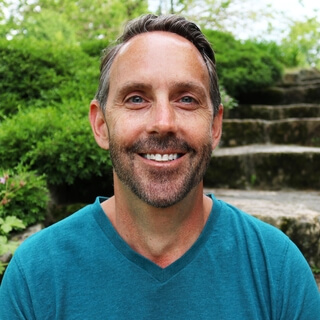
Glenn Ambrose.
There I am,
I recorded that five-part series and I actually haven't recorded for quite a while.
It's probably been like five weeks since I've recorded and I'm like,
It's funny,
I've done this for so long,
But I kind of just had to stop and remember what I was doing there a little bit.
Anywho,
So here we are.
This is going to air at the end of January originally,
Which is kind of why I want to just hop on and do this now because I think the timing is good.
And so when we're going through change,
This year,
This is January of 2026,
So 2025,
Some people that believe in numerology,
They're like,
Oh,
2025 was a nine year,
So it's wrapping up old cycles and we're going to start new things.
Plus you have the January new year,
Kind of a new beginning.
And I understand that a lot of people don't,
They're like,
No,
It's not the new year.
The new year is a later date.
I get it,
But we are collectively on planet earth and there's a collective energy around and most people on the planet celebrate this as their January 1st is the new year.
So there's a big collective energy leaning in the direction of change or starting something new or,
You know,
That type of stuff.
So whether,
And if you're like,
Yeah,
That's a load of crap,
Okay,
Then just listen to this podcast whenever your new year is,
It doesn't matter.
We can make adjustments.
So like I was saying,
Now is the time where many people are trying to start something new,
Maybe start something that they've put off for a long time or create a new habit or put the old year behind them.
It's just a transition moment,
You know?
And like,
If you're using a transition moment to better your life,
Then God bless you.
Like to me,
It doesn't really matter,
You know,
If you could do it now and then you could do it again the next year at the new year that you believe in,
Right?
My point is,
Is self-reflection and looking into the future to try to be a better version of ourselves is really all that matters.
If we're doing that on a regular basis,
That's the most important thing.
I don't think it has anything to do with a particular date,
But we can use these as catalysts.
So here we are,
I'm talking about change.
So whenever you decide to make a change and you're trying to implement it,
You know,
I was a personal trainer for many,
Many years before I get into life coaching.
So I've seen patterns of behavior there that I also see in life coaching.
And one of them is that lots of people think they're going to start something new at the beginning of the new year and most people struggle with it throughout January.
Some people fall off and give up by the end of January and some people persist and get through and then it seems like they get more consistent and do better after January,
You know,
And January is just a time period.
They could struggle for two weeks,
Three weeks,
Six weeks,
Whatever.
At the beginning,
It seems like there's a lot of struggle,
Right?
And there's reasons for this.
I think,
You know,
Some of them are unrealistic and,
You know,
Changes and there's all kinds of reasons.
But the one that I'm talking about this time is kind of something new that I saw.
And I think part of the reason I saw it was because I had heard that 2025 was a nine year and we're wrapping things up and,
You know,
We're stepping into a new phase and all this.
And I got sick for the first time.
I flew and traveled and I got sick over the holidays.
And then when I came back home,
I didn't really get better.
It just kind of,
You know,
Stayed with me.
I wasn't feeling better.
And it slowed down my start to the new year,
Although,
You know,
Yeah,
I had some things that I was going to do that I kind of put on hold because everybody's so busy over the holidays.
So,
You know,
There was things I was planning on jumping back into and I've had to take care of myself physically.
So it kind of elongated and I hadn't been sick in so long.
I was just like,
This is so weird.
But so I didn't hit the ground running as quickly as I thought I would.
And I had to make peace with that because your mind is like,
You know,
Geez,
I thought you were going to do this stuff.
You're falling behind.
And I had to go,
Whoa,
Whoa,
Whoa,
Wait,
No,
I'm not falling behind.
Everything happens in perfect timing.
I'm fine,
You know.
And when I was going through that process,
I was kind of noticing I was just exploring things.
And I was like,
You know,
This happens all the time.
Like,
Very rarely does the new year start off the way that I think it's going to.
And,
You know,
And again,
It's it's not that I put a ton of weight on January 1st or that I make these New Year's resolutions.
I don't.
It's just that over the holidays,
Especially,
You know,
I can work through like Thanksgiving and stuff.
But when it when it hits that Christmas to New Year's two weeks,
Basically.
Nobody's everybody's doing their stuff like so,
I can't really do a lot of my business or my other projects with people because they're all busy,
You know,
So I just kind of put everything on hold and then plan on getting running.
And it always takes a little bit longer than I thought.
And I really noticed that this year.
So I was diving into it and I realized that this is part of change,
You know,
And I think it's a part of change that we don't realize,
Because when I first looked at it,
I saw I was like.
Like when we're when we're looking at change and we go,
OK,
Like let's say we get clarity on some sort of change that we're going to do and we pick a date when we're going to start.
In this example,
We're talking about January 1st,
But it could be any time.
So you pick that and you go,
OK,
I'm going to start doing this new habit.
I'm going to start this new way.
And,
You know,
This is going to make me a better version of myself.
And this is what I'm going to do.
And I'm going to start here.
And we get clear on that.
We think that the external action is what's going to change us.
Right.
And so like we so we pick a day to start doing whatever we're going to do,
And then we leap in and we start trying to do it.
And what what I was seeing is that.
We when we become a new version of ourselves,
We have to change internally.
The external is just an expression of that,
Though,
Like.
We're like,
OK,
I'm going to start being this new person on this date and then we go to start it and then we go and and we struggle a little bit.
Why?
Well,
It's because to be a new you,
You have to make internal changes.
You need to think differently.
You need to act differently.
You need to adopt different habits.
And that can take a little bit of time.
It's the internal adjustments that I don't think we account for.
You know,
Like Beckwith talks about,
You know,
A lot when we're going through change,
It's like,
What's my growing edge?
Is the question like,
Who do I need to become to embody who I want to be?
That's implies internal change.
Right.
That's what we're talking about.
And I don't think that we look at that.
We just go,
Oh,
I'm going to start acting like this,
You know,
Like.
Yeah,
I don't I don't really want to use abundance for this example,
But I think I'm going to have to because I'm not getting another one popping up.
I mean,
Give me a minute.
OK,
So let's say I want to go let's say I want to adopt a new belief system at work like I want like I've been negative at work.
And I want to go in with a new attitude.
Right,
And then we go we go into work and we're like,
I'm going to be this new person,
I'm going to have a positive attitude and and we do a little mental reframing.
Right.
And we think everything is intellectual and it's not.
It's energetic.
It's in our body.
Like it's it's it's feeling tone,
It's vibrational rate,
All that stuff.
That's what needs to change that makes us a different person.
So intellectually,
We're like,
I'm going to be positive all the time.
And if anybody gives me any crap,
I'm just going to rise above it and everything's going to be fine.
And then we go into work and that's our intention.
And then all of a sudden somebody gives us crap and it really bothers us.
And we're like,
Damn it,
I was going to try to be positive and I sucked back into the old me and oh,
My God.
And and then if we're if like we stay there,
We just in now,
Oh,
Crap,
I didn't do it right.
And and we don't dig a little deeper.
What happens is we fail over and over and over because we haven't really changed who we are.
We just did this intellectual exercise.
And and then we wonder why it's not working.
It's like,
No,
No,
No,
You to change your vibrational rate in your body to become a different person,
You actually have to stand in a situation and choose your behavior.
To be different than it was before,
You have to consciously embody the new type of behavior,
You have to stand in a situation that used to bother you and you have to rise above it.
You have to literally do it.
That's what changes our vibrational rate.
That's how we embody change.
That's how we become a new version of ourselves.
It's not just an intellectual exercise.
It's not just a mental decision.
It's an energetic shift that helps us actually embody it.
OK,
So sometimes we can do some of this work on our own,
Like before we try to implement it at work,
But generally it's a process.
It's a combination of all of it.
It's a combination of the intellectual and the physical,
The intellectual,
The conceptual and the physical,
Which I like to talk about is those are the three parts of us that we need to change.
We need to understand things on an intellectual level.
We need to get them like in our body conceptually.
Like it's it's that intellectual is like,
Oh,
I understand what you're saying.
Conceptual is like when you heard something 10 times,
Then all of a sudden something inside you clicks and you go,
Oh,
Like now I really get in on a deeper level.
That's conceptual.
And then we have to stand in it in a physical situation because we are a physical being here on Earth that has a physical energetic field and we have to choose that new behavior.
Once we stand in it and behave a different way,
That behavior has a vibration.
And then after we do it several times,
It becomes our new vibrational rate.
And that's how we change who we are.
That's how we embody our change and become a new version of ourselves.
OK,
So we have to go through that process,
And I don't think that people are paying attention to that.
They just think it's an intellectual decision.
This is why the change is rocky in the beginning,
Because you have to go through that process,
So don't beat yourself up like,
Oh,
No,
I failed.
It's like it's OK,
Just change takes time.
You know,
We don't go from zero to.
A hundred in one step,
We have to go through the chain,
The process of change.
So,
Like,
If we behaved,
If we got sucked into negativity a hundred times a month.
Let's say 50 times a month,
OK,
Just sounds a little better.
If we get sucked into negativity 50 times a month in December,
We cannot expect that January 1st,
We are not going to get sucked into any negativity for the month of January.
It's unrealistic.
It's not going to happen.
So we can't look at the one time or the few times we fail,
Especially in the beginning as a failure.
It's just part of the process.
If at the end of that,
You have to give yourself time,
Right?
So at the end of January,
You know,
Of course,
This isn't something you're probably going to count,
But I'm just using it as an example.
If December,
You got sucked into negativity 50 times and at the end of January,
You got sucked into negativity 20 times.
That's huge progress.
You know,
Probably in February,
You'll probably get sucked into negativity like five times,
You know,
And then in March,
You probably won't get sucked into negativity at all.
Right.
So that's what change looks like.
And we have to keep that in mind.
I think we have to keep both things in mind.
That is that change is a process.
It doesn't just happen once.
So then,
You know,
It's not just an intellectual decision where.
You know,
Oh,
I said I was going to do this and I didn't,
So therefore I failed.
No,
That's not what change looks like.
And that's usually how people beat themselves up and then they give up on what they're trying to change because they think it's not working.
It's like,
Well,
No,
It's not that it's not working.
It's that you have an unrealistic view of how it works.
Slow down a little bit,
Understand what change looks like.
And then give yourself a little bit of time to make the progress that you're trying to make instead of,
You know,
Overanalyzing and dissecting and beating yourself up every time you don't do something perfect because you made an intellectual decision.
That's like stage one,
Man.
Conceptual is deeper than that.
Physical is deeper than that.
So you've got to give yourself a chance to do this,
Right?
So that's really the concept.
You know,
That's that's what I wanted to talk to you guys about.
And.
I think this is going to be a short one.
Who knows?
Maybe I finally made the shift to where these things are going to be around 30 minutes or so.
I did pretty well with the last series of five that I did about the spiritual laws.
So maybe I'm going to stick to that.
Um.
But there is another dynamic or another way of approaching this that I want to touch on,
And that is momentum,
Like it's it's basically another way to say the same thing that I just said.
OK,
So if you view everything as energy,
Which it is.
Energy is basically.
Potential energy,
Right,
Until it starts moving.
So so that then then it's active energy,
It's doing something.
So when when when we have this active energy in in our bodies and where we're living our lives using this energy,
There is a momentum.
That is created because your energy is used to going in a particular direction.
Right,
Another way to look at this is is neural pathways,
Rewriting neural pathways,
It takes time to create a new avenue.
But,
You know,
Maybe you guys have learned on that,
Learned that already,
But maybe I'll touch on it again.
But to stick with the momentum.
Your energy is used to having particular stimuli,
And when that stimuli goes,
You go in that direction,
Right?
So it's it's this is how you are.
You go to work,
You get frustrated,
You fall into negativity and then you go home like that,
That there's a momentum to that.
So when energy is used to going in a particular direction,
There's a momentum.
And when you when you you have to break that momentum,
You have to slow it down and stop it and then you can go in the opposite direction.
You can't.
You know,
If if if a car is going 100 miles an hour.
East.
You can't just suddenly start going west,
Like you have to hit the brakes and slow down and come to a stop or at least slow down enough where you can start turning the car and point in the other direction,
But you can't just be be going 100 miles an hour east and then pick up the car,
Turn it around and start going west.
Right.
You have to stop the momentum of going in a direction that you're going.
First,
Come to a complete stop and then you can start going west.
So this is this is energy,
This is momentum.
So this is another way of looking at the change that I'm talking about.
So when we're going in a different direction,
We have to be like,
Whoa,
Whoa,
Whoa,
No,
I don't want to do that.
I don't want to do that.
Instead,
We're like,
I'm just going to do that instead.
It's like,
Yeah,
But everything in your body and in your mind is heading in the opposite direction.
So expecting you to just go that way all of a sudden now is kind of unrealistic.
You have to work on slowing down.
Whoa,
Wait a minute.
You know,
This is another reason why slowing down and choosing things consciously is so important.
If you if you're,
You know,
Like choosing a different behavior would be easier if we're conscious.
Why?
Because when we're conscious,
We're still we're stopped.
We're in the present moment.
Then you can choose whether you want to go east or whether you want to go west.
But if you're living unconsciously.
And you're just I'm going to do something different,
I'm going to do something different,
And then something happened,
Then I went in the same direction.
Oh,
My God,
I'm so shocked.
I can't believe I went in the same direction I always do.
It's because you're moving too fast.
You're you're unconscious.
You're not choosing what you're going to do.
You're unconsciously just being driven by your past.
You're you're driven by the momentum going in that direction.
It's because you're not even in control of yourself.
Right.
So.
So slowing down needs to be first,
You know,
If you're able to become present,
You'll you'll be able to make this change a lot quicker.
Because your your momentum isn't pulling you when you're unconscious,
Your momentum is pulling you,
You know,
That's why it takes longer,
Because you have to break that momentum and start steering in a different direction and all that stuff.
But if you're conscious and you just if you just learn to stop and center yourself and come into the present moment,
Like whenever anything is happening,
Whenever you feel anything that you don't like,
Whenever you feel frustration,
Whenever you feel anger,
Whenever you feel anxiety,
Whenever negative thoughts are shooting through your brain,
The first thing you do is you learn to just stop.
Well,
Now you can choose now you can choose a different way.
Because the momentum isn't going pulling you in that way.
You're stopped,
You're in the stillness in the stillness is where you can choose.
Which direction you want to go,
You're in control of yourself.
Right,
So that's what we got to do first,
Stop.
This is why I want to,
You know,
Come at this from multiple angles,
Because I was seeing it in multiple angles.
So if you understand your momentum is is pulling you and dragging you around,
Then the solution is to stop.
Why?
Because that breaks the momentum of your unconscious behavior that's dragging you.
So you stop.
OK,
Now,
Now.
So.
Well.
I want I was thinking before that I'm going to choose the positive instead of the negative.
OK,
What does that look like?
Well,
Maybe this person that just said something to me that triggered me,
Maybe they're having a bad day and it really has nothing to do with me,
So.
I'm just not going to let it bother me because it doesn't have anything to do with me,
It's them having a bad day.
Oh,
Yeah,
OK,
That makes sense.
All right,
That's all right,
I'm going to choose that and I'm going to feel it,
I'm going to feel happy,
My life is fine,
My day is fine,
Nothing's wrong.
Somebody else is having a bad day that doesn't have to drag my day down.
OK,
Cool,
Good.
Oh,
I did it.
I did it right.
But you got to stop first so you can make that conscious choice.
Break that momentum and then choose.
Right.
And then that way I mentioned earlier is is the neural pathways.
Another way to explain this from a scientific perspective is that,
You know,
When we're functioning unconsciously,
Like when we're functioning consciously,
We can choose.
And if we're working on ourselves and self-reflective and conscious of what we want to do and why we want to do it,
We can just choose what we want to do.
We don't have to build a new neural pathway to choose to do something differently.
Building new neural pathways helps us with habits.
It helps us with our tendencies.
It helps us make our choices more natural feeling.
That's all.
It's our neural pathways don't have to control us.
If we're conscious,
If we're living consciously,
Because if we're living consciously and we know we want to do something different than we're normally doing,
We simply choose to do something different than we normally do.
That's free will.
That's a free choice.
We can do that when we're conscious.
But most of the time,
All of us,
Including me,
Are functioning on an unconscious level throughout our day to day activities that are just repetitive and,
You know,
Whatever.
I mean,
A lot of people do it at work.
Of course,
I can't when I when I work,
I can't be on autopilot when I work.
You know,
I need to be focused on the person.
But but a lot of people can do it at work or when you're driving or when you're doing things around the house,
You know,
Like you can drop into unconsciousness.
Well,
That's when new neural pathways comes in really helpful.
And it's also helpful just because it's easier once you create new neural pathways.
OK,
But the new neural pathways that is is more like I said,
When you're unconscious,
Because stimuli comes in and an automatic response comes out.
That's just habit.
Right,
That's you're not consciously choosing how you want to act,
You just automatically kind of act in that way.
Well,
That's a really wonderful byproduct of creating new neural pathways,
Which is a wonderful thing of walking the spiritual path.
But it's not necessary to change your behavior.
Don't have to create new neural pathways,
Create new behavior,
You just need to live consciously and choose what you want to do.
Right.
But as you do that,
As you choose what you want to do,
You do start creating new neural pathways.
So the way that works is when stimuli comes in,
Somebody comes and says a negative comment to you.
That's stimuli,
And it automatically goes to the neighborhood of neural pathways that is in your brain that you've created from your past experiences that say,
When somebody throws negativity at me,
I get upset and frustrated and I experience frustration and anxiety and that wrecks my day.
And it bounces around those neural pathways,
And that's your that's how you think,
That's how you experience it,
And that's that's that's your experience,
Right?
When you create new neural pathways through choosing new behaviors.
Then when that same stimuli comes in after a while,
If you don't use a neighborhood of neural pathways after a while,
Those neural pathways start to disintegrate and fall apart.
And when that stimuli comes in,
It starts going over,
It starts building new neural pathways,
A new neighborhood of neural pathways.
And in this example,
We're choosing to to to be more positive and not to take the negativity on.
So then after you create those new neural pathways,
That stimuli comes in and it goes through this new neighborhood of neural pathways where you instinctively,
You intuitively,
You instantly,
You unconsciously choose the positive.
It's no big deal.
You know,
That's the difference between negative people and positive people.
It's just a different neural pathway that they've created through their past experiences that can be changed by a lot by just choosing a different behavior and allowing that new neural pathway to be created over repetition as the old neural pathway starts falling apart because it's not being used and signals and electricity and energy is not being sent to that section of your brain,
Those particular neural pathways.
So that's that's disintegrate and a new one takes over.
And then all of a sudden you go over time,
You go from being this person that whenever anything negative came at you,
You went unconsciously and automatically went to negativity.
And now whenever anything negative comes at you,
You instantly go over to positivity.
And people like,
Wow,
You got such a great outlook,
Man,
Like something comes at you and you just you just rolls right off your back,
Man,
Doesn't even affect you.
Boy,
It must be great to be you like like it's like it's that like God made them that way or something,
You know.
Now,
Don't get me wrong.
God does make some people that have a propensity to do that.
But we all have free will and we can all choose what who we want to be and who we don't want to be.
You know,
They've done happiness studies where it's I think it's something like 70 percent of our happiness is adjustable through what we choose.
So like.
Like people are born differently,
You know,
Through their genetics,
Et cetera,
Where they certain people have a propensity to have more happiness than other people.
Right,
So some somebody can come in with with a propensity for like to be 30 percent happy and somebody else comes in with a 60 percent propensity to be happy.
And and and people go,
Oh,
Well,
They're just a happy person,
You know,
They came in that way.
Yeah,
Sometimes they did.
And sometimes they were a 30 percent and they worked their way up to to 60 percent.
You know,
That's only a 30 percent jump.
And 70 percent,
I believe it's something like 70 percent of our happiness ratio is adjustable by our behaviors,
By what we choose to do.
So we can raise our happiness level from zero to 70.
You know,
And I don't know these numbers,
I forgot the exact numbers,
But it's dramatic like that,
You can raise your happiness quotient dramatically by adjusting your behavior and choosing different things dramatically,
Way more than is possible,
You know,
Than than is controlled by your genetics.
So basically,
We have.
For the most part,
Almost full control over how happy we are.
Because if if you're a zero and you go to 70,
You're good,
Man,
If you're 30 and go to 100,
You're good.
Like,
I mean,
If you can increase your happiness quotient that much,
Like then saying it's genetic doesn't even really matter.
Is there a genetic component?
Yes,
There is.
But you have so much ability to adjust your happiness quotient that it doesn't really matter what your your genetic predisposition is,
Because you can jack it up so much that it doesn't really matter.
All right,
So so that's the neural pathway and happiness quotient scientific explanation of what I'm talking about.
So we came at this from three different ways,
You know,
From from the initial way,
Which what the heck was I I don't know if I can come up with just a name.
For it.
Understanding change that it takes a while,
And then we went into the momentum explanation with it,
Then we went into the neural pathways and they all align,
Right?
Like you can see how if one is true,
Then the other one is true,
Then the other one is true.
My light just went out.
Darkness,
My electricity just popped off,
I think.
No worries,
I have an inverter,
So I can turn my light up,
Though.
Yeah,
There we go.
I'm a little lighter.
All right,
So good timing.
That's kind of it anyway.
So thanks for listening.
Thanks for watching and hope this helps.
So talk with you soon and that's going to do it for now.
So peace out and let me see if I can remember how to end this.
Yeah,
There it is.
All right,
Peace.