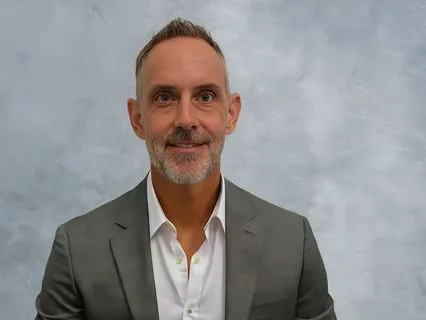
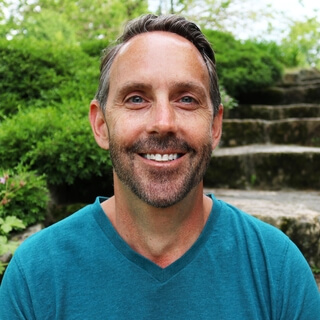
Welcome to Life Lessons and Laughter with your host,
Glenn Ambrose.
Hello,
All my sinners and saints out there.
Here we are.
Here we are again,
Talking.
Well,
I'm talking,
You're listening.
So,
Yeah,
I was contemplating topics and,
You know,
I've heard this saying,
Concept,
Whatever you want to call it,
Before,
And I just heard it again recently.
And it just,
To me,
It felt like it really applied to where we are in society right now.
You know,
I think it's helpful,
A little bit more than always.
It's always helpful.
But I think right now in human history,
It's a little bit more helpful if we actually choose to apply it,
You know.
And the saying is,
Every saint has a past and every sinner has a future.
You know,
And it's attributed to Oscar Wilde.
But,
You know,
It's a concept that's been passed down through ancient wisdom and stuff.
So,
Yeah,
That's the quote.
And,
You know,
I'm sure most of us have heard it before.
You know,
Either the saying or the concept.
And it's just,
It seems like right now,
Everybody is so focused on picking sides of everything.
And trying to find that security in feeling like they chose the right side and they're on the right side of an issue.
And like,
That is really become a huge identity,
Is just that,
You know,
I'm on the right side.
You know,
And we see it a lot in the spiritual community,
You know,
I'm on the side of love.
So,
Therefore,
Whatever,
Man.
Like,
I mean,
See,
That's the problem is we're standing,
Going like,
If I'm on the side of love,
Then that means you're on the side of hate,
Or anger,
Or whatever,
Evil.
And then that's really the most important thing.
That's the crux of what is chosen to be said.
From that point forward,
The actions from that point forward are all on,
I'm in love.
So,
Therefore,
I'm right,
And I'm good.
And you're bad.
And like,
It doesn't,
You know,
We've done this throughout history.
It's one of my other,
You know,
One of the sayings that catches my ear is if we don't learn from history,
We're doomed to repeat it.
And,
You know,
Most often when I hear that saying,
It's people repeating the doom of the past.
And they're kind of saying it to pretend that they're not.
It's like,
Or that they've actually learned something,
Or that,
You know,
And,
Like,
I think,
All right,
I'm just gonna stop on this for a moment.
Usually,
What it is,
Is people pick a specific thing about the past,
And they go,
Well,
See,
We're not doing that anymore.
So,
We learned from it.
So,
Therefore,
We're good.
We've evolved by looking at our past.
And all they do is they just do a different version of the same thing.
Okay.
So,
You've learned from the past,
Because you found that a dictatorship doesn't work well,
Because one person gets too much power.
So,
You're gonna create a democracy.
But the democracy is based in a way that funnels upward power.
So,
Really,
All you're doing is you're creating a bigger dictatorship.
So,
You're gonna have,
And I'm not talking about the current political person in office in the United States,
Because I know that,
You know,
People are naming the protests and stuff around this mentality.
That's not what I'm talking about.
I'm talking about,
Like,
Our entire system,
Our entire governmental system.
Instead of having one dictator or one family dictatorship,
What we have is about a thousand dictators.
And they all,
You know,
So they all have power.
They all have wealthy lifestyles.
They all have lifestyles that nobody else is privileged to.
And we go,
Okay,
That's a democracy.
It's like,
No,
It's just a thousand dictators instead of one.
That's all.
You know,
Instead of one family,
You really haven't changed anything,
Because you didn't change the dynamics underneath.
You just changed what it looked like on the surface,
You know.
So,
This is why,
You know,
I think we have to look deeper into these sayings,
Because there's truth in these sayings,
But we're not looking deep enough to really understand what they mean.
You know,
Every saint has a past.
Every sinner has a future,
You know.
In this day and age,
What we do is we just keep our eyes open for somebody to do something stupid or say something stupid,
And then we identify them with that.
We're just waiting for people to make a mistake.
And now everybody's got their phones,
So you can capture it on video and be like,
See,
There's proof.
There's proof.
But what people are thinking is it's proof that this person is a jerk.
It's proof that this person does wrong things.
It's like,
No,
It's not proof that that person is a jerk or that they do wrong things.
It's proof that they did something wrong,
Or it's proof that they were a jerk in that one situation.
That's all it's proof of.
It's not proof of who they are as a human being.
It's not proof of how they interact.
Every single person has interacted poorly in a particular situation,
You know.
And I think,
You know,
The main three ways to behave are the defensive mechanisms,
Right?
They're the fight,
Freeze,
Or flee.
Those are the three main ways.
Well,
One of those out of the other three,
Out of all three,
Is external,
Right?
And that's the fight.
The fleeing,
Well,
You know,
I guess that's somewhat external.
But fleeing doesn't often perpetuate the situation in an ugly way in the moment because they're gone.
So all repercussions of them leaving remain to be seen,
Probably.
Or they might be transpiring there and it might be bad.
We might see a situation where somebody leaving a situation where they should have stayed.
We might be able to see where that's a bad thing,
But many times we won't.
Fighting,
You're always going to see how it exacerbates the situation.
Freezing,
A lot of times you don't see because it's not external,
You know.
People just shut down.
So,
You know,
Choosing the wrong one of those three.
And let's just keep in mind what I'm talking about when I'm talking about fighting.
I'm not talking about fist fighting,
Although it can be like that sometimes.
I'm talking about verbal confrontation.
I'm talking about arguing.
I'm talking about standing up for yourself.
That's what it looks like when it's healthy,
Speaking your truth.
That's a,
In a conversation of ways of handling things,
That all falls under fight.
That it's the energy of,
When it's in a healthy way,
It's speaking your truth.
When you go too far and it gets into a toxic element,
Then it could turn into a fist fight or an argument.
But it's all the same.
It's birthed out of the same thing.
It's birthed out of standing up for yourself.
You know,
And this is why fighting is such a hot button topic,
Is because the other two are just as dysfunctional.
And they're probably more common,
But people just don't see it that way because it's not so external.
So like when freezing is toxic,
Like just not feeding a situation,
That's what it looks like when you're in a healthy way.
When it gets toxic,
That's people like staying in abusive relationships.
They just freeze.
They're too scared to leave,
So they just freeze.
Well,
That can cause tremendous harm.
Tremendous harm.
I mean,
Not only to the person that's in the abusive relationship,
But if they have children,
Now their children are being abused.
So now,
So you have either a man or a woman that is being abused in a relationship and then exposing their children to it,
Quite possibly for decades,
That's a really bad turnout.
That's toxic.
If you chose to freeze,
Fleeing can be healthy or it can be toxic.
You know,
If somebody wants to start an argument and you just like,
No,
You have the right to your opinion.
I'm going to get going and you just leave.
Well,
That's fine.
That's healthy.
Nothing wrong with that.
You know,
But if somebody is,
You know,
Abusing somebody,
You know,
I use that again as this one.
You know,
If somebody's abusing somebody and you just choose to walk away instead of speak up,
Well,
You know,
Somebody could get severely hurt either physically,
Mentally,
Emotionally,
They could even be killed.
Why?
Because you didn't stand up.
That's a pretty bad turnout.
Right?
So my point is,
Is that it's not always,
You know,
It's not always fighting,
But it's not always what you see externally to label that that can cause tremendous suffering in this world.
You know,
We wait until somebody lashes out in anger some way because that's really good for video.
Like it's,
You know,
Somebody walking away.
Well,
I mean,
That can be,
We can do it like,
You know,
Now that I'm,
It's just,
We don't see it as often and it doesn't capture our attention.
But my point is,
Is no matter what defense mechanism is your go-to because we're supposed to be using all three and oscillating depending on the situation to which one's appropriate.
But most people have one that they do too much.
You know,
A lot of people pleasers freeze when instead of speaking their truth and it causes tremendous suffering throughout their entire lives and lives for other people.
It's just,
We don't see that so much,
But it happens.
So when,
When we're looking out at all these different ways that dysfunction and toxicity can play out,
Usually what happens is we're looking for an external situation,
You know,
Or just one of those ways where somebody didn't do the right thing.
That's all that,
That's all we need for ammunition.
That's all we need to prove that we're right,
That they're bad and we're good.
They didn't do the right thing.
Did you see this?
They didn't do the right thing.
Well,
There you go.
Like,
And I'm over here going,
So,
So what?
Well,
It's obvious they didn't do the right thing.
They did the wrong thing.
Yeah.
So,
Well,
That means they're a bad person.
No,
It doesn't.
No,
It just means that they handled that situation poorly.
That's it.
It's like,
You've never handled the situation poorly.
We're so easy to blame and judge and criticize and label.
It's exhausting.
Oh,
It's like,
This is all,
That's all we do is we look around.
This is,
You know,
The average person in society just waits for somebody to do something stupid so they can feel right.
And you're not right.
You know,
It doesn't make you a good person.
In fact,
It makes you a judgmental negative person.
That's what it makes you.
Well,
Yeah,
But I'm right though.
I'm standing and I say he should have done the loving thing and he did the hateful thing.
So therefore I'm good and he's bad.
No,
If he did the hateful thing,
Then he was wrong in that particular situation.
And you are judgmental for judging him.
You're not love.
Judgmental is not love.
That's not love.
Labeling people.
It's not our job to judge people.
We can assess them.
I can see somebody behave poorly in a situation and go,
You know what?
I'm not going to go ask if they want to hang out because I didn't like that behavior.
And I don't know,
Maybe they do it regularly.
Maybe they don't.
But when I'm choosing friends,
I often like to choose people who like to handle situations in healthy ways as opposed to unhealthy ways.
Now,
I'm not saying that that person handles every situation in an unhealthy way.
Maybe they were having a bad day.
Maybe they were triggered.
Maybe there's a history of this that I'm not aware of.
I don't know.
So I'm not going to judge them.
I'm not going to label them,
But I'm not going to go ask if they want to go to lunch.
That's just an assessment.
Why?
What is the difference?
The difference is,
Is that I didn't label them as bad.
I didn't judge them.
I just assessed the situation.
You know,
I'm not going to go out to lunch with them.
Well,
You know,
Assuming I don't know them already.
If I knew them already,
Then I probably would go to lunch with them,
Even if they made a mistake and mishandled the situation because I wouldn't be judging them.
But if I'm going to get to know somebody and the first thing I see is I'm on leash,
Well,
They might have an anger problem.
I don't know,
But it's not what I'm looking for.
Maybe dating is better.
I ain't going to go ask them out.
You know,
I like to ask out people who seem happy.
But we're very much in this judgmental society.
And I think that,
You know,
Having a simple concept,
A simple catchphrase is helpful in these situations.
So understanding that every saint has a past.
Like,
You know,
These people that we hold up and like,
Oh,
My God,
They you know,
They were such wonderful people that that they that so wonderful that they're capable of connecting with God on a level where they were capable of performing miracles so much that they got into sainthood.
Wow,
That's a pretty special person.
Yeah.
And you know what?
They threw a rock at somebody when they were a kid.
They mishandled the situation when they were an adult.
They did.
Yeah.
Even the same.
This person you have up on a pedestal,
Even them.
You know,
And when you're looking at the sinners,
It's like,
Oh,
They they they can't become a saint.
Nobody's found God through suffering.
That's the number one way that people find God.
Bar none,
Not even close.
More people have found God through suffering than anything else by six billion miles.
So what does suffering look like?
Suffering happens when we're not in alignment with spiritual law,
When we're not in alignment with God,
Which is also who we're supposed to be within loving actions,
Et cetera,
Et cetera,
Et cetera.
You know,
When we're not when we're not doing the right thing,
Then we experience suffering.
That's the whole point of suffering is to push us towards God.
That's our guidance system is when we're doing things that don't bring us closer to God.
Then we suffer when we do things that bring us closer to God,
We feel better,
We feel pleasant things within us.
That's the guidance system.
So all these saints,
I mean,
All these sinners that we're running around judging and putting down and pointing the finger at so we can feel better about ourselves because that's what we're doing.
We're just trying to enhance our identity of being loving.
We're not acting loving.
We're not actually being loving.
We're trying to increase our loving identity.
What we've done is we've traded in our,
I'm lost identity,
You know,
Which,
Or I'm a victim identity.
We've traded that in for a spiritual identity or a good person identity.
Oh,
I'm a good person.
I have a big heart.
I'm a good person.
I want good things for everyone except him because he's an asshole.
Because I saw him yell at his kid and grab him by the wrist and pull him abusive jerk.
Like seriously?
Yeah,
But you're a good person.
Judgmental doesn't fit into the good person zone.
You know,
We label like we know everything.
That's what that is,
Is that's being prejudiced.
This is how I use,
You know,
I've said this before,
I use trigger words to remind me of concepts because they stick inside of my heart and in my head more.
If there's a word that I can associate with a particular behavior and that word sends chills up my spine,
Then that's good.
I use that word.
So prejudice,
I don't ever want to be prejudiced.
I think it's a dirty word.
I don't like it.
I don't like people who are prejudiced.
I don't like the idea of prejudice.
I don't like it.
So like what,
What I do is I look at that word prejudice.
Okay.
So since I don't want to be that hypocrite is another one.
So since I don't want to be that,
What,
What can I,
Um,
What does being prejudiced mean?
If I don't want to be prejudiced,
Then maybe I should understand what being prejudiced means.
Good idea.
Okay.
So being prejudiced means pre judging.
That's literally what it means.
It means judging without all the information.
So like,
If you're looking at it in,
As,
As a,
Um,
As a race thing,
Then it's,
You know,
Them thinking that,
That one particular race is less than another particular race.
It shows its prejudice.
It shows its pre judgment.
It shows its judgment without all the information because one race isn't better than another race.
We're all humans.
We're just,
There's one race.
It's the human race.
So like thinking that one race is better than another,
You're obviously not taking in all the information available and all the information necessary to come to your conclusion.
That's why you're prejudiced.
Okay.
So it's the same thing with this,
Where we,
We see somebody do something inappropriate and then all of a sudden they're an inappropriate person.
That's prejudiced.
Do you know them?
Do you know the situation that they were in?
Do you know their past?
Do you know the past of the person they were interacting with?
Do you know all the circumstances of the situation?
Do you know what happened to them earlier in the day?
Do you know if they're remorseful in their heart or not?
Do you know anything other than a 15 second clip on a video that you saw?
No.
But yet you're able to judge them righteously.
So you feel you're a good person.
That's an ego stroke.
You know,
I'm not saying that I'm perfect at this.
I still judge people and I try not to,
To the best of my ability because I know it's wrong.
Okay.
And this is what I'm trying to get through to you guys.
Not to,
Not to shame you if you're judging.
It's never my intention is to shame people.
It's never my intention to make people feel bad.
It's my intention to shine the light on things and present them in a way that you didn't see them before.
So then you can make,
If you look at it the way that I'm presenting it and you go,
Oh,
Okay.
I understand what you're saying,
Glenn.
I guess I just wasn't looking at it that way.
But now that you pointed it out,
I agree with you.
If you disagree with me,
Fine.
No problem.
Keep doing what you're doing.
But my hope is that some of you are actually going to go,
Oh,
Wow.
I never looked at it this way.
And then the light bulb goes off and you go,
Wow,
I shouldn't do that.
And then you do it less,
Right?
Why?
Because you noticed that it was something that you shouldn't be doing.
So then you start working on doing it less.
That's it.
That's a win.
That's a win people.
That's what we all need to be doing is dissecting our behavior,
Looking at it,
Trying to find the ways that we can be better people,
Not in a,
Not in a spiritual identity kind of way by rationalizing our behavior.
Cause we're on the right side and somebody else is on the wrong side.
No.
What's your behavior?
Just your behavior.
I don't give a crap what somebody else is doing.
I don't give a crap who's in office.
I don't give a crap what their policies are.
I don't give a crap what you think is right.
I don't give a crap what you think is wrong.
I could give two craps.
I don't care.
Are you behaving in a loving way or are you not?
That's it.
And if you're judging people,
You're not because judgment and judging people and being prejudiced,
Pre-judging people with all the information is not loving.
Oh,
Well,
Yeah,
But I have tons of information.
I have 350 ways why this person is a bad person.
So what?
Do you know how they were raised?
Maybe they were made to be like that.
You know,
It's like you can look at a child,
Right?
That's being beaten and shamed by their parent and go,
Oh my God,
That poor child,
That poor child.
Oh,
That parent is a bad parent.
They're a bad person.
Oh my God,
This poor child,
Right?
And then that child grows up and starts behaving in crappy ways.
And we're like,
Oh my God,
That's a bad person.
It's like,
Well,
Did you forget why they're behaving that way?
You know,
It's just,
I'm getting these flashes of the shack,
The book and movie.
If you haven't seen them,
Please do.
But I think it does a masterful job at this judgment topic,
You know,
Because it kind of starts breaking down a lot of the things that I'm saying right now in the movie,
In a visual way and in the book,
In a written way.
And I think it's and you know,
And it's,
It talks about this.
It's like,
You know,
Oh,
I can judge this person.
I can judge that person.
I can judge that person.
Oh,
How about,
You know,
I'm going to send them all to hell.
Okay.
What about that?
What about that little boy?
Well,
He's just a child.
He's being abused by an adult.
Like,
Why would I send him to hell?
It's like,
Well,
Yeah,
But that's the person who grows up into this person.
And that's why they're like that.
Oh my God.
It's like,
Okay,
Right.
And then a lot of people will stop there.
Right.
And it's like,
Well,
Don't stop there.
Follow that concept through so you can actually expand your mind and start understanding what's actually going on in society and why we live in the society in which we live.
So if you start following that concept down,
You go,
Oh my goodness.
Okay.
So the child was beaten by the adult.
That's horrible.
Oh,
Wait,
That adult was a child before.
Oh my God.
What happened to that?
Oh my God.
They were raped by their parent.
Oh no.
Okay.
What happened to the,
That parent?
Oh,
That parent was a child before too.
What happened?
Oh,
They were raped by a neighbor.
Oh my God.
Like,
And you just follow this down and we have,
You know,
Lineage,
We have ancestry.
If,
You know,
I forgot what it is.
I heard how many generations that like they've,
I don't know if this is theoretical or what,
But it was kind of getting popular a little while ago,
Meaning I saw it several times.
And they were talking about something like 14 generations or something.
A lot of generations that can be seen that they can actually find trace of.
I don't know if they did it like with DNA or if they did it like with,
Through spiritual hypnosis or I don't,
I don't know what the heck it was,
But anyway,
They were saying that they could,
They could trace back trauma for like 14 generations or something.
It was insane.
So like this stuff gets passed down.
So,
So where,
How far do we go back?
If we're looking to blame,
Do we go back all the way to Adam and Eve?
If you believe in that,
If you don't just your version of Adam and Eve,
You know,
We,
People started from somewhere,
I guess.
So,
You know,
As far back as you can go,
Like,
Do we like where,
So basically we just blame humanity,
You know,
And I'm not,
You know,
Again,
I'm not saying that we shouldn't hold people accountable for their actions.
I'm not saying that.
I'm saying that,
You know,
If something needs to be stopped for,
For,
I'm not even going to go down that road because it's going to take me way off track,
Especially with the political climate right now.
So all saints were sinners and all sinners have the potential to be a saint.
You know,
You know,
It's my,
I talk about my past very often and my past was,
I mean,
Honestly,
Like maybe,
Maybe I'm delusional.
I don't think so because other people have told me this.
I came from a really good family.
Like there wasn't a,
You know,
A high level of dysfunction in my family.
In fact,
In fact,
When I got sober,
You know,
I,
When I got sober,
Like,
And I started understanding spiritual concepts and things that were being said in,
In AA rooms and stuff,
And people were talking about these horrible experiences they had as children and growing up in these difficult situations.
And I was like,
So I went to my sponsor one day.
I'm like,
Man,
I'm like,
I think I'm kind of,
I'm like,
I don't know how to process this.
Like everybody came from these horrible situations.
And like,
I mean,
I had lots of horrible situations,
But they weren't like in my home.
And they,
I guess they weren't typical that people talked about,
Like maybe they weren't so obvious or something.
Right.
So I'm sitting there going like,
I,
You know,
I had a happy childhood.
I grew up in a good home with loving parents.
Like,
What's wrong with me?
It's like all these people that turned into alcoholics,
Like you hear about their childhood and you're like,
Well,
No wonder why they turned into alcoholics.
Like,
What,
Why did I turn into an alcoholic?
Was I the weakest person on the planet?
I can't even handle a healthy life that I literally was wondering that,
You know?
And my sponsor was like,
Oh,
You came from a,
You came from a functional family.
Your family was functional.
And I said,
Yeah.
And he goes,
Well,
Were you in it?
And I'm like,
Yeah.
And I had to think about that one for a couple minutes.
I'm like,
I think he's saying something here.
Oh,
If I was in it,
Then I was the dysfunction.
It's like,
Oh yeah,
Good point.
And there was,
There was lots of truth to that from,
You know,
By the time I was like 13 or 14 or maybe earlier on,
But you know,
My dysfunction was just not so obvious.
It was just,
You know,
I had,
I had a family that really connected well together and I didn't,
I had,
You know,
Intelligence and,
And capabilities of doing well in school.
But yeah,
I had this ADHD part where I couldn't sit still.
You know,
Like,
So it's,
You know,
Whatever,
Year after year after year,
It did a number on me,
But it just didn't seem that dysfunctional at first.
But I mean,
As a general rule,
You know,
I came from a good family.
I was like,
Even all the trouble that I got into later on,
Some of it certainly crossed the line.
But the majority of it,
Especially in my younger years which formulated my older years,
My younger years,
I was just mischievous and couldn't sit still.
I wasn't a bad kid.
I wasn't trying to hurt other people.
I wasn't running around bullying people.
You know,
I wasn't,
I wasn't this,
You know,
Like I wasn't like angry and acting out of lashing out in anger.
You know,
Not really.
I had my little stint with some,
With some fights when I was younger,
But that was just because I was trying to stand up for myself and was sick of getting beat up.
But even that,
Like,
As soon as the teacher said,
Hey,
Glenn,
That I liked was like,
Glenn,
You fight too much.
You shouldn't be fighting.
I was like,
Oh,
Okay.
And I stopped fighting for years,
You know,
Up until I got back into,
You know,
That was probably somewhere around fifth or sixth grade.
And I didn't really fight.
I mean,
Maybe unless I had to,
And it wasn't really fighting probably more like getting beat up,
But like through sixth,
Seventh,
Eighth grade,
Even ninth grade,
Really,
It was just sophomore year where I couldn't take the getting picked on anymore from freshman year and started lashing out fighting sophomore year.
But it was a response to something.
It wasn't because I was trying to hurt people or I was mean,
I was just trying to survive,
Not getting picked on and get beat up every day.
So like that,
You know,
But even back then,
Everybody was telling,
You know,
All the adults were telling me I wasn't going,
You know,
I couldn't fit into school.
I wasn't going to make anything of myself.
I was going to be a loser for my entire life.
And I was nothing but trouble and I was a bad person and all this stuff.
And you hear that over and over and over and you start to believe it,
You know,
Like,
Especially from adults.
So as I got older,
You know,
Like I said,
Like my dysfunction started getting worse and worse and worse.
Like there were still times where people would go like,
Hey,
Let's go,
You know,
Just out of the blue mean stuff,
Like let's go beat up that person for no apparent reason.
Like I wasn't going to go do that,
You know.
Let's just destroy somebody's house or something.
Like I wasn't going to do that.
You know,
I might egg a house with toilet paper or spray paint something on a driveway or something like that,
But I wasn't going to,
You know,
Blow up a house or shatter all the windows in it or,
You know,
We did trash a car once really,
Really bad,
But that was in response to some other stuff.
So that was a,
To me,
I ain't proud of it.
You know,
It was the wrong thing to do in hindsight.
But it,
That culminated,
You know,
Like we didn't,
We're just like pick a random car.
I mean,
There was a problem with the owner and,
And,
You know,
They fed it,
They kept pushing and,
And then it kind of spontaneously happened where their car was destroyed.
What can you do?
You know God knows it's nothing that I would do now,
You know,
But that's what I mean.
Like,
So I did this stuff.
Like I stole a lot when I was young,
I got in a lot of fights.
I broke into places.
I did some property damage stuff here and there.
You know,
Like I did some stuff,
Man.
And there's probably more stuff that I'm not thinking of right now,
But the,
The,
The point is that I'm trying to make is by all intensive purposes,
I was quite the sinner.
Oh yeah.
And the,
The drugs.
Um,
So yeah,
I was,
I was a sinner in a lot of ways and what people would label as a bad person.
And,
And many people did and they pointed the finger and now for the last 22 years,
I've been sober.
I've been living by spiritual principles.
I've been teaching other people's spiritual principles.
Literally millions of people have heard my podcast.
You know,
Like I raised my son,
I was present,
You know,
And now I have a wonderful adult as a,
As a son.
How rewarding is that?
You know,
But like I,
My point is,
Is I've done different things.
I've changed.
We all have the capability of change.
And I think we forget that it's,
It's not you,
You like,
We're not supposed to hold out hope that somebody is going to change.
So therefore treat them as if they had changed.
Like,
That is one thing that,
That I've tried to,
Um,
Explain to people over and over.
Like,
Like when,
When somebody is like in your life and they're behaving poorly and then the person gets really frustrated,
Right?
They have this person in their life that,
That,
That is just dysfunctional and behaving poorly over and over.
And they finally get to this point and they go,
I,
I give up,
Like,
I give up hope that they're going to change.
The problem with that is that you shouldn't have been holding out hope that they were going to change.
And this is kind of a tricky concept.
This might be a whole podcast,
But I'm going to try to touch on it briefly here.
So you still have to interact with people the way that they are now.
If you're not,
If you're interacting with somebody in a way that like you're going,
Well,
I'm going to act like this in hopes that they'll change.
That is wrong.
Like you can't do that.
You can't,
You can't treat people in a way to try to induce a change.
That's manipulation energy.
That is not,
Um,
Dealing with life in reality.
You're not dealing with things as they are.
You're dealing with them as you wish they were.
You're dealing with them as you hoped they would be.
That is dysfunctional behavior.
It's not going to go well.
Right?
So then they go,
Well,
I'm just going to give up hope.
Well,
No,
You never give out hope.
I mean,
Of course,
Anybody hope just means that something can be different.
That's all.
So like I change,
I never give up hope on anybody ever,
Ever,
Nor will I ever give up hope on anyone.
I will never give up hope on humanity.
I will never give up hope on a human being.
I will never give up hope on a dog.
I will never give up hope on absolutely anything.
I won't give up hope,
But that doesn't mean I'm not going to interact with the situation as it is in the meantime.
There's just this thing in the back of my head.
It doesn't dictate how I interact in the present moment.
It's just this thing in the back of my head that knows that if the right circumstances align,
Or if God twangs them on the forehead,
Or if something happens,
They could change.
Yeah,
They could.
Anybody can change at any moment.
Doesn't mean they're going to.
Doesn't mean that I'm going to act as if they already had,
Or I'm going to act as if they're going to.
No,
I'm just going to interact with them in a way that's appropriate for the situation.
So if they act abusive towards me,
I'm going to say,
No,
That's not allowed.
I'm not going to say,
Well,
I'll let them get away with it this time,
Just in case they might change in the future.
No,
That's not hope.
That's delusional crap.
That's going to cause suffering.
So hope is just the knowledge that anybody can change at any given time.
It's happened countless times.
Sinners have been turned into saints.
People have turned,
And every version of that.
I don't consider myself a saint,
But I sure as heck don't consider myself a sinner.
So I do consider myself a person that I don't think I was ever rotten in my core.
Although I guess nobody technically is,
But some people I guess are a little bit more deeper mean-spirited than I was.
But even them,
They can change.
I can change.
I'm not unique.
People change all the time.
So I have the negative person causing all kinds of problems in my past,
And then it's kind of cool now because it's like,
Well,
I've been sober 22 years now.
So it's like,
I kind of drank for 20 years.
I've been sober for 20 years.
So I kind of got,
I've actually lived functionally longer than I lived dysfunctionally.
At this point,
Like I think I just turned that corner recently,
Or I'm right around the corner.
I don't know.
I guess it depends on how you say,
Was it when I picked up my first drink or was it when I decided that I was going to be bad?
I guess maybe when I decided I was going to be bad.
So that was probably maybe around 13 or 14.
So it's probably about 22 years that I lived dysfunctionally and 22 years that I've lived in a healthy way.
And like I said,
There's nothing special about me.
I mean,
This is just life.
This happens.
So we got to get away from this labeling.
We got to get away from this identity of being spiritual people.
Like,
You know,
There's this meme,
I haven't shared it.
I don't know if I'm going to,
Because I think the message is important in a way,
But I,
But I'd also don't like putting out negative stuff.
And depending on how you take this,
I guess it could be negative.
Um,
Where is it?
I'm just looking for it now,
Which maybe I shouldn't have started to do that.
I may have made a mistake here,
People,
Because it's not in the forefront of my mind now.
Oh crap.
Yeah.
I don't think I should have done that cause now I lost it.
Um,
Damn it.
What's that meme?
Oh,
Here it is.
Oh,
Thank God.
Thank you.
Um,
Oh,
Sorry.
God's inside me.
Thank you.
Uh,
It's,
It's this meme with,
Uh,
Charlie Brown and Snoopy and,
And Charlie Brown says,
I thought spiritual people were supposed to be kind and Snoopy's just laying there on his,
Uh,
Dog house looking up in the air.
And he says,
Only if you agree with them,
You know,
And I just see that too much.
I see that too much.
I see,
You know,
This beautiful wave of spiritual spirituality going on through the world and this beautiful spiritual shift that's happening.
And I see us just dragging our feet and tripping and,
And delaying our progress and delaying this new,
New,
Um,
Paradigm that's being birthed because instead of really leaning into spirituality and what it means,
We've leaned into,
Into memes and ideologies and,
And,
Uh,
Identities of being a spiritual person instead of actually being one.
You know,
Like if,
If you're,
If you consider yourself a big hearted person or a spiritual person or a loving person or a religious person or a kind person,
Then you have to act kind and loving period.
There isn't a shortcut.
There isn't a way around.
You do not get to act like a crap head because you're standing on the right side of something.
You're not allowed to judge others because you're loving.
You're not allowed to put down others or shame others because you're a good person.
It's not how it works because then you're not a good person.
Why?
Because you're behaving horribly.
See,
This is what we got confused.
We think somehow,
I don't know,
Like when I was a kid,
They taught us this and somehow it got lost because it's my generation that we all got taught this and we all threw it right out the window.
You know,
What's common now is an eye for an eye.
What's common now is two wrongs make a right.
As soon as we see somebody that's done something wrong,
Then we think we have the right to do whatever the hell we want to them,
Say whatever we want,
Judge them in any way we want,
Do whatever we want,
Shame them however we want,
Do whatever the heck they want.
Why?
Because they're wrong.
They did something wrong and we're right.
Let's nail them to the wall and crap all over them and it's all justified because they did something wrong.
It's like,
No,
All that does is it just makes more hate in the world.
So when you're standing on your soapbox like I do,
Like I'm doing right now,
When we're standing up on our soapbox,
You know,
Going like,
This person shouldn't be in office and this person shouldn't do that and this person shouldn't do this and they're wrong and they're wrong and this doesn't make sense and you're a jerk and you're just spreading hate.
It doesn't matter if your soapbox says love on it.
It doesn't matter if you're technically even right.
You know what right is?
It's just the best way to feed the ego.
That's all it is.
This is why,
You know,
As I walk my spiritual path,
I try to be right less and less.
I try to have that as a red flag and go when I'm sitting there and I go,
Yes,
There's proof I'm right.
Oh,
What did I just say?
Proof I'm right.
Okay,
Glenn.
Well,
You know what that means?
You're attached to your ego right now because you just want to be right and you think being right is important and it's not.
No,
What's important is being kind,
Being loving.
That's important.
Being right is not because nobody's ever really right about anything because there isn't a right and wrong.
There's just your way and my way.
There isn't a right and wrong.
You know,
We forget that this is,
This is why I wanted to talk about this.
Like,
We're so easy to judge and create this delusional backstory about people.
And,
You know,
This is why we've gotten so far out of control that this,
This,
This is one of the things that boggles my mind to some degree.
And society,
One of the,
One of the things that is a sticking point for me is when I look at society and I understand that,
You know,
The,
The,
The,
The picking sides for an identity and all this stuff,
And that's where we are and in our revolution and all this stuff,
Like I get all that,
Like,
But if we slow down for a minute and think about basically what everybody,
Particularly in the United States and other places around the world are saying right now,
The way where the way most people are thinking and acting is if you boil it down,
Basically what they're saying is that half of the country,
Which is many,
Many,
Many people in their own friend and family circles and work circles have literally gone insane and worship the devil.
Like that's basically what people are saying on both sides,
On both sides.
If you're on the red side or the blue side,
Then the opposite side has basically gone insane and dependent on what your religious or spiritual beliefs are.
Some people are basically saying that that means they're worshiping the devil and,
Or some people just think they're crazy,
Or we've literally,
We've adopted a philosophy in the United States that half the people in the country are clinically insane.
Really?
You really think that's true?
All these people you've known for 20,
30,
50,
60 years,
They've suddenly gone insane.
They just can't form a cognitive thought.
That's actually what you think is transpiring in the country.
That's ridiculous.
You want to talk about prejudice?
And all they do is argue about it.
Nobody actually attempts to understand what the other side is saying.
This is why I'm not on either side is because every time I hear a side of something,
I go,
First thing I do is I go,
What's the other side saying?
And I look into it and I go,
Oh yeah,
Yeah.
Okay.
They have a point.
They have a point.
And sometimes I just hover there in the middle,
Usually.
And sometimes I come to a conclusion of my own.
Not usually.
I don't usually come to a conclusion on my own because like,
Even if I look at one side and then I look at the other side and I agree with one of those sides a little bit more than the other,
Or maybe even a lot more than the other,
I assume that the information that I just gathered when I looked into both sides is about probably 25% of the truth at best.
It's this 75% of the information that applies to this scenario that I'm not privy to because I'm not up in the people making the decisions behind closed doors that are hiding all the information from everyone.
So why am I going to feel justified or confident in a decision about them?
I just go by feel.
Most of their stuff,
It doesn't truly affect us.
They just argue over something.
It goes one way for 10 years and then it shifts over to the other way while they're arguing.
And then it goes back to the other way.
And then it goes back to the other way.
And it just goes back and forth.
And everybody gets all leaned in and excited when their side wins and scared and freaked out when their side loses.
And then 10 years later,
It just shifts or four years later or whatever.
It's just an endless freaking yo-yo.
Talk about not learning from history.
Just go back and look at the same stuff that we're arguing over 20 years ago.
We're arguing over the same stuff now.
Nothing's actually been solved and it's never going to be solved because nobody's trying to solve it.
But we all act like when a decision is made one way or another,
We act like it's going to change our lives.
Take control over your own life.
Stop handing your power away.
So yeah,
This one was kind of,
I think this one was kind of all over the place.
It's just,
You know,
Because this is what happens when you open this door of sinners and saints.
Like nobody is right.
Nobody is wrong.
Quit the judging.
We just have different perspectives.
We're looking at things differently.
It's not,
You know,
Just because somebody's on one side,
The opposite side of whatever particular issue you think is life and death.
Well,
That doesn't mean that they're choosing death and you're choosing life.
That just means that maybe they don't think that issue is quite as important as maybe some other issues.
Or maybe it was explained to them in a different way and they actually have a different take on that particular topic.
Who knows?
But you wouldn't know because you're too busy judging them and saying,
Well,
If you agree with that,
Then you're bad.
Oversimplifying,
Not gathering anything,
Any information,
Not trying to understand.
You actually have to open your mind.
You know,
The mind is a parachute.
It only works when it's open.
Right?
So having,
Arguing with somebody to try to prove your point is not research.
You actually have to open your mind and you actually have to have the intention going into a conversation or going into researching something.
Your mind has to be open enough to actually absorb alternate information.
You have to try to see where they're right.
Not because you're going to hop sides,
Not because you're going to change your mind and suddenly think like they do,
Just because you have to have an open mind to absorb the possibility of a different way of thinking.
That's all.
And then once you understand them,
Then you can go,
Okay,
Now that I understand the way they think,
It has a logical line of thinking.
They're clearly not insane.
So there is a way of thinking.
Would I like to adopt that way of thinking?
Or would I like to keep my previous way of thinking?
Well,
I'm going to keep my previous way of thinking.
Okay,
That's fine.
That's your decision.
But now you know that they're not evil or crazy because you understand their line of logic.
We don't do that.
We're just too busy,
Sinner,
Saint,
Sinner,
Saint,
Sinner,
Saint.
Let's go,
Peeps.
We can do better.
We can.
Because I know you're all loving,
Wonderful people and really intelligent.
I don't think everybody's gone crazy.
I know that people almost everybody I know is a kind hearted person with a capable brain.
That's just how most people are.
So we can do better.
All right,
That's going to do it for today.
I hit the end of my time period.
And I was kind of all over the place,
I think in this one,
But it happens sometimes.
All right,
Peeps.
Thanks for listening.
Take care.
Peace and love.