Welcome to the Ohmamah's podcast.
I'm your host,
Christine Maglenchia.
In each episode,
I'll cover topics in the area of maternal health and spiritual wellness.
You'll hear from guests who will share their professional and personal experiences as we navigate the journey to and through motherhood together.
This is an intentional space for you to learn and grow.
So sit back and enjoy.
Today,
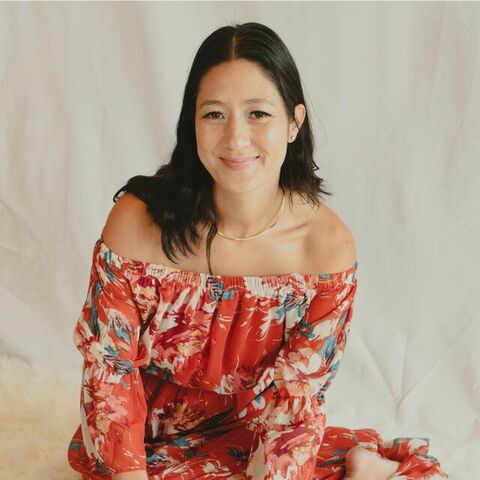
Our guest on the podcast is Wendy Izzell,
A clinical health counselor and creator of Fertile Affirmations.
She has a passion for reproductive health across the lifespan and is honored to hold space for those looking for direction and support wherever they are in their journey.
Hi,
Wendy.
Thanks so much for being with us today.
Hi,
Christine.
It's so good to see you.
Thanks for having me.
Yes,
Of course.
So tell me a little bit about your journey and how Fertility Affirmations started.
Yeah,
Absolutely.
So with my own struggle in the reproductive health world,
I had four losses before I had my two rainbows.
And I think I was telling you before we started,
Just really the affirmations that came about for me,
Got me through my dark days and being able to see the impact on my own mental health,
As well as starting to share them with clients,
Fertile Affirmations was born.
And it just really took me through the birth process,
Had a little bit of birth trauma,
The postpartum anxiety,
Which was huge for me.
So they really kept me sane during that postpartum period as well.
And so,
Like I said,
Just seeing the impact that affirmations and mantras have on our wellbeing.
And a lot of times people will confuse that for toxic positivity.
I know sometimes we see on Instagram,
Some things that sound like,
Oh,
Things will get better.
Turn the other cheek.
And that is not at all what Fertile Affirmations or Affirmations for Reproductive Health or mantras are.
They are productive,
The light at the end of the tunnel,
The peace we need to know that we're going to make it through,
That we're going to survive the storm.
Absolutely.
And I agree with you,
Obviously I'm huge on mantras because I have a whole book about them,
But I think they're like,
For me,
They're just reminders and like an empowering just like reminder of some of the simple things that we forget throughout the day.
So I do agree that they can have like a really powerful impact in shifting your mindset and really helping you like overcome things that,
You know,
We often like take for granted or are kind of like harping on,
Especially as women and as mothers.
Absolutely.
One of my favorite affirmations is acknowledge,
Embrace,
Walk through,
And I'll use it for journal prompts for myself.
I'll have clients use it as a journal prompt.
So it's a mantra in and of itself,
But I think as a society,
We don't allow ourselves as women,
As mothers,
As physical beings to be able to acknowledge negative thoughts because we're allowed to have those.
The brain is a super machine and we're constantly processing thoughts,
Positive and negative.
And so the acknowledges that,
Yeah,
It's okay to not be okay.
It's okay to feel and think what I'm thinking right now,
Embrace it,
Lean into it.
And then the shift to the walkthrough is okay.
What,
What can I look for in my life that is a stable is what I know to be true,
Something productive or quote unquote positive.
So yeah.
Yeah.
That's beautiful.
I love that acknowledge,
Embrace,
Walk through and that's knowledge.
Yeah.
And it's right.
A reminder.
Cause sometimes we get stuck,
We get stuck in that space of like not acknowledging it because we don't want to like lean into those heavier emotions or kind of like admit it.
So when we're like actually working through our spectrum of emotions,
Then we're able to fully equip ourselves and prepare ourselves for what comes next.
And it gives us like that confidence to go through other things too.
So that's really beautiful.
Absolutely.
Being in the process is part of our healing,
Is part of our living.
So how old are your children now?
My children,
My youngest just turned 16 and the other is 17.
So all of that teen girl angst,
You're in the thick of it.
Oh my gosh.
A million dollars to go back to the teenage.
So they're amazing.
Thank you.
So what are some tools that helped you really get through the pregnancy losses and kind of like the fertility journey,
Because that is such a vulnerable time for a woman.
And it's so easy to get discouraged and to kind of give up,
Feel like,
You know,
Maybe you're not meant to be a mom.
Like what are all the spectrums of emotions that you went through and how did you kind of like overcome it?
Yeah.
You just did a great job of going across that spectrum.
You really vacillate by the minute of what if this never happens,
What have I done wrong?
Why is my body failing me?
You know,
Looking at every option you can,
You know,
Dr.
Google is,
Is a thing.
And so I really try to work with my clients now just on setting aside space and time,
You know,
Give yourself a few minutes,
But here's the websites that I would recommend.
Try not to go down the Dr.
Google hole.
Cause there's really only two or three.
And if you'd like those,
I can certainly give them to you,
But full circle back to your question.
It is,
It is deep and wide.
And so really looking at the impact on physical,
Emotional,
Sexual,
Spiritual,
Financial parts of self,
Because as we know,
No journey is the same.
And so,
Whereas mine was daily shots to hold a pregnancy for someone else,
It may be daily shots to prepare for an IVF cycle.
So it is,
It is so deep and wide and a lot,
And I'm going off on a tangent here,
But a lot of times folks think that it's just a female issue.
And as we know,
It's 40% female factor,
40% male factor,
And then 20% a combined or unknown factor.
So it's really can be the first major medical crisis that a couple faces together.
So it runs the gamut across the parts of self for sure.
Yeah.
What do you think the,
The biggest challenge of that journey for you was and how did you overcome it?
That is a really good question.
I think for me,
It was shame.
So shame in the fact that my body wasn't doing what it was supposed to do shame in the fact that I didn't know anybody that was going through any sort of reproductive health issue.
So it was very isolating.
And so that's why today I did my own personal work with my own therapist.
And I encourage anybody who's going through any sort of fertility,
Pregnancy loss or postpartum journey,
Have somebody to talk to had,
There's so many small groups available locally in most cities and towns virtually now that COVID has hit,
Everybody's finally embracing the virtual.
I'm so excited about that.
And resolve has and postpartum support international have some amazing groups online.
So there are resources out there.
Use them.
Yeah,
Definitely.
And a lot of the time,
Like you said,
Like women feel like it's them probably primarily for the reason that they can't get pregnant or if they're having any issues.
And it kind of like runs the gamut because then you're thinking about like oh,
Well,
Everyone else gets pregnant so easily.
So it has to be my fault.
And just like the strain that it puts on a couple.
And like you said,
It's spiritual,
Emotional,
Mental,
Physical,
But also financially,
Because then you're starting to look at,
Okay,
If we do IVF treatments,
Or if we're exploring adoption or surrogacy.
And those are luxuries.
Those are a piece of privilege,
And not everybody can afford that.
And just dealing with insurance,
Some people their medication is even covered for it.
And it's a medical condition,
It's a disease of the body of the reproductive organs.
So that's a whole nother thing we could do on finances and insurance and the impact it has on the couple or the person.
Right.
What are some themes that you're seeing emerging in your work with your clients?
And what are people experiencing in terms of infertility and pregnancy loss?
I unfortunately am seeing a lot more secondary infertility.
I'm not quite sure if that's just the toxins in our environment,
Which I've had that theory for years now.
And a couple of the reproductive endocrinologists that I'm close with,
I mean,
We chat about that often,
But our world is changing.
There are more toxins in the environment,
But I,
And that's a current theme that I'm observing in my little corner of the world,
The secondary infertility.
So having a healthy child,
A singleton,
But unable at a young age,
Mid thirties to be successful in a second with a second pregnancy without some sort of medical intervention.
Wow.
Yeah.
That's so interesting.
So,
I mean,
I,
When I was pregnant with my daughter,
I remember Dr.
Google,
This researching everything and how harmful everything can really be to your body and leads to miscarriage.
I was like,
Oh my gosh,
Like everything is trying to like kill me and my child.
It's like everything.
It was like super toxic.
I didn't realize all of the harsh chemicals additives,
Not only in our food,
But in our like beauty products and all of those things like that really awakened me and like,
I shifted,
Like I was getting into like organic stuff before then,
But that even like opened my eyes like even wider because when we're thinking about creating life within ourselves and sustaining it,
You start to realize,
Oh my gosh,
This not only impacts me,
But the choices I'm making impacts my child,
Their future health,
Their everything.
As a mom,
How overwhelming is that as a first time mom,
How overwhelming is that?
That is just add another wet blanket to the pile because the anxiety that that in and of itself can create is tremendous because we can't control any of that.
I mean,
We can only do the best that we can do.
Right.
So yeah.
So when you say that,
You know,
Toxins in our environment are contributing factor to reproductive health.
It's just,
It's just kind of like sad,
I guess,
Like when we're thinking about,
Like you said,
Like,
How do we really stop the impact of our environment?
Like how do we nurture ourselves and our culture and our society a little more so that we're not experiencing these issues?
And then we tend to think like these might just further escalate within the next future generations.
And,
You know,
What is the impact on that as like the human species?
And there's just so many like different ways that you can look at it.
And I think,
You know,
The education piece and it's not being,
You know,
I think COVID and like this whole pandemic has really opened our eyes to a lot of things and even more so.
And it's one of those things that where you can't be like,
I guess,
Like super hypochondriac about it,
Like you still kind of have to live your life,
Experience things,
You know,
Find that balance,
But also like take care of yourself and the best,
Most holistic way possible.
Correct.
And me personally,
I feel like we should be starting this like at the primary level,
So primary prevention.
So we have primary,
Secondary,
Tertiary.
So instead of chasing after it,
After the fact,
How can,
How can we weave this into your point educationally knowledge is power.
So in kindergarten,
In third grade,
In fifth grade,
In sixth grade,
In the health classes,
How do we weave this in eventually into sex ed class?
So here in New Hanover County,
Where I'm at in North Carolina,
Just spoke last week with one of the ladies that's in charge of the sex ed program and fertility awareness isn't in that program.
So working with her on creating some sort of fertility awareness,
What's going in our body.
I mean,
It can be so integrated and we could do so many great things with primary prevention and awareness.
Right.
And I guess like you said,
Like infertility really is reactive.
We don't have like a proactive way of dealing with it because I mean,
I remember when I was in my early 20s,
Like pregnancy was probably like the furthest thing from my mind.
It was career,
It was friends.
And then like when you start settling down in your like late 20s,
Early 30s,
And you're like,
Okay,
I want to have a child now,
You know,
And I think about all the ways that I was super blessed in being able to conceive,
You know,
On our own.
And,
You know,
I see other people and the struggle that they go through.
And there really is no like prevention like there is we don't like start preparing ourselves or our bodies.
And even like our minds for pregnancy or motherhood.
It's kind of just like reactive.
We're always like reacting to it.
And think of all the seeds that could be planted and nurtured in elementary school and middle school and high school just in the health classes or the sex ed classes,
Right?
Obviously,
No child development wise,
They're not going to hear us,
But they will,
If the seeds are planted,
Because it's going to be there that muscle memory later when they need it,
Instead of us always discussing how not to get pregnant.
Yes,
That's part of it.
But we need to talk about the big picture and be aware of the fertility piece as well.
Yeah.
Because so much goes into fertility,
You know,
Like you said,
It really is like an overall holistic look at,
You know,
Spiritual,
Mental and physical,
Sexual processes where you're just trying to take care of your body anyway.
So even if you decide down the road,
Like,
Hey,
Actually,
I don't want to be a mom or you know,
If you choose not to have a family,
At least your body is in a safe,
Healthy space.
Anyway,
You're,
You know,
Ridding yourself of those toxins and those chemicals to get like further preventative.
Yeah,
So you're like teaching stress management in school or teaching stress management to the mom groups and the parenting groups.
Stress doesn't cause infertility.
Stress is a normal part of our everyday lives,
But chronic long-term stress can have an impact on our system and cause disease.
So yeah,
Just like you said,
It's all integrated,
Integrative health,
Holistic health.
And what factors like what overall factors cause can cause infertility.
Cause you just touched on,
You know,
Long-term stress can have a factor.
Like what are some of those other factors,
The toxins you know,
Our environment,
Long-term stress,
Definitely lifestyle factors.
So the smoking,
The vaping,
I mean,
I'm seeing a lot of that.
I see a lot of teenagers and young 20 something's college as well.
And so just the vaping is a huge problem.
The foods that go into our bodies and it's not finger pointing or blaming because there's,
Like I said before,
It's so deep and wide.
You have lifestyle factors,
You have disease factors such as endometriosis or polycystic ovarian syndrome.
We have unknown factors.
There could be a genetic issue.
It's so deep and wide to just pin it on,
Oh,
You're stressed out,
Relax.
It'll,
You know,
It'll happen.
No,
It's,
It's,
That's why we have reproductive entomologists.
That's why we have people that do this work so we can get the help to understand the stress reduction and all of that is a great coping tool to get us through this roller coaster of a journey.
So what are some techniques and tools that you equip your clients with for pregnancy loss and,
You know,
Preparing themselves mentally to keep trying?
That's where we come back to the acknowledge and embrace and walk through.
There's no magic words.
There's nothing we can say that it's going to take away the pain for somebody who's experiencing recurrent losses or who has experienced a loss that it just is leaning in.
It's really holding space.
Like I was telling you before,
I am just every day still honored that people allow me to just sit and hold space with them.
And they're going through something so traumatic and so deep.
And yeah,
We lean into those emotions and those thoughts and validate,
We normalize,
And then we give them time and space.
Do you see a higher,
I would be interested,
I guess it obviously depends case by case,
But for women who have such a long infertility,
Like fertility journey,
Or for women who experience pregnancy loss,
When they do conceive after they have their children,
Are they at a higher risk for postpartum illnesses or effects?
Like,
Are they at a higher risk for postpartum depression,
Anxiety,
OCD?
Yes,
They are.
And we keep an eye on that.
And the postpartum support international is one of my absolute favorite resources and their trainings are amazing.
They have a wealth of resource on their website.
But yes,
Absolutely.
Anyone who has a history of depression,
Or a history of trauma,
Especially with reproductive health,
We keep an eye on that because there is a higher incidence of possible postpartum depression,
Postpartum anxiety,
Even during the perinatal mood disorders,
Even pregnant after a loss,
The anxiety can be so high,
Just your the naivete and the joy of not having that trauma can wreck a pregnancy if we allow it.
So that's where I feel like I can help walk people through that journey is you deserve to enjoy this pregnancy just like you would any other pregnancy,
We're going to validate that anxiety is normal.
It is a natural response to post trauma.
But here's what we're going to do to navigate through that the best way that we can.
Yeah,
That's really beautiful.
And that's so necessary.
When do you suggest someone reach out to working with a therapist or finding that resource and support throughout the process?
I'm very proactive.
As far as that's concerned,
I think everybody should have a therapist or a therapist.
It's not that you're broken and need fixing.
It's your partner.
It's your special person that can give you that neutral light on what you're going through.
And so immediately,
I would I would not wait until you absolutely have to have it or need it.
Go ahead and let's put that tool in your toolbox.
Here's my team have my regret of and can I have my acknowledges I have my OBGYN,
Maternal fetal medicine,
I have my counselor,
I have my friends,
I have my partner,
I have my family.
So really just pack it in there with your tribe,
Your team.
Yeah.
And I love how you said that I asked the question because so many women,
You know,
Struggle with reaching out asking for help or the support,
Feeling I think it's getting better.
But you know,
It's very,
It was very taboo to say,
Oh,
I have to have,
You know,
A therapist or support system or some kind of healer.
So yeah,
Definitely.
I love how you said like,
It's just basically part of your team.
Like it's just a normal part of your wellness,
Part of your wellness,
Self care,
Totally.
Having your therapist,
Just like boundaries can be passive and active ways to reset your system.
So your toolbox is going to be just that your tribe,
Your team,
Your boundaries,
Any self care you can think of that's passive and active.
So I'm big on the self care and boundaries.
Oh my gosh,
Those are huge things,
Especially when you're a mother,
Like those are huge,
Huge triggers.
So yes.
So what affirmation would you like to leave the audience with today?
Oh,
That's a good one.
The one that stands out to me most is,
Oh,
There's so many that I love in that deck.
Clarify,
Communicate,
Create.
When we clarify with ourselves and others,
It builds a bridge to better communication,
Which builds a bridge to creating a happier,
Healthier life relationship.
Just being,
Yeah,
No,
That's beautiful.
Clarify,
Communicate and create.
Yep.
Yes.
Very powerful.
All right.
Thank you so much for talking to us today,
Wendy.
And thank you so much for all the work that you do.
Oh,
You as well.
Thank you for having me.
All of your,
I can't wait to read your book.
Thank you so much.
Thank you for listening to the Ohm Mamas podcast.
Please leave a review and share this platform with a woman in your life who can benefit from the message.
Our book,
Momtras,
Mantras for mindful moms is currently available on Amazon.
If you'd like to continue the conversation,
Connect with us on Instagram at Ohm Mamas.