And as I walk out the door,
There's a kid coming up,
Like basically perpendicular to our path,
But coming up from like the back of the building.
And he looks a little gruff and like kind of pissed off or something.
And he like has a big jacket or something.
And he has like his hand in the pocket and stuff.
And I'm like,
Now I just briefly see him because like,
I have to go the other way to go to get to my students.
And so like,
He's coming kind of towards us when we need to turn left.
And he's on my right.
And I look at him just briefly and I'm like,
The thought crossed my mind,
Like,
Yo,
That kid's packing.
Like he's got a gun in his hand right now,
You know?
And I'm,
And,
And I'm not making any sort of connection to like what's going on with my students around the corner.
And so I'm just like,
Um,
Okay,
I don't know.
I need to go break this up,
Break up this fight.
And so I go around,
I turn the corner,
See one of my students,
Like literally has another kid in his arms and he throws them on the ground and I'm,
Before I can get the words out of my mouth,
Hey,
Stop fighting or whatever.
I'm just like,
Hey,
Stop pop,
Pop,
Pop,
Pop,
Pop right behind me.
So my first question is how do you self-describe who are you as a human being,
If you were to go to like a party and nobody knows you,
How would you kind of introduce yourself?
This question is I love this question because it's difficult,
Honestly.
Like I think it's really difficult because I would think the average person likes to identify with their job or their title as an artist or whatever.
Right?
Like this title,
The title that society gives them based on what they do.
And I don't know,
I,
I've always had some problem with that because some people fall into jobs and stuff like that and have nothing to do with who they are really as a person,
As a human being and what they really want to be doing,
What they want to contribute to the world.
I've worn a lot of hats.
I'll say this.
So I've been a music producer.
I've been a rollerblader.
I've been a credit card collector or doing collections calls out.
That was that time period of when we knew each other.
Right.
Uh,
I've been a dishwasher.
I've been,
Uh,
I sold pot at a weed shop.
I've done all kinds of great.
Oh,
And now these days,
Actually I teach,
Um,
I've been teaching kids for the last couple of years through.
I work for a STEM program and I worked for the community college for a bit.
I guess I still technically do.
So those are things that society would define me as,
Right.
Those are my titles and things that I've been,
Oh,
Also like I could totally forgetting.
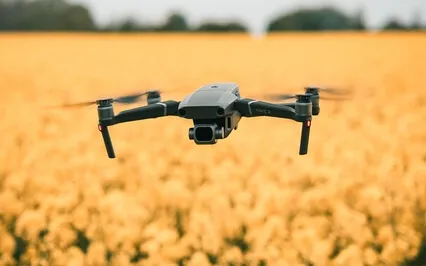
I'm a drone pilot.
I fly drones.
I build fly design drones.
So that's something else that I'm continuously doing.
And so if I had to identify with who I feel I am as a person is or how I want to be or whatever,
I try to be a thinker.
I think that like critical thinking is at an all time low these days,
Especially just with the internet and access to everything.
Right.
And so people just don't take the time to stop and analyze and actually think about things and think about how they feel about it.
And if they're really on board with these various ideas or whatever,
Right.
Or to see another side of something,
I don't want to be labeled by my labels.
I'd rather just be known as someone who actually likes to try to think that,
That,
That,
Yeah,
If that makes any sense,
This is why I teach too,
Because I try to teach all of my kids,
Critical thinking,
Like that's the key reason why I teach.
It's not about like,
You need to fly drones.
You need to learn how to solder,
Dah,
Dah,
Dah,
Dah.
It's all about,
I want to teach you how to think on another level that you're probably not learning in like typical public schools and all that sort of stuff.
So yeah,
I just try to teach,
Teach kids how to think just different ways to think,
Because that's one thing I feel like was implemented in me at a young age through my dad,
I'd say he was always very much like,
Up son,
You have to learn how to make decisions.
You have to learn how to make them quickly if you need to,
And you have to learn how to stand by them.
And that was,
And it would be little things like,
All right,
You want a candy at the grocery store?
You got two options.
You can have this candy bar,
Those fruit snacks,
Which one quick,
Pick fast,
Pick faster offers gone.
I feel like that was instilled in me at a young age.
And so a lot of my teaching actually comes from interactions I had with my dad at a young age,
Because it just,
Like instilled a lot of weird things into my brain.
And some of them are good.
Some of them are not as good.
And some of them are,
You know,
Just take it with a grain of salt.
So this is one that has stuck with me my whole life.
And I remember it to like the very moment of when my dad told me this.
I remember he lived in Bellevue,
Washington at the time.
And my mom lived in,
We lived in central Seattle and on weekends I'd go visit him and stuff.
He'd come pick me up after Sloan Fridays.
And I remember we'd walk across the street from his apartment complex to the other apartment complex because they had a basketball court over there.
And we were over there just like shooting hoops one day.
I had to be like six or seven,
Probably.
Couldn't have been much older than that.
So he went off to Desert Storm shortly after this time period.
But I remember him saying,
Son,
And this is something I've actually told my students since,
But it's,
It's deep.
All right.
Well,
I'll just have to explain.
So he told me,
Son,
Most people are stupid.
And I was just like,
What?
As a little kid,
Like my mind was blown because my mentality is like the world works.
People drive cars,
People raise families,
People have jobs.
They do all these things.
You can't be stupid and do all these things.
Right.
And so like to me,
I was just,
Oh my goodness.
What do you,
You know,
What do you mean?
I don't really remember what his description or what he said otherwise.
After that,
I just remember him telling me,
Son,
Most people are stupid.
And that really stuck with me throughout my life.
And it really gave me a certain view on people and just interactions.
It's hard to shake that idea is that most people are just like dumb.
And I,
And I'm now getting older.
I understand more of what he's saying.
It's more so it's kind of goes back to the critical thinking thing.
It's that most people don't actually look beyond like the veil or,
You know,
They don't,
They don't do anything or exercise any thought or any brain power outside of things that are just like placed in front of them,
Telling them like,
This is what you're supposed to do.
And this didn't hit me until last year,
Because it's something I just found out.
Found out last year or realized last year that I'm on the autistic spectrum,
Um,
ASD.
And in realizing that I eventually talked to my dad about it and he was like,
Oh yeah,
Your sister,
You know,
Definitely ASD,
ASD.
And,
You know,
We've known for like 10 years or something.
I'm like,
You never told me anything about that.
So I'm realizing now after living,
You know,
30 on something years that my dad telling me most people are stupid when I was six years old.
It was coming from an autistic perspective.
If you know things about autism or anyone listening to this,
Most people don't actually know that much about autism.
And I didn't,
I didn't know anything about it until like I really started digging.
I was like,
Oh my goodness,
This is really interesting.
It's a different way of thinking.
It's basically a whole,
It's a different outlook.
I look at it as having like an AB,
Uh,
An A brain or a B brain basically.
And there's,
You know,
ABCD,
FD.
There's probably tons of different types of brains,
But just to keep it simple,
I look at it as,
You know,
There's like your neuro-typical person,
And then you have people who are neuro-diverse and it's just a different outlook,
A different way of thinking and like some social issues and a lot of,
A lot of interesting stuff that comes into play with that.
But again,
I'm telling you that most of our soup and that coming out of him.
Being an autistic is like,
That's a,
It's a very skewed view on things.
And,
But it fit,
It worked for me because that's also technically the same view that I essentially was going to have anyways in life,
If you know,
Once I lived it enough,
That's been a part of my life in the last year,
That's been just like a wave because at first it was like,
Whoa,
This makes sense.
Now I understand these things about myself,
My dad,
My mom is probably definitely also on the spectrum.
Something else I realized is they seem to find,
Or we seem to find each other somehow without even knowing.
At first day,
I mean like,
Whoa,
This is like a superpower because I realize all the things and ways it's benefited me.
But then there's a couple months later where I hear it and I was like,
Whoa,
Now I also look at all the ways that this has hindered me in my life too.
You know,
There's things that come along with this whole,
You know,
ASD and everything,
There's depression and there's a lot of like heavy stuff that comes along with it and you don't know what I've gone through in my brain to where like,
If I would have known this like 10 years ago,
How that could have affected me in a positive way to this point.
Part of having done the research,
I understand that thing,
You know,
One of the things I know about people who are on the spectrum is that some of us are really bad at communication,
Voicing things and,
You know,
Speaking our opinions or talking about things that are hard to talk about and that kind of thing too.
It's made me approach love and just people and understanding people on a whole nother level too.
My mom is like the most difficult person I've ever known in my life.
And I realize now that she's on the spectrum.
People who are on the spectrum need a certain kind of love that they're not able to provide in a lot of ways.
And when that's your parent,
It's a really hard thing to understand.
But now that I'm an adult and I can look back on everything,
I can get it and I can go,
Oh wow,
Okay,
Now I get why she's been that way or whatever,
Why she was that way or what have you.
I grew up mostly,
Well,
I'd say for the first chunk of my life in a single parent household,
I was mainly raised by my mother and it was basically like my mom,
Myself and my little sister since I was five.
Yeah,
It was us,
But my mom was super religious,
Like super Christian.
You know,
I was raised in the church.
We'd go every Sunday and everything for a long time until I was old enough to be like,
Eh,
You know,
I don't have to go anymore type thing.
And yeah,
It did feel like an all day thing.
And I remember at some points they'd even go to like the night services.
So you'd be there,
Like you go in the morning and then you go,
Then you do your meal or whatever,
And then you have to go back for the night service too.
And you're just like,
Come on,
Can I live?
I had two days for a weekend as a kid and one of these days has to be spent like churching all day and then there are the later days,
Oh man,
I got the point where I was like starting a party and stuff like that and going to church hung over.
That was,
Yeah,
That was just,
That was,
I'm not proud of that.
I'm not proud of that,
But I got to that point.
The STEM program that I work for is an aeronautics program.
It's um,
It's for aeronautics and it's for kids.
It's all,
You know,
It's basically started as a,
A plane program.
So kids learning how to fly on simulators,
Or at one point they were building actual planes full on,
Like real planes that people would fly and stuff.
And they,
They'd build them up and auction them off.
Um,
But that's part of the program that like I'm separate from me because I came in as the drone guy.
Then they also got me involved with the community college.
And so I had a classroom there and was working with them for a while.
Um,
But in both cases,
I'm initially teaching how to build,
Fly,
And yeah,
Basically like assess,
You know,
Drones in the STEM program.
It's kids that are like elementary age,
Middle school or through high school,
Even,
And then with PCC and stuff,
It was more like a,
Or the community college kids coming out of the criminal justice system,
Actually like a specialty program.
So we're teaching people,
Kids who are like fresh out of jail and stuff,
How to solder and how to understand current and electricity and like how to build and fly drones and stuff,
It was,
It was heavy,
Not gonna lie,
It was definitely heavy,
But it was also really,
Really rewarding.
Teaching so far has definitely been the most rewarding thing I've done.
This one's kind of hard to top as far as like,
Like crazy experiences in my life.
But I still feel like there's things that I'm like,
Hmm,
There could be something else,
But,
But this one is more recent.
So I can,
I can remember it like it happened yesterday.
Going back to my teaching within the last two years or so,
I was teaching at the college,
The community college,
And I was late.
I was,
I was on my way and I was like running late that day.
And we,
The way we had it set up was basically I had two other coworkers who also taught in the program and they would get our group of students for the first half of the day.
And they were teaching them things like Arduino's and like little micro controllers,
Raspberry pies,
That kind of stuff.
Like a little bit of coding and that kind of thing,
The second half of the day,
I would get them and we'd go and do the drone stuff and we'd,
You know,
Build drones and have them playing on the drone simulators and all that sort of stuff.
I get to work this day and I go in to the other classroom,
Not my classroom,
Just to say,
Hey,
I'm here or whatever.
And,
Um,
My,
The social worker,
Coworker lady was actually in there kind of giving a little talk and I think something had happened recently.
So she was just kind of telling people they needed to like talk about it.
And do better than that kind of thing.
And so I walk into the room and I'm holding my,
Like my,
One of my little drones and I hear like shouting outside our,
The class,
Our classrooms were right on Killingsworth we're like right on the street,
So you can just like,
Look outside my classroom window and there's a street right there.
I'm here like yelling outside.
I'm like,
What?
I look outside and I see one of my students and I'm like,
Wait,
What?
Why isn't he in this classroom right now?
And then I see one of my other students.
I'm like,
Why are they both outside right now?
You know,
And it looks like they're,
They're instigating something with somebody they're about to get in a fight or something and I'm like,
I'm in the back of the classroom.
I look to my coworker,
We'll just call her J in the front of the classroom.
And she,
You know,
I'm like,
Uh,
Should we go outside and get them?
And she's like,
Yeah.
So like,
We just drop everything.
And we had other like teachers in there who could like watch the rest of kids or whatever.
And these,
You know,
All these kids are like 17 or older,
Um,
Probably like 17 to 24.
And so we walk out,
We go down the hall and walk out this side door and the front of where they're at Killingsworth is here and we walk out this door sideways.
And,
Uh,
She's in front of me and she goes out and she turns the corner.
And as I walk out the door,
There's a kid coming up,
Like basically perpendicular to our path,
But coming up from like the back of the building and he looks a little gruff and like kind of pissed off or something and he like has a big jack on or something and he has like his hands in the pocket and stuff and like,
And I just briefly see him because like,
I have to go the other way to go to get to my students and so like,
He's coming kind of towards us when we need to turn left.
And he's on my right.
And I look at him just briefly and I'm like,
The thought crossed my mind,
Like,
Yo,
That kid's packing.
Like he's got a gun in his hand right now,
You know?
And,
And,
And I'm not like making any sort of connection to like what's going on,
Like with my students around the corner.
And so I'm just like,
Uh,
Okay,
I don't know.
I need to go break this up,
Break up this fight.
And so I go around,
I turn the corner,
See one of my students,
Like literally has another kid,
Like in his arms and he's like throws them on the ground.
And I'm before I can get the words out of my mouth,
Like,
Hey,
Stop fighting or whatever,
I'm just like,
Hey,
Stop,
Pop,
Pop,
Pop,
Pop,
Pop,
Like right behind me.
And it's like,
Gotta be five to like seven shots or maybe nine shots or something.
Like,
And it's like right behind me.
And I still have the little drone in my hand actually at this time.
And I stumble over my own feet,
Fall on the ground,
Trying to save the drone from crashing.
So I'm still holding onto it.
I hit my head on the side of a car,
Jump up as fast as I can hop around the side of the car and run into the side of the street side of the car,
Where I find Jay,
My,
My coworker,
She's hunched over beside on the side of the car.
And we're both just like,
What is going on?
Oh my God.
You know?
And then we look over and see the gunman running up,
You know,
The side of the street the other way or whatever.
And this is like right in front of the community college with tons of people around.
And when I turned that corner,
The gunman dude was basically,
Like I said,
I had saw him,
You know,
When I was turning,
Coming out the door,
So he's basically right behind me follows,
Like basically right behind me when I'm going to the right behind me,
When I'm going to try to stop my students from fighting,
He's trying to shoot at them because it's his friend that is in the air that's getting thrown onto the ground.
So the miracle here is that.
I don't know how I didn't get shot because I was right in between them.
Like that my students are here.
The gunman's right behind me.
I'm trying to tell my students to stop before I get the words out.
There's just shots everywhere.
And at the time of it happening,
I thought he just like shot in the air or something,
Just like scare everybody.
And it wasn't until two weeks later where we had a staff meeting,
Basically just kind of like decompressing from everything where they told me like,
Yeah,
There were bullet holes in cars.
There were bullet holes in the stop sign there,
You know,
A lot of like,
It's crazy that nobody got hit because there had to be,
You know,
20,
30 people just outside around at the time.
Nobody got shot,
But there were bullets and all kinds of stuff.
And that's when I lost it.
Like I broke down.
Up until that point,
I was just like,
Wow,
I'm glad I'm alive.
That was crazy,
Whatever.
But then that's when I realized,
No,
I'm like,
I should be happy to be alive.
I could have not made this.
I still just don't understand how I didn't get shot,
I guess,
In that moment.
It doesn't mean I would have died necessarily,
But I definitely don't ever want to get shot.
That's not something I wish for.
It felt like a miracle,
You know,
It definitely felt like something,
Something special somebody was watching over me that day and,
Or also somewhat reaffirming that I was where I should be,
You know,
Trying to make a difference in these kids' lives.
I also cussed out my students,
Like right after that,
Like I ran as soon as like everything was over,
I ran inside and I cussed them out.
Like,
Why am I outside getting shot at because of you?
This is the,
You know,
Whatever,
Whatever,
Whatever.
But you know,
Everything was fine.
You know,
After that,
A couple of weeks later,
I'm in my studio.
I lived in my studio at that time.
And there,
There's a common space where they would have parties sometimes.
Like people would rent it out and they'd have big parties and stuff.
And I took a nap in the studio and woke up,
I woke up to gunfire.
Like I was sleeping and I woke up to gunfire and I was like,
Whoa,
Is this a dream?
Like what's happening?
You know,
I thought it was in my dream.
This is literally like within a month or something of the other thing happening.
And I'm like,
Wait,
What?
And so I wake up to gunfire,
Hear people screaming and yelling and running around.
And it's all downstairs and I can't see anybody or anything.
Cause I have no windows to like see down there or anything like that.
So I'm just like in my studio,
No windows outside or anything like that.
With just,
Just like hold up in there.
Like I'm just kind of staying here.
Some,
Yeah,
It's like five people got shot that night.
It was like some parties,
Gang violence stuff.
And like five people got shot.
It was crazy.
I remember going out in the morning,
Just seeing blood on the floor and stuff all over the place.
And it was just,
It was nuts.
After figuring out the autism thing,
I basically reassess just life and,
And understanding my limits of energy and being very conscious of how I use that energy.
You can't help people make a change and stuff unless you are okay yourself.
I wanted to just ask you,
I am sure,
But I don't want to project my own response onto you,
But I'm sure you had some PTSD after that incident outside of the school.
You know,
I,
I'm,
I'm sure I did.
I don't know.
You know,
I don't,
I don't,
I,
I'm sure I didn't ever properly unpack it or anything to be honest.
You know,
I've always,
I've kind of always been just like a hold it in kind of person on a lot of things or,
Or get it,
You know,
I get stuff out by expressing myself,
But I do like art and things like that.
It's not really been a thing where I've like sat and talked to somebody about like,
Oh,
This is not a cult or anything like that,
But also at the same time,
I don't feel,
I don't feel super traumatized by that whole thing at this point.
I really don't.
I feel more traumatized by like my student passing away.
You know,
That was really hard when I learned that that was a,
That was a violence,
You know,
I was a shooting and stuff too,
And that was like one of my last students that I had,
Like right before COVID,
So it was like one of my like recent,
Relatively recent students,
You know,
One of my last in-person students that I had.
I think as far as the PTSD on that,
I,
I,
It was a thing for a while there,
For sure.
I definitely had an impact on mental health for a while and stuff,
Whether I knew it or not.
You building drones.
I'm so curious.
Do you,
Do you sell them?
Do you rent them out?
Do you,
I'm so curious,
Is it like a little side gig you got going on?
Yeah.
So I,
So as far as building them,
I build them for myself initially,
Like all the ones that I fly.
I build them for myself initially,
But I also build them for people occasionally.
Um,
I've had a few people hit me up and asked,
You know,
Ask me to build them.
Whatnot.
I have a,
I don't even know what to call them,
Just a dude.
I've never even met him in person yet.
I there's,
I was out flying one day and this couple saw me flying and they're like,
Oh,
This is really interesting.
Uh,
We have a 18 year old kid who we think would be interested in this.
Could you teach him or something?
And so I ended up just like swapping numbers with him and whatnot.
And I've just been talking to this kid through just like phone calls.
We've got a couple of phone calls and I'm just telling him about it and told him what to buy and all this sort of stuff.
And he's getting it.
And then I'm going to coach him through,
Like putting it all together.
It's so weird.
There's been so many random little drone things that have little gigs in ways.
I guess the money has come about through drone stuff in ways that I didn't really think about it or expect or what have you.
Like I got initially got into drones on accident and then I was like,
I'm going to go get a drone.
It's on accident and then when I started teaching,
I was like,
You know,
This is fun and then I realized I could do gigs and stuff.
So I,
You know,
I was doing that stuff.
I was just thinking that,
I don't know if you know,
I'm a beekeeper.
I have 13 beehives.
Oh,
Wow.
No.
Yeah.
And so eternally beekeepers,
Um,
Are hearing about bees are dying all over the world.
And so it would be interesting to create a drone,
A very small drone that could be used to pollinate almond crops or all the other crops that need to be to ensure our food security.
So just something to think about.
Oh,
Wow.
Think about it.
Oh,
I don't know how small that drone would have to be.
Think about it.
No,
That's,
I've never even,
That's one thing I've never thought of or heard anyone even talk about in the drone world of trying to like pollinate plants.
So that's,
I don't,
That's awesome.
I really liked that idea actually.
Huh?
Now I'm going to have to look into like how pollination works and how feasible that is.
These little drones like big enough,
You know,
About the size of my hand.
You can go smaller than this by quite a bit too.
It's just,
I'm just like throwing it out there.
Cause it just came to me.
So if you become a billionaire,
You have to give me some money.
Oh,
I got you.
I got you.
Definitely.
And if I become a billionaire,
I'll give you some money so you can create a drone empire.
Deal,
Deal,
Deal.
Thanks so much for tuning into episode 46 of Bite Sized Blessings,
The podcast,
All about the magic and spirit that surrounds us.
If only we open our eyes to it and whether you choose to listen to our bite sized offerings for that five to 10 minutes of freedom in your day or the longer interviews,
We're grateful you're here.
I'm also grateful to those who've taken the time to go to Apple podcasts and leave a rating and leave a review.
Those ratings and reviews help others find us.
I have a lot of gratitude for those who have left a rating and a review.
We're nearing 55 star reviews.
So thank you to everyone who's taken the time and spent the energy to do that.
I also need to thank my guest today,
Adam Haley,
For sharing his story with me,
As well as the creators of the music used,
Chilled Music,
Music L.
Files,
Raphael Crux,
Classe Pelle,
Dream Heaven,
And Frank Schroeder.
For complete attribution,
Please see the Bite Sized Blessings website at bite-sized-blessings.
Com.
On the website,
You'll find links to other episodes,
Change makers,
Music,
And books I think will lift and inspire you.
Thank you for listening.
And instead of one request this episode,
I have two.
My first is that you consider going to Apple podcasts and leaving us a rating and review.
And the second is this.
Be like Adam.
No matter what challenges life throws at you,
Take time,
Step back,
And reassess.
Figure out what to keep from the experience and what to leave behind.
Then take what you keep and use that knowledge to change the world.
Empire of the Drones.
Empire of the Drones.
Yes.
That does sound like a Star Wars movie,
Doesn't it?
Yeah.
And I think that's a mix of two Star Wars titles.
Empire Strikes Back and Attack on the Clones.
Oh yeah.
Maybe.
Yes.
Yes.
You're right.
You're right.
You're right.
Oh my God.
You mixed those really?
Boom!