Hello,
Everyone,
And welcome back to the very next episode of the podcast.
This time,
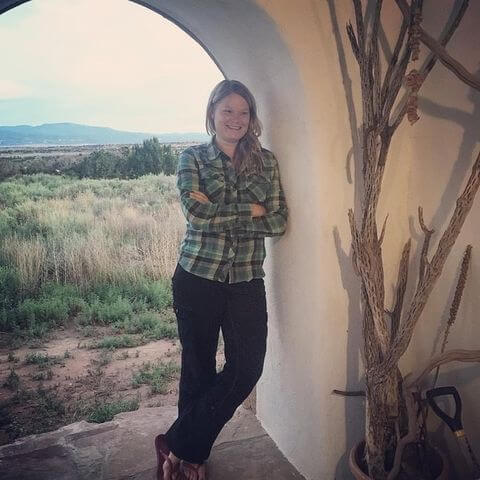
I'm introducing you to Christiane Schroeder,
Who is a speaker,
A leadership strategist,
Professor,
And bestselling author,
Who also holds a PhD in health economics and is a professor of marketing and entrepreneurship at a top US university.
She is just incredible.
She has her own podcast,
Which is ranked in the top 1% globally.
She is a joy,
She's funny,
And she shares among several of her stories this week,
She shares a really powerful reminder of how grandparents and family are so important and can change our lives in ways that we almost don't begin to understand until we're older.
And you know me,
I love a good heartfelt story about people coming together and grandparents being there for us,
And Christiane actually shares a really great reminder of why these people are so important and integral to our lives,
Especially when we're young.
Christiane is funny,
She's enchanting,
She's engaging,
And once again,
I have found another human being who I get along with like a house on fire.
We laugh,
We joke,
We share deep conversation,
And Christiane once again reminds me that this world is full of good people doing powerful work and showing up for those around them with integrity,
Grace,
And beauty.
So without further ado,
Here's my conversation with Christiane Schroeder.
I always look at myself when I was in Germany and I always feel like I wasn't quite the same whole self as I am now,
Because sometimes I was told like,
Oh,
Don't be so loud or something like that,
Or anything like that.
And when I came to the United States,
Like,
Whoa,
Like much more like bubbly and loud.
And so I was like,
Ooh,
Home.
I would say my name is Dr.
Christiane.
I'm a business and wellness coach,
And I help others find clarity and passion in what their superpower is.
Oh,
That wasn't 500 words.
You're great.
It was to introduce yourself to 500 people.
So I guess,
You know,
The next question for me would be,
As a kid,
Did you ever think you'd be doing this?
I always thought of bringing a smile to other people's faces.
I thought of myself as a really good listener,
And also being very empathetic with where people are in terms of their mood and their feelings.
And I kind of always looked at it as like my passion and bringing a smile to their face.
It was always like,
I want that people walk away in feeling good and feeling joyful.
And frequently,
Actually,
When we had like family or friends gatherings,
That was like,
I looked around at the table,
And that was like my thing.
And like,
Okay,
I want everybody to smile at one point here today.
And that was like my,
My,
My go to,
I had to do this kind of thing.
Yeah,
I so that's what I do.
I do that in the classroom.
When I teach my college students,
I do that as a fitness instructor on the stage,
Right?
I'm really passionate,
Challenging,
But I always bring out a smile on their face.
And I do that with my clients to where they walk away and they feel really energized.
So did I always see myself doing that?
Yeah,
I think the joy and energy really feeds into each other.
It's like this Venn diagram that I always felt I had that in me.
Well,
I mean,
It sounds like as a kid that you were deeply empathic,
And deeply compassionate about everyone around you.
Yeah,
I think of myself as a this is a good example of a superpower,
Right?
I'm really sensitive,
Highly sensitive person.
And I loved all these books that talk about being a highly,
Highly sensitive individual.
But that also means that you're really empathetic.
So you pick up on feelings on moods that others might not necessarily feel because they may be not highly sensitive.
But at the same time as a child already felt that.
And I think because I felt that that I knew I always wanted to do something with people because I had that ability and reading where they are and meeting them what they need.
And I teach marketing.
That's really the essence of marketing,
Feeling what people want and need,
And then translating it into something that will help them.
Okay,
Yeah,
That makes sense.
I'm really intrigued.
So do you think this,
This being of yours who you are,
Highly sensitive person,
Empathic,
Wanting to put a smile on everyone's face?
Do you think it's ancestral?
Do you think it comes from your parents or your grandparents?
Do you see any of that in your lineage?
Yeah,
Actually,
I just remembered this the other day,
When I kind of went back.
So I have a trademark in what's called petite practice,
Which is in essence,
Like a small step that consistently taken leads to a big impact.
And people kept asking me,
Petite practice,
Where does it come from?
So I had to dig down into that lineage,
Into my family upbringing,
My culture.
Because where did that really come from the petite practice?
It's not like I just came up with this idea.
And while I was the petite practice,
I've been doing this all my life.
I just had to figure out when did I start doing that.
And that's really,
In essence,
When I realized,
Oh,
My gosh,
There were these moments when I spent time with my grandmother.
And she had this saying on the wall that actually I hand wrote.
And it said,
Every day that you don't smile is a lost day.
And I actually hand wrote that.
I still,
This sounds really,
Really interesting.
But I still remember exactly the piece of paper,
How it hung there.
I see exactly the tile wall,
Her old stove.
And that piece of paper every day that you don't smile is the last day.
And so I thought the fact that she put up there and the fact that that's who I am is like totally like the manifestation of like who I became.
Right.
So it's really interesting.
But that's really so I'm writing my petite practice book right now.
And this story with my grandmother is actually the opening story.
Because it was all these small things that my grandmother did.
Like she had this special cup that she always put out when I went to her house.
And we had these little rituals that we did.
Like she gave me like this hug and she waved when I left.
And so like,
You know,
Everything was so small and meaningful.
That's really what the petite practice is all about.
It's like a small,
Joyful experience.
That when you take that consistently,
Really adds a lot of meaning to your life.
And can really on those days when it's maybe a little bit more challenging,
Can really push you forward to that next step in your business and in your life.
I so love this story.
Only partially because I didn't really have grandparents or grandparents that I was close to or that I spent any time with.
And so it's thank you for sharing that story about your grandmother,
Because it helps me to understand what that relationship can be.
If for those of us who are lucky enough to have it,
Your grandmother sounds really joyful.
Was she joyful?
Yeah.
And actually to put that into perspective,
The reason why I'm bringing this up is because she actually passed away when I was very young.
And I never had a grandfather either.
So I'm totally on that same boat as you are where a lot of my friends have their grandparents.
And they even like,
You know,
I have children myself now.
And so they even hang out with their children.
And it's like,
Oh,
My gosh,
I wish I would have that.
And I don't.
And that's fair because the time that I did spend with my grandmother was really special.
And she was a very simple person.
At the same time,
She was really intentional about what she was doing and how she was doing things.
And I think that really shows you that it's not always like flashy or big things that you need in your life.
It's sometimes just creating a structure and a ritual.
So I would go there every Monday at 3.
30 and spend like an hour,
An hour and a half with her.
And then I would leave.
That we have these frameworks in our life that really shape us so much into who we are right now.
And we sometimes forget about that,
That all what it takes is just spending like an hour per week with an individual.
And that would really make that person's week or maybe even per month,
Right?
So like coming back to your question about was my grandmother a joyful person?
She was really appreciating that hour every week.
And she really looked forward to it.
And again,
She put out the cup and like the little things that to me,
That's all about joy that you can make yourself such that you feel like a queen when you get treated this way without spending the budget of somebody that's like going to like a resort.
I found out every week I got tempered over there.
So that's really what I want to bring out.
That joy doesn't mean it's expensive or extravagant,
Or it's even complicated or lengthy in time.
It can be very simple.
It can be very,
Very mindful.
And it can even be really something that you have been doing,
But you just put a little tweak on it.
And all of a sudden,
It turns into something that becomes the structure of your week.
Because as I said,
That Monday 3.
30 timeframe for me was like a total anchor of my week,
Right?
Mondays,
I go to my Omi because I grew up in Germany.
That's how I called her.
What's so powerful about your story is that she modeled for you this way of being that just stuck with you and inspired you.
And now you're doing it for everyone else.
I know.
And even coming back to that point about that whole cup and setting up things,
I still to this day really insist now with my own children that we eat at the dinner table.
And we have.
.
.
That sounds like totally ridiculous.
I brought these dishes from Germany.
And we could totally say,
Oh,
We just use the cheap dishes under the week and we save the special dishes for special occasions or something.
But we don't.
We actually always use the nice dishes every day for dinner.
And that's the dishes that we use on a daily basis,
Right?
And if one of them were to break,
Well,
So be it.
But we don't save them for special occasion because every day is a special occasion.
We set up the nice dishes.
We have that exchange at dinner.
I call it,
You know,
The dinner download.
We download everything that happened.
And there's all these petite practices that I weave in.
And I think that's what I teach with my clients as well,
That it's not even like if you feel about,
Like we talked earlier offline about giving yourself like a little treat.
It's not always that you need to necessarily think of this being like a complicated or lengthy procedure.
It could be even like in your daily life where you just make something like a dinner.
All of a sudden it becomes like something much more meaningful.
Yep.
I love that.
You're crafting a life filled with beauty,
Which I think,
Frankly,
We need a lot more beauty in this world.
But you're just so intentionally going out and creating a life of beauty.
I really like,
I mean,
Honestly,
For me,
The dishes that are very,
Very special or heirlooms should be used every day.
That is just how I feel because you never know what's going to happen at any given moment.
And you could end up never using those dishes.
I feel like that idea of,
Because I just remember being a kid and someone said,
Oh,
My sister's registering for her wedding and she has to get a,
She has to pick out a China pattern.
And I was like,
What does that even mean?
And then they said,
It's this,
She's going to get like eight settings and it's,
There's all these plates and bowls and all of these things.
And I thought that sounds like a nightmare.
I'm sorry,
But I'm already overwhelmed by what we're talking.
That is way too much.
Why does anybody need those dishes?
And then growing up,
I would see the China that my mother got for her wedding,
Just sitting in a,
We never used it.
We never used it.
And so I think there's something really powerful,
Particularly powerful about,
I mean,
You deserve,
Your kids deserve,
The friends that come over deserve,
The beautiful items,
The good plates or whatever we constitute or think of as good plates.
So,
Yeah,
I mean,
To me,
It sounds like you are just injecting beauty and appreciation for everything in your life all the time.
Yeah.
And I love that you bring up the whole story with putting the things on the register.
When I got married,
My husband and I,
We knew each other and we already were best friends.
And at the time when we got married,
Put all these various things on the register.
And afterwards,
We looked back and we said,
The only thing that changed in our marriage was that now we have a rice cooker.
Because to me,
The whole register thing was like a little bit like,
It was like,
Why are we even doing this?
Isn't the point of like celebrating our life together and all these things?
I mean,
It's great.
But I mean,
Now we have a rice cooker,
Right?
It's like,
It was a little bit funny to think of it that way.
Like we had to go around with like the little scanner and like scan these things.
And we actually went to Target.
You're going to love this story.
And we were college students.
I earned my PhD at Purdue.
And we started planning the wedding.
I really went because I have a PhD in economics.
How a wedding was so inexpensive.
It's not even funny anymore.
I want to say the total on the wedding was maybe like $2,
000.
It was ridiculously inexpensive.
I think I got like a wedding dress for $150 or something.
The total with like the food and everything included,
Like very,
Very minimal.
Well,
In any case,
So we went to Target and I was like,
Well,
So now I can register for things that people buy me.
So we picked up all these groceries,
Right?
Because I was like,
Well,
If they're buying us stuff,
May as well.
So I was like,
Apple juice,
Meep.
Some bread,
Meep.
Toast,
Meep.
Peanut butter,
Meep.
You know?
And I was like,
I mean,
If they're buying stuff,
I mean,
I may as well put some stuff on there I'm actually going to use.
Because I didn't know that everybody was like,
Well,
You should probably consider this or that.
And I was like,
I'm never going to use that.
But the apple juice and the bread,
The peanut butter,
That sounds kind of handy.
And so that's actually,
I think some people actually ended up buying us some of these because they were like,
On your wedding registry,
They were like perishables on there.
And I was like,
Yeah,
Like kind of nice,
Isn't it?
Because we're in between,
We're hungry.
We got to put some stuff on our fancy China plates too,
You know?
Oh my gosh.
That is amazing and hilarious and so practical and just fabulous and brilliant.
What I really find especially powerful and brilliant about the petite practices is that it just seems,
And this might be a generalization,
That everything is jumbo size now.
You know,
Bigger is better.
Go big or go home.
If you're not doing these huge things,
Making these huge efforts,
It's useless,
Why even bother?
But here you are suggesting something that's totally the opposite.
And quite honestly,
I think that people actually kind of had fun in doing this registry that was not like filled with like fancy luxury items,
But just like with practical day-to-day things.
And I remember we had somebody that was like a really good videographer.
And I said,
You know what?
I don't want to hire a videographer that I've never met before,
But you're my friend,
So would you mind taking the video?
And he was like,
Oh yeah,
Totally cool.
And then I spent the money on a DJ because I thought if you have like really crappy music,
That's not good,
Right?
Because then everybody has a bad time.
It's like the music to me was the most important thing really to have like a good time for everybody.
So that for me was really worth the money.
Everything else I thought was just,
Nobody's going to remember,
Well,
Did we have this food or that food?
Or was the wedding invitation printed on fancy paper?
I actually printed them out myself.
And then I remember I had a couple of friends and we put them in the envelopes.
And we called it a stuffing party.
Like one person put it in an envelope,
The other one put the stamps on it.
Blah,
Blah,
Blah,
Blah,
Blah.
Yeah,
Because all that was money.
And so we printed it.
Yeah,
We got the cards ourselves.
We printed it and put it in envelopes.
And so nobody's going to remember how the envelopes or the invitations even look like because they just want to go to this invitation,
To this wedding.
But they remembered that the music was fun and we had a great party.
So that's like,
To me,
It's like sometimes you just pick and choose and think what life is really all about.
It's about the small moments and it's about what really gives you meaning.
And also it puts it more in perspective of like,
You know,
We really are as humans.
We want to connect with each other and it's not there to impress each other or anything.
It's just there to really build relationships and to celebrate,
You know,
Joy and like the start of something really amazing,
Which is a marriage.
Yeah,
Absolutely.
Thank you for that answer.
Really beautiful.
And I think everybody needs to hear that today.
Let me ask you,
My father got a master's in economics.
What drew you to economics?
Yeah,
It's actually interesting because my father was working in economics too.
He was a teacher at a professional school and he worked there.
I actually didn't think I was very passionate about it to begin with,
But I'm a very analytical person and I really like logic and I really like these if-then puzzles too,
Or these escape rooms and all that kind of stuff.
So I think economics itself lends itself to that thinking,
The logic thinking and the mathematical part goes along with it too.
So that's probably where it comes from.
And then of course,
I,
In general,
I also think that if you really understand economics,
Then you really got a good handle on life because that's really,
At the end of the day,
That's really what it comes down to,
That you're in charge of your life and economic decisions,
Right?
It's everything is subject to a budget constraint and that's really what economics is.
Optimizing,
Maximizing your life,
Your utility,
Subject to your budget constraint.
I just want to ask,
Did you say escape rooms?
Ah,
Yeah.
You've never been in one?
You've never been in one?
No,
I'm too scared.
It sounds stressful.
No,
Not at all.
Not at all.
So escape rooms,
Actually quite lovely.
I think you would really,
Really like it.
It could be like even multiple rooms that are connected and you don't really feel like you're locked in or anything like that.
It's just more like you're solving puzzles and then if you solve them within a certain amount of time,
Then it kind of reveals something.
It's not really like the doors are locked and you can't get out or something like that.
It's truly more about solving various puzzles and putting different things in the room together.
It could be like visual cues.
It could be cues on a paper.
It could be kinesthetic cues that there is certain objects in the room that somehow connect or you need to put them in something and something opens.
It's really fun.
It's in essence kind of like a big amusement park for adults.
Wow,
Okay.
We have one right downtown here.
I think I should go visit it.
Oh my God.
Yeah,
It's much better than what you think.
Time just goes by so fast.
It's truly just like having fun,
Especially if you hang out with some people that like solving puzzles or riddles or anything like that,
Or they like shows like the Ocean's 11 or anything like that,
Then you're totally in the right place.
I love all the different facets of you.
It's so fun.
I can't even tell you.
Let me ask the second question,
Which is,
Did you grow up in a religious household?
And if so,
What did that look like?
And how has that maybe connection or maybe you don't have a connection with something larger than you?
How has that evolved?
Yeah,
So I think my household,
I grew up in Germany,
Right?
Was kind of religious in the sense that there was the structure of like a birth,
You know,
And then afterwards,
We had the ceremony in the church where you,
I guess here it's the same thing if you're a Protestant or Catholic,
Where in the church,
Then there is this big event.
And that was the same thing there where you had your godparents and it's kind of like celebrating birth.
And then because I grew up in a Protestant household,
We also then had the confirmation at,
I want to say maybe 12,
14,
Something like that to where you did that with a group of people.
And then we even did like a trip with them.
And leading up to that,
I always went to church.
And I think that was really just something that my family,
It wasn't even like a question that we would do that.
It was just part of the structure that,
Yeah,
We're going to do confirmation.
Yes,
We're going to do a baptism confirmation.
It was just part of the structure.
But at the same time,
If I would have said,
I really don't want to do that,
I think my parents probably would have been fine with that too.
It was never really forced upon me.
And then aside from that,
I don't think that in general,
It was really enforced in the household at all.
It's always more there to just kind of connect and build relationship and open up your mind to a different type of thinking.
And otherwise,
It wasn't that we had to follow like certain rules or anything like that.
And what I really like actually about the European culture is that if you think about all of the holidays in Europe,
They are always church related,
Right?
So if you grew up in Germany,
All of the holidays really center around the church.
When you come to the United States,
Most of the holidays here are really centered around other important events like Veterans Day,
For instance,
Honoring military veterans.
And I kind of like that in Germany because it really made that holiday much more intentional to where most people didn't work.
And then it tied in with a cultural event from the Bible.
Now,
When I say when I came to the United States and I had both of my children in the United States,
I really wanted that they get baptized in Germany.
And this is a funny thing that I'm telling you this right now.
But that was really because I grew up this way.
I wanted that my children go through that same experience.
That I would bring them back and we do the baptism in the church in the same church where I got baptized and all this.
It didn't end up working out this way just because of the seasons and the timing that my children are born.
But I think it's the same thing with what I talked about with my grandmother,
Right?
The fact that I went there every Monday and it created this structure that it was nearly like part of who I am and the structure that I grew up in that I felt it's just a normal thing.
That I experienced this that my children would experience it too just because I enjoyed it and I thought that's something I really want to pass on to them as well.
Wow,
That's really powerful.
Again,
You're like just full of all these powerful stories.
I love stories.
I'm a huge fan of stories and I think,
You know,
If you tell the right story at the right time to someone who really needs to hear it,
It can change their life forever if they really take it in.
I want to ask you,
It is so clear to me that you had support from your grandmother growing up and that you had support from the church and your parents,
Your family.
Is that what made you so brave and audacious to be putting all this content out,
Your podcast and all of that?
Is it just that they,
You know,
You grew up knowing everyone believed in you and so you just,
You know that you can do whatever you put your mind to.
Oh,
That's a really great thing and I don't think I've ever really put that together myself now that you asked me that question.
I don't know because,
Again,
My grandmother passed away really early,
Probably too early for me to think that had like a big impact on my confidence or anything like that.
Um.
Otherwise,
I think that when I when I think of myself and how I really grew in confidence and who I am today,
I think a lot of it happened when I kind of listened to my own passion and decided to study abroad.
And when I moved abroad,
I really had to essentially start from scratch because I had no family or friends or anything.
And I think what I'm what I'm conveying now to the audience is that sometimes like your home and what I described with Germany,
It's amazing for building a structure for growing up.
But sometimes there's even like another place in the world that actually is much more aligned with who you truly are in like your inner home,
Right?
There's like this outer home and your exterior culture and your structure.
But then there is this inner home.
And I think that's maybe what I always look at myself when I was in Germany and I always feel like I wasn't quite the same whole self as I am now because sometimes I was told like,
Oh,
Don't be so loud or something like that or anything like that.
And when I came to United States,
I wow,
Like people are much more like bubbly and loud.
And so I was like,
Oh,
Home.
And just like when I stepped on the TEDx stage just a couple of months ago,
The first thought I have when I stepped on the TEDx stage was home.
A lot of people asked me out there and said,
What did you think about?
And I was like,
Home.
They were like,
What?
And I was like,
Yeah,
I stood on that stage and thought this is what I love doing.
I love speaking in front of others and I love sharing a message that maybe moves somebody else's life.
And that's my message that I enjoy that very much.
And they thought,
Oh,
Wow.
And I think so speaking about did people empower me?
Yes.
But at the same time,
You also have to kind of like listen to your inner voice and really figure out what is really your calling and where do you really feel your values align?
And it might not be in that environment where you currently are.
You might have to change a few things out is like,
You know,
Changing tires on a car,
But like summer tires feel like winter tires.
And like,
You know,
Like,
Do I want an electric car?
Do I want a fuel powered car?
Like,
It's like,
Wear shoes,
Right?
Like try out a few.
And then all of a sudden,
You might just find that what you were currently doing wasn't your ideal self.
And I think that's really what happened that I was,
I was OK,
But I don't think I was optimized quite yet.
And then I moved.
And yeah,
I felt like,
OK,
This was a really good decision,
Which,
Yeah,
Yeah,
That's great.
I mean,
Like sometimes you move,
You're like,
That was awesome.
And you go back and you're like,
That was great.
But I was like moved and I was like,
Oh,
My gosh,
Yeah,
Never going back.
Oops.
Well,
One of the things that I think is remarkable is,
You know,
I'm in the middle of trying to make that decision.
I've lived here in New Mexico on and off,
I mean,
But mostly on for 10 years.
It'll be 11 next year.
And but it feels like almost like I've outgrown the city or the space.
And I suspect from various conversations with people,
A lot of people get really comfortable and they never take that leap out of that comfort zone to where to something new that might be scary.
And I just have to say that I am so impressed that you moved,
You know,
You took this leap of faith.
You showed up,
No friends,
No family,
You know,
Having to rebuild your life over.
Some people just can't do that.
They just don't have that capacity.
And so,
I mean,
You're like daring and brave as well.
Yeah,
Actually.
And I want to add on to that as well,
That what sometimes helps is to think what is there to lose,
Right?
And it's usually and I just watched that F1 movie,
The Formula One movie,
And it was the same question.
Do you remember that movie?
Did you watch it?
Yes.
Yes.
It was the question.
It's like,
What's what's to lose?
And he's like,
Yeah,
Actually,
What's to lose,
Right?
Nothing.
I mean,
If you move away and you realize that's not it,
At least you tried it.
Yeah.
But if you never take that jump,
Then you will never know whether moving away would be the best thing or the better thing or maybe not a good decision.
Right.
It's like the.
If you take that leap,
You can always come back.
It's nothing to lose.
Yeah,
Absolutely.
I'd love to talk about the TEDx piece because,
You know,
I've heard it's very well there.
It's stringent.
It's very challenging and it's very difficult to get accepted to appear on a TEDx stage.
Was it nerve wracking?
Was it scary?
Or did you just think I've got this?
One word.
Intense.
The most intense thing.
Really intense.
Yeah.
Wow.
OK.
I just with everything that you're doing and everything you're putting out in the world and then appearing on a TEDx stage because I hate being up in front of people and everyone knows that they're so sick of hearing that on this podcast.
Whenever I meet someone who's appeared on a TEDx stage,
I kind of squeal a little bit and I get really excited.
You know,
What's the one thing you would tell anyone about being on that stage?
Any story that you'd like to share?
I'd love to hear it.
I think the most amazing thing about being on the stage is that you really changed somebody else's life in that moment.
And to me,
That was the most fulfilling thing that even though I couldn't see everybody in the audience because of the way that the lights are.
I heard them laughing.
I had some interactive questions where they raised their hand and some of them were like,
You know,
Clapping and things.
So I knew they were connecting with what I was talking about,
Which was my goal.
I really wanted to make a mark in their life with my message.
I had a message worthwhile sharing,
Which is really what TEDx is all about.
And so that's really my one piece of advice.
If you want to appear on that stage,
You have to ultimately think of that moment when you leave and you think,
I just may have made somebody's day in the audience.
And then,
Of course,
On YouTube now,
I just checked last week and it had surpassed whatever,
600,
600,
6,
600 views on YouTube after a month or six weeks.
I think it was six weeks,
6,
600.
It was some kind of funny anniversary thing.
And then I was like,
Yeah,
That's actually great because that means 6,
600 people viewed my talk and somehow connected with it and maybe took away some message.
And then some people leave comments and they say,
Oh,
I really liked this element or that element.
And then they reach out and maybe even share their stories with me.
And that's really cool.
I think that if you want to do a TEDx appearance,
That you're feeling your legacy,
Your message will live on.
And we'll be maybe creating some meaning in somebody's life.
That's a really neat feeling.
And that I think that should be the only reason why you would ever do a TEDx talk,
Not for anything else like a line on your resume,
But just purely for the fact that you can,
You have a message that really moves somebody and that can help somebody and that maybe even somebody,
I mean,
Now I have people,
I just had somebody a couple of days ago and she reached back out and she said,
Oh,
That petite practice that you talked about in your TEDx talk,
I just created a petite practice for Thanksgiving week.
And she texted me exactly in detail.
So petite practice for Thanksgiving week to reduce the stress and the overwhelm for me means this.
And so she laid it all out and I was like,
Wow,
This is really cool that what I talked about is actually leading to some change.
And the name of my talk is Small Steps,
Big Impact.
And this is exactly what happened.
It's kind of,
Yeah,
I did a small thing.
I talked for 12 minutes,
But now it's leading to a big impact.
So this is really cool.
I love it.
Yeah.
It's just kind of all like dominoes.
It's just all like,
Kind of like connected now.
Well,
What I love is that,
I'll be able to watch it and just remember our conversation and be able to put those two things together,
Because I'm really excited.
This has been such a great conversation so far.
Well,
I'd love to ask the main question,
Which is I would so appreciate if you would be willing to share one story or two stories,
However many you want about something that's happened in your life that you thought was magical or miraculous,
Maybe even a little mysterious.
I've had every story under the sun that you can imagine.
So I'd love to hear whatever you have to share.
Well,
Actually,
I'm going to go back to that TEDx talk,
Because for me,
This is what happened in 2025.
Until that point,
When I made that decision,
Which I actually looked up recently,
Was January 2025,
I hadn't even shared with my husband of now 20 some years that I wanted to appear on a TEDx stage.
And I talked to somebody about it,
And she said,
Well,
Christiana,
What's like a big thing you always wanted to do?
And I was like,
A TEDx talk.
And then after that talk,
It was actually where I Zoom.
I was like.
Well,
Well,
Why don't I figure out how to do that?
And then I contacted a friend.
She had given a TEDx talk.
So I said,
Yeah,
I need to talk to you.
And then I connected with her on Zoom and she gave me some pointers.
And it doesn't cost anything to apply.
I always tell my my students and my clients.
If it doesn't cost anything.
Just apply for it.
Just apply for it,
Because there's really it's just the cost of your time.
But if you don't apply for it,
Clearly you cannot get accepted.
Right.
So just go for it.
So yeah,
I applied.
I applied to San Diego and I applied to Folsom and I applied to a few other places.
I only applied in California because I was like,
Well,
If I do get accepted,
I would prefer driving in my car than like flying somewhere and making.
I mean,
Like some of these dates are like totally in the middle of the week.
And I was like,
Well,
I mean,
I have a full time job as a professor.
So first one,
I didn't get accepted.
And now this is like the bad thing.
I was really bummed.
And there's people in this world that apply to hundreds of these events.
But the first one was like I was the one in San Diego.
I was like,
Well,
I guess I'm not going there.
Right.
And I was like,
I know what I disappointed about this.
So here's now my suggestion to you if you apply to multiple events,
Whether that's TEDx talk or keynote talks or podcasts or writing a book or whatever you do.
Don't think of it that way,
Because these people in San Diego,
They might have never even opened my fully memorized video talk in case people from San Diego,
In case you're watching this right now,
I did memorize the talk.
Well,
In any case,
They might have never even opened it because the way that it works,
It's it's like an art gallery.
And if you think about art galleries,
There's always a theme,
Right?
So when they look at your application,
They're like,
Does this person fit?
Does that piece of art fit into the theme of my gallery?
And maybe you are the most amazing piece of art,
But just for what they planned in terms of like the theme,
It doesn't really fit.
So it's nothing against you.
You are still a piece of art and maybe a very valuable one,
But just not for that particular gallery.
And maybe that San Diego one was just not my gallery,
Right?
Doesn't mean like maybe next year I would get accepted because it's a different theme in the gallery.
So then the second gallery that I applied to,
Right,
Folsom,
I was accepted.
And again,
The theme was education.
Which kind of like makes sense because I'm a professor.
But at the same time,
It also focused on looking into the future at 2050.
And so my petite practice really ties in with the shorter attention span that we all have.
And so I was like a piece of art that really fit well into that gallery.
And so now.
My takeaway point for you is if you get a no,
Don't think of this as like an end of the road.
No,
This is like just next opportunity.
No,
N-O for next opportunity.
No.
And don't take it personal because you are still a piece of art,
Just not for that gallery.
The right thing is just going to wait right around the corner.
So just keep going,
OK?
Yeah.
End of story.
And that's it,
Listeners.
That's a wrap on another episode of the podcast and another reminder that this world is full of magic,
Mystery and very,
Very potent miracles.
I really enjoyed my conversation with Christiane,
And I'm so grateful that she agreed to come on the podcast and share her very poignant stories.
There's no doubt in my mind that she is here to change the lives of all of us,
Of so many people.
And her wisdom is very simple,
But we need to hear it because life is busy and stressful.
And these reminders that sometimes small things can change worlds is one we need daily.
So thank you to Christiane for being on the podcast and sharing stories of her life.
I want to thank each and every one of you who listens.
It means so much to me that you are willing to take time out of your day,
Out of your week,
To hear stories of magic,
To hear stories of enchantment,
And to support the people who come on the show and share vulnerable moments from their lives.
I'm so grateful to each and every one of you.
And as 2025 wraps up,
I just want to say it again.
Thank you.
Thank you from the bottom of my heart.
If you feel like you appreciate what you are hearing,
Please do consider leaving a rating or writing a little review.
Those ratings and reviews mean so much to me and they help keep me going because this podcast is a hustle,
Babes,
And I think you all know it and your kindness and your words,
Well,
They help me keep going.
Thank you for listening.
And here's my one request.
Be like Christiane.
I mean,
Do things that scare you.
I'm not saying jump off a cliff or go bungee jumping or anything like that,
But we can have these moments in our lives where we're asked to step into something that might seem unnerving,
That might make us a little scared because maybe we can't even conceive that we can do this task or we can accept this invitation.
It's really scary putting yourself out on a limb and creating something entirely new for the world.
But,
You know,
Maybe start with baby steps.
I don't know what it is that scares you because each and every one of us is going to be different.
But hey,
Why not live largely and boldly and take that chance?
I'm so excited to see what you all are going to bring into the world,
Because honestly,
Each and every one of my listeners is just a brave,
Big hearted soul.
And I know we're all dreaming big and envisioning big and imagining a world where everyone gets along and that we all actually like each other and that we're all bringing beauty into the world for everyone else.
So be like Christiane and dream big and then and then have the guts to bring your vision into the world.
And that's it.
That's my message for this week.
Be like Christiane.
And I'm just going to sit back in this lazy boy as this year wraps up and just wait and watch to see what all of you are going to bring into this big,
Big,
Beautiful world.
Talk a little bit about your podcast.