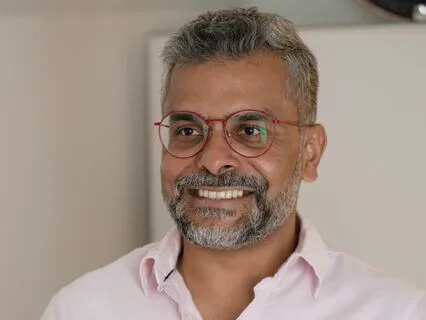
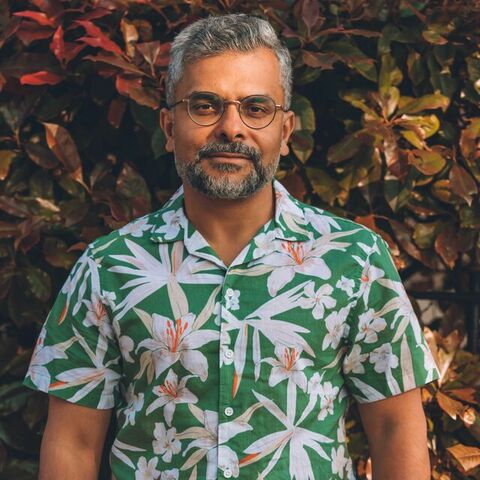
Hey welcome welcome everyone welcome to me myself help and I.
So welcome Ilona.
How are you doing?
I'm good.
Thank you.
How are you?
I am excellent.
I'm excellent.
Cannot wait to start this.
So last week we talked about.
Why we do this?
Yes.
And our wise and little bit of a back story.
And why are we doing this together,
Etc.
So what is in store for this week?
The way you look at it is more of.
In a way,
Our view of what is mental health,
Because when you start Googling it,
You will get enormous amount of enormous one,
But definitions,
But you will get different information,
Different sources.
And people have different level of understanding where they are at on the scale.
So essentially,
It's just like,
So let's just dive into discuss what is actually mental health and.
What is actually what we're looking for?
And when we say mental health is a,
Is it?
How do you feel in your mind?
You actually come relaxed.
Or how do you your mental health is?
Are you always worried or.
Is the mental health for you that OK,
You just want to be able to disconnect from your day.
So whatever your definition can be there,
Because we are.
I'm not talking about serious conditions where we talk about where you need to get actual treatments like depression,
Different disorders or etc.
So again,
These are one level big set of things which I would say personally,
I will not touch because I do not know anything about and.
And people need to get help for those.
Seek disclaimer,
Please,
If you feel like everything is extremely overwhelming.
You have no one to talk to or God forbid you have a serious certain thoughts that you no longer want to be with us.
So I would say,
Please,
Please,
Please reach out to someone or doctors,
These people to help you out.
So that's where I want to start.
So,
Yeah.
So then I'm going to pivot to you actually.
So what in your mind,
How would you define mental health?
Yeah,
Yeah.
Yeah.
Thanks,
Ilona.
I think that's a very good point you started off.
So,
Yes,
Anybody we can provide maybe links in the description on about like reaching out to help like Samaritans,
Good Samaritans,
Etc.
So we can definitely provide guidance for people if if in need.
So that's a good point you make up front.
Yeah.
So what is mental health for me?
Again,
I again,
As you just mentioned,
When you asked me this question,
I went and Googled what mental health is,
As always.
That's what we do.
That's our source of knowledge.
But I looked at it in a different angle.
So I looked at it from what does it mean to me?
So in like there are many definitions,
There is a state of well-being in which individual realizes their own abilities,
Can cope with normal stresses of life,
Can work productively and fruitfully,
And is able to make a contribution to their community.
So that's what the WHO describes as good mental health.
Now,
For me,
It is important to understand this is a general perspective,
And it does not mean that everyone will be in the same place for mental health.
And what mental health for me is different from what mental health is for you and for anyone who's listening.
So it's very clear to make that distinction.
But there's a couple of things which I took out is the can cope with normal stresses of life.
That's important.
And these stresses can be relational,
Can be personal,
Can be external,
Can be internal,
Can be many,
Many ways.
So understanding what's stressing you out.
And we often talk about in our lives,
Oh,
I'm so stressed out today.
I'm so stressed out today.
And if this pattern keeps repeating and you are actually not paying attention or aware of this,
This can cause a little bit of a problem.
This is what the start of deterioration may look like.
And the other thing I took was very important,
Which is very important for me is to understand their own abilities.
And this is good.
So it's not just talking about mental health from a sign of like,
Oh,
We are lacking something.
I think mental health is a sign of you are fulfilling something you're progressing towards.
It's not like ending sadness is good mental health.
It's not.
Flourishing in your job is good mental health or flourishing in the life in which life you would like to lead is good mental health,
In my opinion.
So like,
For me,
Yeah,
Those are the two things I took away.
And for me personally,
A lot of people have emphasized the power of physical health.
We talk about physical fitness.
We go do those reps and whatnot in the gym.
We do like the yoga sessions you keep telling me to do and I keep failing to do.
There's a lot of physical aspect we talk about.
We go for a run.
We do a lot of things and we often don't do 5% of that effort in regulating our mental well-being.
And I always go back to this.
Just one more thing before I come back to you.
One analogy I use for myself is which puts this into perspective.
If you are physically fit,
That doesn't mean you are mentally fit or healthy.
But if you are mentally healthy,
You oftentimes become physically and emotionally healthy.
Doesn't mean like you'll have six-pack abs and whatever.
It's just your perception of yourself becomes so much that you are happy,
You become fit physically.
So a lot of people might have that reversed.
They might think,
Oh,
Let me get my physical health in order,
Then my mental health will sort itself out.
I believe if you start with the mental health side of things,
Your physical fitness also starts to improve.
So just want to bring those thoughts into it.
So does that answer your question?
Yes.
And then you did also kind of touch a point where you actually said,
Because I'm the opposite opinion in a way,
That fitness,
Physical health is actually a really significant factor in contributing to your mental health wellness.
So in terms of actually saying,
You talked about how you feel in yourself,
But one definition,
Again,
I'm going to go back to today is mental health.
So it's how do you feel on your day-to-day basis?
Not,
We're talking about stresses,
Because stress is just a word used.
Are you feeling down?
Are you feeling anxious?
Do you feel withdrawal from life?
Do you want to hide?
Are you overeating?
So that's the sign of your mental state,
Right?
And so these are the whole things.
And for everyone,
It's like slightly different.
How does Conor Cossack,
So how do you bring everything down when you haven't looked into yourself internally,
You haven't started self development or meditation or whatever?
So you just learn,
Let's say average person,
Like most of them,
Like not discriminating anyone,
Just like,
Okay,
So you knew.
So one thing will go is actually the gym will be the place where you will go in,
You will work out.
And for that an hour or 45 minutes to hours,
Your mind will be quiet.
So that's the difference.
This is why I think physical health,
Like working out,
Gym,
Wherever it is your gym,
Running,
Working,
Yoga,
Pilates,
Swimming,
Whatever it is,
For those activity hours,
That's your first step to bring to mental health,
Because A,
You're quieting your mind,
You leave all the stress out,
You sweat it out,
Whatever it is.
Two,
Your body releases chemicals.
So essentially,
You feel happier.
So your stress level goes down,
Your endorphins kick in as well,
And your immune system gets reboot.
If you work out for more than,
I think it is for more than half an hour,
Your immune system is actually has like wellness for about for another 24 hours or 14 hours.
Again,
This is,
I remember reading.
So this is why I think physical health kind of comes in hand in hand,
If you don't know.
And then if you are looking at,
Okay,
When I do certain exercises,
I require focus.
So how can I bring the same level of focus when I do my work?
That's why I think I link,
I will link physical health to mental health.
And you may have a different view on this.
Yeah,
No,
No,
That's,
That's absolutely fine.
Yeah.
And then actually,
If you have ADHD,
Which I think most of people have,
The single focusing on something like physical activity brings you back down internally.
And this is after you exercise,
You released the energy out.
That would be a good place to say is like what I can do in my day to day life in order to sustain the same level of activity or what I feel after the gym or after like extensive workout.
Yeah,
No,
No,
These are,
That's,
Yeah,
I'm not saying definitely,
I'm not definitely saying that gym is not important or physical fitness is not important.
I am,
What I'm trying to say is the level of importance given to physical fitness is so far outweighed that the level of importance given to mental and mental conditions or mental health.
And we have started to scratch the surface of what mental health means.
And,
But we know a lot about physical health,
Right?
So we know a lot about what can get you going,
What can release the endorphins,
What sort of exercises help you.
And yoga also kind of brings together both body and mind.
So there are like exercises which bring in all of it.
Yeah,
So I totally understand that physical health is also important,
Is part of mental health.
My point was being,
If we just focus on one,
We might forget the other,
Which is kind of your point also,
Like don't focus on just one thing.
We have to,
It's a holistic thing.
But again,
Personally,
I will say I was active physically well into my teens and like 20s,
Mid 30s.
And mid 30s,
I was still physically active,
But my mental health deteriorated.
So I was still working out,
Playing all the games,
And my mental health deteriorated.
And so I'm not just saying like this will happen to everyone,
Saying this is my story.
So for me,
It was the opposite.
That's the reason I said,
When I got my mind side of things into a place where I can hold awareness of these things,
It became clear.
I'm not saying it's done and understood.
It's still a work in progress,
As you mentioned.
But it gave me the opportunity to express myself differently.
And now I'm starting to realize the power of physical exercise.
I'm starting to understand why it's so important,
Because I'm in a state of,
It's a different state of accepting this.
Is it,
Can I ask you,
Is it because you have more awareness when it comes to exercise,
And you're able to notice the shift once you do something?
Or it's more like,
Instead of,
I just actually,
I just need to do this in order to look,
To feel good,
Look good.
You know,
Like everyone tells you to exercise.
I think I started exercising because everybody told me exercise was good.
And then I realized I was just copying everyone else around me.
I was like thinking,
Oh,
That's what everybody does.
So I should go do that.
Oh,
I can't do it.
Why am I not doing it?
And then actually it had the opposite effect,
Where I was putting perfectionism or like,
What is called,
Comparing each other and all that other cognitive biases,
Which we will talk about in the future chapters.
All those things came for me and I started to realize,
Oh,
Okay,
I'm just being caught up in other people's ideas of what fitness is.
And where is my idea of fitness?
So around 2018,
When I started to really practice mindfulness and actually imbibe those philosophies into my daily life,
I started to notice the difference where I'm becoming aware of these things.
These things were never aware to me.
Like I never thought I was,
I never thought I was caught up in these internal fights.
I never thought,
I was just like,
Yeah,
I was just doing whatever I should do.
Yeah,
I should wake up in the morning,
6am and go to workout.
That's because everybody's doing the spinning class.
I like spinning.
I did not like spinning.
6am,
I did not like 6am gym.
I did not like doesn't mean I shouldn't do it.
I'm just saying like preference wise and I found a different way to do the same things which bring joy,
Fulfillment,
Growth,
Transformation from a different angle,
From an angle of like awareness.
Do you get me?
Does that make sense?
All right.
So when kind of going back to the team,
So in your steps,
So for example,
Again,
Mental health is,
So we can't go off the stats because the stats are actually very scary when you look.
I looked up the stats for basically mental health in UK,
Ireland and globally.
I was just like,
So what struck me is like,
This is actually from Forbes,
One of the articles when I was looking up,
They said about 5% adults globally have depression.
5% that is like 400 million people.
That's also people that those are diagnosed.
So this doesn't cover anything.
And again,
This is Forbes.
So I'm kind of,
When it comes to media,
I'm kind of a bit partial.
So like,
I like to know my sources.
Yeah,
That's such an amazing,
Not amazing.
That's such a staggering,
Like number 400 million people reported.
And there are so many people who don't report it and they just go under the radar.
Yeah.
And for example,
Like,
Yeah,
Sorry.
It's like,
Again,
This is for UK.
So this is like from the charity website,
Champion Health.
I found it in UK.
It says that every week in England,
In England,
Six people in,
Six people in 100 people will be diagnosed with general anxiety disorder.
And I was like,
Okay,
So it looks like we just like,
We are just like,
There's a lot,
A lot of things.
And it's just like,
Okay,
So it kind of feels like that we are starting to become conditioned to feeling anxiety,
Conditioned to be anxious.
We are conditioned to become addicted to the screens.
It comes on top of me and we're becoming addicted to mood swings,
Etc.
And I was just like,
This is actually shocking.
And one of the things was,
This is from Ireland,
Irish Health Services.
This is for Ireland.
Yeah.
And it's actually the government estimates that the cost of mental health problems in Ireland,
Which has over 6 million people living in the country,
If I'm correct,
Is 4 billion per annum.
Yeah.
Wow.
So this is where it was kind of like,
You start looking at it and it's like,
In a way,
When you go down the rabbit hole of looking at information,
It looks like we're going to doom and gloom,
As they say.
But when you actually,
This happens,
My mind goes in like,
First thing is like,
Okay,
Personal experience,
When things are overwhelming,
I go into hiding.
That's my default,
Right?
I go into hiding.
I don't want to deal with anything.
I withdraw from social activities.
I withdraw from engaging too much with outside work,
Social media,
Doing things.
I just kind of was like,
Okay,
I can't go for this.
So that's my coping mechanism,
Right?
And at some point,
There's only so much books you can read,
So much Netflix to binge,
Which is not at all healthy.
When you do higher amounts,
It just,
I just wanted peace and quiet.
I just want to wake up in the morning.
I don't,
I was like,
I don't want to feel overwhelmed and stressed about the,
Let's say,
The bills that need to be paid,
The responsibilities I have,
The things going on with work.
And I was just like,
What I need to do?
For me,
It was,
Well,
I need a pause because I'm not,
I'm not a good friend.
I'm not a good partner.
I'm not a good friend for anyone.
I was just like,
Okay,
This was a work,
Like,
My biggest,
I think,
Was just like,
Then I was like,
All right,
I got a,
Got a,
And then I got a counselor,
Right?
That was my kind of,
Considering everything I knew,
I was still getting all of those things.
So yes,
I meditated.
Yes,
I've been into self-development.
I knew how to regulate some things,
Et cetera.
But that,
There was one point in my life when I was like,
Living in London,
I was like,
Oh my God,
I literally,
I can't,
I just can't cope.
I'm just like,
I'm overwhelmed to the extent.
And the guy,
What he said to me,
I was just like,
Well,
You're a human being.
You are bound to have emotions.
And we,
As a human being,
We are feeling and sensing.
So you cannot number anything.
So you need to learn how to experience your emotions,
Recognize them,
And let them go.
And the stories you tell in your head,
How many are actually true?
That was where,
When I go in,
I went on a tangent,
I know here,
But I was like,
So feeling those feelings of anxiety,
Stress is actually normal.
It's what we do with that when that comes in.
And that I think where we need to go as a society is to understand that having feelings and sensing emotions is normal and normalize the feelings and expressing things.
It's what we do is,
How do you understand when you need to have a break?
That's my question.
That's a good question.
How do you understand when you need a break?
For me,
I don't.
Sometimes I am too much into this.
And then I realized at one moment,
Where either I do something out of panic or do something or there's change in normal behavior,
Which I've noticed is when I start to notice,
But I am not sure when this can be caught,
How this can be caught.
But the point is like,
Whenever I feel dysregulated,
And I think dysregulation is a good one.
Yeah.
It takes me back to asking these questions about myself.
So have I got the right support people around me?
Have I got enough sleep,
Water,
Food,
Shelter,
Warmth,
Cold,
Depending on this.
So feeling of safety.
So when I'm not feeling safe,
That's when I think some of these emotions start to play a little bit of funny games.
But yeah,
So for me,
Sometimes I'm too far into feeling or a thought pattern.
That's when I catch it.
But with regular practice,
Especially something called loving kindness practice,
I think I'm starting to accept whatever emotions I have.
I'm starting to become more accepting of other people.
Accepting doesn't mean I have to listen to them or like I have to follow whatever they say,
Accepting of their opinions,
Their life.
So there are practices which I'm doing,
And I know whenever I don't do them,
I start to feel dysregulated.
Now you can ask me,
Should we all do this?
I'd be like,
Probably not,
Because everybody has a different way of regulating.
Of course,
The safety,
The psychological needs and the social needs and et cetera,
The Maslow's hierarchy,
If you can call it,
Or inverted Maslow's hierarchy,
Whatever.
So with all the needs and safety done,
Then it becomes more of a self-actualization exercise.
So you are becoming more accepting of yourself,
And you start to find practices that align with that.
So for me,
Meditation works.
For some people,
Meditation might not work.
Or for some people,
Some other form of contemplative slash therapeutic practice works.
So my point is with these sessions,
I'm hoping people will get ideas and find your way.
So there is no right way,
Wrong way.
It's just your way.
So finding your way,
Feeling confident about finding your way.
We can talk about all the common things which happen,
Et cetera,
But there's the idea with this session,
As we call it,
Is to find your own way.
Nicely said,
Because when we were talking about this,
I just realized mental health is just too broad of a topic to squeeze in half an hour.
That's true.
Because if you look at,
Let's say,
If you dissect everything,
If you take feeling overwhelmed,
If you take feeling of anxiety,
If you take feeling of withdrawal,
There's so many different aspects that can impact the way you feel.
And obviously,
The basic human is actually feeling safe in your environment that you understood,
Et cetera.
But a lot of things actually comes down to is as well the way you organize our life.
Like we said before,
It's like,
Do you have enough?
Are you actually nourished in the sense that do you eat nutritious food?
Do you actually have enough sleep?
Do you drink enough water?
Do you actually spend enough time from the screen and actually,
Like actually country dependent?
Can you spend actually some time outside?
Do you have time to spend outside?
Because I understand people's life are busy,
Especially if you have multiple responsibilities,
Et cetera.
It's one of those things is like,
It's okay to feel what you're feeling.
What I'm trying to say is what I hope I am communicating is that whatever people are feeling,
It's okay.
And those emotions are valid.
But at the same time,
Not to go into the same story over and over again.
Because your thought changes,
Your opinion changes,
So your state will change as well.
So accept where you're at.
And then if you really want to talk to someone,
Well,
My always view is if you really don't know what to do,
Always take out a piece of paper and write everything whatever's on your mind on a piece of paper.
And if you're really annoyed,
And you kind of is like,
Well,
This is too whatever.
Rip them and throw them out.
It's kind of like you're discarding your emotions on paper.
Or go for a really long walk to do something that brings you joy.
Dance,
Put on a playlist.
You dance when you were a teenager and dance like no one is watching around the house.
It's just like find something that helps you to become more you in a way.
And that,
Like what you said beautifully before,
Maybe meditation is not for you.
Maybe the sports is for you.
Or maybe some people just love volunteering,
They actually feel better after they help someone.
So yeah,
I don't know.
Oh,
That's very helpful.
Those are the methods.
Those are fantastic methods like free writing and like,
Yeah,
Trying different sports and trying different activities.
I'd like to like you're just coming back to,
Yeah,
We can talk about that.
It's not a 30 minute conversation.
But I think we should have this because it's the base in which we can start to branch out.
So a lot of people actually just go directly into certain things.
So I think it's always good to have a broad understanding of what mental health is for me,
For you.
So like in that sense,
What is mental health for you?
That's a very good question.
For me,
For me personally,
Is feeling at ease with my decisions.
When I,
In a sense that they're,
I'm saying the word ease,
But I trust my decisions that I'm making them and I'm able to say if I have a particularly busy day or at work or there's things I'm stressed about my life that I know I can handle them and those are the phases.
So this is my,
This is where my mind,
Probably my happy place is.
Whatever life throws at me,
I know I can handle and that's just the phase that I will pass.
And then obviously,
I'm not,
I'm more pragmatic.
So I don't believe that every day is a blissful day.
There will be parts of the day that are happy,
Joyful,
Appreciative,
Etc.
But there are parts of your day that may be tough and having a tough day doesn't make you any less weak or anything if you just acknowledge and say like today I'm feeling this way.
But and also look for the good in the day.
I think that's where my probably biggest takeaway is.
I trust my own abilities that I can handle everything that comes my way to sum up and then also know that it shall pass.
And in order for things to pass,
I do have the tools and things or network I can reach out to to make it move things faster.
If it's,
Let's say like if it's work-related,
If it is let's say finances or something else.
What about you?
What's your definition?
Yeah,
I think I talked about it at the beginning as well.
So it's more about regulation.
Mental health is about,
For me,
Is regulation and flourishing.
So it's not about the absence of sadness or happiness.
All of those are valid emotions,
As you say.
All of them have their place.
All of them have served us.
But is it serving you right now?
So right now is anger,
Being angry at this car in front of me while I'm going to work.
Is it going to serve me anything?
So is that same anger used to,
Say,
Bring about change in the world or try to stand up for what you believe?
That same anger can be used in a different way.
So is this serving me right now is the question I always ask for my mental health.
And if it's not serving me right now,
Then there is options to move away and the choice is always yours.
So again,
Yeah,
So there's been a fantastic discussion.
I know we came up to 30 minutes or something.
So either we can carry on this conversation for next week or we can talk about something else.
What do you think?
I think we kind of fall into the next thing where we actually talked about this.
What are modern day addictions?
Because basically those feed into mental health.
Because this was,
In a way,
For me,
A conversation to start to show this is so much into this mental health.
So this is not one thing.
And then we're going to go next week,
Let's say.
But we can dive in to say is like,
Hey,
What are we talking about?
And then cover other things.
Let's say anxiety and etc.
And before we go,
So what is the one tip for the week for everyone to practice this week?
That's a good question.
I've got one.
Actually,
One of the things you said,
So which is free writing.
That's an amazing tip.
That's a wonderful way of expressing whatever is out there,
Just getting a paper pen going unfiltered without any barriers,
Just write whatever comes to you.
And then you can choose whether you keep it or destroy it or burn it carefully or tear it up.
Yeah,
So that's something which I'm going to try.
Okay,
Nice.
I'm going to go.
I was thinking of a sample.
Have a coffee or a tea,
Whatever your preference is,
Without any distractions.
So let's say I just have to sit down and have a cup of tea for,
Let's say,
15 or 20 minutes and just actually see how you feel.
Take time to check in with yourself.
Think about the things you want to do,
You need to do,
Etc.
Without phone,
Without TV in the background.
Or if you want to have the same pen or paper to write straight down,
But actually just pause for 20 minutes while you have your cup of tea.
That's fantastic.
Again,
That's something very easy to implement.
You can start.
Yeah,
This is good.
Yeah,
It's kind of small thing.
I would say personally,
Have a cup of tea or whatever,
Sit down and actually just let yourself be without rushing to your next thing.
Excellent,
Excellent.
All right.
So yeah,
So thank you for listening.
Thank you for joining.
So again,
You've tuned into Me,
My Shelf Help and I,
Where we are not just flipping pages,
We are flipping lives.
So thank you for taking part.
Thank you for being here.
This is bye from me,
Nikhil.
And bye from Ilona.
Thank you,
Guys.
And I hope to see you next week,
If that makes sense.
Yeah,
Definitely.
Absolutely.
Keep this going.
This is wonderful.