Welcome to the Explorers Mind.
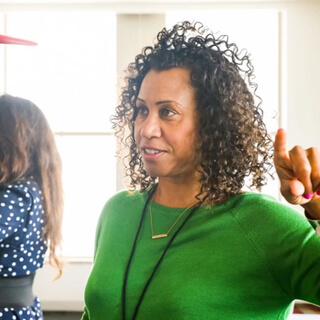
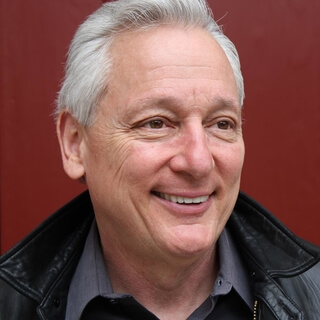
This week's guest is Chris Jordan.
Chris and I met over two years ago and I was absolutely blown away by his work.
He's best known for his iconic photograph of a baby albatross whose belly was filled with plastic,
Which earned him a front row seat in the global environmental movement.
We spoke about how he left a dissatisfying career as a lawyer to follow his passion as a photographer.
We also spoke about why shocking and scaring people into action is not the most successful strategy.
And we spoke about the transformative power of beauty,
Love,
And grief.
If you liked this episode or any of the other episodes,
I will be so grateful if you would take a moment and leave a review on iTunes.
Chris,
Welcome to the show.
It's so great to have you here.
No,
Thank you,
Pama.
I'm so happy to be here with you.
What I find really interesting,
I mean,
We have many things in common,
But one thing we have in common is that we both started our careers a long time ago as lawyers.
Obviously,
Both have moved quite far away from that.
But what I'm really curious about is what was your journey like?
What made you change and what was the pivotal moment?
Well,
Isn't it funny to look back and to see ways that we were motivated by unconscious feelings?
That's why I became a lawyer in the first place.
It was back at a time before I had really become very self-aware,
Before I'd had any therapy or before I did any kind of self-awareness practice.
And so it was really just about all based in fear.
I was in my late 20s and was just looking ahead.
I'd like,
I didn't have a plan.
I just had this kind of existential fear of the whole world.
And it felt like something was coming toward me and I needed to be prepared financially.
And so I just got into that incredibly narrow box of thinking like,
Do I go into business?
Do I study marketing?
And law seemed kind of the easiest path.
And it was something that I was also interested in.
I loved the philosophy of law.
So I loved law school because in law school,
You argue all these super interesting policy stuff.
But then the very first day of law practice,
I was like,
Oh my God,
I'm gonna die in here.
And it took me 10 years in there to learn the most important lesson maybe that I've ever learned about unconscious fear,
Because I knew right from the beginning that this wasn't for me.
My heart was not in it from day one.
So interesting how we actually know in the silent parts of our being that something feels totally off,
But not honoring it.
I,
For example,
Felt in the very first day of law school that that wasn't for me,
But yet I did two law degrees seven years later.
I basically changed.
Yeah,
It's like looking back on it,
I had that sense that this was just totally wrong for me,
But I wasn't in touch enough,
Or I didn't honor that part of myself enough to follow it and make a decision.
I just stayed stuck.
I mean,
I was really stuck for my whole 30s,
Basically.
My entire 30s was sitting in a law office just hating every moment and doing that thing that of like waiting for Friday and that horrible feeling on Monday morning,
Like,
Oh God,
I have to go back and do this again.
And all of that time,
I knew I wanted to be an artist.
I knew I wanted to be a photographer.
And that's what I was doing in all of my spare time.
And all of my disposable income was going into taking photographs and processing and printing.
And like,
I was really passionate about photography all that time,
But I was afraid that if I tried to do that full time,
If I left my law paycheck and tried to be a photographer full time,
I was afraid I would fail.
And I had a whole scenario in my mind that I would end up as a homeless drug addict.
I gave myself about a 50-50 chance that if I left my law job,
The result,
Five years or however many years from now is gonna be,
I'm gonna be a homeless drug addict.
And that was the scariest thing I could possibly think of.
And that's what kept me stuck for that whole 10 years.
And the transformative moment for me was I was working with a therapist.
I found a really good therapist and actually spent 14 years working with him.
And during that process,
He helped me discover that there's another fear that I wasn't paying attention to at all that is a thousand times more frightening than failing as an artist and becoming a homeless drug addict and that's the fear of not living my life.
The fear of becoming old and realize that I didn't take the risk of going on an adventure.
I didn't take the risk of living.
And he also,
He told me something so important about fear.
He says,
There's two kinds of fear.
There's when you're stuck,
There's the fear of not fulfilling your purpose or not living an exciting life,
Not living a full life.
And he said,
That's the kind of fear that,
That's a bad fear.
If you have that fear,
You want to get over it by taking the risk.
But he said,
There's another kind of fear that's a good fear.
And that's exactly the fear that we think is the bad fear.
And that is the fear that you feel when you take a risk.
He says,
If you want to live your life as an adventure,
You have to take risks and you're going to be scared.
And so that kind of fear now,
Like when I'm going on a new adventure,
Like right now I'm in the middle of an adventure,
I'm on a new project,
I have no idea where it's going to go.
I have no idea if it's going to totally fail.
And I'm taking really big risks and it's scary.
And every time I feel that fear,
I'm like,
Yes,
That's my companion.
That's my friend who's telling me,
Dude,
You're on the right path.
You're living your life as an adventure.
It's interesting.
It's almost this being out of your comfort zone and in the unknown that is a bit scary,
But that's also where we feel most alive because we can co-create with what's happening.
But yeah,
It takes some time to get familiar with that,
That actually no bad things happen in that place of unknown or not knowing or not more bad things than when we're in our secure environments.
Or maybe a bad thing will happen.
We actually really don't know.
But having security is an illusion anyway.
I was very secure as a lawyer and I was so unhappy that I literally,
I had suicidal thoughts very frequently.
So I feel like I learned in those 10 years,
I learned an incredibly deep lesson about what we sacrifice for that paycheck.
And it changed my relationship with money and with life and with everything.
It enabled me to do something much,
Much later on,
Like give away eight years of work.
My film Albatross took me eight years to give it away for free because it's just something shifted inside of me.
And then how do you look at money or security now,
As you mentioned,
And it's significantly shifted since then?
Well,
I think I probably don't have the best relationship with money because I really,
I don't have very much.
And however much I have,
I always give it all away in one way or another.
But I love being in a state that my friends call a state of flow,
Which is to just be doing my work and putting it out in the world and trusting that one way or another,
I'll have a roof over my head and a meal,
My next meal.
And the thing that I have to bear in living that sort of lifestyle is a sort of base level anxiety that comes from literally not knowing where I'm gonna be living,
What I'm gonna be doing next month or next year and on into the future.
But that anxiety,
That fear,
It's like it's actually become my friend and there's a tremendous freedom.
There's something that happens when we live in that kind of state.
It's like there are all of these opportunities that come that otherwise wouldn't come if we were holding onto a script.
And the things that have come to me since I left my law job and just sort of living in a kind of state of flow like that,
The gifts that have come to me,
I can't even believe how rich and abundant and amazing they have been.
And it continues that way.
So how did you then set up as a photographer?
How did you find,
I guess,
Your first clients?
How did you find your feet as a photographer?
Well,
I left my law job.
When I left my law job,
I cashed out my retirement account and I'd been putting money into a retirement account.
So I had $60,
000 when I started,
When I left my law job.
And everybody that I talked to about the world of photographic art said that it takes about two years to establish yourself as a photographer.
And I didn't even think I was gonna be a successful photographer.
I thought what I was gonna do was photograph on the side as my hobby and be a printer and print for successful photographers.
Just to pause you for a moment because I just remembered you also had a young family at the time,
Right?
I think it's important for people to know that you were not just,
Let's say,
A single lad that cashed out his retirement fund and went to follow his passion.
You also really had a house,
You had a wife,
You had a kid,
And also taking all of that into consideration.
Yeah,
She really took a risk with me and she believed in my work.
She was the voice for so many years when I was super worried.
She was always telling me,
It's gonna be okay,
It's gonna be okay.
And I used to get so annoyed because I was like,
How do you know it's gonna be okay?
It might not be okay and it always turned out okay.
Ha ha ha ha ha ha ha ha ha ha.
But I thought I was gonna be a printer and so I was developing my expertise in the world of digital color management and digital printing and Photoshop and I was really excited about that.
And I was really excited about that.
I was really excited about that because I was so excited about becoming a print shop and becoming a fine art photographic printer.
And all this time,
I was also super interested in the whole subject of mass consumption or consumer culture,
Sort of the invisible,
The dark underbelly of consumerism.
And I've been reading about it for years and I had been taking these photographs of a big international port there and this was all before 9-11 and so the port was completely open.
You could just drive right in there and all of the big industrial yards where there's huge stacks of shipping containers and giant piles of garbage and twisted metal,
You could just walk right in without any security problem.
And so I'd been doing that and I had this whole body of work that all this time that I didn't expect would ever get shown anywhere.
It was just my own thing that I was doing that I was fascinated by and I had one of those photos on the wall and one of my friends,
Who's an internationally well-known fine art photographer,
Came over for a lesson in digital printing and I was teaching him this stuff and he looked at that photograph and he's like,
Wow,
Chris,
You've hit something here.
You've got to get this to a gallery.
And that kind of inspired me to start approaching galleries and it just sort of took off by itself in a way that absolutely astonished me and it was so thrilling at the time.
And how long did that take?
Because you mentioned initially,
They said two years.
How quickly did that happen for you?
Well,
Let's see,
I'll tell you a little bit about the financial story in the background as well.
It was,
I left my law job in January of 2003 and I had $60,
000 and I immediately bought a $10,
000 printer and an $8,
000 computer and I was shooting film like crazy.
And at the time I was working with an eight by 10 view camera which is one of those big old cameras that you put the cloth over your head and you make an exposure on a sheet of film that's that big.
And it cost me $25 every time I clicked the shutter.
And I would go and shoot $1,
000 worth of film in a day.
No problem,
Frequently like day after day I was shooting $1,
000 worth of film.
And so the $60,
000 went by in like three months.
And so it was the spring of 2003 and we were completely out of money.
And so everything started going on a credit card.
And then that thing happened,
My friend Phil Borges was over and that was in like June or so.
And that just gave a little boost of excitement to just keep going,
Hang in there and trust that something's gonna happen.
And in July was when I met a gallerist in Los Angeles who said,
I wanna show you work.
And he was really excited about it.
He said,
I wanna give you a solo exhibition but the first show that we have available is in February.
So he said,
You have to make it from now until February and then I think we're gonna sell some work.
And so for the next seven months then I went nuts photographing because now I know I have an exhibition coming up.
And so I was just shooting huge amounts of film and all of it was going on a credit card.
And when you have an exhibition as a photographer you have to show up at the gallery with your prints.
And my work was large.
It was like these large scale prints and it cost me like $75,
000 to just print and frame and get all the work to the gallery.
So by the time February 1st came and the show opened I was $100,
000 in credit card debt.
It sounds certainly like go big or go home.
What are the pros?
Ha ha ha ha ha ha ha ha ha.
Well,
I just had this,
I wouldn't even call it trust.
It was just this sense that if I keep going it's gonna be okay.
And we sold enough work at that show to pay off all the credit card debt and it got me exactly back to zero.
And then a gallery in New York said they wanted to show my work in September.
And then the exact same thing happened again.
We lived all the way around the calendar until September on credit cards.
And it's always been like that.
Like I have some success and a bunch of,
I have a bunch of financial success and then I do a project and it all goes out the window.
Ha ha ha ha.
And all this time I was,
It's like,
When I look back on that series of photographs that it was what I call intolerable beauty.
I was really only just beginning to hit the surface of the issue of mass consumption.
And when I look back,
Like I love that work and there's also,
It was very aesthetic.
It's like I was still very much in the aesthetics of formalism,
Photographic formalism,
And just really beginning to look into the darkness of our consumer culture.
And I was really blown away by your work running the numbers.
It was so clever.
I mean,
It was beauty.
They are really beautiful,
But there's so much to them.
It almost felt like you're luring in people through the beauty and then they're able to digest the message,
Which was not that beautiful always.
Can you tell us a bit more about that?
Ah,
Yeah,
Well,
Running the numbers kind of grew out of the Intolerable Beauty series.
And the way it happened was I would go to these places where there's a big pile of twisted metal or a whole bunch of garbage.
And at the same time,
I was reading statistics about the enormity of this phenomenon of our consumer culture.
And I read about cell phones.
I took a photograph of cell phones as part of my Intolerable Beauty series,
And that's probably the best known image from that series.
And that was just like 3,
000 phones.
And when I took it,
It was like this spinning,
Spiraling mass of phones that felt like so many phones.
At the time,
It felt like it expressed the enormity of our mass consumption.
And I read a statistic that in that year,
We had used,
I think the number was 140 million phones.
We had thrown out 140 million phones.
And I did the math,
And it came out to several hundred thousand phones per day.
And so it would have taken several hundred of that photograph of so many phones from the Intolerable Beauty series just to show one day of our cell phone consumption.
And I realized that these numbers,
That they're just absolutely vast,
That these phenomena are so vast,
And that I couldn't take a picture of it.
It was like the ultimately frustrating challenge as a photographer.
How do you photograph the phenomenon of our mass consumption?
It's literally invisible.
There's nowhere you can go.
Like I always imagined if every time any of us used a plastic bottle,
If we lived in a world where there was one giant pile of plastic bottles,
And everyone who ever used a plastic bottle,
You had to go and throw your bottle on the pile.
First of all,
That pile would be larger than Mount Everest.
It would be when you stand in front of that pile of plastic bottles,
It would absolutely blow your mind.
How huge.
And you would feel your own individual contribution each time as you throw your bottle on there.
If that phenomenon existed,
It would change the way we use and think about plastic forever.
But that phenomenon doesn't exist.
What actually happens is the plastic bottles go away.
You put them in a bin and they disappear.
And this is the way all of our consumption is.
There's nowhere you can behold the scale of it with your senses,
With your eyes,
Or stand in front of it.
And that's the problem generally with our consciousness or with our minds,
That we only feel called to react to things that are immediate and that we can see where we can perceive this immediate danger.
And not when something is more abstract.
We can just not really relate to it from an emotional perspective unless we really do conscious work and create conscious effort to feel it,
To familiarize ourselves with it,
And to dig deeper.
Yeah,
And there's something about those gigantic numbers that they're an abstraction on a whole other level.
Because when we read,
Like every day,
We read numbers of,
We use however many billions of pounds of something or hundreds of billions.
And now you frequently hear that trillions of dollars are being spent on something.
And we think we comprehend those numbers.
We talk to each other as if we comprehend them.
And when we read them,
We read the number and we think we comprehended it.
But the truth is that all of those numbers,
Any number above a few thousand,
Is not comprehensible to the human mind.
And when you go orders of magnitude above,
And even like multiple orders of magnitude beyond what we can comprehend,
Then it becomes an abstraction that is truly disconnective.
It's interesting that you say that my brother recently showed me an animation that showed just how much money Jeff Bezos is earning compared to,
Let's say,
The average income,
But even compared to other billionaires.
And it was an animation that made you scroll to the right side.
And I think you literally had to scroll for 15 minutes from the beginning until you reached where Jeff Bezos was.
And that just brought it home how these large numbers really,
How they are so different.
Because you read one billion and then someone else has two billion,
And almost sounds not a big deal.
But even that is just such a vast difference and a comparison never really hits home when you just hear a number.
I can totally relate to that.
Yeah,
And the thing is with our mass consumption,
Like let's say the number of trees being cut down to make toilet paper,
Paper,
Newspaper,
Cardboard,
Like all of the paper products that we consume,
The number of trees being cut down,
It's a number that's in the hundreds of millions.
And that's the only information we have to try to comprehend that phenomenon.
And the number,
That information is incomprehensible to us.
And so we can't comprehend the phenomenon.
And if we can't comprehend it,
Then we don't feel anything.
And in that disconnection from our feeling,
Because we know we act when we feel something,
When we feel angry or when we feel sad that what is being lost in our world,
Like when we feel something deeply enough,
That's what motivates us to act.
And in the absence of that feeling,
In the absence of even comprehending the whole issue,
Then we don't feel enough to act.
And collectively,
That's where we're stuck.
We're in this place of disconnection.
And these atrocities,
Like the destruction of old growth forests so that we can have new whatever stupid stuff,
Those kind of atrocities can continue.
And so that's what the whole Running the Number series was,
Was it was sort of like art infographics,
Like clever multi-layered infographics that just try to bring some comprehension of the enormous scale of some of these issues.
And then how did you end up in mid-way shooting that iconic photo of the baby albatross and maybe almost changed your life in many ways?
Well,
I spent quite a few years doing that series that I call Running the Numbers.
And what they look like is they're these very large-scale digital artworks that are made from hundreds of thousands of something.
So it's like a famous painting made from hundreds of thousands of bottle caps.
And each time,
I put as many layers of meaning in there as I could.
So it's not just randomly chosen painting.
It's a specific painting chosen for a specific reason.
And each one of them shows the number of those things that we use every hour or every minute or something like that.
I've made some huge images of hundreds of thousands of plastic bags,
Which is 10 seconds of our plastic bag consumption.
And I remember the cups you had,
The plastic cups that were used on American Airlines or something like that every hour.
Yeah,
It was an image of a million plastic cups.
That is the number of plastic cups used on domestic airline flights in the US every six hours.
So it took four of that piece,
Four million plastic cups a day,
Just consumed on airlines in the US.
And the intention was to point toward comprehension.
And the deeper intention is to feel something.
You know,
That to me is the missing piece in our world,
Is we're becoming more and more disconnected from the feeling center in our consciousness.
And we're sort of becoming more and more stuck in our mind and in abstract thoughts.
And now we're even projecting our consciousness outward onto our devices.
And we're losing contact with what we feel.
I think that to me is the crisis,
The central crisis,
That leads to all of the problems that we see out there in the world.
And so that's what I'm interested in aiming all my work at.
And Running the Numbers felt it was successful in a way.
And it got me deeper into the process.
And at the same time,
I was always a little bit dissatisfied with it because there was a conceptual aspect about it,
That I craved a way to experience one of those phenomena on a more personal level.
And I was always just like thinking and brainstorming,
Like what could I do to bring together the collective,
The enormity of the collective,
And the individual?
Because that's one of the things that I'm most interested in.
And I tried to address that in all of the Running the Numbers pieces.
But I never felt like I really got to the point where you just see it and it just breaks you open with sadness.
And that's when I learned about the environmental tragedy that was taking place on this tiny island in the middle of the Pacific Ocean,
Where it's a colony of a million of these magnificently beautiful birds,
The albatrosses.
And they're all filled up with plastic.
And that was,
I think,
11 years ago or so when you went there for the first time.
Yeah,
It was in the fall of 2009.
I went and kneeled on the ground in front of the carcasses of those birds.
And it absolutely changed the world for me.
It's really,
I say this in the narration of my film,
But it's just such a mirror to be in such an incredibly remote place.
There's something about the remoteness of Midway Island.
It would be different to find birds filled to plastic in New York City.
Midway Island is in the very middle of the Pacific Ocean,
Which is the world's largest ocean by far.
And so right there is the place on Earth that is the furthest from a continent,
The furthest from heavily developed human civilization that you can get anywhere on the planet.
And there's this island.
And of all the birds that it could be filled with plastic,
It's this bird that already has a mythical quality in the morphic field of our literature and poetry.
What is the quality of the albatross,
The mystical quality?
It's so interesting to read and see the body of literature that's around albatrosses.
They're thought of as having a kind of magical character.
Like if you see an albatross,
Especially at sea,
The mariners and the lore of mariners and the stories of mariners for 1,
000 years,
They knew when you see an albatross,
There's about to be a storm.
So albatross brings the message to get ready for a storm,
Get ready for something to change.
Because the way albatrosses fly,
They're huge birds.
They have the longest wingspan of any birds in the world.
And they don't fly very well without wind.
It takes them a lot of energy to flap their wings.
And their wings are made for gliding.
They can zoom.
They have this amazing way of just zooming.
If there's even the littlest bit of wind,
They use the pressure of the air right at the surface of the waves.
So they zoom along the waves.
And when there's wind,
They can literally fly hundreds of miles without ever flapping their wings a single time.
They're incredibly expert fliers at following the wind.
And so they hover near the edge of storms.
They move with the weather systems and let the wind push them along.
And doing that,
They can fly all the way across the Pacific Ocean using almost no energy.
And so when a weather system is coming in,
You always see albatrosses.
And so the sailors know when you see an albatross,
Get ready because something scary is about to happen.
And in that way,
They're like this mythical carrier of a message.
And to see those beings in real life,
Not in a poem this time,
But literally,
Not symbolically,
Dead on the ground on this remote island with their bodies filled with just the stupidest of our waste,
Toothbrushes and bottle caps.
It's like the whole world,
Our entire culture,
Turned itself inside out and presented itself in the saddest,
Most innocent,
Fragile,
Vulnerable place,
Imaginable on earth,
Inside the stomachs of baby birds on this incredibly remote island.
And this photo was instrumental in some ways of bringing that problem home to many people.
Think almost in a similar way,
Like many years ago,
We all of a sudden saw this photo going around the world of a little kid,
Like a refugee from Syria,
Lying dead on a beach.
And only when we saw that photo of the child,
Well,
All of a sudden everyone cried out and said,
Wow,
This is really terrible,
Even though we had seen thousands of photos of groups of refugees before.
Well,
Yeah,
And it's been so interesting to see the whole world of ocean plastic activism,
Like the whole arc of it,
Because what I've always been interested in,
The reason I took that photograph is not to get people to recycle their plastic bottle caps and to have that sort of most superficial possible conversation about plastic,
Which is like,
What can I do in my own life to minimize plastic?
Like that to me is it's the most surface response to a problem like ocean plastic pollution.
The problem is it's a systemic and global in scale.
The problem is our mass consumption,
And that's really what gets mirrored back to me.
So if you don't want people to recycle their bottles or discuss if we should ban straws from a city,
What would you like them to do in an ideal way?
Well,
It isn't that I don't want people to do those things.
Of course we should do those things.
And all of those things are good.
Every piece of anti plastic straw legislation,
Every time we ever put a bottle in a recycling bin,
That's better than the alternative.
It's just that the reason to do those things,
Each one of those things is it's a personal act.
It's a local personal act.
Like if we bring canvas bags to the supermarket so we don't use plastic bags,
That's a personal act.
And the reason to do those is just because it's the right thing to do.
And the metaphor that I like to use,
The reason to do those things is the same reason that we pet our dog.
If you have a dog,
You pet your dog and you go,
Mwah,
Mwah,
Mwah,
I love you.
But when you do that,
You aren't thinking,
Oh,
I'm contributing to global love.
And to think that all I have to do,
I can keep on living my entire rest of my life,
But all I have to do to contribute to global love is just pet my dog.
You can see that it's a disempowered state of mind,
But that's exactly what people tend to do around plastic.
It's like all I have to do is not use plastic straws,
And I'm an environmentalist.
As we go right on flying on jets and buying new computers and like with the entire rest of the incomprehensibly massive machine of destructive mass consumption keeps right on going,
And we focus on one thing like plastic straws,
That to me is the mistake.
So we should all not use plastic straws just because it's the right thing to do.
And what else to do is to start having the conversation,
How do we take down our consumer culture?
How do we change this ridiculous set of collective habits that we have gotten into?
And that to me,
That's a spiritual path.
We've gotten ourselves lost in an incredibly deep way that isn't about plastic straws,
It's about in here.
What's going on in here?
Why are we living these insane lives?
And why do we subscribe to this paradigm that is not making us happy?
Exactly this ridiculous paradigm that we're chasing things that are supposedly there to make us happy,
Not feeling happy,
Then wanting more and more and more.
And in the course,
Destroying the nature,
Which would actually make us happy because if people really put their hand on their heart,
If you ask them,
Okay,
What are the moments where you were completely happy or completely immersed or felt totally in awe or totally at peace?
It's almost always in nature or with another human being.
And it's almost always just really tiny little things,
But we have become so distracted that we no longer see them.
We're so cut off from our feelings that we can no longer feel.
And so we're chasing all the wrong things.
You know,
And it was so interesting right before the coronavirus pandemic began,
It seemed to me that we're in a completely stuck place.
It's like the whole world of environmental activism had just gotten into an intersection.
You know,
If you've ever seen those photographs of the intersections where everybody's piled up and nobody can move,
And it just seems to be like,
How are they ever gonna get the first bus to move?
We were like that.
We were lost in the conversation of individual behaviors.
The whole environmental conversation had sort of narrowed itself down to plastic straws.
And everybody knew that even if everybody on earth stops using plastic straws,
This is gonna just solve an infinitesimally small piece of the bigger problem.
And there's something about the pandemic that I think is giving everybody a new perspective on the whole world of mass consumption.
And it,
Like,
I think everybody is seeing something that they didn't see before about what matters and about just the grotesqueness of what we were all doing.
And it frightens me to see this sort of opening up that's starting to happen,
Because I really wanna make sure we learned our lesson.
Because we knew,
Like before the pandemic,
We knew we have to take down the machine.
We know we have to do that,
But we couldn't find a way.
And we've all,
It's sort of like,
God came down and said,
Okay,
You all go in spiritual retreat for four months.
You all go meditate,
And let's see if you can take the machine down when we come out of it.
I mean,
I guess the problem here is that some people had the opportunity to do that,
Which are often the people that were more well-to-do.
But then the people that had trouble making their ends meet before the pandemic were also the one that didn't really have the mind space to go on retreat,
But possibly were pushed even more into survival.
So lots of food for thought here.
Now,
I heard you say before that you don't want people to panic.
You don't want people to see this incredibly,
Don't want people to have this incredible sense of urgency that the time is almost gone and we only have five minutes before 12 o'clock and time is running away because these are terrible places to make decisions from.
You would rather that people feel about this differently.
Can you tell us how?
Yeah,
This is something that,
It's like I feel like I've slowly become aware for over a period of years of a paradigm that we have all gotten ourselves stuck in as environmentalists,
That the more closely I look,
Like the more I see it,
The more I see that it's just profoundly broken.
And that's the other stuck place that we were right before the pandemic.
I don't know how far back it goes,
But one milestone was Al Gore's Inconvenient Truth.
He sort of set the tone for environmentalism that happened for the next 20 years after that.
And the tone of that is to spend an hour talking about a globally horrible problem and putting it in all of the most frightening possible terms based on the idea that the best way to make people act is to frighten them.
Like that's the underlying psychology that nobody talked to a psychologist and nobody even,
There's no conversation of is that the best approach?
We just sort of all started doing that.
So an hour long of this curve is getting vertical and pollution curves are getting vertical and all the good curves are dropping off and everything's getting worse and worse and using the word disaster,
Catastrophe,
Apocalypse and phrases like if you aren't terrified,
You aren't paying attention.
You should be panicked about this.
And everybody started doing that.
All environmentalists on every topic.
And so we started hearing that from people talking about the oceans and talking about extinctions,
Talking about climate change,
Talking about the damage to our forests,
The damage to the Amazon.
Every environmental issue had catastrophe,
Disaster,
You should be panicked,
This is really terrifying,
You should be super alarmed.
And this message just started resonating in this like ball of terror that in all environmentalists were sort of collectively contributing to.
Almost coming back to our conversation in the beginning,
The good and bad fear displayed into the bad kind of fear.
Yeah,
That kind of fear,
It like builds a kind of existential fear that we're not gonna get to live our life and that the apocalypse is coming and there's no reason for hope.
It's a horrible experience to feel that fear.
And neuroscientists know,
They study fear,
They know that in a state of fear,
The human mind literally loses its ability to think.
And that's actually a useful biological mechanism because if a bear is running to attack you,
If you're stopping and thinking like,
Should I go this way or should I go that way?
If you overthink that,
Then that's a bad thing.
And so the mind just shuts down and you just do something,
You just run.
And the most paralyzing state of fear of all is that we call panic.
And that's when our mind is completely incapacitated and our body are completely incapacitated.
That's the definition of panic.
And we had many prominent environmental activists out there advocating for panic.
And I think not only does that not work,
I mean,
It didn't work.
We can look back and see it didn't work.
But if you look at the wave of radical right politics that's happening in our world right now,
All of the neo-Nazis and racism,
Like all of the bad far right stuff that's going in our world right now,
You can see that it's all based on unconscious fear.
All the guys buying guns and like all of that stuff is fear,
Unacknowledged unconscious fear.
And if you wonder,
Well,
Where did that fear come from?
Like,
What are those guys so scared of that they weren't scared of previously?
And I think it's not entirely attributable to environmentalism,
But I think a lot of it can be attributed to all of the headlines that we've been seeing about the coming apocalypse,
The climate apocalypse,
All of this doomsday messaging.
In a way a little bit similar,
Like with coronavirus,
It is scary,
But there was the messages initially worked basically a lot about people dying by the thousands and really fear for your own life kind of thing.
Yeah,
And it's just an unskillful way to communicate.
You know,
If you have the desire to make the public do something,
If you want the public to change their behavior,
Then any good marketing person would sit down and study the psychology of it and think of like,
What's the way?
And the environmental movement never did that.
We just went right with the worst possible approach was to just try to terrify everybody into action.
And the more people didn't act,
The more we thought,
Well,
Okay,
We have to terrify them more.
They're not scared enough to do that.
They're not scared enough.
And right before the coronavirus was sort of the peak of just this terror mongering.
And the real tragedy of it to me is that there's something that in that experience,
There's something that everybody is missing.
And it's the most obvious possible thing,
Which is just how magnificent and beautiful and amazing our world is and our lives are.
If we're talking about how bad everything is and how bad it's getting and how it's gonna be worse,
Like,
Yes,
There's bad news in the world.
And to me,
All of the bad news we could ever dream up,
If you could put all of it in one place,
All of the bad news on earth of every kind,
All of it is always held in an envelope of the miracle that we're all a part of.
Just the incomprehensibly amazing,
Beautiful mystery of our lives and of the living world,
The universe that we're in.
Even being alive and having this body that does all the things it does without you having to consciously think about is absolutely mind-blowingly awesome.
Oh,
Yeah.
I also think it's this,
I guess the fear narrative also totally plays into the negativity bias of the mind.
And when one out of 10 things doesn't work for us,
Our mind zooms in on the negative rather than on the positive.
And it really also just points on the absolute importance of the inner work of reprogramming our minds and raising our level of metacognition and consciousness to not be like a little bolt in the middle of a scary storm in the oceans,
Just being rather less taken from side to side,
Depending on what news it's hearing.
Oh,
Yeah.
I think that is the core problem that humanity is facing right now.
Like on one hand,
You can look out in the world and see that there are all of these problems that need to be solved.
And that's not a wrong way of thinking of it.
You can think of it that way,
That we have the problem of human trafficking and that needs to be solved on the ground.
And there are lots of people working on that.
And in another way,
All of those problems,
Whether it's social injustice and environmental problems as well,
You can see all of them as being a symptom that exists in the physical world of a problem that lives here in the dimension of consciousness.
A hundred percent,
I couldn't agree more.
And there's so little attention being put on that.
But I think,
I mean,
Don't we all sense on a deep level that that's where all of the solutions lie and that we really aren't gonna solve the problems out there until we fix this in here.
And it's not such a hard thing to do.
We don't have to like all go meditate and become enlightened.
All we have to do is remember this most obvious,
The most obvious possible thing.
It's so obvious that we forgot,
Which is to just,
Like you said a moment ago,
Just like look at our own body and be like,
Oh my God,
What is happening?
How am I alive?
We don't even know what it means to be aware.
We're all aware in this incredible miracle.
Exactly at the same time acknowledging that scientists don't even really know what consciousness is.
And then there's 97% of what exists.
We have no idea what it is,
Some dark matter or something.
And then there's 3% where we think we know what it is or how it works.
And not even that have we properly understood.
And when you just run those numbers,
I am always awestruck by just how amazing life is and how much there is to learn and to be in awe of.
I have a friend who's a Buddhist who I'm pretty sure he's enlightened.
And he once said to me,
Like many years ago,
He said something that I,
It's something I come back to so often.
He said,
The most interesting thing I know of in the whole world is my own awareness.
He said,
I will sit in silence for the rest of my life happily just looking at how amazing my own awareness is.
He said,
To me,
The fact that I'm aware is a million times more interesting than going to any tropical lagoon or in the Himalayas or like whatever most thing that everybody would want to do.
He said,
I'm way more interested in just the fact that I'm aware.
And I love that because we know so much about the world and about the universe.
Science has learned so much from the quantum,
The cellular level,
All the way out to the cosmos,
Looking with the Hubble Space Telescope and understanding so much about what's out there.
And we have not even the beginning of a theory of what is awareness.
And that's something that everybody shares equally.
Everybody is aware and we're in a body.
And all around us is incomprehensibly complex and beautiful living beings.
I mean,
Every little blade of grass outside,
Even the ones we call weeds are impossibly beautiful,
Like spiraling math equations that are just producing fragrance and flowers out of the soil.
That's what I believe humanity need to reconnect with is the beauty that is all around us.
And this inside of us,
We're made of it.
And the love that we're made of.
If we can do that collectively,
Then I think we would look at our consumption and look at the cost that we are all paying,
The destruction.
We don't wanna destroy forests so we can have stupid stuff.
We wanna know that those forests are safe and the creatures are alive happily and that the oceans are clean.
And that's where we feel happy.
And you mentioned a moment ago that getting people to panic,
Getting people to be afraid,
Getting people to feel that the apocalypse is just around the corner is not the right way to engage them.
What message should the environmental movement and the environmental activists use to really engage people and help create maybe a picture of hope?
Well,
The way I think about it is in deciding what kind of message we wanna put out there,
Let's start with what is the goal of the message?
What is it that we want to achieve?
And I think,
Like the goal that I wish for with all of my work is that the person would connect with their love for the world,
Sort of with their amazement,
Connect with their own sense of amazement and gratitude.
That's the most spiritual experience I know is just to have that,
Ah,
Oh,
Just remember that ocean of love that we each have inside of us.
So how do we get to that?
If that's the goal,
Then what should the message be?
And love,
It's a complex mind state.
And it's easy to say the word.
If you say the word,
Then the word is just an abstract idea and you can type it or write it on a card and mail it.
But how do we feel it?
And you can love pizza and ice cream and all that.
Yeah,
We could throw that word around.
So how do we feel our love for all beings?
Our love for life,
Inner bones,
Like in the marrow of our bones,
So that it becomes the foundation of our entire worldview,
Becomes the foundation for all of our decisions.
How do we feel that?
And one way that I know,
The most powerful way that I know is through the transformative doorway of grief.
When we feel our loss,
When we're losing something that we love and we feel that loss,
We feel the sadness and beauty and the finality of that loss.
That's the essence of grief.
And it is an unbelievably powerful feeling to connect us with what we love,
Because that's what grief is.
As a culture,
We tend to be grief averse.
We don't wanna feel grief.
We think grief is bad.
We think grief is the same as despair,
Or grief is just the same as sadness.
Or we generally,
As a culture,
Have this habit of basically labeling some emotions as positive,
Others as negative,
Some as bad,
Others as good.
And the ones that are bad,
We either learned so early on in life that we suppressed them,
That we're never actually even able to feel them.
And then we're completely numb and even cut off from joy,
Alive.
And the feeling of contentment,
Or we try to distract ourselves when they come up,
But also because we're so not used to them,
Many people,
They fear when they allow themselves to feel an emotion like grief,
That A,
It would be overwhelming and they would literally almost be swept away.
And they also almost feel,
If I allow myself to feel that,
Then it will never end.
And they are afraid that they will ever get out of it.
What would you tell people that feel that way?
Well,
I think that's exactly the fear of grief,
And especially our grief for these global losses,
These global phenomenon,
Because there's so much to be sad about,
There's so much being lost,
And on so many different channels,
That if we allow ourselves to feel our sadness just for the loss of the rhinoceros,
Well,
Then comes a lifetime of more extinctions.
Every day,
We're gonna learn about another one.
And if we allow ourselves to feel our grief for extinctions,
Then that opens us up,
What about the forest and climate change?
And it seems like it's gonna be this just crushing amount of grief,
And we're just gonna be sad forever.
We're never gonna get to be happy again.
But what actually happens is precisely the opposite of that,
Because our grief is just a feeling that,
It's a natural feeling that our soul,
Our spirit feels when we're losing something.
And that's the same part of us that feels love and joy.
And when we separate ourselves from that part of us and say,
I don't wanna feel that grief,
There goes our love over there too.
We're cut off from the part of us that's most alive,
The part of us that feels.
That you can say it's here,
I don't know really where that is,
But it's the part of our consciousness that is connected with love.
And when we feel grief,
It always moves through quickly,
Even with a huge loss,
Something supermassive like the loss of a loved one,
The loss of one of our own family members.
When we resist feeling it,
That's when we get stuck in it.
And then that takes us down into kind of depression that could last a really long time.
And that feels like we're stuck in grief,
But we're not stuck in grief,
We're stuck in resisting grief.
Either resisting or thinking about grief,
Thinking about the situation,
But not ever feeling the feeling in our body.
Yeah.
And when we surrender to that feeling of grief,
Then it completely takes us over and moves on through like a hurricane.
And on the other side of that,
We're always deeply connected with the deepest part of ourself,
Which is where our love resides,
Is where our wisdom lives and our compassion.
And as a collective,
As a people,
There's like this dam,
This gigantic dam that we're holding back of our sadness for all that's being lost in the world.
And in that place,
I think we're collectively paralyzed and collectively depressed.
And if we could just change our relationship with grief,
Like that to me,
It's one of the most important pieces in the collective and individual spiritual awakening that I wish could happen for everyone is to shift our relationship with grief and realize that grief is not the same as sadness or despair.
Grief is the same as love.
And when we allow ourselves to feel it,
Then it's a doorway that leads home.
I almost feel any act of allowing ourselves to truly feel,
Rather than think about what we feel,
Is a doorway home because we're always living in this place of peace.
It's like this background space of silence,
Spacious,
Peacefulness,
Through which thoughts,
Through which emotions would only pass through.
Almost like water running down a river,
That when we interrupt that flow and hold in on a feeling like I don't want this feeling or the thought shouldn't be there,
This shouldn't be happening,
Something freezes up and then we're cut off from that peace.
But the moment we can feel a feeling and it can literally run like water or like a wave through an ocean,
Then we're almost riding that wave back to silence,
To peace.
And my experience with grief was exactly the one you were describing with my grandfather.
After he passed away,
I would sometimes think about him and I was hit with this enormous wave of grief.
I just sensed into it,
It lasted for maybe two minutes.
I had uncontrollable tears flowing down my face.
I felt hot,
Intensely alive.
And because I wasn't having a story about,
Oh my God,
I'm never gonna see him again,
I was not engaging with my thoughts about it.
The moment that feeling went through me,
I went back to a peaceful state,
But I could also then feel more connected with my grandfather.
I felt feeling that feeling created much more of a connection and intimacy after he was gone than not feeling the feeling.
Well,
That,
The process of going through grief is,
That was the central theme in my film,
Albatross.
That's really,
That was the core of that project for me,
Was standing in the fire of loss,
Of grief,
And having that kind of transformative realization that it's not a bad experience.
And once we let go of the judgment that a feeling is,
It's a good feeling or a bad feeling,
Then we are free to just more fully live,
Because there are all of these feelings that we have that are natural feelings.
It's natural to be angry,
Especially it's so much bad behavior that's going on in our world right now.
It's natural to be angry,
And it's even natural to be filled with rage,
And natural to be incredibly sad,
To be filled with grief.
And if we can allow those feelings just as a natural part of life,
And let go of that judgment,
Where there's all those bad things to not feel,
And like,
We're trying to be happy,
You know,
Like always trying to climb toward happiness,
And just,
And let go of that as well.
Then we're truly liberated.
It sounds a little bit like this fine balance to me of emotional resilience,
Learning how to really feel your emotions in a healthy way,
And also learn how to express them in a less destructive way.
Feeling every emotion is absolutely okay,
And not just okay,
But crucial to really feel fully alive and feel fully human.
But learning how to not act from those feelings in the moment you're triggered is also crucial for creating more peace and love,
And harmony,
And raising the collective level of consciousness in the world as well.
Yeah,
I have a practice that I do as an artist.
Whenever I see something that makes me angry,
And there is so much of that out there right now,
I have an image of like a fuel tank inside of myself,
And I see something that makes me angry.
I see an injustice or just a thing that angers me.
Instead of going like,
Rah,
And sort of like putting the anger out there,
I have this image of my anger is just going into the fuel tank.
And that fuel tank is my rocket fuel for when I stay up until 4 a.
M.
Day after day after day working for years on a new project.
I'm making a new film right now,
And it just requires this sustained level of intensity literally over a period of years before I have anything to show for it.
And it's very much fueled by anger and rage.
Ha ha ha.
If you would have one key takeaway or one key message for everyone who's listening,
What would that be?
I think one of my favorite messages or topics is to talk about hope,
Because hope,
Hope is this thing that we all feel like we have to have to keep going.
If we lose hope,
Then we just collapse.
Somehow we have to have hope first,
And then we can continue.
But if you look at hope,
Like what actually is hope?
I spent a lot of time on Midway Island just really thinking about what is hope,
And it's a strange thing.
Hope is a little bit like God.
If you ask 100 people,
What is God?
You'll get 100 different answers.
And hope is like that.
It's this sort of vague container that we put something into that everybody has a different idea of it.
But what you can say for sure about hope is it's somehow dependent on the future.
It's hope is related to the future.
It's like a feeling that something is gonna get better or something's gonna get worse in the future.
It's like related to optimism that way.
And the other thing you can say about hope is that we don't hope for things that we have control over.
We hope for things that we don't have control over.
So we say,
I hope the world doesn't get hit by an asteroid,
Or I hope I don't get in a bad car accident.
I hope I don't die in my sleep tonight.
But we don't say,
I hope I do some sit-ups.
I hope I do some sit-ups.
Some people might say that.
Right.
Students don't say,
I hope I do my homework tonight.
And in that way,
Hope is,
You can see,
It's not anchored in the present.
It's anchored in the future.
And it's a disempowered state of mind because it's not about something that we can control.
And so one of my teachers says that the opposite of hope is not hopelessness.
Hope and hopelessness are both disempowered states of mind that live together in a state of mind.
That live together on one end of a continuum.
And on the other end of that continuum is love.
And that's the thing that we should be aiming for.
Is we want to have this feeling.
There's a feeling that we want to have before we keep going.
But I think we just have the wrong word.
We don't need hope to keep going.
Everything could be going totally down the drain.
And the thing that we have available in every moment,
Right now,
Does not depend on the future.
The way we do have control over is love.
And so my sort of call to action in the world is to let go of hope.
Just as Dante in Dante's Inferno,
As he's walking through the gates,
Walking into the fire,
We're walking into the fire together.
Here we all go together.
And on that gate it said,
Abandon hope,
All ye who enter here.
When we let go of hope,
That doesn't mean that we should become hopeless.
It means that we're finally ready to take hope.
We're finally ready to take control of our destiny.
We're finally ready to take our power.
And what that power is,
It's the love that's inside of us that will power us forward.
So I want to recalibrate our compass.
Instead of navigating toward hope,
Trying to always find hope,
Let's let go of hope together and calibrate toward that North Star,
Which is love.
And amplify love instead of fear.
Love,
Grow it in our hearts and in the world.
And if we can achieve that,
Then we can solve all those problems out there.
Chris,
Thank you for being here.
It was amazing to have you on the show.
You're so welcome,
Pamela.
Thank you for being here.
I hope you enjoyed my conversation with Chris and highly recommend that you watch his poetic film Albert Ross and also one of his three TED Talks,
And we will include all the links in the show notes.
After listening to my conversation with Chris,
What are your main takeaways?
And is there anything that you would like to do differently in your life or is there anything that you see fresh on you?
Speaking to Chris reminded me of the famous crowd of Albert Einstein who said,
You can live your life as if nothing is a miracle or as if everything is a miracle.
So this week I invite you to take a moment to reflect on the notion that being alive is a miracle.
Just consider the fact that your body has roughly 100 trillion cells that are all orchestrated together without you having to do anything about them.
The fact that your body breathes you,
Your heart is beating,
You are able to walk,
You are able to taste,
You are able to touch,
Smell,
Eat,
Feel,
Laugh,
Sing,
Jump,
Run and so on.
And then think about the rest of nature,
How acorns become maple trees,
The beauty of flowers and the perfect orchestration and harmony in nature.
Nature is not something out there,
You are also part of nature and being alive in this human body is a miracle.
And if you would like to continue the conversation follow us on Facebook or join our Explorers Mind group on Facebook.
We look forward to hearing from you.
Until next time.