Welcome.
Welcome.
Welcome to awakening Torah,
Musa mindfulness.
This week,
Being awakening,
Haazinu,
The second to last parasha Torah portion in the book of Dvarin Deuteronomy,
And the last of the five books of Moshe of Moses.
You are joining us live streaming or on zoom for our weakening awakening hit or root a series of the Institute for holiness.
I'm a home that could do shock a heel at Musa.
I'm delighted that you have joined us taking time to practice to learn together and take refuge and community.
I am the leader,
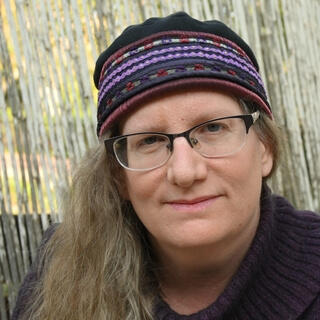
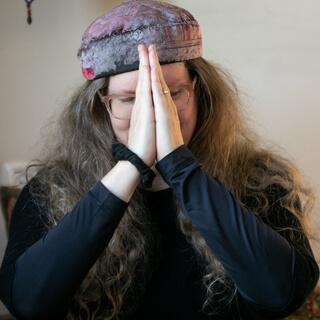
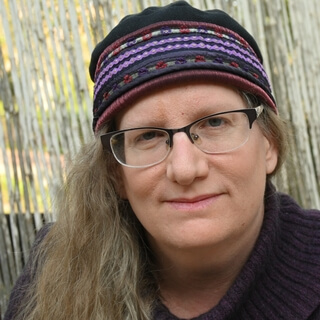
The founder and director of the Institute for holiness Rabbi hasia Oriel Steinbauer.
Thank you for joining us today.
Today is Tuesday,
October 11 at 730pm Israeli time,
We normally meet on Sundays at 1230 Eastern Standard Time 930am Pacific Standard Time 730pm Israeli time.
We didn't meet this past Sunday because we entered the festival of Sukkot.
And we do not meet on the Haggim on the festivals or on Shabbat.
So we're meeting today on Tuesday to make up for what we missed on Yom Rishon on Sunday.
So we are covering the Torah portion that happened last Shabbat,
Haazinu.
Next Shabbat,
Bezrat Hashem will be Zot habracha,
The final Torah portion for this whole year which I can't believe.
And we will meet on Sunday bezrat Hashem,
God willing,
To cover that and go over it.
I have to check the calendar just to make sure it's not another Hagg because as you know it's Hagg after Hagg after Hagg.
Actually it is a Hagg,
Shemini Atzeret Zemchator.
Okay,
We will not be meeting on Sunday,
October 16th unless,
Let's see here.
Actually I'm proud and happy to say that I will be abroad in a different time zone and that we can meet.
We won't be meeting,
We'll be meeting at the same time but during the day.
So for me instead of being at 7 30 p.
M.
Here,
We are going to go ahead and meet at 12 30 Eastern Standard Time.
I will be in the Eastern Standard Time in the United States.
So I'm happy to say we can meet next Sunday.
Thank God.
Enough of the logistics.
Delighted to have you.
So I am so proud to say that this past Shabbat was our 54th sitting together,
Which is amazing.
We've gone a whole cycle together.
The last one will be 55 sittings together covering the whole Torah together,
The weekly Torah portions.
And that's something for all of us to be proud of,
To know that we've really delved into this tradition and learned from our ancestors and each other.
So I'm deeply grateful and want to share that gratitude with you.
This today's sitting I'm deeply honored to say I need to find the name so I'm going to look it up before the end of this cycle.
But it is sponsored by one of our members of the Institute for holiness,
Susan Matsu.
The Zorath HaShem I said your name last name correctly,
Please correct me if I'm wrong.
And it is in loving memory of her father.
And it is in his memory before blessing so we're dedicating this teaching today in his loving memory,
Which I think you'll appreciate Susan very much.
I do want to say his name I just have to find the,
The email and the notification which I might have to do a little bit later.
So,
What do I want to say about today so we said it's a our 54 sitting,
We always move into our kava notes,
Our intention for today's sitting which is the same every week,
Because we see the sharing and this practice together as a radical act of self care of communal care and our relationship with God.
So,
We say this is the first one at the top here if you're have eyesight or honest and video visual.
If not,
You can hear an audio that this is something we are doing to strengthen our own souls in order to be a benefit to others in the future.
This is also something we're doing for acts of others because this is something we're doing to strengthen our relationship to others,
And our ability to be in relationship in a very balanced positive way of be of service so that we can be a better conduit of God's good to others when they need us.
And finally we're doing this to strengthen our relationship with the divine,
However we define that relationship.
This is something we are doing to strengthen our relationship with the Creator I'm reading the third one,
So that I can be a better conduit of God's good to others when they need me.
So we may we merit that today in loving memory of Susan's father,
I'm going to stop sharing screen for those of you who are watching.
Let's move into a brief summary why I also look for this name here.
So how do you know.
This is a Shira,
It is a poem,
Poem or song,
Depending on how you see it,
Depending,
You know if you were 4000 3000 years ago with our ancestors and how they encountered it interpreted.
It has features of parallelism and metaphor,
And just beautiful,
Beautiful writing you know Hashem God,
The divine is compared to a nesher,
An eagle,
Caring for its young.
And there's some beautiful imagery here,
And this this Shira this poem this song tells a story where God finds been a Israel the children of Israel,
Our ancestors in wild lands and cares for their needs with kindness and affection.
But,
As usual,
There's always a but right and these stories because the Torah always reflects a very human story.
And then all of our lives if anything we've learned this past Rosh Hashanah and Yom Kippur is that there's a but,
And there's also an end,
And the ability to do to show about to turn to return.
So the but in this story is the neser Israel actually forget about God will forget about God it's kind of a telling what will come of them.
Our ancestors once they enter the lands,
Okay,
The land of Israel and come on.
So,
They will forbid forget about God,
And they'll worship idols.
Okay,
That's what we're told that that will happen.
And then we're told that God will punish them with with horrible acts famine plague be swore you name it,
And that God will also punish their enemies and and the end ultimately say been is been a Israel the children of Israel,
And that the Torah is seen as the life force of our ancestors Okay,
And then at the end Moshe is told our beloved prophet and ancestor is told to go to the top of hard hard and they fall to a take a look at the beautiful land,
The land he won't answer before he dies.
Yeah,
It's very interesting because then we kind of think what what what is it that we will look at.
And just taking a look here.
And,
Okay,
So that's a summary.
But what do I really want to share with you.
What's what's important here.
We're going to focus on two things we're going to focus on what we are told will be the cause of been a Israel forgetting God Could you imagine forgetting God,
Maybe you can maybe in your own life,
You have forgotten God,
Whatever God means to.
So I want you to tap into them.
I want you to remember and recall.
When did I forget God.
Right,
When,
When,
And maybe when I when half I like maybe it's a,
It's a regular occurrence there's a like a little forgetfulness in the sense of,
Am I awake.
Am I awake to not only my to God,
My relationship with God and what the gods good,
Am I waking.
Am I awake to the good around me right that God has bestowed many different elements here,
Right,
So we are told that Israel will become.
Basically,
The terminology is yours is quite graphic,
The beneath Israel will become fat I believe the language is used.
Yes,
It's a value share no as a value share my value sham.
Yes,
They sham issue room,
A vie Eve,
At okay is told that yes you're on another name for Israel,
Right,
Will grow will grow fat or in more bell essentially and of course it's,
You know,
It's used with this converse above so is that they grew fat and rebelled but they haven't done that yet.
Okay,
But this is the story.
And so,
In what's so interesting about that is this.
And what I really want to look at is like when does been a as a win will be Israel either forget about God or not listen to God not follow God's rules will rebel.
So if we look back when our ancestors were enslaved in Egypt taken out of the institution of slavery with God's grace God's strong hands.
And there was lots of tension,
You will call.
First of all,
They didn't trust God.
Understandable completely right they didn't trust or believe in the miracles or think that they would be maintained.
They didn't trust that there will always be food and water and they were hungry and they were scared.
That's so if you want to look at the hindrances.
There was a lot of aversion to new situations aversion to a lack of water,
Who wouldn't aversion to a lack of food who wouldn't am an attachment attachment to a certain,
At least comfort in the in the face of slavery and trauma,
That they would know what to expect day to day,
And that there would still be enough food in their bellies enough water to do the slave labor.
Okay,
So this is the tension that they entered the relationship with God and then in the desert.
And so when there was conflict with God it was very much based on who they were and where they were coming from.
Okay,
And I'm based on fear and having to build over time that that trust that faith that follow through that basically led them to a really have this trusted relationship right but there's always coming from a sense that there's there's never enough,
There wasn't going to be enough right a whether it was God's miracles or the relationship with God or food or water.
Okay,
So we have this extreme over here right our ancestors at the beginning of the 40 years,
And now we're over here at the end of the 40 year cycle when they're about to enter the land cross the yard and the Jordan River,
And has the new and now we're told that they're going to grow fat,
And they're going to rebel.
And it's not even a conscious rebel.
It's they grow fat and they grow comfortable.
They forget about God.
It's like they attribute it to their own hand or they turn to other idols to to give thanks.
So,
If I'm not sure how much is there a mindful rebellion meaning I'm going to choose to not worship Hashem God,
The God of Israel.
I think who really supports me and takes care of me as this idol over here that I don't think that's what's happening.
And I think that's where things are going so well for you.
You have more than you need.
And you begin to take that for granted.
You begin to attribute the source of all your goodness to either your own hand or to some other source besides the divine.
And it's that kind of amnesia it's that kind of the privileged and Misha,
That can happen so we have these two extremes we have slaves coming out of slavery or like.
Right.
And that's the source of conflict in the relationship with the divine.
And then over here our ancestors right eight were ancestors just too much that will be given to too much taking for granted in the sense of getting the metaphor and the imagery of this.
This is an example growing fats right and so this just shows you that it's not one act or even one hindrance or one occasion and one's life that can lead one to go off the path.
And so,
The the the gravity and the fear and the reactions to trauma of slavery or some other collective or intergenerational trauma.
It can also be a great privilege and comfort,
And in the sense of falling asleep.
So,
Um,
I want us to be aware that we too as individuals as ancestors,
Coming from our wonderful children of Israel been a Israel really can see ourselves anywhere in this continuum to where we're feeling deprived,
And it's not enough and there's going to be this conflict here and a lack of trust.
And so therefore that's going to be the source,
Whether it's a version or attachment.
And then over here it's it's almost like sloth and torpor.
It's like,
I work really hard for my land and I am the one that caused all this and therefore I'm going to have sloth and torpor when it comes to attributing it to who is the correct source of all who provided the land who provides the rain,
Who enables all of us to have another day.
So,
What's important for us in today's practice and from this Torah portion is really if we could take a step on to chapter 32 pesuk seven which means verse seven just need to get to it also myself.
Where is it.
What did I want to share with you,
Make sure that it's 32 seven.
Oh yes 32 seven.
So,
It says here.
Shala Vika,
The yard gay gay fast the calm,
They can they have a young rule.
Okay,
Ask your father,
And he will tell you,
And your elders.
They meaning ask your elders and your elders,
And they will tell you they will speak to you they will say to you.
And what is this pesuk about this pesuk is about it's quite beautiful.
Well actually the first time in the Torah we're being told,
Not only to turn to your father and ask your father but turn to your ancestors turn to your zikinim your elders,
And that they are going to share in your knowledge.
And in your practice of being on this path.
They're going to be able to strengthen you.
They're going to be able to inform you.
They're going to have that certain history and interpretation and maybe even live experiential education,
To be able to have the insight into the Torah into the Dharma in a way that we can't yet.
We're not privileged to it's based on life experience and age and other social location.
And we're not privileged to it's based on the reasons.
Okay,
So that's what we're going to start with today but really what's so beautiful about this is something really extra powerful.
That's what's so beautiful about this is that the and that we have this connection to the Torah for us.
And that we're able to basically apply who they are and their experiences to the,
The tradition in our own time and listening to our teachers,
These elders us all the way back to the Torah.
Similarly can link us all the way back to the Buddha and the Dharma.
Okay,
It's very shared communal responsibility and tradition,
Quite beautiful.
So it's really an extension of listening to God directly.
It's like you get to experience God through listening to our teachers,
Our elders,
Our parents,
And the light of God a little bit,
A little bit of God is there and it's in the teaching.
It's quite beautiful.
Okay,
It's a chain going on here,
A sha' sha'ret that is being passed on to us.
So with that in mind,
Two and three,
Let's move to Pasuch chapter 32 verse 47.
All right,
So it says here,
Yom Kippur,
This thing,
Right?
This thing,
We're not told exactly what it is,
Right?
Lo Devar,
Right?
Lo Devar Rek,
This thing is not empty.
Rek is empty.
It gets translated as trifling and other things,
Meaning little,
Right?
It's not empty from you,
Mikam,
Okay?
It gets translated in the English by many texts as for you.
I mean,
It's not an empty thing for you,
But the Hebrew is mikam,
Okay?
From you.
We're going to return to that.
It is your very life.
That's such a beautiful one.
This national narrative,
Our people's narrative,
The Torah,
This passing down after generation after generation,
This is our life.
This is our lifeblood.
This is our sha' sha'ret,
Our chain that we can hold on to,
Especially in times where we feel we are lost,
Either at sea or whomever we're,
Okay?
And through it,
You shall long endure on the lands that you are to possess by crossing the Arden.
So let's look at this language here of mikam,
Okay?
So our tradition has a beautiful response to this,
Basically,
This idea that it's not an empty thing from you,
Okay?
The midrashic explanation is essentially that there is nothing empty in the Torah,
Meaning nothing empty in this sha' sha'ret,
This tradition passed on to us,
Nothing empty here,
Basically.
And if you yourself as an individual,
Maybe even your community,
Do happen to have an encounter or even an ongoing experience with the Torah or tradition that feels meaningless,
That feels empty,
Rake,
That essentially it is from you.
It is not from the Torah or from the tradition,
And that it is due to your own lack of studying,
Of asking questions,
Of turning to the elders,
Turning to your parents,
And studying it through making it a daily spiritual discipline and practice and really holding dear life to it,
Right?
And this is quite beautiful,
And if you know anything about the dharma and the tervada tradition of the pasana coming out,
It teaches something very similar about awakening,
Which is what we call here awakening torah,
Musar mindfulness.
Awakening is considered always available to us.
It's not empty.
It's not something that we have to go out to the sea and try to capture or get.
It's in us.
It's always there,
And it's always available.
We just need to practice and tap into it,
And that's the same thing with the torah and our encounter with it and with our ancestors.
It's quite beautiful.
So if we are awake to this,
Right,
We say all the time,
Awaken to the good and give thanks,
Awaken to the good and give thanks.
It's one of our morning affirmations and our musar mindfulness practice when we practice hakarat,
Hato,
Hato,
Recognizing the good,
Right?
So the good here is God's good,
Passed down to us,
Given to us.
So we're not going to be like our ancestors.
Why?
Even if we grow fat,
God forbid,
Right?
That happens to a lot of people.
They gain a lot of privilege,
But we're not going to grow fat in this sense.
We're going to go into sloth and torpor and fall asleep.
No,
We're going to be awake to God's good and give to others.
We're going to give God's good to others and be of service to others and to God and bezrat Hashem,
May that be so.
And so that's what we're moving into right now.
So how do we do this,
Right?
We don't just say it.
We don't just poof,
It's going to happen.
This requires discipline.
This requires taking refuge in community.
This requires a daily practice is what we do together in our musar groups.
Here at the Institute for Holiness,
You can be in touch with us off of our offerings page to see what is available,
How you can begin to really join this community and begin practicing.
So we do this today through a gratitude practice of mindfulness meditation together.
And so I asked you to come to one of the postures that you assume for your meditation practice.
For me,
I'm going to be sitting upright in a chair and I want you to plant your feet into the ground if you're sitting in a chair so that you feel really held by the earth knowing that you're taken care of.
Should you have any background of trauma that you can always rely and know that you're here in this moment,
You're not in the trauma.
For any of us who are having back pain or chronic pain or issues,
Feel free to assume any posture.
It can be standing,
It can be walking meditation or lying down.
If you have visions,
I always say keep the eyes open to remain awake and alert alert when you're lying down so you don't fall asleep.
This is the practice not to fall asleep both physically and metaphorically.
We don't want to get caught in the hindrance of sloth and torpor.
We want to be here and now and not have that fear or doubt that comes up also in the practice.
That's how we do this with the teacher and within community.
So please,
If you feel safe and comfortable,
Close your eyes.
If you have vision,
Otherwise just lower your gaze or have your eyes be as comfortable as you need.
We're going to begin by bringing our loving attention to our breath and to our body.
Inhalation.
Exhalation.
Letting it all out so that you can begin to arrive,
To settle,
To come to stillness.
Inhalation.
You will notice for the first three,
I will take a deep breath through my nostrils and out my mouth with even sounds who let go of any tension that may still be there for me,
For you.
Allowing the breath now to settle at its own natural rhythm,
No need to force it or control it.
Allowing yourself to simply scan what is here for you in your body and in the breath.
Bringing your loving attention to any sensations in the body,
Any emotions,
Whether it be useful to you to use mental noting of pleasant,
Neutral or unpleasant.
Some of you may need to bring your attention to thoughts.
If there's anything arising,
Either calling for your attention,
Distracting you,
Can always bring a smile to your practice,
Knowing that you can visit these thoughts later,
Whether they be ruminating over something that occurred before the session or planning for something in the future.
It is all ephemeral.
It is all impermanent.
It will arise,
Whether it's the thoughts,
The emotion,
The sensation in the body.
It'll have a certain shelf life and then it passes,
Passes like the waves of the sea.
Every tradition begins their day with some form of gratitude for the blessings of life.
Whether it be Buddhist monks,
Native American elders,
We Jews,
We say,
I am grateful to you,
God,
For returning my soul.
I am grateful to you,
God,
For returning my soul,
Giving me another day so that I may serve you and others.
Some people are so into their practice for so many years,
They can even move to a place where they offer prayers of gratitude for the suffering that they've experienced in life.
Maybe that's you too.
They see the ring of fire that they have gone through,
The suffering awakens them to the deepest possible compassion and wisdom.
The Hakaratatov,
Awakening to the good and giving thanks,
Is the gracious acknowledgement to God of all that sustains us.
It is a certain confidence,
A certain faith,
A certain trust in God and life itself that we are part of a greater pulse,
The same life force.
And being awakened to this good as a daily practice stops us from falling asleep like we're told will happen to our ancestors,
That they will forget God,
That they will turn to idols of stone and wood.
And maybe that's been your experience from time to time in your life,
That you've turned to idols of stone and wood,
Of plastic,
Some item,
Some object,
Forgotten God,
Perhaps it was alcohol or drugs,
Whatever it may be.
You are here now.
You have turned.
You've returned.
That is the and of life,
Not the but.
The and.
I fell off the path.
I fell off the derech and I am awakened to the good.
I'm awake to the good and I give thanks.
I'm here now.
I have remembered God.
So we begin with deep meditation,
Allowing these gentle words to enter you.
You can say them softly to yourself.
With gratitude,
We remember our ancestors.
We remember our ancestors.
Remember God.
We remember each other.
We remember the planet of the animals and the plants,
All of creation,
The creatures of the sea and the sky and the air and the water,
The fire and the earth,
All that we will be reminded of again shortly soon in the receipt and the first partial of the book of creation.
In the beginning.
From time to time,
I will go silent to allow you to practice and to hear and to feel.
You can trust that my voice will return and guide you for now.
Your anchor can be your breath and body.
Genesis.
Again,
Quietly whisper to yourself,
With gratitude,
I remember the care and labor of thousands of generations of elders and ancestors all the way out to my parents.
That I will ask questions and I will listen.
That I will be awake and alert.
Awaken to the good and give thanks.
That is our practice.
We do this together in community.
Gently whisper,
I offer my gratitude for the safety and well-being that I have been given.
I will extend safety and well-being to others.
I offer my gratitude for the blessings of this earth that I have been given.
I offer my gratitude for the blessings of this earth that I have been given.
I offer my gratitude for the blessings of this earth that I have been given.
I will be a blessing.
I will offer God's good to all who are in need.
To all those who ask me,
I will give what I can.
I offer my gratitude for the measure of health I have been given.
I offer to strengthen the health of others.
I offer the gratitude for family and friends that I've been given.
I extend my hands,
My heart to family and friends and community.
I offer my gratitude for the teachings and lessons I've been given to my teachers.
May I be a conduit of God's good.
Offer the teaching to all those who want to sit and learn.
I offer gratitude for the life I have been given.
Hallelujah.
My gratitude will strengthen the life of others.
Continue to breathe gently,
Calmly.
Bringing to mind all your concentric circles of obligation.
Those who you love and feel safe with.
Those of extended family and friends and community.
To those whom you are nurtured,
Neutral around.
To those where there's some difficulty.
To those where there's great difficulty.
To all beings.
May we feel the natural joy that we feel when we are awakened to the good.
With each breath we offer our grateful heartfelt wishes.
May you be joyful.
May your gratitude and joy increase.
May you not be separated from the source of all life.
May you not fall asleep and sloth and twerper and forget the divine source,
The source of all life.
May you not fall asleep and forget the divine source,
The source of all life.
The next minute we will hold in silence.
I will ring the bells when we are to come out of our meditation.
I will ring the bells when we are to come out of our meditation.
I will ring the bells when we are to come out of our meditation.
Gently and slowly open your eyes if they were closed.
Meaning us back into this shared sacred zoom space live streaming together with a gift.
The gift of technology to enable us to be together.
Again I'm Rabbi Hasi Oriel Steinbauer founder and director of the Institute for Holiness.
We are on this path towards holiness together.
Do visit our website.
Subscribe to our newsletter.
Consider becoming a member where we can learn and practice and grow together.
And we will meet Bezrat Hashem God willing next Sunday as I told you 12 30 Eastern Standard Time for the last four portion of Deuteronomy of the Varem in the Torah.
This is the season as always that we give Sadaqah and Shumai where we give Dana.
We give charity and donations to the organizations that have touched us most.
That mean the most to us.
That help lead our lives to be the people we want to be to live out our values.
I know that the Institute for Holiness has been that way for some of you and may it be that way for more and more.
And may it be that way for more and more of you in the coming year God willing and 5783.
So please reach out to us at our donation page on the website.
Become a monthly sustaining member in Tafshin Pey Ghemel.
This is our new year.
Again we covered this parasha from October 8th 2022 of Yud Ghemel of Tishrei the 13th.
So with that again I thank you for your practice.
I look forward to being with you.
And I think that's it for now.
So I'm going to wish you farewell.
Take care.
Oh and may you continue to enjoy this most festive joyful festival of Sukkot.
May you be with family and friends and community under the Shekhinah under the beautiful wings of the Sukkah.
And really be full of gratitude.
Take care.