Okay,
Great.
So,
Good evening on behalf of Aon by Exchange.
Dear colleagues,
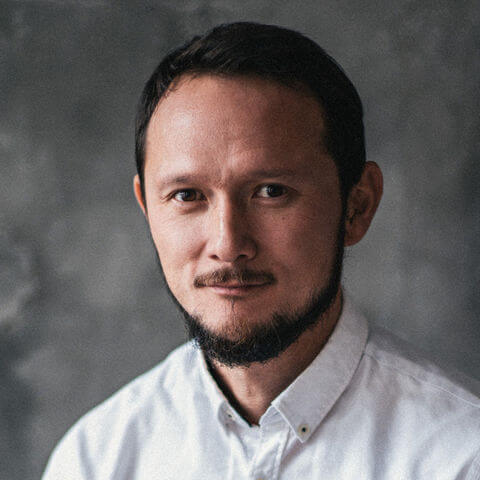
Joining us today is a very special person,
A real champion and a philosopher and an author,
Trainer,
MBSR teacher to teachers,
And a co-founder of Mindfulness Awareness Project.
What's special about him is that within a year and a bit more,
He's experienced firsthand a variety of Eastern philosophies and religions.
He's been in Myanmar,
India,
Japan,
Thailand,
Nepal,
China,
Malaysia,
South Korea,
To study this manifestation of different religions.
And as he says,
He was really very lucky to be on a project that encompasses all these countries.
He's got publications in Medium and one can find as well his guided meditations in Russian on Insight Timer.
Since the beginning of the war in Ukraine,
He's been helping and supporting refugees,
Both from Ukraine and Russia,
And thus creating a MBSR-based course for those living these traumatic moments.
And this course is called MBTS and Recovery Course,
Mindfulness Based Trauma Sensitive and Recovery Course.
So,
He believes that through teaching mindfulness,
He'd help the displaced people,
And I share deeply his belief about the role of mindfulness in this conflict and in many others.
And today,
He'll be telling you his story,
His insights,
And will be giving us tips how to teach trauma sensitive mindfulness and share some cases of healing.
Let's welcome Jaslan Labishev,
Or just Jas,
And thank him for his time to share his story with us.
So,
Jas.
Thank you,
Stasi.
Honored to be here.
Thank you very much for inviting.
Just before we start,
I thought it's a good idea to just ground ourselves and drop in.
And I would invite you to,
Before closing the eyes,
Just being aware of where you are,
Where are you right now.
Space around that,
Maybe a room.
Just being mindful of this physical space around.
And when you're ready,
You can choose to focus on your anchor.
It can be a sensation or some visual object around you.
The object that grounds you,
That gives you some feeling safety.
So if you choose to focus on some sensation,
It can be a breathing sensation or feeling the feet on the floor or chair.
If it's comfortable,
We can choose to close the eyes.
So,
How am I now?
Just allowing ourselves to continue to focus on the anchor that brings you safety,
Feeling a sensation of ease.
And maybe noticing what is your arousal scale.
If we take a scale from 1 to 10,
9-10 is a hyper arousal,
1-2 is a hypo arousal.
So how would you rate your level of energy right now?
Without thinking too much about it,
Analyzing somehow,
Just giving some number of your energy level.
And then gently coming back to your place of safety.
Just grounding ourselves a little bit.
When it feels okay and comfortable for you,
Maybe connecting with intentions that brought you here tonight,
Today.
Why am I here?
So whenever it feels okay,
We can gently come back to this groove,
Gently opening the eyes,
Bringing some movements,
Stretchings.
Before we start,
I just want to also take a small pause in silence and just being aware of ongoing war in Ukraine and suffering that is still going on.
All right.
Thank you very much for dropping in.
Yeah,
I forgot what was the question.
But anyway,
I can just start sharing my story.
I'm Jaz.
I'm originally from Kazakhstan,
Which is in Central Asia.
But until the February 25th,
I guess,
7th,
Yeah,
I was living in Ukraine 15 years.
My wife,
She's Ukrainian.
We have a daughter.
She's seven.
Now we are living in Spain.
So we decided to move here as a refugee.
And I was surprised to hear,
Nur,
If I pronounce your name correctly,
You're also a refugee.
But many years ago,
You moved.
So you have this experience of being a refugee.
So this is something totally new experience for me.
But I'm getting used to it.
So since the war started,
Almost eight,
Nine months.
So I see a lot of benefits of it.
I see a lot of other side of it,
Of course.
Stress,
Traumatic stress,
And so on.
The last 10 years,
I dedicated myself to do some self-exploration,
Actually,
Through different kind of approaches.
But science,
Rational science-based approaches,
Like psychology.
But it's not an academical way,
But on the practical level.
Like philosophy,
Practical philosophy.
And,
Of course,
My interest,
The area of interest was introspectional,
Different kind of meditational practices.
So I was lucky,
As you said,
Stasi,
I was really lucky to be funded and get paid to do what I love to do.
To do the meditations and practice and dive deeper into different kind of traditional practices.
Tibetan Buddhism,
Zen Buddhism,
Taoism,
And so on.
It was an amazing experience.
And that gave me a lot of understanding and just living what we call practices of awareness,
Mindfulness,
And meditations.
It has a lot of wisdom in it.
If you take a look at Buddhism,
My life is not enough just to understand the full philosophy of it and theory and practice and so on.
But for me,
It was important to just taste it on a practical level and understand it from the point of view of theory.
That was a starting point when I started to meditate,
Actually.
And then from traditional world,
From the Eastern practices,
I found out that it's.
.
.
I'm really curious to know about what science says about it.
This is how I came to Bodin,
Who is present here.
So my teacher here.
So thank you very much,
Bodin,
For your wisdom and knowledge that you gave me back in the days.
A long time ago,
Maybe in a past life for me.
And that was a starting point of being a mindfulness MBSR teacher.
So that's how I became MBSR teacher.
And then I brought this all knowledge to Russian-speaking countries,
Like Eastern Europe,
Which is something very new.
They didn't even know what is MBSR.
So I was a pioneer there.
After some years of teaching MBSR,
We decided to.
.
.
I thought that it's a good idea to bring teacher training there.
So that's how I continued my journey.
And then we,
With my partner from Moscow,
Actually,
We launched the project in Moscow,
Russia.
Then we continued it in Ukraine.
But since I lived in Ukraine,
When the war started,
We had a community.
Big one community of Russians and Ukrainians.
So can you imagine how war brought the split,
Right?
And our community just collapsed.
And now it's not one community.
And it was a very painful experience for me,
Especially in the beginning of the war.
And when my personal experience of being refugee,
This decision to leave my house and go somewhere,
I didn't know that I'm going to be in Spain.
At some point,
I realized that this is the place I want to be with my family.
First month was very hard and stressful.
And thanks to my practices,
Mindfulness practices,
All my practices,
Helped me a lot to be in this more or less stable.
But it wasn't very stable.
It was shaky.
It was very stormy.
Even though I didn't feel this big traumatic stress,
I was witnessing it a lot.
In my family,
My close friends,
And refugees.
So first month,
I was focusing only on myself,
My family,
To find a place where I can just drown myself.
And then I started to come back to my activity and provide some supportive sessions,
Mindfulness supportive sessions.
And first,
I decided to provide this supportive session for Ukrainians.
And of course,
I saw a lot of pain,
A lot of traumatic stress.
And since the classical MBSR is not about traumatic,
But there are some things.
It depends on who you are,
Your background.
I'm not a psychologist.
I don't have a degree.
But I know how it works from my personal experience.
So I decided just to bring all my experience and knowledge.
It was not enough.
And I started to look for,
Search for the knowledge.
And that's how I met,
Actually,
During this MBSR Global Community Gathering.
In March 8th,
I gave some couple words at last.
And John Kabat-Zinn was there.
And he heard this story from me and from my trainers,
Who were Ukrainians and Russians.
They shared their stories.
And since that time,
We had this communication with John Kabat-Zinn.
A couple times,
We had personal meetings.
And we shared a lot of,
Me and my,
One of our trainers.
We shared our stories,
What is the situation there.
We were thinking about how can we,
Globally,
Can support that.
So then,
After some months,
Was a second gathering,
MBSR Community Gathering.
It was,
We,
And the topic was about the war in Ukraine.
And Ukrainians were invited there to share their story.
What is really happening there.
And how mindfulness really helps.
And actually can be harmful,
Sometimes.
If it's not trauma-sensitive.
So that was,
And through all this month,
I was communicating with,
Emailing people.
Who can be very supportive and share experience.
Especially if we talk about trauma-sensitive and trauma-recovery at mindfulness.
It's not trauma-focused work.
So Kabat-Zinn recommended me to contact with Amit Bernstein.
Who is a professor from Haifa University.
And they developed MBTR.
Which is Intervention for Refugees.
Mindfulness Based Trauma Recovery Program.
So it was very interesting.
How we finally got this contact with each other.
Because I was writing,
Emailing,
Calling.
But never got a response from him.
But at some point,
What's her name?
The one who did this documentary.
My Year of Living Mindfully.
The author.
Shannon Harvey.
We also had some collaboration with her.
Translating the movie into Russian.
She finally contacted me with Amit.
Because she took some shots about his experience in her movie.
So that's how I finally got the contact.
And we started to communicate with Amit.
Still have communication.
And have strong intention to share.
And actually start training mediators and instructors of trauma-recovery.
Because before,
Until now.
Now it's still,
They did this randomized research.
And they had good results on it.
Working with refugees.
How this program helped them a lot.
But this program was never taught to any instructors before.
So this is an intention to bring it on a mass scale.
And I saw the structure.
It's very beautifully.
And very trauma-sensitive and so on.
And this is a strong intention to get trained as an MBTR trainer.
And maybe share this with others.
Because what I see and hear a lot of people who want to provide some support.
Especially in Europe and around the world.
For Ukrainian refugees.
They have a lot of concerns.
And doubts about how to do it.
And this training could very be helpful.
The other person who actually brought a lot of sense.
Trauma-sensitive mindfulness.
I don't know who is that.
I think it's Ann Twohy.
She gave me this contact.
And we got in touch with David.
And all this month.
And he kindly provided me his course.
For no cost actually.
To have it.
So it was very powerful for me.
And knowledge.
And all these modifications.
And actually this trauma-sensitive lens.
That can be.
Not can be.
Actually I think it has to be nowadays.
Used when we talk about mindfulness teaching.
Because it's very important.
Because we can really bring.
If we are not really aware about what's going on.
And that traumatic stress.
It's everywhere now.
I don't know.
Do you observe that?
Do you witness that?
But I think it's globally.
It's not about Ukrainians only.
That's how I started to see.
Russians speaking.
Not Russians.
But Russians speaking.
It's not about nationality.
It's about languages.
Because a lot of countries.
They are Russian speaking countries.
And they need this support.
But at the same time.
The situation globally.
Is about this phobia.
Russian speaking phobia.
That people Russian.
They feel not safety.
And actually this is also traumatic stress for them.
This is another thing.
That brought this.
Collapse.
And split into our community.
Because some people.
It's very.
Trauma-sensitive topic actually.
About speaking.
The language.
The nationality.
This historical trauma.
And I'm observing this.
Every day.
And it's not really easy.
And we really need support.
Support not.
And actually everyone can provide this support.
English speaking mindfulness trainers.
Can provide this support.
And what I noticed.
Also.
I'll share some details.
And cases of course.
But this story.
All this eight.
Nine months.
Changed my vision of mindfulness.
Completely.
Actually.
I see a big need.
For all of us.
As mindfulness providers and trainers.
Teachers.
Trauma-sensitive has to be.
Integrated.
Inside of us.
To be aware about trauma.
To be aware of traumatic stress.
To recognize the strong stress.
And actually make these modifications.
Wear all this trauma-sensitive lens.
To hear the signs of it.
In the room.
Because.
If we don't do it.
It can bring.
Retraumatization.
We can make harm.
And people.
Will forget about mindfulness.
In their next life.
I mean all the rest of their life.
They will think that mindfulness.
Not something very supportive.
But harmful.
And this will bring on a collective level.
Some.
You know.
In a way reputation about the mindfulness.
All this year.
We were observing that mindfulness.
Something like panaceas.
Something like very supportive.
And magical pills.
But now.
This opposite side.
Started to emerge.
About mindfulness.
So we also need to be aware of this.
But it's not the main intention.
The main intention is just to.
Be in contact with reality.
Which is changing all the time.
And.
Mindfulness-based programs.
Also needs to be.
Changed.
And updated.
So.
Yeah.
It's just in general my observations.
And that's how I focused.
More on.
This.
Actually on reality.
And from my experience.
From experience of other experts.
I started to gather all this information.
Integrated in me.
And.
So since the war started.
On the second month of war.
I started to work with refugees.
It was just supportive.
And I started to get a lot of information.
What I should do and shouldn't do.
During the practices.
During the inquiry.
During the.
I don't know.
Just creating the safe environment.
Actually trauma-sensitive environment.
And.
And.
I don't know.
But month five.
I guess I started to think about.
To.
Give some structured course.
Not only supportive sessions.
So of course.
MBSR.
Was in my focus.
But I started to think.
How can I.
Do some adaptations.
And updates on it.
That's.
And big impact was.
The trauma-sensitive mindfulness course.
And.
This mindfulness SOS.
Which is.
Pre-recorded.
Light course.
Based on mindfulness.
Based trauma recovery.
By Amit Bershteyn and his team.
Which is.
Not provided by the live.
Instructor.
Just pre-record it.
And they're now.
Spreading this.
They're disseminating this course.
Everywhere around the world.
With organizations.
Humanitarian organizations.
Through different kind of.
NGOs.
To deliver it to refugees.
Around the world.
And it seems like it's working.
Good.
And I got a very positive feedback.
I know the structure of it.
I know what practices they.
Give.
But it's not going very well.
In terms of.
You know,
Dissemination.
Because it's hard to.
Get.
Funded.
And they're trying to get the raise the funds.
To.
On a mass scale.
To bring it on a mass scale.
But so it's in the terms of our collaboration.
With Amit Bernstein.
And the first phase.
Is to disseminate this slide course.
Called mindfulness SOS.
Previously I shared this course.
When I was attending.
Yamba gathering.
I think a couple months ago.
Second phase.
Is to provide.
With a live mediator.
Or instructor.
The MBTR course.
But since that.
There is a lack of this kind of.
Instructors.
We need to prepare them.
So this is a.
Big task.
Actually.
And everyone who is interested in this area.
Could really join this project.
But at the same time.
I realized.
I cannot wait.
When this in teacher training.
Of MBTR.
Instructors will start.
I just started to integrate.
And start to provide.
And see reactions.
And the feedback.
From the real people.
So I designed.
This MBTR course.
Which is mindfulness based.
Traumatic stress reduction.
Mainly it is structured.
Of MBTR.
It also includes.
A lot of modifications.
And knowledge from TSM.
And some knowledge.
From MBTR course.
And I just.
Completed.
Two groups.
I see a big.
Big interesting feedback.
So.
Now I am focusing on that.
And mostly what I noticed.
It is not interested.
For the refugees.
Just regular people.
But it is also.
Trainers,
Mindfulness trainers.
Started to attend this course.
Because they need some kind of modifications.
Practices that they can use.
Psychologists actually.
Which is a normal thing.
Because before the war.
The main audience.
For the qualification.
Of MBTR teachers.
Is people.
Who are providing some support.
Psychologists.
And yoga teachers.
Tutors.
Educators.
But now it is a big interest.
To bring mindfulness.
In a trauma sensitive way.
I don't know.
I will just pause here.
Maybe.
To ground myself a little bit.
Too much words.
Maybe you can guide.
Stacey.
Maybe some questions.
Wow.
Thank you very much.
For this story.
It has material for three books.
At least.
What we heard so far.
And.
What comes really to me.
After I heard that.
It is just.
How suffering.
Of that size.
Can bring to the world.
As well.
Something new.
And that.
Was your program.
That now is.
Becoming more.
I guess.
Popular.
Amongst those who need it.
The most.
I was wondering.
You mentioned.
Just a few minutes ago.
That you have some.
Stories.
Literally very.
Detailed cases.
Maybe of people.
I don't know.
Who have.
The colleagues here.
Right now.
Have worked with Ukrainians.
Or haven't had in contact.
With the.
Community of.
Refugees.
In the places you live.
I tried.
In two different places.
In Bulgaria.
And in the UK.
To help.
As much as I can.
I guess all of us.
Have been doing this.
For the last eight and a half months.
And.
Yeah.
It would be really interesting to hear.
Just from you.
How you work with that.
With them.
With these different.
Destinies.
And these people.
Who are coming from.
Different places.
With different backgrounds.
And finding.
Perhaps healing.
In mindfulness.
Yeah.
Of course.
I do have stories.
I can share.
Some of them.
And I want to focus on.
Some actually obvious.
But it was proven by.
My experience and practice.
Working with refugees.
Things that really helps.
And needs to be considered.
When we.
Do some sessions.
So there is a story.
From one of.
Ukrainian.
Lady.
Since the war started.
She.
Decided to leave the country.
Then she had to come back.
And then she had to leave again.
So a lot of stories like that.
People want to they feel that.
They want to come back.
They go back.
And then this airstrikes are happening.
Not really safe.
And they're leaving back again.
So it's very stressful of course.
What she shared with me.
The important thing that she.
Got from the course.
Actually.
Ended last week.
That.
It's from the very important.
Knowledge that she started to use.
It's a scale from one to 10.
It's from TSM.
And not only from TSM.
This is a scale of your arousal.
Level in your body.
It's really.
If you start practicing it.
Wherever you are.
Just checking in.
What's going on with my scale.
Where I am in my window of tolerance.
This knowledge about scale and window of tolerance.
Of course.
When they know this.
They have this hope.
That they can reach it.
They can come back to this window of tolerance.
And I remember.
This is actually.
If Bodin will remember.
First curriculum.
Of MBSI.
It was different all the time.
We're adapting.
Back in the years.
There was knowledge about window of tolerance.
In the curriculum.
Of eight week program.
But later on.
Somehow focus was moved.
To another things.
And it was dropped out from the session plans.
But now it's coming back.
So it was there all the time.
And this is very important for her.
And also she said.
That.
And rest of people.
They agreed actually.
Everyone.
So big value.
To practice this.
Safe place.
So it.
Just takes practice.
To develop the skill.
To be able to.
Come back to the safe place.
It can be changed all the time.
It's not only about.
Breathing.
And as.
David in TSM.
Says.
And recommends.
To provide some option.
Between this object.
It can be something like physical.
It can be something like outer.
Like visual object.
Like I did in the beginning.
So you can focus.
Maybe a tree.
Through the window.
That you can focus on.
And it can bring you a sense of ease.
Or a sky.
Or even a flower.
Or I don't know.
Even a chair.
It depends.
So this visual object.
Something like physical.
And the third option.
Is something that you can imagine.
So it's some visualization.
I think it's an obvious thing.
That we know everyone.
But from experience of people.
A lot of people are saying.
That it's very helpful to know.
That there is a safe space.
And play.
That I can come back.
And when I need to come back.
When I see that my scale.
Is moving.
Going towards some edges.
So it's connected.
So we know tolerance.
And the access.
Through the safe space.
So this is a basic thing.
That people share.
That this is very important.
Another thing.
Is environment.
So from her story.
It was her.
Mindful decision.
To leave her home again.
To leave Kiev.
And to a more safe.
Real safe place.
So this is also environment.
And people.
Are still.
Who took the course.
And there is an upcoming one.
A lot of male people.
They are stuck in Ukraine.
We have to understand.
That they cannot go out.
Mainly.
And they cannot create.
This environment.
This safe environment.
Because you can hear sirens.
20 times a day.
And real.
Strikes.
And so on.
So it's very unsafe.
Reality outside.
Is not really safe.
But still you can create it.
Within your.
House,
Room,
Apartment.
So even.
Sharing.
One of the person.
Who took the course.
Said it is very important.
To find.
A place.
Of your power.
You can go to the forest.
I don't know.
To go out from the city.
Somewhere.
More or less silent place.
Or even in your room.
If you cannot go out.
You can create this environment.
Light.
This.
How do you call them?
The sticks that you light.
And they bring this smell.
Pleasant smell.
So all the things.
Can really bring some safety.
So this is.
Trauma sensitive environment.
For them.
Is very important.
Because when you see it.
And practice meditation.
If you are not aware.
About creating this environment.
You will be very cautious.
About what is going on outside.
And also.
I heard stories.
About this disintegration.
Between extra receptive.
And interceptive sensations.
People who left the country.
They were sitting in a safe physical space.
They were very worrying.
And expecting sirens.
Expecting airstrikes.
So this is.
Another thing.
That there is a disintegration.
So that is why.
When we start.
For example meditation.
It is very good to.
Before closing the eyes.
It is another thing about closing eyes.
Also a trauma sensitive thing.
Just being aware of where you are now.
Is it okay for you?
Maybe change the room.
Maybe change the place.
Maybe leave the country.
If it is necessary.
What else?
Yeah.
Also.
Yeah.
It is also connected.
With the sounds.
People started to perceive.
Totally differently.
Sounds.
Sounds not really safe.
For people who are hearing all the time.
The sirens.
Even they got used to.
Hear the sounds of sirens.
Very unexpected.
Strong.
Like.
The post-traumatic stress.
They are just sitting and expecting.
If they hear some very strong sound.
It can be very stressful for them.
So when we.
Explore a safe place.
Sounds not really.
Helpful.
It can be very.
Otherwise.
Triggering.
Like David says.
Breathing.
Not always neutral.
It is a myth.
Sounds can play.
A triggering role.
In practice.
Also being cautious about it.
What else from real stories?
Again.
Mostly people were sharing.
The window of tolerance.
This is a very powerful.
And useful knowledge.
That they have access there.
Like a safe space.
Another practice.
They are saying.
Very helpful.
Of course mindful movements.
All these considerations.
During the practice.
Is about giving a choice.
Reminding a lot.
They have a choice to move.
They have a choice to open the eyes.
We know everything.
As trainers.
We say.
We remind them.
If it is uncomfortable.
You can open your eyes.
But here.
When we do it in a trauma-sensitive way.
We bring it more.
As reminders.
Because they forget.
Because they just.
This tunnel vision.
This negative bias.
Just started to go automatically.
And focusing.
Just directly doing.
What you hear.
This choice for them.
Is very important.
Yeah.
So moving.
It is not about moving.
During the sitting practice.
It is also very powerful.
About mindful movements.
For some of them.
They are so disconnected.
They are disconnected from the body.
They don't feel anything.
When they move.
They start to feel sensations.
And it can actually bring.
To their window of tolerance.
The scale.
Many people share.
That was very useful.
And very pleasant actually.
Practice for them.
Especially when we do sitting.
Mostly.
So moving.
And even in sitting.
One of the ladies said.
That was very surprisingly.
Some discovery for her.
She is a psychotherapist actually.
And body oriented therapy.
And stuff like that.
She discovered this surprisingly.
For her.
During the sitting practice.
She realized that she can move.
She can move gently.
Mindfully.
And touch her gently.
And this is a very big thing.
For her.
Even she knew about it.
So this.
Remindings.
During the sitting practice.
If we do body scan.
It is important sometimes.
To say.
What if we move this part.
A little bit.
Like micro movements.
This really helps them.
What else?
Well I can tell.
Different kind of stories.
I don't know.
Maybe you have some questions.
So you mentioned.
The part about.
Probably.
I am heading forward.
You were mentioning about inquiries.
Inquiries are different as well.
Can you mention later on.
Some more about it.
Well yeah.
It is also about.
We know maybe about.
This relational skill.
To bring this.
Non-judging.
Non-striving attitudes.
Everything is okay with that.
Even if it is traumatic stress.
Everything is okay with that.
Sometimes they think trauma is a problem.
This experience.
During the inquiry.
I noticed.
That it is very important.
Not to try to fix anything.
We all know that.
But sometimes we do.
Sometimes we want to help.
We want to give support.
They perceive it.
As something wrong.
This non-judging attitude.
Is very powerful.
This validation.
That everything is normal.
It is okay.
That you feel this.
It is okay.
That you have these flashbacks.
Right?
It is okay.
That you feel.
That it is not safe.
To focus on sounds.
This.
I started to more.
Remind them.
That it is okay.
Like normalizing everything.
This is a main thing.
In the inquiry.
I noticed.
It is totally normal.
About the socialization.
Group.
It is very important.
I used to work.
Individually and in a group.
I saw.
A big difference.
Group support.
Is very important.
When they hear stories.
They really.
Connect with each other.
They support each other.
Even though.
Without this.
Access to electricity.
Especially nowadays.
In Ukraine.
Without this.
Access to internet sometimes.
They still do everything.
To connect.
On Saturdays.
They know the session.
They want to feel the support.
From each other.
It is not about support from training.
This feeling.
Of being part of this.
Another reality.
Where I can support myself.
And get support.
It is a totally different world.
It is a totally different planet.
When we are here.
This reality is the war.
Here is different.
This is split.
Sometimes they feel.
A lot of guilt.
They feel they are having this time.
To be here.
Another reality.
To take care of themselves.
And support each other.
Because there are a lot of people.
Who are suffering and dying.
This is also common.
And normalizing.
Of course.
As David said.
It is not about working with trauma.
It is a trauma focused work.
It is just knowing this.
And building this competence.
To create this trauma-sensitive environment.
Where all the time.
There is trauma-sensitive lens.
And.
Also.
Mindfulness can support.
Sometimes.
I get feedback.
From people.
Another thing.
About what they were grateful for.
Especially people.
Who were practicing before.
They noticed.
Very long practices.
Is not okay for them.
The timeline.
Is shorter.
I don't do.
30 minute body scan.
Or 40 minutes at all.
It is not really safe.
And shorter.
20 minutes.
Max.
It was 25.
During the retreat day.
A lot of.
Breaks.
A lot of stretching.
A lot of movements.
It was very.
Supportive.
So shorter practices.
That is what they say.
We are grateful for.
They cannot go to the practice.
Like they used to do.
Some of them were practicing.
30 or 40 minutes a day.
Sitting meditation.
They cannot.
There is resistance.
Big resistance.
Shorter.
And very adaptive.
Lying down.
Sitting.
There are no strict rules.
They choose.
How to choose the posture.
For sitting.
This kind of thing.
I noticed.
It needs more attention.
From us.
Through the instructions.
Inquiry.
Also.
It is balancing.
I mean.
It is very easy.
For them to go.
To blame.
Because it is like.
Polarization.
Very sensitive.
Polarization.
Language.
Another thing.
As a Russian speaking.
Trainer.
I was very.
I was worried.
About delivering.
In Russian.
For Ukrainians.
In the beginning.
It was stressful for me.
Very stressful.
And.
I did my best.
To speak in Ukrainian.
It is not very good.
It is normal for me.
I know the language.
But it is different from Russian.
This is also about.
The trauma sensitive.
I am going to speak.
This language.
I know it can be very.
Triggering.
I will try my best.
To speak in Ukrainian.
If it is Ukrainian.
Or Russian speaking trainer.
And.
That was very for them.
What they were saying.
That it was so.
Touching for them.
When I brought this Ukrainian words.
Into Russian meditation.
Russian language meditation.
Even some words.
From Ukrainian.
It was something very.
Bringing more safety.
More.
Uplifting emotions.
For them.
Knowing that I am Russian speaking trainer.
So also.
But for English speaking.
It is a different thing.
But even English speaking.
Trainer can say a couple of words.
You just learn them.
And it will be very.
Building the bridge.
Between you and the Ukrainians.
But very.
Cautious about Russian words.
Really.
I sense it.
All the time.
When I feel.
It is triggering for them.
When I say in Russian.
So at that point.
I feel I need to bring Ukrainian words.
In English.
It is different.
I suppose.
And another thing.
That.
Even in Ukrainian community.
There are.
Russian speaking.
And Ukrainian speaking.
And refugees.
Just information I want to share.
Maybe if you will.
Work with them.
Refugees nowadays.
Mostly are Russian speaking.
Why?
Because it is eastern Ukraine.
Which is under attack.
Mostly.
Western Ukraine is Ukrainian speaking.
Mostly.
These days.
All Ukrainians.
They are doing their best.
Not to speak in Russian.
So just considering that.
But sometimes when they feel safe.
They start speaking.
Which is comfortable.
It is Russian.
So being aware of that.
Also.
Sometimes.
It is.
Again.
We cannot say.
We are speaking here only in Ukrainian.
For them.
It can be very stressful.
To speak Ukrainian.
They don't know.
They are from eastern Ukraine.
They speak Russian all their lives.
Just being curious.
What language do you prefer?
Just getting this information.
From them.
What language do you speak?
Do you speak English?
Do you speak Russian?
Do you speak Ukrainian?
Sorry.
Go ahead.
I have a question.
In regards to the language as well.
Have you made.
Or do you have to make any adaptations.
That are more cultural.
It doesn't have to be only language.
That are.
From the main.
Program.
That you know.
Or we know.
That are specific for.
Ukrainians.
Or maybe for Russians.
When you have the Russian groups.
Well.
If we talk about the cultural.
It is more or less.
They have a similar culture.
It is different.
Now it is a triggering question.
For Ukrainians and Russians.
More or less.
Culture is.
What is common.
But.
The difference.
When you speak in Ukrainian.
Language actually.
Brings this difference.
What I.
Felt.
And just noticed.
And started to implement.
That I am trying.
Not to go.
To some differentiations.
Between the cultures.
In the language.
So it is just about.
Common humanity.
So just going there.
And another thing.
By the way.
Thank you for this.
Another thought that brought me.
What I noticed also.
Is not.
I think recommended to do.
Especially with.
Kindly awareness meditation.
The meta meditation loving kindness.
Is this another.
Fifth stage that we know.
That we bring.
A loving kindness to.
The person that we feel.
We have some problems.
And difficulties.
So I don't do it.
And I feel that it is very.
Triggering for them.
Even though they took the whole course.
And they know what.
How to come back to safe space.
So I don't trigger them to.
Like intentionally.
I don't create.
Conditions for.
Like to bring.
Unpleasant experience.
So even in visual.
I mean in visualization.
Specific meditation.
It's also about.
Closed ones.
That I want to share.
Loving kindness with.
I can imagine them.
And also.
It's not about something.
About the past.
For example.
In kindly awareness meditation.
I don't give.
Instructions like.
Okay.
Let's bring some.
Someone.
That we feel.
Kind connection with.
I don't say.
From the past.
I say someone.
Who is alive now.
And in the safe place.
Because.
When they.
I noticed.
Some cases.
There were some cases.
That when they start thinking about.
The person.
Who they really love.
And care.
And died recently.
During the war.
It can be very traumatic.
For them.
So yeah.
This kind of little details.
But they can really.
Be very triggering.
Cultural.
What else.
Cultural.
Well.
Again.
I believe that mindfulness.
Is about common humanity.
And I know the social.
And cultural context.
Is there.
I'm really trying to avoid it.
Because it can bring to retraumatization.
Especially with.
Historical trauma.
Between two.
Countries.
And.
And their trauma is different.
I mean.
I met people from Russia.
Who are in trauma.
A lot of guilt.
There.
And it's also.
Just being.
Present.
And being aware.
Just reading the signs.
What's going on with this person.
During the meditation.
Can really be helpful.
Really be helpful.
So it's about embodiment.
Our embodiment.
And all this relational.
It's very important.
Just accepting what's here.
And about unpleasant.
Again.
We intentionally go towards the.
Unpleasant experience.
During the course.
Before the war.
Of course it's different conditions.
But now.
The main strategy.
First.
Is to come back.
To a window of tolerance.
To a safe place.
To build.
As David says.
Shields.
And then.
And at the same time.
Acknowledging.
That unpleasant is here.
It's totally normal.
But we're not going there.
I'm here.
With my safe.
This is like.
Being aware.
That unpleasant there.
But I don't go there.
Because I'm building these shields here.
So this is also for them.
Why they say that the safe place.
Is very powerful.
Because they come back to the window.
Because they're all the time.
Moving from one edge to another.
During their experience.
During the day.
And now they have this tool.
First of all the primary tool.
Is to come back to their safe place.
This is a main feedback.
Which is valuable for them.
Knowing that there is a safe place.
There is a window.
And I can come back there.
And then maybe.
I'll go and explore.
Unpleasant if I have resources.
So I don't guide.
Very formally.
Turning towards.
Unpleasant meditation.
During the course.
I acknowledge it.
It's there.
I can feel it.
But we're not escaping from that.
We're just trying to feel the edges.
Of the window.
Thank you.
I thought Katerina had a question.
Moving to the question and answer.
Spark.
Thank you.
For answering the first questions.
On inquiry.
And the culture.
And Katerina.
And then Sasha.
Right?
My remark.
Lends into this.
Part of culture.
And common humanity.
We have.
We had.
The honor of receiving.
Sometimes.
Beginning of the year.
And you did.
Especially.
Emphasized.
The different interpretation.
And experience of common humanity.
Because common humanity.
Is typically.
A lingo that we use.
Within this community.
But common humanity.
Culture is common humanity.
Interpreted from a certain perspective.
And so.
She did emphasize.
How important it is.
To have native.
Experience.
To translate.
Not only the language.
But the feeling.
Of things.
So.
I just wanted to add that.
Just going back to common humanity.
There are things that you might not do.
And she also.
Invited.
Interpreters.
For language.
To be sure.
That she would address.
The people who would feel safe.
By hearing the kind of language.
They were used to.
Yeah.
So that is one thing.
We have time.
I have one more thing about.
Preparing of instructors.
But since this is the theme now.
Maybe only this.
And maybe Deirdre also has a remark.
On that part.
Thank you.
I think Sasha had first.
If you Sasha.
Do you still want to ask it?
Okay.
Then Deirdre after Sasha.
Thank you.
Hi Jess.
Thanks for this kind of presentation.
It has been really informative.
And really.
Useful.
I am curious about.
In inquiry.
Sometimes participants tend to.
Go into their stories.
And knowing that it is very.
Sensitive group.
That you are dealing with.
Can you share some of the ways.
That maybe is helpful.
To address that.
Because obviously.
One does not want to interrupt.
Someone who is under distress.
To tell about the story.
But at the same time it is taking time.
And maybe.
Not very helpful.
In terms of.
Learning about mindfulness.
I do not know.
Am I clear with my question?
Yeah.
Sometimes they go to stories.
Well.
As.
I am aware.
That it is very important to share.
And to be listened to.
I give the space.
As a trainer.
It is mostly.
If I take a session.
So.
If comparing.
With just regular.
For example before the war.
Provide more space for sharing.
So they have the space.
For more sharing.
But of course.
I am aware if it is too triggering.
And if they go to really.
Difficult emotions.
I am aware.
And guide through.
Different kind of questions to come back.
And maybe expand it to the whole group.
And so on.
And well.
Everyone does in their own way.
How to stop.
This kind of going deeper to the story.
Of course.
It can be very.
Very gentle.
Very.
I don't know.
Actical or whatever.
We decide to bring.
But I don't remember.
If any.
Of any case.
That happens.
In such a way.
When I paused.
And there was a feeling.
That they were interrupted.
But then they cut off.
And they couldn't finish the story.
So.
Mostly I just provide more space for them.
Just to share.
Because they want to share.
A lot of pain.
They want to just release it.
They just want to bring it.
They cry.
Others start to cry.
And at some point.
When there is a pause.
A small pause.
I invite them to come back to the bodies.
Just to be with it.
This is what helps me.
Yeah.
I don't know.
If it answered your question.
Can I add here.
For Katarina.
Because some thoughts came up to my mind.
And from experience.
So cultural.
I was there.
During that meeting.
With Jodita.
And she.
From my experience.
This cultural.
I always share the story.
Who am I?
I am a Kazakh.
I live 15 years in Ukraine.
In Lviv.
So this brings them understanding.
That I understand the culture.
Very well.
I say that my wife.
She is Ukrainian.
I do speak Ukrainian.
I mostly speak Russian.
If it's okay for you.
This kind of thing.
That brings them understanding.
That I am familiar with culture.
And sometimes.
During stories.
Their stories.
This is a good thing.
To just comment.
On their story.
About cities.
In Ukraine.
I was there.
And I can say.
To support the conversation.
In a trauma-sensitive way.
I know this city.
I was there too.
I know people there.
This kind of building.
This connection with the culture.
About food.
Sometimes they share.
They do jokes.
Of course.
It's good to have some understanding.
What is Ukrainian culture.
If you are dealing with Ukrainian refugees.
Some basics.
Cities.
I don't know.
The meals that they eat.
Their religion.
That they have.
And so on.
These basics.
Could be very helpful.
Language is the best way.
To bring interpreters.
Who knows.
But in my case.
I didn't do it.
I know language.
And I could speak.
Thank you.
For that.
Deidre.
Thanks.
Thanks,
Jas.
For everything you shared so far.
I have two questions.
I know you adopt the practices.
And keep them much shorter.
Than the typical course.
I'm also wondering.
Is it still eight weeks?
Two and a half hours?
Or is it much shorter?
The second question.
As you mentioned.
There was psychologists.
I got the impression.
That people.
Pre the war.
Knew about MBS.
I'm wondering.
How you adopted the course.
Would it be.
Fitting for people.
That have absolutely no clue.
About mindfulness.
And don't have any MBSR experience.
I will start.
From the last question.
It is totally.
For those.
Who never done.
I had people.
Who never tried mindfulness before.
More than that.
MBSR.
I would just compare.
This course.
Is more.
Trauma sensitive.
Everyone can start it.
MBSR.
For some people.
Is very serious course.
This one.
Is very gentle start.
Trauma sensitive way.
Very gentle way.
And everyone.
Can do it.
Another question.
The length.
It is different.
But more or less the same.
It can be two hours.
Of people.
Eight people in a group.
First one.
Longer.
Two and a half.
But mostly similar.
Two hours.
Individually.
Of course.
Shorter.
Thank you.
Thank you.
Yeah.
Yes.
I have also a question.
Do you have.
Specific psychoeducation.
About posttraumatic stress.
Symptoms.
And how to deal with it.
Because in the traditional.
MBSR.
Is of course more about stress.
In general.
But I wonder if you have.
Also specific.
Psychoeducation.
Not formally of course.
But I read a lot.
And through my own experience.
Of course in the field.
When I teach the trainers.
MBSR trainers.
Our community.
Are psychologists.
Psychotherapists.
And we discuss a lot.
And they share their way.
I mean from the point of view.
Of approach.
Of psychology.
And it's pretty much.
Like.
They have something common.
But it's different.
So.
And we share our supervisions.
Group supervisions.
A lot.
I have a lot of therapists.
Who are running the course.
And like in a trauma sensitive way.
And they share their way of doing it.
From the point of view of psychologists.
So I am in this.
Let's say field.
But not professional.
I don't have a degree.
But I have knowledge about it.
It's important I think.
To know about it.
When you are.
Working with.
Professionals in this field.
You will know it.
In any way.
Because you discuss.
And so on.
And I have this knowledge.
Maybe.
Sometime later.
If I have some space in my life.
To get a degree.
But it's not important right now.
Okay.
But it's not one of the modifications.
In the program.
To pay specific attention.
To that topic.
David in his course.
Mindfulness course.
I think he is using a lot of it.
Psychoeducation.
Knowledge.
And also.
For example.
If we talk about traumatic stress.
And trauma.
How to read the signs.
And do the scanning.
Like some common things.
Not only level of emotions.
Sensations.
And thoughts.
It's also about.
Level of perception.
Motivational.
Signs.
And this is also.
Like additional information.
That I use also.
In BTSR.
And also.
This knowledge about.
We know of tolerance.
Like cognitive therapists.
They use it all the time.
And also.
Definition about traumatic stress.
Posttraumatic stress.
PTSD.
And so on.
There are some knowledge about it.
And it's very important to deliver it.
So this is a theory.
Also from the field of psychology.
Of course I use it.
So I can say yes.
It's there.
Yeah.
Thank you.
About the dissociation.
And science of dissociation.
Everything is there.
I give this.
Thank you.
Any other questions?
In that direction?
Something was coming.
When you were explaining this.
About more extreme cases.
Which are literally.
Living through the trauma.
Where.
Mindfulness.
Maybe not the best option.
Are you working with.
Additional.
Groups or NGOs.
Or.
Volunteer therapists.
That you can very quickly.
Refer these people.
Yeah.
How does this happen?
Well yeah.
I do have a lot of.
Not a lot.
But some contacts.
That I can refer to.
And mostly it's Ukrainian.
For them it's very important.
To have someone who is Ukrainian.
They don't even.
It's not about Russians.
But it's important to feel safe.
And speak their own language.
So I have.
Since I have.
Trainers who are psychotherapists.
They have associations.
And they have some organizations.
So we refer to.
I mean each other.
We recommend each other.
Sometimes when.
There is a need.
And of course I say.
During the course.
So it's good to have.
Some support from psychotherapists.
If needed.
And I recommend to do it.
And so on.
So I do it.
And people go.
They do this support.
And now.
During the war.
This kind of.
Organizations.
They became more.
Because so many people.
I read that 8 million people.
They are in need.
Of visiting psychotherapists.
Psychologists.
8 million.
By its official statistics.
From the.
Ministry of health.
And three of them.
They really.
Are in bad.
They have already bad.
Sequences of this.
Stress.
So.
Not enough of course.
Because there are also people in Ukraine.
Who are also experiencing this traumatic stress.
I mean psychologists from Ukraine.
And now.
Nowadays.
So many organizations are trying to help.
From Europe.
From all over the world.
And of course.
We need to have this.
Context.
To provide this.
To.
Practitioners.
Yeah.
I do this of course.
Thank you.
I think Katerina.
Had a second question.
That it was.
Regarding training of.
Teachers.
Katerina.
Would you.
Yes.
Just you mentioned that.
You also started to prepare.
Instructors.
Is that correct?
Did I hear.
Not exactly.
I'm planning to.
Get.
The qualification of MBTR trainer.
It's a first step.
For me.
But Amit and his team.
They're thinking to start organizing.
Such kind of trainings.
For preparing the MBTR trainers.
From recovery.
Trainers.
So we are in collaboration.
But the phase now is.
They don't have finances.
Yet.
I mean.
It's postponing.
So and actually it's.
Now the first phase.
Is about to.
Spreading the word about this.
Mindfulness SOS course.
Which is pre-recorded.
Second phase is to provide.
And gather groups like locally.
In different countries in Europe.
All over the world.
And there some mediators.
And instructors.
Could provide this support.
And have this live.
Nine week MBTR course.
For them.
But.
Now we're.
Trying to get the contacts.
Who is interested.
To get this.
Training and workshops.
To especially.
Mindfulness trainers.
They know MBCT trainers.
MBSR trainers.
So.
We could arrange.
This group of people.
And then there will.
The workshop will happen.
I think it will be soon.
But I'm still waiting.
Some updates from Amit.
So I don't do.
I'm not going to do it.
Yeah.
There is a trainer.
Who will train.
Okay.
Thank you.
Three things.
Are coming up.
First.
You talked about.
Pre-recorded course.
At Ayamba.
We are somewhat alarmed.
And concerned about.
Pre-recorded courses.
Because we.
At this moment.
Are not sure.
Whether that.
Is what the.
Original MBSR.
And you are talking about.
MBSR.
Here.
So.
And since Ayamba.
Is an organization.
That also is.
Protecting the quality.
And integrity of teachers.
And promoting that.
Especially.
An art.
As inquiry.
Is offered.
To participants.
For deepening insights.
So that at the moment.
We are looking into that.
That at the moment.
Pre-recorded courses.
We are concerned with that.
Yeah.
It's my first remark.
My second remark.
Is that.
David Treleaven.
In our interactions.
Has always.
Emphasized.
That trauma sensitivity.
For an MBSR teacher.
Or MBCT teacher.
Should be integrated.
Into the basic curriculum.
Because we all need.
The skill.
To be trauma sensitive.
And.
He distinguishes it.
From.
Having a trained.
Teacher.
In any MBP.
Who is also trained.
To really attend.
And support people.
In their trauma.
Recovery.
And what he emphasizes.
Is that it is important for us.
To be for us.
As we are here.
Maybe some of you are psychologists.
Or psychotherapists.
Or psychiatrists.
That.
The trauma sensitive.
MBP teachers.
That they would also.
Respect their own limits.
In not starting to.
Support.
Traumatized.
People.
To go into trauma recovery.
That the trauma recovery.
That the healing.
Really needs.
Experts.
People who have been trained.
To deal with trauma.
And this is why.
I think.
This is a very important distinction.
That David has offered.
Our communities.
And this is why.
I was a bit alarmed.
When you said that.
Preparing for training.
Instructors.
Whether that part of.
Between the trauma sensitivity.
And the trauma recovering.
Is respected.
With enough.
Ground and professionalism.
Yeah.
Totally agree.
That's why I didn't say that.
I'm planning to prepare the trainers.
It's about.
That I'm trying to.
Attend the workshop.
And training to get knowledge.
And experience.
And actually.
Now.
The project is not on the stage.
Where there are some clarity.
On how it's going to be.
It's just sharing.
Intentions about that.
But there is not.
And we already discussed that.
It's very important questions.
To get some.
Gathering with professionals.
And associations.
To discuss the question.
About.
Prerequisites.
Of attending such courses.
To get the qualification.
Of trauma recovery.
And basically he's saying that.
This course.
Can have people.
Who have MBCT at least.
And also.
Some prerequisites.
Of course.
It's still open question.
Just want to.
Sharing this.
Inside information.
It's still.
Ongoing.
And of course.
We need to consider that.
And of course.
We need to be aware of.
Our limitations as.
Mindfulness providers.
And at the same time.
At the same time.
From my experience.
Of working.
You know.
I'm more about.
It's not about.
I'm aware.
Of my limitations.
Of my degrees.
And so on.
But first of all.
I'm aware of my experience.
And I'm ready to just.
Make a first step.
And see.
And be very cautious.
Be very mindful.
Be aware.
Of what's going on.
And about the trauma.
Right now.
This person.
And what I can support.
What can I provide.
And what can.
What I cannot provide.
So this is what I do.
And I'm just walking the path.
You know.
Just one step.
Second step.
And of course.
Seeing a need.
To get more knowledge.
To get more qualification.
To share.
To discuss.
To gather together and discuss.
Like on a collective level.
That's what we do now.
This is very important.
And I'm not.
You know.
Rushing ahead.
But this is what I feel.
The whole my being.
Just feeling that I'm there.
Where I am.
And with this people who are.
Coming.
Let's meditate.
Okay let's meditate.
And.
Slowly.
Sometimes we need to step back.
This is a good thing.
To just pause and connect with each other.
And discuss all these things.
About the.
Standards and so on.
If we do not do it.
We will not have experience.
To discuss about.
I am.
Being very grateful.
Just for what.
You're saying right now.
And because I also am.
Time aware.
Sadly we would have to.
Close this.
Meeting.
Just wanted to perhaps.
Make.
Yeah.
And answer a comment.
Also to Katharina.
The.
Crisis.
In mental health care.
In general.
And in specifically.
This war.
I managed to meet.
Organizations.
In both in Bulgaria.
And in here.
Who are trying to.
Educate.
Anyone who like.
NGOs or volunteers.
Who have some kind of contact.
With the refugees.
Because the numbers.
Are really huge.
And for instance.
Mental health first aid.
Courses have been.
Deployed.
And rolled out.
In many places.
I personally took two of them.
So I guess there's probably.
A golden.
Spot.
In a balance between.
The need to give.
Quality care.
Of everyone.
Whoever.
Are.
Affected by the war.
There are.
In different ways.
And I believe.
That there is a place for mindfulness.
And.
The courses that are created.
As.
As much as they really help.
Even.
The need for.
From a person to be heard.
In a moment.
And.
Of course.
Meeting other needs.
But it really is.
Depends on.
Where these people are displaced.
And the local.
Healthcare systems.
And how they could be.
Or couldn't be helped.
Because there's a long.
Waiting list.
So I guess for us all.
As teachers.
In different parts of Europe.
Is important maybe to see.
How we can help without.
Harming.
And.
Maybe connect with.
Organizations.
And other experts.
Who do this.
In their own ways.
And see what's.
What's possible to combine.
And do that.
That's my.
That's my.
That's my.
That's my.
That's my.
That's my.
That's my.
That's my.
That's my.
That's my.
That's my.
That's my.
That's my.
That's my.
That's my.
That's my.
That's my.
That's my.
That's my.
That's my.
That's my.
That's my.
That's my.
That's my.
That's my.
That's my.
That's my.
That's my.
That's my.
That's my.
That's my.
That's my.
That's my.
That's my.
That's my.
That's my.
That's my.
That's my.
That's my.
That's my.
That's my.
That's my.
That's my.
That's my.
That's my.
That's my.
That's my.
That's my.
That's my.
That's my.
That's my.
That's my.
That's my.
That's my.
That's my.
That's my.
That's my.
That's my.
That's my.
That's my.
That's my.
That's my.
That's my.
That's my.
That's my.
That's my.
That's my.
That's my.
That's my.
That's my.
That's my.
That's my.
That's my.
That's my.
That's my.
That's my.
That's my.
That's my.
That's my.
That's my.
That's my.
That's my.
That's my.
That's my.
That's my.
That's my.
That's my.
That's my.
That's my.