Hello everybody and welcome back to the Grounded Sleep Podcast.
And tonight's episode is gonna be a little bit different.
We have a very special guest.
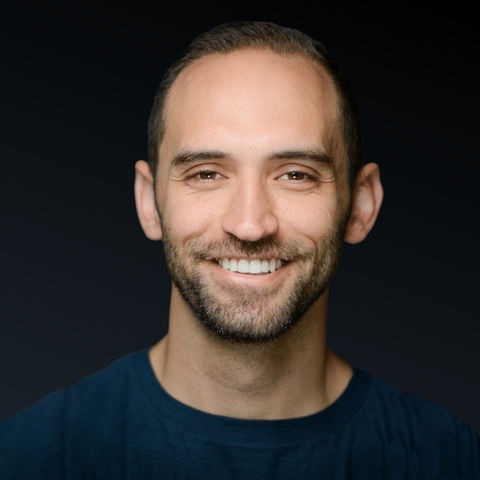
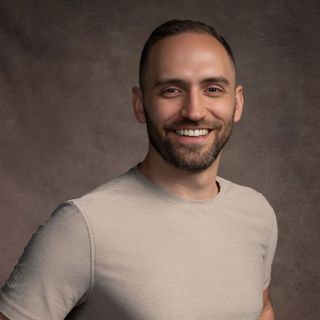
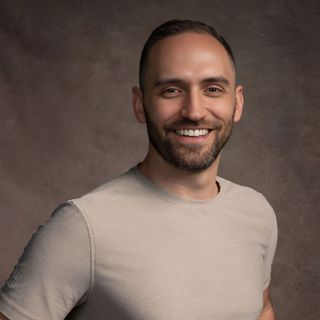
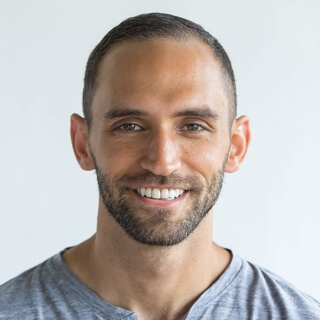
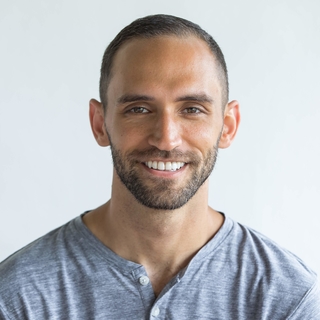
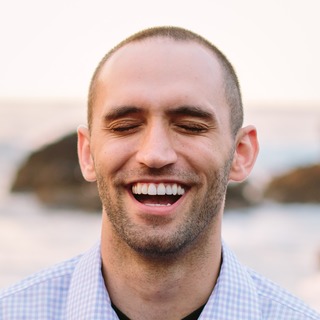
So I brought my friend Devin Burke here.
He is a sleep coach and expert.
He's the founder of Sleep Science Academy.
And I am not as.
.
.
Even though I put you to sleep every night,
I'm not a sleep expert.
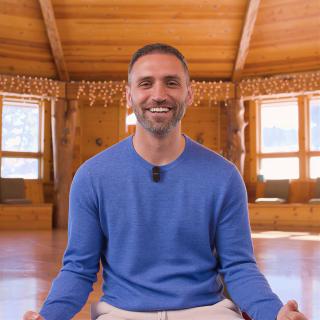
I'm a meditation teacher.
And I wanted to bring someone in to help give you some really good information and techniques on how to get better sleep.
So with that,
You can still go to sleep listening to us talk tonight.
Have a nice rest and learn something.
So Devin,
Welcome.
It's good to see you.
David,
Thanks for having me on.
It's good to be here.
And absolutely.
And Devin is a new father.
As of this recording,
It's been 10 days.
And I just asked him if he's been getting sleep.
And apparently you are getting some sleep.
I am,
Which is not normal,
I would say.
But I passed on the sleep genes to my son.
So I'll cross my fingers that it continues that way.
But you never know with kids and newborns especially.
Yeah,
That is incredible that you just had a baby and you are both sleeping.
So perhaps part of it is genes.
Perhaps it's your expertise.
Maybe we can start there.
Tell us a bit about what like a sleep coach does.
How you help people who are having a hard time sleeping get better sleep.
Yeah,
So you think of a sleep coach like any other type of coach.
It's somebody really to hold your hand and to guide you to see what you can't see so that you can experience transformation or change.
And in regards to sleep,
Sleeping specifically.
So one of our,
You know,
Core philosophies is that sleep is a result.
It's never a problem.
And so we really,
A big part of the work that we do is helping people really shift their perspective in how they relate to sleep and how they relate to themselves and what they're thinking in regards to sleep.
I always tell people it's,
You know,
It's it's not so much about sleep because sleep is something that we can't control.
It's really about understanding what in your mind and body,
What is your mind and body trying to communicate to you.
And so our job as coaches and as a sleep coach is really to to help you learn and understand what your body and your mind is trying to communicate to you.
And that's what we do over the course of,
You know,
Eight weeks when we work with clients.
What's an example of somebody's having a hard time sleeping that you've seen where their body,
Their mind is trying to tell them something and maybe at first they're not listening and then you help them find out what it is?
Yeah,
A big one for a lot of people is is is slowing down,
Is more mental rest throughout the day.
So often people go from one thing to the next thing to the next thing.
We call it nexting at Sleep Science Academy.
And there's this this tension and this this pressure that builds up in our mind body that if we don't kind of release that pressure valve throughout the day,
We carry that right into the night.
And that's when people start to experience,
You know,
A racing mind or maybe a little bit of anxiety.
And it's this momentum that gets carried into into the into their night.
And so,
You know,
Creating the awareness around how to slow down,
How to take breaks,
How to really,
You know,
Nourish yourself.
That's that's a big lesson that a lot of people get to learn when they're not sleeping.
There's many,
There's many more.
But that's that's a common one.
I can I can share a few more if you want,
But I'll let you guide the guide the conversation.
Nexting,
Nexting.
I like I really like that.
So when somebody is cut when somebody comes to you and they're like,
Devin,
I'm sleeping two hours,
Four hours,
Six hours a night.
What do you hear that's common?
And then what do you do?
Are you working one on one with them?
Are you giving them meditations?
How are you walking them through the process of getting better sleep?
Yeah.
So the people that we work with are usually this has been a chronic issue for months or some cases,
Years or decades.
And often they have exhausted using the medical,
You know,
Whether it's marijuana or prescription pills,
Sometimes they're using multiple marijuana prescription pills and alcohol and they're still not sleeping.
And I always like to for people to understand that first and foremost,
You know,
You're not alone.
You're not alone and you actually don't have a sleeping disorder.
And what you're experiencing is not unique.
There are thousands and thousands of people around the world,
Probably even I would maybe millions,
That have tried all the different things,
The medications and the pills and the supplements and the doctors.
And there's nothing necessarily wrong with you.
Because a lot of times people believe that they're broken,
That something in their brain or something in their body is preventing sleep from happening.
And it's really it's a pattern or multiple patterns that people get caught in.
And so one of those patterns is that people get caught in is is they try to force or control sleep.
And sleep even through even through things like meditation.
So we always give people,
You know,
Meditation is incredible.
It's an amazing tool.
But if you believe,
Hey,
I'm gonna meditate or I need to meditate in order to sleep,
We would have you examine that thought.
Like,
Is it true?
You know,
Do you absolutely need to meditate?
Or is or can you choose to meditate because it feels good.
And it creates a greater opportunity for sleep to happen versus trying to do something so that you sleep.
So that's a you know,
It's a big pattern that people don't realize is they give their trust away to pills,
Like supplements or to medication,
Or to anything.
And what we help people understand is your body has everything it needs.
It's just a matter of really diving into what it's trying to teach you.
What is are you and some people get caught in this sort of hyper focus on sleep.
And then it starts to release cortisol and adrenaline that becomes a pattern in the body,
The body,
You know,
As the sun starts to set,
People start to feel anxious,
Start to think about what happens?
Well,
What if I'm not able to sleep tonight?
What's tomorrow going to be like,
They start to kind of think about,
Oh,
I'm going to be exhausted,
I'm going to look exhausted.
And then the mind goes to how much longer is this going to,
Am I going to be stuck like this is going to be something I experienced the rest of my life.
And it's these types of thoughts that then the body responds in a way that it's trying to keep you safe.
And unfortunately,
In this instance,
It actually keeps people stuck until they realize,
Okay,
I can trust my body until they realize that you can't force control sleep,
You can allow sleep to happen,
You can do things to create an opportunity for sleep to happen.
And the less you actually try to sleep,
The better you actually do sleep.
Mm hmm.
You know,
For people listening,
Who,
You know,
They've probably heard all the Andrew Huberman style podcasts on,
You know,
No blue light before bed,
You know,
All of the things that you do,
You know,
Set an hour aside before you go to sleep without technology,
Unless they're unless you're listening to me on your fall asleep,
I suppose.
You know,
They've taken the supplements,
And they listen to the biohackers and all of the things,
But they're still having a hard time getting to sleep on the,
There's almost like a pressure that we could put on ourselves where sleep becomes,
Like,
I have to get my eight hours,
I have to do this right.
Otherwise,
Tomorrow is not going to be good.
And it's,
It can be almost like counterproductive to try to be this perfectionist sleeper.
So I've definitely seen that out in the world in the marketplace of over engineering your sleep,
Like those tips and tools,
You know,
They can be very helpful.
But also,
After spending a few months in Europe,
Just I was just in Spain,
And people have a much more natural lifestyle.
And I've noticed I've lived there,
I've lived there before.
So I also know that from back back then,
But whereas Americans were so focused on growth on engineering our lives on,
On optimization,
That in and of itself creates a kind of anxiety.
And that's why generally on the sleep podcast,
I'm just helping people fall asleep.
Right?
Like,
Just let's just go to sleep.
So when you coach people,
When you're doing one on one work,
And you're approaching the psychological side,
The emotional side with them,
What what do you do with them?
Like,
If everyone in listening tonight was,
You know,
Which is your client,
And they're like,
Devin,
I can't fall asleep.
Would there be a series of questions that you walk them through?
Would you guide them through a meditation?
How do you facilitate getting someone to sleep?
As it's I have no idea how a sleep expert does that.
So I'm so Yeah.
Yeah,
I think so.
The big part of this,
David is,
Is creating the awareness around what are the barriers to sleep happening?
Because that's without awareness,
There can't be change.
And so most people aren't even aware that they have this expectation of,
I'm going to do this,
And then I'm going to sleep.
And that little expectation is enough for the body to prop sleep up and the body to respond with little cortisol,
Maybe a little adrenaline.
And that becomes a pattern.
So where we start is always helping people identify and connect to the awareness of what is getting in the way potentially of sleep happening.
So this could be your thoughts.
This could be your beliefs.
And this could be your behaviors.
So let's start with maybe some of the common thoughts that,
You hear,
And we have a whole,
We have a worksheet that has about 100 thoughts.
And we take our clients through this exercise.
And we say,
I want you to checkmark all the thoughts that you've had connected to sleep.
And what's so interesting after,
You know,
Coaching 1000s of people over the last seven years,
When people go through this exercise,
It's like,
I can't,
Like,
Are you,
You're in my head,
Like,
These are all the thoughts that I'm thinking.
And to just to realize that you're having these thoughts,
But they're not your thoughts.
Because so many other people are having the exact same thoughts is a freeing step.
Because then you get to see,
Okay,
Well,
I'm not my thoughts.
I'm having these thoughts.
And most of these thoughts,
I don't even know that they're true.
Like,
For example,
We don't know that if tonight,
If you're not able to fall asleep,
That tomorrow,
You're going to be exhausted,
It's going to be really hard,
You're,
You're not,
You're going to look terrible,
You're going to perform terrible.
We don't know that.
Maybe in the past,
That's been your experience.
But we absolutely don't know that tomorrow,
If that is the case,
That that's going to be your experience,
You might actually have the best day of your life,
You might perform incredibly well,
Even on a few hours of sleep,
We just don't know.
And so we try to guide people to a place where they don't know.
Because most people think that they know,
And that what they're doing is they're taking their past experience,
They're bringing it into the present,
And then they're projecting it into the future.
And then it creates all of this anxiety,
All of this worry.
And then when they do that,
And you do it enough,
And it becomes a strong enough pattern,
Then there's a very clear set of beliefs that get established,
Like I'm broken,
I'm a bad sleeper,
This is going to kill me,
These are very common,
You know,
This is a genetic thing,
I'm not going to be able to figure this out,
This is an affliction I'm gonna have to struggle with for the rest of my life.
These actually become beliefs,
And there's a lot of thoughts and a lot of experience that hold up these beliefs.
So what we want to do is let's just bubble up all of these thoughts.
Let's get let's get let's become aware of all these thoughts.
Let's become aware of all of these beliefs.
And let's see them for what they are.
So that we can then start to do some inquiry around,
Well,
Are these thoughts actually true?
Are these beliefs true?
Are they helpful?
Do these thoughts and these beliefs,
Are they creating more anxiety?
Are they creating more possibility for sleep to happen or less?
So we can go through each of these thoughts and each of these beliefs,
When there's awareness,
To then do inquiry to sort of break them down.
So that's,
That's,
That's more from like a top down standpoint.
But then we want to get into our body.
And we want to really say,
Okay,
Well,
How is my what is my body trying to communicate to me?
So is there is there something that my body's trying to communicate as far as,
You know,
As the sun starts to set,
Do I start to feel a little bit of tightness in my chest?
Or do I start to feel a little bit,
You know,
Queasy in my stomach,
Or,
Or maybe pressure in my head,
And really start to get curious about the sensations of the body.
And start to ask the body,
You know,
And be with the body be with the sensations versus trying to push them away.
Because often when we're not sleeping,
We're in a lot of pain,
There's a lot of suffering.
And we just want to resist,
Resist,
Resist,
We want to push it away.
So what we invite people to do,
And what I would like everyone here to do listening to this is really just to get into your body,
Really just and not make a wrong if there's pain,
Or if there's fatigue,
Or if there's uncomfortable sensations,
But rather to get curious about what those sensations are,
How long they're going to be there,
Are they going to increase?
Are they going to pass?
Are they going to,
You know,
And so helping people get present to their body,
Because the body knows what to do.
It knows how to sleep your body,
Sleep is a natural biological process,
We're born knowing how to do there's nothing,
You know,
Really we need to do in order to have it happen.
It's just like breathing.
It's just like,
We don't have to think about our hair growing or our nails growing or breathing.
It just it just happens.
Well,
Sleep's the exact same way.
And often,
We forget that.
And we start to believe that we need to do all these things and,
And,
And,
And,
And those very things are the things that then keep us,
You know,
Stuck.
I mean,
Sounds like you have a very similar job to me,
Which is really,
Yeah,
Helping people accept who they are in the moment,
Let go of that perceived future,
That,
You know,
The perceived future is what causes so much anxiety,
Right?
That if I don't,
And in this case,
If I don't sleep,
Tomorrow will be worse.
And then it's almost like becomes a self fulfilling prophecy.
And the core of meditation is learning how to accept this moment as it is.
And I really like this quote from Eckhart Tolle,
Where he says,
You want to go to sleep consciously,
Not unconsciously.
What is your perspective on that?
Because a lot of times,
If we're listening to this,
Like a sleep podcast,
Or we take medication,
Or we try to watch something,
We almost like want to get we want to knock ourselves out.
But what do you think about that slide from the awake state into the sleep state?
Like how do you want to go to sleep consciously?
What is that journey?
So to me,
It's almost like walking into the ocean,
Right?
So you're in the awake state,
And then your feet get into the sleep and then your knees and your waist and then at a certain point,
You're not even aware that you're submerged.
So what is that journey like for you?
And how do you see that?
Yeah,
I think it's it's more of a letting go process.
And I believe that the more you can just allow things to like your body has this wisdom.
And if you can just trust your body,
And learn to trust your body,
It's like a nap,
Your body will just guide your consciousness to sleep.
So it's it's a matter of trusting your body.
It's it's really,
I think so many times we get in the habit of feeling the need,
It's a non doing it's like not it's,
It's a letting go.
It's a,
It's a allowance,
Surrendering,
Surrendering,
Accepting.
And that's really in that's,
Those are all practices,
Right?
So it's like,
I think there's,
There's,
There can be some consciousness around knowing when you're not surrendering or knowing where there is resistance,
I think that consciousness can be helpful.
I think,
You know,
Really getting out of your head,
And into your body so that your body can just do its thing.
That's that's really where I would encourage people to get curious about how to get out of your head and into your body,
Because your body is this incredible,
Amazing thing.
I mean,
We can,
It's just so fascinating how perfect our bodies actually are,
We can,
We can abuse them,
We can feed them all kinds of things that are terrible.
And somehow they make that food into energy.
Like there's just this incredible thing that we somehow I think just lose trust in.
And I don't know if it's because of,
You know,
Marketing,
I don't know if it's because of our educational system,
Generational patterns.
But I feel a lot of times people are just so disconnected from their bodies.
And there's such a lack of trust within their innate wisdom.
And so,
Yeah,
Just allowing yourself just to let,
Let,
Let sleep happen.
Whenever you find yourself trying to sleep,
Or doing something so that you sleep,
Don't do anything so that you sleep,
Just do it because it feels good.
Listen to the podcast,
Because it feels good,
Not because it's going to help you sleep.
I think the mantra of the night is let sleep happen.
That's great.
Yeah.
Yeah.
I mean,
Because let it happen.
And that's what it is.
Sleep is a happening.
It's a happening.
It's,
It's something that,
Again,
You know,
The more we try to control it,
Even in the most subtle ways,
And some of the ways that we try to control it are even healthy.
But it's if we can,
It's not just what we do,
It's how we think about what we do that makes the difference.
So listening to this podcast,
Listening to sleep meditations,
Amazing.
And listen to them with with the expectation of I'm just doing this because I enjoy it.
Not because there's any outcome that I'm attached to.
And if you do it from that place,
Then David's voice and guide will,
You will,
You'll get the outcome much smoother and faster than if you're listening to it.
So that you sleep,
Listen to it,
Just because it feels good because you enjoy it.
And that's all like release that expectation,
Release that attachment to to to an outcome.
That sounds pretty relaxing.
I like that.
And I would love for us to transition a little bit into what are all the good things that happen to us during sleep.
So as someone is listening to this,
Maybe they're falling asleep,
And just to sprinkle in some nice information and thoughts into their unconscious as they let sleep happen.
What are all the amazing things that happen in our mind and our body?
As we regenerate in sleep?
Yeah,
So as as we,
As we sleep,
Our bodies are wide awake.
And it's it's during the night where our immune systems are repairing and recovering.
It's during the night where the glymph system,
Which is the lymph system of the brain,
Sort of flushes out the beta amyloid and the plaque that builds up that creates dementia and Alzheimer's.
It's during the night that we work out the emotional traumas that we maybe weren't able to process or understand or didn't have time to work out during the day.
It's during the night where we come up with new creative ideas.
New inspiration can happen through dreams.
Every cell of our body is is preparing itself.
Like that's when we physically,
It's like charging,
It's like plugging your phone into a charger.
Like you're taking your car into the mechanic and the oil gets changed and the tires get rotated and everything just gets realigned from an emotional standpoint all the way up to a cognitive and a physical standpoint.
It's a healing.
I think actually the Dalai Lama said that sleep is the best meditation.
I think that's a quote from him,
But it is.
It's a meditation,
But it's a meditation not just,
It's a complete meditation because it's your,
Every aspect of your being is getting restored and refreshed to then be able to show up the next day with presence and with compassion and with patience and with love and with understanding and with care.
That's beautiful.
And so when we go to sleep and we're getting that six,
Seven,
Eight,
Nine,
Ten hours and we're regenerating,
Is there,
I know we all hear about eight hours,
But is there a sweet spot?
Is there a range for most people of what time to go to sleep,
How much sleep to get,
When to wake up?
Yeah.
So there's something called chronobiology.
And so you can think of chronobiology as your sleep genetics.
So most people here listening to this maybe have heard of like a night owl or a morning person or a night person.
And so we do have,
We are genetically predisposed to have a certain time that our bodies naturally like to sleep.
Not everyone's supposed to get sleepy and sleep at 1030 at night.
Some people are actually better off going to bed,
You know,
Around 1130,
Even midnight.
For some people,
It's going to be earlier than that.
Maybe it's,
You know,
Nine o'clock.
And so the more you are aligned with your body's natural rhythm and the healthier your body and body systems are,
And the more body wisdom or body intelligence or in tune you are to your body,
You'll know when the right time for you to sleep is.
Because your body is going to start to signal,
You know,
You're going to get heavy eyes,
You're going to get kind of that droopy feeling,
You're going to kind of start to,
You know,
I think everyone here listening to this knows what it feels to be sleepy.
So if you start to pay attention to what that,
What time that sleepiness starts to sort of show up for you,
That's a really good indicator of,
Hey,
That's probably the time for you to get into bed.
And not everyone needs,
You know,
Seven to eight hours,
Some people need a little bit more,
Some people actually need less.
And so if you're not getting,
You know,
Seven or eight hours,
You're getting a little bit less,
And that might be perfectly normal and perfectly okay.
And if you are an elite athlete,
Like LeBron James or Roger Federer,
Or one of these incredible,
You know,
Performance athletes,
You're going to need more sleep,
You might be getting 10,
12 hours of sleep.
So our sleep architecture,
Our sleep need,
How much sleep we,
You know,
Should we be getting for that optimal kind of restorative energy,
It's really going to fluctuate and depend on our lifestyle,
It's going to fluctuate and depend on how much stress we have in our life.
Are we recovering from an illness?
You know,
Like,
If you think about when when we are sick,
What does the body want to do?
Nothing but lay in bed.
That's right.
It wants to rest,
It wants to sleep.
And,
And so again,
So I think a big part of this is,
Again,
Coming back to the intelligence of the body,
And really waking up and being present to what our bodies are trying to communicate to us all the time,
Because our bodies are constantly telling us things.
And it's often when we're experiencing sleep challenges,
We're just not paying attention.
We've talked a lot about how to go to sleep.
What about how to wake up?
That seems like an odd notion,
Because we don't have consciousness until we just wake up.
But I had,
I was speaking to a doctor once who told me part of the reason we wake up groggy sometimes is we wake up in the wrong part of our sleep cycle.
So maybe a two part question one is,
How do we wake up in the wrong part of the sleep cycle we're waking up in?
And how do we wake up in the right sleep cycle?
And then the second part of that is just in general,
How do we wake up?
Is there a good strategy of how to wake up so we can go to sleep again?
Well,
The following night?
Yeah,
It's a great question.
So so it is true,
If you wake up at the quote unquote,
Wrong stage of sleep,
No matter how much sleep you had the night before,
How amazing that sleep was,
You might feel groggy,
You might feel tired.
And I think everyone here can maybe relate to this if you've ever taken a nap during the day.
And maybe you slept more than 20 minutes,
Or maybe more than an hour,
And then you felt more tired after the nap.
The reason for that is because you're waking up in in sleep,
You know,
You're waking up at a certain stage of sleep that your body's not used to waking up out of.
And so the more you can align your circadian rhythm with the earth,
So the more you can get outside in the morning,
Get natural sunlight,
The more you can get your feet on the ground and get connected to the electromagnetic,
You know,
Frequency of the earth.
These are two things that help us kind of set our natural biological clocks,
The more we can watch sunsets,
Or do indoor sunsets where we're,
You know,
As the sun starts to set,
We start to turn off or dim our lights.
This kind of helps keep the the body in a in a state where it knows what stage to wake up out of.
Now for some people,
You know,
You might have to get up because you're you know,
You're a nurse or you have a,
You know,
You have an alarm that you need to be at work.
It's really helpful to have a alarm clock that has a light that starts to,
You know,
Let's say you need to wake up at 6 a.
M.
That your alarm clock will start to slowly start to bring light into the room,
Maybe around 5 30 and slowly start to get brighter versus,
You know,
Using your phone as an alarm clock or using one of those old school alarm clocks that sort of have those really loud annoying sirens that kind of you wake up and you're already in a stress state because it was just like so blaring.
If you can pick up without an alarm clock and just let your body signal to you hey it's time to wake up,
That would be ideal.
Now it's not ideal for everyone,
But if you do have control of your schedule,
Naturally allowing your body just to wake up is always going to be the healthiest option versus trying to pull yourself out of a sleep.
Yeah,
That definitely makes sense to me.
Thank you for sharing that.
I notice the days that I go outside early in the morning and get sunlight,
I just naturally feel happier immediately and one of the ways I do that is I let my cat out on my deck and let her hang out out there and we hang out together and I'll have some tea or coffee or something.
I do try to avoid coffee in the first hour of waking up.
I know that is definitely a tip I've heard many times.
So we've gone through some of how to relax and unwind before we go to bed and what happens when we sleep and how to wake up.
What about for those folks who have a tendency to get up in the middle of the night because I know that's something that's very common and can be stressful and this actually happened to me last night.
So I woke up around 4 a.
M.
And I decided I'm going to sit up and just meditate.
So sometimes I'll do that.
I'll just sit up on my pillow and I'll meditate very gently and then eventually I'll start falling asleep sitting up and then I'll slide back under the covers and that works pretty well for me.
Let me also please caveat this.
This might be a personal question but because I live in Colorado and it's so dry I drink a lot of water before bed and then I have to get up and pee in the middle of the night.
So I'm sure I'm not the only one listening to this that happens too.
So in general,
You know,
What do we do when we wake up in the middle of the night and maybe specifically if you have to pee in the middle of the night?
Do you have any suggestions?
So let me start with so everyone wakes up every 90 minutes throughout the night because that's a full sleep cycle.
You're actually coming out of consciousness.
You're just not conscious.
You're kind of coming into that the first stage of sleep is sort of you're in and out of consciousness and a lot of times people in that first stage of sleep they think that they're not sleeping but they actually are.
They're kind of just floating back and forth and so if for whatever reason you wake up and you become fully conscious at any point in the night,
If this is a pattern,
If you wake up and within 15 minutes you're able,
You know,
To fall back to sleep that's normal but if you find yourself waking up and you're having a hard time falling back to sleep it's really important for you to actually get out of bed and this doesn't make any sense logically because you most people think well if I get out of bed I'm going to get more I'm going to be more awake and if I'm out of bed there's no chance that I'm going to fall back to sleep.
So how does that make any sense Devin and the reason why this is such an important key for people to really honor is that what can happen is the body and the mind associates the bed with wakefulness and that can become a pattern and we want to break that pattern and how to do that is first and foremost do not look at the clock because as soon as you look at the clock whether you're aware of it or not a clock starts in your head okay I only have it's four o'clock I only have two more hours and I have to get up for work or I only have three more hours and I have to get up feed the cat or so don't look at the clock just kind of feel what it would feel like 15-20 minutes and if you sort of feel activated you know your mind's kind of bouncing around or you feel a little bit of you know racing hard or something like that go to a place this could be a chair this could be a couch this could be you know some place that's that's relaxing to you ideally not in the bedroom and do your plan and the plan could really be anything it could be listening to a meditation it could be knitting it could be praying or stretching or could be doing a puzzle doesn't matter what matters is you're doing that just to do it and then once you start to feel sleepy then just walk yourself right back in bed and allow sleep to happen and this is a practice that I've again I've worked with thousands and thousands of people and those people that for decades have struggled with sleep and they're on all kinds of medications and when they really honor this practice consistently it's extremely helpful extremely helpful I like that and it part of it sounds like really not putting pressure on yourself to go to sleep which I think is key yeah thank you for that insight what about the waking up to pee thing are we drinking water are we drinking water before bed are we not yeah so so a couple things here so ideally if you could you know stack your hydration earlier on in the day but especially you know for for men as as we age the prostate can you know it can become a pattern to have to wake up if you're able to wake up and use the restroom and you're able to fall right back to sleep it's no big deal if you find yourself waking up to pee but now you're up for you know an hour or the rest of the night then we want to really follow the advice that I just shared before I did an interview with this amazing doctor that also told me something really interesting about breathing through your nose and often people don't realize that while they're sleeping they're actually breathing through their mouth and there's studies that show that when you train your body to breathe through your nose it increases nitric oxide and that helps reduce the need to use the restroom throughout the night so using mouth tape is is something that to retrain your body to nasal breathe throughout the night the night has been found to help with that specific challenge as well I wear those little strip on the nose that opens the nostrils and I've found that actually really helpful I get my I got my humidifier on because it's dry I have an air purifier do my air purifier sometimes I'll have a diffuser I get all I got the blackout curtains so I do I do the things and one of the things I love is I have these light bulbs if you're listening in Europe or Australia maybe they have them I'm not sure it's another part of the world but in the U.
S.
Uh they're called Philip Hughes and so I connect them to my phone and you turn the lights on and off with your phone but you can also change the color right and and the intensity and so there's rest mode there's sleep mode you know there's bright mode and I love doing that so I set it to a nice dark mode as I'm getting ready for bed and that's been very helpful and I also have all the lights in the house with those bulbs and so I'll turn all the lights in the house off just with one click on my phone and that makes me feel more at ease so I don't have to go around making sure did I do this it like eases some tension around thinking about things so just a small tip that's that's helped me out um Devin thank you so much for all of this incredible information is there anything else that before we finish and we let everyone drift off into sleep tonight that you want to share just some insights you've learned over the years about mastering sleep yeah you know something that David that I found was actually really shocking it was that helped people so that helps people so much it's it's the practice and I'm sure this is something that you teach um in what you do in the world but acceptance so if you can really get to a place in the middle of the night even if you're you're afraid and you're in a lot of pain and there's like a lot of you know exhaustion if you can just find yourself get into a place to to ask yourself this question how would this experience be different if I was choosing it would my experience be different if I was choosing this and sometimes asking yourself that question can can help people get into a place of accepting accepting what is even if it's not what we want and from that state the body relaxes and sleep happens and sometimes it doesn't but what it can do is if you are able to get into that place of just kind of being with what is even when it's super hard it really does allow the body to rest and so even if that night for instance you are you know sleep doesn't happen for you at least you can you can feel reassured that your body is at least resting and resting is you know sleep is just a form of rest and so even if you're not completely you know unconscious if you're just resting and you're in that place of acceptance you can you can know that your body is healing your body is recovering and you know things will pass things this that night will pass and you'll have a new opportunity and a new day to just explore and get curious about what there is to learn I love that thank you I think we might have to do a part two at some point and cover some more aspects of sleeping and dreaming I would love to go even deeper but for tonight for everyone listening I want to let you go off if you're not already asleep listening to this unconsciously let you go and and have a beautiful night of rest this is Devin Burke he's the founder of Sleep Science Academy so thank you for listening to the Grounded Sleep podcast our first interview style episode ever and Devin thank you so much for being here even right after having a baby and guiding us this evening my pleasure and thanks for having me I appreciate you and the work you're doing thanks buddy good night everyone good night