Welcome to In the Deep.
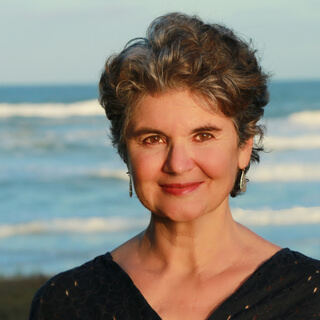
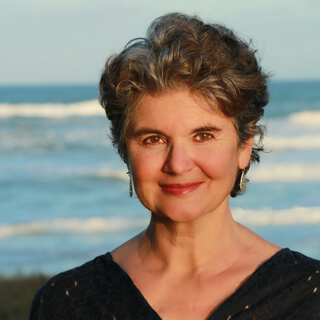
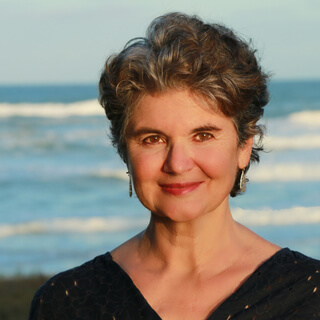
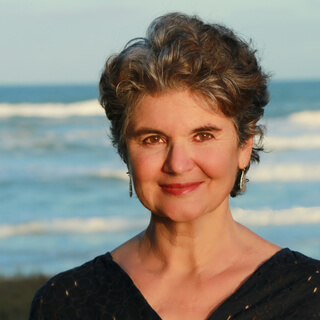
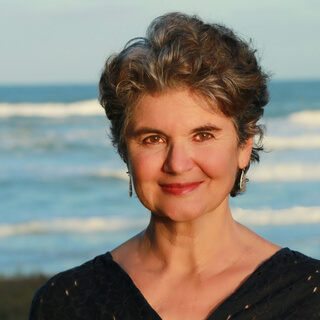
I'm your host,
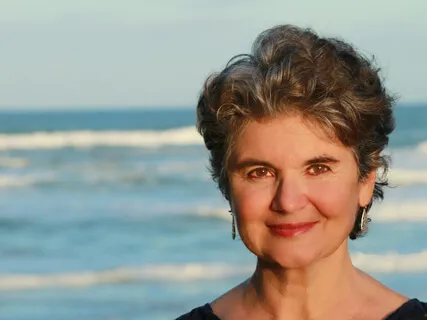
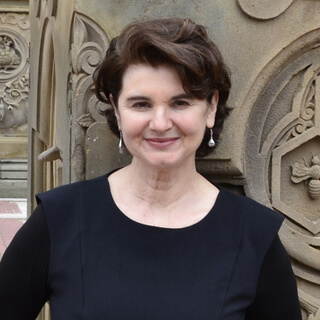
Katherine Ingram.
The following is excerpted from a session of Dharma Dialogues held in Lenox Head,
Australia in July 2017.
It's called The Lost Art of Contemplation.
And in other news,
We are launching our live online Dharma Dialogues sessions in February of 2018,
Which you can join from anywhere in the world.
As we were just sitting here,
I had a memory that I bet I haven't thought of in almost 50 years.
And it brought tears to my eyes.
So here goes.
When I was young,
My parents gave me my own telephone line,
Which was kind of unusual in that era.
I had my own telephone line.
Of course,
That was for their sake as well.
But anyway,
So I had a whole sort of life in my room.
One night,
Somehow my telephone line got crossed.
I was trying to make a call.
I can't even remember who or what I was calling.
I might have been calling a movie theater.
I might have been calling a friend.
But our lines got crossed.
And I ended up talking to this 10-year-old kid who was mind blowing.
I was probably 13 or 14.
So I seemed in those years much older than he.
But we were on the same wavelength.
And we flew for hours.
I mean,
Really incredible.
I felt that it was like a true meeting of the mind and heart.
And there was a rhythm in the conversation that was just perfect for me in terms of communication.
I mean,
I was just dazzled.
I think I couldn't sleep that night.
And I just had that memory.
And I was reflecting on just the extraordinary exhilaration that one feels when you have been heard and when you sense someone is hearing you.
It's just so refreshing.
It's so sustaining in terms of well-being,
In terms of being able to carry on,
Really.
Now,
Where does that kind of communication emanate from?
Right?
Where does that come from?
We know in our own experience,
In our own experience,
We know when we're sitting with someone who can really listen.
Right?
They listen with their heart.
They listen with their whole heart.
You know,
I said the other night in Dharma dialogues,
I had interviewed Thich Nhat Hanh a few times back when I was a journalist.
And one of the times I asked him about his friendship with Martin Luther King Jr.
,
Who I don't know if you all know who that is in our country,
But he was a great hero of the civil rights movement,
A nonviolent strategist.
So I asked Thich Nhat Hanh about his friendship with Martin Luther King Jr.
And he said this great thing.
He said,
You could tell him just a few things and he understood the things you did not say.
When someone listens with their heart,
Listens with their being,
Right,
Takes it in and in the deep places,
You know.
You know you're being heard,
Right?
And when you speak from that place,
When you speak from this depth of quiet,
Of calm,
Of no agenda,
Of same,
Same,
You know,
Self unto self,
It's also a lot easier for the other person to hear.
Now often the thrust in many people's way of communicating is that they want to get something from the other,
Or they want the other to be a receptacle for their,
Like they want to somehow have,
It's like a businessman's contract,
Right?
They want something out of this.
And that can be sensed as well.
We're very sensitive creatures.
But when you're with someone who's not trying to get anything out of you,
They're just there to really hear you,
Or to offer their own true self,
That is a different kind of communication.
When you share that,
What comes is immediately being aware that Australia has a high epidemic of suicide,
Particularly with young men.
And immediately when you said that I thought,
It's so simple,
Probably many of those young men and women,
But predominantly young men,
Probably wouldn't have taken their lives.
I'm just imagining.
If they felt understood.
Yes,
If they were really met in that place.
It's so simple,
But it's so rare that that really happens.
Yes,
It's more and more rare in a way because,
As we've spoken about so many times here,
The speed up of the culture and the demand and the competition and the ways that people feel less than,
When basically they're just competing with a bunch of little,
As I like to call them,
Just some avatars on Facebook and things,
You know,
And Instagram.
You know,
It's not real,
But they don't know that,
You know,
And so there's this incredible pressure,
There's this incredible pressure at school and everywhere.
And yes,
I think there's a lot of despair among the young,
Not to mention also,
I mean,
Your boys are too young to have this piece of it,
I think a lot of the teenagers also have as a component a feeling of hopelessness about the future and a great worry that,
You know,
That there's a certain pointlessness to a lot of endeavors,
If they think they have no future anyway.
So there's all of it combining and intensifying and it takes an act of almost,
An act of will to unplug a bit and to turn to,
You know,
I was thinking about the word contemplation,
Right?
There's very little space in modern life for contemplation.
It's almost like an old timey concept,
You know,
But people not that long ago,
There was a lot of time for contemplation.
Sometimes people found that going to church on Sundays,
But also just being in nature and having downtime,
Just having quiet time,
Which is also more and more rare,
You know.
I mean,
When we were kids,
When I was a kid anyway,
There was a lot of downtime,
You know,
Before I got the telephone,
Of course.
No,
Even then,
Because it was mostly at night that I would be on the phone,
But,
You know,
I mean,
As a kid,
I remember lots of times trying to figure out something to do,
Like I'd be a little bored and I'd have to kind of,
You know,
Write poetry in my room or something.
I would go into much more interior life because there wasn't anything else to do,
You know.
I couldn't amuse myself with anything else.
I could read a book or do some kind of quiet activity,
Play chess with my brother,
Whatever,
You know,
Just with much more slow pace.
And yeah,
The kids have lost that.
There's almost no time in their day that they're not rushing,
You know,
Rushing to this or that,
Keeping up in a competitive way,
Going to this and that after school activity,
This or that sports thing,
Some other training,
Then they're online,
All of that.
It's a lot.
And,
You know,
I am sure that it's unhealthy.
I mean,
All the signs are there.
We fly Jetstar and I found out there's no TVs or films.
So I told the boys and they went,
What are we going to do,
Mum?
Just to New Zealand,
Right?
To two,
Three hours.
Right.
And it was interesting because instead of like promoting this,
Just,
You know,
I'm like,
OK,
I'm going to find something at the airport or,
You know,
So there's a pressure that the kids,
You know,
It's like,
I'm going to be bored,
Mum,
For three whole hours.
Yes.
Yes.
So they'll be bored.
Yes.
You'll have a conversation,
You know.
Yes.
So it's all those things that we,
You know,
That there's a certain way in which,
You know,
It's like the frog boiling in the pot,
You know,
That it adjusts,
You know,
It keeps adjusting until it's dead.
But if you threw a frog into a pot of boiling water,
It would jump out.
Well,
In that way,
We keep adjusting to the speed where we try to adjust,
You know,
To the speed and to the OK,
Well,
This is the new way it is and,
You know,
Just an acceptance that we have to keep having more,
You know,
More of everything,
More,
More,
More.
And it's very,
It's a very challenging thing to go against the thrust of the culture.
It's very incredibly brave to do.
And it takes,
Like I said,
An act of will.
What I'm grateful to you was when when I first came to you,
You,
What I was hearing in the talks is just stop,
Just stop,
Just stop.
And I've been doing that and it's just been happening.
I sit on the couch and I just stop.
Good.
Like I just and it is willpower in the beginning.
Yes,
That's right.
And it's interesting because it's like a slowing down a truck.
It feels like the breath is interesting.
And then there's just like emptiness.
There's nothing there.
It's just like being.
There's just emptiness.
So I find that that's helpful for me as being the recipient,
You know,
As being a true listener of what you're talking about.
But when I'm caught up in that momentum,
I'm not really listening to the other.
I mean,
I'm on the train.
Sure.
You know,
So it does require for this body mind organism to stop.
Yes.
Almost like hold the horse back.
And then there develops a,
You know,
As we've said so many times in here,
A touchstone of what that feels like.
What does it feel like when you just stop and you're just simply being and you're feeling yourself alive and clear,
You know?
And then what moves through you is so different.
You know,
It's not coming from a gimme,
Gimme,
Gimme.
It's coming from a kind of like a fragrance that's coming from a plant,
You know,
Like I said the other night,
Like what comes from a plant,
What we call its fragrance,
Is actually its essential nature.
It's essential oil.
Right?
That's what's emanating.
And that's what emanates when we get to that frequency of just ease.
You know,
This lovely emanation comes out.
It not only feels good,
Which it does.
And not only is it,
You know,
Is highly sustaining,
But it's also,
You also become,
I like to say,
A shade tree for others,
You know,
That in that quiet,
In that,
You know,
Calm,
In that ability to contemplate and communicate and listen.
It's very,
Very encouraging and supportive to everyone year round without even trying to,
You know,
You're not even trying to be that,
Because if there were that,
It would have a certain feel to it.
But that it's just happening that way.
I'm an extremely fast person,
Just by nature.
And just also to slow down,
Like in a sea.
You know,
I slow down,
But you know,
The nervous system is just like,
It's just still very much shaking.
Uncomfortably so,
Or would you say it's your nature?
No,
No,
I just noticed.
I just noticed because in a sea we have this exercise,
We say,
Just slow down.
Because you know,
I'm such a fast person,
I go like this,
And there is many little stops I don't even see.
I see.
It's just something comes to my mind when my mother died,
It was very difficult for me.
Even it was very difficult,
The relationship we had,
But there was love,
But when she then passed away,
It was very difficult.
And so I was thinking,
Yes,
I'm going to go to see Jung Jana,
You know,
Like somebody,
Because a sea was not happening in that time.
So I went to see this psychoanalyst,
And then he just checked it like this,
I'm so fast.
And then he say,
Okay,
Okay,
Okay.
If we travel with the TGV,
You know,
That's.
.
.
If we travel.
.
.
With the TGV,
That's the fast train.
Okay.
The very fast train.
Okay.
We have just to take care,
We acknowledge the little stops.
Uh-huh,
Okay,
Good.
That's very good.
Yeah,
It's such a good thing,
And I see,
You know,
Like even if I really lie down on the sofa doing nothing,
I do.
.
.
Many time in the day I do nothing,
Just like,
Okay,
Relax,
And blah,
Blah,
Blah.
And I see,
You know,
How the system actually reacts.
It's just like really.
.
.
I really have to concentrate and say,
Stop,
Because it's just.
.
.
And all the things around are just so.
.
.
Yes,
Everything around is going so fast.
Yeah.
On the other hand,
In your case,
It may be that you,
As a creature,
You have a faster,
You know,
Moving essence,
As do many creatures,
Right?
As do many creatures in the animal kingdom.
Yeah,
Yeah,
Yeah.
So to really honor that it may be that your rhythm is a little faster.
Yes.
You know,
And that's okay,
Too.
The kind of stop that I refer to is the stop on the big me project,
Right?
The big aggrandizement,
The building up of the sandcastle of me,
Right?
That project that one could use a break from.
You know,
And then there's another kind of rhythm that can come.
For some people,
It might mean that they actually go physically slower in life,
Right?
And for some people,
That adjustment might mean they actually have a lot more energy and that they are actually,
In fact,
Going a little faster than they were going,
Because they were so exhausted,
Perhaps,
From their me project that it was,
That had a kind of depression and anxiety,
Blanketing their energy.
So the main point is,
It's a different kind of freeing up that I'm pointing to.
It's a freeing up of the obsession with,
You know,
Me,
What do I like,
What I don't like,
My opinions,
My regrets,
My worries,
My this,
My that.
What do they think of me?
Am I hitting my potential?
You know,
That kind of role of internal busyness.
Ah la la,
Is it,
Yes.
Internal busyness is the motion that I'm saying take a stop from.
You know,
Give yourself a break and as many mini breaks or major breaks as you can.
But,
You know,
There's some measure of that stuff will creep in in the day and that's not that big a deal.
But overall,
You might find your own rhythm in a very,
Very natural way and that you really maintain an authenticity with it.
Then it may be that it's faster.
Yeah,
It is.
I will never be slow.
I will never be slow.
That's okay.
It's just like bringing really to the nervous system this kind of really like,
Ooh la,
You know,
Just like slow down,
Slow down.
Yeah.
Yeah.
Leonard Cohen has a great song called Slow.
It's fantastic.
It's one of his more,
You know,
In the last few years,
Recent ones.
But anyway,
I've quoted it before in here,
But here's a part of it.
It says,
How does it go?
Anyway,
You want to get there soon.
I want to get there last.
And some people want to get there soon.
And that's their nature.
Right.
And maybe for them,
They're completely in flow in that,
You know.
But in the song,
He talks about how he always liked it slow.
That he always preferred slow.
And I'm the same.
I always liked it slow.
And I come from a family of my dad as a hobby was a race car driver and then my brother was a race car driver.
And when I was little,
They used to drag me to these car races.
First of all,
They were so loud.
I didn't have to go in the cars,
But you're just sitting there watching it.
It was so loud.
It was just an assault.
And I just thought it was the most pointless,
Ridiculous.
I could not believe I was sitting in those places.
And when I was old enough,
Finally,
I didn't have to go anymore.
And because they were very into racing,
They drove like,
You know,
Bats out of hell.
And so I was always in the car just braced,
You know.
So my own pace is so slow,
Right?
My own rhythm,
It always was,
You know.
And,
You know,
I had to make some adaptations when I was young,
But because of my family.
But left to my own devices,
I would just walk everywhere.
I don't like to ever go fast.
And I never liked,
You know,
Things at amusement parks.
And,
You know,
I never liked to go on roller coaster rides.
I went on one once,
I think,
And never again.
But I know that's just me.
I'm not saying that's the way to be.
It's a different kind of slow that I'm talking about.
Some people,
They love speed.
They just love it.
You know,
They love to ski down mountainsides really fast.
And,
You know,
I was talking to one of my friends here in the neighborhood who is a big wave surfer.
And,
You know,
He just loves the exhilaration of zooming on these massive mountains of waves.
The thought of it is just,
You know,
It's like I'm a completely different animal,
You know.
People like talking about trying to fly through the air or something.
So,
You know,
But to really acknowledge in this quieting,
You know,
I speak all the time about authenticity.
In this quieting,
You really tune into yourself as a creature.
You're not doing it.
It's done.
You're just now feeling its true rhythms,
Its true nature.
And in that sweetness,
In that quiet,
There's a gentleness that comes.
There's a tenderness that comes.
And so it's not only you're living in your own authenticity,
But you're also highly aware of your steps and your emotions in the world and your words.
I was listening to you talk.
I got sick last year and I'm quite sick.
And one of the things that had to happen when that happened was I had to kind of stop everything.
And everyone was giving me lots of love because I was sick,
You know,
Like,
But actually inside I was so happy.
Because you were stopped.
And everyone was giving me per midnight.
I didn't have to do anything.
It's like this is incredible.
It was an incredible opportunity.
But I noticed coming out of that time when I had all this permission to be stopped,
That everything sped up again.
And it's almost like I noticed just sitting with you too,
Like what comes up when I get still is fear,
Survival,
Survival of the planet,
You know,
My own death.
And will I be pleased with myself when I die?
What do I have to do to be pleased with myself before I die?
Like it's endless.
Will I run out of money?
Like,
You know,
Like it's endless.
So then the first thing that happens when I really slow down is like there's a wall of fear just to be in.
And it's like I like when I'm with you,
I can actually do it,
You know,
Or when I'm with someone who's going to certain place,
I can do it.
And just go,
Just wait,
Just wait,
Just wait.
But if I'm just on my own,
The tendency is to speed up.
Yeah,
Right.
Yeah,
I understand that.
Yeah.
Yeah.
And legit,
I mean,
Look,
It's not that the worries aren't legitimate,
You know,
All those worries are legitimate.
But legitimizing those worries just speeds me up away from actually where I'd rather be.
I think my pace is very slow too.
Yeah.
Yeah,
It's all,
Boy,
That's all very,
Very relatable.
And it does take a certain,
Again,
An initial willpower,
You know,
To really just stay in your deeper waters and get to a place where you're understanding that part of this,
Well,
A great part of this process is about letting go,
You know,
And then you start to let go on deeper levels,
You know,
And you do face your own death or you do face possibilities of other kinds of losses before then.
And certainly,
The messages keep rolling in loud and clear,
Don't they?
That's the nature of the situation,
You know.
So one of the things that I rely on a lot is in the deepest places in my being,
I know that I can let go.
Right?
That's kind of,
I mean,
It's sort of a booby prize,
Isn't it?
You know,
But it's also the best protection,
You know.
And if it's any consolation,
I've known so many people through my many,
Many years of being interested in Dharma,
Being in Dharma circles,
Who have died.
And they have all died gracefully,
Every one of them.
Now,
I think a lot of people die gracefully,
Even without having Dharma,
But a lot don't.
But in this case,
With people who've just had any kind of relationship to this kind of perspective and tapped into it enough,
Even just,
It doesn't have to be consistent,
Just some,
It's been amazing to watch.
It's just been very consistent.
One of the things that happened,
Like I actually got better,
I'm not about to die.
Right.
No.
Well,
Not that I know of,
But who the hell knows,
Right?
Could die on the way home.
But I had this,
It was actually a profoundly beautiful experience when I thought that I might die.
Because there was a period where it's like,
OK,
Maybe only six months.
Yeah.
And it's like nothing actually really matters.
It doesn't matter that I haven't done that.
It doesn't matter that I haven't done that.
And it doesn't matter that I haven't.
And I had this incredible,
Really deep sense of freedom.
But as soon as I heard that I was going to live,
Within hours,
The whole story was back.
And I watched it coming back and it's like,
Wow,
There it was.
Amazing.
Yeah.
I get it.
I know.
I know.
I've heard this too.
Yeah.
When I was,
Like in 1982,
I went through this little scare.
But then later I went through another one that was more troublesome with what might have been ovarian cancer,
Which of course is a bad one.
But it turned out not to be.
But for about six months or so,
We were just watching it.
And so I was almost,
I was in a kind of giddy kind of high.
And I felt just as you described,
I just felt,
You know,
So easy about everything.
What does it matter?
You know,
And and I love that thing about the point you made about it doesn't matter if I don't do all those things.
It doesn't matter if you don't do the bucket list,
You know.
You know,
I like to think of it as I've already done the bucket list,
You know.
I mean,
Not that there was a specific bucket list,
But that the the roll out of my life was just what it was and it was rich enough.
You know,
I mean,
Again,
The way that the mind can torment itself by constant gimme,
Gimme,
Gimme,
More,
More,
More.
Did I miss something?
Right?
All of that,
Even worrying about how you're going to appear,
How you're going to appear to yourself.
Right?
Even that is extra,
You know.
There's a way in which one can detangle from a lot of adherence to the personal image.
Like it can become just not that compelling anymore.
How am I doing?
How did I do?
What was this life about?
Did I figure anything out?
You know,
Did I,
Am I going to get any kind of upgrade?
In some ways,
Like this whole,
The whole reincarnation story,
Do you know what I mean?
Like,
It's got this capacity to come with a bit of a sting in its tail.
Like,
I don't know what I think,
I don't know whether I,
Like I've had periods where I've believed it and I've had periods when I haven't completely twisted it out.
Yeah,
I don't.
I don't believe it at all.
I think it's better not to personally.
I mean,
I agree because.
I mean,
Better or worse,
I don't know.
I just haven't seen any evidence that makes me believe it.
So,
Therefore,
I don't believe it.
I don't believe things without evidence.
It's not that I can categorically say it isn't so.
I just don't happen to believe it because I don't see any reason to believe it.
I mean,
If it were the case and if there were compelling evidence,
Then one could find some,
You know,
Happy scenarios about it.
But,
But I just,
I just don't believe it.
Well,
I notice when I pick it up,
Like it's not central to me because I can pick it up and put it down.
But when I pick it up,
It also comes with did I do what I was expected to do in this encounter?
You know,
It's like,
Did I tick the boxes or did I meet the demands somehow that were expected of me?
You know,
Am I going up a level,
As you said,
Or am I going back a level that disappoints some person,
You know,
Personal God?
Yes,
No,
I know all of that.
It's a little bit heaven and hellish kind of,
You know,
And all of those things.
So,
Yeah,
I,
That fortunately I'm not afflicted with.
So when Then It Really Is comes down to,
OK,
Well,
This is it.
As far as I can see,
This is it.
It's not very long a period.
I notice how fast I look back,
Like just then when I was sitting there and realizing that was 51 years ago that I had that experience.
You know,
Yeah,
When I think about how fast it's going and how,
You know,
Rich the moments are,
If you really understand that,
Then nothing more really is needed.
You know,
In a way,
It's kind of beautiful that it does come to an end.
There comes a point probably you're just one is quite ready to go if you live long enough.
That's another thing with a lot of my older friends who died.
Part of the gracefulness of the letting go was that they were really ready.
And they weren't holding to anything of this world,
You know.
So to kind of live in engagement with while we're here,
To be engaged and to do things as best as you can and have a certain care for how you operate.
But at the same time,
Always just,
You know,
Poonjaji,
One of my teachers,
He once told the story of how,
I don't know if it's historically true,
But that Alexander who had conquered the world,
Asked to be buried with his hands just open and empty,
Obviously,
Just open handed emptiness,
Right,
That he left the world with nothing in his hands,
You know,
Having had all the riches he could have ever wanted for his time.
So to really kind of walk through in open handedness now,
You know,
And also knowing that relationships come and go,
Money comes and goes,
Sometimes just goes.
You know,
All of it is,
We can't assume anything,
You know.
And the world is getting rougher.
What we used to assume would be a certain type of stability in the world,
That's changing.
You know,
So all of that we're living with,
We're living in a time of upheaval and many humans in history have had to live in those kinds of times,
You know.
One of the phrases I say to myself is courage,
Not hope.
You know,
I'm careful about falling into hope.
I'd rather just keep bumping up courage.
Are you talking about creativity on Thursday?
Yes.
Which is great for me to hear that because I've always felt that I wanted to be an ambitious creative person,
But I just hopeless at it.
And the only way I can be creative is just in that way of just for its own sake.
Exactly.
Because,
But what I find the difficulty is,
Is when you're around so many,
So much the culture,
And especially in the last,
I don't know,
10 years,
There's so much ambition and kind of competitiveness around all kinds of creativity that it's very hard to even find a space to be creative in a world or an environment where no one else seems to be doing that.
Or if they are,
They're just doing it alone in their room and you would never know,
And you end up doing it alone in your room because there's just no space.
There's no where you can be like that,
Where you can just be creative for its own sake.
And in a way it's even looked down on as cheap or not professional or worthy enough.
So that's what I find is that even though one wants to just be creative,
One needs the support because being creative is a kind of being in a community and sharing and.
.
.
But yet,
And I hear you and I know that's very lucky if one gets to be supported and has one's work admired and loved and appreciated,
That's very,
Very lucky.
But there have been many incredible people through history who,
Like Van Gogh,
For instance,
And many others,
Shakespeare also,
Even though he managed to have his plays showing locally and everything,
But many,
Many great people,
Artists and visionaries and thinkers and dharma people and so on were not really recognized in their time.
And we can also assume that millions and millions have gone by that were never recognized.
And that's true on our day as well,
That if there is some creative outlet that you love,
Maybe you're just making it for your friends.
To really do it for its own sake,
You know,
To really do it because you enjoy it and not worry about,
I know we do live in a time where there's so much ambition and that really the skill that gets it out there is people's ability to market themselves.
That's the big skill.
That's what we're seeing.
You know,
A lot of what we would have appreciated as art in our younger days probably wouldn't have made it onto the world stage now because they weren't people who were marketers,
Right?
And they were incredible geniuses,
But not marketers.
And I know a lot of them,
Actually.
I know a lot of incredibly talented people who are not known,
Not recognized.
Just how it is here.
Courage,
Not hope.
I'm turning 15 next year.
My kids will be leaving home soon.
And I mean,
What does it all mean?
What's happening?
I'm bored with my job.
I kind of dip my toes in the Dharma water every few years when something's not going right and kind of step out again when things.
.
.
That's off in the way.
Yeah,
I guess now I'm just kind of.
.
.
Yeah,
I can't really add too much to that.
And when you're saying about the Me project,
Yeah,
Just getting caught up in recognizing that.
But somehow recognizing it makes it harder when you're not able to.
.
.
Well,
For me,
When I'm not able to overcome it or something or to start starting to dip the feet into mindful water and just realizing what's going on all the time and this internal dialogue and self-criticism and it's so draining.
Right.
Well,
The first step,
Of course,
Is noticing that that's happening.
And then there is a little option to unplug from it all.
Unplug from it a bit.
Just really take your attention in hand and force it for the moment.
Force the attention.
Force the attention if you have to into present awareness.
You can do that through your senses.
You can really allow yourself to feel your senses and even just for a few seconds.
You know,
Like if you're looking at something,
Just really allow yourself your attention to be noticing that you're seeing and really just be seeing and let it track what you're seeing or hearing or any kind of sense door.
And also reflecting on gratitude,
Like in the very moment you're experiencing this very moment,
Allowing gratitude to start to well up inside of you.
And,
You know,
Honestly,
I mean,
I know it's very cliched,
But we take so much for granted.
We take so much of the abundance that we're enjoying for granted,
You know,
And it takes like if something goes awry,
Like you have a toothache and that's getting all the attention.
And there's certain thoughts that think,
Oh,
God,
I'll be so happy when I don't have this toothache.
Well,
Most of the time you don't have the toothache.
Right.
I'm quite good at gratitude in an abstract way.
I live in Suffolk Park and work in Ballinor and I kind of it's my reflection times to and from work.
Good.
I often drive home just reflecting gratitude on my family and my children.
And within about five minutes in the door,
I've got teenage daughters in my ear and I've got gratitude when I'm not with them.
Trying to be crazy.
Easier when you're not around them.
Yeah,
Yeah.
But of course,
You know,
And also this is phase specific.
You know,
The teenage life is of a certain kind of frequency in the house and that's big.
But yeah,
I mean,
Just to find ways that do interrupt the me project,
The me story,
The kind of constant rumination of.
.
.
I have to be careful that this doesn't get caught up in the me story as well.
Now I need to be more mindful.
No,
No,
I'm not using the word mindful.
It's rather just very relaxed presence.
Right.
Very,
Very relaxed and very,
You know,
Receptive.
Like I was speaking about the listening.
It's almost like you start listening with your whole being,
You know,
So that everything is kind of coming softly in.
Yeah.
And then all the things we're pointing to today,
Just funny little moments like you're describing the drive to and from work.
Just all those ways in the day,
Little tricks that we have to take little dips into just simply say the words just being.
Just being.
Not having to be mindful,
Not having to be anything.
Just being,
You know,
Kind of it's like this recognition of the most fundamental taste of your existence.
Right.
When you wake up in the morning before you know anything,
Before you know your name or your to do list or anything,
You wake up into beingness in this simple way.
And it's very relaxing to check in with that a lot,
You know.
The thing that sits inside me that's really difficult at present is I'm about to be a grandmother,
Which is very exciting.
First grandchild's and the difficult part is bringing a child into this world.
Yeah.
Yeah.
And I just like the excitement part of it.
It's like,
Oh,
They know it's going to be a boy.
So is he going to look like like my son,
Six foot three,
His partner's five foot nothing,
You know.
So is he going to be tall,
Is he going to be short,
You know,
All this lovely stuff going on.
And then I flip into this world and the problems and the difficulty of just bringing a child into the world.
I mean,
Given that you didn't get a vote in the matter,
Right?
So,
You know,
There could be a deep surrender,
Right,
To just,
You know,
Here comes another one,
You know,
Onto the planet at a time when we're not sure how we're going to be able to sustain all this.
But,
You know,
Here comes another one.
And this one's going to be one that you're going to be very,
Very connected with.
And there will go that will have all kinds of,
As with every love in your life,
All kinds of joys and sorrows.
And then there's one other piece that I reflect on a lot with because I have,
As you know,
All my little nieces in my life and my little nephew,
Great,
All great nieces and great nephew.
You know,
There's the same kind of concern about the world that they face and about the difficulty of what,
If you just strictly look at the data of today,
And if you just see it going in the direction it's going with no changing of the course,
Then it's incredibly worrying for future life.
And so then I say to myself,
Would they have rather been to whatever degree they get,
To whatever amount of time they get or not?
And I know that they would have rather been.
They would rather have been.
Right.
They're having a grand old time now.
And they're lucky little ones,
Right?
But I think a lot of times,
Too,
When we see kids in very dire circumstances,
They also love life.
They want to be,
You know.
So it's a really deep,
Deep contemplation of,
I mean,
I think on balance,
I would recommend to younger people to really think twice about bringing any more people here and maybe consider instead adopting some of the ones that are just not wanted.
You know,
That would be what I would more recommend.
But if someone is insisting on having their own biological babies,
Then that's really their decision and their choice.
And then you work with,
OK,
Then there's some new ones coming and they'll have whatever length of life they have.
Life was never guaranteed.
No longevity was ever guaranteed to anyone.
Lots of babies throughout history just died.
You know.
Lots and lots of babies never made it very far at all.
And of course,
My concern at this stage,
Because she's kind of halfway,
Just that the baby is born normal.
Yes.
There's so many kids with diseases and autism,
Like lots of health things.
So that's yeah,
It's just,
You know,
I just kind of flip.
So,
Yeah,
I mean,
That's the other thing is whenever there's that kind of connection,
That kind of intense,
Hopeless love,
You know,
That you feel with these little beings,
You're so vulnerable.
Right.
One of my friends told me that the day his first child was born,
He was holding the baby in his arms and looking at the baby.
And he said in that moment,
He had never felt so much love and so much terror arising at the exact same time.
Right.
He was just all there.
It's like,
Oh,
My God,
You know,
This is going to be quite a journey.
And it just comes with that,
Doesn't it?
That's what love comes with is the potential for the loss and the grief and frankly,
The inevitability of it.
So,
You know,
Hold on to your hat.
Could you say something about grace?
Well,
Grace,
The word is the same root as gratitude,
Actually.
Do you ever think about that?
Yeah,
It's the same Latin root.
So there's a way in which,
You know,
Sometimes people think of grace as something that's bestowed from the universe onto them.
Right.
I experienced the grace of some circumstance.
It was,
You know,
But I experience it as an interpretation within myself.
Yeah,
I can experience something as grace that has not been imposed from without,
But it's actually an interpretation from within.
It's very beautiful.
Thank you.
Then you become your own grace-prone generator,
Right?
You're able to filter through that understanding.
This has been In the Deep.
You can find the entire list of In the Deep podcasts at CatherineIngram.
Com,
Where you can also book a private session by phone or Skype and see my schedule of upcoming events,
Such as our spectacular retreat in Italy next October of 2018.
If you're a regular listener,
Please consider making either a one-time or a recurring tax-deductible donation in any amount that is comfortable for you.
See you next time.