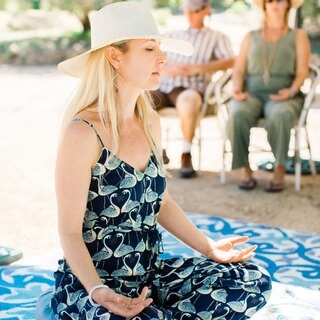
What does it mean to be soulful and what can we learn from African diaspora and African culture to build more soulfulness into our lives?
That's what I'm going to explore today with Dr.
Shelly Harrell on Your Life in Process.
Welcome back to this very special Juneteenth episode of Your Life in Process and I'm excited to have Dr.
Shelly Harrell on the show today.
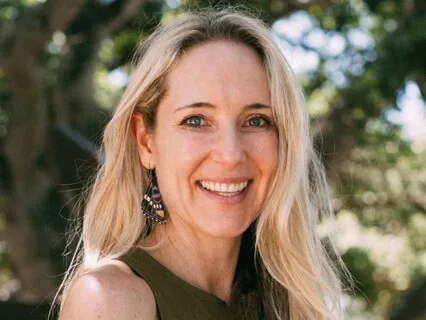
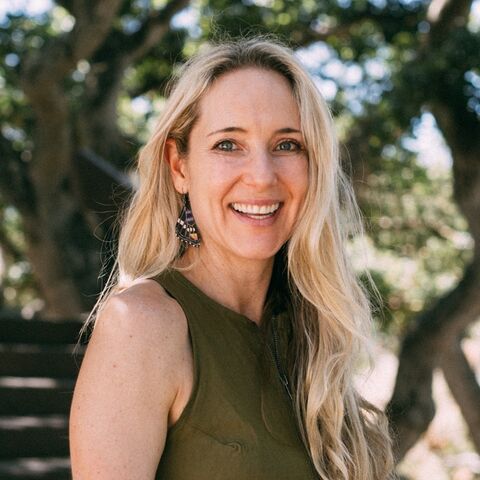
She is an award-winning Harvard-educated and UCLA-trained psychologist as well as a certified meditation teacher.
She's a professor at Pepperdine University's Graduate School of Education in Psychology and experienced psychotherapist and mentor for 30 years.
And she's a scholar and published author in the areas of culture and psychotherapy,
Sociocultural and sociopolitical aspects of stress,
Racism,
And mental health,
And psychological well-being among black,
Indigenous,
And people of color.
Her soulfulness approach to mind,
Body,
And contemplative practices is informed by cultural,
Religion-centered and liberation psychologies,
Resilience research,
And stress science.
So today we talk about what is soulfulness and how does it relate to mindfulness.
And at the end,
I ask some questions about cultural appropriation.
And on this Juneteenth holiday,
It's wonderful to celebrate some of the wisdom and well-being practices from African-centered psychology.
So enjoy this conversation with Dr.
Shelly Harrell.
What I observed about you in the talk that you gave,
So I was there a few minutes early and to one of the talks,
You gave a number of them,
But to one of the talks and you played music before the talk and then even during the talk.
And if you actually even have,
I have a little video of you where you are rocking it out,
Foot is tapping,
Getting into your body and into the moment before giving a talk.
And it's not the typical thing you see from a professor that's about to give a talk.
So soulfulness,
That's what we're going to talk about today and your work around soulfulness.
I'm excited to talk about it.
Me too.
And thank you.
Thank you,
Diana,
For having me.
You started with music and music for me is my path to soulful experiencing,
To soulfulness.
Music is everything.
So music just,
It expresses,
It touches the soul.
There's just a deep connectivity that's available to us through music.
We feel music in our soul.
It connects us across time and place.
There's this resonance,
This affirmation of someone else has been through what I've been through or has experienced what I've experienced.
This is so much about depth of experience and music,
It's healing,
It's transformative.
It again brings us into that interconnected presence and it just communicates wisdom.
It communicates ancestral experience.
So music is everything.
So yeah,
I play music.
I'm a professor in my day job and I play music in class.
I play music when I present at formal conferences.
It's just,
Yeah,
It's everything.
Yeah.
You played music for us and got us all up and dancing within the first five minutes,
I think,
Of your talk and hopefully feeling too.
You played Superbad by James Brown and then you broke down the lyrics of Superbad and made them all connected to this concept of soulfulness and mindfulness that you are hearing in this very famous and very soulful song.
It's the lyrics and it's the rhythm and it's the history that's there and the meaning.
I'd love for us to talk about what you mean by soul and soulfulness.
So soulfulness is really this doorway into interconnected presence,
Into interconnected loving presence.
So soulfulness and mindfulness are just interconnected experiences.
How I came to soulfulness was actually through mindfulness practice and the early courses I went to,
Mindfulness courses I went to,
Sometimes didn't land for me.
I was drawn to mindfulness as part of a contemplative mind-body reflective practice that just has been part of who I am forever and then learned about mindfulness.
And so I began taking classes,
Going to retreats.
And there was a missing somewhere,
Although the practice felt good,
There was also the observation that there weren't many people that look like me,
There were too many black folks in many of these spaces.
And so the professor brain was like,
Well,
What's going on here?
Why is this happening?
Because that space of interconnected loving presence that I feel is,
Of course,
Core to mindfulness practice,
That exists in cultures throughout the world,
This value on interconnectedness and connection.
Actually,
What I felt in some of the courses,
Workshops,
Retreats I would go to is sometimes almost an emphasis on detachment,
Which I understand in the bigger context,
But I think in an individualistic cultural frame,
Detachment gets more play,
So to speak,
Than interconnectedness.
And ultimately,
At least as I understand,
Detachment from that separate self is really the path to ultimate interconnectedness.
So the value is really around interconnectedness.
I think about Thich Nhat Hanh's interbeing,
Right?
And so,
But again,
When I would go to learn mindfulness in these predominantly white US-based spaces,
That got lost a little bit.
Right.
Who's interpreting the teachings,
Right?
So if you,
At least in my experience of being in Plum Village or being with the monastics,
It's a very different teaching of mindfulness there than the teaching that I may get in a workshop at a therapist conference on mindfulness.
And you're right.
It's almost like it's been stripped of some soul.
And it's been the interconnectedness or the interdependence component,
Because it's viewed through this dominant individualistic worldview,
Which often doesn't see those.
It's not part of the worldview.
Yeah,
And you were feeling that.
So that was my path.
That was my path,
Was saying,
How can this powerful,
Amazing practice speak more,
Resonate more with me and with the people that I serve?
I read about heartfulness and bodyfulness,
And this notion of soulfulness just came to me one day.
And I was like,
That's it.
That's the doorway.
And obviously,
All of these are connected,
Bodyfulness,
Heartfulness are all part of the mindfulness family,
So to speak.
And so to me,
Soulfulness was the missing piece,
This sense of deep interconnected presence in our aliveness.
What is soul?
To kind of put that out there,
There's the theological writings from particular religious traditions about soul,
And that's not what I'm talking about.
I'm looking at soul as an experience,
As a process.
And I did a deep dive into psychological literature,
Spiritual literature,
Cultural literature,
And found there were many convergences in talking about the experience of soul.
And probably central in those convergences is this sense of depth,
Right?
This sense of depth,
The deep experience and deep connectivity,
Feeling this deep inner aliveness,
Realness,
Authenticity,
What's really going on?
This notion of feeling something in your soul,
And I don't think about soul as a place,
Like in your soul,
But there's this location of depth.
It's a resource.
Soul is a resource we go to,
We can go to,
To check in for,
What am I really feeling?
And just the use of soul and soulmate connotates a deep connection with another person.
My husband's nickname for me is Sol.
He calls me Sol,
And it's both from the Spanish word Sol,
S-O-L,
Which means son.
S-O-L,
Son.
Yeah.
Son.
And then from the word soul.
You know,
When you have a nickname with your partner,
That actually becomes your name.
So he calls me Sol.
And it makes me think of,
I remember Thich Nhat Hanh talking about in the Vietnamese tradition,
The word in Vietnamese for your partner is home.
So you'll say things like,
My home went to the store,
Or my home's at work right now,
Or what is your homecoming home?
And there is that.
It's both soulmate,
Our souls that are interconnected souls,
And then our souls within ourselves.
And you've used a lot of,
You mentioned you studied both the sort of academic study,
But also the cultural study.
You've traveled to Africa and to different communities and cultures to learn about soul.
And you did a sabbatical?
Is that?
Yeah.
My goal of my sabbatical was really to explore from an African-centered context,
This experience of meditation,
Mind-body practice,
Healing practices that integrate that mind-body-spirit experience,
And what are the different technologies,
So to speak,
That help us hear the whisperings of the soul?
Hear the whisperings of soul within us in an African diasporic context.
So where African-descended people are located throughout the world,
I'm clearly born and raised in the United States,
So an African-American diasporic experience also informed.
And I'll come back to the sabbatical,
But also informed this idea of soulfulness.
I was born and raised in Detroit,
Michigan in the 60s.
So Motown and soul music was all around me and just infused into my being.
And those concepts of soul food from African-American culture,
From soul brother,
Soul sister,
Soul power,
So this connection to soul was very,
Very deep for me.
And so that began to connect for me as I explored what is drawing me so much to this idea of soulfulness before I started doing research,
My own personal experience of what soul means.
How culture is often our entry point into experiencing.
So things that resonate at that level of culture are ways of being,
Belonging,
Becoming,
Bonding,
Behaving,
Et cetera.
So culture so much defines both our inner experience and shapes our inner experience and what resonates,
How we connect.
So think about certainly there are universal and human experience.
There's that level of experience that transcends culture.
But how do we access that transcendent experience,
That transcendent universal human experience?
The place that you're going may be universal,
But the way to get there may be different for different folks.
Yeah,
Absolutely.
Soulfulness was one route it sounds like for you that made it like,
Oh,
This is a pathway.
This is part of the pathway.
Yes.
Yes.
Yeah.
Absolutely.
Absolutely.
So the sabbatical was really trying to take a deeper dive into an African-centered view of that pathway,
Of that pathway to interconnected presence.
That pathway to healing,
That pathway to our healing,
Which is really that pathway to our liberation,
To our freedom.
And so I traveled to Ghana,
Senegal.
I also traveled to Cuba where there's a strong African retention and presence in Cuba.
Of course,
With the Middle Passage,
The people of African descent who were trafficked into enslavement during the Middle Passage were taken to particular places.
The United States was a big purchaser of human beings and Caribbean and South America,
Brazil in particular.
And so there are places where the retention of African culture is very,
Very strong.
And so just traveled Costa Rica where we met as well,
And just also studying others' work who have grounded in African culture in this mind,
Body,
Soul,
Wellness community.
In particular,
Afro Flow Yoga.
I began to study with Leslie,
Leslie Salmon Jones and Jeff Jones who have beautiful practice that integrates music,
Live music,
African cultural context,
Yoga,
Meditations,
Just beautiful,
Beautiful practice.
And so just beginning to connect with others who were looking and exploring and creating African-centered ways of healing that incorporated both indigenous and diasporic African traditions.
Let's talk more.
If you'd be willing to talk more about some of those teachings that,
I mean,
These are words that I hadn't heard before,
Practices that I hadn't heard before.
And then as you also mentioned,
Like sort of the universality,
Right,
Of using symbols or of using movement or of using concentration practices or community or ancestry to access that soulfulness or liberation or freedom from suffering.
So some of the teachings that you shared with us were experiences that you studied,
And it sounds like you're incorporating into your work with people,
Into your programming.
Is that correct?
Absolutely,
Absolutely.
My center is African origin work,
African diasporic work.
And what I found is,
You know,
There are ways that that speaks,
You know,
Across cultures.
It speaks to many different people.
But my goal was to really center speaking to people who are Black or of African descent.
And you know,
What ways of orienting to these mind,
Body,
Soul contemplative practices might most resonate?
One of the centers of the work is the experience of connection and interconnectedness.
And I talk about the South African Zulu concept of Ubuntu,
Which is really worldview,
A way of life that's common across the African continent,
African diaspora.
And it's about our interconnected humanity,
This idea that I am because we are.
It suggests an extended self,
An interdependent self.
That self is not physically bound.
There's a deep sense of that interdependence,
Interrelatedness,
That includes ancestors and descendants,
Right?
So one of the practices that we did on the retreat,
Again,
Where you and I met,
An adaptation of meta,
Right,
This ancestor meta practice.
And you know,
One of the ways that sometimes it's traditionally taught is to do an application of the metaphrases that focuses on self-compassion,
Right?
So replacing may you be safe with may I be safe.
And I don't know,
In a collectivist cultural context,
That may I be,
May I be,
May I be,
You know,
It just didn't,
I think,
Resonate or land in the most powerful way.
And so the pathway into a sense of what we might label self-compassion is through or can be through the phrases being spoken to us from our ancestors,
Right,
Spoken to us in the voices of our ancestors.
So may you be safe from the voices of our ancestors.
May you be in peace from the voices of our ancestors.
May you be well,
Right?
It really affirms that interconnectedness and,
I think,
Generates a sense of self-compassion,
Right,
This sense of being cared for,
This sense of being held,
This sense of also then I can carry that with me,
Right,
This intention,
This desire for my own safety,
Wellness,
Peace,
Happiness,
Freedom,
Right?
So that is how I,
You know,
Do self-compassion.
I sometimes have spoken on all the self-compassion direction.
It can get a little off-putting,
And I actually have been a little off-put myself by it.
And then I'm also coming out with a self-compassion journal.
And the whole thing is,
Like you're saying,
The whole thing is the flow of compassion.
It is the receiving and the giving that is the flow that we experience compassion together,
As opposed to the sort of worldview where it becomes about me.
What is the function of that?
May I be safe so that I feel good?
But then what about,
You know,
All this?
It's such a powerful practice,
That ancestor practice.
And it reminds me,
Jai Uttal,
Who was,
He was actually there.
He's a kirtan chanter,
Singer.
And he sings the 23rd Psalm,
And that whole,
You know,
Walking through the valley of death,
And I know that you're with me.
That is very much that feeling of that you're not alone when I did that practice.
And that additional piece,
Not only am I not alone,
But I carry my ancestors within me,
Right?
So it becomes not a separate process.
But this voice is within me.
The voice of my ancestors is within me.
And their sacrifice,
Right,
And their love for me,
Right,
Is carried within me.
Their compassion for me is carried within me.
So therefore,
I carry it for myself to honor them,
Right?
I honor my ancestors by caring for my own well-being,
Right?
So there's,
You know,
Both the sense of being held and cared for,
And this process of understanding that extended self,
Who we carry with us as part of us,
As part of who we are.
Beautiful.
Another practice that you talked about was the South African greeting of sawubona.
Sawubona.
Sawubona.
Will you say it so I?
Sawubona.
Sawubona.
Sawubona,
Which is another extended self practice.
How may you use that with the groups that you're working with?
Right,
So sawubona is a South African greeting.
That means we see you,
Right?
Often translated as I see you.
I see you,
Right?
But it actually is we see you.
So this,
Again,
This emphasis on,
You know,
Each individual is not just an individual,
But a community of people and ancestors that are,
You know,
Kind of interacting with other people and ancestors and descendants,
Right,
When we come into contact with each other.
So,
You know,
An important piece of that sawubona greeting is communicating a deep seeing of you.
I see you,
Right?
I am witnessing your presence.
I'm witnessing your life.
I'm witnessing your vulnerabilities,
Your victories,
Your tears,
Your triumphs.
I am seeing you beyond appearance,
Right?
Beyond appearance.
So,
You know,
There's a phrase in an African-American context,
You know,
I feel you,
Feel me,
Right?
And so that's encompassed as well in the sawubona greeting,
Right?
I feel you,
Right?
I'm feeling who you are and your ancestors and your community.
And my ancestors and my community and my family are greeting yours,
Right?
Your family,
Your ancestors.
So it's a collective we see you.
We really,
Really see you.
Which may feel safer in some contexts than others.
I mean,
Even as you're saying that,
I'm also recognizing me being,
As you're evoking ancestors,
Right?
Me being a white woman and I see you and my ancestors and the role that they played in harming.
And so there's also something,
I mean,
I'm curious about soulfulness.
It may sometimes feel intense.
And I feel you can also be,
This is difficult to feel.
Yeah,
That's right.
I see your pain,
Right?
I see your struggles.
I see your strength as well.
I see your resilience as well.
I see your humanness and your human journey.
I also see your risings.
So it's the willingness and not just the willingness,
But the desire to be fully present with another person and their lived experience,
Right?
And that can be intense,
As you said,
Right?
That can be intense.
And so the practice,
The Sawubona practice is also modeled after metapractice.
There's a series of phrases.
I see you.
I see you beyond the mask that you wear.
I see you.
I feel you.
So a series of phrases that can be communicated to and that energy of Sawubona sent to a loved one,
Sent to a family member,
A friend,
To a range of people.
And I am always careful of doing,
Of where and how I do Sawubona,
Right?
For the reasons,
Some of the reasons you mentioned,
Right?
So there may be some context where it's not the appropriate practice to use,
Right?
And so I tend to do Sawubona mostly in settings that are safe in a cultural,
Racial diversity context that may be homogeneous in terms of being Black or BIPOC.
You know,
I've certainly done it in larger context,
But the way that I facilitate it is going to take into account what you shared as well.
So taking these,
Both the larger context of an African-centered worldview,
That is not just collectivist,
But it's a communal worldview,
Right?
That really centers communalism and connection and interconnectedness.
Ubuntu is about the truth of our interconnectedness and living from that,
Using that as a moral compass.
You know,
That's kind of our ground is that we are connected.
We are interdependent.
And so many of the practices draw upon that interconnectedness,
That temporal interconnectedness,
Past,
Present,
Future,
That relational interconnectedness,
The interconnectedness of mind,
Body,
Heart,
Soul,
Right?
The inner interconnectedness,
Interconnectedness with nature.
You know,
Many African belief systems,
Spiritual belief systems,
Wisdom systems,
Integrate substantially,
Right,
Our relationship to the natural world.
Maladoma Somme's work from a dagra cosmology context,
Which is also West African,
And I'm going to head back to the Adinkra in a minute.
But,
You know,
Very much speaks to the healing that we,
In our relationship to nature.
So you mentioned Adinkra,
And that is about symbols.
And what I really appreciate about the Soul Sessions you are creating is that there's many different ways to access this,
And it doesn't always have to be verbal.
I lean too much on words and on talking about stuff.
And sometimes the feeling state is evoked through art,
Through music,
Through symbol.
And these are ancient symbols.
I mean,
These symbols have been used for so long as a way of communicating something that maybe can't be communicated as well through words.
Can you speak a little bit about the symbols?
Well,
Symbols carry energy and history,
Right?
They bring us home,
Right,
To where we've come from.
So there's a lot that is powerful about symbols.
They link us,
Again,
That temporal interconnectedness,
Past,
Present,
Future,
Across time and place.
Symbols inspire us,
What I'm valuing,
You know,
What I want to attain in some way.
The symbol system that I integrate a lot into my work is the adinkra,
Which is from the Akan people of Ghana,
West African context.
The adinkra are symbols that communicate wisdom,
Wisdom related to daily life,
To relationships,
Spirituality,
Philosophies of living,
Ways of values,
Ways of living.
You know,
And I think in,
You know,
Wisdom is healing.
You know,
Wisdom is healing that sense of deep knowing.
And again,
Getting back to soulfulness,
Right,
And the idea of soul,
Right?
So when we feel something in our soul,
When we're hearing those whisperings of our soul,
We can also think about that as wisdom,
Hearing our inner wisdom,
Hearing our inner knowing.
And so these symbols can connect us to our inner knowing.
So the adinkra are very,
Very powerful.
I have been really centering one adinkra in particular as a source of inspiration for a developing a psychology of connection,
Reconnection,
And interconnection,
Right?
So that is the symbol sankofa.
And sankofa actually has two symbols.
It's one of the more well-known of the adinkra,
And there's more than 100 adinkra symbols that are,
You know,
Available.
But sankofa is one of the more well-known,
And many of the adinkra are associated with African proverbs,
Right?
And sankofa is associated with the proverb,
We can always go back,
Right,
And retrieve what we may have lost or forgotten,
Right?
We can always go back and retrieve,
Right,
What we may have lost or forgotten.
And so this notion of these mind-body contemplative practices being a way to access what we may have lost or forgotten,
Right,
And that we can reconnect to that inner wisdom.
We can reconnect to our connectedness.
So soulfulness actually exists within this broader theory of sankofa.
We can reconnect to our experiencing when we get disconnected,
Right?
And so part of sankofa theory is that disconnection is at the root of our suffering,
Right?
Disconnection is at the root of oppression.
And so these healing strategies are all about coming back into connection,
Right?
All about creating and identifying healthy connection,
Healing connection,
Discerning unhealthy,
Damaging,
Right,
Connection.
But reconnecting to what might have been lost or forgotten or hidden or denied or stolen or attempted to be erased,
Right?
How can we reconnect at multiple levels internally,
Right?
How can we reconnect to culture,
To wisdom,
Right,
To community?
So soulfulness exists as a orientation within this larger theory of sankofa,
Which again is a psychology of reconnection,
Interconnection,
And connection.
And this core kind of path to liberation,
Which is the other way that soulfulness speaks to the experience of BIPOC and other marginalized populations that may not always feel included in,
And I don't want to say not included in mindfulness because it's not mindfulness,
It's not included in the way mindfulness is often taught,
Right?
So the emphasis on liberation is a big part of soulfulness.
And how oppression disconnects us from,
So I talk about these dynamics of disconnection,
Dehumanization,
Domination,
Division,
Delusion,
Et cetera,
Right?
And so oppression disconnects us.
And the path to liberation is reconnection,
Interconnection,
Connection.
So this interesting paradox of the path to freedom is through connection,
Right?
Because what oppression does is it shuts us off,
Right?
It shuts us off from ourselves,
From other people,
From our feelings,
From our humanity,
Right?
It destroys,
It erases,
Damages,
Hurts,
Right?
It's all about how we get separated from the truth of who we are and where we come from.
So a big piece of how I teach mindfulness from this soulfulness door,
Walking through this soulfulness door is the emphasis on liberation.
And certainly that's embedded in mindfulness anyway,
Right?
The whole point of mindfulness is liberation from suffering,
Right?
But again,
That piece is not blown up as much as I think it could be in many of the ways that mindfulness is taught.
So soulfulness is a path to liberation.
And as I was developing soulfulness,
I started reading a lot.
And Bell Hooks actually used the term soulfulness many,
Many years ago.
And when I reconnected with that,
I was like,
Oh yeah,
I'm on the right track now.
She's definitely one of my sheroes.
So I have a question around that.
Would you see mindfulness as what may help us see the disconnection is happening?
Like mindfulness of the disconnection and then soulfulness is the path to reconnecting?
Is that one?
Well,
One path.
So soulfulness is,
I think,
One path of reconnection and interconnection,
Right?
But absolutely,
Because the first step in this path of sankofa,
Right,
Is recognition.
Recognition that we are disconnected.
Recognition that something has been lost,
Right?
Something has been forgotten.
Maybe there's a glimpse of remembrance of something.
And oh,
Right?
So mindfulness helps us to recognize what's there.
And the more deeply we practice beginning to recognize what's just below the surface and then what's more deeply in there about the truth of who we are.
You know,
Our radiance,
Our interconnectedness.
And so,
Yes,
Mindfulness,
Again,
Through this door of soulfulness,
I think very much is so valuable in this sankofa process of retrieving what may have been lost or forgotten.
And I want to ask about what you're talking about in terms of these practices are designed for Black communities,
African-American communities.
And how,
You know,
As you're talking to me,
A white person,
You know,
White therapist,
I'm wondering,
You know,
Just always aware of and conscious of cultural appropriation and be like,
I'm going to go get myself some symbols from and the taking.
From a digress.
Yeah,
I'm going to go get some digress and like put them around my office.
And now this is so cool.
And say,
I feel you to everybody.
You know,
Like there is a danger in this,
Shelley,
As you know.
Yes,
There is.
It is a true thing that happens.
Would love some guidance from you around that as an academic and as a.
Yeah,
I have a whole thing I do on cultural appropriation,
Which,
You know,
I'll just summarize a couple of key points here.
So cultural appropriation is when we exploit,
Objectify,
Disrespect,
Dishonor,
And or take ownership of something that don't belong to us.
And so but cultural appropriation is not the same thing as,
You know,
True honoring of another culture.
Right.
We live in a full human community.
Right.
And I think we're all these cultures are different expressions of being human.
And,
You know,
I think they're beautiful.
You know,
I certainly resonate with cultural expressions outside of the African diaspora.
Right.
And so I don't think that,
You know,
Connecting to diverse cultural expressions is a problem in and of itself.
If anything,
It's a way of illuminating and honoring,
Right,
The human experience and in all of the ways that it expresses itself.
And so I think that can be beautiful.
And it can also be enriching and expand our field of awareness out of this kind of ego centered,
You know,
Group centered way of being from that tunnel vision.
At the same time,
When that is combined or where values of acquisition,
Greed,
Domination,
Ownership,
And these dynamics of objectification and exploiting for one's own ego or benefit or financial gain,
That's when we have the problem.
Right.
So,
You know,
There's,
I think,
A series of questions that,
You know,
When we become,
You know,
Kind of drawn deeply to another culture,
There's a series of questions that I think we should engage,
You know,
Engage in around kind of,
You know,
What's up with that for me?
Like,
Where is that coming from for me?
How am I demonstrating honoring and respecting the origins,
Right?
And there's also,
You know,
Just these amazing convergences.
Obviously,
Interconnectedness is,
You know,
Shows up in many diverse Indigenous traditions,
Right,
And clearly is embedded in mindfulness as well,
Right?
And so,
Yeah,
There's just,
You know,
Ways of kind of connecting to diverse cultural traditions that are,
I think,
Enriching and valuable and enhance our whole,
You know,
Our whole human community collectively.
But the dangers are problematic.
And so,
I think,
You know,
We all need to tread very carefully and err on the side of,
You know,
Just care for,
You know,
What we are maybe becoming drawn to in another cultural context.
But I could go on and on and on and on and on.
That's very helpful.
It's very helpful.
And yeah,
And maybe I'm showing some of my own white fragility around that.
But I also feel it's helpful that how to appreciate and say,
This is a beautiful thing that I'm appreciating.
And I'm also giving credit to the culture where it came from,
As opposed to just taking it and adopting it.
And I would,
You know,
I would also make some of the,
A little bit of an argument of mindfulness has its roots in a lot of Asian cultures,
That Indian culture,
That Westernized sort of mindfulness comes and,
You know,
Make mindfulness as it.
Make mindfulness,
Right?
We've commercialized it.
We've made it little packets of apps and whatnot.
So,
I was actually just talking to Shantan Seth,
Who was visiting from India,
And he's one of the folks that was very close with Abhijit Nathan.
And he was talking just a lot about all these aspects of mindfulness that have been lost in the mindfulness movement.
But that he was also like,
And I'm glad there is this in the West,
You know.
And when we get deep into,
And I'm,
You know,
I do not consider myself an expert,
Right?
But the depths even that I've gone to,
To understand mindfulness,
You know,
Some of those depths then really actually have connections,
You know,
With diverse Indigenous traditions around concepts like interconnectedness.
The other thing I actually wanted to say about cultural appropriation is this dynamic of fetishizing,
Right,
Of,
You know,
It's a version of objectifying where,
You know,
Just getting enamored with,
You know,
How fascinating,
Exotic,
You know,
Something is.
And that just feels creepy,
To be honest.
You know,
It just,
The hairs on the back of my head stand up when I get that feeling of,
You know,
Almost too into it.
Like,
What's that about?
You know,
What's that about?
And so I think,
Yes,
We want to honor and respect and celebrate.
And,
You know,
Of course,
I want,
I think,
Particularly with African cultural contexts,
Very,
Very dehumanized,
Right?
All of that history of communicating that Africans are primitive and,
You know,
Animalistic and this and that and all of that stuff.
And so I want very much for African culture to be,
You know,
Seen in its beauty,
Right?
In its tremendous wisdom,
Right?
In the history of its greatness,
Right?
And how that is moving forward.
And yet,
Right,
I get that creepy hair on the back of my head and that stand up when there's a sense of almost this too much of so beautiful,
So amazing.
So it's like,
Okay,
Chill,
Right?
What is that about?
What are you maybe not allowing yourself to acknowledge that exists within you,
Right?
And how is that dehumanization or how is that fetish,
Yeah,
That word,
You know,
How is that actually a way of being separated,
Of disconnecting,
Of looking at something as a museum object,
Looking at people as a museum object?
When you travel and you see Americans wanting to go take pictures of children that are in other countries,
I want to capture this image of what this child looks like because they look different than children where,
You know,
In my community,
Maybe different clothes or different.
And it's like,
Wait a minute,
Did that child give you permission to take their picture as a souvenir?
When did this become a souvenir?
And that word you just said,
Diana,
Permission.
Permission is critical,
Right?
Who gives you,
Who is giving you permission,
Right?
So yes,
Yes,
These are huge,
Huge issues.
So I offer soulfulness from an African-centered tradition,
Worldview,
You know,
Way of entry,
But,
You know,
It's available to anyone who resonates,
Right,
With this way of coming into interconnected presence.
So,
You know,
All interventions,
You know,
If we think just in psychotherapy,
They're all culturally grounded.
We just don't name it,
Right?
But we say this is universal.
We can use DBT,
CBT,
And all the other acronym therapies.
There's been,
You know,
Randomized clinical trials,
And so we can use them with everybody and anybody that they're just,
You know,
They work,
Right?
But what we don't acknowledge is that all of those come from some cultural tradition,
Right?
And there's just the assumption that that's universal.
Like,
Okay,
Well,
If,
But if we name the cultural traditions that these interventions come from,
Then do we say they're only for people from that cultural tradition?
No,
Right?
Now,
I think there's a,
That's a whole can of worms there.
But it's a good can of worms that mindfulness is helpful for too,
Like to look at,
To be able to see the worldview from which this intervention has been developed and how that worldview or that culture influenced that.
You know,
I always like to give a little takeaway.
You know,
What is the takeaway?
What is the gift?
I mean,
You've given us the gift of this hour together.
And if you were to distill it down into maybe just one simple practice around soulfulness for our listeners,
What would you want to send us off with?
Just to explore that doorway of soulfulness into this space of an interconnected loving presence.
You know,
Just that invitation,
Just that invitation.
Thank you very much.
Dr.
Shelley Harrell,
I will put all of your information,
Places to connect with you and learn more about you in the show notes.
And I hope to see you again somewhere fun,
Maybe Costa Rica.
Thank you.
Yeah,
This is a great,
Great conversation.
So thank you very much.
All right.
So soulfulness,
What helps you feel soulful in your life?
And for many of us,
It may be a connection to our ancestors.
It may be a connection to body-based practices like yoga or dance or music.
And Dr.
Shelley Harrell talked about some of the African-centered soulful practices for your daily practice.
I encourage you just to explore that question.
What does it mean to you to be soulful?
And how can you bring more soulfulness into your daily life?
When do you feel most soulful,
Connected to that deep inner knowing and wisdom interconnection with others?
And how can you start to grow that,
Do more of the things that are soul-building for you?
And you may consider trying out an ancestor meta meditation.
You can use the lines that we use for meta,
Things like,
May you be well,
May you feel peace,
May you experience ease,
May you be healthy.
And imagine that it is your ancestors that are saying them to you.
You can even imagine your ancestors circling you as you sit in meditation or lie down in your bed.
And they are offering you these beautiful blessings based on their wisdom and strength and knowledge and what they see in you in terms of your wisdom and strength and knowledge.
All right.
Enjoy your week and happy Juneteenth.
Thank you so much for listening to this episode of Your Life in Process.
When you enter Your Life in Process,
When you become psychologically flexible,
You become free.
Please join me as a member at yourlifeprocess.
Com.
And if you like this episode or think it would be helpful to somebody,
Please leave a review over at podchaser.
Com or call me at 805-457-2776.
Email me at podcast at yourlifeprocess.
Com.
I want to thank my team,
Craig,
Ashley Hyatt,
Elaine Shmelkin,
And thank you to Ben Gold at Bell and Branch for his original music.
This podcast is for informational and entertainment purposes only,
And it's not meant to be a substitute for mental health treatment.