Welcome to the Happiness Podcast,
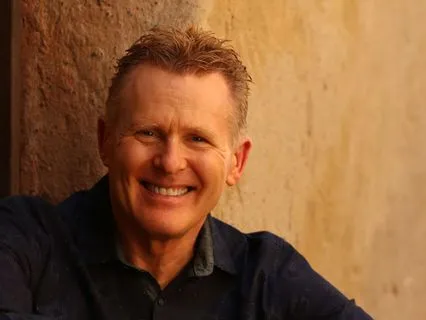
I'm Dr.
Robert Puff.
How many times in a month,
A week,
Or even a day is someone incredibly rude and offensive to you?
We've all been there,
A cutting remark,
An unfair accusation,
Or a moment where you felt someone intentionally hurt you.
I was driving a couple of days ago with my daughter on a fairly busy four lane street.
There weren't any lights,
But there were businesses with driveways that people had to come in and out of.
And sometimes when they entered the street,
They had to cross it because they were going the opposite direction on the side they were on.
But we were driving along about 35 miles per hour,
And that was the legal speed limit.
And the man decided he was going to cross in front of us to get on the opposite side of the street.
He wasn't doing anything wrong,
But what he didn't do is he didn't cross the street.
I think he got afraid,
Seeing the cars coming from the other way,
Even though there was a center divider he could have pulled into,
And he stopped right in the middle of a very busy street with lots of cars coming at him.
Well,
I was the first car in this cavalcade of cars coming at him,
And I stopped in ample time,
But I think it scared him because he got so mad.
My windows were up,
I'm glad to say,
So I couldn't hear what he was saying,
But clearly he was infuriated at me.
I do think I scared him,
Well,
We all scared him because a whole lot of cars were coming right at him,
And I'm pretty sure he wasn't following road etiquette when he pulled out on a very busy street and decided to stop in the middle of the street as cars are coming at him 35 miles per hour.
And instead of just telling me off and moving on,
He actually sat there for about a minute before he moved on,
And the whole time he was scowling at me.
And the line behind me was getting pretty long because we all had to wait for him as he was venting his anger at me.
Now what would you do in this situation?
I mean,
Would you lay on the horn?
Would you maybe open up your window and start screaming back at him?
Because you had the right of way,
And he had broken the rules.
Plus he was being incredibly rude.
I remember one time when I had first moved out to the East Coast,
And I was driving to visit Manhattan,
And there was a tunnel to go through,
And you had to pay a toll in order to enter the tunnel.
Well,
A car and a taxi were vying for the same place to enter the tunnel,
And they got so mad at each other because they both thought they were right,
They actually got out of their cars and started having a fist fight.
That one surprised me.
Well,
With this guy who was holding up an entire road just so he could scowl at me and get really angry at me,
I just sat there,
Waited till he moved on,
And then I moved on.
And this is what I want to talk about today.
And it's a complicated one because I need your response is when someone is hurting us,
Doing something rude to us,
Whatever it is,
Our response is to want to hurt them back.
But today I want to talk about how this isn't a good response and comes with a lot of consequences.
Our focus shouldn't be on their actions,
But on our reactions.
While their actions might be excused by circumstances,
For example,
I probably scared that guy who was so angry at me.
But when we choose to retaliate,
This is where we are actually trying to hurt them.
And that's cruel.
It's unkind.
And though we may feel at the time that it's excusable because of what they are doing to us right now,
In truth,
When the dust settles,
We're going to look at ourselves.
And sometimes this justified cycle of hurting them back actually hurts us even more.
We're going to discuss three different areas today.
The three lenses of interpretation,
The self-hatred paradox,
And the better way forward.
My hope is if you stick with me,
That you,
After listening to this talk,
Will take a different approach when people are being hurtful towards you.
And you won't feel that people are taking advantage of you.
You realize that you're taking control of your own heart.
So let's begin by looking at the three lenses of interpretation.
Let's now consider the root cause of other people's behavior,
Which can shift us,
The listener,
From victim to observer.
Lens one,
The misunderstanding.
Often pain caused by others to us is unintentional.
Their words or actions may have been clumsy,
Poorly delivered,
Or misinterpreted through our own emotional filter.
However,
The person who's hurting us right now isn't really just evil.
They're just often poor communicators.
Let's say we haven't seen someone in a while and they say,
Oh,
You look different.
Maybe in their mind,
They're thinking,
You know,
You've aged pretty well for someone I haven't seen in a while.
I wish I was more like you.
But instead they say that.
I know this isn't always the case,
But many times it is.
We just misinterpret what other people say or their communication skills aren't as good as ours.
And then we take what they say and perhaps misinterpret it or get hurt by it.
I've been working with couples for decades now.
And that is one of the things I really have to help couples do is not misinterpret what the other person is saying or doing.
And texting these days can exponentially grow the misunderstandings because you can't hear the tone or the affect that's going along with what's being written to you.
You just read the words and that can turn into a lot of misunderstandings where it was a very innocent,
Very even kind comment or question gets interpreted as you're so mean.
Why did you say that?
You didn't say that,
But that's how it's perceived.
It was just a misunderstanding.
The second lens in which we can reinterpret other people's behavior that causes suffering is the bad day or internal pain lens.
This is based on the model that hurt people hurt people.
They're leaking their internal pain,
Whether it be stress,
Fear,
Burnout onto you,
Even though it has nothing to do with you.
As we all do,
Some people go through times where they're really struggling and you're just the closest target.
Their actions are about their pain,
Not your value.
This one can be really helpful when we understand this clearly,
Particularly when we know,
I'm pretty sure I didn't do anything wrong here.
I sure didn't mean to,
And yet we have someone really angry at us.
Many years ago,
When I was single,
I had a girlfriend who I was out on a date with.
We're having a really nice time and she just stood up and said,
You're so mean and left the restaurant.
And she wouldn't talk to me for a couple of days.
So I had no idea what had happened,
But when we started talking again,
She said,
Well,
I thought you were thinking something and it made me really mad.
I also knew though,
At that time,
Her father was going through a very serious medical condition and he might've even died from it.
So she was very upset and worried about that.
People do this in life.
When they're in pain,
They may lash out on the people around them.
Often those who are closest to them.
And then the third lens we can look at other people's misbehavior is the genuine anger malice lens.
We have to acknowledge that sometimes,
Yes,
Other people do intend to hurt us.
Sometimes people are truly acting out of meanness,
Malice,
Or destructive anger,
But regardless out of which of these three lenses,
People are being unkind to us.
The only thing we have control over is what we do next.
This is the most critical segment of our talk today,
Because we're going to look at the logical flaws and self-destructive nature of fighting back.
When we react by trying to hurt them back,
Our actions are deliberate,
Calculated,
And aimed at inflicting pain.
This intention,
This action removes all possibility of excuse.
In the previous section,
We talked about lens one or two,
The misunderstanding and the bad day internal pain,
Ways of explaining other people's behavior.
But our reaction now has none of these.
And this creates a paradox,
A self-hatred paradox.
If we genuinely hate the person for being cruel,
Unkind,
Or unfair,
And then we act with the purpose of being cruel,
Unkind,
And unfair,
Then we're committing the very action we judge and despise in others.
And here's a logical conclusion of our behavior.
By choosing retaliation,
We logically become someone who's unkind,
Cruel,
And therefore we must hate ourselves for the same actions we hate in the other person.
We become the villain in our own story.
And there's a very high emotional cost to these types of choices.
Hurting back doesn't solve the issue.
It just adds a second layer of bitterness and guilt to that situation,
Robbing us of our inner peace.
And that self-loathing creates a vicious cycle of doing the behavior because we hate who we are,
And we reinforce it by hating ourselves.
So then we continue to do it,
Even though we hate ourselves for doing it.
If you don't believe me,
Think of someone that you know or have known in your life that is truly a cruel person to other people.
Ask yourself this,
Are they happy people?
Absolutely,
Positively not.
Maybe they have toys,
Maybe they have power,
But they're not going to have happiness.
And if this isn't enough reason to choose the path of kindness we're going to talk about next,
I want to talk about one last consequence of choosing the path of retaliation when someone hurts us.
Retaliation is a learned reaction that we give permission to.
We say,
It's okay for me to retaliate against someone who's being cruel to me or even cruel to my family.
After all,
An eye for an eye is a fair way of living life.
If they hurt me or my family,
I'm going to hurt them.
The real danger with this approach to life is sooner or later,
The people that we love,
We're going to have one of the first two lenses happen with them.
There'll be a misunderstanding or they'll just be having a bad day.
Now when we lash out at a stranger,
We may not care.
I'll never see them again.
I don't care what happens to them.
I hope their lives suck.
But the people that we care for,
That we love in our lives,
They too,
Periodically will mess up.
Often,
It's just a misunderstanding or they're just having a rough day.
But if we retaliate with cruelty,
We are going to have very severed relationships with people that mean the world to us.
It's just inevitable.
Everyone messes up sometime.
But actively choosing to be cruel or unkind when someone seems to be unkind and cruel to us is a very sad journey through life.
When I experience someone being unkind to me,
Often my heart is sad for them because I know what they're doing to me as a stranger,
They will be doing to their own family that they love.
And that's a sad journey through life.
So that's why I try to teach things like this on the Happiness Podcast,
Because we do have another choice.
And let's talk about that next.
This is about the power of choosing calm.
There are so many benefits from restraint,
But how do we do this?
The first thing we do is what is called the pause.
The single most important action is creating a micropause between the stimulus,
Their action,
And your response.
Don't speak immediately.
Perhaps take a deep breath,
Count to five,
And remind yourself,
This is not my battle to escalate.
There's a better way,
Letting it go.
Letting it go is not a weakness.
It's actually one of the hardest things to do because it's an act of strength and superior self-control.
It's about refusing to allow their bad energy to pollute our emotional state.
Staying calm is as a weapon of peace.
When we respond with calm,
We deprive their anger to fuel its needs,
Often neutralizing the entire confrontation.
I help people in my practice as a clinical psychologist all day long by just staying calm when they're feeling upset,
Angry,
Fretful.
My calmness permeates into their lives and they can now slow down and take deep breaths themselves and feel better.
And this works with strangers or friends too when we're out there living our lives and the perceived enemy is attacking.
This approach has so many benefits to it.
And perhaps the greatest of all is self-respect.
We're able to walk away from situations knowing our actions were defined by our own values of kindness and peace and not being dictated or shaped by their poor behavior.
This is the ultimate form of self-respect and emotional maturity.
The people in history that we admire and love the most lived this way.
What if we did the same?
Then that respect would begin to fall on our shoulders and we would find that life is a instead of react with cruelty.
Ultimately,
We're only responsible for the person we choose to be in the conflict.
If we pause and commit to walking away with dignity instead of seeking revenge,
I think we'll find that someone else's storm right now doesn't determine our weather.
We choose calm,
We choose kindness,
And we choose ourselves.
Thank you for joining me on the Happiness Podcast.
Until next time,
Accept what is,
Love what is.