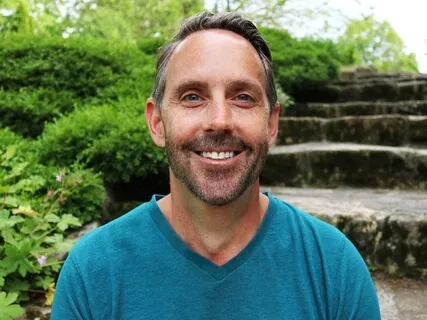
Welcome to Life,
Lessons and Laughter with your host Glenn Ambrose.
Hello,
Welcome to Life,
Lessons and Laughter.
Pause.
Try to bring back the Ambrose pause?
No,
I am not.
I'm going to jump right into it.
That was a hundred episodes ago.
No one knows what we're talking about anymore.
I hope they don't because that went on way too long.
So let's get right into it.
Others' reactions to our growth.
So one of my listeners recommended that we discuss this.
And I think,
You know,
I probably touched on it before,
But I want to go deeply into it.
And actually I was talking with another client of mine on the way here and this was something that came up as well.
So it just dawned on me that yes,
This is the right topic for today because it's coming up.
So basically what this is about is that when we do work on ourselves and grow as a person,
You know,
How we interact with other people changes and we become better versions of ourselves.
And of course,
Since that is a good thing,
We expect everybody around us to be happy for us and those who love us to embrace it and it to be this wonderful thing.
You know,
And oftentimes it's not like that.
It's people will,
You know,
It's a lot of it is unconscious,
Really.
It's not that they're consciously trying to drag us down.
It's just that we basically are the director and the main actor in our own play.
So,
And we assign everybody else roles like unconsciously.
We're just like,
Oh,
This is the,
When I see this person,
We kind of expect them to behave in a certain way just because that's how they usually behave.
You know,
And some people are more difficult and some people are nicer and some people are,
You know,
It's just a myriad of different ways people react and we kind of get used to it.
And just like most things in life,
We derive a sense of safety out of knowing what to expect,
You know,
Our false sense of control.
So,
You know,
We just kind of know what to expect and all of a sudden this person starts acting differently.
And a lot of times it can happen where like,
Let's say one person in the family is,
I'll just go to a family dynamic,
One person is the smart one and the successful one,
You know,
And they do the right thing and then one's,
The other one's the troublemaker and always in trouble.
And then all of a sudden the troublemaker,
You know,
Experiences enough pain and starts waking up and starts changing themselves.
All of a sudden,
You know,
All of a sudden the roles start shifting a little bit.
And the one that's right all the time is like,
Wait a minute,
I'm supposed to be telling you what to do.
You know,
Who are you?
You think you've figured everything out all of a sudden.
It's like,
You know,
You've been a pain in the ass since you were 12.
Now all of a sudden you think you know the secrets to the universe,
You know.
And it's like,
So there can be some difficult transition there,
You know.
And so that's basically what we're looking at.
Or they just don't believe you.
Absolutely.
And that's,
Oh yeah,
Glenn.
Oh yeah.
Yeah.
Yeah.
Oh,
Okay.
We'll see where you are in six months,
Bud.
Yeah.
You know,
And know what's funny is the first,
I came in through the doors of addiction,
You know,
And they talk about this a lot in,
You know,
Recovery work.
So how people,
It's very common.
I mean,
Back in,
I think it was 1939 when they wrote the big book of Alcoholics Anonymous,
They talked about this,
About how,
You know,
Everybody thinks they want the alcoholic to stop drinking until they do.
Then all of a sudden they stop drinking and they find out they're a big pain in the ass without the bottle.
And I mean,
I've seen this happen where people in their family actually tell them,
I'd rather have you start drinking again,
You know.
And I mean,
Granted,
Some of that can be because they might not have worked through recovery yet and they might be literally a pain in the ass,
You know.
You know,
They might just be dry drunks who are miserable all the time.
So sometimes it forces that.
But sometimes they run around in the house and they start telling everybody how they should be living,
You know.
And everybody's like,
Are you kidding me?
You've been the dysfunctional pain in the ass for all these years.
Now you're going to come in here and tell us what we should be doing?
So that dynamic,
This dynamic has gone on for years and years and years.
Which were you?
How did your,
I made the joke a minute ago,
But now that you brought it up,
How did your family,
Like how did people react when you went from being the screw up to,
You know,
That changed life?
I was very lucky in most cases.
I think most of my family and maybe even some of my friends had just kind of given up on me,
You know,
To the,
Not necessarily given up.
I wouldn't say that.
They had accepted that I was who I was because I didn't make a lot of excuses for my behavior.
I mean,
I just,
This is how I am.
You don't like it.
Too bad,
You know.
So I think people kind of accepted that with me.
And so then all of a sudden when I was behaving differently,
They were my biggest fans.
They were like,
Oh my God,
Wonderful.
We don't care what was wrong with you.
If this was it.
If you're just not being a dysfunctional jackass,
Then we're a fan.
That was their main concern.
Are you okay?
Are you happy?
Are you not doing what you used to do?
Yes.
Okay,
Cool.
So they were big fans and I think,
Especially with my family,
Something that helped it is they didn't see me relapsing a bunch of times either.
Which I didn't relapse that many times,
But I did relapse a few times.
And I was in Florida when they were in Massachusetts,
So they weren't seeing me go through the struggle of trying to get sober.
Because that can have a difficult impact on families too.
When you're watching somebody go through that and you get hope and maybe they come to you and apologize and say,
Oh,
I'm sorry for being a jerk.
And then two weeks later they're acting like one again.
My family wasn't going through all that with me.
I was kind of distanced.
So they knew me as one way and then all of a sudden I show up another way and they're like,
Oh my God,
I don't know what the heck happened to this kid,
But let's just keep our fingers crossed that it sticks.
It must be hard to be that person that tries to go in and apologize for the way that things had been.
Because right now we're talking about an extreme change of going from the troublemakers,
The example that you used in the family dynamic,
To somebody who's improving their life.
Which is what this entire podcast is about,
This entire episode is about.
How people react to you when you're trying to improve your life.
So when you get to that step of owning what you had done before,
It's got to be really difficult if people shut you down on that.
Well,
I think that's why the 12-step program is laid out in specific order and stuff.
There's all steps.
You have to do stuff before that.
Yeah,
What step is asking for forgiveness?
Five.
Oh,
No,
No,
Nine.
Oh,
Okay,
So it's real late.
It's nine.
Yeah,
Five is talking to your sponsor.
But nine is that.
So there's all stuff,
And all the stuff you experience from one to eight prepares you for that.
So you're in the right frame of mind.
How long of a journey is that usually?
Oh my God.
I've never asked.
How long does it take to get through 12 steps?
That varies completely.
I've heard it said that one of the founders,
Dr.
Bob,
Used to take people through in five hours,
Like a shortened version.
He did that with thousands of people.
So I've heard extremes as much as quick as that.
My personal one,
Which went through,
I think maybe I like it because it's the way I did it.
For me,
It took about three months.
It was just bam,
Bam,
Bam,
Let's get through this,
Do it to the best of your ability.
That really worked well for me.
It didn't give me a lot of wiggle room to screw around.
The effects were profound.
I've taken people through,
And generally my process is more like six months.
I go through the first 164 of the big book,
And there is so much spiritual.
It's a spiritual text.
It's along the same lines as any other spiritual text.
If there's spiritual writings in there,
It's filled with messages,
And it's timeless.
So you give me a book like that and a captive audience,
Forget about it,
Man.
I am teaching all kinds of stuff as we go through.
So my process that I went through that took me three months takes about six months when I'm teaching it.
But I've also seen people take ten years.
I don't know that that's.
.
.
It varies.
But I was saying this,
We alluded to family and stuff in the beginning,
And my sister was really the good one in the family,
And I was the troublemaker.
I was very lucky because I haven't felt any of this dynamic with her.
I haven't felt her going,
Well,
Now who the hell does Glenn think he is?
I don't get that.
I never got that feeling from her.
I've never felt anything but support from her,
Which is really nice.
That's a really nice aspect.
But oftentimes it doesn't go like that.
And people aren't aware of why.
People have been talking about this forever.
Look at the prodigal son story.
The brother that was there doing all the right things all that time gets all pissed off because the prodigal son comes home and the father takes care of him.
So this story has been going on for a long time.
We have to be ready for it and we have to understand it.
And like most situations,
If we're looking at this,
No matter what the problem is and no matter what the dynamic of it is,
It's all symptoms.
People aren't feeling loved.
They're not feeling a part of.
They're not feeling a close connection.
And when they're not,
All these types of controversies can bubble up.
So what we need to do is with most situations,
When we're talking to people about this,
One,
We have to meet them where they are so they don't get defensive.
Because you walk up to somebody and be like,
Hey,
I'm wonderful now and you're jealous.
So I really want to come straighten you out and fix your way of thinking because it's all messed up and I'm wonderful.
That's probably not going to go over well.
That explains so many bad interactions.
Most interactions,
We need to let the other person feel at ease and not defensive and connect with them.
This happens with people that you're close to,
Friends and family and stuff.
So these are people that you love.
That's where we start.
Connect with people through the fact that we love them.
And then if we can manage this right,
Our relationship with that person is going to be better because we're more capable of being in a healthier relationship.
So this is a doorway to enhancing your relationship.
It's just like most things.
Sometimes before we find the progress,
We have to experience a little pain.
So when there's trouble in that relationship,
We can't look at it as,
Oh no,
The relationship's messed up.
Look at it as an opportunity.
Be like,
Okay,
Maybe we can work through some childhood stuff or maybe we can work through some issues here.
And when we do,
We're going to be closer than ever.
We're going to be able to connect and bond in a truer way.
That's where you think about demi-apples,
Ben.
What do you do when somebody's just really not accepting your growth?
Well,
You have to give them room.
And a lot of this is sometimes that's the best thing you can do.
Sometimes that's all it takes is room.
And that's why step nine is towards the end.
Because let's say it takes you a few months to get to step nine.
Well,
Then your behaviors are changing over a period of time.
If somebody puts down a drink or goes on a spiritual retreat or something and comes home and goes running in and going,
I found God,
Everything is wonderful,
I love you,
I just want to say sorry for everything that I did and I'm pure love and everything's wonderful.
People are going to be like,
Huh?
Come on,
Man,
You can't take that seriously.
That's a little much.
So you've got to see it the way they're seeing you.
Sometimes it's difficult when you first pop open because it's exciting.
In sales and marketing,
They teach you the best advertising is word of mouth advertising.
If somebody sees a good movie,
They're going to want to tell ten people that they saw this movie and tell them about it.
Well,
What do you think it's going to be like when somebody finds the key to life?
When somebody finds happiness that they didn't even know existed,
When peace and love is just filling them up like they didn't even know was possible.
It's better than a frickin' movie.
So they're going to want to spread that like wildfire as much as they can,
Especially to people they love,
And it can be really overpowering.
I think,
Well,
I'm almost positive that there were some conversations with my parents early on where they were just going,
Holy crap.
This dude has just been talking for an hour and a half about stuff that I have no idea what he's talking about.
But he seems excited,
So we'll just let him go because it's better than the old Glenn.
So they just gave me space to just get it out.
I was so damn excited,
Which is cool.
So sometimes we need to,
If we're conscious enough,
We can give people like that some space that have just popped open.
But if we're on the other side and we're the ones opening,
We need to give other people space too and just behave differently.
See,
That's what's going to get people on your side more than anything you can tell them.
Let your actions speak louder than your words.
So if you want people to look at you as a loving,
Caring person,
Then act like a loving,
Caring person.
Don't tell them how loving and caring you are because they don't want to hear it because you've been a jackass for too long.
So just act in a loving,
Caring way.
Not over the top.
That's putting on a show.
Meet them where they are for once.
They've probably been meeting you where you are your entire life.
So meet them where they are for once.
And be kind and caring and supportive to them.
And if you do that over a little period of time,
All of a sudden they're going to stop believing it.
They're going to be like,
Okay,
This doesn't seem like it's a temporary hoo-ha thing.
He's actually backed it up,
Or she's backed it up with her actions over a period of time.
And then they can start warming up to it.
Which of these things I'm going to turn this on its ear?
Oh my God.
I'm so scared.
Alright,
So the whole episode we've been talking about what it's like for other people's reaction to your growth.
I want to know when other people are growing around you,
And I'm putting grow in air quotes here,
How do you know what reaction you should have to other people's growth?
If there's somebody who's going through something like that,
And they're trying and they're putting in an effort,
But maybe they're not showing it.
Maybe they're talking,
But they're not.
But what you just said,
Show it with your actions if they don't believe you.
What if somebody is growing,
But they're not showing you their actions?
Or what if they are?
Any time that we talk about other people's reactions to us,
I always like to take the last third of the show and say,
Alright,
Let's turn that around,
Let's be the other.
Right.
Yeah,
So really it's about giving it space.
Maybe we need to do a whole podcast on that,
Because that's a big part about spiritual growth.
Understanding that we don't have to be so reactionary and so defensive and so controlling about the lives that we live and the people and the situations around us.
Part of the spiritual growth is knowing that you don't have to run in and fix things.
So if somebody is acting a certain way,
It's like you can be supportive.
Oh,
Okay,
Good.
You found God or you found some peace and some happiness in your life,
That's good.
I'm glad to hear it.
And just wait.
Give them time,
Because time is,
Time tells,
So just give them time.
One of two things is going to happen.
Either they just went on some tangent that isn't going to last and they're not truly opening up,
And they'll be back to their old self in a month.
Or they're actually changing and they will show you by their actions the more they grow.
And if they're talking too much,
You know,
Just saying,
Yeah,
But I'm growing,
I'm growing,
You can tell them that's awesome.
Show me.
Show me.
Show me with your actions.
Because I want,
This is wonderful,
But you have to do it from a supportive place,
Not I don't believe you,
You have to show me.
That's a negative,
You know,
Show them from a supportive place.
This is wonderful.
I'm really happy for you.
Just,
You know,
Then we're going to see this in your actions.
Show me.
That's what's going to,
That's what's going to really be profound with me and I'm sure everybody else is just how you live this.
That's what's really going to be profound.
So let,
You know,
Try to focus on that.
And I think that that's the biggest thing is give it time,
Give it space.
And I've seen it go both ways,
You know.
I've seen people have what they thought was a spiritual awakening and it kind of wasn't.
They just got this momentary consciousness and then they crashed after.
So I mean sometimes that happens.
They think they found the answer and they're just caught up in something,
You know.
But it's really about that giving people space and time and seeing what happens.
I love the idea of,
I think that that probably is going to be our next episode in general,
Giving things time and,
You know,
Giving it space.
Yeah,
Yeah,
I think so.
I mean,
I think that at this point we have to.
Yeah,
So,
So I have about 20 mental notes of things to talk about,
But I feel I'm saving them for the next episode.
And I'm chomping at the bit to jump into it more and go down that road,
So I'll stop too.
So let's hold on for another like five minutes and then we'll pause and we'll be right back.
And for you guys,
Two weeks from now you'll be able to hear it.
So pausing before reacting is the next episode,
I'm sorry.
We do have an episode in the archives about pausing before reacting.
Yeah,
This is completely different.
But reacting to others when they are trying to change is another one of those things where,
You know,
All work is self-work,
Like you said.
So if other people are trying to change,
Give them the benefit.
It's the golden rule thing.
Give them the benefit of the doubt that you would want to have,
But also expect the thing if they're talking and not doing the things.
You can hold people accountable for stuff still.
Oh,
Sure.
Yeah,
You just,
I mean,
Saying you're growing spiritually and not acting like you're growing spiritually,
That's not going to last real long.
And that goes both ways.
For you,
If you're the person changing or if you're the person reacting to somebody who's changing.
Right.
You have to give people space and you have to understand that if you're the one that's growing and somebody's reacting to you,
They've got this subconscious role that you're playing and you're upsetting the apple cart,
Man.
You're just screwing things around in their life.
You know,
And it's like a lot of times when we do things in our lives to better our lives and become more of ourselves,
That a lot of times we're living for other people and we make decisions based on what's right for other people and not for ourselves.
And then all of a sudden we start growing and we start doing things that are right for ourselves.
And then all of a sudden,
We're not really paying attention because it's all out of self-love and we're not doing it to hurt the other person.
We're not slowing down to look at it and go,
Wait a minute,
Maybe,
How is this affecting them?
You know,
How is this?
I think an obvious example with this situation is as adults,
Like once somebody,
When you have your parents getting older,
This is happening in my age group.
Parents are getting older and you have multiple siblings and then all of a sudden one sibling picks up and takes off to Hawaii and they're like,
Well,
Wait a minute,
Who's going to help with mom and dad as they get older?
You know,
Like all of a sudden you've got another sibling that's left holding the cards plus they've got a feeling of abandonment,
Maybe they wanted to be close to you and now you just bolted.
And you're over there in Hawaii going,
Oh,
Isn't this wonderful?
I found love and peace in my heart and I'm living in paradise,
Aren't you happy for me?
And they're going,
No,
I'm kind of not.
You know,
Like you just abandoned everything and how is this affecting me?
So there's that aspect of things that we have to slow down just because we're living our lives for ourselves.
It doesn't mean that there's anything wrong with our decisions.
It just means that we have to slow down and be conscious of how our decisions are affecting others.
And how our roles in their lives,
How when we change our role,
How that affects other people around us.
And again,
It's not about living our lives for somebody else.
We still get to live our lives for us.
It's just we have to be conscious of how all this wonderful stuff going on in our lives is affecting everybody else.
And then if we navigate that with love and work through that,
Then we can develop a healthier,
Better,
More loving relationship with our family and friends,
You know,
Those that are affected by our role change.
And if for some reason some of those people are just,
You know,
Really upset with us and we need to put a little distance between us and them because they're just trying to bring us down because unconsciously they're not getting it,
Well,
So be it.
Sometimes we're going to have to do that as well,
You know.
We just have to,
You know,
Meet them where they are,
Know that we're trying to connect with these people through love,
And we have to have an understanding of how our changes are affecting them and try to work through it and give it a little time,
Give it a little space,
And,
You know,
And hopefully when you get on the other side of it and people know that it's true and they see you acting towards them out of love over and over in different situations and being caring and concerned and supportive about them and how things affect them,
That's living spiritually.
It's not living for other people,
But it's being supportive and conscientious about other people and compassionate to what they're going through.
If you continue acting like that,
Most people are going to come around eventually.
So that's going to do it.
So thanks for listening,
Everybody,
And we will talk at you soon.
Glenn is available for life coaching sessions in person or via phone and Skype.
To book an appointment or for more information,
Go to glennambrose.
Com,
Follow him on Facebook and Twitter,
Or click the link in the description of this episode.