Welcome to the Everyday Mindfulness Show where we educate and inspire people to live fuller lives through mindful practices.
Let's get started with your host,
New York Times contributor,
Leadership advisor,
Sought after keynote speaker,
The author of the Amazon hot new release,
Everyday Mindfulness from chaos to calm in a crazy world,
She's smart,
Strong,
Sassy,
And a trendsetter in the field of mindful leadership.
Your host,
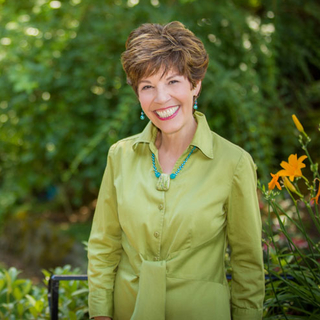
Holly Duckworth.
Welcome to another episode of the Everyday Mindfulness Show where we talk to researchers,
Thought leaders,
And people around the world that are utilizing mindful practices at home and at work.
And today I am so honored to bring a special conversation to you.
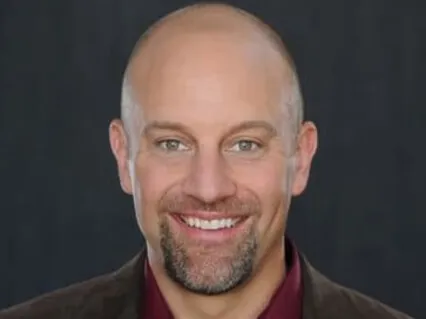
We have Mike Robbins on the show.
Mike,
Your resume in this area is like a library.
You're like,
We don't have to go to the library because you've written the library of books.
Welcome to the show.
Oh,
Thanks for having me,
Holly.
I'm excited to be here.
So let me tell folks a little bit about you.
You're an author,
Obviously a thought leader.
You're an international speaker.
You work with individuals and with teams and really with business people on how to lead better with authenticity and appreciation.
But I'm so excited for you because you wrote a book,
You had a vision many years,
Probably a year,
18 months ago to write a book called We're All in This Together,
Creating a team culture of high performance,
Trust,
And belonging,
Having no idea we would be in the state of possibility.
You'll notice I don't use the word pandemic.
And so the book just came out.
Yeah,
We're here and we're all in this together on TV everywhere.
But what's it mean to you?
Like,
Like it's more than a kitschy phrase to you and you've spent 18 months sharing with us.
So,
So let's put all that media junk behind it.
Give us the Mike Robbins version.
We're all in this together.
Well,
I mean the truth is,
So this is my fifth book.
And the funny thing is Holly,
Like I love speaking.
I love doing the work I do.
I don't love writing books,
Quite frankly,
Even though I've written five of them,
I just kind of,
They get these ideas and then they sort of take a hold of me and I kind of have to write them.
And I had just written a book that came out in 2018 called Bring Your Whole Self to Work.
And I was done.
I was like,
I'm done,
I'm good for a while.
I probably won't write another book for four or five years.
And then like three weeks after that book came out,
I got this download that was like,
You're supposed to write another book.
It's really going to sort of pick up where you left off and focus on teams and really what teams can do to create a strong cultures.
And it needs to be called,
We're all in this together.
And it was like,
If you didn't see me walking down the street as I'm having this idea,
You thought I was a crazy person because I was like looking up to this guy saying,
No,
I'm not,
No,
Thank you.
I'm done.
Leave me alone.
But it was really clear and the title was really clear.
And it's not a phrase that I necessarily was using a lot,
But the more I started to think about it,
The more what I realized is that every team I've ever been a part of and every team that I've ever worked with that really has that special something,
That team chemistry that really brings them together has a sense of,
Yeah,
There's strong personalities and egos and ambitions and all this stuff that we have as humans.
But there's this sense of we're in this thing together.
Like we is more important than me.
I mean all the cliches in the world,
But there is that sense.
And I,
You know,
I played baseball for most of my life growing up and got a chance to play in college at Stanford and play professionally with the Kansas City Royals for a few years before I got injured.
And all those years as an athlete,
Holly,
As much as I loved the game and I did,
I was fascinated by the whole team dynamic and I was on some really great teams over the years.
And they weren't always the teams that had the best players.
They were the teams that we really bonded together as human beings.
And that's really what started me and my curiosity around some of this stuff and had me start my business 20 years ago.
So we're all in this together to me.
I mean now it's taken on a whole other meaning in the midst of what we're going through in the world,
But it really is this idea that there really isn't a them,
It's all us.
And if we can figure out a way to do that in our families and our teams and our communities and in the world,
Like there's so many things to use your word,
There's so many possibilities that become available to us.
But when we stay stuck in the us versus them,
And it could be,
Again,
We do this in families,
We do this in organizations all the time,
We do this obviously in our nations and in the world and it doesn't really serve us.
I smile and I laugh.
There's so much to unpack in what you just said there,
Mike.
I love that concept and I use it too of the download.
I don't want to write a book I know,
I've written four of them too.
None of them were things that came through me.
And on the Everyday Mindfulness show,
We like to ask our guests,
What does mindfulness mean to you and is there a connection between your creative endeavors and however you experience mindfulness?
Absolutely.
I mean,
It's interesting because I learned about meditation back when I was in college.
I was 20 years old,
I was actually dealing with a pretty significant depression.
And my girlfriend at the time introduced me to this man that she had met.
She was on the swim team,
I was on the baseball team and this guy had come in and I mean,
We're talking mid 90s,
So people weren't really in the mainstream talking a lot about mindfulness and meditation.
Although,
It was there obviously and lots of people were paying attention to it,
But he had come in and worked with their swim team on some things related to mindfulness and meditation and some spiritual principles.
And she was like,
You just need to talk to him,
He can help you.
And she put me on the phone with him and he was quite frankly kind of weird and out there,
But I loved everything he was saying to me and I had never heard a lot of it.
And he started recommending books and different things and different teachers.
And I got into this conversation that lasted,
I talked to him on the phone over the span of a couple of weeks and then turned into a couple of months.
And he's actually continued in my life all these years later,
I'm 46 now,
But he was the one that really turned me on to the power of my mind and how that connected with my body and how that connected with me as an athlete.
And as a 20 year old baseball player in my junior year at Stanford in 1995,
It seemed a little weird and out there and I didn't totally understand it,
But it resonated with me in a way that I knew at some level,
Even though I didn't know,
Like this is part of my path and my calling in life.
It helped me as I moved through that state of depression that I was in that was really painful and challenging.
And ultimately I started to practice meditation and what I now would understand is some mindfulness practices in those days.
And that's evolved quite a bit over the years and it's significant with respect to any of my creative endeavors.
I have a very active mind and I'm very passionate about taking action and doing things.
With that said,
One of the things my wife just said to me the other day,
Like sort of lovingly but sort of seriously like,
Hey,
Are you meditating?
Cause it's not seeming like you are.
Cause it's been challenging for me and many people I've been talking to in the midst of everything that's going on.
My practice,
Like most people's,
You know,
It ebbs and it flows and there are times I'm more dialed in with it,
But I've been struggling a little bit,
Quite frankly,
With my meditation practice.
But there are many other things that I think about that relate to my own mindfulness practices and that I think are important for all of us,
Both personally and also professionally,
Because I work with a lot of business leaders and business teams and we talk a lot about different mindfulness practices.
Mike,
What you did there was just such a gift and I love to pull those out for the listeners that I think there's a certain sense among people who are just now exploring mindfulness or meditation or maybe they've been in it for a long time that there's this mindset,
Oh my gosh,
I have to do it and I have to do it so many minutes and I have to do it so perfectly.
And when our guests,
Just like you,
To cheer so authentically about the evolution of their journey,
It gives us all permission to step up and try these things.
Well,
You know,
And there's two things I'd say about it.
So a number of years ago,
Another sort of teacher counselor of mine who I've been working with for the last six or seven years,
I said to her one day,
You know,
I've struggled,
I've been meditating all these years,
But I feel like I'm doing it wrong.
It doesn't always work and I feel weird.
And I said,
You know what I really like the most is I love meditating in bed.
Like I wake up in the morning and then I just sort of lay there and I have these different practices and she's like,
Okay,
What's wrong with that?
And I was like,
But that's not real meditate.
It's like fake.
It's like I'm cheating.
Right.
And she was like,
Says who?
Like the meditation God of the world.
Like if that's the way you want to meditate and that allows you,
You know,
To get into that state and do it that way.
And that actually unlocked for me a whole other level of my own meditation and mindfulness practice.
And then just as an example,
I'll share with you this morning.
So I wake up early and I'm laying in bed and I'm starting to meditate and then I hear the garbage truck and I think,
Oh no,
I forgot to put the cams out.
So I jumped up with a start race downstairs run.
And my 11 year old had actually done it last night.
Our younger daughter Rosie and I was like,
And now I'm like adrenaline flowing and I'm thinking,
Okay,
That was not really a very helpful meditation that I just had for two seconds before I realized I had to take the garbage out.
But then I came back inside and I sat down on the couch and it was like five 30 in the morning.
Nobody was up and I just pulled out my journals.
I have two different journals and I just was journaling and I was sitting there and I sat and I closed my eyes and I calm myself down.
I listened to the birds and it was like,
Oh,
I guess this is what I was supposed to do today,
Which isn't normally my practice,
But finding ways in the midst of our lives and look a lot of our lives,
Even to your point,
There are lots of possibilities,
But they're altered right now.
So I think we also have to have some compassion for ourselves that we got to adjust things depending on what's going on around us.
You're absolutely right.
And that's so,
I mean,
Mindfulness really at its core,
You know,
We've got all the science and the research now.
It is really about coming back to the awareness of the present moment.
So as fun as that example is,
You were in the present moment,
It was the garbage trap.
That's true.
That's true.
And I,
And I moved pretty quickly in my slippers and sort of half asleep outside.
I was proud of myself and then was kind of embarrassed that I was like,
Oh,
The cans are already out here.
I didn't need to do all that craziness.
But gratitude is a huge piece of mindfulness too.
Yes,
Totally.
And you know,
The first book that I wrote that came out way back in 2007 is called focus on the good stuff.
And it's really about the power of appreciation.
And for me,
You know,
The two journals that I keep,
I won,
I've been journaling for probably 25 years,
Just thoughts and ideas and just kind of letting it all flow.
But I have a gratitude journal that I've been,
That I've had for probably about 20 years and I have two different little notebooks and I just carry them in my briefcase.
And about three years ago,
The gratitude journal evolved into,
I list a couple of things that I'm grateful for each day,
But I also list a couple of things that I forgive myself for.
So it's becoming a gratitude slash self compassion journal so that I,
Cause one of my challenges,
Like many other humans is I have a tendency to be a little harsh and critical of myself.
And so as a practice to constantly be looking at where can I bring some compassion and some forgiveness to,
You know,
The things that are going on,
The things that I'm not super proud of,
Or maybe I could do that a little different or a little better,
Nicer to come from a place of,
I forgive myself or I have some compassion for myself as opposed to you idiot,
Why'd you do that?
You know,
Which is the mean voice that goes off in my head often.
And I think some of those voices are really turned up.
The volume is really turned up for people right now.
So we're,
We're in this,
This career transition for a lot of people.
Some of it is a forced transition.
They've been furloughed or they've been put on pause in their employment.
And then there's others that,
That are still working,
But now they're getting this opportunity to evaluate what's,
What's working about their,
Their work life,
Work integration,
Their,
Their life life process.
So I'd be curious from the work and the research that you've done in the library of books,
Do you have like a tip or a thought or an idea for,
For those of us who are,
Are now facing,
I think it's actually an opportunity to bring your whole self to work.
We had a paradigm that said,
Work is work and home is home.
Now we have work and home.
What's something we can do maybe to start looking at that as a,
As an individual and a collective to change our workplaces?
Look,
I mean,
I do think it,
And I am mindful of not wanting to oversimplify the significance of this moment and the impact.
And I think,
You know,
It's funny,
This phrase,
We're all in this together that people have been using.
And obviously I've been getting asked a lot about it because I wrote a book with the title.
But what was interesting about a month or so ago,
There were a couple op-eds that were written and people were forwarding them to me.
And I was actually getting people starting to push back on me,
Hold on a second,
We're not all in this together.
Some people are having very different experiences with this.
Like if you're in a certain industry or you're in a certain part of the country or the world or like,
Right.
And the metaphor that I heard,
And you've probably heard this cause it was going around on social media,
Is this notion that like we're not in the same boat,
But we're in the same storm.
And the sense that the reality is for a lot of reasons,
Circumstantially,
But also mindset and otherwise the way we're experiencing this is quite different,
But we are experiencing something collectively,
Globally that we've never experienced before all at the same time.
And so I say all that because I think it's important for us to have compassion for ourselves.
However we're experiencing this is okay.
Meaning and if most people listening or anything like me,
Some moments I am like super excited and engaged and oh my gosh,
There's so many possibilities and this is awesome and I love this and I'm going to learn so much and I'm growing.
And then quite frankly an hour later I'm like feeling sad and depressed and I turn on the news and I'm like,
Oh,
This is terrible.
And I'm feeling a lot of grief for all the things that are lost and people like,
And again,
I just think if we're open,
Like part of mindfulness and you know this as well or better than I do is being in the present moment,
Being present with our experience.
And again,
We don't get to selectively mute certain emotions that we don't like.
Oh,
I don't like feeling sad,
So I'm going to not feel sad.
It's not the way it works.
This is not the way it works.
Part of what we can do is be present with our sadness and feel our sadness and you know what happens?
We move through our sadness and then we don't feel sad anymore or we're present with our anger or we're present with our fear.
And I learned this as an athlete.
It's like if I tried to pretend that I wasn't feeling scared when I went out to pitch,
I would almost always pitch terribly because I was fighting against myself.
And I learned this actually from a sports psychologist.
And then ultimately as I learned more about mindfulness,
It's like be present with my experience so that I could move through it and transform it.
And meaning if I was feeling scared before I went out to go compete,
I had to somehow figure out a way to acknowledge the fear,
Like breathe it in and move through it as opposed to suck it up and be tough and just push past it,
Which is a lot of the training quite frankly that I had gotten as an athlete,
But it didn't work.
And so that's a long answer to your simple question of I think there's a way for us to all practice being compassionate with ourselves and also with others.
Because the other thing that's often uncomfortable is when we interact with someone right now or just in life in general and they're at a very different place than we are.
It's like can be upsetting for both of us.
We don't know what to do with that.
If I'm in a state of grief and you're in a state of bliss,
It's like,
Well,
How do we interact with each other?
And part of what teams need to figure out how to do right now and all of us as we work with people and our families is like be okay with other people's states and just meet people who can be present with our own experience.
Can I be present with your experience as well and not judge it?
You're just doing you and being you right now and I'm just doing me and being me right now.
And we got to work for married to each other or we're friends with each other or we work together.
We got to figure out how to do that together,
But not by judging each other and saying you should be where I am,
Which is often what we do to each other,
Whether we're in the midst of a crisis or not.
Well,
It's so interesting that a lot of people will consume this podcast in an audio format and they will be continuing to hone their listening skills.
And so as I listen to you,
I'm kind of mashing up some of the concepts you were talking about as early in the show you talked about the power of curiosity and compassion.
If we could mash those things up together with I say ears on our heart that does invite a new conversation with again our teams at home or our teams at work that we could be fully present with each other in that state of compassionate curiosity.
We don't have to take on other people's stuff.
They don't have to take on our stuff,
But together from that place,
But the tagline on the book,
Creating a team culture of high performance,
Trust and belonging,
That is that trust and belonging piece.
Right.
And to know that it's safe.
I mean,
That's one of the things like even with my own team,
One of the things that we talk about as we check in with each other,
Like how are you doing,
Which is what we do all the time,
By the way,
Not just in the midst of this,
But we've sort of doubled down on,
Hey,
When we connect by zoom,
We're going to really check in and share how we're actually feeling.
And what'll happen is in general,
A lot of us as human beings,
You know,
We judge our emotions again,
Oh,
I shouldn't be feeling this.
I shouldn't be feeling that I shouldn't be feeling this.
And we try to remind each other all the time.
You should just be feeling whatever you're feeling.
And all of those feelings,
By the way,
Are welcome here.
They're safe.
You don't have to apologize for,
You know,
And the other thing that we've noticed is feeling grateful and excited right now is almost as vulnerable as feeling sad and scared because again,
Oftentimes if you notice collectively within a team,
A group,
Or even more collectively what's happening in the larger society,
There are certain things we're supposed to feel and say at certain times and other things we're not.
So if I talked to someone right now,
It's like,
Oh my gosh,
I'm feeling so grateful.
I love spending time with my family.
This is really interesting.
I'm learning a bunch of new stuff.
It's like,
Well,
Aren't you being insensitive?
Because people are sick and dying and all these horrible things are happening and people are losing their jobs.
And it's like,
Yes,
That's all true.
And we can be mindful of that.
And we can also still be honest about our real experience of feeling grateful.
And on the flip side,
Again,
If you're feeling something different than that,
Instead of again,
Just judging what we're feeling.
I mean,
Think about what mindfulness is about and what meditation is about.
Being present with the moment,
Being present with our physical sensations,
Our thoughts and our feelings without judgment.
And that's easy to say.
It's just a lot harder to do.
And especially in relationship with other people.
Right.
And one of the things like my wife,
Michelle and I,
And our daughters,
Samantha and Rosie,
Who are 14,
11,
We've been practicing a lot with each other.
Look,
We love each other and we've been driving each other crazy because we're spending all this time together in a way that we're not used to.
We're trying to be compassionate with each other as we interact.
And we've been having a lot of fun.
And then we've had moments where we're all just,
Everyone needs a break.
We're all just going to go to our separate corners.
And we're super fortunate and grateful that we were all safe and healthy.
And we have enough space that we can move away from each other and stare at some screen or read a book or do whatever the heck we're doing.
You know,
But again,
Just being aware of those things and trying not to evaluate some as this is good and that's bad.
Because that gets us in all kinds of trouble.
Oh,
My goodness.
I couldn't have said it any better.
I'm curious of your experience in this because I'm coaching a lot of leaders as I'm sure you are too.
There's also a gap that I think people aren't talking about,
Which is we don't,
As humans,
We aren't always trained in the words and how to articulate what we're feeling that your story is absolutely a great and perfect example.
And there's times where I literally can't articulate how I'm feeling.
And I think that's happening for a lot of leaders because we feel the responsibility of keeping our teams together and the financial sometimes concerns about having to let people go.
And now this massive conversation about how do we go back in other masks and other gloves and elevators and food.
I mean,
Like this whole thing.
Any thoughts on how we can help those folks who may be in this together,
But they don't know how to articulate that?
I think it's a really good point and it's a challenge.
You know,
What's interesting,
Holly.
Here's the question that we ask each other in our American Western culture when we greet it.
Hey,
How are you?
Yeah.
Right.
And the response is,
Hey,
I'm good.
I'm fine.
How are you?
And it's what I've noticed.
Two things.
That question has gotten a little different in the last few months.
Right.
We're asking that now,
How are you?
And really wanting people to answer.
But what's interesting when we respond in life,
Just generally,
I'm good or I'm fine.
Those are actually not emotions.
Those are judgments.
They're evaluations.
Right.
And one of the things that I started practicing a number of years ago,
Actually my wife,
Michelle,
Kind of took this workshop and it was about emotional fluency.
It was kind of emotional intelligence,
But at a deeper level,
Realizing to your point,
We don't often have a lot of good language or effective language around how we're actually feeling.
So to stop and really check in,
How am I actually feeling in this moment?
Like take a breath and really check in and then see if I can,
I'm feeling excited or I'm feeling confused or I'm feeling angry or sad or grateful or like an actual emotion.
And maybe it's usually for me,
It's a myriad of emotions.
It's not just one.
It's like,
Well,
Here's the first five that are coming to my mind right now in this moment because I'm having a lot of emotions going on.
But just that alone to start to realize like there are so many different emotions and we often don't necessarily have the words for them or don't really stop.
You know,
The other day I was listening to a podcast actually and I kept looking at the episode on my phone.
It's a podcast I like to listen to,
But it was about loneliness and I was like,
I don't need to listen to that.
I'm not lonely.
I love my wife.
I love my girls.
I'm right.
I have all these great people in my life.
And then I started listening to it and like five minutes in as I was walking,
I'm like crying going,
Oh my gosh,
I've been feeling so lonely.
And I didn't even realize that's what that was.
And I think,
You know what?
I felt lonely a lot in my life,
But because my life has never looked like I was alone that much,
I don't think I've ever really given myself permission to feel that loneliness.
And it's been part of my mindfulness practice just over the last few weeks to just sit and meditate on and write in my journal about like,
What is loneliness actually feel like?
And it's as uncomfortable as it is,
Quite frankly,
And it is uncomfortable for me.
I'm finding it incredibly enlightening because it's just fascinating and it's unlocking so much for me that I didn't even realize.
It's like,
I've been saying to friends,
It's like there was this door in my house and I didn't think there was anything behind the door and then I opened it up and went,
Oh my gosh,
There's like a whole room and a whole bunch of rooms in here I've never really looked at.
So that's been fascinating for me.
Mike,
Thank you so much for living your message that,
You know,
We get to interview so many people on the show and here's the book and here's what it is.
And I did the research and yet it's really special to have guests on the show who live with their message and you have a library of books that we want to make sure that we guide our listeners to,
You know,
Bring your whole self to work.
Now's the time to dive into that book and explore what it might've looked like pre pandemic,
What it's going to look like in the future.
And of course your latest book,
It was pre-released in April to serve us at this powerful time.
We're all in this together,
Creating a team culture of high performance,
Trust and belonging.
It starts when you trust yourself,
You belong with yourself and you're willing to perform at your highest and best,
Even in this curiosity and discovery.
And we're so grateful for your yes to coming on the show.
Well,
Thanks.
Thanks for having me.
I appreciate the work that you do and I'm excited to chat with you on my podcast in a little bit of time.
So thanks for everything you're doing.
You're so welcome.
Remember mindful matters and so do you.
We'll see you on another episode.
Thank you for joining us for today's show.
For more mindfulness every day,
Visit everydaymindfulnessshow.
Com and download the three day challenge and experience the ABCs of mindfulness.