Hold this.
Welcome.
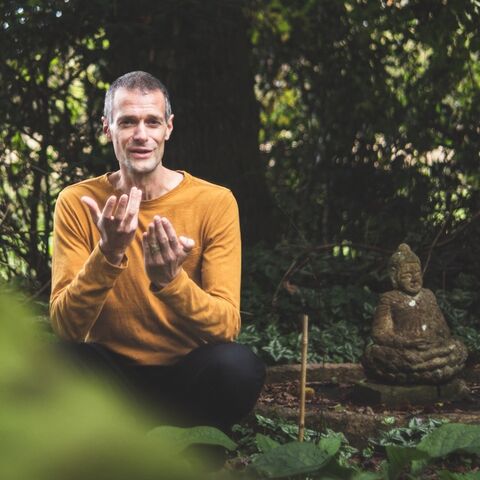
This is Josh of Interskilled,
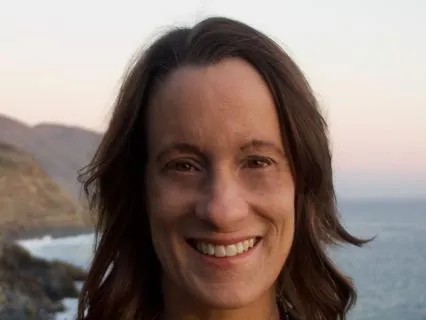
And today I have Cindy Costley with me.
Cindy,
What's going on?
Hey,
Josh.
A whole lot's going on.
That's a pretty loaded question for today,
But I am really grateful to be here and,
You know,
Happy to just have this conversation.
I appreciate it,
And I accidentally hit the wrong button.
I meant to mute myself,
And I actually hit the stop button,
So here we are again.
But luckily,
We didn't get too far into it,
So this is real life things.
I mess up.
Sometimes things happen.
That's right,
And I just cut you off in the middle of,
Who is Cindy Costley?
What kind of work does she do?
Yeah,
And I was explaining that's such a big question because there's so many facets to Cindy Costley,
Right?
I would say first and foremost,
I'm a soul that's been on an incredible journey that I am deeply grateful for.
It has not been easy,
But now I get to,
Out of it,
Realize what my soul came here to do and what my purpose is and getting to help others in the way that I learned to help myself.
So I would say that's kind of the big broad picture of who I am.
That's a great way to encapsulate it.
So,
I mean,
Let's jump into your story.
I think that's a good place for some to start,
You know.
How did you get into what you're doing?
And yeah,
Maybe either you want to start with kind of your work or your story,
I think,
But most people would start,
I guess,
With their story,
Right?
Like,
What happened to get you into all this?
Usually,
Something happened,
Right?
Yes,
A lifetime of things happening,
To be honest.
It stems back when I was 15 years old.
I suddenly became allergic to the world,
And I mean everything.
So almost all chemicals,
All animal life,
Most plant life,
Trees,
Grasses,
All of that,
And then most foods.
So I lived that way,
Chronically ill for 34 years,
And literally like the girl in the bubble.
You know,
I was blessed to have family and friends that took care of me and honored what I needed.
And so,
You know,
They would work hard to clean their house and get their dogs out of their house and make sure there was food for me.
And it was a process anytime I went anywhere,
I did anything.
But I raised three kids and,
You know,
I've got a degree and still function,
But just being taken down constantly over and over and over again with these chronic allergic reactions.
And then,
And there were no answers.
I was just kind of started labeling myself as the girl allergic to the world.
And that's kind of who I started to embody as a human being on this planet.
And then at 48,
My body had had enough.
My family,
We all went water skiing at a lake.
And,
You know,
I was up water skiing behind the boat with my brother,
Sister,
And I,
So happy,
Three of us behind the boat for the first time in years,
And just smiling and laughing.
And within a half an hour or two hours of being in the water,
I was rushed to the hospital.
Had had a massive allergic reaction to something in the water.
And that was when my body had just said,
I have enough.
I can't do it anymore.
And it started to shut down.
Took about eight months to figure out that I was losing the battle.
And that,
And I told my husband,
My soul wants to dance and it's going to dance either here on earth or somewhere else.
Like I have to do something different.
And I just really started to look at what have I done?
What have I not done?
And I had done everything I knew Eastern and Western.
And the one piece that was missing was the spirituality.
I was really looking at what's the higher purpose?
What might be behind all of this?
And so I sought out a spiritual teacher and a functional Western medicine doctor as well,
And saw a healer.
And she did this miraculous healing on me that just blew my mind.
And all of those pieces together helped me realize and learn that I was actually never allergic to anything.
My body was speaking to me all those years.
My body was trying so hard to get me to see that every single thing that I was quote-unquote allergic to was actually my body's way of trying to tell me that that wasn't safe.
And it was because I had some pretty severe traumas as a child.
I was molested at age six and I had suppressed that until just a few years into my healing.
I completely suppressed it,
Had no memory of it.
And then I was group raped at 14 and then raped again at 15.
And so at 15 my body said,
You know what?
We're gonna keep you away from everything.
We're gonna keep you safe by keeping you away from everything,
Right?
So it basically,
My body just had this miraculous way of telling me that everything that was in my surroundings during all of those traumas was my body took as not safe.
My body said,
Okay,
These items,
Everything that was in my digestive system,
That's where the trees and the plants came in,
The humidity,
Everything I reacted to was because I could smell it,
See it,
Touch it.
It was near me.
It was in my sensory body during my traumas.
So that was obviously an aha moment for me.
I should say aha time period because it took some time to figure all that out.
And it was one doctor that said,
You've got to start desensitization and do it immediately.
It was a functional Western doctor.
He said immediately start desensitization.
I hadn't heard of it.
And I went down this path of about five years of desensitizing myself to every single thing that I,
My body had considered to be a threat.
And I'm no longer allergic.
I have no allergic reactions.
I am now repatterning my body to remind myself that I'm safe.
And I don't have like,
You can tell I'm a little bit plugged this morning.
And that's because I lost a good friend this morning.
So my emotions are,
We all have these beautiful emotions and they speak to us in different ways.
And mine still tends to speak to me a little bit somatically,
Which is through,
You know,
Like allergic responses.
And that's a pattern.
Right.
So that's something that I'm working through.
But yeah,
I can stop there because I've said a lot.
No,
No.
Well,
I mean,
Well,
Yes,
It's,
It's interesting because I have an energetic blockage in my right nostril a lot of times.
Yeah.
But anyway,
So,
So what,
And thank you for sharing that.
And I've been,
I've been telling people some,
I've been listening to certain podcasts with survivors,
Basically survivors who have,
There's a term called RAM Co-op.
And it's really extreme,
Ritual abuse,
Mind control and organized abuse.
RAM.
Yeah.
Yeah.
So,
So it's really severe and that people are programmed with dissociative identity.
It goes,
The information,
I don't know if I believe or disbelieve,
But this is what people are coming forward and saying,
You know,
And so I'm just repeating information here.
So that,
That there,
There,
There,
There's a,
There's abuse,
There's abuse,
Deliberate abuse to,
To have dissociative,
To,
To,
To create alters.
And then for those alters to be programmed,
It's very kind of bizarre and really horrendous type things.
And then,
Then they're used for certain operations and experiences,
You know?
So what I'm getting at here is that,
I guess I'm curious of how,
Cause it's,
What do they call it?
It's sometimes,
I don't know if this is the case,
But sometimes there's a thing called splitting when things get so,
Really difficult,
It splits off from ourselves.
And then we keep going forward cause it's too difficult to deal with at the time.
Right.
And then later,
If we are in a right space and start to heal,
Then some of these memories will resurface.
So I want you to talk about how it,
Whatever you feel moved and helpful to do.
So what it was like getting to the point where these memories came up that you had forgotten about,
And then you know,
How re-traumatizing were they and how to deal with this and how the desensitization works into,
Or maybe it plays into like,
How do you,
How did you deal with this trauma,
Discovering it and going through it and working with it?
And yeah,
I'm fascinated in this process,
The healing process of that.
Cause there's so much trauma in today's world and it's just,
It's just degrees of severity,
Right?
It seems like you went through some pretty severe stuff.
So.
I did.
And I think it's important to realize that not everybody goes through the severity of the trauma that I did,
But that doesn't mean that their body didn't take something and turn it,
Like you,
Like you said,
Kind of disassociate where our brains are wired to protect us.
And so whatever that might be,
Any kind of a trauma or chronic stress period in your life,
Or it could just be like,
Like I use the example of,
You know,
People that are spanked as a child,
It might not be considered a trauma,
But yet to one child,
It could really have traumatized them.
Right.
And so it's,
We got to be careful to know that everybody's trauma is important and really can be really powerful in the way that their bodies have,
Have been affected because of whatever it is,
No matter what level we might consider it.
It's a really good point.
And I just want to jump in here real too.
And we have the other extreme too,
Where some people are kind of overcapitalizing on it and using it as a,
You know,
They're stuck in victimhood and they're using it as a victim card to do the,
The other extreme,
Which I don't think gives justice to people that are really sincere and trying to help themselves and help others too,
You know?
So,
But that,
That's,
That's just,
That's an aside.
So please continue.
Yeah.
And I do agree with that.
I,
Although with the work that I've done,
What I've realized,
And it's helped me to come out of a place of judgment around that is that this is actually their way of protecting themselves.
So the extreme,
You know,
You look at fight,
Fight,
Fight,
Fight,
Flight,
Freeze.
It's almost a way of them fighting as opposed to other people who withdraw,
Right?
Who freeze,
Who run away,
Who stopped leaving their house.
So there's all these patterns that show up for us based on what we've been through in our lives.
It's really helpful.
Thank you.
Any pattern that you see in any individual,
The key is to look back in time and say,
Okay,
Where did that pattern establish from?
So back to your question about the suppressed trauma,
That was a really fascinating time period in my life because I had been doing desensitization and the 14 year old trauma,
I want to be very clear.
It was like really huge.
It was,
I was given alcohol at 14 years old,
Everclear,
Which is,
You know,
The,
One of the strongest alcohols I was knocked out,
Passed out and woke up naked in a forest with several individuals on me.
So it was an extreme,
Extreme,
Extreme trauma.
So I thought everything that happened to me had to do with that.
And I never spoke about that.
Not one word until a healer said,
Everything that you're going through has to do with that because I was happy my whole life.
I just thought,
Oh,
I'm lucky.
I told my girls,
I got away unscathed with traumas.
And it's because I was so joyful and felt just like looked at the bright side of life.
But yet I was going through all these somatic,
You know,
Responses that I had no idea was related to that trauma.
So I want to state one thing very clear is that at six years old,
When this happened to me that I'm about to tell you how that happened,
How it came out,
I learned that my brain could not handle any kind of a trauma like that.
So not only did it suppress it,
But it said,
We're going to not let you feel this by having you feel all your emotions somatically.
So a switch was was turned on in my brain so that I didn't feel I didn't know what sadness felt like what anger felt like what until just you know,
A few years into my healing journey,
I had no idea what those emotions were like.
For other people,
I could feel it.
But for me,
I could not.
And so that was a protective measure that my brain switched on at six years old.
So when this all happened at 15,
And I spent all those years with those chronic allergic reactions,
It was all related to stress and trauma.
And none of it was real as far as an actual allergic reaction,
It was a real symptom,
But not the real cause,
If that makes sense.
So here I start desensitization.
And that's just going back and we cleared every aspect of the trauma.
So I can talk about it,
I can see it happening,
But it's it has no spark in my body whatsoever.
It has no there's no energy behind it,
There's no triggers behind it.
I've completely retrained my brain that I'm safe.
I've released all the trapped emotions from it.
And that's what I did for the first couple years of desensitization.
And I got so strong and healthy that I was traveling again.
And I decided to surprise my daughter and go to for Mother's Day and go visit them.
And I had a grandson that was about to turn six at the time.
And I kept saying the whole time I was there,
I can't believe you're going to be six next month.
And then the day I got back from my trip,
I broke out in a rash that was from my neck to my ankles.
And it was unbelievable pain.
And nobody could figure it out.
The doctors had no idea.
The steroids weren't even getting rid of it.
Like nothing would get rid of it.
I told my husband,
I said,
This is pure rage on my body.
Like I just feel like I have pure rage all over my skin.
But I just knew those words,
But I didn't even know what that meant.
And nobody could get an answer.
And so I actually went to a psychic and I said,
I need help.
I don't know what this is causing because my desensitization practitioner,
He always knew everything.
And if you're familiar with desensitization,
They use muscle testing to ask your body questions.
So like for desensitization,
I muscle test others and ask their bodies,
You know,
What they need to heal.
And a year prior,
My practitioner had said to me,
Cindy,
You have one more.
And when you were young,
And I said,
No,
I don't.
I had a great childhood.
And he said,
No,
You have one more.
And I said,
No,
I don't.
And so he dropped it,
Because he knew I wasn't ready to hear it yet.
So I know now I had to get strong enough and have that year's break in order to be able to process what came up because here I break out in this rash.
I go to see a psychic and she tells me,
This is your body pushing out a trauma from between the age of four and six.
And I immediately thought of what Dr.
Gary had told me.
Went right over to his office immediately.
He said,
Let's muscle test.
Let's ask your body.
So he starts muscle testing.
He says,
It's not a relative.
He's like,
It's someone that lived near you.
And he said,
Start naming neighbors.
So I'm naming off these neighbors.
And all of a sudden this guy,
John's name comes to my mind.
I'm like,
Well,
There was this neighbor across the street,
His name is John.
And he goes,
That's the guy.
And I was like,
Wow.
Okay.
Didn't mean a lot.
I knew who he was,
But his son and I were about the same age and we played together and stuff growing up,
But I didn't know too much about him.
And he went,
Dr.
Gary asked,
Do you want to desensitize?
Do you want to do a treatment?
I said,
No.
I said,
If this is what this is,
I need to,
I need to understand this more.
So I went home,
Called my mom,
Asked her to get more information about him.
And I looked him up online and Josh,
The moment I saw his face,
My whole body starts doing this.
Like I go into what the doctors said was an unlocking process where it unlocked the memories.
I'm like,
It was 45 minutes sitting on my bed.
I had no control of any part of my body.
I couldn't speak.
And I just sat there,
Um,
In this uncontrollable twitches.
And the next day,
All the memories came and I woke up with bruises all down my arm.
So cellular memory,
Right?
Muscle memory.
I woke up with water on my elbow.
Um,
My ear was hurting really bad.
And what I learned later through the desensitization is that he had whatever he said to make me not say anything to break,
To put fear into me,
To never say a word was spoken in this ear,
Which is why I always had problems with my right ear and until I desensitized to it.
And so I just went through the next few months of realizing what had happened to me.
And the beauty of desensitization is I didn't have to relive it in a way I did because everything processed so somatically for me,
My body felt it again,
But emotionally I didn't have to relive it because desensitization doesn't work that way.
So I was able to clear it very physically hard for me because of the way my body processed all the emotions.
It's how my body released the emotions as well.
But that's my story.
That's not your average person's way of,
You know,
Releasing trauma and stuff from their body.
So it's usually not as severe as what it was for me.
I've never had a client that has had it that severe at all.
Wow.
Yeah.
It's,
Um,
Yeah,
Sensing into that,
It's just,
Just wild,
You know,
It just,
It just a reflection on,
Yeah.
So there's,
I don't even really need to say anything.
It's just the,
The,
The somatic part of this,
Um,
I hear of somatic experiencing as one of the techniques for doing this and how,
How animals in the wild will shake things off,
But then,
Um,
Somatic experiencing how some people use that.
But I'm not so familiar with the desensitization.
I know there's a,
There's kind of a really popular modality,
Right.
That's used.
Uh,
And they use,
I think eyes or something.
I don't know much about it,
But I have a friend.
Yeah.
Yeah.
I think it's popular enough that that's not even considered a,
Like a promotional thing.
Right.
So,
Um,
But,
Uh,
I have a friend who is assaulted in broad daylight for very bizarre reasons,
And he's now using this technique with a therapist and he finds it really helpful.
So maybe we can talk about the actual technique of,
Um,
What you,
How you,
What you came up with and what you discovered and how it maybe compares to other modalities and how maybe it's,
It's different and how you work with people and how you,
How you did it for yourself too.
Yeah.
Yeah.
So I,
As I mentioned,
I did desensitization myself.
And during that process,
I had five different practitioners and I noticed they all did it a little different.
And so over time,
I was really led spiritually to create this process that I now do for others.
And,
And it's desensitization,
But it's timeline desensitization.
So we start by looking at,
First of all,
What's the priority?
Do we need to stabilize an individual?
Um,
Or is this,
Is their biggest triggers right now,
Physical like mold or Lyme disease,
Or maybe,
You know,
COVID some people have had some issues with that.
And if none of that is,
Once we get that all settled,
Then we can move into timeline,
Um,
Trauma,
Chronic stress healing.
And we literally go through one period at a time,
One life event,
I call it at a time.
And I create remedies that focus on healing from the spiritual,
Energetic,
Mental,
Emotional,
Physical,
And behavioral aspects of life,
Because I call it the six frequencies of healing.
When any one of those frequencies are out off,
We're out of alignment.
Right.
And,
And it's,
They speak to our cells and our cells,
You know,
Our cells don't hold memory like our brain does,
But our cells hold patterns,
Patterns that are based off of previous experiences.
So for instance,
Like I said,
I'm clearing the pattern of my body,
My nose getting plugged and stopping like,
Like instant energy stoppage blockage is the moment something emotional comes up.
Now I'm way,
Way,
Way better,
But this was a big,
Um,
Like now I can process emotions pretty much without any of this happening.
But today with the sudden death of a friend that I'm like,
Oh,
Okay.
My body still showed up in this way.
That's a little bit more work I get to do.
Right.
But those patterns that are held in our cells create all kinds of issues with methylation pathways,
With our cytokine structures,
With inflammation pathways,
Hormonal imbalances for certain,
Um,
All these different things that happen and go into dysregulation with each different life event.
And so what desensitization does is it takes us back one event at a time,
Brings our body back into alignment,
Spiritually,
Mentally,
Emotionally,
Physically,
Energetically,
All of that behaviorally with that particular event.
And then we move on to the next event and the next event.
And,
And really we're healing.
The physical comes last because we we've got to heal the energetic and,
And bring our body back into homeostasis within our cellular level.
Then we start seeing all the physical benefits of that,
But it does tend to be a little bit last,
But it's because that's the last thing to show up for us.
By the time physical symptoms are showing up,
There's a lot of dysregulation that's been happening inside us that we don't know about.
Isn't that,
Yeah,
That's,
It's kind of where it terminates is in the body,
Right?
That's the last stage.
So before we get into,
Well,
How does,
Cause I haven't looked into this much at all.
How does it actually work and what do you actually do for when you get to that timeline event?
And also I'm,
I'm curious too,
Why do you,
Do you have any,
What's your take on why it happened to you this way?
I mean,
I'm sure it happens to some people too,
Where they just,
It kind of bypasses the emotion and it goes straight to the body,
But then why do some people,
These certain ways that are either compartmentalized or split off or whatever happens,
Whatever terminology or whatever happens,
And then to go out of awareness and go and have a different kind of outlet or something else happens in order to where it's hidden,
I guess is one way to put it.
Yeah.
Yeah.
I want to say it's really important to understand that every different individual,
Every human being processes,
Their traumas,
Their stressors in a completely unique way for them.
And that's why,
You know,
There's one,
One,
You know,
Thing fits all right.
One pill,
One mat,
One,
Whatever fits all doesn't really work.
It might help symptom symptomatically period,
You know,
For a little bit,
But then it doesn't last long because you're not getting to the underlying cause of it.
I use the example.
You can have identical twins raising the exact same family,
Both in a car accident at the exact same time.
And one of them can walk away going,
Thank God I survived.
I am so blessed.
And the other one could walk away saying,
I will never get in a car again.
Right.
And it's because of the way their brain,
Their particular brain processed that trauma.
Now,
Many,
Depending on the level of severity of the trauma and the age of the trauma,
The younger you are,
The less ability your brain has to be able to actually process the traumas,
Which is why at six,
My brain shut off.
Right.
It just said,
I'm not gonna,
I'm not shut my feelings off.
I'm not gonna let you feel this.
That's very common.
They in younger,
Earlier traumas,
The disassociation but brain body disconnect happens with that's what depression really is.
It's that not it's individuals not being able to really feel what's going on with their body and understand their emotions.
And so there's,
They're anxious,
They're depressed.
Right.
And so one of the remedies that I create on almost everybody is I wouldn't say almost,
But I'd say about 60 to 70% of the individuals need a brain body reconnect remedy towards the beginning.
Um,
So as far as my,
Why,
Why this happened to me,
I know that I'm,
I'm,
I'm what's called a founder's body.
So everything that I've been through,
Because I have literally unraveled every layer of healing one layer at a time so that I know what layers need to be healed so that I can put together this program that I have to help.
And for other people,
We,
We combine the layers,
Right.
But I didn't even know what layers were out there.
So I went through a very arduous,
Very,
You know,
I was in bed four days a week for almost five years.
So every desensitization knocked me on my butt for four days.
And that lasted almost five years.
So that is not what happens to anybody else that does this process,
But I am the certification program before certification even existed.
If that makes sense,
I might,
I was my own intern.
Does that make sense?
Because spirit was showing me what needed to be healed and what different layers,
You know,
We take on identities.
One of the last identities that I healed myself was the identity of being the person out in public that always sneezed and always reacted.
I should say,
Right.
Another identity that I healed was the identity of the young,
Of the child that,
That always was the sick one that they had to take care of the non-successful one.
Like there's different identities that we take on because of what we've been through in our lives,
That we get to heal as well.
So there's multi-layers and,
You know,
Behavioral is kind of the last thing that we clear because you have to get the body healed and all that before you really can start switching your behaviors around.
But I,
It's so important to recognize that everything that happened to us created some sort of dysregulation at some level.
And then over the years,
Another thing happened and another thing happened and it piles on top of each other.
And all of a sudden we're not living in our true self.
All of a sudden we're completely separate from what,
Who we are meant to be in this world and what our truth is.
And doing mental work alone does not fix that.
It doesn't heal that.
It helps.
It's helpful.
But for many of us,
We have to look at the cellular level healing because that,
You know,
When we look at our symptoms,
Like whether it's an allergic reaction or it's an autoimmune disorder or it's,
You know,
Arthritis,
Whatever it might be for individuals,
It's not by accident.
It's their body's messaging system.
It's their body's way of saying,
Hear me,
Know me.
I'm trying to tell you something.
Right.
And so with desensitization,
We can get to those bottom line answers as to why all these different symptoms are occurring for each person.
Wow.
Yeah.
And so I'm guessing this can also be used in other areas of the body too,
Right?
Not just trauma or is it particularly trauma-based?
Because I'm thinking of just little different ailments in the body and,
You know,
Using on those,
Because I have these like benign tumors,
They're called these benign fatty tumors around it.
Some people have these things I hear.
And yeah,
And I'm just really minor things,
But I,
Yeah,
I'm imagining that this could be applied to those stuff like that as well,
Or at least to investigate.
There's only a few things that it really,
It depends on how severe,
How far along the body is.
Like,
Let's say take cancer for instance.
It just depends on how far along someone is and their willingness to see that their body has this innate ability to heal.
We were designed,
You know,
My tagline is restore the design because we were designed to heal ourselves.
We were designed for our body to go into protective mode when it needs to,
And then bring ourselves back out of that.
But what we've forgotten over the years is how to truly bring ourselves back out of that instead of numbing ourself,
Instead of suppressing everything,
Right?
For years I did,
I did everything Western Eastern that I knew how to do.
And,
You know,
But it was a lot of suppression.
It wasn't getting down to those root causes.
And sometimes the root causes is lineage,
Right?
We bring in messaging in ourselves already through our genetics.
For some people that believe in it,
It's there's,
We dive into some past life stuff.
There's a lot of different factors that can cause the reasoning behind cellular dysregulation.
And it's definitely not all trauma.
A lot of it's stress related,
But not,
It's not all that way.
And so,
Yes,
It can,
If the,
If the individual is open and ready to heal and the case isn't so advanced that we just can't quite bring it back,
Then anything is really possible with the,
With the way desensitization works.
Hearing you talk,
It also reminds me of those,
And I would say I'm somewhat energetically sensitive.
I actually used to be more.
I think I've been not,
Which is it there's pros and cons to being energetically sensitive,
Right.
And there's pros and cons to be desensitized too.
So,
You know,
I'm sure it's a,
It's a,
It's a balance,
Right.
And you probably know all the pros and cons to both of these,
But what it does is it really like,
Like around my girlfriend,
Knowing that I am,
She is highly energetically sensitive.
And sometimes I'm not even realizing what I'm doing that could,
That could cause a trigger or to not to make her feel safe or something like this because I'm not being heedful,
You know?
So it's a really good reminder of kind of our loved ones around that are energetically sensitive and,
And taking the extra time and care to be more thoughtful,
More mindful,
More heedful around them and having,
You know,
This kind of healthy relationship around this too,
And not seeing it as like,
Oh,
I have to do all this extra stuff.
You know,
Why is it so challenging and difficult?
It can feel like that for me sometimes I think,
But other times I'm like,
Oh,
Wow,
I am so completely heedless and not mindful and not considered in a way too,
You know what I mean?
And then,
Okay,
What do I do with that?
Right.
We're human too,
But at the same time,
I can't just completely blow it off and not take any responsibility because I don't want to fall into that trap either.
And just write the whole thing off.
It's,
It's always so ridiculous.
It's all in her head or something like that,
You know,
Or,
Or any,
Anybody right around that are highly energetic.
And I've talked to a sensitive and I talked to some other,
You know,
A gal who designed spaces just for people that are,
You know,
And then we have all the people on the autism scale,
Right.
That,
And I don't like fluorescent lights,
You know,
Around me and certain things.
And there's something about just the way things are made up.
Certain foods are very poisonous,
I think,
You know,
With GMOs and sprayed with toxins,
And we have building materials and certain materials that are just not the most beneficial for our wellbeing too,
You know?
So in a way it could be,
Like you said,
Protective,
But you know,
And then like,
Where do we draw the line between somebody being accused of being hypochondriac,
You know,
Of like being overly involved with detail like that.
So,
You know,
To me,
It's,
It's,
It's about a balance and being open and patient and caring and what kind of capacity I have for this,
You know,
And what do I do if I don't.
So anyway,
So these are just some things that kind of came up while hearing this,
You know?
Yeah.
So if you want to comment on that,
And I want to get down to,
To the technique of how,
What can you say without giving away the modality so much,
Like in generalities of what you actually do when you're leading someone through a session of experiencing these,
If whatever you feel is helpful to say about that.
Yeah.
Let me,
Let me start by responding to what you were saying about your girlfriend.
I think it's so important that as humans,
We start to really look at why are we sensitive?
Like I just assumed I was just sensitive,
Right?
I'm just overly sensitive.
I'm overly reactive.
And I,
Like I said,
I became like labeled myself,
The girl of the world.
I won the allergy lottery,
All of that.
Right.
And along with that came very sensitive,
Like high sensitivity to being a empath,
Right?
So I could feel everybody else's emotions.
I couldn't feel my own,
But I could take,
I was taking on everybody else's emotions.
The more I healed,
The more I realized that those were just old patterns,
Old belief systems within our mind and our body that,
That we create because the more sensitive we get,
The more sensitive we believe we're getting.
And then it becomes this cycle,
Right?
And so the more allergy,
Allergic reactions I had,
The more I believed I was having allergic reactions and the more I believed I was allergic and the more I believe I was sensitive.
And then the more,
And then I would believe I was sensitive.
I would have allergic reaction.
I would say,
Yep,
See,
I'm sensitive.
And it's like self-fulfilling prophecy or your confirmation bias and it compounds.
Yes.
And take it on as an identity too.
Yeah.
Yeah,
Absolutely.
And we're not causing that.
I think that's so important to understand.
A hypochondriac is not purposely trying to be a hypochondriac.
An individual that's super sensitive and reacting and has fears to go outside.
I mean,
I got to the point that I didn't leave my house.
I mean,
I actually got to my,
But I could not leave my house for about eight months because I was so highly reactive.
And the doctor said,
You have to stop.
You have to put your body,
We did what's called a gut rest and a,
And we calmed my nervous system.
That was the first step of my healing.
I couldn't do any treatments,
Nothing.
I just had to stay inside and get my cortisol levels functioning properly before I could do any work.
But I had gotten so bad to that point of believing in that,
But it became,
I know now that I worsened it through my beliefs,
Through my fears,
Because it really is all about fear.
If I'm highly sensitive and you say something and it upsets me that I'm afraid that you're going to say something again,
That's going to upset me.
And then it's creating now this friction in the relationship.
Right?
So the key is,
And the answer to this is we've got to look within,
Like we've got to start looking within ourselves and stop normalizing symptoms and asking,
What is my body trying to tell me with this symptom?
Right?
Because the more we normalize something,
I'm just this,
Or I'm just that the,
The less we're willing to look at the why behind it and do something about it.
The more we heal.
So with my clients and with myself,
My experience with desensitization is the more you heal,
All those layers that are causing these behaviors that aren't really serving your highest good,
Right?
The more we're raising our frequency and we're like,
I am more sensitive than I am now than I used to be,
But it's in a completely different way.
I'm more intuitive.
I'm more in touch with my body.
I can feel right away if I should eat a food or not.
I know my body tells me instantly what I want and that's what I see with my clients.
So the sensitivity turns into a healthy sensitivity as opposed to something that holds us back,
That causes triggers.
You know,
If you're saying things and I'm just,
I'm not,
I don't know what,
What exactly you're referencing,
But just as an example,
If you say something and then it triggers her,
It's nobody's fault,
But it's a message for her that there's something being triggered from her past through you.
And you're the,
You're just the messenger that's allowing her body to tell her something.
Yeah,
That's really well put because I mean,
It would just bring a little logic because I could say one thing to someone,
It has no effect,
But I say it to another.
Right.
And I'm a hundred percent responsible for my intentions,
But I can't control how other people take what I say.
Right.
But I'm still partially responsible because if I wrote off all responsibility,
Then I would just say whatever I want and just blame,
Blame everything on somebody else.
Right.
So,
But I'm not a hundred percent responsible.
Otherwise I would say,
Oh no,
Don't take it like this.
I want to control exactly how you take what I say.
Right.
So there's a shared responsibility,
But the intentionality is a hundred percent responsible.
That's the way I kind of see it as far as our intentionality in anything,
Right.
Even with somebody that gets upset or when I was triggered,
Right.
Anytime I was triggered,
You know,
People would say,
Oh,
You know,
Cindy's being triggered.
And the way that I got like allowed,
How can I say this?
Their intentionality was,
I want to protect you.
I want to hold,
I want to help you.
Right.
But in a way it ended up being that they were deserving of me because I never,
I became so comfortable and my family and friends became so comfortable protecting me and taking care of me that I never stopped to look at the why behind it.
Now I'm not blaming them by any means,
Because this is not,
This is about a learning.
I learned,
They learned,
Right.
We like,
We,
My brother and sister,
I talk about it now,
But in the,
In reality,
When I look back there,
What I looked at is their intentionality,
Which was to love me,
To protect me,
To be there for me,
No matter how it ended up showing up.
Right.
So,
And we can only,
When it comes to other people,
We can only do what is in the high,
I call it the highest and best of all concern.
Are my words supporting the highest and best of all concern are my thoughts,
My actions,
You know,
Supporting the highest and best of all concern.
That goes back to your intentionality.
Right.
That's right.
And so.
She uses the highest good of the many,
You know,
And I think that's like your language too.
And it's different than the great,
The greater good to me,
That's a signal it's almost there,
But it's not because the greater good of who at the expense of what others,
You know,
Are expensive,
What other goods.
So,
But the way you phrase it and the way she phrases it,
Like the highest good of the many.
So yeah,
That includes everybody,
Everything,
You know,
To the best of our ability.
Yeah.
And something to even think about with that,
What I believe is the highest and best interest of other people is based on my own experiences in life.
So that goes back to your intentionality,
Because what I believe might be highest and best for somebody might not be,
But for my life experiences and everything I've been through and everything I've learned,
It actually is,
You know,
That like my intention was actually pure.
That's right.
Right.
That's right.
And that's,
That's right.
And so that's what we're responsible for.
And that's,
Is the driving force behind outcome too,
You know,
Like karma,
Karma.
So if it's,
If we think,
Speak or act with intention,
Then be it skillful or unskillful,
It's going to,
It's tends to have either skillful or unskillful results.
So that's why intentionality is so important because it drives karma,
You know,
Action and the fruit of that action as well.
Yeah.
So yes,
It's,
It's,
It's,
It's really important.
And as we become more,
I guess,
Sensitive and in tune with subtleties and we can see this,
We can examine our own intentions and really see what's the driving force behind everything and how important it really is.
Yeah.
And when we don't,
Then we're just a lot of times operating more unconsciously on habit patterns,
It seems until we're aware of the intention and realize we have a choice to change our intention too.
Yeah.
Right.
Well,
And when we're operating off of past patterns,
Behaviors,
Traumas,
Triggers,
All of that,
It's we're really doing the we can,
But it's not,
We're not operating in truth,
Right?
Truth with a capital T we're not operating.
Like I did the best I could.
I raised my kids.
I didn't talk to my daughters about my trauma because I thought that was what was best.
I didn't talk to anybody about it because in reality,
I look back now and I protected the individual that was closest to us in the family that I knew would go to jail.
And so my intentions were good,
But the outcome wasn't great,
But that's all I knew to do out of my own experiences.
And I like adding,
If we could have done better,
We would have,
Yes.
We're all doing the best we can.
If we could have done better,
We would have,
You know?
And on top of that,
It's our responsibility to keep doing the things we need to do to try to do better.
When do we notice something's not working or out of alignment,
Right?
And so this level of healing allows us to really look back at the things that we think are just normal in our lives that we've normalized.
And we're just like,
This is who we are.
This is,
This is my,
That's my personality.
I,
You know,
I get feisty.
Well,
Why do you get feisty?
Right?
Why do you get angry all the time?
Why are you crying?
Why are you pulling back?
Why do you not want to leave the house?
Right?
Why do you stay at a job that you don't want to be in forever?
Why are you in a relationship you don't really want to be on?
And it's our,
It becomes our responsibility to,
To start to look at that and be willing to dive deep into those,
That past that we really have shoved aside.
Cause it's so hard.
Well,
That's right.
Yeah.
Investigation is it's true.
And,
Um,
You know,
There's,
There's like what four ways.
So we can do something that's pleasant and helpful.
Everybody wants that,
Right?
That's the greatest it's pleasant,
But then we can do things that are unpleasant,
But they're helpful.
And that's the kind of thing we're talking about here,
Even though it's not the thing we would rather prefer to do,
Especially in the long run,
It's going to be better for us,
Right?
It's going to be better for those around us.
It's not easy and it's not pleasant,
But if it's helpful,
It's definitely at least takes a second look at it.
Then we've got,
You know,
Unhelpful and unpleasant.
Nobody wants that.
Right.
But we've also got pleasant,
But not helpful.
And that's where I think a lot of bad habits and things that,
You know,
Um,
Yeah.
So,
Yeah,
Those are the four ways to do it.
So,
And then,
You know,
Being more mind-based like,
And I would say maybe more stereotypes,
Typical male,
Right.
But then there's other ways to investigate too,
Besides the mind and cognition and things like that.
And you have a very deep understanding with the body.
And I think it's so fascinating to do body investigation,
Like,
Like just like a certain area of the body,
Maybe that there's some issue and just,
Just be open and,
And,
Uh,
Allow and just inquire and see what comes with or without language with or without images,
You know?
Um,
So like,
Can you say like,
How does the desensitization process work in general?
Like what,
What do you,
What do you,
What do we do or what,
What does one do when we're going through this,
This modality in this process?
Yeah.
So first we start with an intake form and they fill out an intake form,
Which goes through every aspect of their life.
And then I meet with them and we do quite like kind of query about the different life events.
And,
Um,
Once I figure out what needs to be healed for second,
Kind of layers,
Like I said,
Cause are they in crisis?
And do we need to just stabilize them?
Are they having physical reactions to mold?
And we need to stabilize that first,
Or are we working directly on trauma?
So,
And a lot of times when we start the trauma,
We start in utero because most individuals have a parent or parents that fought or mom that like for me,
My mom smoked for other clients.
They had a lot of anxiety.
Mom had a lot of anxiety and depression,
And that carries on to you,
Right?
And the womb.
And so we start there and then we work through life and with each remedy.
So I meet with them.
I get a few different remedies,
What I call the primary remedy,
Which is the topic,
The life event we're talking about.
And then I use homeopathic remedies.
So I have boxes and boxes I can show you,
But it's of like methylation pathways,
Inflammation markers,
Um,
The cytokines,
Genetic markers,
Uh,
Mass cell stabilizers,
Uh,
Brain sarcodes,
Even our,
Um,
Oh,
I'm talking about vulvaridians.
So just boxes,
Boxes,
Homeopathic remedies that I muscle test,
And I use the muscle testing to see what belongs in your remedy.
So basically what I'm asking is what went during that life event,
What came out of dysregulation in your body that needs to be brought back into homeostasis.
And I use those to create one remedy that I send to the client.
And then they use it in their electromagnetic field with a laser that kind of looks like this.
And they put the remedy inside here and they use it in their field.
So they're not ingesting anything.
It's all in their field.
Some clients are super sensitive.
They need to wear it.
And,
Um,
It's usually a three to four day release.
Clients will feel it.
I only have two clients that never felt a thing,
But everybody else will feel it a little bit,
Nothing to the extent that I do.
Uh,
But they basically you'll like,
If you're working on something that was really traumatic,
You might feel a little more depressed for a day.
You might feel a little more anxious for a day.
Some people might feel it somatically in certain parts of the body,
But it's as it's releasing.
So with many medications and stuff,
We're pushing it back in farther,
Right?
With desensitization,
We're releasing it from our cellular imprint,
Our cellular memory completely.
So releasing it from the memory within our brain,
We're not releasing the memory.
I want to rephrase that.
We're not releasing the memory.
We're releasing the imprint that the memory made on yourselves.
So we're releasing that stuck energy in the body and the cellular imprint that that life event created and then bringing everything back into homeostasis for that one life event.
So it takes time.
My process is six months to a year.
I think that's really important to do too,
Because,
Um,
We,
There's a reason the memory is there,
So it won't happen again.
Right?
So we can protect ourselves because if we completely get mind wiped from it,
And if we haven't learned the lesson or the wisdom's not there,
Then it could very well happen again.
Right?
Um,
So do you want to give us a quick,
Uh,
Wow,
It said that time's gone by here quick.
Um,
Uh,
Just a quick one-on-one,
Uh,
Homeopathy.
Cause I,
I I'm fairly ignorant to this process.
I,
I hear a little bit about it,
But what would you say how that works?
And then,
Um,
Maybe if you want to talk a little bit about how you discovered the,
The,
This process that you came up with,
Um,
Uh,
Yeah,
I'm always interested in,
Um,
Kind of,
You know,
Like how inventors come up with things or inspiration,
Or if they tried a bunch of stuff or it came in a dream or,
You know,
How you put it together.
Yeah.
Let me,
Um,
Pull a couple vials here just a second.
So here's,
Here's a couple of boxes of my homeopathic.
So these are brain sarcodes.
These are the Bolberidians.
I have like 25 different boxes of different parts of the body that are the most,
The highest part,
Like the most affected parts of the,
Of the human body.
That's most affected during trauma,
Stress life events.
And again,
I muscle tests.
Are you familiar with muscle testing?
A little bit.
I know there's various techniques for doing it.
Basically the body doesn't lie and you can ask it a question and it's way more reliable than it has no shame.
It will lie.
It will lie a lot.
Yeah,
Exactly.
I have learned to do it remotely,
So I don't know,
But clients don't have to be here with me.
Um,
I just,
As long as I'm with their energy,
I can muscle test to see what needs to be in their homeopathic remedy.
And then I have a machine that basically allows me to transfer all of those different vials into one vial that I sent to the client.
And like I said,
Then they use it in their electromagnetic field.
So that's kind of high level.
I don't really like to talk about that because it's so wild and crazy.
It's hard to comprehend,
But essentially what's happening is I,
Is the,
The homeopathic remedy.
So when you're putting it in your sense system,
It's like,
And through my muscle testing,
We're identifying the parts of the body that is still responding to the trauma.
Right?
So like for some people it's in their muscles.
I have one client that has muscular dystrophy and I don't like to name things,
But just that's what Western medicine has named it or her.
And so,
But at two years old,
She was run over,
Um,
By her mom and her mom pulled out and she was in the tricycle in the back and didn't,
Her mom didn't know.
And she was in a body cast for eight months.
So her body shut off her emotions said,
Well,
I'm not gonna let you feel this.
And so everything impacted her muscles from then on.
So every stressor,
She had a lot of trauma.
She had a stepdad that was abusive.
She had a,
Um,
You know,
Ex-husband that was abusive.
So all that trauma stored in her muscles eventually leading to muscular dystrophy.
So what we're going back and,
And,
And I've made it very clear.
I can't take,
I don't know that we can,
I don't,
We can't reverse the damage that's been done to your muscles,
But what we're doing is stopping further damage by clearing the imprint that everything needs to be impacted in your muscles.
Right.
So that's what this does is it,
It allows me to pinpoint exactly what parts of the body and,
And,
And,
And,
And not just the parts of the body,
But environmentally,
Emotionally,
Physically,
Uh,
Genetic,
Like I said,
Lineage,
Right?
Like all the different things,
Layers that need to be added into each homeo,
Into each life event,
We get to add into this homeopathic remedy.
So you're literally clearing any negative imprint in your body from each event.
I could imagine past life stuff too,
Because I've heard so many different people say that this is memories and then how that carries over effects.
And then,
Yeah,
Epigenetics is a huge thing in science now too.
And they don't really know how that works,
But they know there's a lot going on.
Yeah.
Um,
So yeah,
The,
The,
The conditions and the causes there's,
There's a lot.
Yeah.
And all the,
Everything's interconnected too.
So everything is,
I'll show you this is mine.
Okay.
So with every life event,
The first thing I do is muscle test to see if it's physical,
Structural,
Neurological,
Emotional identity level,
Behavioral,
Energetic,
Spiritual,
Subconscious,
Relational,
Environmental,
Immune,
Inflammatory,
Genetic,
Or biological.
And it's usually a variety of those,
But every life event is different in how it impacted their body.
So we have to go through and I muscle test that,
Then I can go to the specific vials and say,
Okay,
Specifically for their body,
What parts are,
But I start with that kind of tree.
So,
Well,
That sounds pretty comprehensive.
I can't really think of anything else in experience that's left out of those categories.
Right.
So yeah,
You cover all the bases for sure.
Yeah.
Well,
Right on.
I think this might be a good place to,
To,
To start winding up or winding down,
However we want to put it.
Um,
Anything else you want to share and draw people's attention to before you take us,
Take out the listeners and me on a final message?
Yeah.
Well,
I want to first address the question that you asked about how I learned this process.
And again,
It was through my own healing journey of desensitization.
It took five years because I,
They,
I did literally one tiny layer at a time,
But what I've been shown through spirit,
Through my lessons,
Through my,
My learning,
My education and my practitioners that I've been training with is that we can do multiple layers at a time.
So that's kind of how it unfolded.
And it was all spirit led.
I woke up in the middle of the night.
I used to say to like my practitioners and stuff,
I'm going to have to bring in someone that does this work that does this desensitization.
And a healer once said to me,
He said,
You just stop worrying about it.
You're going to be doing it.
And I thought,
No way,
I don't know how to do this.
Right.
And sure enough,
Over time,
As the more I healed,
The more spirit showed me that I'm supposed to be doing this work.
Um,
It's just,
I've been guided ever since to bring this form into the world.
Well,
Thank you.
And I'm sorry.
Yeah.
I asked that question then for,
Then almost like blanked on it.
So yeah,
That's,
That's,
It's fascinating.
And I,
I talked to healers too,
That they have this,
You know,
Where they,
They have to,
They go through the,
Like the,
The mill,
The run through the mill.
And when they come out the other side,
They're now basically experts.
I don't like that word,
But you know what I'm saying?
Like they're our heroes,
But in a sense,
They're now guides for people still going through.
And yeah,
I mean,
It seems almost like the more challenging the journey,
The more,
The,
The,
Um,
The more comprehensive it is.
And not that I wish that on anybody,
But it's wild sometimes these,
The way things work out like that.
And maybe someday we,
We won't have to go through such extremes to,
To be,
You know,
To,
To,
To have such a beautiful knowledge and wisdom and care and expertise,
You know,
But yeah,
That's really a beautiful way of,
Yeah,
Exactly.
Right.
So that's what we're aiming for.
But in the meantime,
We appreciate this.
Thank you.
I look at it like I have the founder's body,
Right?
So everything that is needed to heal has actually literally burged through my own experiences and that's beautiful.
And yeah,
It's been hard.
And my husband's a Saint because he has put up with so much for so long and totally just blind faith.
Like I just would always tell him I have enough faith for both of us.
I have enough faith for both of us.
I can't explain what's going on in my body,
But I know it's something good.
And he's like,
I'm not seeing good,
Right?
Like I'm seeing you in bed four days a week,
Every week,
But we got through it.
We're at the tail end,
The other end of it.
And.
Oh,
Wonderful.
Beautiful.
Thank you for coming on today.
And thank you for sharing.
Is there any kind of message you want to leave listeners with today?
Yeah.
I just would love to say that your body is your biggest,
Most beautiful tool in life that we tend to look outside of ourselves for the answers first.
And I'm a big advocate of Western science.
I'm not one that says don't ever use Western science.
I'm a big advocate of Western science.
Matter of fact,
My four pillars are Western science,
Eastern practitioner practices,
Uh,
Spirituality and scripture.
And I believe that all four of those have amazing healing modalities.
And when you,
When you're able to bring those together,
Then full healing happens,
But your body has what it needs first.
And so we've learned to look outside of ourselves.
And I just encourage you that next time you have some kind of a symptom or something's going on,
Just stop and really start asking your body from your heart,
Not your brain.
Cause our brain will overpower.
It'll go by all of our old triggers and our old beliefs.
If you go from your heart and start to,
I just ask,
What is it you're trying to tell me?
What do you want me to know?
What do you want me to feel?
Cause your emotions just want to be acknowledged.
They really truly just want to be acknowledged.
So don't hide.
That's,
That's really beautiful place to wrap up.
So may,
May all beings everywhere come to know their most ideal,
Beautiful emotions for their own wellbeing and for the wellbeing of others and for all beings everywhere.
May all beings everywhere realize awakening and be free.