So welcome,
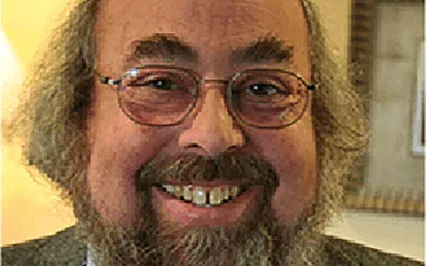
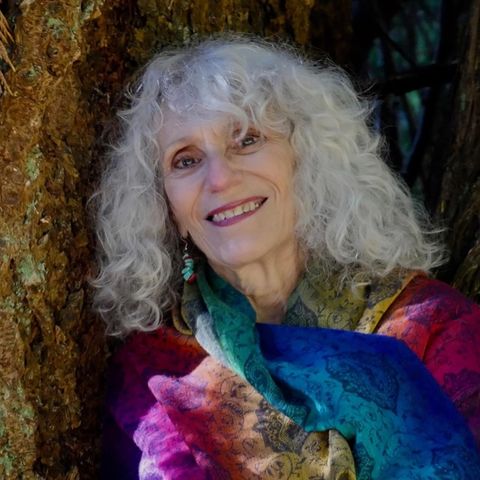
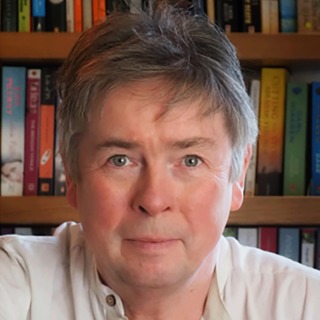
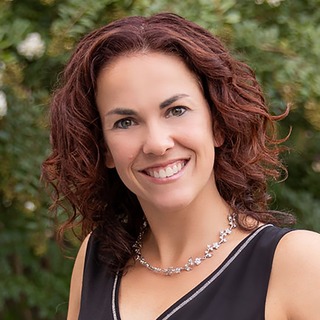
Welcome to your Life Matters Soul Connection podcast with your host none other than Moa Junie Swadron and today it is my absolute pleasure to welcome Rabbi Wayne Dossett.
Rabbi welcome.
Thank you,
Thank you,
Thank you for inviting me.
Great pleasure to be here.
Thank you,
It's a delight.
So I'm going to just say a little bit about you okay.
Rabbi,
Rabbi Dossett is a rabbi,
Writer,
Speaker,
Spiritual guide,
And healer who teaches and counsels about faith,
About spirit,
Ethical values,
Life transformations,
And evolving human consciousness.
Wow.
He's the founder and the spiritual guide of the Elijah Minyan in San Diego,
California.
A group of Jews seeking to shape and enter Judaism's coming new era through God-centered worship and learning,
Spiritual renewal,
And personal growth.
The services Rabbi Dossett conducts and the classes he teaches are highly acclaimed for their deep prayer and meditation,
Joyous singing and chanting,
And warm Hamishah or wholesome atmosphere that encourages deep connection to God and to a community of friends.
He's the host of Spirit Talk Live!
Journeys into Mind,
Heart,
And Soul.
And Spirit Talk Live!
Is a weekly internet television show,
A worldwide conversation for exploring the great questions of existence,
For joining in the quest to find meaning and worth in life through intellectual inquiry and sacred spirit.
Wow.
I wish we had all day because I want to unpack all of that,
All of that.
And I'm just delighted and thrilled,
Rabbi,
To meet you.
And I've been reading about you in preparation for our talk today,
And you truly are an inspiration to humanity.
Well,
Thank you so much.
First of all,
One correction from there,
It's an internet radio show,
And now it's a monthly show.
And my late father would be very proud,
And my late mother wouldn't believe any of it.
So thank you.
Mom,
You're listening!
Hello!
Well,
I want to talk to you about so much,
And I want to talk to you about your latest book,
Which is Radical Loving,
One God,
One World,
One People.
Yeah.
There's so much wisdom and inspiration that you have to share,
But you know what,
I'm going to get to the book,
But I want to ask you another question first.
Sure.
Rabbi,
What are some of the deepest lessons and learnings in your life to bring you who you are today?
I know that could take all day,
But what would you say today as you sit here right now?
What stands out as some of the deepest inspirations that who make you who you are,
Or have informed you?
Yeah,
That's a fabulous question.
I've never been asked that question before,
So points to you for being a great interviewer.
It's very nice.
Actually,
The answer is very simple.
The constant awareness of the presence of God in my life and the life of everyone around me,
And therefore knowing that God is love knowing that God is love,
And manifesting that love to everyone around me,
My closest and most intimate family and friends,
And my community,
My congregation,
The people to whom I speak,
When I go out—used to be able to go on the road traveling,
And people I talk to on my radio show,
Some people I write books for—this is the lesson that God is manifest in our lives,
God is central to our lives,
And when we realize that and live like that,
Then we usually do pretty well,
And when we are too arrogant and too greedy and think we're too powerful and don't live like that,
Then that's when problems enter our world.
So you say you've always had that deep connection with God.
Well,
When I was nine or ten I had a greater connection with the Chicago White Sox,
But that was supposed to be funny.
It took me for a second.
Right,
It's okay,
But yeah,
I was always very comfortable and very uncomfortable in the synagogue,
Both comfortable in terms of the overriding principles and core values of the synagogue,
And so uncomfortable in how they were played out in so many ways because it felt old,
Old,
Old to me.
And,
You know,
Each of us—very important—we think that prophecy—Isaiah,
Ezekiel,
Jeremiah,
All the people we read from the Bible—Abraham,
Moses,
Jesus,
Muhammad,
All the great teachers of wisdom—we think of them as ancient,
And we think of them as very special,
And in many ways they are,
But the truth is each of us is a prophet.
Each of us is a prophet.
You know,
Prayer has two parts.
Which does?
Prayer.
Prayer,
Tell us.
Prayer and meditation has two parts.
Okay.
Part one,
You talk to God.
Part two,
You listen when God talks to you.
And we forget that part.
And so God talks to us so we can hear.
God envisions to us so we can see.
God dreams into us by day and by night.
And we just have to be aware and elevate our gift of prophecy,
And then we know that God is—that in each generation we don't have to depend just on the wisdom of the past,
Although there's a great deal to be learned from it,
But at the same time we can bring down new messages for our time and our place where consciousness is involved to the place we are at the moment.
And so that's why in this book,
Radical Loving,
I talk about oneness consciousness,
Because that's the only thing that's going to save us right now,
Knowing that we are all one,
That we are all children of the one God,
That God doesn't play favorites,
That we are all equal in the eyes of God.
And so that's why I've been called a stodgy radical,
Because in some ways I'm steeped,
Steeped in tradition,
And in other ways I've been a great innovator and creator.
And one of the reasons I've been in California for most of my career is no one ever says to me here,
Oh,
We can't do it that way,
Rabbi,
We've done it this way always before,
And therefore we're not.
No,
Here we've been able to create and innovate and do very,
Very interesting kinds of things.
I'll just give you one example in my own life,
And that is that in 1982,
1982,
When video was in its infancy,
I created what was called the video synagogue.
We put a 45-minute Friday evening Sabbath service onto videotape,
Complete with a rabbi,
A cantor,
A full congregation,
Beautiful background visuals,
Responsive readings,
The graphics that popped up on the screen,
And we put it into hospitals and nursing homes where Jews were confined and couldn't go to synagogue.
Now some of those places didn't even have a VCR in those days.
1982 you did.
1982.
Now live stream all over,
Zoom all over,
Facebook all over,
Now it's D'Ruguer,
But then it was on the cutting edge of total creativity.
And so I've had the opportunity to be able to do those kinds of things that I might not have been able to do in other places.
Thank goodness,
Thank goodness that you listened and moved to California and to know where you are.
So to hear that,
Because I think that when we are creators and we have innovators and it's so important to be able to be in an environment where those things can be nurtured and fostered and possible and people get excited as opposed to,
No,
It's never been done,
It never will be.
So how awesome is that?
So I want to say a little bit about your book,
Okay,
And talk about and first of all congratulations on this next extraordinary book that you've written.
So I'm going to just read something here.
So Radical Loving,
One God,
One World,
One People.
You just got it,
So do you want to hold it up for a moment?
Yeah,
I did.
Just last night I received the very first hardcover copy.
That is beautiful.
Oh,
Beautiful cover.
Glenn Edelstein gets all the credit for the cover.
I've never met him,
But he's part of the Monkfish Publishing House,
A magnificent spiritual publishing house located in Rhinebeck,
New York.
Paul Kohn is the founder,
The visionary publisher,
Tremendous.
They did a good deal of Ram Dass's stuff,
They published my colleague Rabbi Terza Fyterstone,
Mirabai Starr,
They published Mirabai,
Many,
Many others in the spiritual world,
And I'm thrilled,
Thrilled to be part of that publishing house,
Monkfish Publishing.
Wow,
I'm sure they're thrilled that you are too,
So win-win.
So Radical Loving sends out a prophetic call to us to rediscover our spiritual roots and have the courage to become voices for radical transformation based on the subtitle,
One God,
One World,
And One People.
It's a compilation of stories,
Reflections,
And prayers,
Working together and drawing on the lessons of the past as applied to the present.
These incredibly challenging times calls us to nothing less than a radical shift in human consciousness,
A radical embrace of a world of oneness to which we each need to respond individually and collectively in creative ways.
And you state that there is so much more that unites us than divides us,
And that we're capable of recovering the messenger of peace and be warriors for good.
So Rabbi,
First of all,
What inspired you to write this book and now?
And I want to,
Yeah,
I'll ask that first.
I was living in a world where the tone of the world,
And I'm sorry to say that that tone came from leadership of the United States of America,
Heartbreaking to say,
But it was a tone of division and rancor and racism and sexism and misogyny and fear,
Fear-mongering,
Islamophobia,
Anti-Semitism,
White supremacy,
American nationalism.
It was a tone that broke people apart rather than bringing people together,
And I could not let that stand without saying there is a different way for us to live.
So let me ask you then,
Because this is such a divisive world and there always has been,
Still is so much evidence that reflects the opposite of love,
How can we become one people,
One world with one God?
Tell us about that.
Well,
It's two questions in one,
So I'm going to break my answer into two.
Yes.
First of all,
There is one God.
Yes.
There is one God.
That one God created us all.
That one God is the parent of us all.
We can call that God by many,
Many different names,
Just like in a family,
Somebody says mommy and somebody says mama and somebody says mother,
Somebody says daddy,
Somebody says pops,
Somebody says father,
Same parent.
We have one God who is the parent,
Creator and the parent of us all,
And the ultimate redeemer of us all,
And that God loves us all equally.
God doesn't play favorites.
God doesn't say this is my favorite child or that's my favorite child.
And the mistake we have made,
And it's a very serious mistake,
Is that as God gives new revelation to each succeeding generation,
We think it's better than what came before.
So we think that the Hebrew Bible is better than paganism,
And that the New Testament is better than the Hebrew Bible.
Christianity even calls it replacement theology,
And that the Quran is better than all of those combined,
And that we sort of ignore Native American wisdom and the wisdom from Buddhism and Hinduism and the other Eastern religions because they're way over there.
The reality is it's not better.
It's an addition and addition too,
Because human consciousness evolves,
Human language evolves,
Human experience evolves.
We live in different places.
There's different geography.
There's different culture.
There's different ethnicity.
There's different everything that the wisdom teachers bring us wisdom for all of us.
Abraham and Moses and Jesus and Muhammad and Mother Teresa and Dr.
Martin Luther King and our generation and La Quilenza and others,
They don't belong to one little group.
They belong to all of us because wisdom doesn't know boundaries,
Wisdom doesn't know national borders.
So the first thing to know is that even though there looks like there are many differences between us,
Sameness is not difference.
Difference means that we build different pathways from God to God.
So I taught for years at a Catholic university.
One of my closest friends in the world is a Jesuit priest.
I go to mass.
He comes to my services and he doesn't want me to be Catholic and I don't want him to be Jewish.
We each have beautiful pathways that we walk and every other religion and every other culture and every other tribe has those pathways.
But the difference is so it's when we talk about oneness,
When we talk about oneness,
We're not talking about sameness.
We're talking about respecting the differences and actually rejoicing in the differences.
But the differences are superficial because we are all children of the same one God.
That's the first half of the question.
The second half of the question,
Ask the question again.
Ask the question again,
Jenny.
Okay,
The question I asked you was in a divisive world that we have right now,
It always has been and always,
You know,
How and we see so much evidence of that,
How do we become this?
Yeah,
Go ahead.
So the answer is just the opposite.
What if we don't?
What if we don't?
Look,
The reality is that our differences are over a border that moves here or there,
A treasury that gets a little more or a little less.
It's power and arrogance and greed and avarice,
All those kinds of things that world leaders have tried to do and created absolutely nothing except putting the best and the finest of our youth into the cemeteries of our lands.
And there's so much blood on our earth that right now it is screaming out in pain,
Saying I can't do this anymore or the earth itself is going to implode.
So the question is,
Should we just go along the way we've been doing?
If we do,
The world has become such a tiny little village now by technology and by by communications,
We either learn to live together or we perish together.
It's that simple.
And so we have to try new ways and new ways say the recognition that we are one people,
That we have one God,
That this is one world that we have to protect our planet,
Our beings,
Our lives,
And take the steps.
And then the second part of the book is very practical steps,
One by one,
Little by little,
Person by person,
Of how to reach for the not the selfishness and the self-interest of people or nations,
But the common good,
The highest good,
The greatest good for all humanity.
So tell me about that.
I want you definitely before this interview ends to hear some of those practical tools that humanity that we can all apply right now when the world so desperately needs to hear your message.
Before you do that,
I want to ask you,
There is,
You know,
You suggest that there's that we all approach the delicate balance between individual rights and freedoms and the common good and what you call the highest good.
So tell us about that.
Well,
You know,
In America,
The Supreme Court has said that my freedom ends where your nose begins,
Right?
I can't punch you and I can't yell fire in a crowded theater because even though I have the personal freedom that I could do that,
There are limitations that would impact on the common good.
So what are the limitations that can impact on the common good right now?
Very simply,
For example,
In America,
We have to get the damn guns off the street.
The Second Amendment,
Which has its,
Certainly it has its worthy points to it,
Is from the Constitution of 1789.
The world has changed since 1789 when America passed its Constitution.
An AK-47 is not a gun that would have been even conceived of when the Second Amendment was written.
AK-47s are weapons of mass destruction that do not belong in the hands of anybody on the streets of America or any other country of this world.
Get rid of the guns.
That stops mass killings.
I don't buy this argument.
It's people that kill,
It's not guns.
People hold guns and they kill with guns.
That's just a very,
Very simple example.
So I think that's a good example.
Not guns.
People hold guns and they kill with guns.
I mean,
That's just a very,
Very simple example.
Stop throwing away plastic bottles,
Because plastic bottles end up in the ocean,
Which end up in the mouth of a whale or a dolphin half a world away.
Stop belching smoke from chimneys in Pittsburgh because it affects the air in Paris.
Those are the things that we have become.
I mean,
You know,
It's so interesting.
The smog in Southern California is horrible.
It's just horrible.
And we all stayed in because of this horrible pandemic,
This plague.
And all of a sudden,
Instead of being able to see a half a mile,
We could see for miles because the cars weren't polluting.
There are answers.
I'm not sure if electric cars are the answers or this,
That,
Or the other,
But there are certain alternatives,
Wind and solar,
All kinds of things that they're developing,
Alternatives to fossil fuels that have to be worked on.
And again,
I'm not an advocate of any one of these particular things because I'm not knowledgeable enough to be able to say this instead of that,
Or that instead of this.
But there are things that can be done that will be done,
But have to be done much more quickly.
On a personal level,
I write in the book about my theory called F-A-N-A-M-I,
Find the need and meet it.
So for example,
In 1996,
Our house burned down in a Southern California wildfire.
So we lost our home and everything in it.
You can read about it in my book,
When Life Hurts,
Not that I'm trying to sell books,
But okay.
So this man came to me,
One of the kindest,
Sweetest,
Gentlest,
And wealthiest man I knew.
And he said to me,
Rabbi,
Whatever is mine is yours.
Ask me for anything and it's yours.
What are we going to do?
Say,
Buy me dinner,
Buy me a suit,
Build me a house?
What do I say?
You know,
When tragedy strikes,
Somebody dies and we say to the mourner,
Anything you need,
Just call me,
Just call me.
No one ever calls.
So F-A-N-A-M-I,
Somebody dies,
God forbid,
And say to the mourner,
I understand your uncle Charlie's coming in for the funeral.
When's his plane coming in?
I'll go to the airport for you and pick him up.
Is your shirt that you need for the funeral still at the cleaners?
I'll go pick it up for you.
Don't worry about the kids tonight.
I'll take them out for pizza.
That's finding a need literally and meeting it.
So true.
I'll tell you another great example.
When my kids were little,
There was this teaching by an ancient rabbi,
Which said when he went to the market,
If he needed one piece of meat,
He would buy two.
If he needed one bunch of vegetables,
He'd buy two.
One for himself and one for the hungry in his community.
So he figured this is a way to teach the kids how to help.
So every time we went to the market,
We would buy one extra item of perishable food,
A can of tuna fish,
A bar of jar of peanut butter or jelly,
A box of cereal,
A box of mac and cheese.
Wouldn't even put it into the,
Take it into the house,
Put it in a brown paper sack in the trunk of the car.
And when that sack was full,
We'd take it to the local food pantry.
So one day I'm in the store with my then,
No,
It must've been five or six year old.
And I take a box of Cheerios off the shelf.
And I say to him,
Honey,
How about this as our food gift today?
And he looked at me and said,
No.
And he grabbed,
Quite a precocious kid,
Grabbed the cereal out of my hand,
Put it back on the shelf,
Reached up on his little tibetos and took another box of cereal.
And he held it up to me and he said,
This will be our food gift today.
And I said,
What's the difference?
He said,
Look,
Dad,
There are hungry kids out there too.
And kids like sugar frosted flakes better than they like Cheerios.
In a second,
That child taught me not to see a category of people,
The hungry,
The poor,
The needy.
He taught me to see a child who liked sugar frosted flakes better than not.
Probably his dentist is not that thrilled,
But nevertheless,
You understand.
So when we prepare for American Thanksgiving,
We prepare food baskets to give away.
We put a turkey,
We put the cranberries,
We put yams,
We put,
But you know what?
If somebody needs a food basket,
It deserves not just the basics,
But how about putting in a bottle of sparkling apple cider or a beautifully decorated cake or a bag of colored jelly beans,
A little happiness for that person too.
And you know,
When we give away old clothes,
We give away a shirt,
A pair of pants,
A dress,
A blouse that we no longer like,
We no longer wear,
Doesn't fit anymore maybe.
But you know,
If a man needs a pair of pants,
He probably needs a pair of socks too.
And no one ever thinks to give away a pair of socks.
So I ask people to give away a pair of socks and also to give away the kinds of things that we take for granted,
A tube of toothpaste,
A toothbrush,
A bar of soap,
Feminine hygiene supplies,
Because people need those things and no one ever gives them away.
You go to a hotel,
The hotel doesn't want you to steal the towels,
But it expects you to take those little bottles of shampoo and conditioner and soap.
Take them,
Collect them,
Take them down to your local shelter.
People use them.
One little bottle of shampoo which you ignore because you brought your own shampoo with you,
That's two head washes for somebody who has no shampoo.
Those are simple ways,
Everyday little ways that we can do those things.
Yeah,
It's becoming aware,
Becoming conscious of those simple ways because that is what makes the difference.
I think that's what brings our humanity together.
Just like your little boy,
He said at the time,
No,
Not that one,
This one,
Because that's what children like.
So it becomes not just,
Oh,
I'll put that in for the needy.
I'll put that in for,
No,
You know,
It's connecting hearts.
I think when we strip down the layers of everything that the exterior looks like,
We are all the same.
And bless you for writing this book because we do desperately need these messages at this particular time.
You know,
You devoted a whole chapter to awesome holiness in your book and you say it's a twin,
Right,
Of radical loving.
So what is radical loving and what is awesome holiness?
Well,
Radical loving is the constant recognition and celebration that there is one God,
That one God loves us all with intense love and with eternal love,
And that we are in covenantal relationship with that God so we can love God with eternal love,
With intense love.
Radical loving is seeing the face of God reflected in every other human being.
What does that mean?
That's very,
Very important.
It means that each of us is created in the image of God.
And in each of us is the face of God.
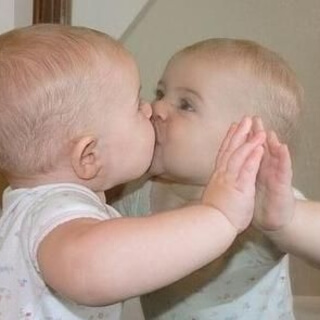
If we look into the mirror,
What we're really seeing is the face of God.
And therefore,
When I look at your face,
I see the face of God.
And hopefully when you look in my face,
You see the face of God.
And so the only,
If seeing the face of God,
There's only one response,
Which is love.
Love and compassion.
And so then I see you,
And since you're a child of God,
With the face of God,
There's only one possible response,
And that's love and compassion.
So for example,
If you're standing in line at the bank and the teller is taking forever and you're getting more and more frustrated,
Remember that's a child of God who's doing his best.
Exactly.
If you're in a convenience store and the teenage kid can't make change for a dollar bill without using a computer,
Remember that that kid is doing her best.
And the guy who cuts you off in traffic,
You don't know why he's cutting you off in traffic.
Maybe he just got a call that his mother-in-law or his mother or his wife was taken to the hospital and he's rushing there as quickly as possible.
See the face of God in another,
And the only response is love and compassion.
So that's part of radical loving.
Radical loving is making the life of another as precious to us as our own.
You know,
We say,
I would die for my children,
God forbid.
I would die for my spouse,
God forbid.
But how do we make the life of another as precious as our own?
Here's the example I always give.
It says,
Love your neighbor as yourself.
Well,
It really means love your neighbor because he or she is just like you.
I can't quite love my neighbor as myself.
Know why?
It goes like this.
Let's say I'm very,
Very,
I see that you're very,
Very depressed and unhappy.
And if I were depressed and unhappy,
What would I want to do to make me undepressed?
Well,
Maybe I might want to go to a San Diego Padres game.
So I see that you're depressed and unhappy,
So I say,
Hey,
I got us tickets to go to the Padre game.
But that's just what I would like.
What if you would like tickets to the ballet instead?
So I have to see you as another person created in the image of God,
Yet nevertheless a unique and individual human being.
So making the life of another to me as precious as my own and yet different from my own.
And radical loving is responding to fear and anger and hatred with intense love.
That's radical loving.
You know,
I once had,
Well,
Sorry.
I once had a teacher who was living in Washington in Seattle,
And he used to come to Toronto when I was studying to become a serotherapist.
And he used to say,
And what you just said now,
Just brought that back because it will never always,
He said,
If you see a mother yelling at her child,
Or you see somebody being really unkind to a kid in a playground or being,
And you just want to go over and shake that mother and just say,
Stop,
Stop,
This is a baby,
This is a child,
Come on.
He said,
You just stand back,
You breathe,
And you turn up your love for that mother and for that child.
Obviously,
If it's something terrible,
You're going to go in and you're going to do something.
But if it's,
If it's,
You turn up your love in a situation where it feels like it's terrible,
You want to just condemn and you want to argue and you want to feel the love that person,
As you say,
Is a child of God.
And everything that happens spirals back to us.
I remember before the pandemic,
Ellen and I went to a play in our old Globe Theater down downtown,
And we had to park a little bit away in one of the parking lots.
And we got caught up after the play.
So most of the parking lot was pretty clear by the time we got there.
And I got to our car and there were beer bottles and the residual of takeaway dinners all around the car.
And I wouldn't have been able to move the car.
I would have crushed the beer bottles and broken the glass and who knows what they would do to the tires.
So I'm picking up this garbage and walking it over to the garbage can and saying to myself and maybe out loud,
What the hell is wrong with these people who are throwing this stuff all around like this and making a mess?
And just then another couple came to their car,
Which was over there.
And this woman looked at me and she said,
It's not our world anymore.
And I thought to myself,
No,
No,
No,
I won't stand for that.
It's not our world anymore.
And so then I thought,
If instead of shouting out my anger at these obviously teenage kids who had left garbage around,
What if I had sent out love to them?
Now,
Would they have known it?
Probably not,
But at the very least,
It would have spiraled around the world and come back to me.
Now,
I don't know if you remember this,
We're about the same age.
So 1987 was the harmonic convergence.
Remember that?
We stood around the entire world,
Held hands and sang songs.
We were going to bring priests to the world.
And the world laughed at us.
What foolish idealistic young people.
We weren't so young anymore,
But there we were.
Well,
You know,
Within a couple of years,
The Soviet Union fell,
The Berlin Wall came down.
Some,
Well,
At least communism left all the satellite countries.
Protestants and Catholics stopped shooting each other in Northern Ireland.
Blacks and whites started riding the bus together in Johannesburg.
And every once in a while,
Israelis and Arabs sat down to the peace talks.
Now,
Did holding hands and singing songs bring that about?
Maybe.
No,
It not.
But did it send a love vibration out to the world?
Absolutely.
And instead of sending a vibration of hate or disdain out to the world,
Which circles back,
We sent a love vibration out to the world,
Which spiraled back.
You know,
We read in the Bible,
That the Seraphim,
The archangel Seraphim,
Stand at the opposite sides of the heavens,
And they shout across the heavens in front of the throne of God,
Holy,
Holy,
Holy is God.
The Catholics have put it into the mass as sanctus,
Sanctus,
Sanctus,
Holy,
Holy,
Holy.
That holiness that shouted in the heavens brings the love vibration to earth.
And we,
In our prayers,
We sing,
Kadosh,
Kadosh,
Kadosh,
Holy,
Holy,
Holy,
And in the Catholic mass,
Sanctus,
Sanctus,
Sanctus.
And that sends a love vibration back to the heavens,
And it circles the earth.
So yes,
It can have an effect.
Maybe we can't measure it in scientific terms,
But eventually we'll be able to measure it in human terms,
In the human heart and the human soul.
And I think the evidence is there more and more and more.
I call it these days,
Cash karma.
I do.
It's like,
It's immediate,
You know,
It feels that way.
Things are moving so quickly,
And the energies are changing,
And that when we do something beautiful and loving,
It just seems like it shows up in our world right there.
And conversely,
If we have even negative thoughts,
Or ideas,
Or whatever,
That shows up in our bodies as feeling bad about ourselves,
Or angry,
Or whatever.
And it's just energy.
Energy carries.
And so yes,
I love what you're saying.
So awesome holiness,
Which you asked about,
Is the being constantly aware of the hereness,
The presence of God.
Turn around,
Here's God,
There's God,
Here's God,
There's God.
Turn around,
Here's God,
There's God,
Here's God,
There's God.
We just have to be constantly aware,
And therefore we have to reflect God in every thought and in every deed.
The tone of America is changing,
Because the words coming out of the White House are changing.
It's no longer words of the vision and hatred,
It's words of responsibility for each other.
Now I don't know about the politics or how this will play out in Congress,
But the tone is changing.
Every word,
Every deed.
So we just saw it.
I want everybody to remember this name,
Darnella Frazier.
Darnella Frazier was the 17-year-old kid who had enough presence of mind and inner peace and courage to stand there with her iPhone and take 10 minutes of video of the policeman murdering George Floyd in Minneapolis.
If without that video there would not have been a conviction,
Right?
With that video there is a conviction.
So I ask everybody to think about what would it be if your every word and deed today were recorded on a constantly running videotape,
And that videotape was going to be on the six o'clock news,
And you had to call your parents or your children and your grandchildren and say watch me on the news.
Would you be happy and proud,
Or would you be ashamed and embarrassed?
That tells the tale.
I love telling this little story that the people were in a cafeteria line and there was this big platter of brand new baked chocolate chip cookies and they smelled so good and the steam was still coming off of them and it said please take one chocolate chip cookie.
But human nature,
People were taking two and three and you came around a little curve and said please take only one chocolate chip cookie.
God is watching.
And then he came across this gigantic bowl of shiny red apples and the sign said take as many apples as you like.
God is watching the chocolate chip cookies.
So what if every word and deed,
So we make our words of kindness and decency and dignity and compassion and love,
Goodness and justice and righteousness.
And also awesome holiness is taking care of the needs of the community,
Not just me but everybody.
And it's taking the ordinary and it's turning it into the extraordinary.
So for example the Jewish wedding declaration is behold you are holy unto me,
Separate and unique.
As God is holy,
You are holy,
We are holy to each other.
We're separate and unique from each other.
How do you turn an ordinary moment into a holy moment?
By sanctifying it.
You're walking,
We can reframe things very easily.
You're walking with your child or grandchild,
You don't say our grandchildren,
Walking with our young grandchildren and the kid says to us,
Hey grandma look at that beautiful tree.
Now you could say yes that is a magnificent tree and if I remember my lessons from my fifth grade botany class because of the shape of the leaves and the bark of the tree that's a elm tree and elm trees do that that that that that that that.
Or you could say yes what a magnificent gift God has given us that tree which breathes and puts more oxygen into the air and that tree which if you're tired you could lean against and and get new strength and if you're hungry you could pick an apple from it and if you're thirsty the the the juice of the apple will will quench you.
So there's a great the great blessing that that the the Jewish tradition gives us which says to our children to our parents,
May your seeds be like you,
May your seeds be like you and we can reframe a simple act of seeing a tree into a holy moment.
Absolutely we can reframe every part of our day in that same way of thinking bringing that kind of consciousness into the into the simplest everyday things that we do brushing our teeth in the morning right.
Taking out the garbage.
Taking out the garbage yeah yeah I loved how you framed it for yourself when when you saw the garbage in front of your your car and and and your initial response and then well it's not the same world anymore and you thought no no what if what if I responded this way and that's the thing you know I think that when we're put in front of circumstances that will sometimes have been a little bit of a problem in the past we can look again and if it's still triggering us well what is it about that situation that we can find a place to learn from to heal from to turn around to forgive.
There's there's a million opportunities because I believe there's gifts in every every story every painful story we have lessons and gifts that are given to us if we're willing and this is this is so beautiful.
Years ago in the 80s it was I guess before it's time maybe still I hope not I went around I was living in Toronto and I I I was so anguished by the the news the nightly news that people would watch every night before going to sleep and this is what they would take to bed with them and I I put out an ad in a little small ad in across Canada in the various provinces would you like to hear good news and I collected all these people and if you do then tell me you know what do you do in life who are you what's your age and what's your life and what's your age and what would you like to hear so I collected a bag full of big huge and I approached all the television stations in Toronto you know CFDO,
CDC,
City television all these and I went to approach each of them with the the concept of I called it the good night news you know if you want to put out all of these things beforehand which are really you know the media has so much influence people go to bed scared they're they're afraid they're you know somebody smiles they think what do you mean by that you know I mean there's just so much horror devastating stuff but you know at the very same time there's all this beauty that happens in every walk of life in every street corner in every home there's so much can you devote maybe 30 minutes 20 minutes to good night news we'll call it the good night news so when people finish listening to the other they can go home to bed with hope and inspiration and then every single one said sorry good news doesn't sell good news doesn't sell sorry sorry and the one one one man said you sound just like my mother I said well maybe you should listen to your mother anyway you triggered me a piece that I wrote for my old weekly column bi-weekly column the San Diego Jewish times many many years ago where I said what if the headline tonight and the across the newspaper is every airplane that took off today landed safely and all the passengers went home to their families in love and in enjoy oh amen yeah what if what if but that is the headline well you know rabbi you're such an inspiration this this you what you've been teaching what who you are with the the energy you put out into the into the world oh you're so sweet well that's true but but I'm also being really honest and obviously I'm real humble as well but but you know what you you you wrote this book it just got published but you wrote it before covid um is there anything different absolutely there actually I wrote an afterward so there is an afterward at the end of the book which is responding to covid which says I wrote this theoretically here's the reality we have been in our faces we have the choice to move for our individual rights or for our car or for the common good right so people say or said I have to be able to go to the beach you can't stop me from going to the beach people said I have to go to a bar and dance you can't stop me from going to a bar to dance well that's individual rights now that's individual freedom now how does that balance with the common good with the highest good with the greatest good right the pandemic put it in our faces we're no longer talking about uh can I do this can I do that am I right to do this my right to do that no we're talking about life and death here and should my own proclivities overcome the the highest need of the society so right in our faces was put practically the fear the theory that I was writing about in the book and our response our response one way or the other makes us or breaks us as human beings you know the reality is that in our lives think about this there are only probably 10 15 major decisions that we make in our lives live here or live there go to this school or go to that school marry this one or marry that one but there are little decisions that we make every day and every moment that can make us or break us as human beings and that's what's been going on in the last year or so here and I know there as well in Canada because we either have the choice to play out our individual needs or our individual have the choice to play out our individual needs our individual freedoms or we can strive for the highest common good which is stay in wear your mask wash your hands keep socially distant get your shots get your shots get your shots it is not a conspiracy theory the governments are not trying to put tracking devices into your arms go get your shots and let's get rid of this thing you know our grandparents god forbid died of smallpox somebody found the right formula we got those vaccinations when we were kids nobody with access to that vaccine dies of smallpox in our generation it was polio we saw the kids in the iron lungs when we were kids I don't know how it was where you were living but somehow in Chicago they decided that the polio germ was most active between the hours of 11 a.
M and 3 p.
M in summer days so all the kids all the kids had to go down to the dark dank basements so we shouldn't be caught by the polio germs between 11 and 3.
So Dr.
Salk and then Dr.
Sabin found the cure anybody with access doesn't get polio anymore it's going to be the same thing 10 years from now 20 years from now 30 years from now whatever it will be somebody will say well there was this plague in the world in it was called COVID coronavirus and somebody found the vaccine and anybody with access to the vaccine didn't get COVID and we wiped it out now the issue will be how do we get this vaccine not just into the arms of recalcitrant people in the Americas but how do we get this vaccine into the arms of the poorest people in India in Africa right this moment as we're speaking there is a gigantic crisis in India the air is filled filled filled the air is filled filled filled with smoke from all the cremations that are taking place because of so many people who have died the hospitals are overwhelmed it's like it was here but because the people are so poor and have so little access to health care and they're so little less health care than here people are dying dying dying are we going to say we the richest nation on the earth probably the richest nation in the history of the world can we get those those vials of vaccine to India to Africa and give them away to people so that the world lives that'll be our moral question for right right well you know one of the things that you said early in the interview about there's two two two steps to prayer and one is you you pray and you ask god and the second is you listen and you hear the response it's not only ask that's one third of prayer it's also praise and and thanksgiving so prayer actually has three parts there's a there's praise there's thanksgiving and then petition to ask but then you're right the second part is to listen right so thank you thank you for that and i think that every single person i believe i i i trust that every every one of us is given that that we all have access personal access to our creator and that when we pray with earnestness and we ask and we stay still and we listen we're guided we're guided to the highest truth we're guided individually i won't get the same answer that you ask for maybe something similar i'll get what's appropriate for me that's right that's appropriate for for you and and for me maybe it's going out into the community and and and and bringing whatever is i that i've been told or listen and is appropriate and for someone else maybe it's leading a choir online and so everybody's vibration they sing and they dance and they they celebrate joy and we all get our own individual message that we can go out and and and pay attention to and it changes everything and so i'd like to point out that god is not out there yeah and we have this notion of the glorious thrones the no the real reality is that each of us can have a deep personal intimate loving relationship with god our we call what we just called prayer can be pillow talk can be the talk of lovers who are in that deep personal intimate relationship that's the way i perceive god that's the way i perceive my relationship with god beautiful beautiful wow you've given us so much to think about so much to think about and meditate on reflect upon and take action and so i thank you so much what a delight what an absolute privilege it is to get to know you a little bit today and um yeah so is there any last words that you would like to share well i thank you for for making the world aware of the notion of a loving god and a world that can be a world of holiness and happiness yes um there will be uh a i i know that not many people buy cds anymore it's all downloads and uploads i don't understand the technology but we're making a musical accompaniment call it whatever you want to the book wow it'll be teachings and chants from radical loving um it will be eventually on the website the website is under construction it will be radicallovingbook.
Com and you can go there and listen to four or five three or four of the chants as we used to say in the old south side of chicago free for nothing and you can then buy it i don't know i don't know how to do this but you can buy a download or you can go to spotify or itunes and itunes and buy the download of the whole thing or you can buy a hard copy cd from the from the um from the site the website and there will there will be chants to enhance all of this because chance you could talk to a different part of our being right and these are all words and music and chant and the words repeated over and over again um so i'll just i'll give you one if i can uh which i can holy holy awesome holiness holy holy awesome holiness holy holy awesome holiness holy holy awesome holiness you want to remember about being holy holy holy awesome holiness holy holy awesome holiness that's just one of 20 something chants oh the major chant the major chant of this book goes one god one world one people one god one world one people one god one world one people eating on earth one god one world one people one god one world one people one god one world one people eating on earth one god one god one world one world one people united in love one god one world one people united in love one god one world one people one god one world one people,
One God one world one people,
Eden on earth,
One God one world one people,
One God one world one people,
One God one world one people,
Eden on earth.
Wow it's a horror I can see everything.
The good news is Cantor Kathy Robbins and my holy wife Helen Kaufman-Dazling do all the singing so you don't have to listen to me sing.
Oh I love listening to you but we have 20 something chants on that on that CD which reflects idea oh yeah it's in process right now we're in the studio so with greatest love eternal love greatest love eternal love greatest love eternal love greatest love eternal love that into your head and sing sing sing that all day.
Yeah well it just touches my heart you've touched my heart today rabbi thank you thank you so much a great pleasure thank you so everything that you've said in terms of the website and and where we can find you that will all be on my website now too with the podcast page so I'll send you that when it's produced which will probably be in the next couple of weeks this has been so when it's up and so you can have that link and share it far and wide and your voice your words your heart your wisdom just the the spoken and heard throughout the world and let it be one world one god one people thank you thank you