Welcome to the Ohmamah's podcast.
I'm your host,
Christine Maglenchia.
In each episode,
I'll cover topics in the area of maternal health and spiritual wellness.
You'll hear from guests who will share their professional and personal experiences as we navigate the journey to and through motherhood together.
This is an intentional space for you to learn and grow.
So sit back and enjoy.
Today,
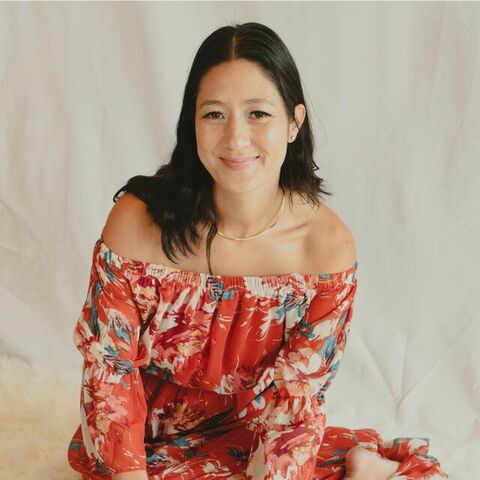
My guest is Dr.
Kat Castro,
PT,
DPT.
She's a physical therapist,
Movement teacher,
And intuitive guide.
She specializes in pelvic floor health and supporting women throughout their prenatal and postpartum journeys.
She's the director of growth and development at PhysioElements in Connecticut and New York,
And her own personal healing work as a first-generation Filipino American and woman of color has been rooted in movement and mindfulness.
Hi,
Kat.
Welcome to the podcast.
Hi.
Thanks for having me.
So glad you're here.
It's amazing to connect with another Filipino American.
So for all those who are listening,
I am Filipino,
First generation in the US,
And my other half is Irish American,
Also first generation.
So very much the litmus and the actualization of immigrants who've come to this country and have really established themselves and been able to provide strong backgrounds and opportunity for their children.
And I'm super grateful and honored to be a part of that generation that gets to heal the lineage.
I know,
Kat,
A lot of what you do too around your own personal work and healing journey is in that connection to ancestors.
Yes,
I just recently got into it and it's definitely been a very deep healing experience both in my personal life and as well as my professional life.
Yeah,
It's so needed.
And the work that you do professionally is just so needed because,
You know,
As women,
We've become so disconnected from not only our bodies,
But really our power center,
Which is our pelvic area and essentially like our sacral chakras.
So if we're looking at it from a space of physical,
Emotional,
And spiritual health,
So many women are just disconnected from that area.
Like I didn't realize,
A,
How strong my pelvis area was pre-child and B,
How weak it had become like after.
It was,
You know,
It's crazy like how our bodies change and how I never really,
You know,
I never really gave gratitude to my body,
Especially like my womb area.
I never gave it much thought to be completely honest until I went through that motherhood journey of like growing and birthing a human from that space.
And so after I was kind of like,
Oh my God,
Like I totally disregarded myself and I didn't give myself enough credit.
And I'm sure a lot of women are the same way.
Like we're not really pouring the love into those areas that we should be.
So how do you help women overcome these blocks in the work that you do?
Sure.
So I guess,
So I am a doctor of physical therapy,
But also I've over the past couple years have gotten into spirituality.
So I've been seeing a lot of that show up in my clinical practice,
But I'll talk up.
I'll talk first about like how I work with women physically.
So as a pelvic floor physical therapist,
A lot of my work is centered around the pelvic floor,
Which is,
Oh,
I don't,
This is a podcast,
Like an anatomical picture,
But your pelvic floor is essentially,
It's like a little hammock that sits at the bottom of your pelvis.
And it's very much a part of your body as like your biceps,
Your hamstrings,
Like every part of your body.
So it is also like a,
Like a growing specialty now in the physical therapy world.
So essentially I focus on rehabbing that region.
And I work primarily with prenatal and postpartum women,
But I also work with women like across the spectrum as like early as like teens and as late as women who are experiencing menopause.
So I find there's like different levels,
Perhaps of like disconnect with the people that you know,
Come through the office.
And it's funny as you were speaking upon like the disconnect that we have as women,
I feel like a lot of it and this is kind of tapping into that spiritual aspect.
A lot of it gets connected to like our inner child or perhaps like our,
Like our ties to our maternal line.
And as well as like the programming we pick up throughout like our childhood as women,
You know,
Like,
I don't know,
There's a lot,
You know,
In the teen years,
It gets kind of awkward trying to figure out like who you are like your personality,
How you are emotionally.
And,
You know,
As you get older,
You continue to define yourself.
Right.
But I feel like if you've had,
Whether it's like little trauma,
Big trauma,
Maybe you were raised to play small or perhaps like,
I don't know,
There's like other wounds there.
They kind of show up in the sacral area more or less,
If that makes sense.
Well,
That totally makes sense because also like what comes up there is like the power that we give away from that area too,
Which causes it to probably become depleted.
Like we give a lot of ourselves and even like in terms of sexuality,
Like when we're talking about like healing through sexuality,
The way that we give our bodies to other people in ways that aren't in integrity and,
You know,
That sense of like giving up your personal power.
Yeah.
And I think a lot of that has to do with us being women,
Like external validation,
You know,
Thinking about like how we dress,
Like how we're around men or how are even around other women can really affect like the sacral area because as we know,
Because we both know the chapter system,
It's a center that's associated with sexuality,
Creativity,
Physically,
It's also like a very vulnerable area,
You know,
Because a lot of like our trauma could be stored there,
Which is fine as well.
So when you experience trauma,
Especially when it gets stored in the body,
Especially in this region,
I find like women tend to and I see this when I'm in working with women who have pelvic floor dysfunction come in,
They almost like dissociate from that area.
Like they don't know,
You don't quite know what they're feeling.
They don't quite know what's going on,
But it's uncomfortable.
And there could also be a lot of guilt and shame around like what they're experiencing in the area.
Yes.
What came up with me for me too,
Was that shame piece,
The shame of being a woman,
The shame of like owning all of these things.
And you know,
Our wombs and our sacral is also the centers of the way we create,
Like you said,
Whether it's creating life,
Whether it's creative,
Creating projects,
It's also like abundance,
Like how we are like giving and receiving into this area.
And I think that's why so women are heavily wounded in the areas of like the limiting mindsets about like abundance to like,
Oh,
We don't deserve this.
And then,
You know,
It goes into the solar plexus of like the worthiness conversation,
But like what's really illuminated for me within like the last few years of having my daughter was that sense of like honoring the womb and really like coming back to self and body and like,
Honestly,
Like seeing when you do the deep inner work,
How everything around you changes and it shifts.
So I'm sure that you've seen like clients who come to you and they're like blocked or feeling stuck.
Like they're coming to you for physical therapy,
But by the end of your work together,
It's like they emerge like these new stronger people like mentally and emotionally as well.
You know,
Totally.
And I,
Sometimes I see it like at the first session a lot of our work,
You know,
After I do like my traditional eval,
Physical assessment,
I find a lot of my work has to be focused towards getting or developing more awareness.
So like where your pelvic floor is,
You have your route,
You have your safe role there.
And as well as like your core,
Like how the two play together.
So if you think about it,
That's the first three,
The third is like your solar plexus,
Like your ego,
Your confidence.
So I feel like a lot of women who have like weaker cores don't have a strong sense of self.
So when I'm guiding women through like breathing exercises and some just like gentle movement in that pelvic floor region,
When they start to feel it,
It's like,
I mean,
You also feel like a change in their energy.
Like it just always happens.
So like,
Connect to the pelvic floor,
Realize like what that feels like.
And all of a sudden,
The eyes light up.
And they're like,
Oh my God,
I just like never knew like I had that connection to my body.
Like I can actually like,
Use the muscles down there.
I mean,
They work they work for like bowel,
Urinary function,
But to like consciously connect to it is like such a strong,
Like energy shift.
And connecting to your body is also energy work.
And I'm really big on,
You know,
I'm really big on the intuitive energy healing side of spirituality,
But I feel like the bridge really has to come has to be developed around like,
Embodying that like translating that to the body so that you're like,
Feeling that,
Like sense of wholeness and like well being.
And like,
Yeah.
That's beautiful.
Because it really is.
It's kind of like one of those things like,
Oh,
I'm coming in for,
You know,
Some physical therapy,
However that looks,
And then you like come out of it.
And you're like,
Oh my God,
That was so much more than physical therapy,
Because we're talking about the ways that we claim our power,
We reconnect,
And we reassociate,
Like we're integrating back into our bodies.
And like the long term effects and the long term benefits of that are,
Now we are more empowered,
We're more confident to show up more authentically,
Because now we have that confidence,
We have that sense of really feeling like sovereign,
And you know sovereignty comes up a lot this year because we're in the age of Aquarius for those who follow astrology.
But it's like that sovereignty of like,
Oh,
It's kind of like you are reactivating like a missing puzzle piece that you didn't realize,
Really like flows into so many different areas of your life.
And so that's like a really beautiful way that you help women really overcome blocks and move stuck energy.
Can you talk about like how our sacral chakras and our pelvic floors become stagnant too?
Sure,
I mean,
From the physical aspect,
Like,
Just not having that awareness could create some stagnation.
And it's crazy because your pelvic floor is connected to your core,
It actually dictates a lot of your ability to like,
Engage your core to so there's like a direct connection to power.
And then in terms of just like the emotional,
Like your environmental,
Like aspect of that is like,
Are you spending time?
You know,
Like,
Spending time creatively?
Are you fully expressing yourself?
Like,
What's your medium to express yourself?
Are you spending enough time moving?
Sometimes if we don't move our bodies enough and like really,
Like focus on like,
You know,
Opening that region,
You know,
There's like not a specific like movement method,
I would say that's gonna like,
Help.
It's like,
You just have to move.
So whatever feels good for your body,
Because there's also that sense of pleasure to have like feeling good in it.
So it's like,
I don't know,
CrossFit,
If that doesn't feel good,
Don't do it.
Like doing yoga feels good,
Like,
Like incorporate that and like really like develop that relationship with your body.
And as well,
I this is actually has come up recently.
In my own,
Like healing practice,
As well as with some of the intuitive clients I have,
Is like creating a ritual,
Instead of like a routine,
Like,
Rituals,
Treating it as a sacred time for yourself to really,
Like,
Feel your body feel your essence.
Like I always encourage people like,
Honestly,
I know it's like,
We're still in a pandemic,
People are in sweats,
But I'm like,
Just like dress up,
Like do something that makes you feel good to like really tap into,
Like your feminine.
I think that's really important to.
So where do you think the journey really begins for women who are looking to,
To reconnect and like reintegrate into their bodies?
Does that start?
I think?
Well,
A lot of it starts physically.
Yeah.
And also manifest physically when you're boring.
Yeah.
Or maybe either or I always find it's like one of those like chicken or egg situations when I meet people with perhaps like the stagnation or deficiency in the stake role.
But I think both have to like,
Both have to be addressed and like,
Have like foster that connection and order.
Yeah,
In order to heal.
That's actually a good question.
I'm gonna reflect on that.
It's like that self awareness piece that hey,
Like something feels off.
Like I know that I'm not like,
Performing my best or you know,
I might have like some pain or discomfort in my pelvic area,
You know,
For mothers,
It's a little more obvious with like,
After your postpartum,
You know that that area is naturally a little weaker.
So it's about strengthening and developing that.
And for mothers specifically,
Like,
What are some tips that you give them during the postpartum phase?
Like how often should they be strengthening?
Like,
What are the what are your recommendations there and how they can integrate a healthier,
Stronger pelvic?
Sure.
So I know with women,
When it comes to like exercise and movement,
Doctors usually wait right until like the six week mark to give clearance.
And a lot of women asked me like,
Oh,
Do I have to wait to do anything?
And I tell them,
Not really the one thing that you can actually do right away is like connecting to your breath and using your breath to connect to your pelvic floor and your core.
Like you can,
I wouldn't have thought breath because the thing that I automatically comes to me is like everyone is like kegels do your kegels like it's just Oh,
Oh my gosh,
I have so much to say about that.
Because I know that's like now that everyone knows about the pelvic floor,
People are so quick to prescribe kegels.
So I,
I need Well,
First of all,
Not everyone needs kegels.
And I say that.
That's why I think it's really nice that we have pelvic floor physical therapists now because you can go see them.
And they can determine what what state your pelvic floor is in.
Is it too tight?
Or is it really,
Really weak?
Someone who's really,
Really weak,
I would probably have them like do kegels.
You're like,
I don't even say kegels.
I like using the word pelvic floor contractions and core contractions.
Okay.
Someone who's like a little bit more tight,
Or has like pain,
More pain,
They would be someone I would not want to give kegels to because that would exacerbate something that's going on there.
But either either person,
Whether you're weak,
Or you're super tight,
The breath like always comes back into play,
Because then the person who's really tight,
I would have them use their breath to,
To facilitate relaxation in their body,
So that they could generate a really,
You know,
Good contraction to build towards strain,
Where the person who is weak with need a little bit more of the breath to bring that like,
Awareness.
Wow.
So like,
Feel like,
Feel where their pelvic floor is.
I mean,
It's with both both types of people.
But yeah,
That's like the first thing I always tell women,
What right out of delivery,
Like the first within like the first two to four weeks before your doctor's visit,
Like the breath is something you can definitely work on.
Oh,
Wow.
That's amazing.
Yeah,
That makes a lot of sense.
Because I think we've just been so conditioned and programmed to like automatically associate like the Kegel hole for pelvic floor health to your kegels.
So that's really interesting to differentiate between,
You know,
All bodies are different.
Again,
See what feels really supportive and aligned for you and really being educated.
That goes back to that education piece of like,
Really knowing your body and like getting the resources and seeking the experts who can really help you do that.
So then if the first step would be breath,
Then you would move on to and then that after the breath work after the connection with that move into like the physical therapy modality of it and exercising.
Yeah,
So when if they come in after like their six week clearance,
Then we will be working on like retraining the core.
I trained in Pilates,
I'm also Pilates teacher,
So I tend to use more Pilates based exercise to help build that strength back up for the postpartum women that come in to see me.
So it's progressive.
And that's like really important to know that your physical healing or the work you should be doing has to be progressively challenging.
Because what happens is doctors will be like,
Hey,
Like you can do exercise.
And then usually women are like,
Well,
What can I do?
Because also I just feel like I don't feel much down there.
And my core doesn't feel the same.
So then they jump onto the peloton or like something really intense.
Like I feel like the first eight to 12 weeks should really be treated as a period of rehabilitation,
Like easing back.
So that way,
You can also take that time to reconnect emotionally,
Energetically and like physically to the body.
So true,
Because even when I hit my six week mark,
I'm like,
Okay,
It's six weeks,
I'm like told I should probably start exercising.
So then you think like,
Okay,
Well,
Maybe let me start running or something.
And it's like,
No,
You have to kind of take a step back.
And it's like,
That makes so much sense.
Because where did you just experience the most physical trauma?
That's where you should start.
And I don't feel like anyone really tells you that,
Like provides you with that information.
It's just like,
Okay,
Well,
You can start exercising again in six weeks.
And there's no like,
You know,
So these are the conversations we get to have where we're like reshifting the narrative around what postpartum health and support looks like.
And like,
Having that conversation of your pelvic health matters.
And it should be a really huge area of focus for you not only as a mother,
But you know,
Any woman who's going through any significant stagnation in that area.
So what are some of the themes that you see that really emerge?
Like,
Are there any that stand out to you in terms of like,
What women say to you after they've now strengthened their pelvis area?
Like have you seen any like,
Can you share any stories of like,
Transformation that stands out or any like insight on that?
Yeah,
I'm trying to think of specific people as an example.
It's just interesting people come in feeling like really,
Like,
Almost lost as to like,
You know,
I've done all the exercise and I still can't feel my core.
Like people come in,
Like,
Seeking a certain feeling.
And before I got,
I was like,
Even really,
Really in tune with what was going on,
Like,
I feel like I've just given exercise program,
Right.
But now when people come in,
I try to like,
Have them like really involved,
Like I always learn now with the people that I work with,
I need them to be like involved with their healing.
So when they step out of the room,
Like after our time together,
A lot of them,
A lot of the words that I hear are like,
Oh,
My gosh,
I feel so connected to my body.
I feel so ready to,
You know,
Take on and I don't know another exercise routine.
I feel so empowered.
There was one that came to my mind.
There's something I always hear.
Oh,
It's just like they feel more confident.
Yeah,
That's beautiful.
It's so beautiful.
And like sometimes just to hear that at the first visit is like,
So like,
Oh,
My gosh,
I just,
You know,
Did my job.
Now it's all in your hands.
Well,
The healing should be in their hands.
Right.
That's so important.
Yeah.
And last,
I'm going to ask you,
So what are some things that we can do daily,
Like on our own to make sure that we're keeping our pelvis strong and we're maintaining that connection?
I would say taking like mindful breaths throughout the day,
Sort of like mini meditation breaks.
And I know meditation is huge.
But I also,
When I meditate,
I try to like breathe into that region.
So like,
What I tell people sometimes to do,
Like,
Maybe three times a day,
Take about like five minutes to close your eyes.
And like,
You could do this in a seated position,
Just like really easy.
And just like focus,
Like visualize and try to feel like where your pelvic floor is.
And like kind of drawing your attention like downward rate to it and then just like taking deep breaths to breathe down to that region into like your low belly,
Like your diaphragm,
And then just exhaling to do like a gentle contraction,
Just so you can like wake up your muscles a little bit.
Yeah,
We connect with that feeling.
No,
That's beautiful.
So really just being more intentional about that space and just like feeling like also like what is that space telling you like trying to like really get like familiar and acquainted with that?
Yeah,
That's it.
I'm so huge on that too.
That's actually a new practice I've been telling people to do as well when you're doing it like,
See what emotions or like thoughts come up.
Because it's so easy for us to be like up in our head,
Like I'm sure you felt you can feel people who are just like really like kind of stuck in their upper cameras.
But like actually like sourcing your body's like messages and like emotions like from the center.
It's like very powerful.
People don't think to do that.
You would think it's so easy.
It's like it's really hard sometimes.
Yeah,
It really is hard to ask people to like carve out that intentional time to like really connect with themselves.
Like how am I really feeling and especially for moms too,
Who are like taking care of so many other people and you know,
We're not the priority.
But that's another conversation that we get to shift when you know when you make yourself the priority,
How your external world and you know how your children feel more confident,
Your partnerships are just more confident like everything really starts with women.
So the more that we can really get in tune with our body become aligned with like what our body is telling us really heal those like limiting beliefs and those old thought patterns and empower ourselves to become more confident,
Then it really creates an impact on every life that we touch.
Yeah,
I think that's a really beautiful message.
And thank you so much for all the work that you do and all the beautiful joy that you bring to women all over the world.
It's just so important.
Hoping that you know,
Some of our listeners do that like take it like after listening to this take five minutes like really drop into your breath connecting with your body and seeing what comes up for you.
All right.
Thank you so much,
Kat.
I'm so excited that you're here with me.
Thank you so much for all the tips and the advice.
Thanks for having me.
It was really nice to chat with you about this.
I have so much more to say but continue the conversation.
So we're continue.
Thank you.
Thank you for listening to the All Mamas podcast.
Please leave a review and share this platform with a woman in your life who can benefit from the message.
Our book,
MOMtras,
Mantras for mindful moms is currently available on Amazon.
If you'd like to continue the conversation connect with us on Instagram at All Mamas.