
The world’s largest free audio library for everyday wellbeing
Real people. Real life. Real time.
Retreat categories
All RetreatsYoga RetreatsWellness RetreatsMeditation RetreatsYoga Teacher TrainingWomen's RetreatsYoga Retreats in BaliYoga Retreats in United KingdomYoga Retreats in AustraliaYoga Retreats in ItalyFind Your Perfect Retreat
Discover transformative Retreats led by Insight Timer's best teachers.Reconnect, recharge, and return renewed.
The world’s largest free audio library for everyday wellbeing
Blog categories
Mental Health and WellbeingTips and GuidesScience and ResearchTraditionSpiritualityAt WorkTop Articles
How to Meditate
Meditation is something everyone can do. Practicing can help improve your health and wellbeing.
Explore MeditationMeditation Timer
Free meditation timer with customizable intervals, bells, and ambient sounds.
Meditation Timer Online
COURSE
Heal Hidden Childhood Wounds That Lead To Love Blocks
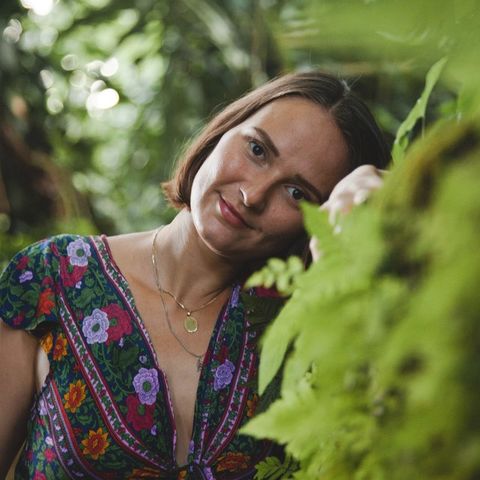
With Vera Lux
General Benefits: - immediate relief practices for anxiety (max. 15 min) - Safe, soft and slow emotional release (first preparing the nervoussystem) - gratitude, radical acceptance for your "shadows", embracing your "dark side" - reparenting and reintegration of split of parts through somatic experience - reconnection to the divine and your own soul through the body/mindfulness (instead of searching in the outside, substances and other ppl for fulfillment}. Tools of this course: - Tapping Video Script (Emotional Freedom Technique) - Somatic Experiencing and Inner Child Meditation - Over 1 hour of audio (and text) that explain Childhood Trauma in Detail + the spiritual & social context - self-reflection questionaries - journaling ideas It’s so important to spread the knowledge since all sorts of addictions, obsessions, commitment phobia and other love blocks became a quite hidden but complex and widespread collective issue. We need to fully understand the roots of the rising relationship issues, such as weak boundaries, co-dependency, loss of values and reliability, subconscious fear of true intimacy/closeness, avoidant & anxious attachment styles, obsession/fantasizing. Luckily many people start to understand how more and more confused, wounded, disconnected generations are contributing to the destruction of the core foundations of society: real human connection, loyalty, the holy union and strong family units/communities. We can do this – if everyone starts to take responsibility of their own subconscious patterns instead of blaming the “badbad” world and other people. Shedding the light of awareness onto the "darkness" aka the subconscious will also be your main contribution to a better world, since the outside is always just a reflection of our inner world. Get a basic understanding of your core wounds, childhood trauma & why this course is important for everyone with my FREE MASTERCLASS that is available on insight timer (watch from ca. Minute 50 if interested in the more psychological aspect)
Meet your Teacher
read more
3 Days
655 students
4.8 stars
14 min / day
Acceptance
English
4.8 (6)
Recent Reviews
Glenn

September 2, 2023
Experienced some radical shifts of physical sensations that I was not expecting at all. This has opened up many a door. Thank you 🙏🏼

Trusted by 36 million people. It's free.

Get the app


