
The world’s largest free audio library for everyday wellbeing
Real people. Real life. Real time.
Retreat categories
All RetreatsYoga RetreatsWellness RetreatsMeditation RetreatsYoga Teacher TrainingWomen's RetreatsYoga Retreats in BaliYoga Retreats in United KingdomYoga Retreats in AustraliaYoga Retreats in ItalyFind Your Perfect Retreat
Discover transformative Retreats led by Insight Timer's best teachers.Reconnect, recharge, and return renewed.
The world’s largest free audio library for everyday wellbeing
Blog categories
Mental Health and WellbeingTips and GuidesScience and ResearchTraditionSpiritualityAt WorkTop Articles
How to Meditate
Meditation is something everyone can do. Practicing can help improve your health and wellbeing.
Explore MeditationMeditation Timer
Free meditation timer with customizable intervals, bells, and ambient sounds.
Meditation Timer Online
COURSE
Stoic Contemplations For Emotional Resilience
With Jon Brooks
Stoic philosophy developed a set of exercises for meeting life more deliberately. This course guides you through a morning routine, an evening review, premeditation of adversity, mortality, the View from Above, the ideal of the sage and the Stoic account of the passions. These are contemplative practices for reflection and emotional resilience. They are not psychotherapy and they do not promise to treat an anxiety disorder. Use one lesson at a time, then keep the practice that proves useful in your own life.
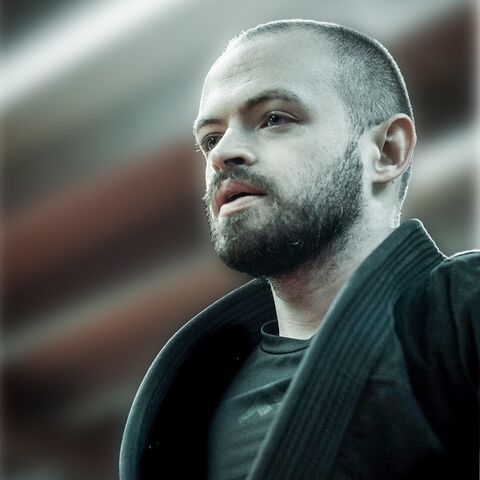
Meet your Teacher
read more
8 Days
839 students
4.9 stars
12 min / day
Grounded
English
4.9 (98)
Recent Reviews
Brian

May 5, 2026
This course was a wonderful application of stoic principles to mindfulness practices. The material was beautifully presented by the teacher.
Lesley
May 16, 2025
More and more awareness in my life now. Thank you
Laurie
May 9, 2025
Once again, Jon has provided meaningful interpretations of Stoic principles to apply to daily life. Many thanks, Jon.
Mónica
March 26, 2025
Hellenic philosophy was always my favorite because through it I have learned the part of all of the philosophy I know which matters the most to me: living a well lived life. Although, I think I wasn’t actually capable of putting to practice but after I got the news about me having a hernia, that, I knew I had caused myself. That was the cornerstone of my change, even after terrible situations I put myself through early adulthood. I thank you for making this practical course. It’s not easy for a philosopher to step aside from so many teachings. You’ve made a pretty cool course accessible and appealing for all audiences. That’s amazing!
Chad
March 15, 2025
Some of the best tools I have learned for dealing with adversity.
Bobbie
February 8, 2025
Practicing the principles taught in this course can change how you interpret situations and your relationships
KatieG
January 9, 2025
great ideas wrapped into a succinct course that’s practical and very helpful! These are core principles for better living-the challenge is practice and integration into my daily experience. Thank you, Jon, for your work here on Insight Timer 🙏🏼
Rosann
January 4, 2025
Thank you Jon 🙏
Drew
December 27, 2024
Great well-rounded material and presentation. Most certainly a toolkit for a good life with virtue and healthier perspectives. Most certainly recommend. Thank you all for being here with me 🙏🏻💕✨🌴
Scarlett
December 6, 2024
Thanks so much! The class was very helpful and informative
Anne
November 28, 2024
Interesting and insightful course.
matthew
November 20, 2024
Excellent short course which presents stoicism in a accessible and practical way. Each episode consists of a short talk and guided meditation.
taratan
November 17, 2024
I really enjoyed this interesting and thought provoking course and found it helpful. Thank you so much for taking the time to create it for us. Many blessings to you and yours 🙏🏼🧘💗
Rich
November 14, 2024
Great course! Thank you!
Liz
November 12, 2024
Incredibly helpful and calming. Thank you.
Torie
November 10, 2024
I have taken several of your courses which have guided me and help me to become my highest potential . The toolkit is perfect way to start your journey to a stoic state of living. Thank you for sharing this information .
Hans
November 5, 2024
Thanks Jon! Very useful, I appreciate the insights as always from you. I will be returning to this one many times 🪷💚🙏
More from Jon Brooks


